Access to Affordable Vaccines for Middle Income Countries Workshop kicks off in Eswatini
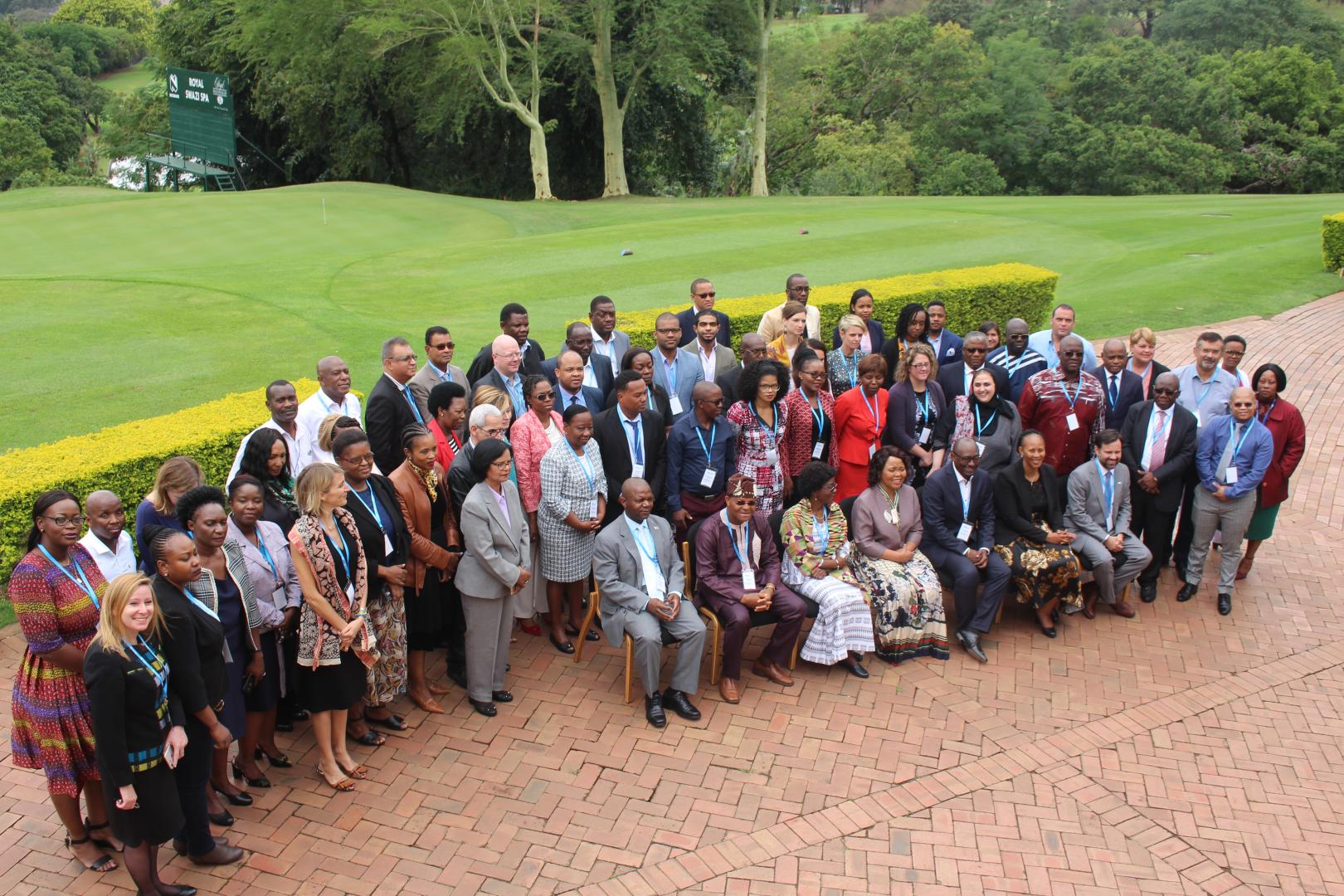
The Minister of Health, Honourable Lizzie Nkosi opened the second consultative workshop for improving access to affordable vaccines for Middle Income Countries (MICs) in Africa, at the Royal Swazi Convention Centre in Ezulwini on 30 October 2019. This meeting, organised by the World Health Organization (WHO) Regional Office for Africa is attended by stakeholders involved in the procurement and use of vaccines from seven Middle Income Countries in African.
Strengthening disease surveillance and outbreak response in South Sudan to save lives

Juba, 25 October 2019: To improve reporting performance and capacity to detect outbreaks, South Sudan reviewed and adapted the Third Edition of the Integrated Disease Surveillance and Response (IDSR) guidelines for timely detection and prompt response to disease outbreaks and public health risks.
Japan joins Rwanda to emphasize community engagement as a pillar of Ebola Prevention

The Ambassador of Japan to Rwanda, His Excellency Mr. Takayuki Miyashita, joined Rwanda to emphasize community engagement in preventing Ebola. Mr.Tukayuki along with Dr. Mwinga Kasonde, World Health Organisation Rwanda Office Representative and State Minister for Primary Health Care and Public Health Dr. Patrick Ndimubanzi conducted an Ebola Virus Disease community mobilization exercise on the September 20, 2019 in Gahanga Sector, Kicukiro District, Kigali City.
835 000 people to receive second dose of the cholera vaccine in North Kivu, Democratic Republic of the Congo

WHO builds Capacity of Six African Countries to Strengthen Reproductive, Maternal, Newborn, Child, Adolescent Health and Nutrition

Entebbe, 29th October 2019:- The Ministry of Health, with support from the World Health Organization (WHO), is conducting a five-day workshop to build the capacity of program managers and WHO country office staff to better manage and improve service delivery in the Reproductive, Maternal, Newborn, Child and Adolescent Health and Nutrition (RMNCAH&N) program.
Regional research prioritization exercise on SRHR with focus on safe abortion and post-abortion care, including in humanitarian settings

Government strives to make medication, support available for HIV-positive children

Abuja, 29 October, 2019 - Five-year-old Hadiza Malami* and her siblings were born with human immunodeficiency virus (HIV). Hadiza’s parents, who are both HIV positive, only started receiving antiretroviral (ARV) treatment a year after Hadiza’s birth when an HIV testing and treatment centre opened in their neighbourhood.
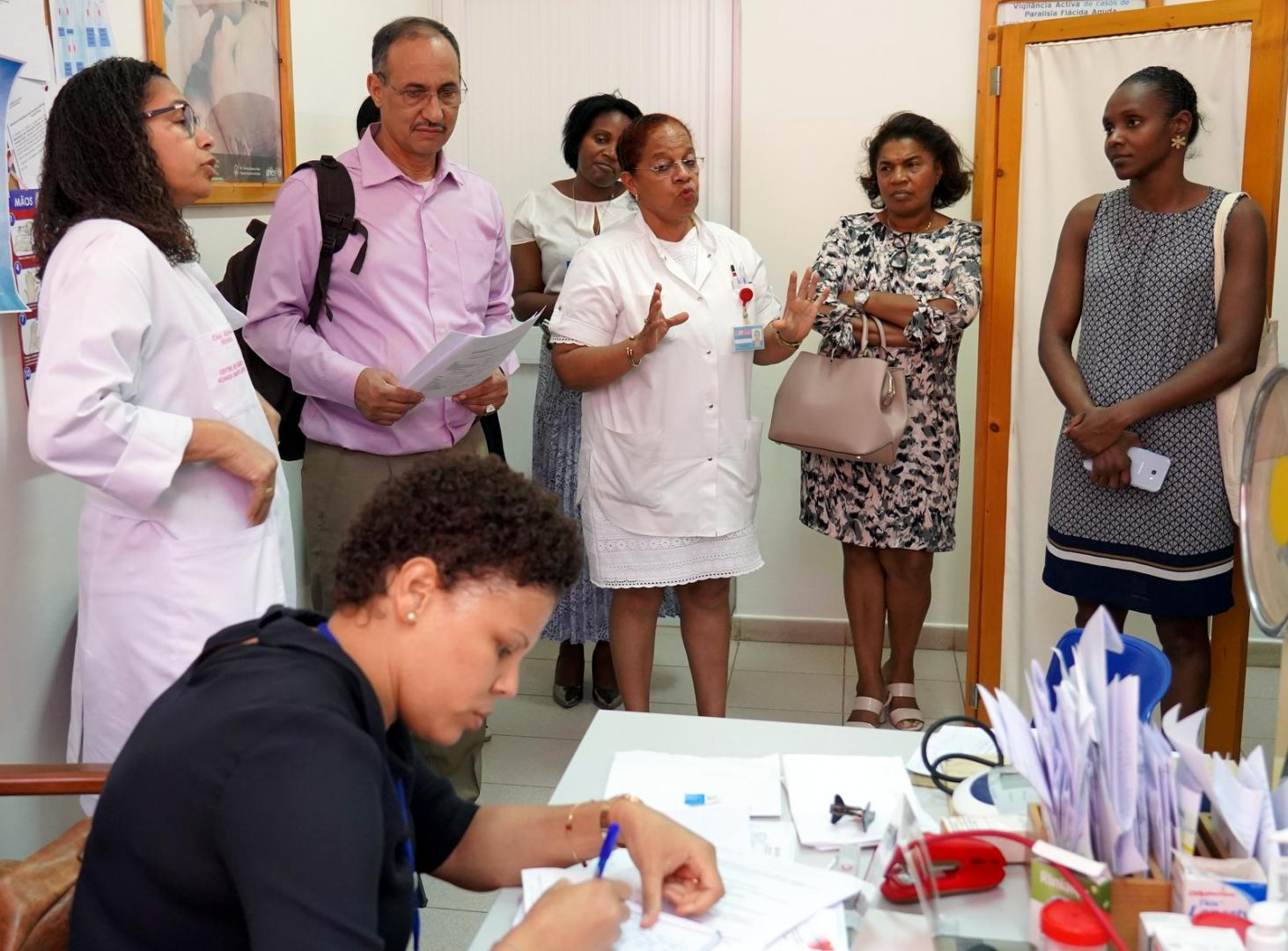
Cabo Verde adopts WHO package of essential noncommunicable diseases interventions for primary health care
Regional partnership promoting high-impact ideas for a healthier Africa is announced

Uganda scores highly in the Measles-Rubella-Polio vaccination campaign

Kampala, 25 October 2019-: In the recently concluded Measles-Rubella-Polio campaign conducted by Uganda’s Ministry of Health (MoH) with support from GAVI, the Vaccine Alliance and the World Health Organization (WHO), partial results reveal that 18 770 706 (105%) children have so far been vaccinated against Measles and Rubella. This is higher than the nationwide target which was 18 100 000 children. The Measles-Rubella vaccination campaign targeted children above nine months but below fifteen years.