
Angola assesses it’s capacity to respond to public health threats

Luanda, 08 November 2019 - The Ministry of Health, with the support of the WHO, held a technical meeting in Luanda to evaluate the national capacity to implement the International Health Regulations (IHR), a fundamental vehicle for responding to adverse health situations and protecting world health safety.
WHO supports Nigeria to become first African country to adopt new epidemic intelligence tool

Abuja, 8 November, 2019 - In the short time it has existed, Nigeria’s public health institute, the Nigeria Centre for Disease Control (NCDC), has reported, averted and controlled a myriad of disease outbreaks. A key factor in preventing either the occurrence or the spread of these outbreaks has been their early detection.
Walking together in the fight against non-communicable diseases

Tanzania is among African countries facing a growing scourge of non-communicable diseases. According to the World Health Organization (WHO) data, deaths from non-communicable diseases (NCDs) comprise just above 30 percent of all deaths in Tanzania. WHO and partners are supporting country efforts to address NCDs through a two-pronged approach: development of national level guidelines and policies and, promoting integration of health precepts in non-health sector policies.
Government’s attention shifts to Niger Delta creeks- renews efforts to vaccinate every eligible child in Bayelsa

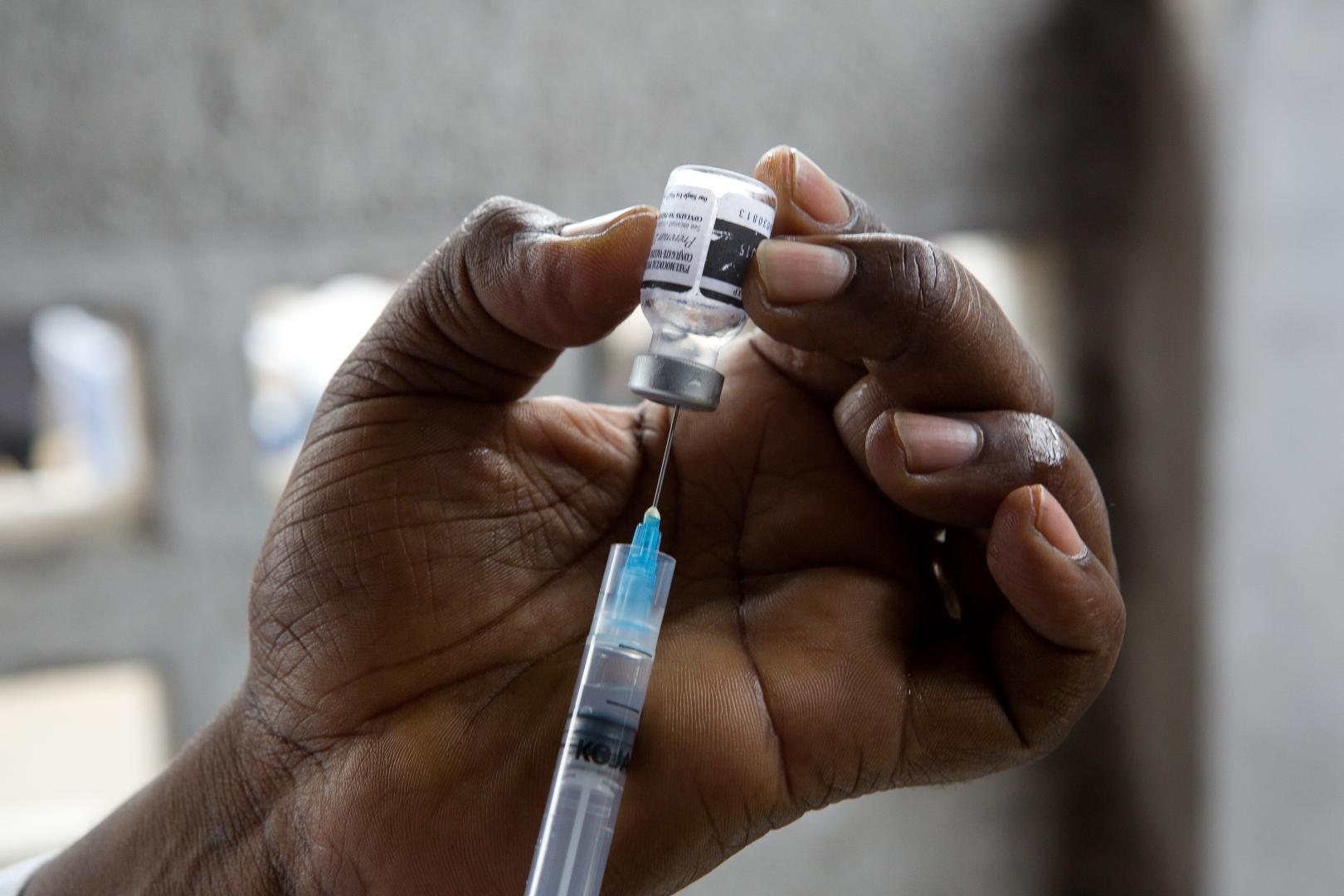
Yenagoa, 7 November, 2019- In renewed efforts, not to leave any child needlessly exposed to vaccine-preventable diseases, the World Health Organization (WHO) and the authorities in Bayelsa are seeing a marked improvement in immunization coverage in the State. This follows the adoption of innovative approaches to reach all children – even those living along its hazardous creeks and remote jungles.
Healthcare workers in Federal Capital Territory re-commit to improving maternal care

Abuja, 7 November, 2019 - Primary Healthcare Centres (PHCs) in the Federal Capital Territory (FCT) are stepping up efforts to improve the quality of care (QoC) given to new mothers at their facilities. Maternal mortality is an issue of concern in Nigeria. Every year, at least 58,000 Nigerian women die while giving birth, and at least 800 women die in every 100,000 live births. (WHO/UNICEF/UNFPA ).
Nine African countries agree to begin journey towards pooled procurement to increase their access to affordable life-saving vaccines
WHO Uganda Staff Retreat To Assess Annual Achievements, Plan for the future and build a Cohesive Team

Mbale, 5 November 2019:- Retreats provide a good opportunity for staff to understand each other, reflect on working relationships, and network, which leads to team building and cohesion. Most importantly, retreats are ideal to review office achievements, reflect on working modalities and to plan for the work ahead.
WHO donation - prefabricated clinic to the Sofala Provincial Health Directorate: WHO’s support to alleviate suffering of pregnant women who had to walk 37 kilometers to the referral hospital

BEIRA, Mozambique – The World Health Organization (WHO) has officially handed over a prefabricated clinic to Sofala Provincial Health Directorate (DPS). This will facilitate access to adequate health services for the population of Inhajou.
Stopping the spread of disease and saving lives through timely risk communication and community engagement in South Sudan

Juba, 1 November 2019: “Timely risk communication and community engagement results in preventing the spread of diseases and better management of hazards at household and community level,” said Dr Atem Nathan, the Director General for Primary Health Care, Ministry of Health.
Risk communication and community engagement (RCCE) are critical to health emergency preparedness and response as key strategies for International Health Regulations (2005) and Pandemic Influenza Preparedness (PIP) Framework.