African governments must invest in research and development of new medicines

Dr Owen Laws Kaluwa, Representative of the World Health Organisation (WHO) in Ghana, has asked African governments to increase investments in research and development of new medicines, especially in the conduct of clinical trials.
He said investments in the development of new products was not at a fast enough pace to keep up with the need for new diagnostic and other products to deal with health issues on the continent.
WHO Eritrea Country Office Assumes a Functional Review: 11-15 December 2017
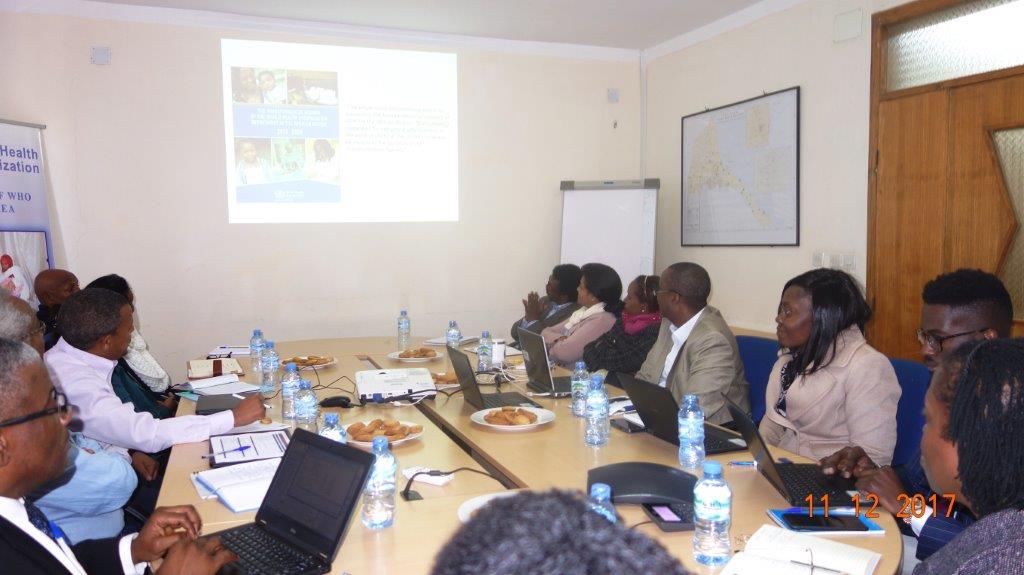
Asmara, 11 December 2017 - The time had reached for WHO Eritrea Country office for the functional review exercise to undertake; starting from December 11, 2017. The six-days exercise was part of the WHO transformation agenda (2015-2020). The purpose of the functional review is to ensure the Country Office has adequate and appropriate workforce to support Eritrea’s health priorities. Eritrea WHO Country Office is the 15th to be reviewed among the 18 countries scheduled for this year.
Kenya meets Guinea Worm Free Certification Criteria

Monday, Dec 18, 2017
Kenya has met the criteria for Guinea worm free certification status, following a comprehensive evaluation in the country in the last two weeks by the International Certification Team (ICT).
The team for evaluating the status of Guinea Worm Disease found no evidence of Guinea Worm transmission in the last three years, in the presence of adequate surveillance and follow- up of rumours of the disease, putting the country on track to the Guinea Worm-free certification status.
WHO supports response to influenza A (H1N1) pdm09 outbreak in Ghana’s Ashanti Region
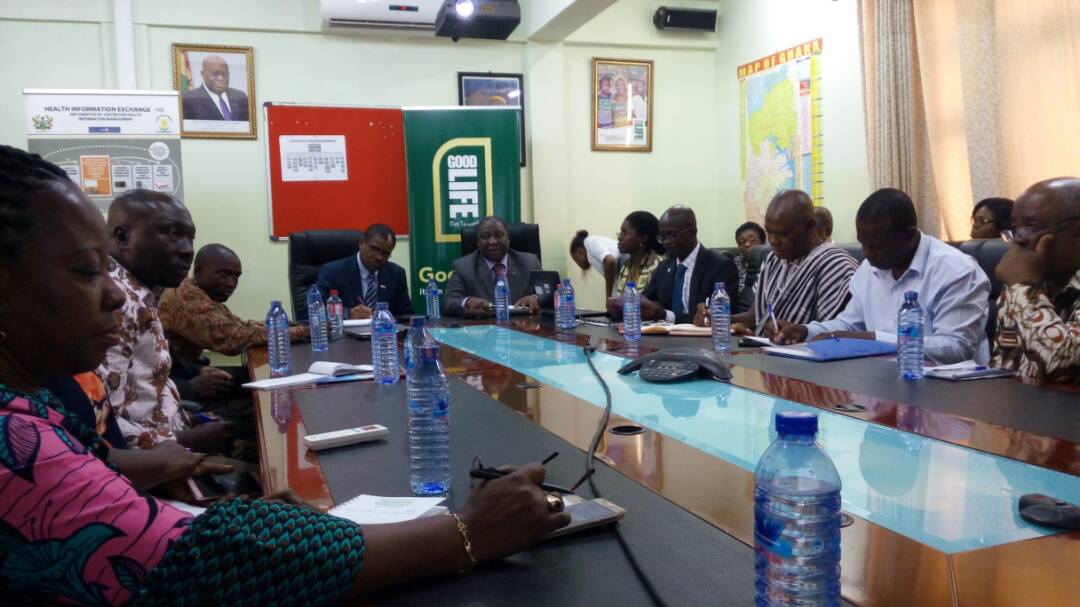
WHO is supporting Ghana’s Ministry of Health in response to an outbreak of a febrile illness in a boarding school The initial case was reported from Kumasi Academy High School (KASHS), Asokore Mampong Municipal, Kumasi on 29 November 2017
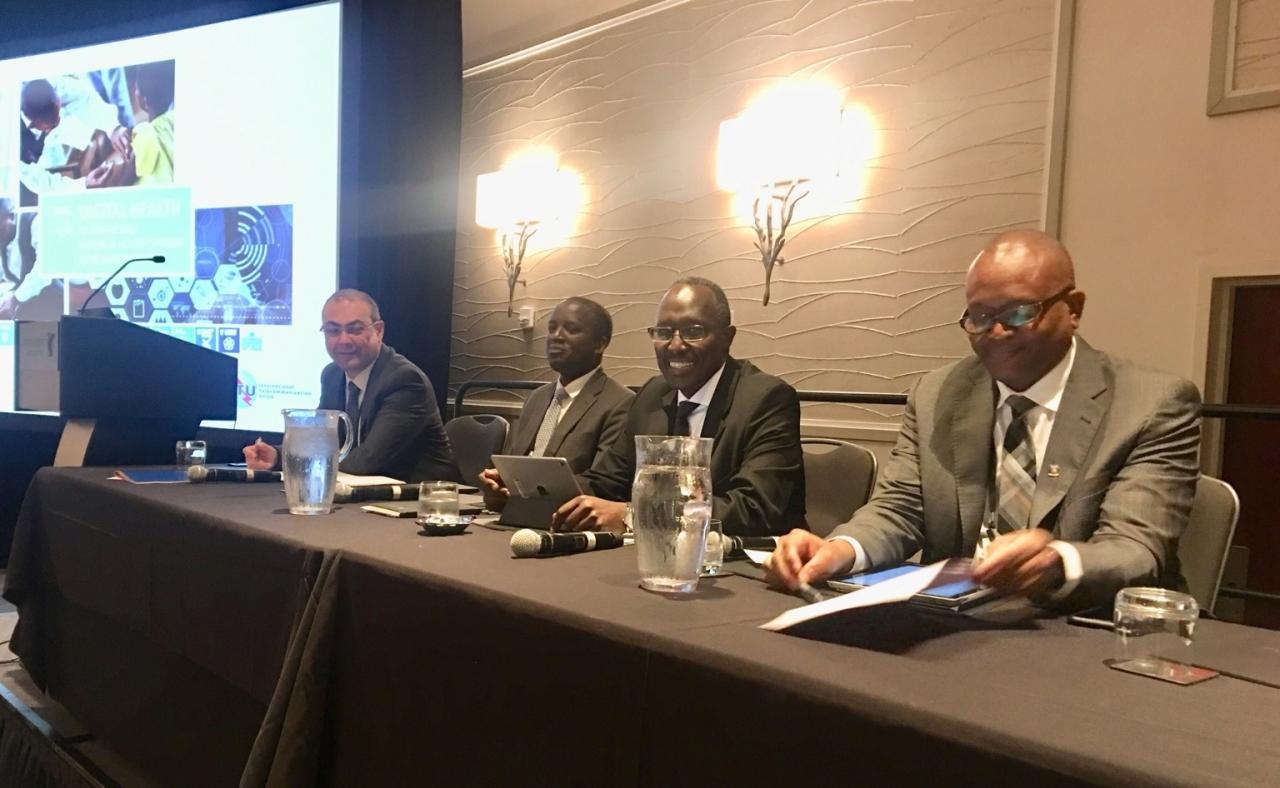
WHO identifies avenues for Digital Health Technologies in Africa
WHO spearheads provision of mental health services in primary healthcare facilities
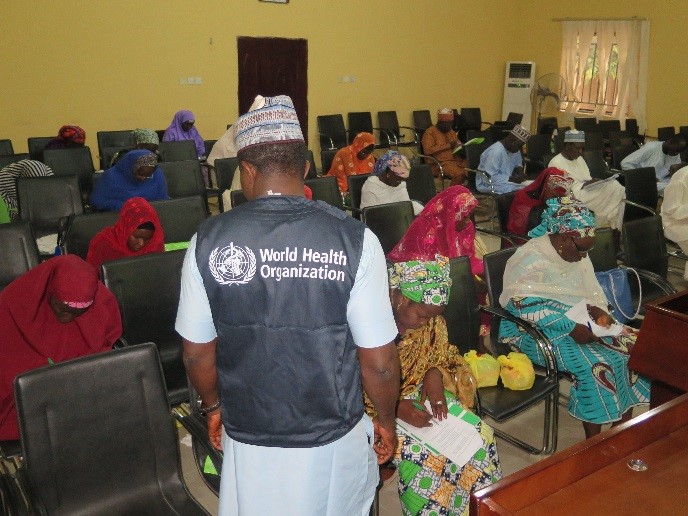
Maiduguri, 15 December 2017 - For the first time since insurgency stymied healthcare services in the North-east, the affected population now have access to mental health services at primary health care (PHC) facilities in Borno state. To date, more than 2000 clients have been referred to the Federal Neuro-Psychiatric Hospital in Maiduguri, the state capital for further care, while 19 were admitted for in-patient management.
The Stop Transmission of Polio (STOP) program contributes to sustain Polio eradication in South Sudan
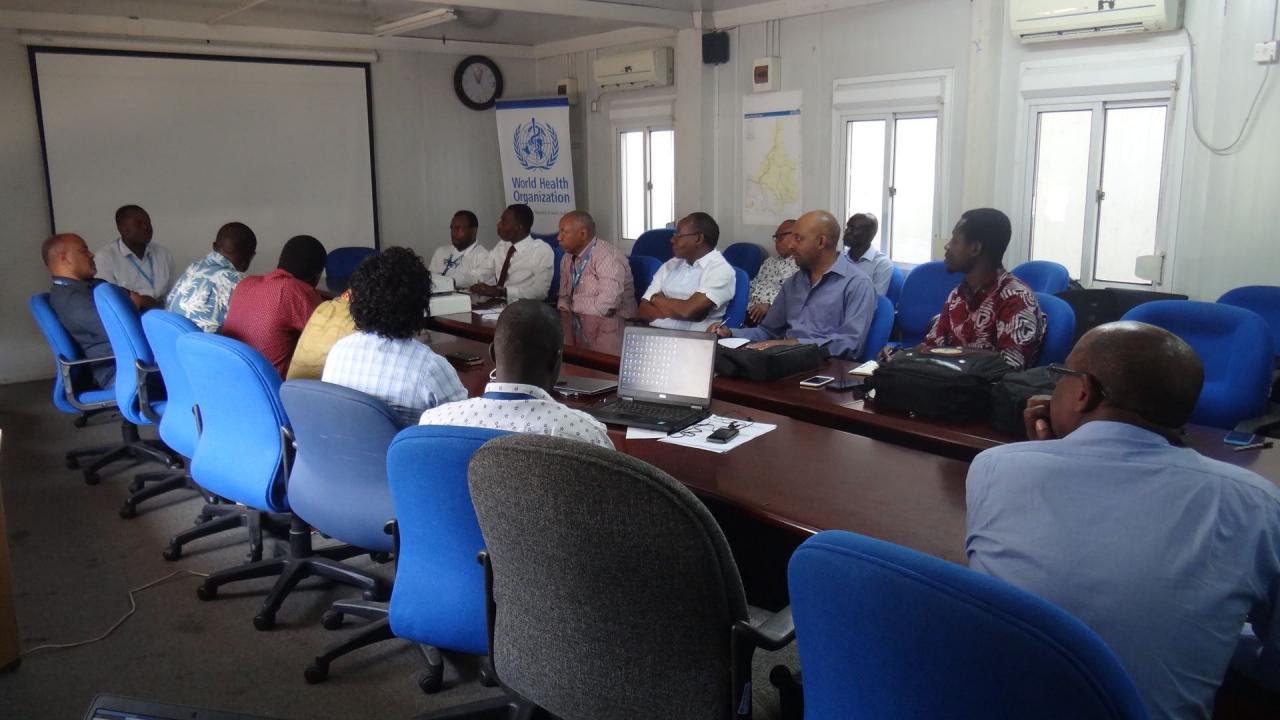
14 December, 2017, Juba: South Sudan has been polio-free since June 2009. However, it is still considered at risk for polio outbreak due to insecurity, population movements, along with recent polio outbreaks in the neighbouring countries.
In order to sustain the polio free status, reaching every child with life-saving polio vaccines, and strengthening acute flaccid paralysis surveillance remain core interventions.
WHO Ethiopia donated six vehicles to Ministry of Health

South Sudan implements the second round of Oral Cholera Vaccination to enhance outbreak response efforts in high risk locations

Juba, 14 December 2017: Cholera in South Sudan remains an important public health problem which has affected 21 571 people and resulted in 462 deaths since the onset of the outbreak on 18 June 2016. This has been the longest and largest outbreak in magnitude and geographical extent, its impact exacerbated by the protracted crisis, insecurity, displacements and declining access to safe drinking water and sanitation.
Amid protracted and widespread violence, WHO partners with National NGOs to improve immunization coverage and save the lives of women and children in South Sudan
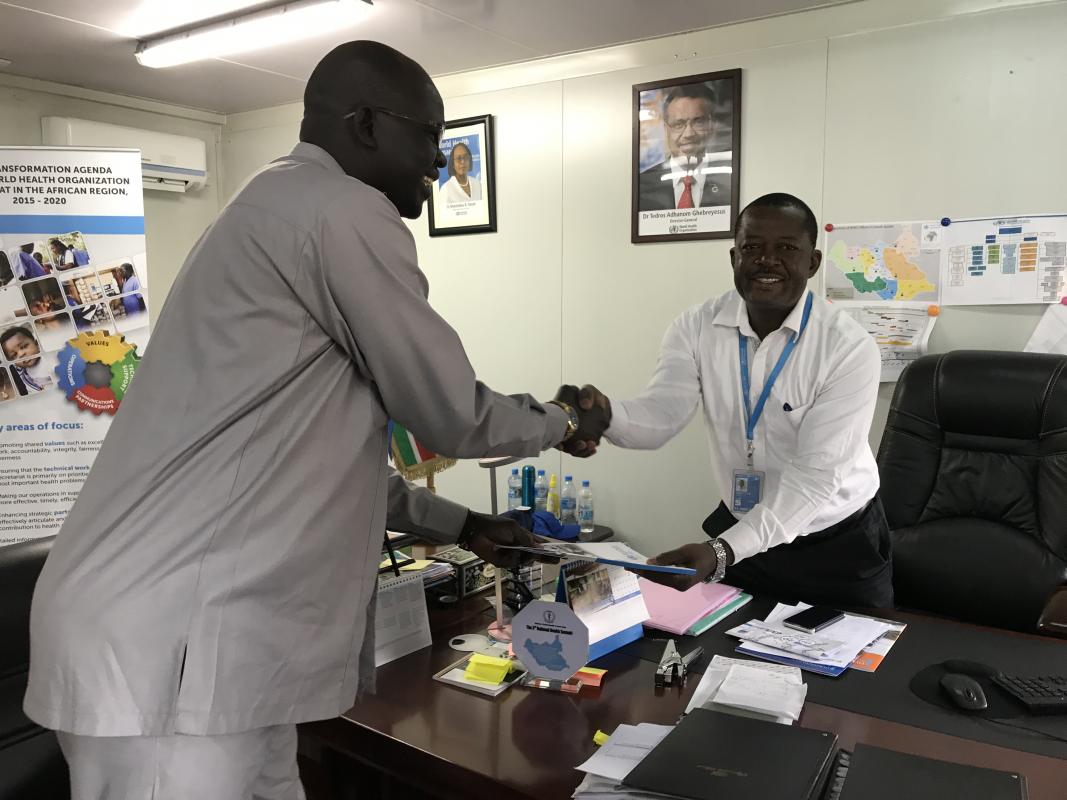
Juba, 15 December 2017: The World Health Organization (WHO) is expanding on its partners’ engagement mechanisms to address critical barriers in reaching vulnerable persons including women and children with life-saving interventions in besieged and hard-to-reach areas, where access and restrictions on movement severely hinder the ability of populations to get health services.