Advancing neglected tropical disease elimination in Sierra Leone
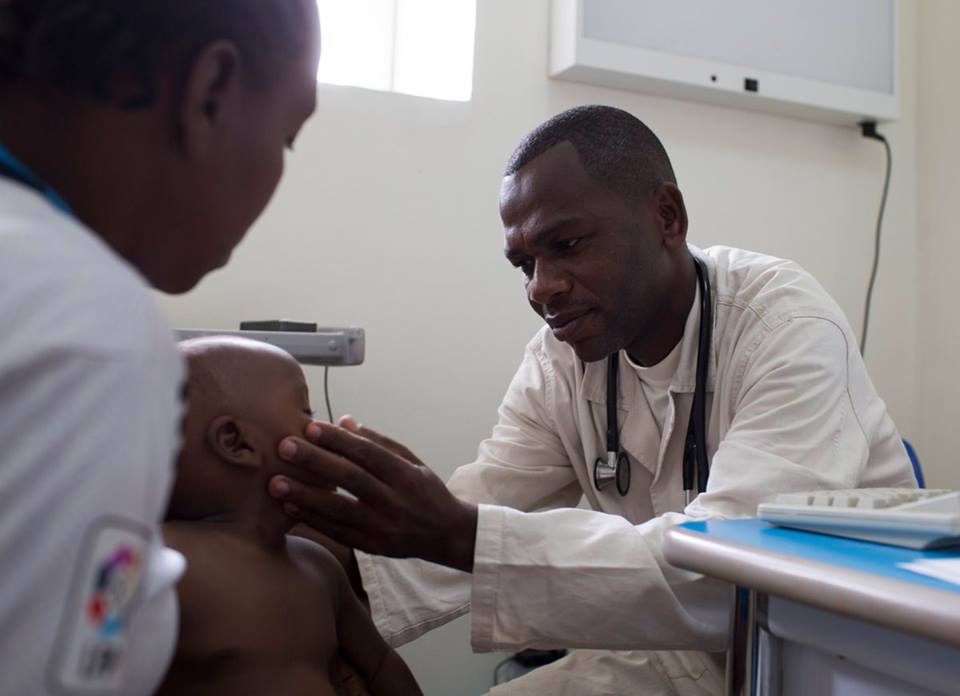
FREETOWN, January 15 2018 --- With support from WHO, Helen Keller International and partners, the Ministry of Health and Sanitation is advancing efforts towards the elimination and control of onchocerciasis, or 'river blindness'. The country has also launched its revised five-year National Action Plan (2016-2020) for Neglected Tropical Disease (NTD) elimination.
First ladies launched new campaign a “Free To Shine” to optimize their commitment to fight against AIDS

WCO-Gambia staff introduced to the new Emergency Response Framework (ERF)

BANJUL: 30 January 2018: Staff at the WHO Country Office (WCO) have today been oriented on the new Emergency Response Framework (ERF) 2017.
The 30th Ordinary Session of the Assembly of the African Union kicked off in Addis Ababa

WHO promotes one-health approach to enhance response to zoonoses in South Sudan

Juba, 25 January 2018 – To reduce threats posed by zoonotic diseases due to a wide range of diseases – including Rift Valley Fever, Crimean- Congo Hemorrhagic Fever, Avian Influenza, Yellow Fever, as well as Lassa Fever, Ebola, and Marburg, WHO is promoting the one-health approach to ensure that the combined resources and expertise are effectively used.
Nigeria set to vaccinate 25 million people, its biggest yellow fever campaign ever

Nigeria set to vaccinate 25 million people, its biggest yellow fever campaign ever
WHO prioritizes water, sanitation and hygiene (WASH) services in health care facilities to achieve health goals in South Sudan

Juba, 24 January 2018 –The lack of safe water, functional toilets, hand washing facilities and waste management system in healthcare settings poses significant health risks to patients, healthcare workers and nearby communities.
Government of Uganda confirms outbreak of Crimean-Congo hemorrhagic and Rift Valley fevers

The Ministry of Health in Uganda confirmed an outbreak of the Crimean-Congo Hemorrhagic Fever and Rift Valley Fever in Nakasseke and Luwero respectively.
Earlier in December 2017, the Uganda Virus Research Institute (UVRI) confirmed a positive case of CCHF in Nakaseke district. As of January 18, 2018, two confirmed and seven suspected cases had been investigated in Nakaseke district. Three of the seven suspected cases were close relatives of the patient. Samples from the seven suspected cases tested negative for CCHF.
WHO hands over cholera and Reproductive health kits to Ministry of Health and Child Care
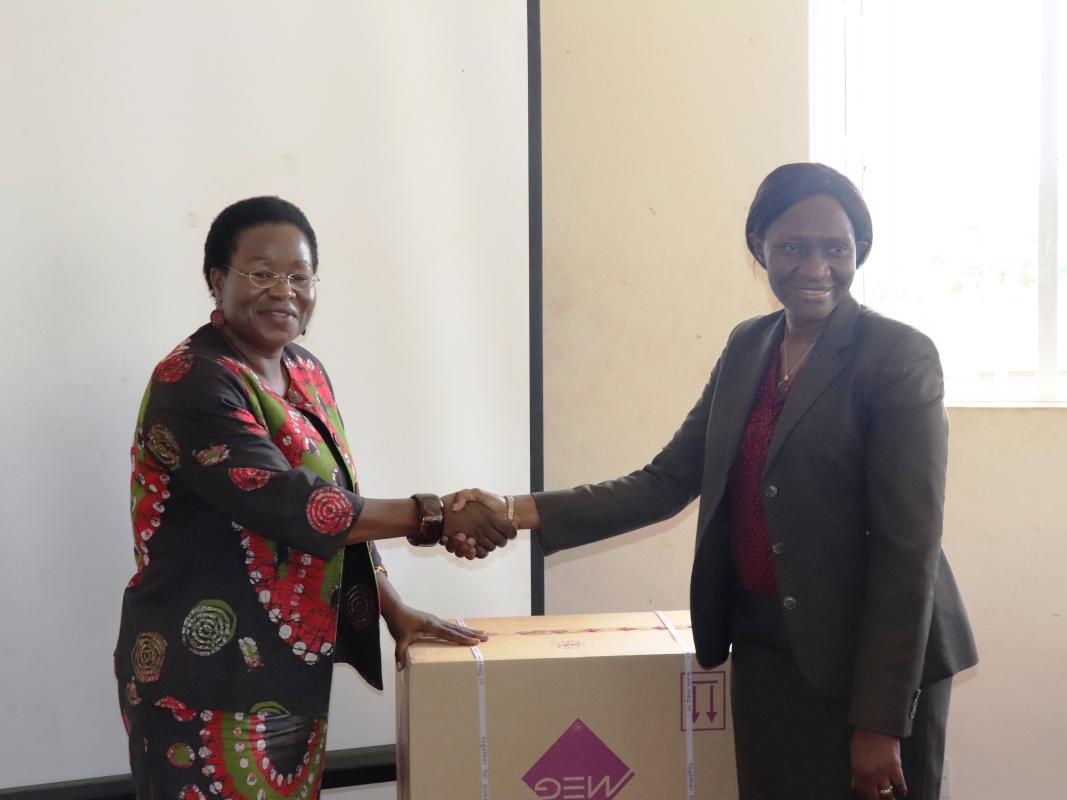
In a move aimed at complementing and supplementing the Ministry of Health and Child Care's efforts to step up essential emergency preparedness and response, WHO Zimbabwe handed over cholera and emergency reproductive health kits. The cholera and reproductive health kits are meant to support preparedness and response measures that the ministry is currently putting in place to restock districts and provinces at risk of possible outbreaks of diseases or need.