WHO supports Government of Uganda to develop a National Action Plan for Health Security (NAPHS)

The Ministry of Health with support from World Health Organization (WHO) convened a five-day meeting to develop a National Action Plan for Health Security (NAPHS) for Uganda. The development of the NAPHS comes after a Joint External Evaluation (JEE) of Uganda’s readiness to readiness to respond to public health emergencies, which was done in May 2017 by WHO and other partners.
One year into emergency response, WHO evaluates operations in Northeastern Nigeria.

One year after the internal declaration of Grade 3 emergency on the northeastern Nigeria, the World Health Organization (WHO) is conducting a comprehensive review of its humanitarian response to address health needs of nearly six million people. WHO declared the Grade 3 humanitarian crisis in Northeastern Nigeria in August 2016 in accordance with standard Inter-Agency Standing Committee (IASC) criteria to reduce avoidable mortality and morbidity through provision of life saving essential health services in the affected region.
Zimbabwe successfully hosts RC 67

Integrated Measles and EOS campaign protects 2.6 million children in Ethiopia’s Somali Region
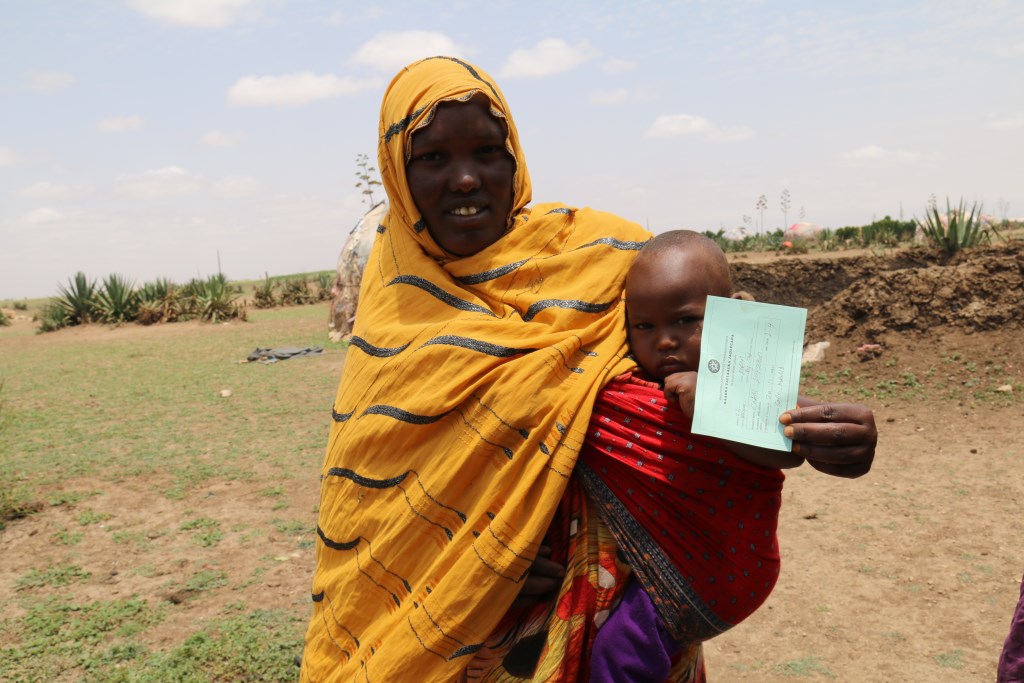
WHO Intensifies Efforts to Contain Cholera Outbreak in Borno State

Maiduguri, 08 September 2017-With more than 1000 suspected and confirmed cases of cholera including 30 deaths in Borno state as of 07 Sept 2017, World Health Organization (WHO) has intensified its response efforts to contain the outbreak in Muna internally displaced persons (IDPs)camp in Maiduguri, Jere, Monguno and Dikwa local government areas (LGAs).
Rapatriement de burundais de la Tanzanie: un accueil chaleureux
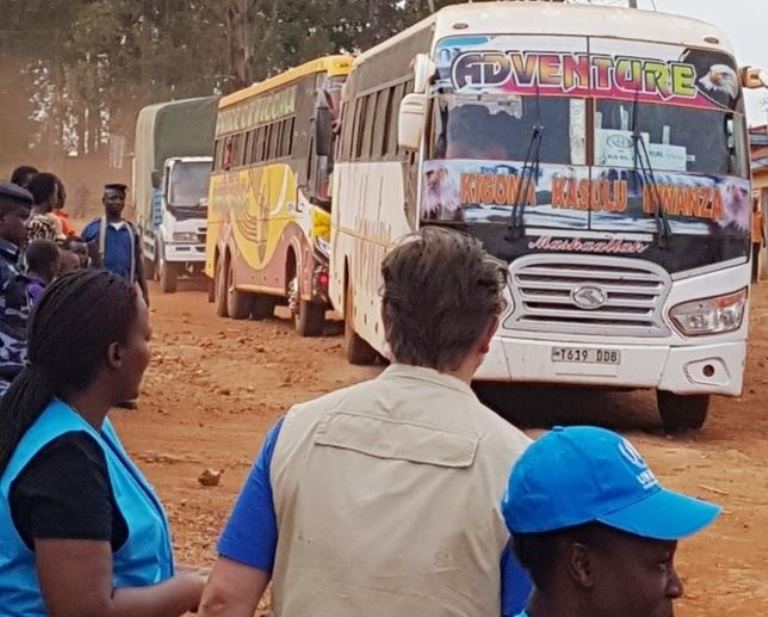
Plus de 300 burundais, ex-réfugiés en Tanzanie ont décidé de rentrer chez ce jeudi 7 septembre 2017. Ce sont au total 97 familles qui ont donc amorcé le chemin du retour et ont rejoint leur pays accueilli par les autorités venues du niveau national et régional.
Osun State distributes over two million Long Lasting Insecticide Treated Nets for malaria control.

Osogbo, 08 September 2017-To protect over four million people living in Osun, South-west Nigeria, Global Fund through Society for Family Health, in collaboration with Federal Ministries of Health and World Health Organization (WHO), has commenced distribution of more than two million Long Lasting Insecticide Treated Nets (LLINs) to all local populations at risk in the state.
South Sudan launches the Expanded Special Project for Elimination of Neglected Tropical Diseases (ESPEN)

Juba, 8 September 2017: The Ministry of Health (MOH) with support from the World Health Organization and partners last month launched the Expanded Special Project for Elimination of Neglected tropical diseases (ESPEN) and Mass Drugs Administration (MDA) to effectively tackle the NTDs targeted for elimination. NTDs have affected over 6 million people living in South Sudan.
WHO and the Carter Center supports the cash reward programme for reporting of Guinea Worm Disease in Tonj State, South Sudan

5 September 2017, Tonj State, South Sudan– the Ministry of Health, with support from the World Health Organization (WHO) and the Carter Center has launched the Cash Reward programme for reporting of Guinea Worm Disease in Tonj State on 3 August 2017.
As one of the neglected tropical diseases, Guinea Worm disease which had been known for centuries will be the first parasitological disease to be eradicated in the world.
WHO deploys Polio personnel to forestall disease outbreaks in Benue state communities affected by floods.

Makurdi, 07 September 2017 - “Sunday the 27 of August is not a day I will forget in a hurry. It was as if the heavens opened their doors and it did not only rain, it poured. Visibility was bad and with the torrential rains, houses shook, roof tops gave way and before you knew it, we were outside in the rain and no where to go,” says Mrs. Theresa Ityokyaan a resident of Makurdi.