NTD Summit in Geneva, Switzerland, April 18-22, 2017: Celebrating the community's achievements over the past 5 years and planning for the future.
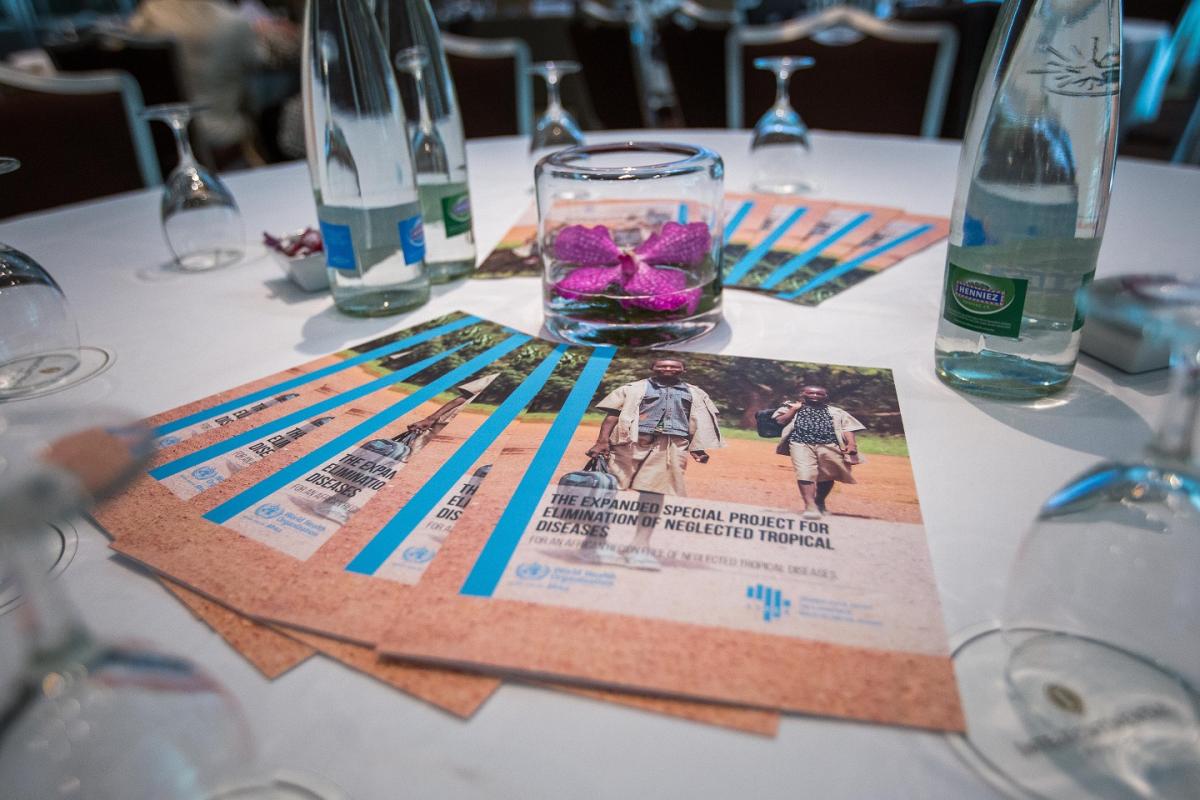
2017 marks the 5th anniversary of the World Health Organization's roadmap on NTDs, the World Health Assembly resolution on NTDs (WHA66.12) and the London Declaration.
WHO South Sudan Country Office undertakes a functional review 24-29 August, 2017

The functional review exercise for WHO South Sudan Country office successfully commenced on 24 August, 2017. This six-day exercise is part of the WHO transformation agenda (2015-2020), which the WHO Africa Region has embarked on for all the 47 WHO Country Offices in the Region. South Sudan WHO country office is the 5th to be reviewed among the 18 countries scheduled for this year.
Acting on the call (AOTC) 2017 Summit kicks off in Addis Ababa: “Let’s make the world a better place for mothers and children”

The 4th Acting On The Call (AOTC) conference started on the 24th August 2017 at the African Union, Addis Ababa Ethiopia with a theme “Overcoming Critical Barriers to Maternal and Child Survival”. The AOTC conference which is hosted by the governments of Ethiopia and India gathered more than 500 participants from 24 countries and held in the presence of the President of the Federal Republic of Ethiopia, Ministers and high level policymakers from the public and private sectors, NGOs and UN agencies including UN Women, UNICEF, UNFPA and WHO.
What needs to be done to solve the shortage of health workers in the African Region
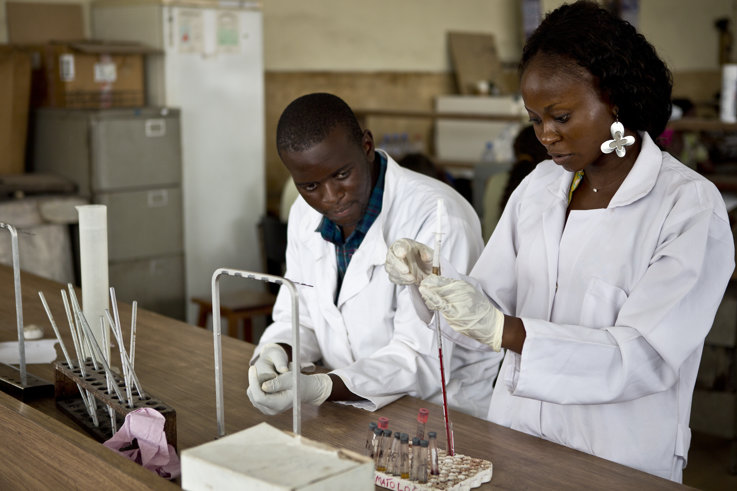
The sight of a long queue of patients waiting for their names to be called to see the doctor or nurse at a hospital or health centre is a familiar spectacle that drives home the message that the shortage of skilled health workforce is an issue that warrants urgent attention. There is no doubt that hospitals or health centres are busy places. The shortage of skilled health workforce means that a limited number of doctors and nurses have to attend to hundreds of patients daily and quality health care can’t be rushed.
WHO Country Office and Ministry of Health and Social Welfare (MoH&SW) Engaged in a One-Day Meeting to Review the 2018 – 2019 Programme Budget activities

As part of preparations in the formulation of the Programme Budget for the next biennium, officials from the WHO Country Office and the Ministry of Health and Social Welfare have participated in a one-day meeting to review the Plan of Action for 2018-219.
Preventing spread of disease in wake of mudslides is vital, says WHO

The World Health Organization (WHO) is working closely with the Government of Sierra Leone to prevent the spread of infectious diseases such as malaria and cholera in the wake of last week’s mudslides and flooding in Freetown. The Organization is also working with partners to ensure ongoing health care for the injured and displaced, and to provide psychological aid to those coping with trauma.
Preventing spread of disease in wake of mudslides is vital, says WHO

Freetown, Sierra Leone, 21 August 2017 – The World Health Organization (WHO) is working closely with the Government of Sierra Leone to prevent the spread of infectious diseases such as malaria and cholera in the wake of last week’s mudslides and flooding in Freetown. The Organization is also working with partners to ensure ongoing health care for the injured and displaced, and to provide psychological aid to those coping with trauma.
African Health Ministers to discuss ways to improve the health and well-being of people

Health Ministers from the World Health Organization’s (WHO) African Region will be gathering in Victoria Falls, Zimbabwe from 20 August – 1 September for the annual WHO Regional Committee for Africa to discuss a range of strategies and actions aimed at improving the health and well-being of people in the Region. The Regional Committee is the Organization’s highest decision-making body on health in the Region and its decisions have over the years contributed immensely in the region’s health development.
Policy-makers in Ethiopia had a Forum to ensure an effective National Blood Transfusion System
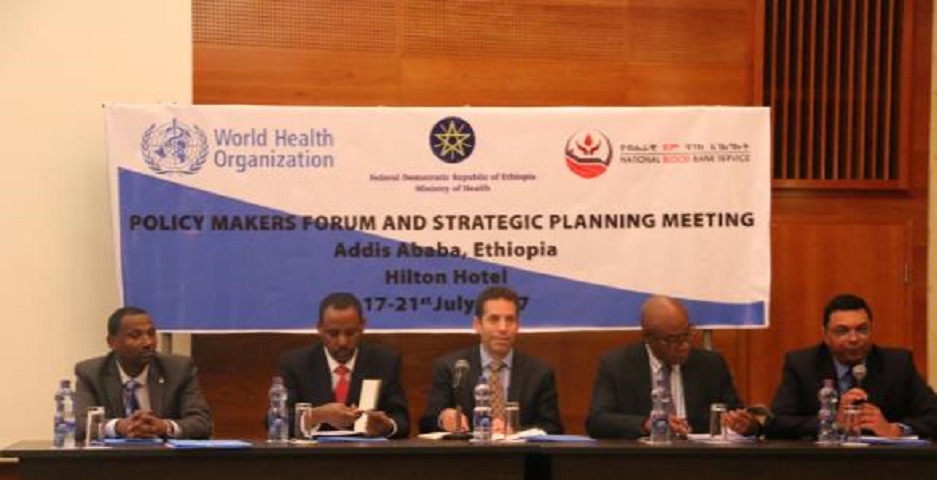
Policy makers in Ethiopia had a forum on blood transfusion services in the country, followed by a three-day strategic planning meeting which was held in Addis Ababa from 17-21, July 2017.
Best Practice: Tanzania ramps up surveillance to tackle threat of polio

The government of Tanzania is battling an outbreak of cholera that has since August 2015 affected more than 26,000 people and claimed 410 lives. Ending the outbreak and preventing its spread beyond Tanzania's borders is a high priority for WHO. To that end, WHO and partners support a well-coordinated multisectoral response through the National Cholera Task Force which plans, coordinates and support subnational authorities.