Chikungunya – Kenya
On 28 May 2016, the Ministry of Health of Kenya notified WHO of an outbreak of Chikungunya in Mandera East sub-county.
The first reports of an increase in cases with febrile illness and joint pains occurred in May 2016. Samples were collected and shipped to the Kenya Medical Research Institute (KEMRI) Arboviral Laboratory in Nairobi. On 16 May, KEMRI laboratory confirmed 7 of the 10 samples tested positive for Chikungunya virus. All samples tested negative for other arboviruses including: dengue, yellow fever and West Nile viruses.
World Health Assembly agrees new Health Emergencies Programme
 25 MAY 2016 | GENEVA - WHO Member States today agreed to one of the most profound transformations in the Organization’s history, establishing a new Health Emergencies Programme. The programme adds operational capabilities for outbreaks and humanitarian emergencies to complement its traditional technical and normative roles.
Liberia Celebrates 2nd Annual Medical Laboratory Professionals’ Week
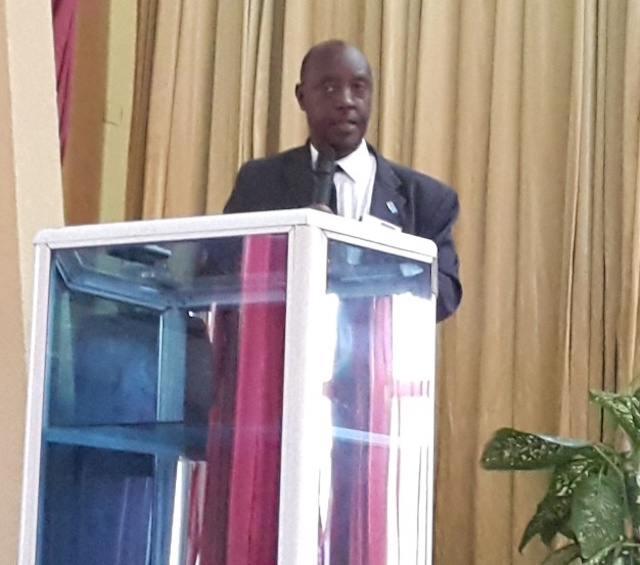
Monrovia, 24 May 2016 - The 2ndAnnual Celebration of Medical Laboratory Professionals’ week was successfully celebrated in Monrovia, Liberia 27- 28th April, 2016 under the theme “Think locally – link globally”. Events marking the celebration included panel discussions; concurrent workshops examining different thematic areas and exhibitions. This conference brought together local and international scientists to learn, network and discuss solutions that create basic building blocks in Liberia Laboratory system.
Chibok: WHO facilitates revitalization of the health system of a ravished community

Maiduguri, 24 May 2015 - The abduction of the Chibok school girls of Borno State in April 2014 brought the erstwhile quiet community into international limelight while at the same time creating a major health deficit in the lives of the people. The attack left the community ransacked, with all of the 18 health facilities in the Local Government Area (LGA) devastated and incapable of providing the most basic healthcare services. Health workers abandoned their posts for fear of attacks, lack of access into and out of the community and the absence of any dependable security network.
WHO AFRO launches new project to help African countries control and eliminate neglected tropical diseases
 Expanded Special Project for Elimination of Neglected Tropical Diseases will strengthen national programmes and help secure sustainable financing to combat diseases of poverty
Uganda undertakes mass Yellow fever vaccination in affected districts

Masaka 23th May 2016:- The Ministry of Health with support from the World Health Organization (WHO), GAVI, UNICEF and other partners over the weekend implemented a mass Yellow Fever vaccination campaign in Masaka, and Rukungiri districts which have recently had confirmed cases of the disease. The preparation for Kalangala district is in progress.
Ministry of Health Strengthens County Capacity to Implement Integrated and People-centered Health Services
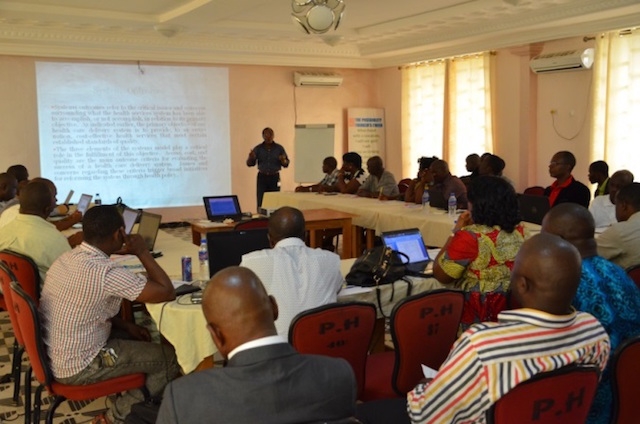
Monrovia, 20 May 2016 - The Ministry of Health Liberia with support from the World Health Organization, Development and Implementing Partners initiated a comprehensive training program for its County Health Teams and Health facility Managers as part of the health system strengthening plan. This is aimed at building the capacity at county level to implement integrated and people-centered operational plans for better health care service delivery.
Health is a bridge from crisis to sustainable development
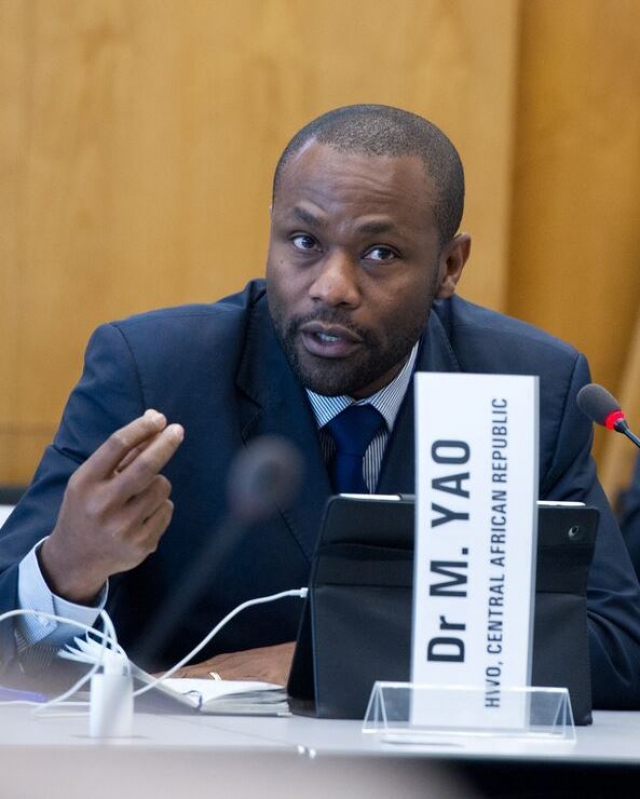
By Dr Michel Yao
WHO Representative to Central African Republic
Three years of conflict have left a heavy toll on the people of the Central African Republic – a country among the 10 poorest in the world. Nearly one million people are still uprooted from their homes and communities. Half of the total population of 4.6 million people lack access to essential health services. Whilst a peace process slowly takes hold, the people need support to recover and rebuild, and health plays an essential role.
Uganda hosts Strategic Partnership Portal

Kampala, 20th May 2016:- The WHO Country Office (WCO) in Uganda hosted a two day international workshop on the newly introduced Strategic Partnership Portal (SPP) that aims at building stronger health systems for sustainable health security in WHO member states.
The SPP is an online tool that allows countries, donors and partners to see all funding coming into a particular country and how it is distributed and other information collected from national authorities and stakeholders.
WHO confirms Zika virus strain imported from the Americas to Cabo Verde
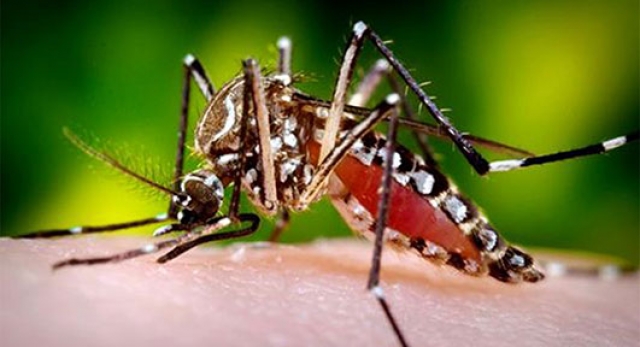
Sequencing of the virus in Cabo Verde by Institut Pasteur, Dakar confirms that the Zika virus currently circulating in Cabo Verde is the same as the one circulating in the Americas - the Asian type- and was most likely imported from Brazil. This is the first time that the Zika strain responsible for the outbreaks linked to neurological disorders and microcephaly has been detected in Africa.