WHO supports post-shipping testing of Life Saving Commodities

Kampala 3rd June 2015:- The World Health Organization (WHO) donated equipment to National Drug Authority (NDA) to be used for post-shipment testing of the 13 priority Life Saving Commodities (LSC) as described by the United Nations Commission Life Saving Commodities. The commodities include injections, medicines, female condoms, contraceptives and an electric suction pump and are intended to boost NDA’s capacity to test LSC, medicines and health commodities.
WHO Regional Director for Africa, Dr Moeti to visit Zambia
Lusaka, 3 June 2015 - The WHO Regional Director for Africa, Dr Matshidiso Moeti will pay a three day official visit to Zambia from 3 to 5 June 2015 at the invitation of the Zambian government. During her visit, she will pay a courtesy call on the President of Zambia, Mr Edgar Chagwa Lungu.
WHO strengthens capacities of national blood transfusion systems in Ebola-affected countries
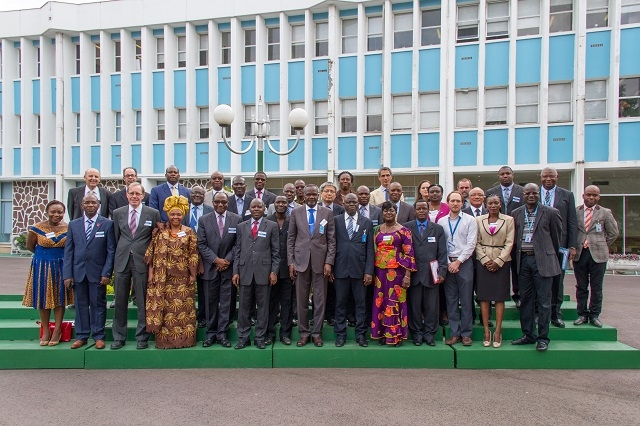 Brazzaville, 2 June 2015 - The strengthening of National Blood Transfusion Systems (NBTS) has become a top priority in countries hardest hit by the Ebola virus disease (EVD). Plans are being developed in Guinea, Liberia and Sierra Leone to strengthen blood transfusion systems and ensure safe blood is available to everyone in need.
WHO Regional Director for Africa calls for greater commitment to improve access to medicines in the Region
Brazzaville, 2 July 2015 - As members of an EU/WHO/ACP partnership* to improve access to quality medicines meet in Brazzaville, Dr Matshidiso Moeti, WHO Regional Director for Africa, praised progress made and called for greater commitment to ensure that Africans have access to the quality, affordable medicines they need.
5 children under age 5 die every minute in the African Region
 In 2013, an estimated 6.3 million children under five died, 2.9 million of them in the WHO African Region. This is equivalent to five children under 5 years of age dying every minute. Two thirds of these deaths can be attributed to preventable causes. A third of all these deaths are in the neonatal period.
Proper triage, rehydration and isolation of patients key to bring cholera outbreak in Tanzania under control

Kigoma, 1 June 2015 – The number of suspected cholera cases has been dropping dramatically over the past few days, underlining the tremendous progress being made to bring the ongoing cholera outbreak under control in the Kigoma region, Tanzania. Rehydrating cholera patients, as well as isolating them, have been key to the progress made to date.
WHO supports states to implement integrated community case management

Abuja, 01 June 2015-The World Health Organization (WHO), in collaboration with the Federal Ministry of Health (FMOH) and National Primary Healthcare Agency (NPHCDA), conducted a two week monitoring and programme support mission to Abia and Niger States on the Rapid Access Expansion (RAcE) 2015 project from the 12—22 May as part of routine activities to ensure quality of implementation.
Smoking Cessation Programmes in Mauritius help tobacco users kick the habit

Tobacco products are one of the biggest public health threats and nearly 80% of consumers live in low- and middle-income countries. Tobacco use is estimated to be responsible for 10% of adult deaths worldwide and 3% in the African Region.
Burundi Refugee Children vaccinated against Measles and polio
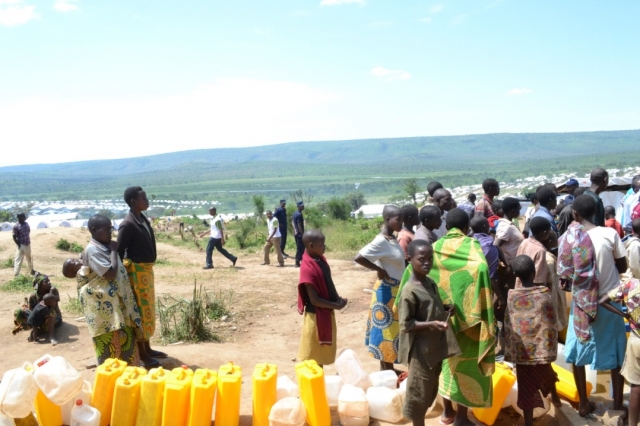
From 23rd to 24th May, the Government of Rwanda, Ministry of Disasters Management and Refugees and Ministry of Health, UN Agencies in Rwanda, namely UNHCR, UNICEF, WHO and other Partners have organized an integrated immunization campaign for children under 15 years in the Burundi Refugees Camp of Mahama, District Kirehe, Eastern Province.
WHO strengthens laboratory capacity during cholera outbreak in Tanzania
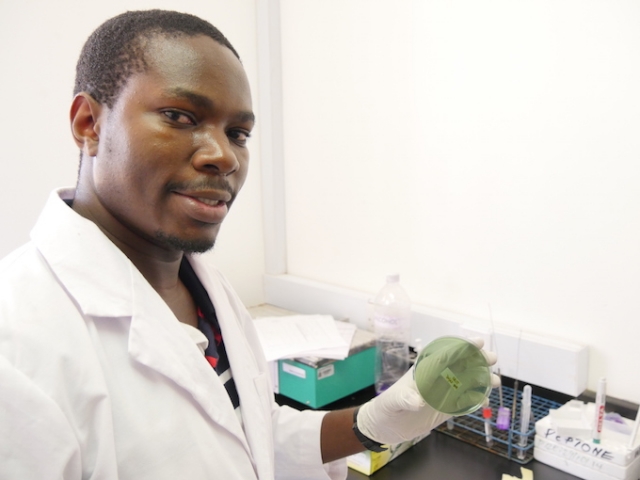
Kigoma, 28 May 2015 – As of 16 May 2015, a cholera outbreak was confirmed in the Kigoma region, on the shores of Lake Tanganyika, along the Tanzania border with Burundi. Cholera is endemic in the region, but due to a recent influx of thousands of Burundian refugees, overcrowding and poor sanitation, the situation got worse. As of 28 May 2015, a total of 4487 suspected cholera cases have been reported so far.