Throwing everything at the polio virus: Nigeria combines antigens to stop polio transmission once and for all

Abuja, 19 May 2015 - Nigeria has made significant progress towards the interruption of polio viruses with no confirmed case in 2015 and nine months have elapsed since the last case of wild poliovirus (WPV) was confirmed. Similarly, the latest confirmed circulating vaccine derived polio virus (cVDPV) was isolated six months ago.
However, this gain is threatened by cVDPV in the environment of Kamacha River in Zaria of Kaduna state in March 2015 and in Sokoto South Local Government Area (LGA) in Sokoto state in 2014.
Sixty-eighth World Health Assembly
 15 May 2015 -- The Sixty-eighth session of the World Health Assembly takes place in Geneva 18–26 May 2015, as officials from 194 Member States begin their annual review of the activities of WHO and set new priorities for the future.
Restoring Guinea’s Health Cluster

On 15 May, 2015, a meeting was held to reinvigorate the Health Cluster/Group in Guinea. In attendance were each of the UN agencies as well as international and national NGOs. With the onset of the Ebola epidemic in West Africa last year, the health cluster operations were paralyzed.
Uganda Commemorates World Malaria Day 2015

Kaberamaido, 14 May 2015:- Uganda commemorated the World Malaria Day in Kaberamaido district with an appeal to communities to always sleep under Insecticide Treated Mosquito Nets (ITNs) and to test for malaria before treatment.
Save Kids’ Lives – Third UN Global Road Safety Week Commemorated in Addis Ababa, Ethiopia, on 7-11 May 2015

The UN Global Road Safety Week, commemorated in Addis Ababa with the theme, Save Kids’ Lives (#SaveKidsLives) brings students and teachers of schools with high risk for road accidents due to proximity to heavy road traffic together with officials from the Ministries of Health and Transport, the Addis Ababa Bureaus of Education, Health and Transport and the Federal and Addis Ababa Traffic Police as well as WHO for a dialogue on saving children’s lives from road accidents.
Renowned public health experts and leaders endorse a vision for an Africa Health Transformation Programme to enhance health in the African Region
 An Independent Advisory Group (IAG), comprising renowned public health experts and leaders, has endorsed the Africa Health Transformation Programme 2015–2020: a vision for universal health coverage, proposed by Dr Moeti, the World Health Organization Regional Director for Africa.
Zimbabweans urged to make food safety everybody’s business

Mazowe, 13 May 2015: The call was made during the belated commemoration of World Health Day which was held at Mazowe Prison Farm. Zimbabwe commemorated a belated World Health Day under the theme Food Safety- from farm to plate, make food safe. The theme highlights the urgent need for governments; organizations; food producers; food businesses and consumers to put measures in place that will improve food safety from the point of production to consumption.
Drinking alcohol during pregnancy is harmful to the unborn child
 Alcohol impacts people and societies in different ways and is determined by the volume of alcohol consumed, the pattern of drinking, and, on rare occasions, the quality of alcohol consumed.
WHO Representative urges Nigeria to consider immunization funding options that do not over-burden the poor.
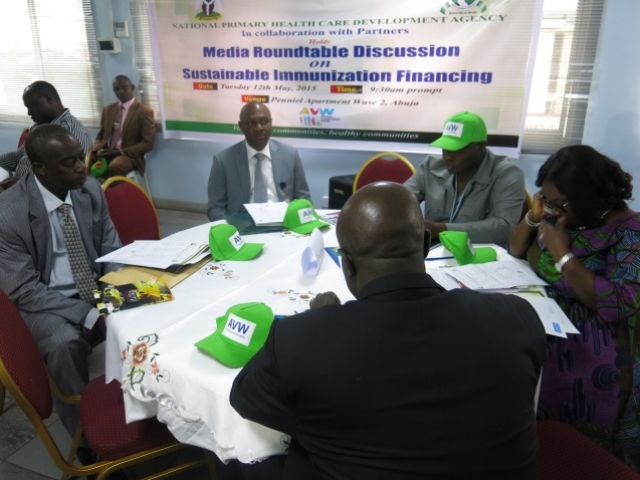
Abuja, 12 May 2015- The World Health Organization Country Representative (WR), Dr Rui Gama Vaz has advised the government of Nigeria to consider sustainable funding options for immunization that promote equity and ensure the poor are not disproportionately burdened.
He gave the advice in his speech at a media roundtable in Abuja on 12 May, 2015, organized by the National Primary Health Care Development Agency (NPHCDA) to deliberate on the vaccine financing as part of events to seal the 2015 Africa Vaccination Week.
Ethiopia meets MDG target on safe water supply
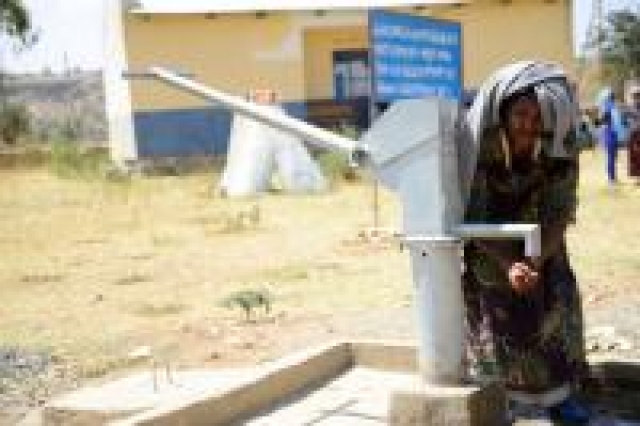
The Government of Ethiopia announced the achievement of the MDG 7c target on access to drinking water supply on 23 March 2015. Today, over 52 million people in Ethiopia have access to clean and safe water, compared to only 6 million people in 1990. This achievement was confirmed after the WHO/UNICEF Global Joint Monitoring Programme for Water and Sanitation (JMP) mission to Ethiopia in November 2014.