Local students become active Ebola case finders

Ever since the closure of the university due to the Ebola outbreak, Tony Harrison, sociology student at the University of Liberia, has been trying to help stop the spread of the Ebola virus in his country. He joined the team of active case finders to go from house to house to find out if sick people are being treated.
Tony B. Harrison is a sociology student at the University of Liberia. Ever since the closure of his university many months ago due to the Ebola outbreak, Tony has been trying to find opportunities to help stop the spread of the Ebola virus in his country.
Preparing to confront Ebola – just in case
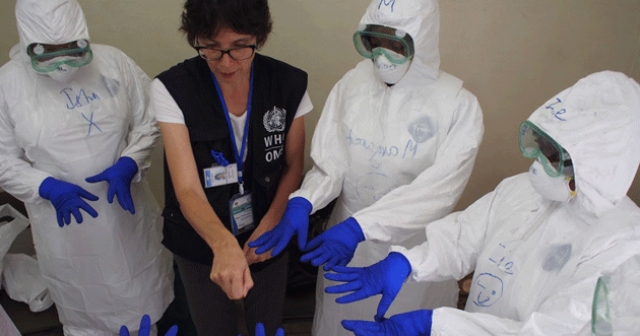
Countries in Africa have been working on improving their preparedness in the event of an Ebola outbreak. The WHO teams have provided simulated exercises in hospitals and technical training, for immediate emergency response and communication.
Mamo Jatta is a Regional Public Health and Surveillance Officer in The Gambia and, like many people living near Ebola affected countries, he is concerned the disease will enter his own country, “I recently visited the town where I grew up and wondered what would happen if Ebola were to hit us here, would we be ready for it?”
How to save the lives of newborns in Africa
 Brazzaville, 17 December 2014 - According to a new WHO report, one third of all neonatal deaths occur in the African Region. Approximately three quarters of these deaths occur during the first week of life and almost half within the first 24 hours.
Countries Commit to Step-Up Actions to Eliminate Neglected Tropical Diseases
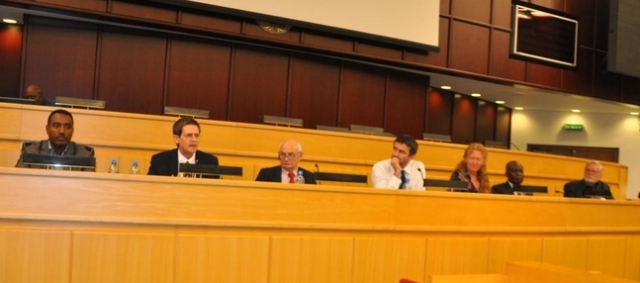
Addis Ababa. 14 December 2014 – Represented African countries and development partners agree to step-up action to ensure elimination goals of lymphatic filariasis (also known as elephantiasis) by 2020 and ohchocerciasis (also known as river blindness) by 2025, and the control and eventual elimination of other neglected tropical diseases (NTDs).
Democratic Republic of the Congo: The country that knows how to beat Ebola
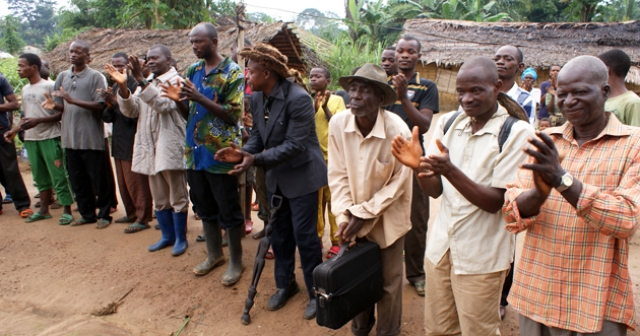
In DRC there was long experience with Ebola – this was the seventh outbreak of the disease here. The country had the knowledge and the people needed to stop an outbreak – plus strong technical assistance and support from WHO.
WHO Pledges Continued Support to Strengthen South Sudan’s Health System

Juba, South Sudan, 11 December 2014 - In continued efforts to strengthen the health service delivery system in South Sudan, WHO supported the Ministry of Health to host a National Health Policy Consensus workshop.
The country that knows how to beat Ebola

In DRC there was long experience with Ebola – this was the seventh outbreak of the disease here. The country had the knowledge and the people needed to stop an outbreak – plus strong technical assistance and support from WHO.
Sharing his experience fighting Ebola
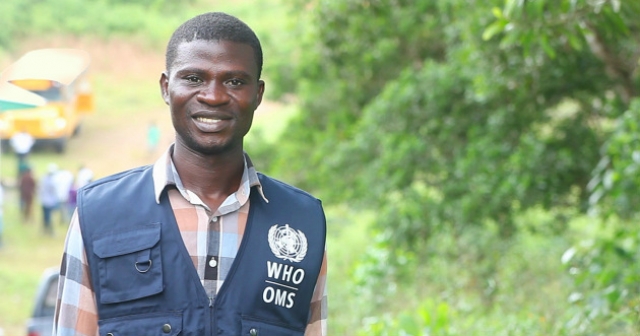
“When the outbreak first started in March and we heard about this deadly virus Ebola, I was in Kakata,” says Austin S. Jallah, a student nurse of Kakata University, in Margibi County, Liberia.
“People really doubted the fact that Ebola was real, until we heard about the first case in the hospital. I wasn’t one of those who doubted though. Because I am a student nurse, I had read about the Ebola virus before, how it was first discovered back in 1976.”
Liberia: Sharing his experience fighting Ebola
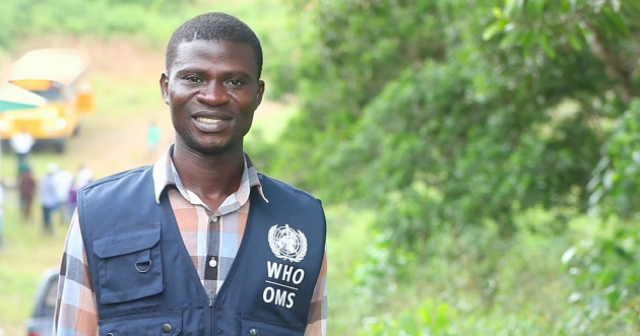
“When the outbreak first started in March and we heard about this deadly virus Ebola, I was in Kakata,” says Austin S. Jallah, a student nurse of Kakata University, in Margibi County, Liberia.
“People really doubted the fact that Ebola was real, until we heard about the first case in the hospital. I wasn’t one of those who doubted though. Because I am a student nurse, I had read about the Ebola virus before, how it was first discovered back in 1976.”