Grateful to be alive after severe bout of cholera, thanks to health partner support

Celestina Poni, a 29-year-old mother of five is glad to be alive, after suffering from a severe bout of cholera which she believes almost killed her.
“I never thought I would be alive, talking and laughing like this,” Celestina Poni confesses, adding that she appreciates the support that she received from the hospital.
Celestina lives in an area called Lulubo, in Gumbo village, Juba County, in Central Equatoria State, which is among the areas affected by the current cholera outbreak in South Sudan.
Experts discuss improvement of Medical Education and Training in Africa
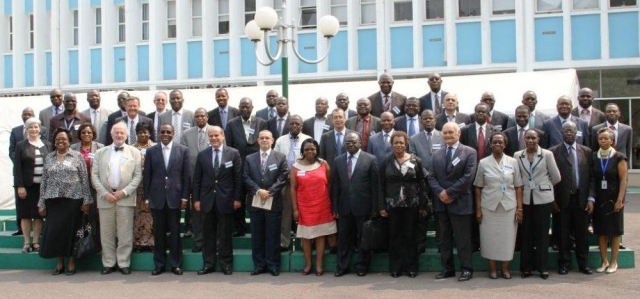 Brazzaville, 9 July 2014 – A three-day Regional Consultation on Medical Education and Training got underway today (Wednesday) in Brazzaville Congo. Organized by the World Health Organization (WHO), the meeting is discussing how the quality and relevance of medical education and training can be improved in the African Region.
Regional consultation on universal access to Sexual and Reproductive Health
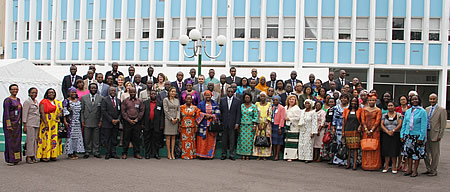
WHO convened a three day meeting of countries and partners on achievement of universal access to sexual and reproductive Health (SRH) since the call made by the International Conference on Population and Development (ICPD) in 1994, involving 179 countries. It defined critical actions for advancing sexual and reproductive health beyond 2014. The meeting took place on 8-10 July 2014, at the WHO Regional Office for Africa, Brazzaville, Congo.
WHO Assistant Director General Visits Ebola Response Staff in the field in Sierra Leone
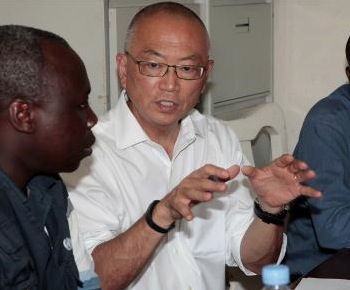
Dr Keiji Fukuda, the Assistant Director General (ADG) for Health Security from the World Health Organization Headquarters in Geneva arrived in Sierra Leone on 8 July 2014. The visit was part of WHO’s continued engagement with the government and partners in ending the Ebola Virus Disease outbreak in the country. Dr Fukuda’s visit was also to reaffirm the Organization’s continued commitment in coordinating and facilitating a speedy end of the outbreak.
STOP 44 to Nigeria receives Induction: Technical and Administrative issues top agenda

Abuja, 08 July, 2014 - The Stop Transmission of Polio (STOP) program started in 1998 with the primary aim to strengthen acute flaccid paralysis (AFP) surveillance, support national immunization days, and conduct polio case investigation and follow-up. These activities remain today but the program has grown to include strengthening routine immunization, measles mortality reduction, supportive supervision, and strengthening the Integrated Disease Surveillance program.
Uganda Releases Results of the Global Adult Tobacco Survey 2013
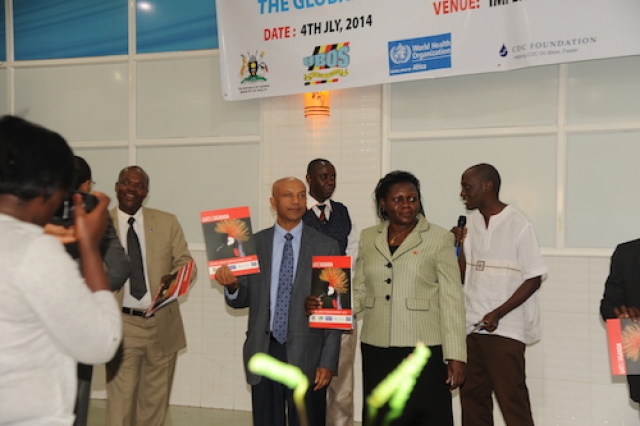
Kampala, 8th July 2014:- Uganda released preliminary results of the Global Adult Tobacco Survey (GATS) indicating that, 1.3 million people aged 15 years and above currently use tobacco products.
Biannual Administrative Meeting ends in Abuja
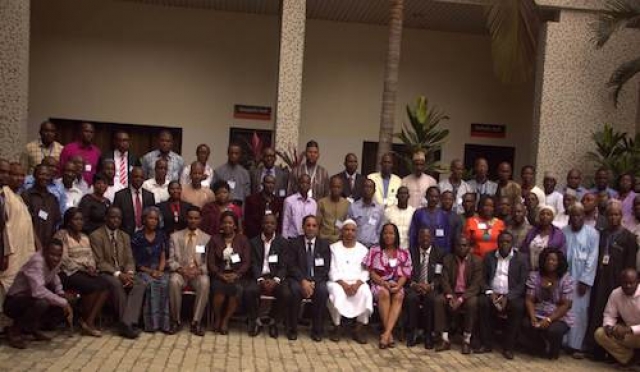
Abuja, 04 July 2014- The 2-day biannual meeting with Administrative support staff conducted from 2nd - 3rd July, 2014 has ended in Abuja and was attended by the administrative, finance and operations staff from the central level as well as the 37 field offices.
Ethiopia commits to expanding mental health services
In rural Ethiopia, people who suffer from mental, neurological and substance use disorders have very limited access to care as mental health services are mainly centralized around Amanuel Mental Specialized Hospital in Addis Ababa. However, things are changing slowly but surely.
Health Ministers agree on priority actions to end Ebola outbreak in West Africa
Accra, 03 July 2014 – The Emergency Ministerial meeting on Ebola Virus Disease (EVD) has ended today with Health Ministers agreeing on a range of priority actions to end the Ebola outbreak in West Africa. The scale of the ongoing outbreak is unprecedented with reports of over 750 cases and 445 deaths in Guinea, Sierra Leone and Liberia since March 2014.
WHO hands back Parirenyatwa Annex Offices to Hospital

Harare Zimbabwe, 3 July 2014: WR Zimbabwe, Dr David Okello handed back some Parirenyatwa Annex Offices to Parirenyatwa Hospital. The offices on the ground floor of the Annex building were now vacant since the move of the Zimbabwe Country Office and IST/ESA to the Highlands complex.