WHO hands over Blood Donation Van at World Blood Donor Day Ceremony

The theme for this year’s World Blood Donation Day was “Safe blood for saving mothers”, placing emphasis on increasing awareness about the importance of timely access to safe blood and blood products to prevent maternal deaths. For this occasion, the Ministry of Health in collaboration with the WHO Country office organised a ceremony and reception to thank all blood donors in the country. The highlight of the ceremony was the handing over of a blood donation van by WHO Liaison Officer Dr. Cornelia Atsyor, to the Chief Executive Officer of the Health Care Agency, Dr Suresh Menon.
WHO trains lawyers on international trade law, health and tobacco control

Entebbe 12th June 2014:- The World Health Organization Regional Office for Africa has trained a cohort of lawyers on international trade law and tobacco control. The lawyers will on request, provide legal technical assistance to the Member States of the WHO African Region on trade related inter-linkages, challenges and opportunities for tobacco control.
Dr Luis Sambo lauds success of river blindness control and urges renewed commitment to tackle neglected tropical diseases in Africa
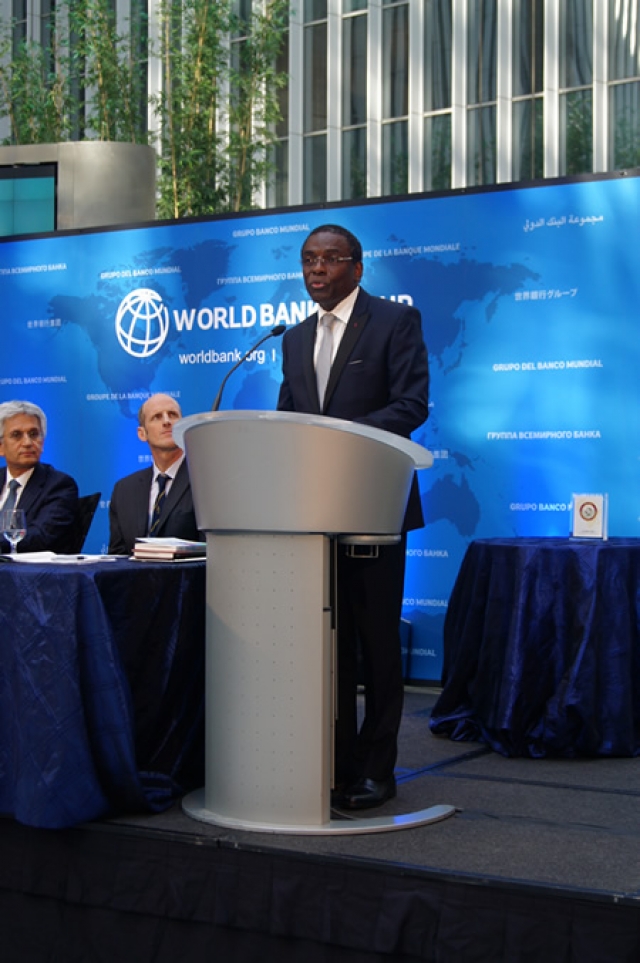 Washington DC/Brazzaville, 20 June 2014 -- The World Health Organization Regional Director for Africa, Dr Luis Gomes Sambo has commended private-public partnerships, country leadership and community directed interventions for their crucial role towards the elimination of river blindness (Onchocerciasis) in the African Region.
East African experts deliberate on gender based violence

Entebbe, 18th June 2014:- In Uganda, 62% of Gender Based Violence (GBV) is by intimate partners and largely affects women between the ages of 15 to 49. The Uganda Health and Demographic Survey (UDHS) of 2011 showed that 63% of the women in Uganda had experienced physical or sexual violence or both in their lives.
Pricing and competition in specialist medical services, an overview for South Africa
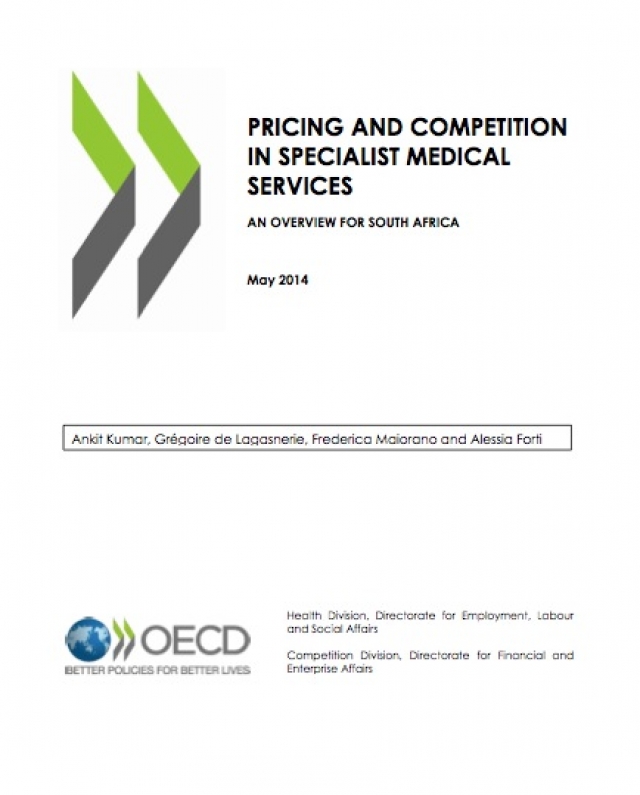
The Organization for Economic Co-operation and Development (OECD) has officially released a report on Pricing and competition in specialist medical services on a seminar organized by the WHO South Africa on Tuesday 17 June 2014. This paper argues that South Africa should separate the task of establishing a schedule of medical services from negotiations over overall payments to medical professionals.
Small Bite, Big Threat

Ethiopia Intensifies Action against Vector-Borne Diseases.
Cross-Border immunization activities step up polio eradication efforts in the Horn of Africa
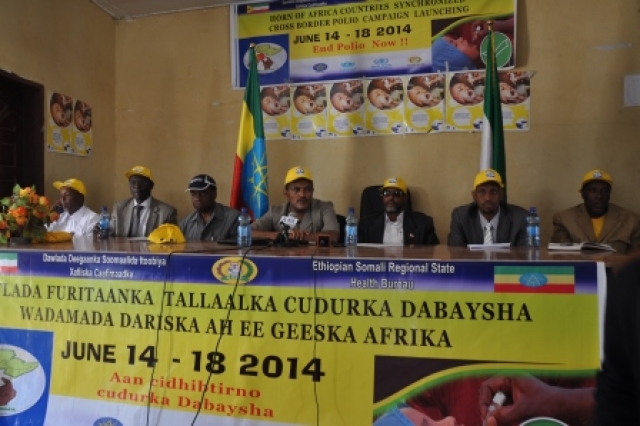
Jigjiga. 13 June 2014 – Synchronized polio supplementary immunization activities (SIAs) were launched on 13 June 2014 in Ethiopia, Somalia, and Djibouti to accelerate progress to end polio in the Horn of Africa.
Protecting Progress towards Polio Eradication
WHO Declares Polio Spread Public Health Emergency of International Concern.
High-level Delegation Reaffirms Commitment to Strengthen Polio Eradication Support to Doollo Zone, Somali Region
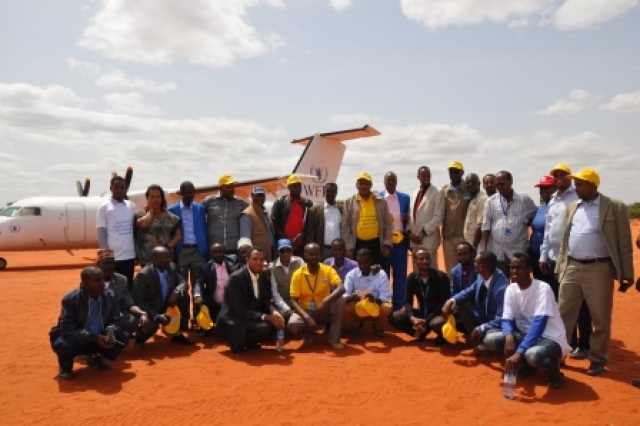
Warder. 14 June 2014 – High-level officials from the Federal Ministry of Health, Somali Regional State, WHO and UNICEF visited Warder, the epicentre of the wild polio virus outbreak in Ethiopia, on 14 June 2014 and assured to strengthen support to Doollo Zone, Somali Region, to accelerate progress towards polio eradication.
WHO Steps Up Efforts to Address the Health Emergency at Kule Refugee Camp in Gambella
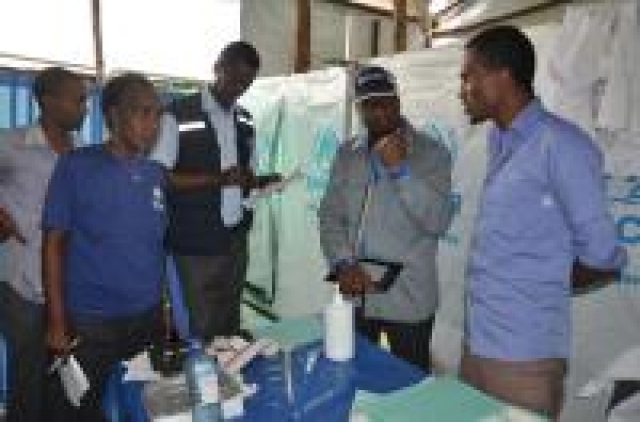
More than 124,000 refugees have fled South Sudan to Ethiopia since the outbreak of violence last December and they are staying in four camps in Ethiopia's western Gambella Regional State, run by the Administration for Refugee and Returnee Affairs (ARRA) and UNHCR. At Kule refugee camp, which is fast reaching its capacity of 40,000 refugees, the majority of the refugees are women and children in urgent need of improved medical care and sanitation.