50 Years of Partnership, Progress and Health in São Tomé and Príncipe
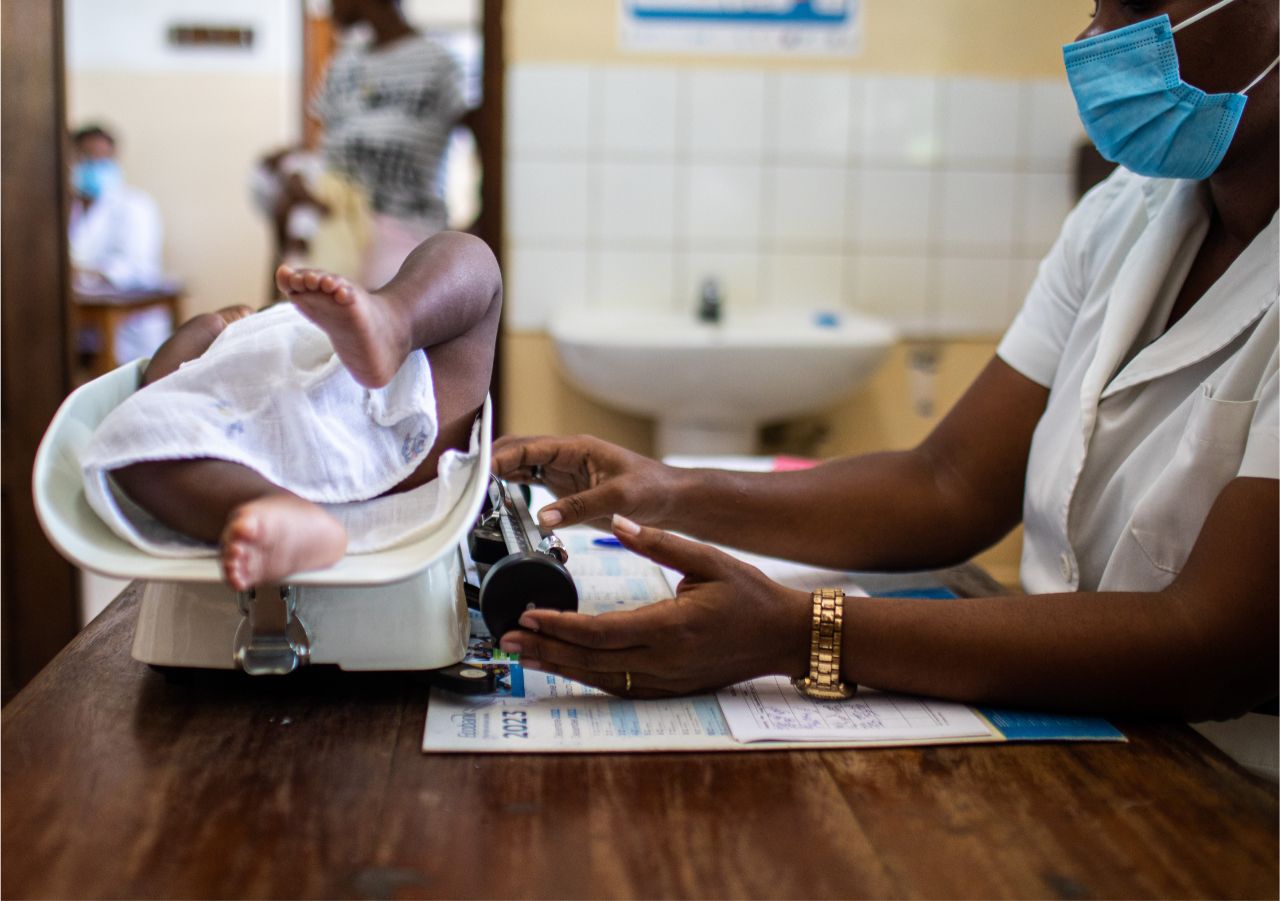
From a fragile system with a shortage of professionals to significant progress in access to health care and disease control, the story of the World Health Organization (WHO) in São Tomé and Príncipe over the past 50 years is, above all, a story of fruitful partnership.
From Evidence to Action: Zanzibar Uses Behavioral Insights to Strengthen Cholera Prevention
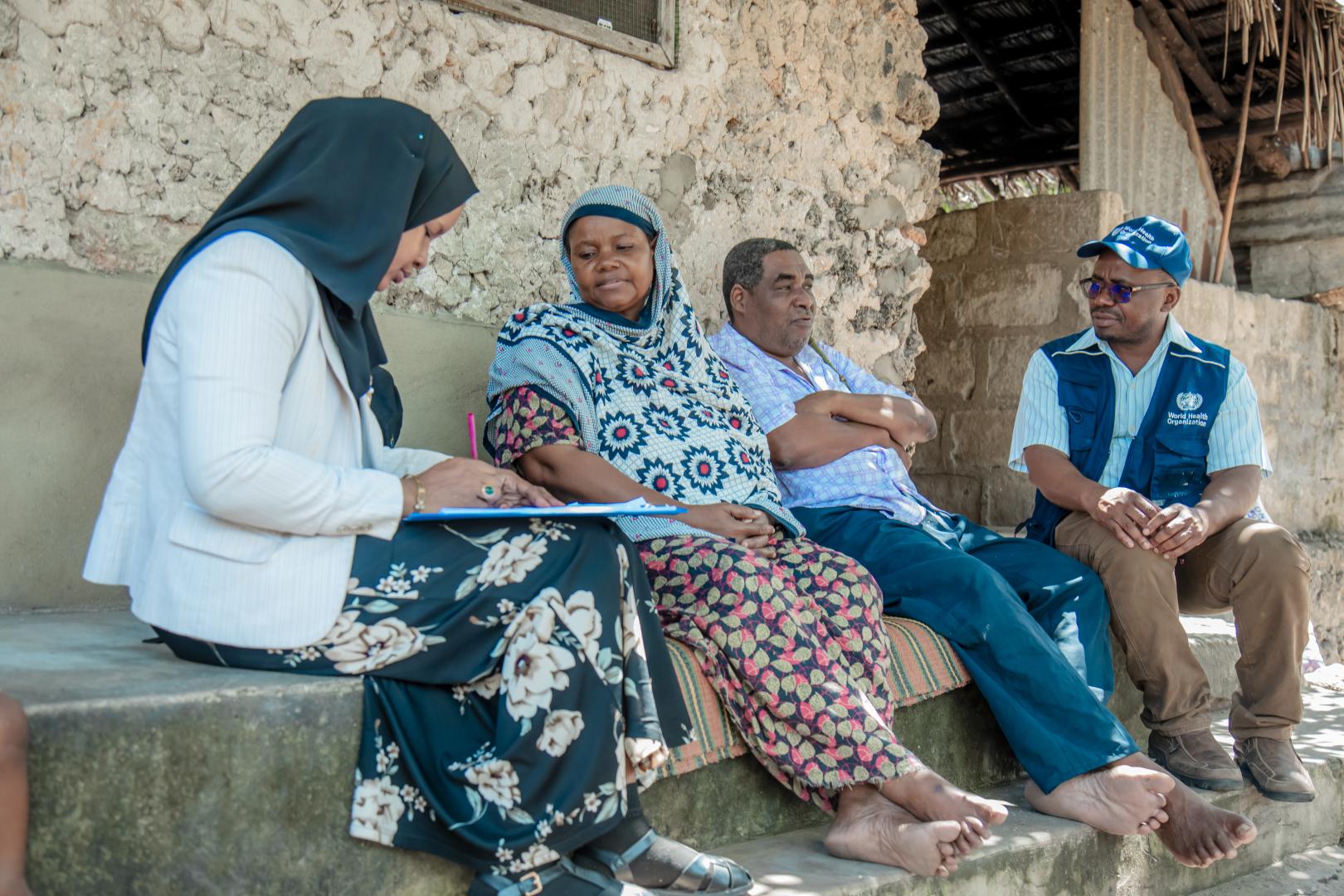
Zanzibar — Zanzibar continues to strengthen efforts toward cholera elimination under the Government-led Zanzibar Comprehensive Cholera Elimination Plan (ZACCEP) 2018–2027, which prioritizes surveillance, water and sanitation improvements, risk communication, and community engagement to prevent future outbreaks.
WHO and Kenya hand over theatre beds and cancer equipment to strengthen maternal and women's health services
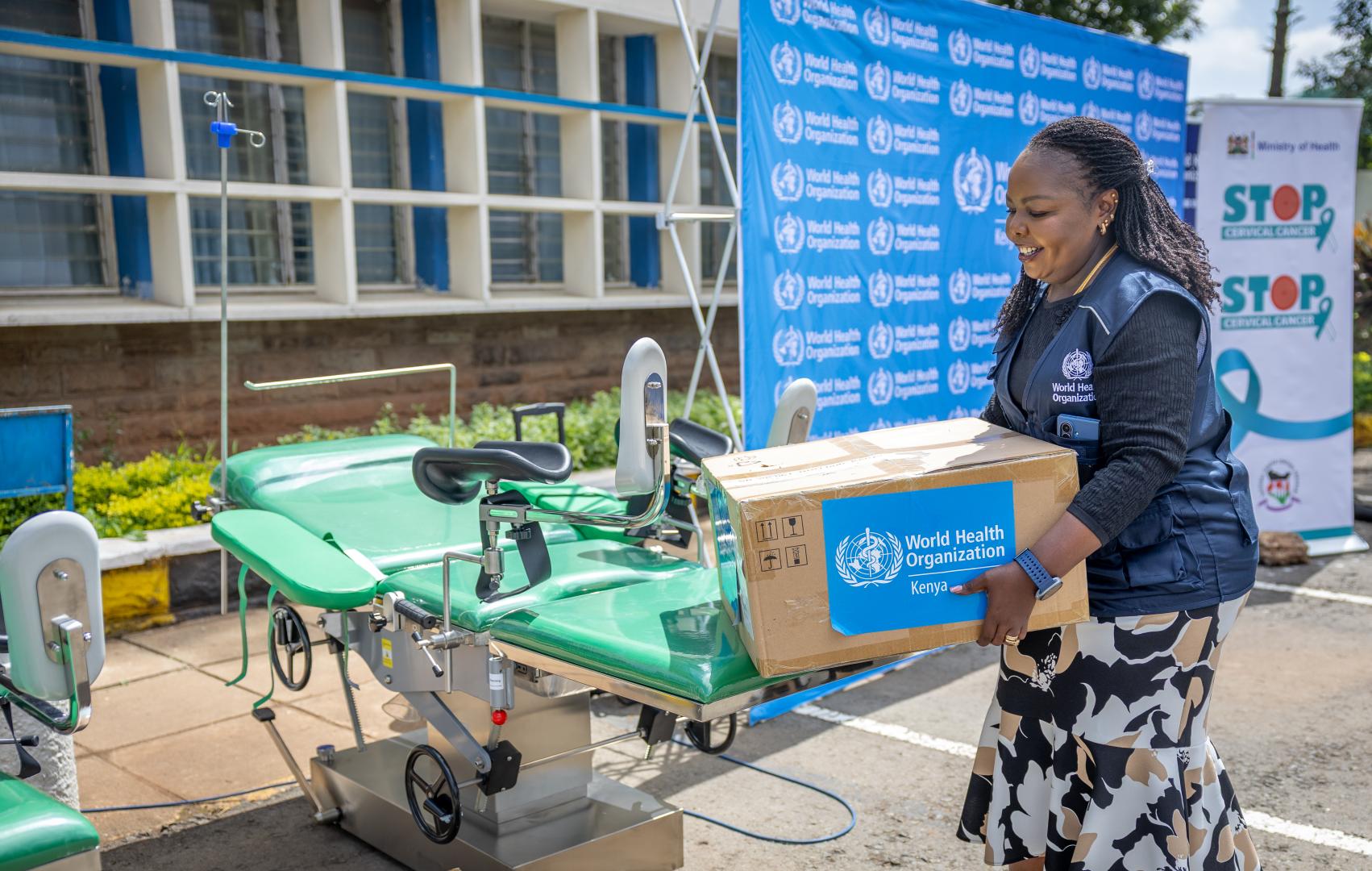
Nairobi - Kenya's Ministry of Health and the World Health Organization (WHO) handed over 108 electric obstetric theatre beds and a package of women's cancer screening and management equipment at Kenyatta National Hospital on 9 June 2026, in a move intended to strengthen the country's capacity to manage obstetric emergencies and expand access to cervical and breast cancer services.
Stronger signals, rapid action: Transforming early disease detection and surveillance in Malawi
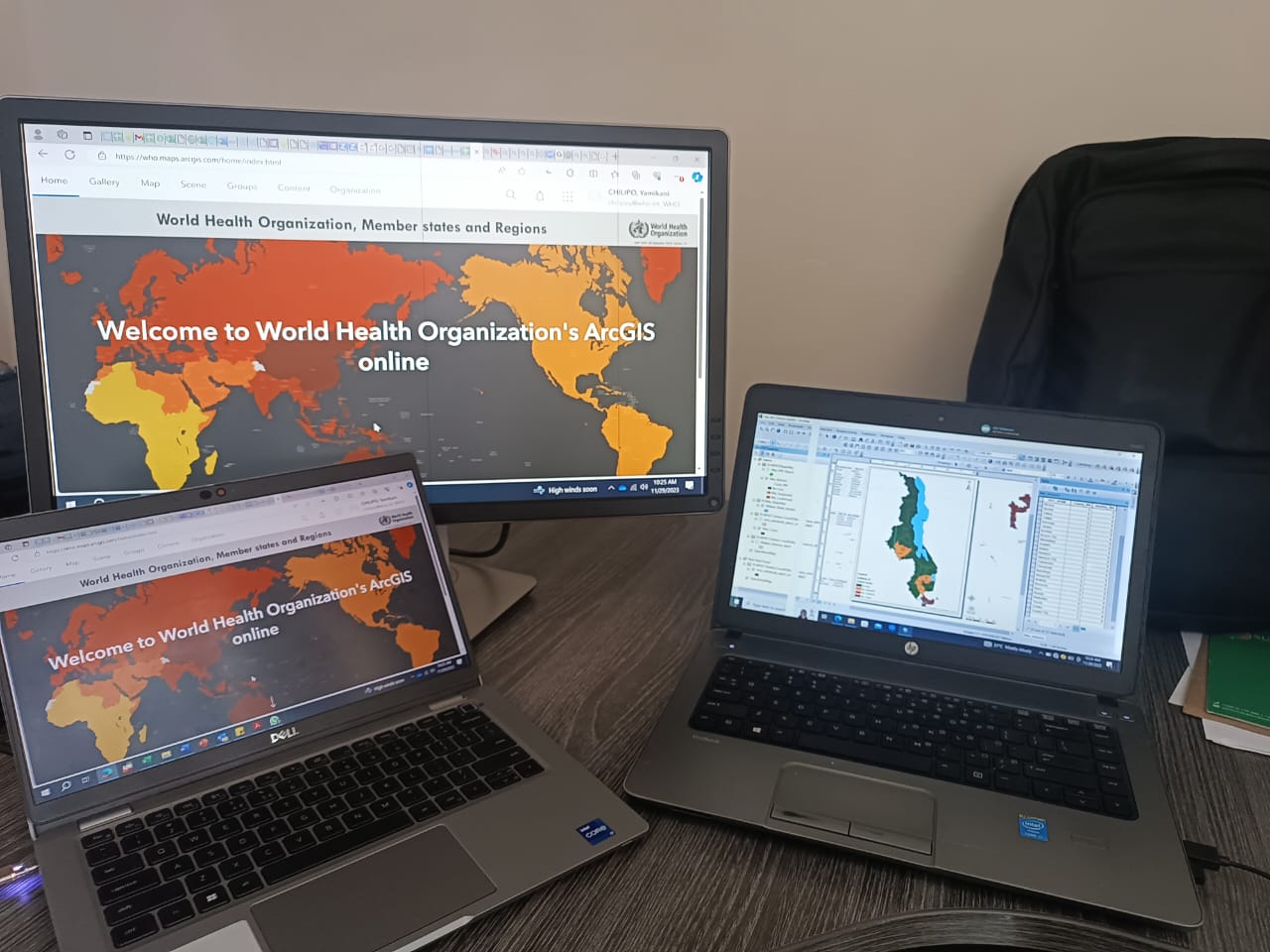
Early detection of public health threats requires continuous capacity strengthening to detect early and monitor outbreaks and to build effective disease surveillance systems. The Ministry of Health rolled out the third edition of the Integrated Disease Surveillance and Response guidelines in all 29 districts, using the One Health disease surveillance approach.
Government Strengthens BVD Preparedness in Songwe, Raising Readiness to 86%

Songwe — The Government of Tanzania, through the Ministry of Health, has strengthened preparedness for Ebola Virus Disease caused by the Bundibugyo strain (BVD) in Songwe Region, increasing the region's readiness score from 76% to 86% through targeted interventions aimed at preventing, detecting and responding to potential outbreaks.
Angola reinforces its commitment to a tobacco-free future

Angola marked World No Tobacco Day with a national campaign that included a symbolic march attended by representatives of the Government, the United Nations system, the diplomatic corps, institutional partners, civil society, and, in particular, young people.
WHO Hands Over Ebola Preparedness Supplies to Strengthen Zambia’s Readiness
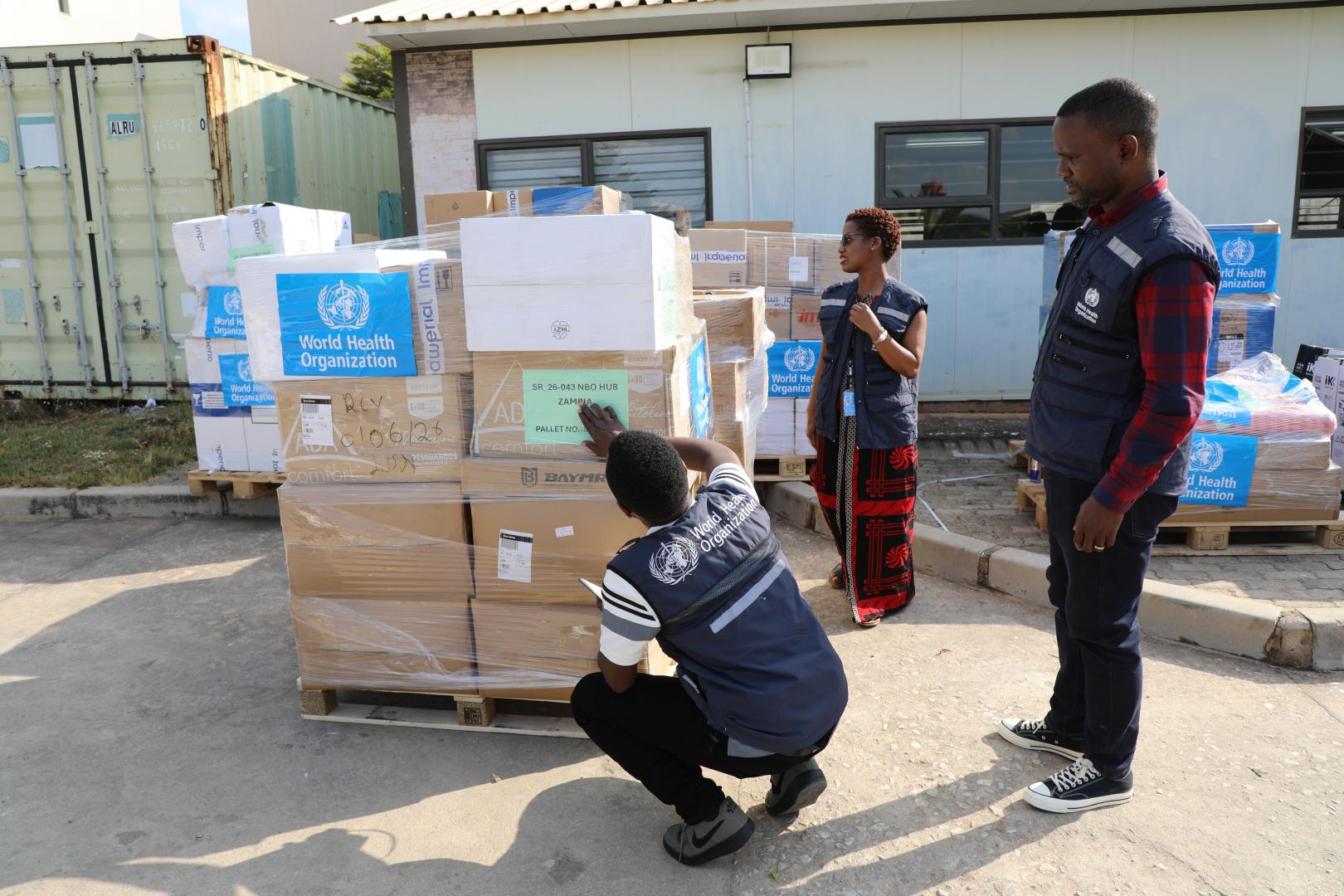
Lusaka, Zambia - The World Health Organization (WHO) has handed over critical Ebola preparedness equipment and supplies to the Government of the Republic of Zambia, reinforcing national capacity to detect and respond to emerging public health threats.
The consignment includes personal protective equipment (PPE), laboratory reagents, infection prevention and control materials, and specimen transportation supplies to support preparedness for Ebola Virus Disease (EVD) and other viral hemorrhagic fevers.
Responding to a Regional Health Threat
Joint Statement by the WHO and FAO in South Africa on World Food Safety Day 2026: From burden to solutions – safe food everywhere

Pretoria | 7 June 2026
On World Food Safety Day, the World Health Organization (WHO) and the Food and Agriculture Organization of the United Nations (FAO), join South Africa and the global community in recognising that safe food is essential for good health, good nutrition, decent livelihoods, fair trade and public trust in the food system. Every meal should nourish people, not put them at risk.
WHO supports reactive yellow fever vaccination campaign and Bundibugyo virus disease (BVD) preparedness in Liberia
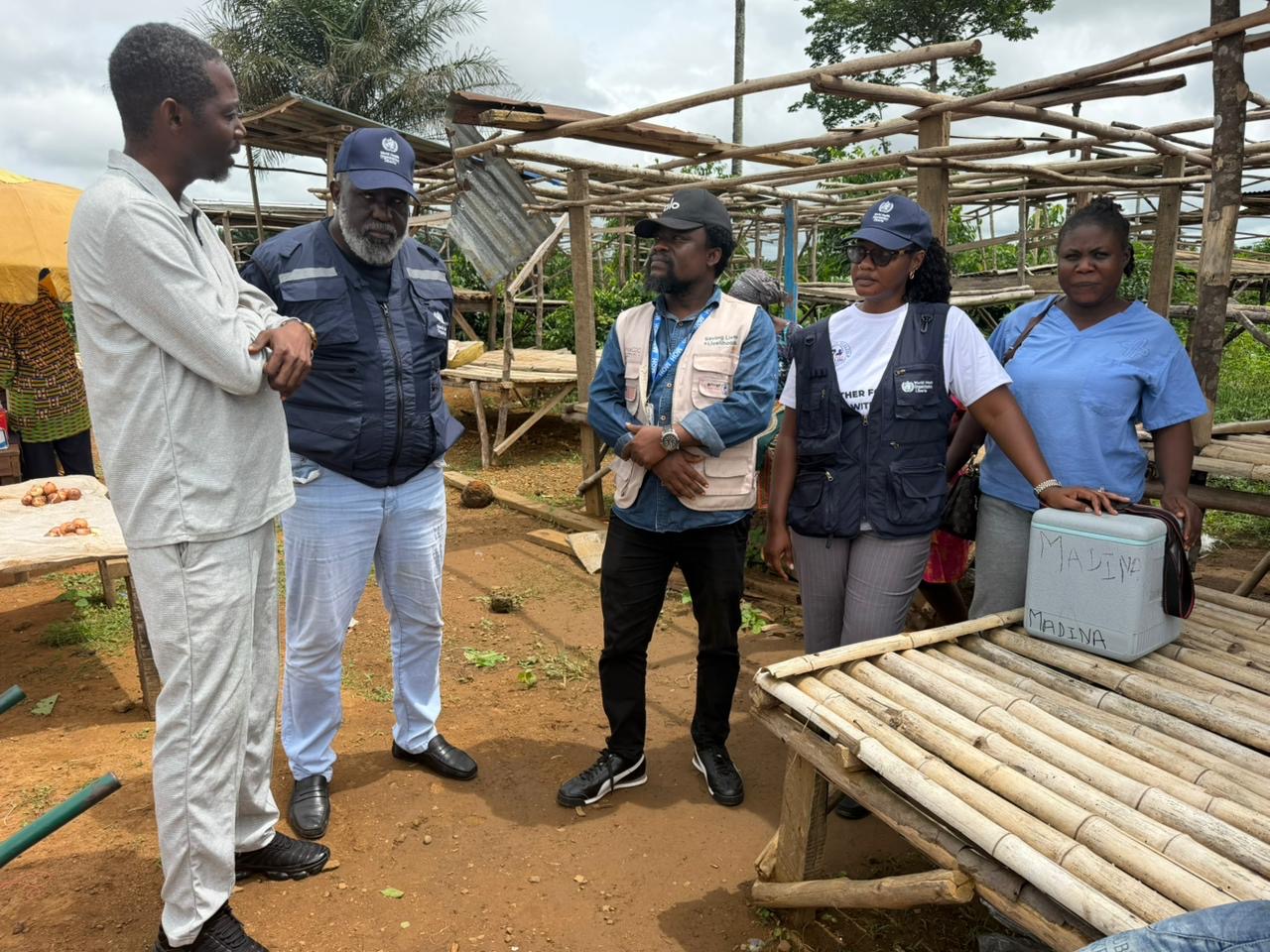
Monrovia, Liberia – Following a confirmed yellow fever case in Porkpa District, Grand Cape Mount County, the Grand Cape Mount County Health Team, with support from World Health Organization (WHO) and the Ministry of Health, conducted a reactive yellow fever vaccination campaign in Grand Cape Mount and Gbarpolu counties.
Lesotho takes action to strengthen mental healthcare

Maseru— Lesotho is charting a new path towards improved mental health care following the validation of its National Mental Health Policy on 20 May 2026, a key milestone in the country’s efforts to strengthen its health system and support the well-being of its population.