The Republic of the Congo strengthens Ebola preparedness at points of entry
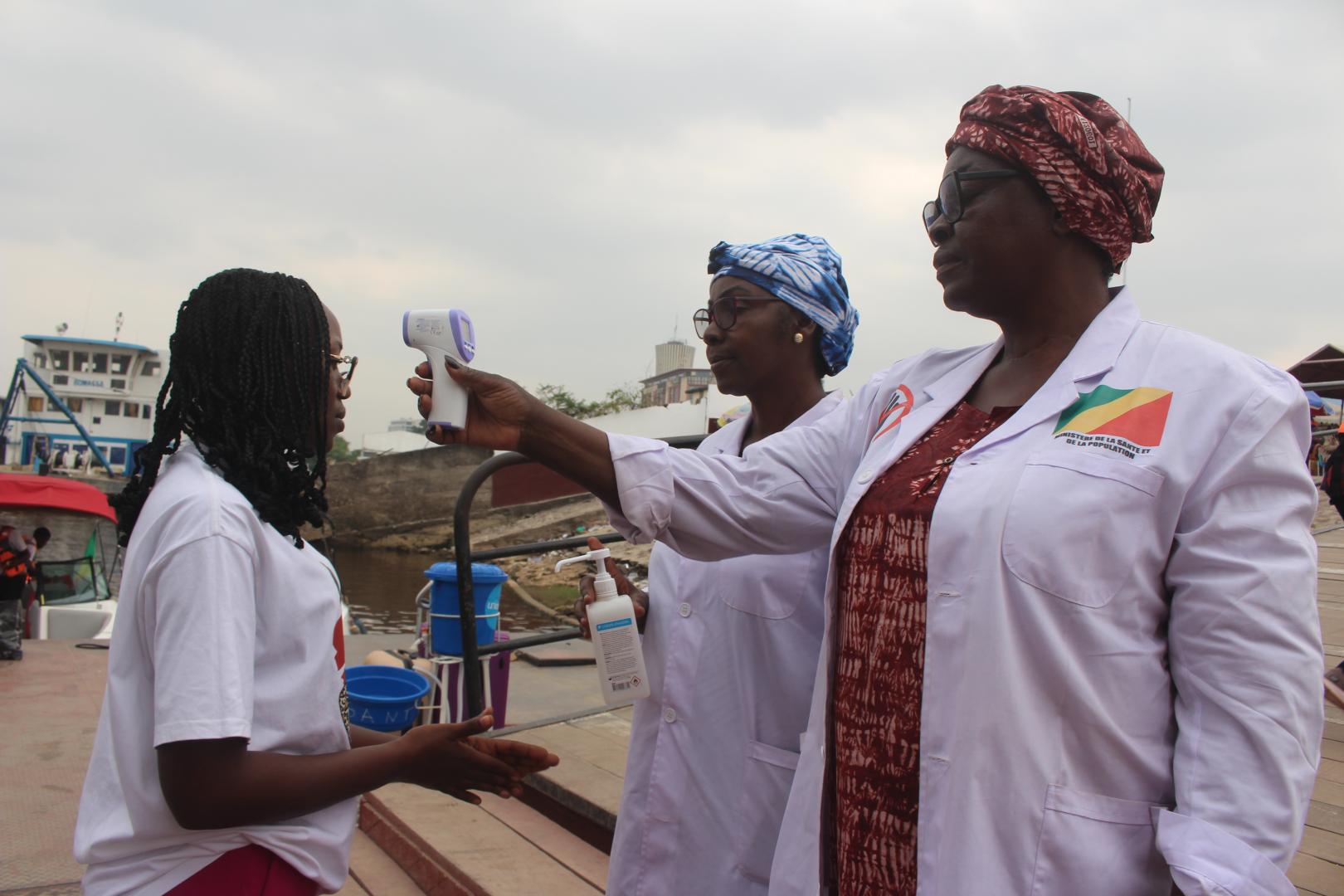
Brazzaville—Dorothée Bendza, a health control officer, has been deployed at Brazzaville Beach since the declaration of the Ebola disease outbreak in the Democratic Republic of the Congo (DRC). From 8:00 to 16:00, she and her colleague screen passengers. Both are equipped with an infrared thermometer and hand sanitizer. They are on the frontline as travellers arrive from Kinshasa, along one of the busiest routes between the two capitals. “When passengers arrive, we ask them to wash their hands or provide them with hand sanitizer. Then we take their temperature,” she explains.
Lesotho strengthens immunization services
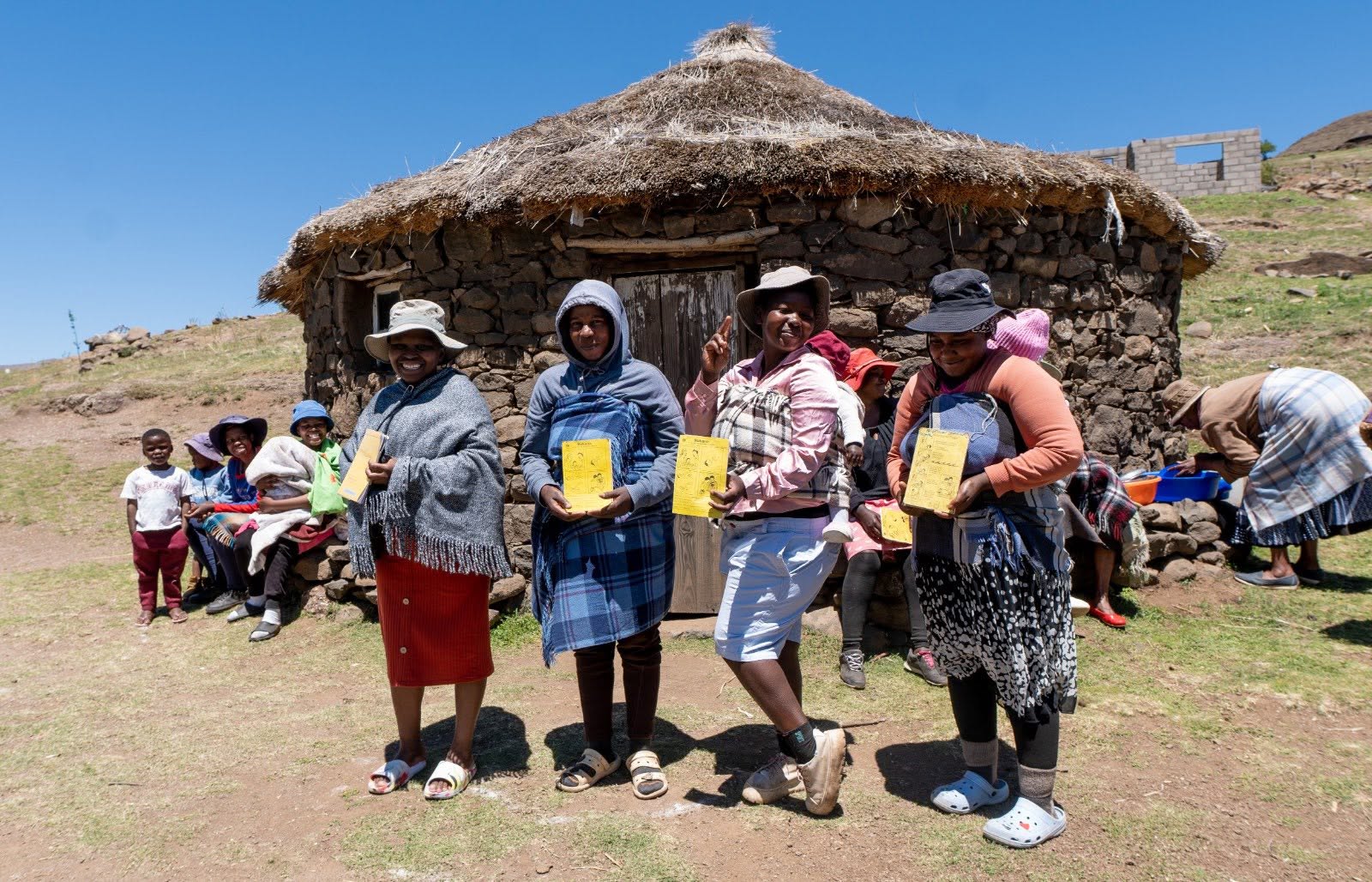
Maseru— For many communities in Lesotho, especially those in remote mountain districts, access to vaccines has long been limited by distance, infrastructure, and resources. Strengthening immunization services has therefore become a national priority, one that aims to ensure every child, adolescent, and adult can be protected against vaccine-preventable diseases.
Botswana steps up readiness for Bundibugyo Virus Disease
Following the ongoing outbreak of Bundibugyo Virus Disease (BVD) in the Democratic Republic of the Congo (DRC), with reported cross-border transmission into neighbouring Uganda, countries across the African Region have intensified preparedness and response measures to reduce the risk of further spread. Recognizing the significant public health implications of the outbreak, the World Health Organization (WHO) declared the Ebola outbreak a Public Health Emergency of International Concern (PHEIC) on 17 May 2026.
Uganda Hosts Regional Meeting to Boost Ebola Preparedness Amid Ongoing Outbreak
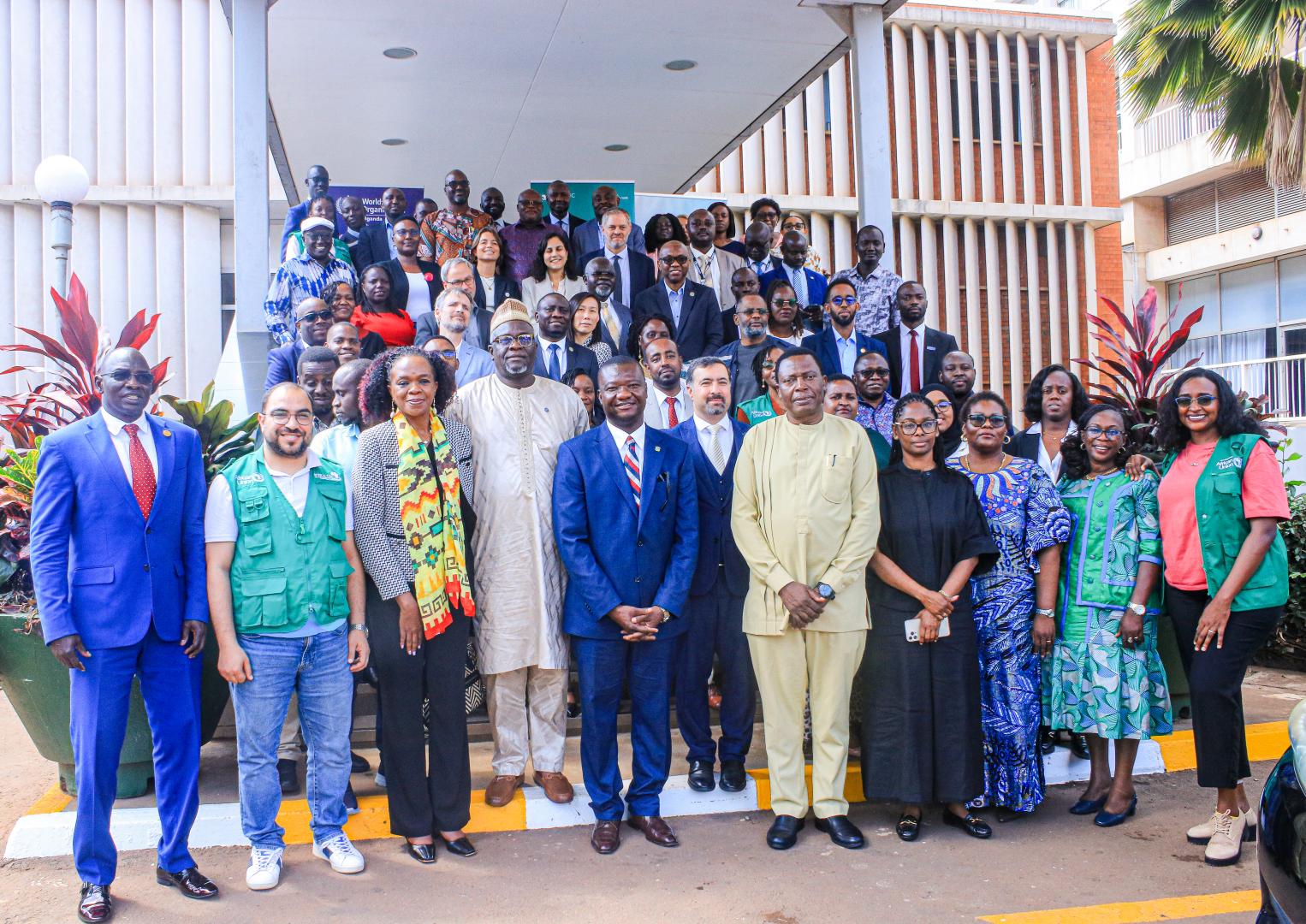
Kampala, Uganda:— Health leaders from across Africa have convened in Uganda’s capital for a high-level meeting to strengthen regional preparedness and cross-border collaboration in response to the ongoing Bundibugyo Ebola outbreak affecting Uganda and the Democratic Republic of the Congo (DRC).
WHO, Africa CDC launch Continental Incident Management Support Team to strengthen coordination for Ebola outbreak response
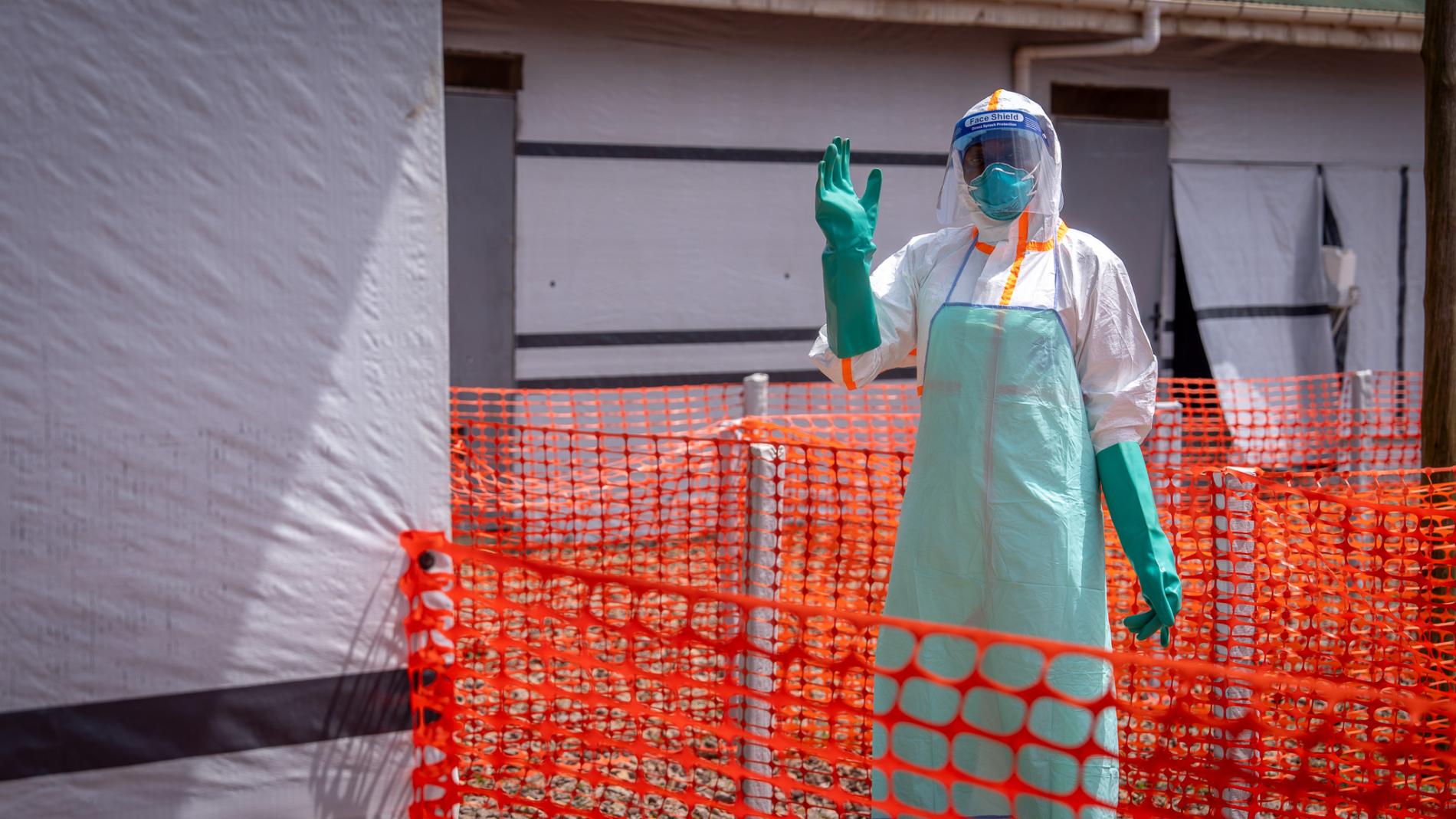
Kampala—The World Health Organization Regional Office for Africa (WHO AFRO) and the Africa Centres for Disease Control and Prevention (Africa CDC), together with the Ministry of Health of Uganda and partners, have officially launched a centralized coordination platform to strengthen Africa's capacity to prepare for, coordinate and respond to public health emergencies.
Early nutrition screening reduces child deaths in Nigeria
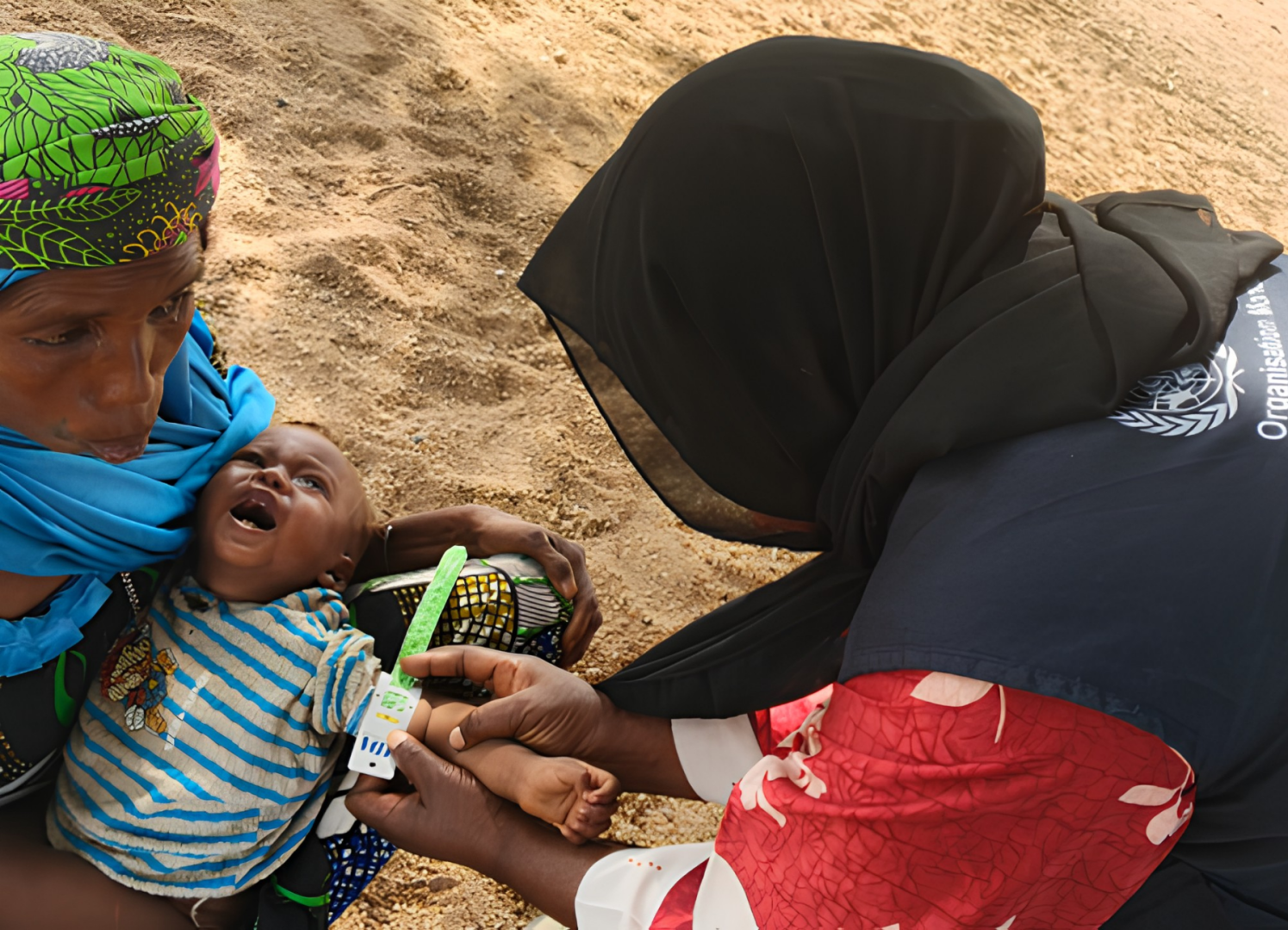
Yola, Aisha Ibrahim watched her 18-month-old son, Dauda, play outside their home in Maliki 2 settlement, Demsa Local Government Area of Adamawa State. Just weeks earlier, he had become weak, lost weight and stopped eating.
WHO Cabo Verde Contributes to Pilot Testing of New Regional Health District Management Training Package
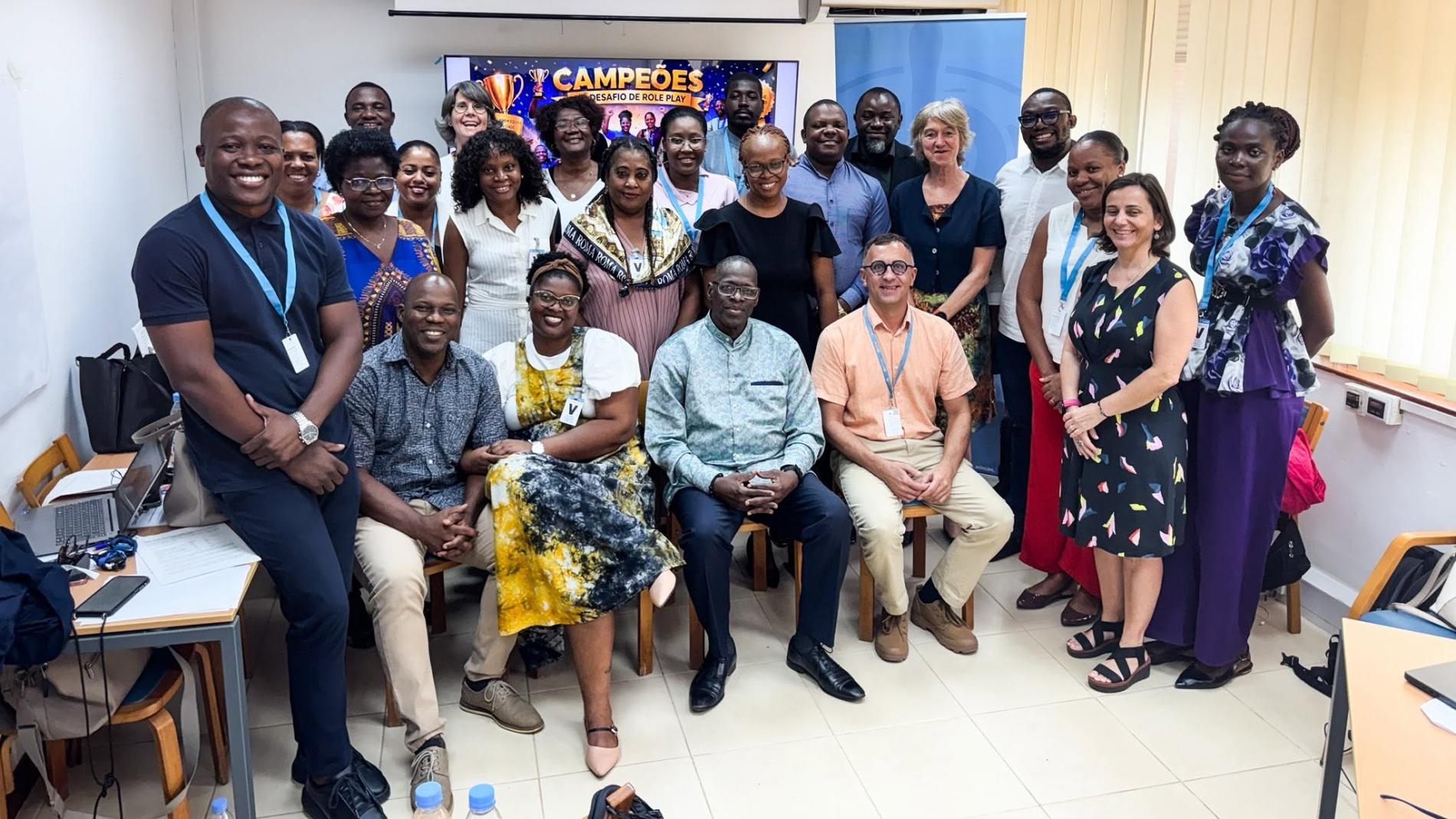
The WHO Country Office in Cabo Verde participated in a capacity building to São Tomé and Príncipe as part of the pilot phase of the new Health District Management Team (HDMT) Training Package developed by WHO AFRO in collaboration with WHO Headquarters and country offices. The mission brought together experts from the three levels of WHO, highlighting the importance of coordinated action to strengthen health systems and Primary Health Care (PHC).
Kenya Revises National Tobacco Cessation Guidelines with Support from WHO
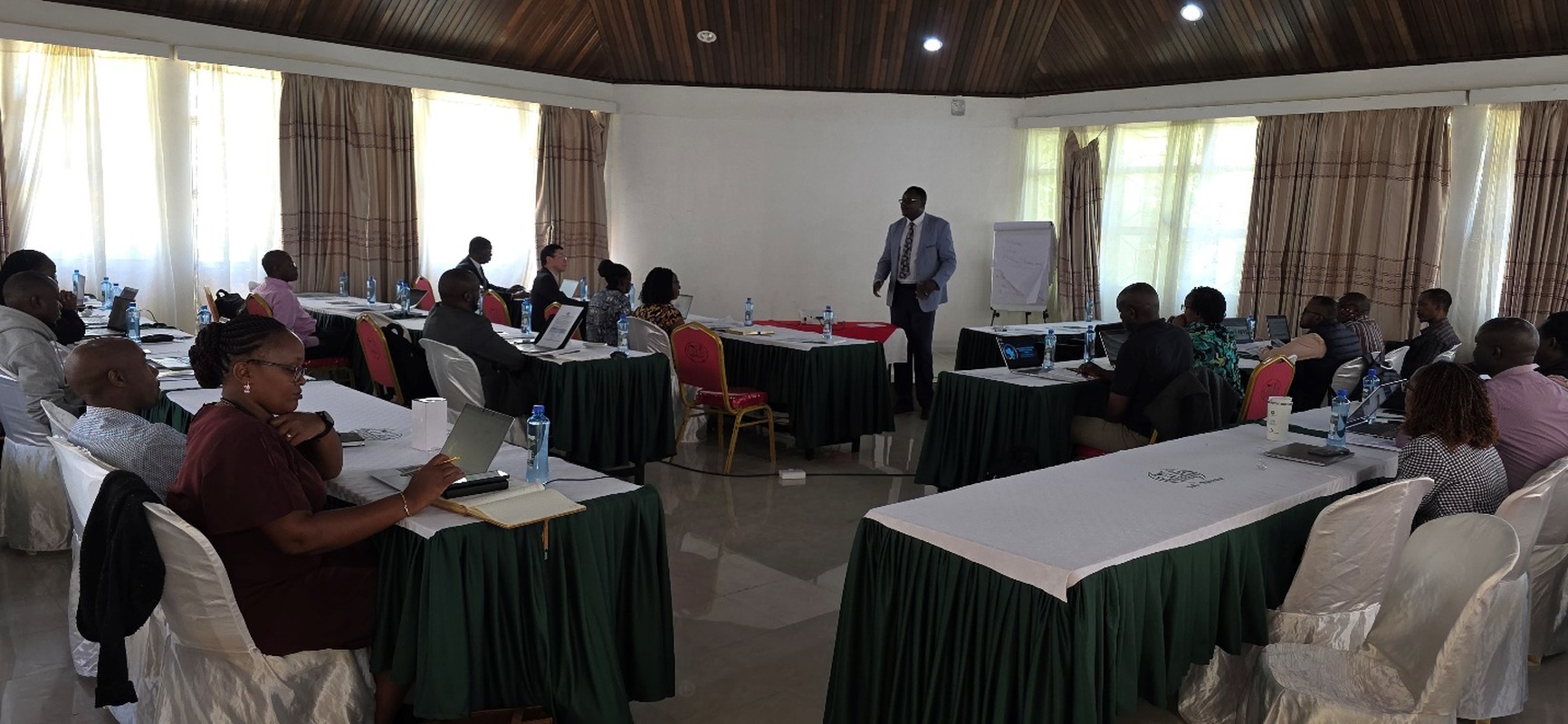
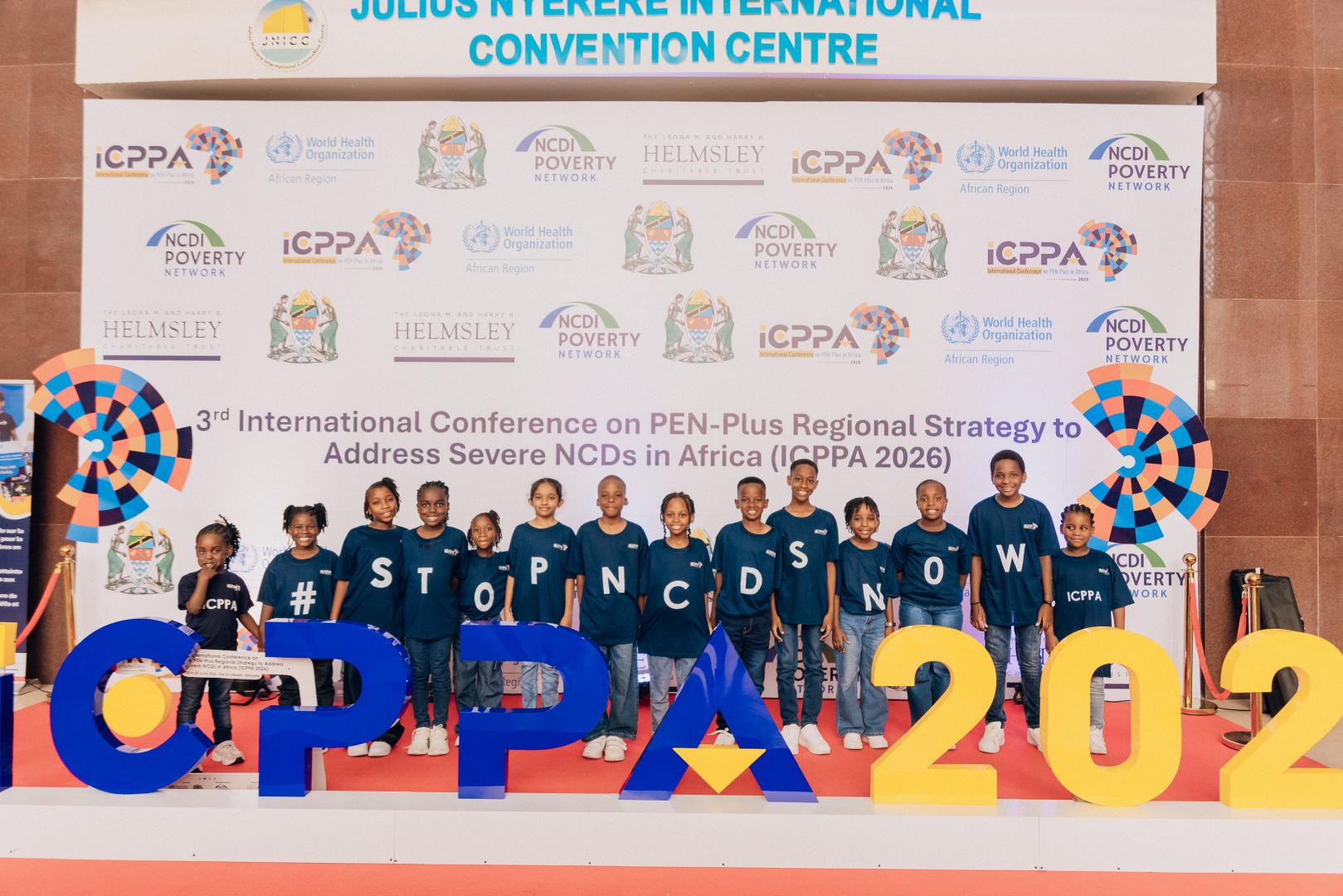
On the road to 2030: Health experts renew commitments to transform care for severe noncommunicable diseases in Africa
Huíla Launches Innovative Project to Strengthen Prevention and Early Diagnosis of Breast and Cervical Cancer
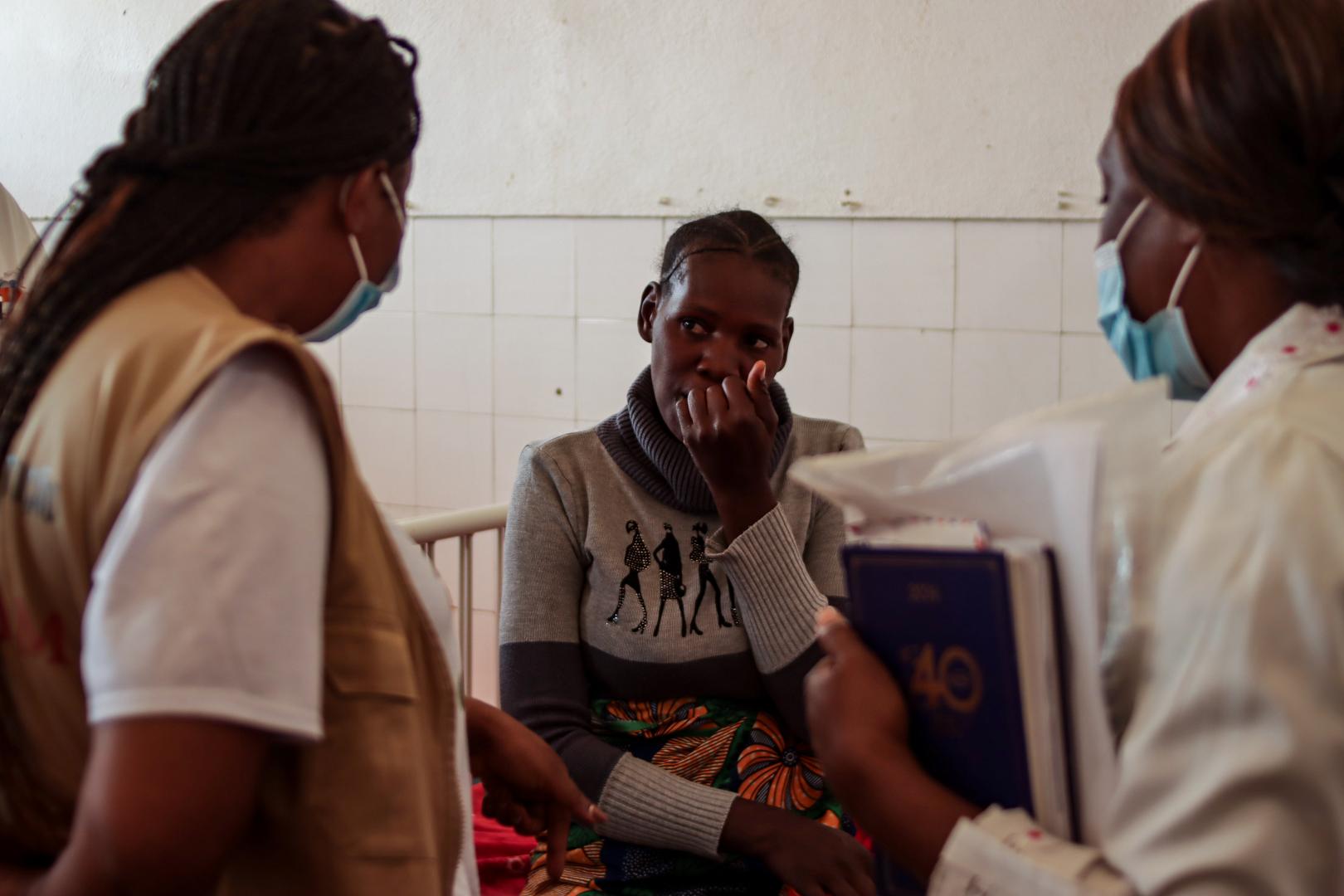
At a time when late diagnosis continues to jeopardize the survival of thousands of women, the province of Huíla is taking a decisive step by strengthening cancer prevention and early detection. The launch of the Breast and Cervical Cancer Prevention and Early Detection Project, funded by Roche and with technical support from the World Health Organization (WHO), marks a concrete shift in how these diseases are addressed, combining scientific knowledge, local capacity-building, and closer engagement with communities.