Combating Neglected Tropical Diseases in Liberia: Nearly 2 million people to benefit from Mass Drug Administration against lymphatic filariasis and schistosomiasis in endemic counties

Ramping up cervical cancer screening in Zimbabwe

Chinhoyi - Meet Mary Mungwere. She is a Village Health Worker (VHW) in Ringari Village, Makonde District and attached to Umboe Clinic.
United Against Polio: Nationwide Polio Vaccination Campaign Kicks Off in Liberia

WHO awards Namibia for milestone achievement towards path to elimination of vertical mother-to-child transmission of both HIV and viral hepatitis B
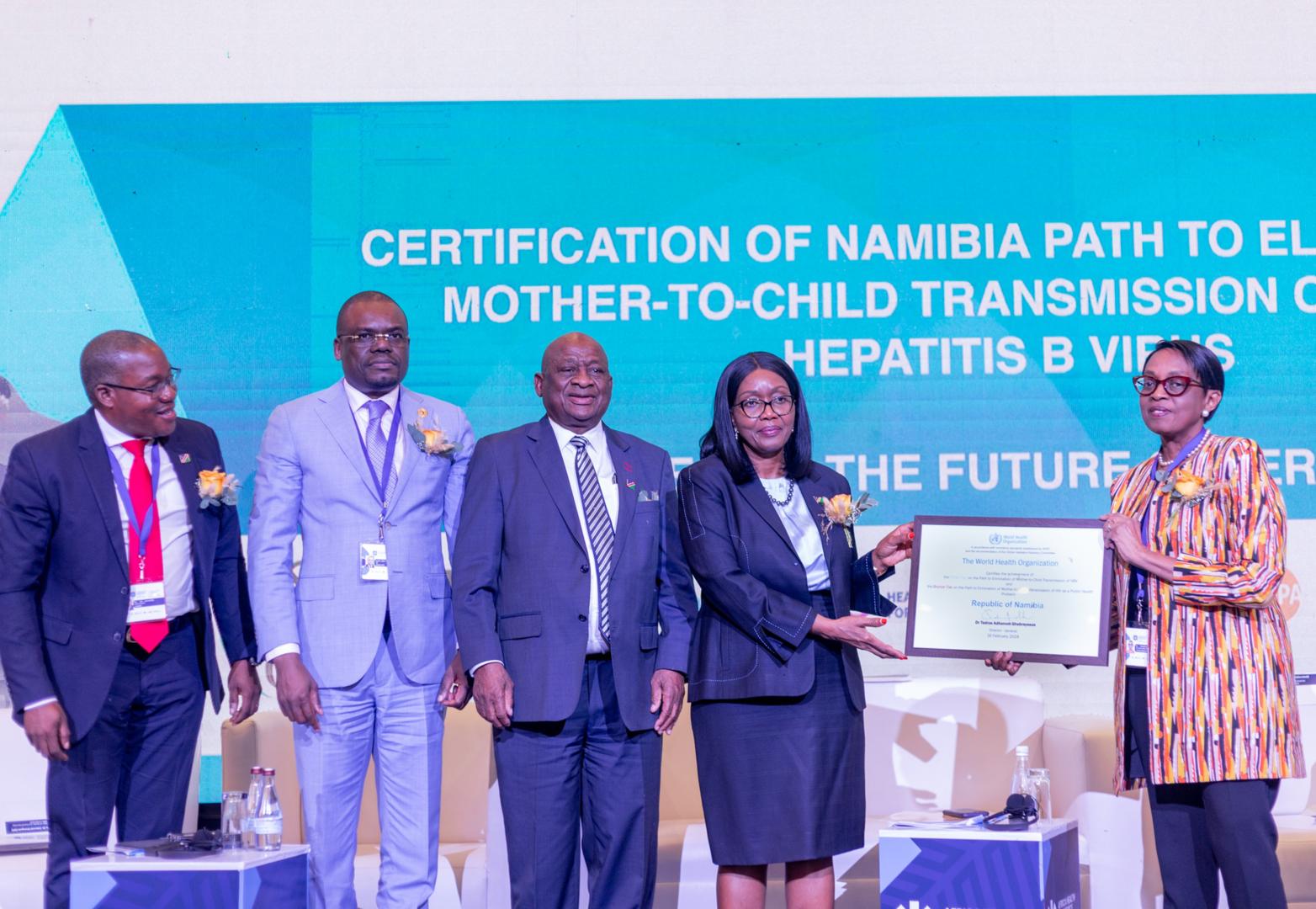
The government of Namibia hosted a high-level event to commemorate the global award received from the World Health Organization (WHO) for achieving the Silver Tier on the Path-To-Elimination (PTE) of The government of Namibia hosted a high-level event to commemorate the global award received from the World Health Organization (WHO) for achieving the Silver Tier on the Path-To-Elimination (PTE) of mother-to-child transmission (MTCT) of Hepatitis B Virus (HBV), and the Bronze Tier on the PTE of mother-to-child transmission of HIV.
Saving lives in northwest Nigeria with the new MenFive vaccines

Dutse, 8 May, 2024 - It was around 10 am when 55-year-old Usman Alasan, with his megaphone got to the nomadic settlement of Dongawaki, located at Sule Tankarkar Local Government Area (LGA), in Jigawa State, to announce the arrival of the vaccination team.
A few minutes later, Ramatu Ali, a mother of five, who had almost lost her 12-year-old son Ambali, to meningitis some weeks earlier, left her chores to gather all the children in her compound to the vaccination post situated opposite her home.
World Health Organization launched the Africa Health Workforce Investment Charter in Namibia
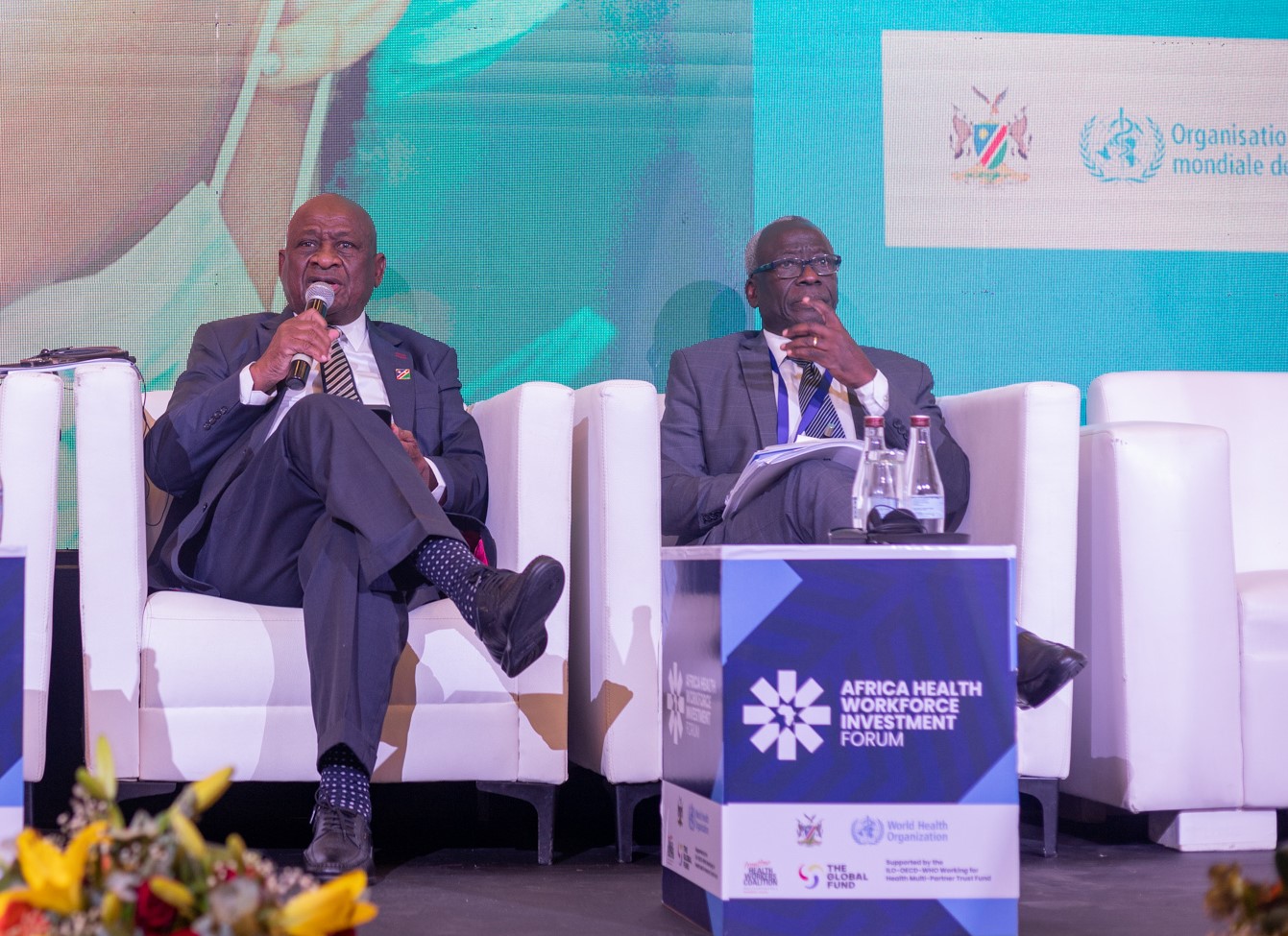
The World Health Organization (WHO) in collaboration with the government of Namibia hosted the inaugural Africa Health Workforce Investment Forum in Windhoek, from 06 – 08 May 2024 themed “Aligning and Stimulating Investments to Address Health Workforce Challenges in Africa”. The Forum brought together over 180 participants across Africa and globally, including Ministers, Permanent Secretaries, Directors, Partners, and stakeholders from the health, education, finance, labour, and private sectors.
Enhancing capacity for malaria vaccine introduction and rollout in Africa through experience sharing
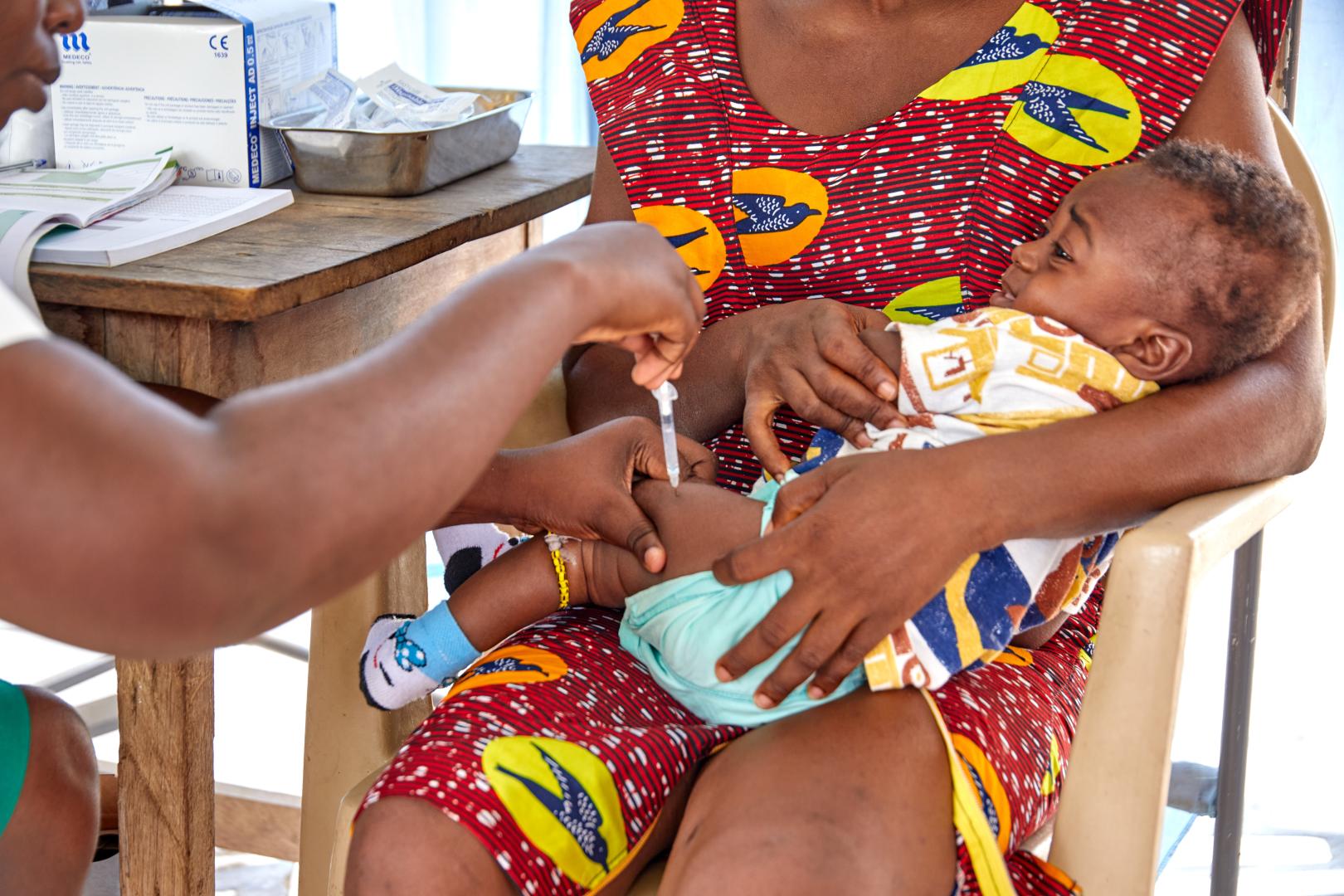
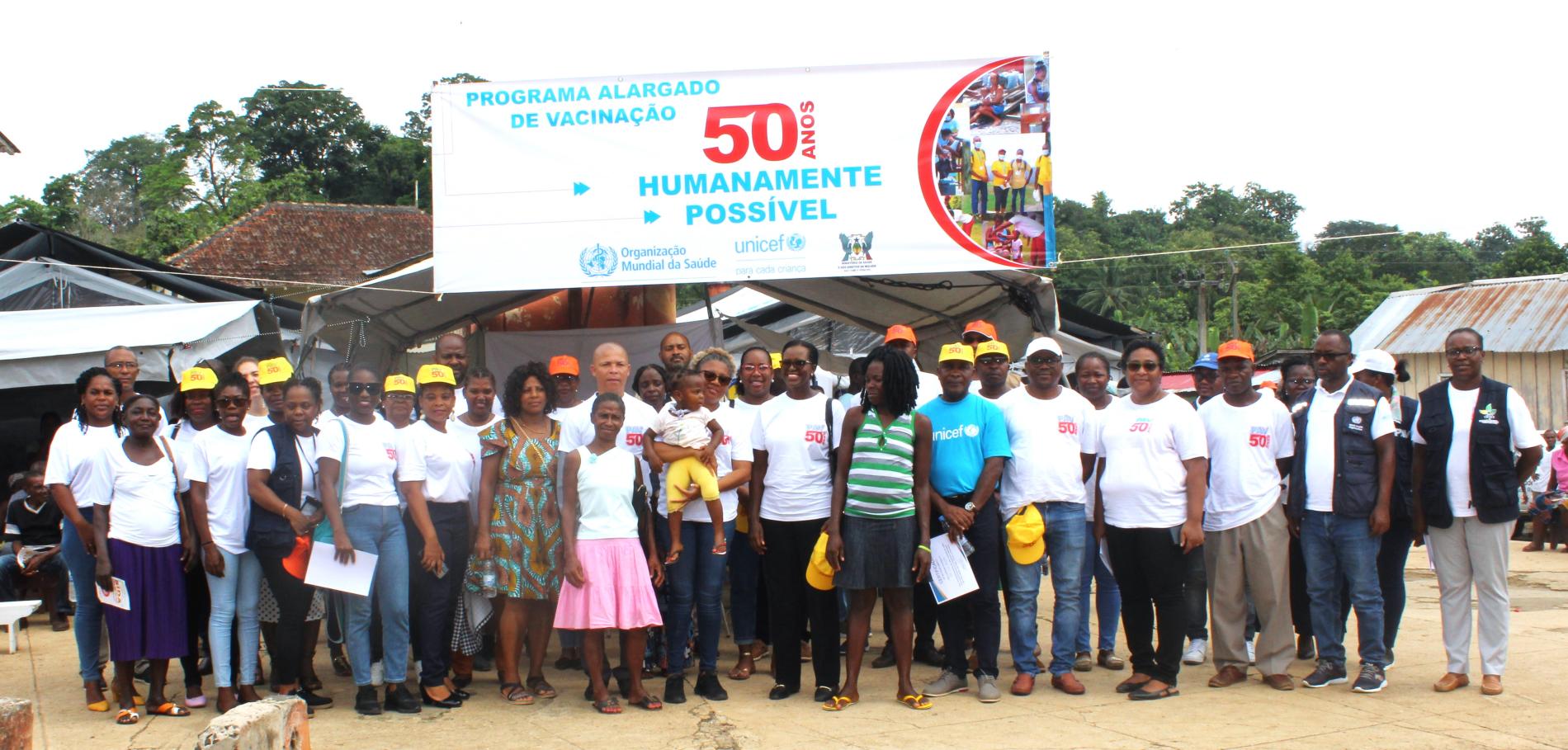
Celebration of 50th anniversary of the Expanded Immunization Programmme in Sao Tome and Principe
Protecting families against malaria using Long-Lasting Insecticide Nets

Abuja, 8 May, 2024 - Malaria remains a significant public health concern in many parts of the world, particularly in sub-Saharan African countries like Nigeria, where the disease is endemic.
For many families in Nigeria, the threat of mosquito bites poses a constant risk, impacting both their health and financial stability. However, the use of Long-Lasting Insecticide Nets (LLINs) has been a game-changer, especially for families like that of Mr Unguwar Ayuba, residing in Maikunkele locality, Niger State.
Rapid response brings relief to flood-affected communities in Kenya
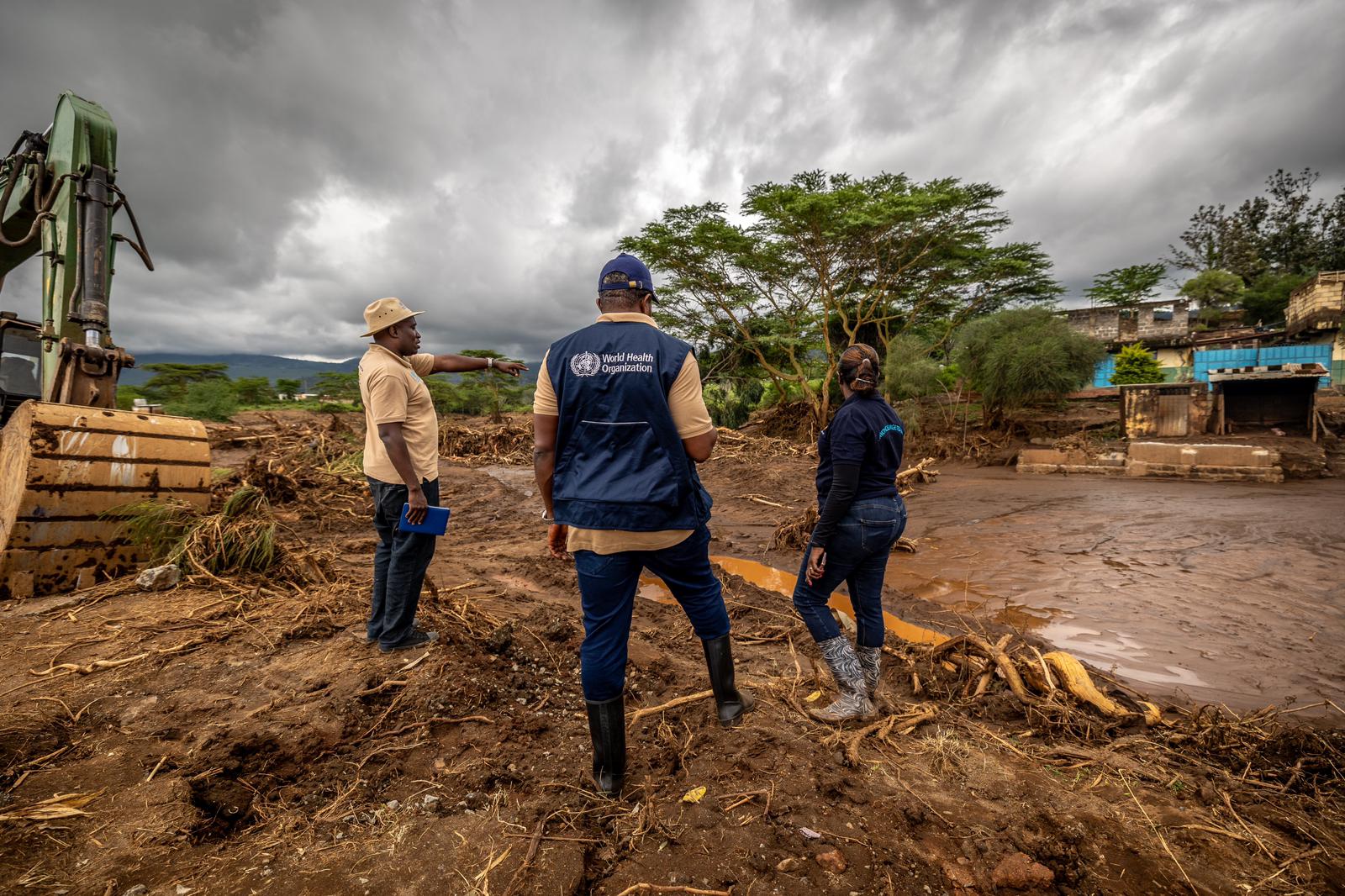
Nairobi—This year’s long rainy season, which typically lasts from March to May every year, has hit Kenya hard, with unexpected heavy rainfall and widespread flooding since mid-April. Over 286 000 people have been affected, 47 000 households displaced and 238 deaths have been reported in 37 of the country’s 47 counties.