Rapid response brings relief to flood-affected communities in Kenya
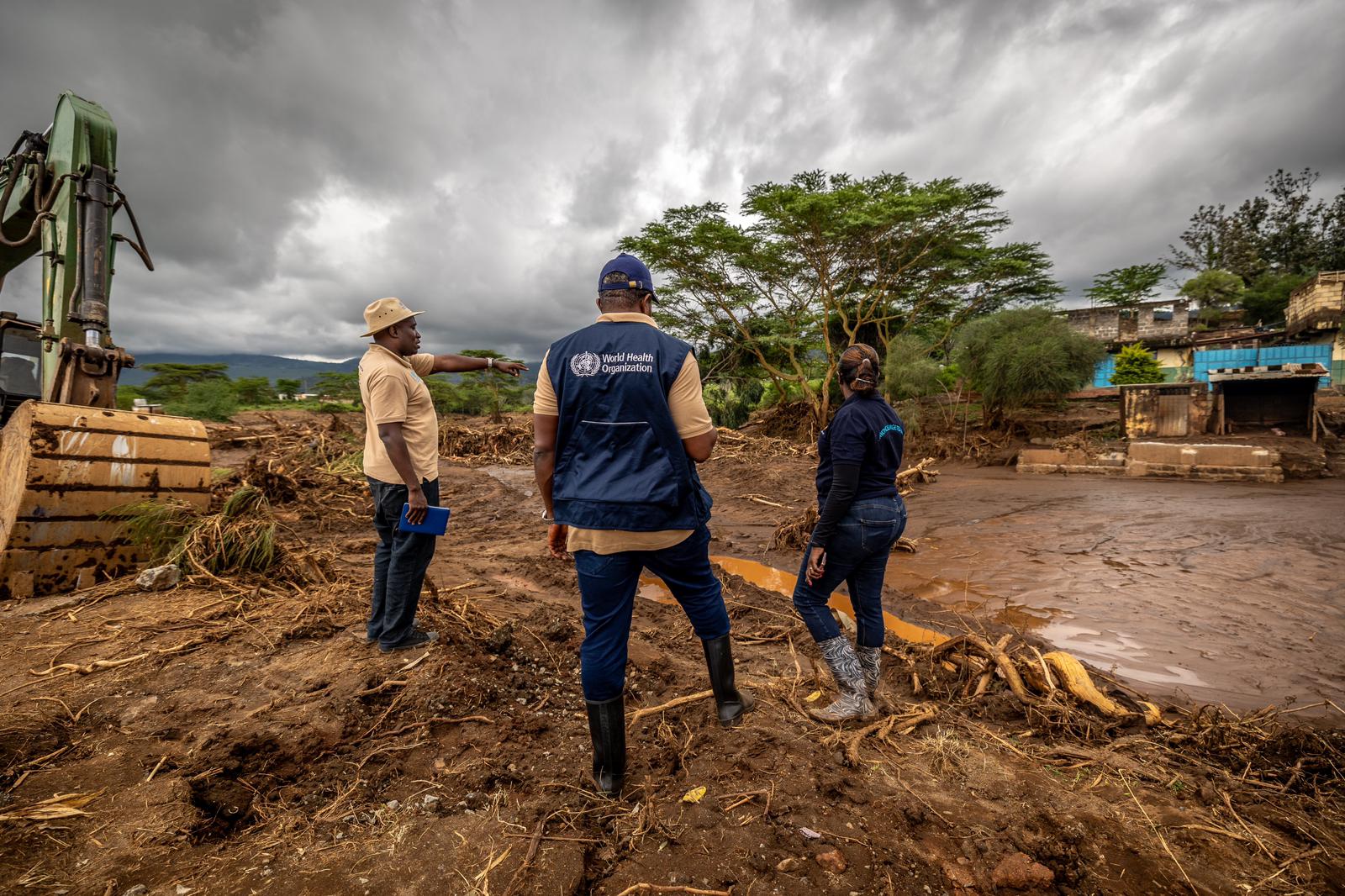
Nairobi—This year’s long rainy season, which typically lasts from March to May every year, has hit Kenya hard, with unexpected heavy rainfall and widespread flooding since mid-April. Over 286 000 people have been affected, 47 000 households displaced and 238 deaths have been reported in 37 of the country’s 47 counties.
HeRAMS workshop strengthens healthcare decision-making and resilience in Afar Ethiopia

In Semera-Logoa City on May 1st and 2nd, 2024, the Ministry of Health, the Afar Regional Health Bureau, the Ethiopian Public Health Institute, and the World Health Organization (WHO), collaborated to interpret the final report of the Health Resources and Services Availability Monitoring System (HeRAMS) for Afar, Ethiopia. This collaborative effort, attended by 55 participants from various government offices and partner organizations, focused on validating and analyzing HeRAMS data to enhance informed decision-making in healthcare.
First-Line Support for Gender-Based Violence Survivors: Success in Mekelle

The World Health Organization (WHO), in partnership with the Tigray Regional Health Bureau, has made significant strides in providing first-line support (FLS) for gender-based violence (GBV) survivors in the Tigray region. In November and December 2023, 350 health extension workers (HEWs) based in Tigray participated in specialized training designed to equip them with the skills necessary to offer practical care and emotional support to survivors, all while respecting their privacy and dignity.
African region’s first-ever health workforce investment charter launched
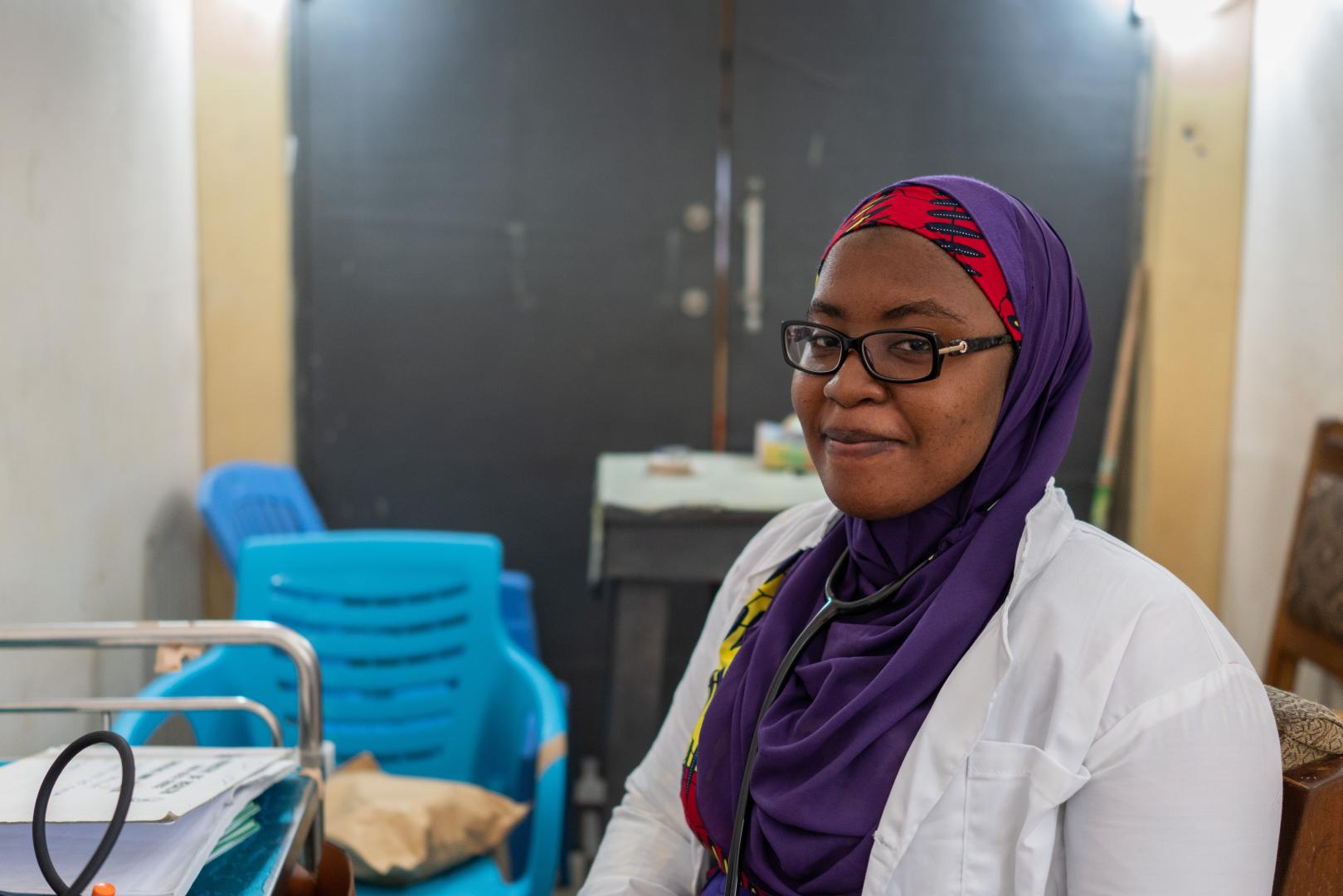
Windhoek – The World Health Organization (WHO) Regional Office for Africa and partner organizations today launched the region’s first-ever health investment charter that aims to align and drive sustainable investment in the health workforce.
Integration of Public Health Rapid Response Teams (RRTs) and Emergency Medical Teams (EMTs) for Effective Health Emergency Response
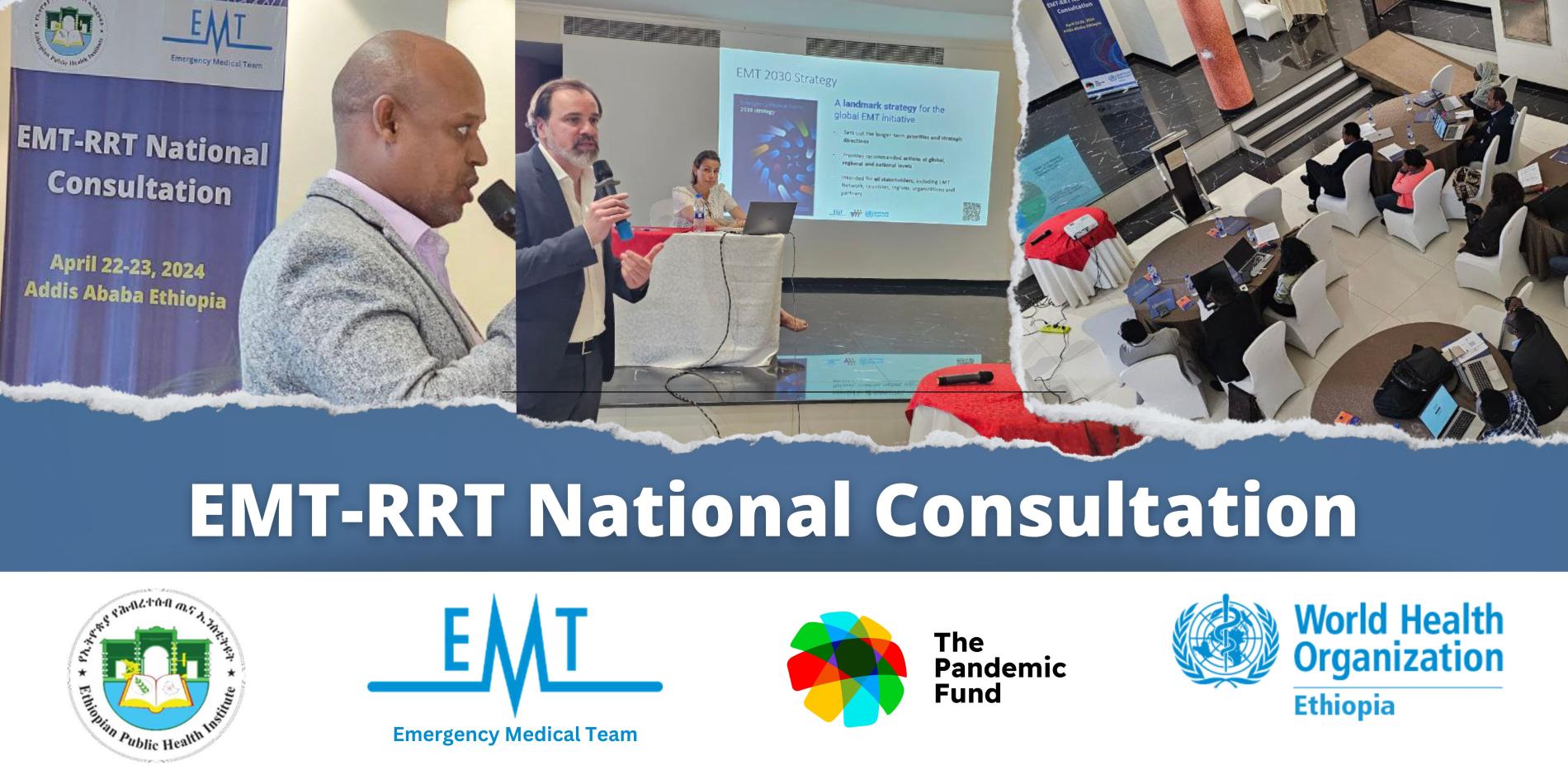
In the face of global health emergencies, timely and effective response measures are critical for saving lives and mitigating the impact of crises. A significant step towards achieving this goal occurred during a consultation meeting including WHO, the Ethiopian Public Health Institute (EPHI) and other partners on April 21st and 22nd, 2024, in Addis Ababa. Experts from both RRTs and EMTs convened to explore the possibility of integrating these programs at the national and sub-national levels.
South Sudan’s Central Equatoria State strengthens disasters and emergency preparedness and response capabilities

In a world where emergencies and disasters can strike at any moment and anywhere, the importance of proactive preparation cannot be overstated. Central Equatoria State in South Sudan is pioneering a groundbreaking initiative to bolster its resilience against potential hazards, through the development of hazard-specific contingency plans at the county level, the State is taking proactive steps to mitigate the impact of emergencies and disasters on public health and safety.
Namibia reaches key milestone in eliminating mother-to-child transmission of HIV and hepatitis B
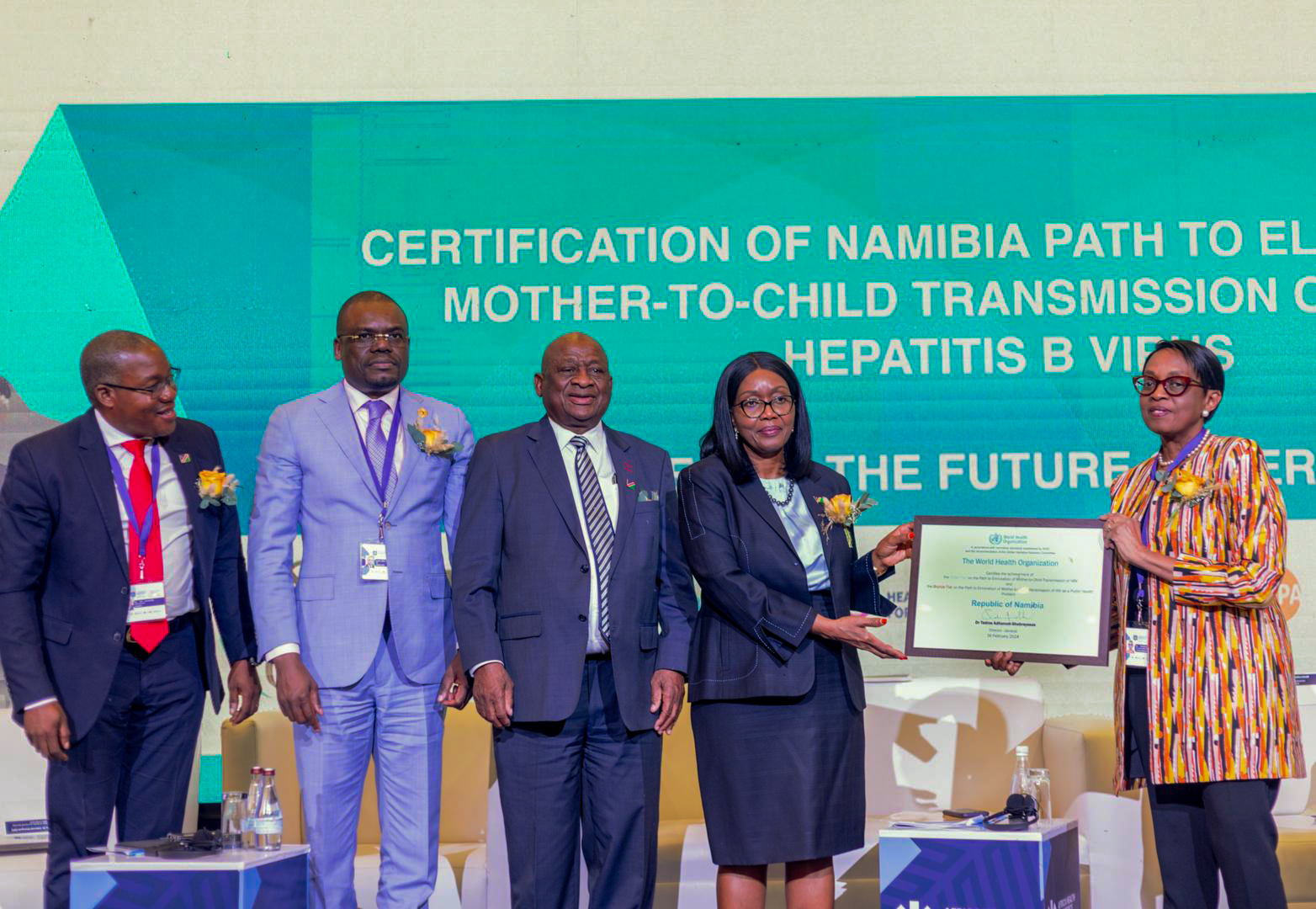
Windhoek – Namibia has become the first country in Africa – and the first high-burden country in the world - to reach a significant milestone on the path towards eliminating vertical mother-to-child transmission of both HIV and viral hepatitis B.
Eastern and Southern Africa is home to more than half the world’s HIV burden and Africa accounts for two thirds of new hepatitis B infections globally. Namibia is home to more than 200 000 people living with HIV and new infections disproportionately impact females.
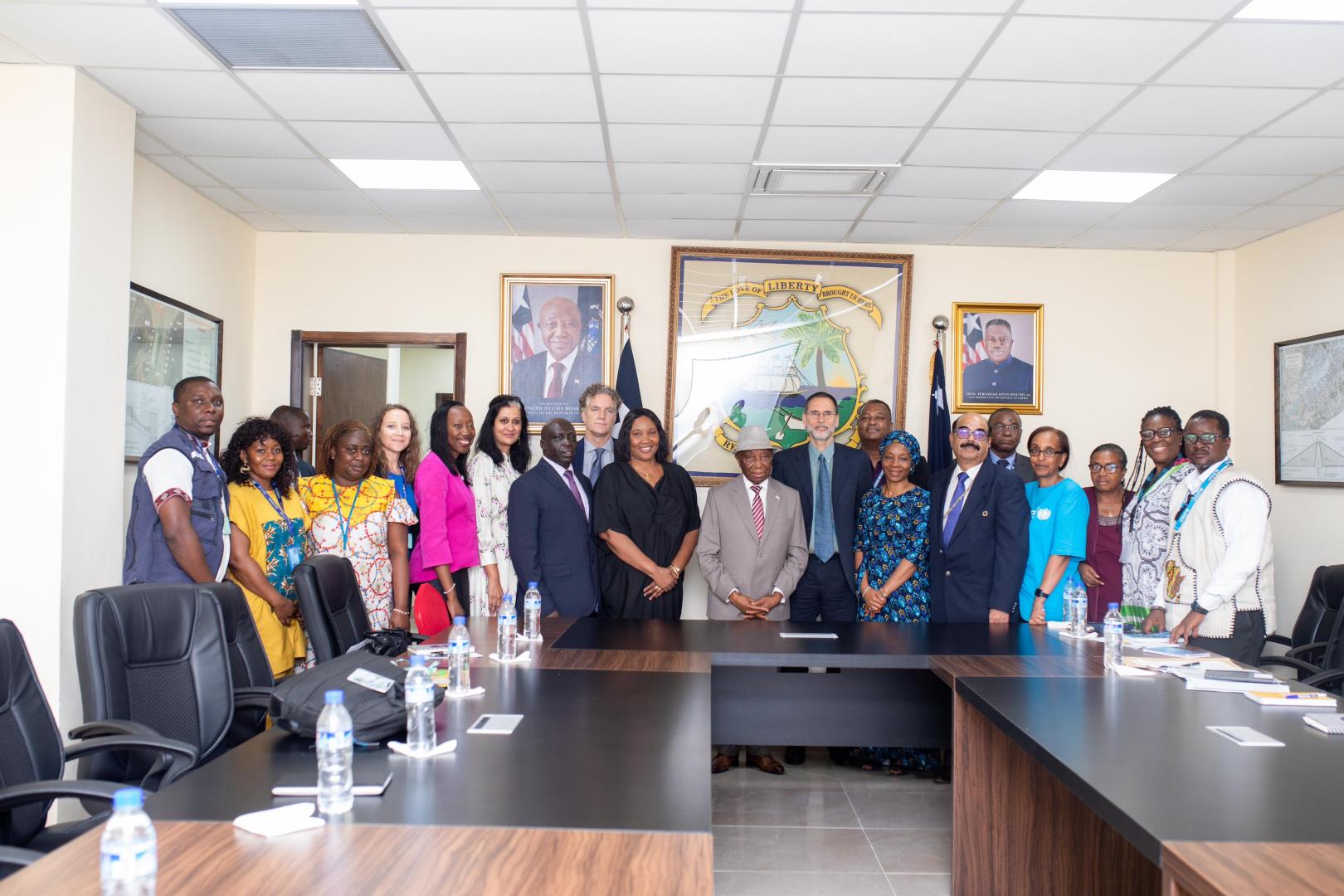
H6 Joint Mission Concludes Visit to Liberia, Calls for Urgent Action to Reduce Maternal and Newborn Mortality
Meningitis epidemic: WHO Niger steps up response efforts.
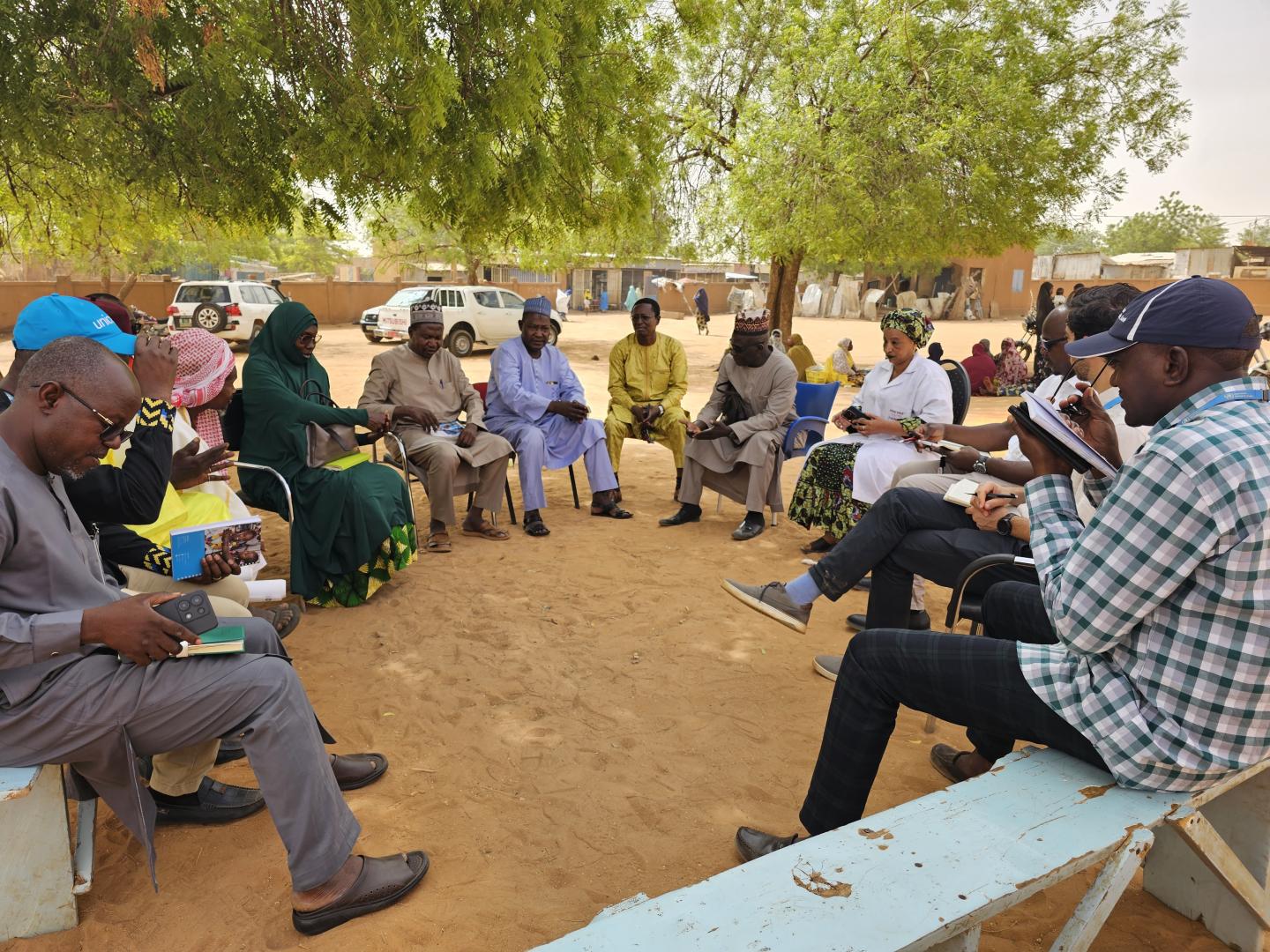
Located in the African meningitis belt, Niger is one of the 26 ‘hyperendemic’ African countries for meningitis. The country is currently facing a rapid increase in the number of cases, with a 50% rise on the previous year.
In week 16 of 2024, Niger reported a total of 2012 cases of meningitis with 123 deaths, representing a case-fatality rate of 6.1%. This is a worrying increase compared with the same period last year, when 1,389 cases were recorded, with 72 deaths (case-fatality rate: 5.2%).
Expanding vaccination reach through integrated services in Eswatini
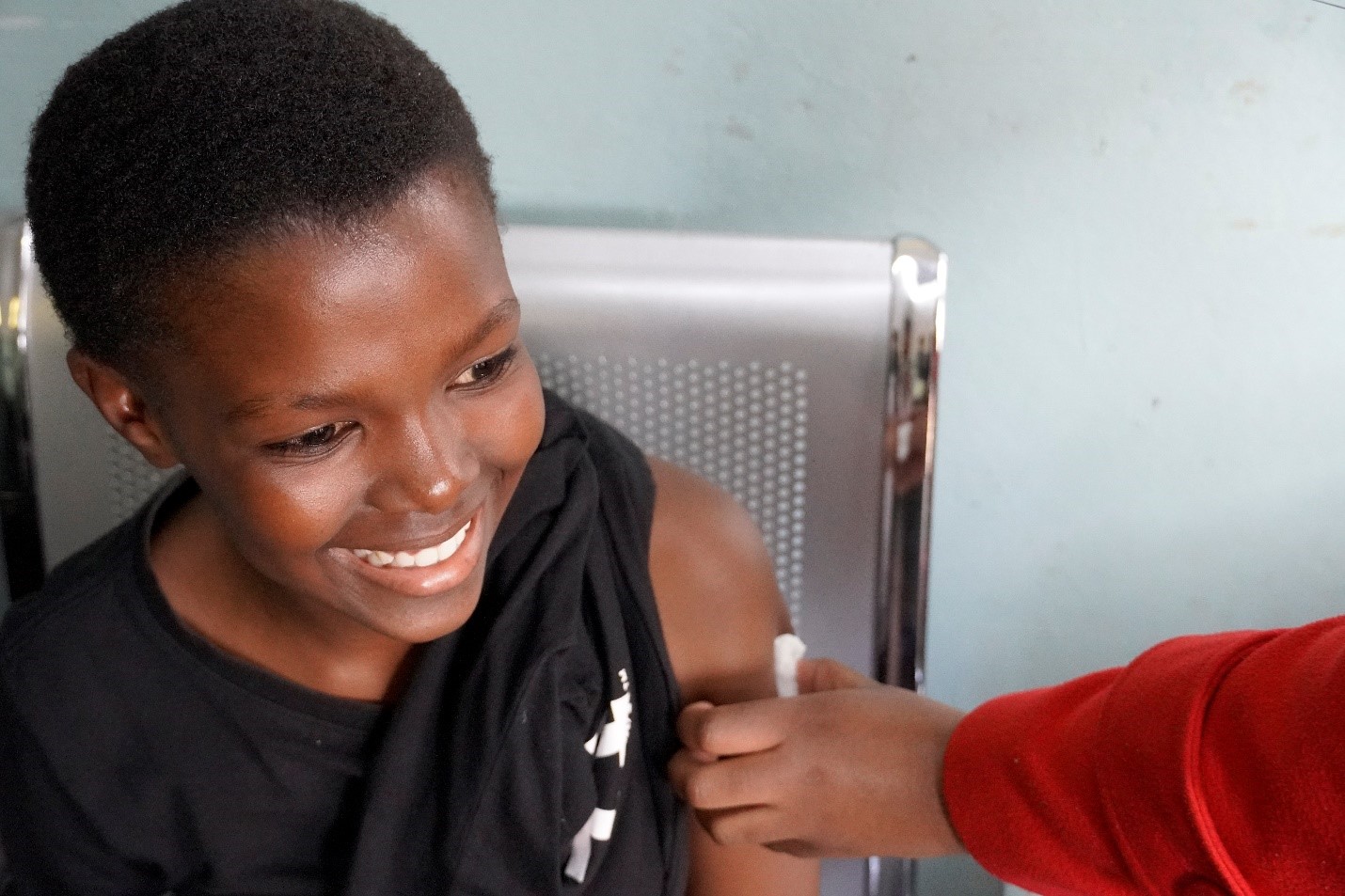
Mbabane – It was an enormous relief to mother Jabumkhaliphi Sifundza when her ten-year-old daughter, Nozweno, was vaccinated against human papillomavirus (HPV). She’d heard about the vaccine on social media and wanted to do everything possible to protect Nozweno from cervical cancer.