African health ministers mobilize against dangerous threat of antimicrobial resistance
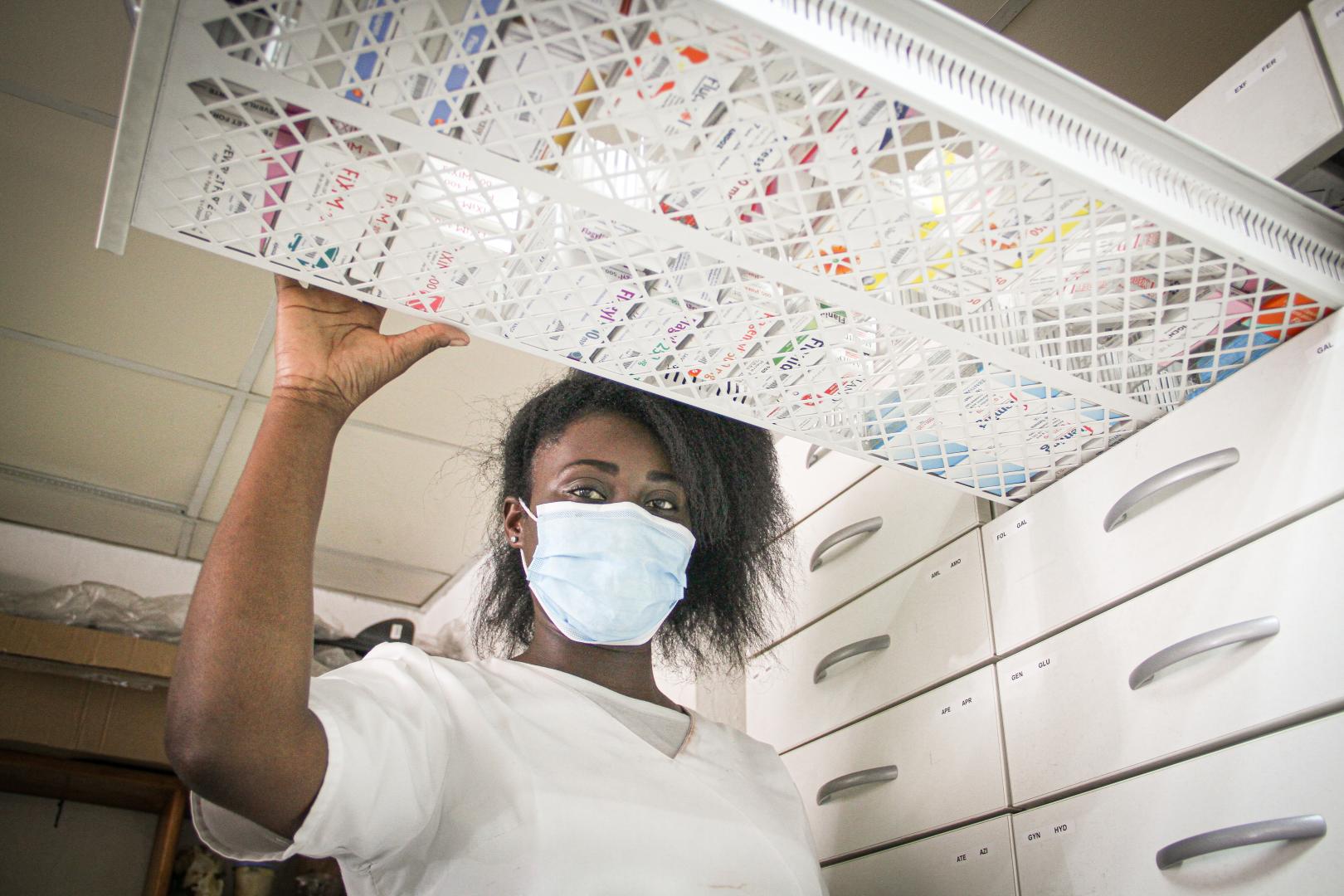
Gaborone – African health ministers today endorsed a regional strategy to ramp up action against antimicrobial resistance, which is estimated to have directly contributed to 1.27 million deaths in sub-Saharan Africa in 2019.
The region faces a high burden of antimicrobial resistance, which occurs when bacteria, viruses, fungi and parasites change over time and no longer respond to medicines, making infections harder to treat. Globally, around 10 million people – including 4.1 million in the African region – are projected to die of antimicrobial resistance by 2050.
The WHO Regional Director for Africa reports significant contributions to public health in Africa
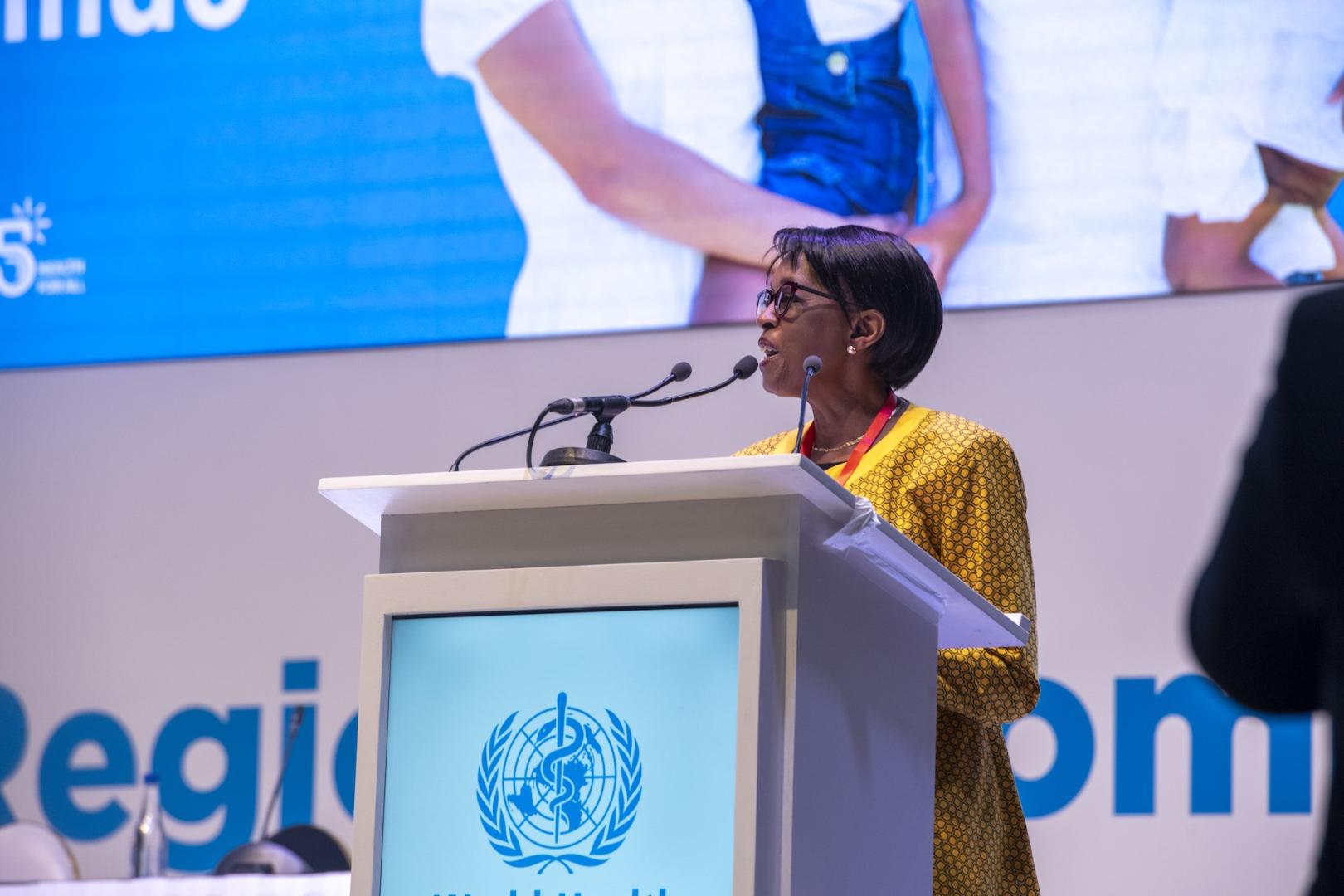
African health ministers kick off region’s flagship health meeting
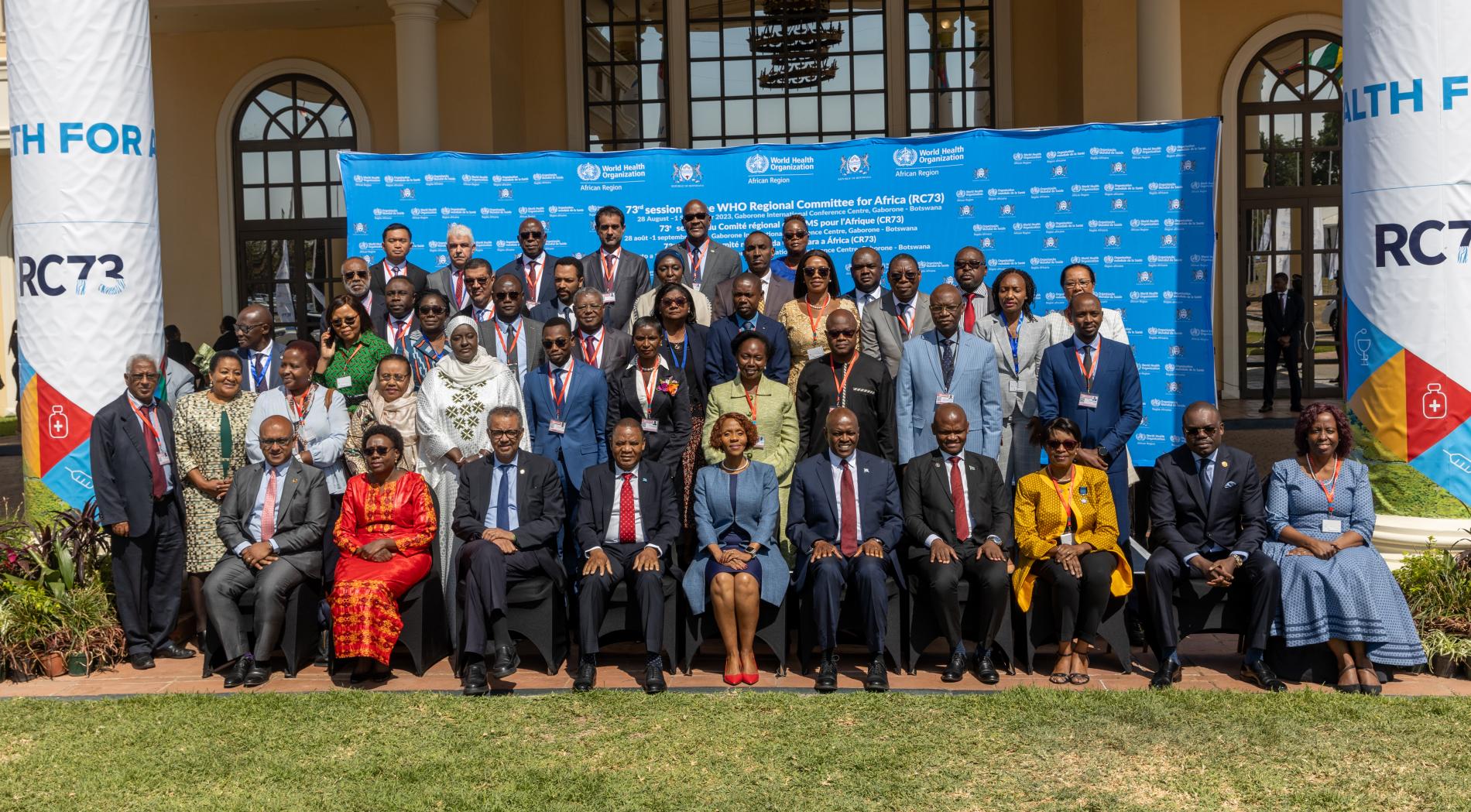
Gaborone – African health ministers and government representatives today opened the Seventy-third session of the World Health Organization (WHO) Regional Committee for Africa to discuss and agree on key measures to address the region’s health challenges, advance and promote good health and well-being.
WHO South Africa Strengthening Cholera Preparedness and Training in Mpumalanga and Eastern Cape

Demonstrating an extraordinary commitment to the protection of public health through collaborative efforts, the World Health Organization (WHO) South Africa worked closely with the National Department of Health (NDOH) and partners to successfully wrap up its Cholera preparedness and readiness training sessions in Mpumalanga and the Eastern Cape.
Namibia received an onboarding training on the Epidemic Intelligence from Open Sources (EIOS) community

Namibia received an onboarding training on the Epidemic Intelligence for Open Sources (EIOS) community to ensure that health threats are identified and responded to early and rapidly with no impact on lives and livelihoods. The training is being rollout by the WHO Regional Office for Africa to all its 47 member states with the aim of building a community of well-trained public health intelligence professionals.
The nightmare of underserved populations during the Cholera outbreak
In Malawi's Thyolo district's Savala Village, a family huddles under a mango tree as they anxiously await their Oral Cholera Vaccine (OCV) shots. The family consists of a grandfather, grandmother, brother, daughter, and grandchildren, with the youngest just one year old. The family lives in fear of contracting cholera as cholera continues to spread in some parts of the country especially the Southern Region. Worse still, Cyclone Freddy destroyed their home, property, gardens including their toilet.
WHO celebrates inaugural Mwele Malecela Mentorship Programme recipients
Teach them young- A sustainable approach to cholera prevention
Nestled on the outskirts of Blantyre district, Ndirande Hill primary school stands as a beacon of hope for its 1,666 learners. It is surrounded by weathered and corrugated houses. Many of the students' families struggle to make ends meet in their daily lives. The Cholera outbreak is another burden to grapple. However, amidst these challenging circumstances, a remarkable milestone has been achieved through film-based education on cholera prevention.
Protecting every child in Nigeria from poliovirus

Minna, 23 August, 2023 - In the remote Nigerian village of Bororo-Kambari, five-year-old Fati Isah and her two siblings are lining up with other children their age and younger, preparing to be vaccinated against polio. “My mother says immunization is important and we should receive the vaccine,” she says proudly.
In their village, located in Katcha Local Government Area (LGA) in Niger state in north-central Nigeria, 2 509 687 children benefited from an 18-day mass vaccination campaign, which ended on 16
WHO Ethiopia, in collaboration with the Ethiopian Red Cross Society, delivers vital medicine to the Amhara Region

With the support of the World Health Organization (WHO) Ethiopia, the Ethiopian Red Cross Society (ERCS) delivered 14.5 Metric Tons (MT) of emergency medical supplies, including Interagency Emergency Health Kits (IEHKs), PEDIATRIC-SAM KITs especially designed to provide medicines, renewables, and equipment suitable to treat children admitted to health facilities with complications of severe acute malnutrition (SAM) ), and Trauma and Emergency Surgery Kits (TESK), to the Amhara region.