Off-track cervical cancer progress risks 70 000 deaths every year in Africa
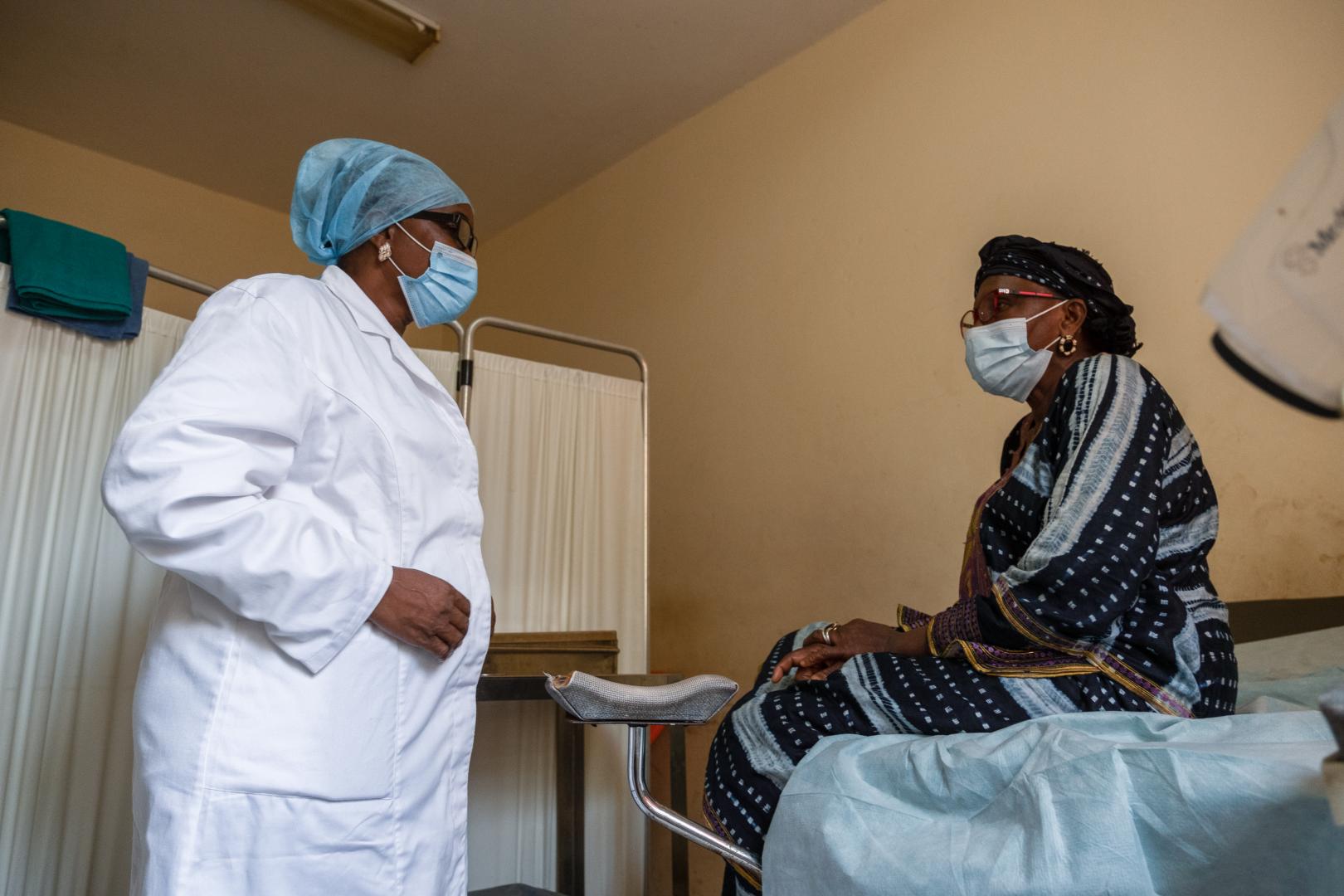
An integrated COVID-19 and the Human Papillomavirus (HPV) vaccination campaign in Tigray completed

Ethiopia introduced Human Papillomavirus (HPV) vaccine for girls aged 14-year-old in 2018 and COVID-19 vaccine in March 2021. Since then, HPV vaccination has been provided as two doses to girls aged 14 years with a six-month interval and the COVID-19 vaccine to all people aged 12 years and above.
Tigray region was not able to participate in the nationwide integrated HPV and COVID-19 vaccination campaign which was conducted few months ago due to competing priorities. Tigray region launched similar integrated COVID-19 and HPV the campaign on 15th August 2023.
Cholera Outbreak Response and After-Action Review

South Africa's multisectoral response to the Cholera Outbreak has culminated in successful containment within 165 days of the cholera outbreak official declaration. The initial cases were reported in Gauteng, with both patients having a history of travel to a neighboring country grappling with a cholera outbreak. Subsequently, the outbreak rapidly spread, affecting 17 out of 52 districts across five provinces, including Gauteng, Free State, Mpumalanga, North-West, and Limpopo.
Flashbacks: Cholera- a battle well fought together
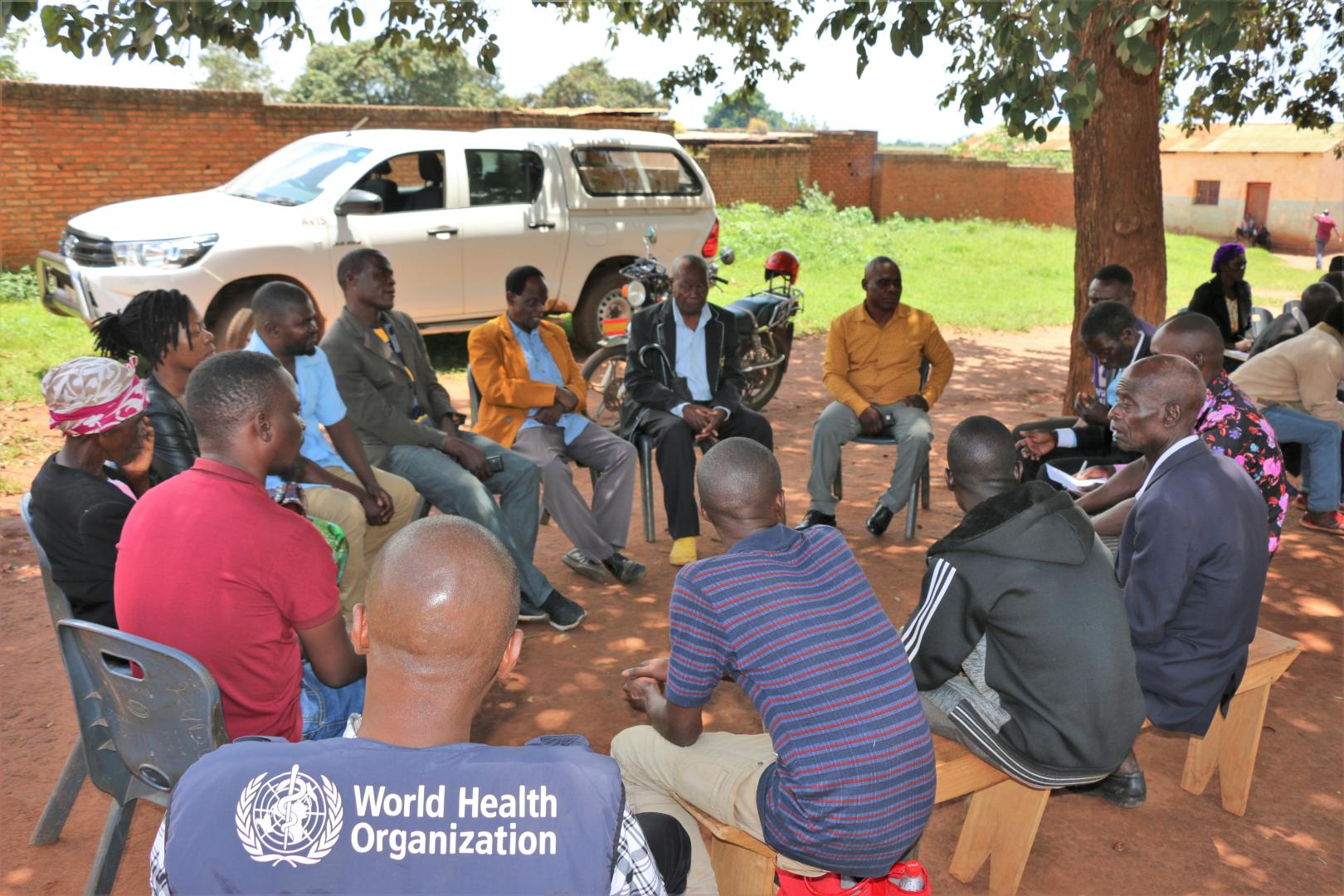
In line with the President of Malawi’s launch of “Tithetse kolera campaign”, RCCE integrated community-based interventions designed by Ministry of Health with support from the World Health Organization (WHO) to reduce cholera cases and deaths in the communities.

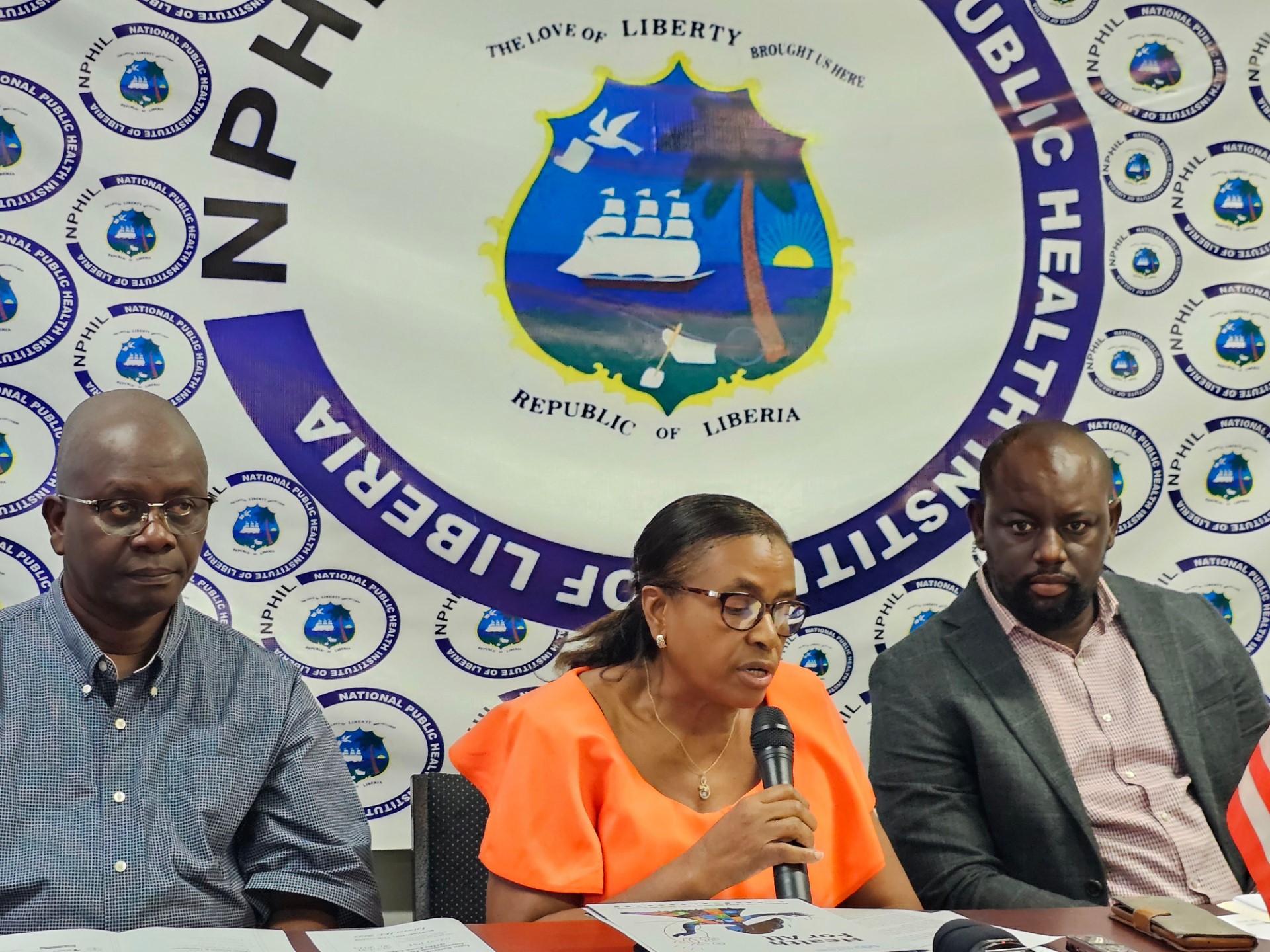
Funding crisis threatens Africa’s fight against neglected tropical diseases
Health leaders vow to enhance response as Africa marks a year without wild polio detection
Bridging the funding gap to defeat malaria in Africa
Botswana National HIV Reference Laboratory designated WHO Collaborating Centre of Excellence
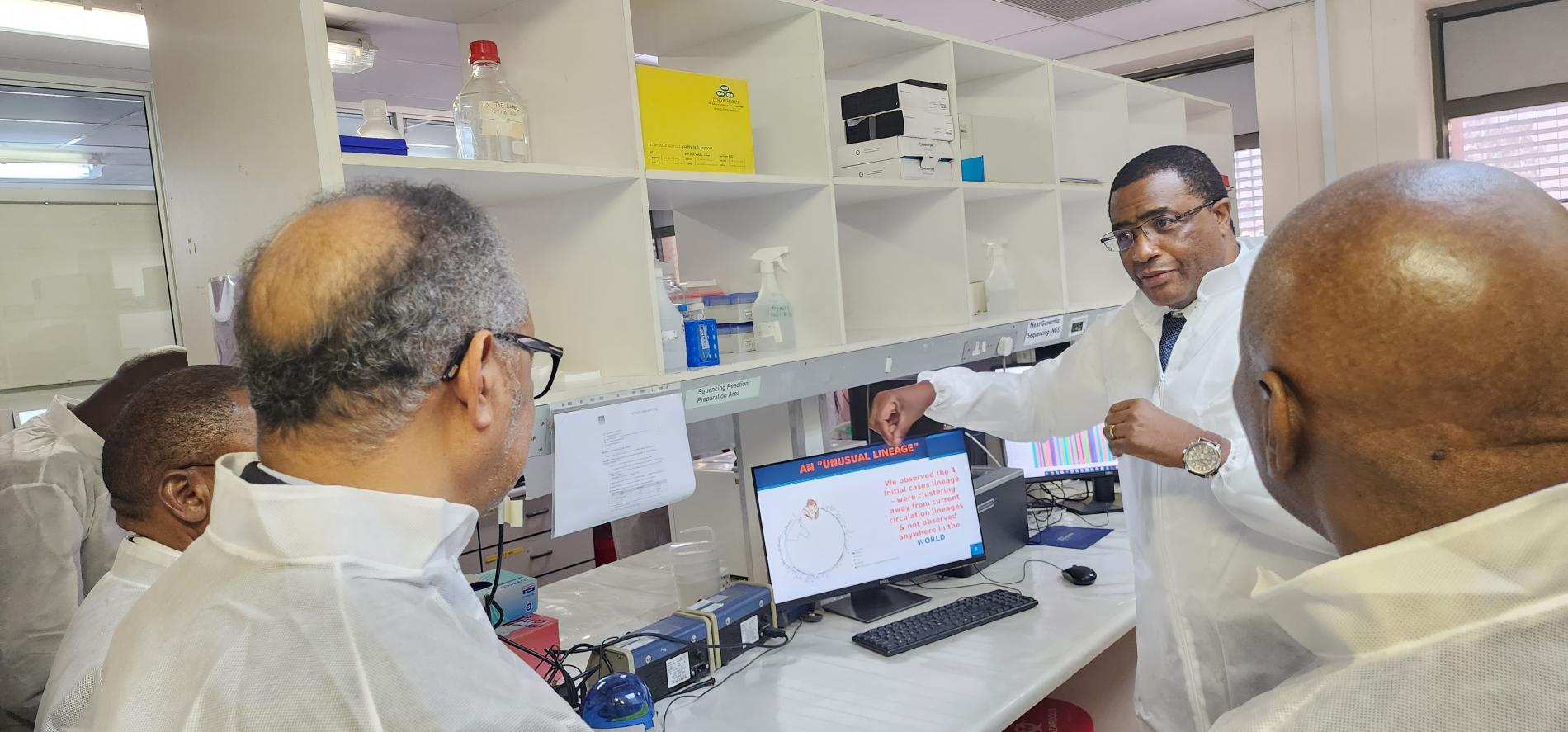
The Republic of Botswana and the World Health Organization today announced the designation of the Botswana National HIV Reference Laboratory as a WHO Collaborating Centre of Excellence, in recognition of the laboratory’s excellence in the field of HIV diagnosis and the potential for deeper collaboration with WHO in advancing the health and well-being of people living with HIV.
Dr Matshidiso Moeti receives Botswana’s Presidential Order for Meritorious Service Award