
WHO Ethiopia, in collaboration with the Ethiopian Red Cross Society, delivers vital medicine to the Amhara Region

With the support of the World Health Organization (WHO) Ethiopia, the Ethiopian Red Cross Society (ERCS) delivered 14.5 Metric Tons (MT) of emergency medical supplies, including Interagency Emergency Health Kits (IEHKs), PEDIATRIC-SAM KITs especially designed to provide medicines, renewables, and equipment suitable to treat children admitted to health facilities with complications of severe acute malnutrition (SAM) ), and Trauma and Emergency Surgery Kits (TESK), to the Amhara region.
Africa seeks Climate Justice for Health
Lilongwe- A Regional Summit on Health and Climate Change for the African Region is taking place at BICC in Lilongwe in pursuit of a unified African position on health in climate change negotiations. The summit has brought together delegates from African states and various development partners, state and non-state actors (AFIDEP, Amref Health, Paladium, PACJA and the African Group of Negotiators), research institutions and UN agencies.
Focused interventions to strengthen mental health service delivery in Ghana

Context
The impact of the risks to mental health and associated disorders continue to undermine the attainment of the highest standard of health in African countries. The burden of increasing prevalence of mental health disorders is compounded by limited access to quality mental health services, and the exclusion of affected people from productive likelihoods.
WHO and Minister of Health in Zanzibar commit to strengthening primary health care in the Islands.

Zanzibar -The Country Representative of the World Health Organization in United Republic of Tanzania, Dr Charles Sagoe-Moses paid a courtesy visit to the Minister of Heath in Zanzibar, Honorable Nassor Ahmed Mazrui.
Dr Sagoe-Moses acknowledged the close collaborations WHO has had with the Ministry and commended the great efforts in improving access to health services through strengthening of health systems in Zanzibar.
Leveraging a novel strategy to address gender inequity for COVID-19 vaccine coverage in South Sudan
Context
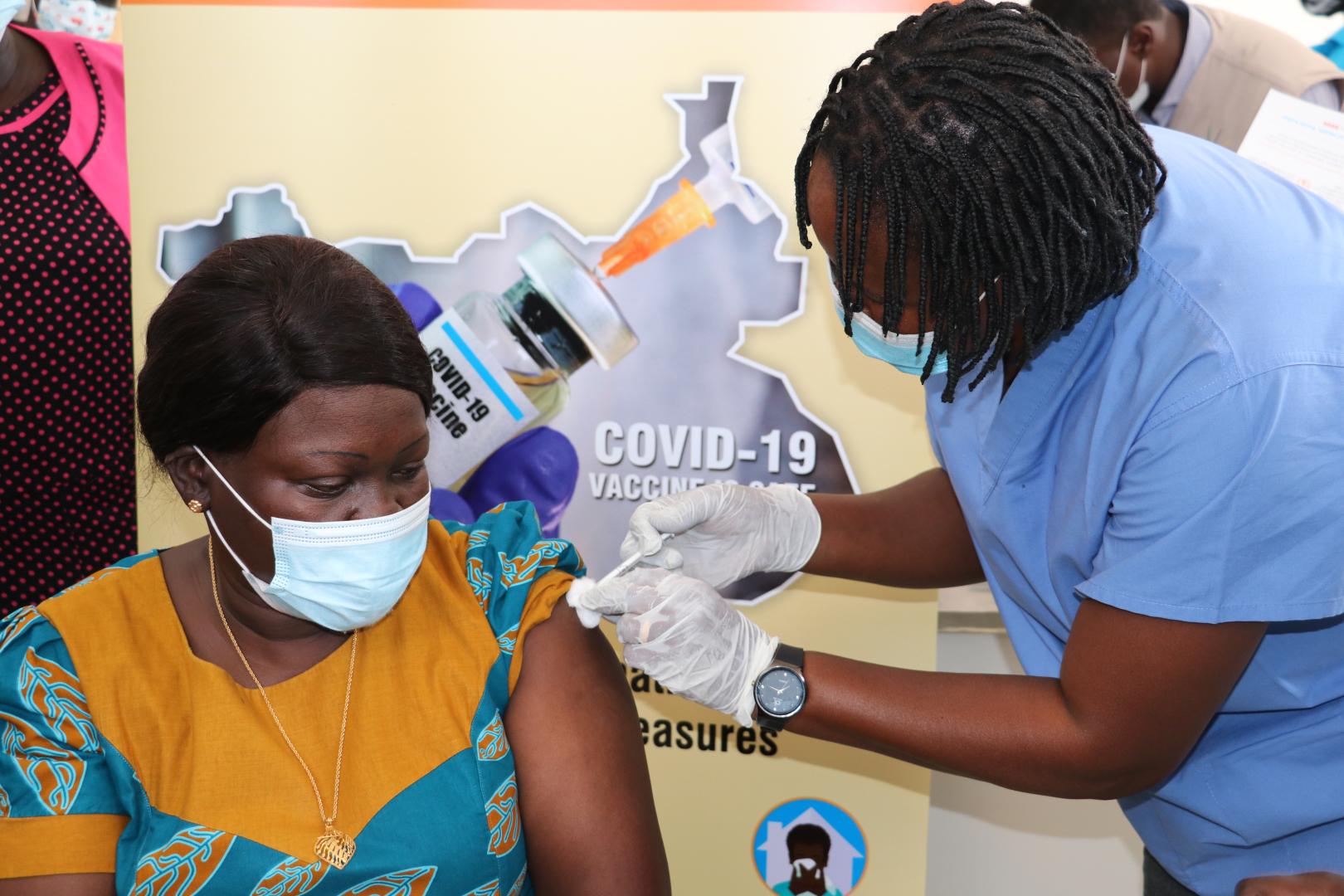
Juba ‒ On 5 April 2020, South Sudan recorded its first COVID-19 case. The initial response focused on leadership and coordination, surveillance, contact tracing, risk communication and community engagement, case management, laboratory, and vaccination.
Scaling up mental health and psychosocial support in conflict settings

Case study: Northern Ethiopia
Context:
Malawi contains cholera outbreak

Lilongwe- Today, the Malawi Ministry of Health has officially declared that Cholera is no longer a national public health emergency in the country. The Minister of Health, Honourable Khumbize Kandodo-Chiponda, MP accompanied by Minister of Water and Sanitation Honourable Abida Mia, MP made the announcement at a press briefing held in Lilogwe. This follows the milestone that the country has attained in containing the cholera outbreak in 26 out of 29 districts.
WHO Donates Over 37 Million Dalasis Worth of Critical Medical Supplies
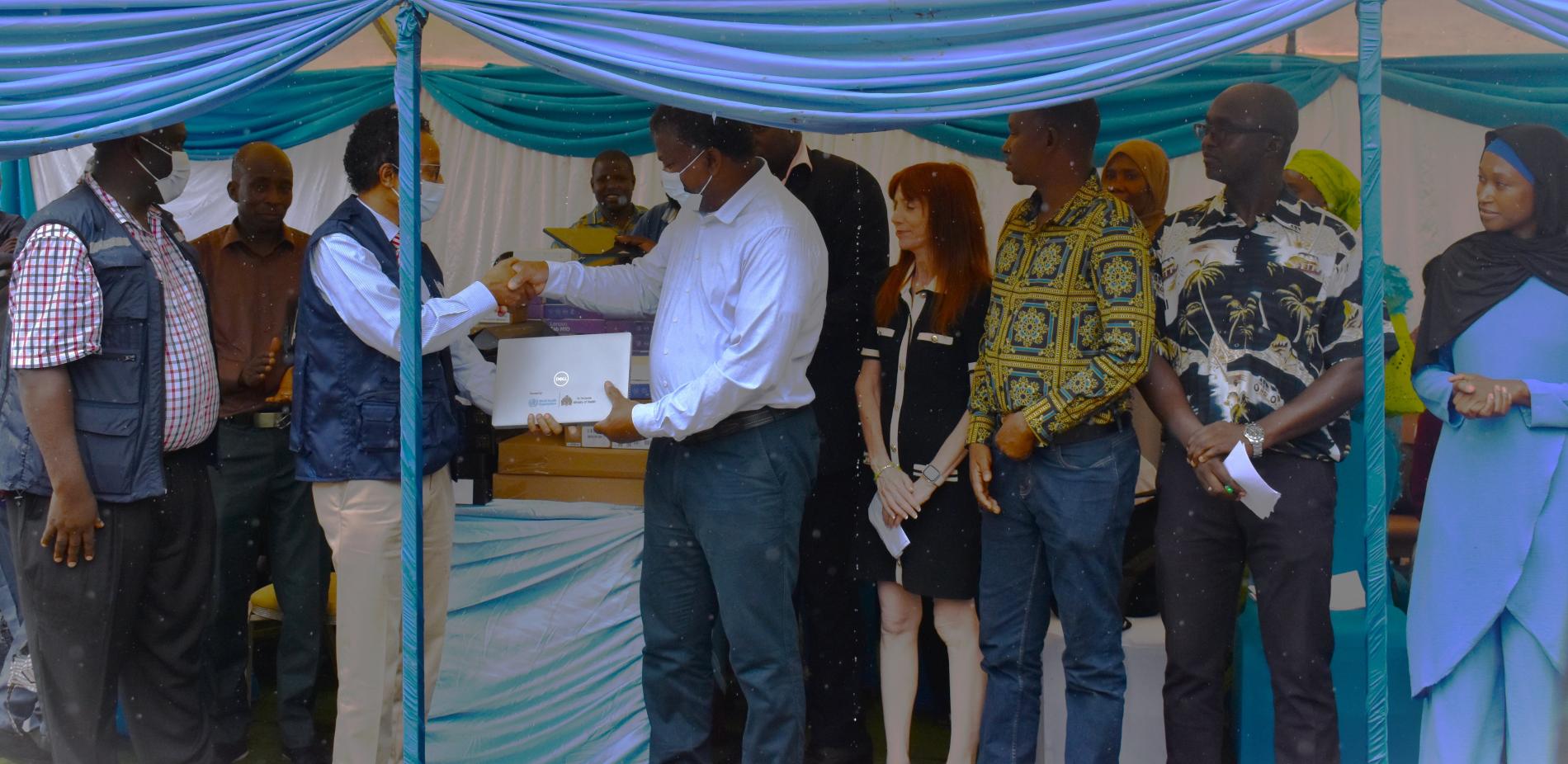
Banjul, The Gambia - On a rain-soaked morning, the World Health Organization (WHO) Country Office presented a significant consignment of medical equipment, cutting-edge laptops, and computer tablets to enhance the surveillance system and data management at the Ministry of Health. Among the donated items were two pediatric Hemodialysis machines, 93 laptop computers, 78,000 bottles of paracetamol syrup, laboratory equipment, creatinine assay kits, 153 computer tablets, patient monitors, ventilators, and oxygen concentrators.
Empowering Health Champions: WHO's Role in Advancing Disease Surveillance in South Africa

In a significant stride towards strengthening public health capacities, the World Health Organization (WHO) played a pivotal role in a transformative initiative that underscores its commitment to global health security. The Integrated Disease Surveillance and Response (IDSR) Training of Trainers program recently held in Cape Town, South Africa stands as a testament to WHO's dedication to enhancing disease surveillance capabilities and bolstering national health emergency preparedness.
Sustaining the mental health agenda in Ghana
