
Meeting On Cross-Border Healthcare: Strengthening Coordination And Collaboration In The Horn Of Africa

On June 20, 2022, a cross-border coordination meeting between Ethiopia and Somalia was held in Dollo Ado, a border town between Ethiopia, Kenya and Somalia. The goal of the meeting was to reinforce the multisectoral cross-border coordination and collaboration between key different stakeholders of the three countries in addressing the common public health threats.
Living with Hepatitis-Day in the life of a patient

Abuja, 28 July, 2022 - After being diagnosed with hepatitis B in February 2021, Mrs Titilope Dada, 30, wept heavily for weeks, thinking it was a death sentence.
She was diagnosed with hepatitis B at a health facility during pre-employment medical screening.
Being educated, she knew about the disease but never thought she could be infected.
A traumatic period
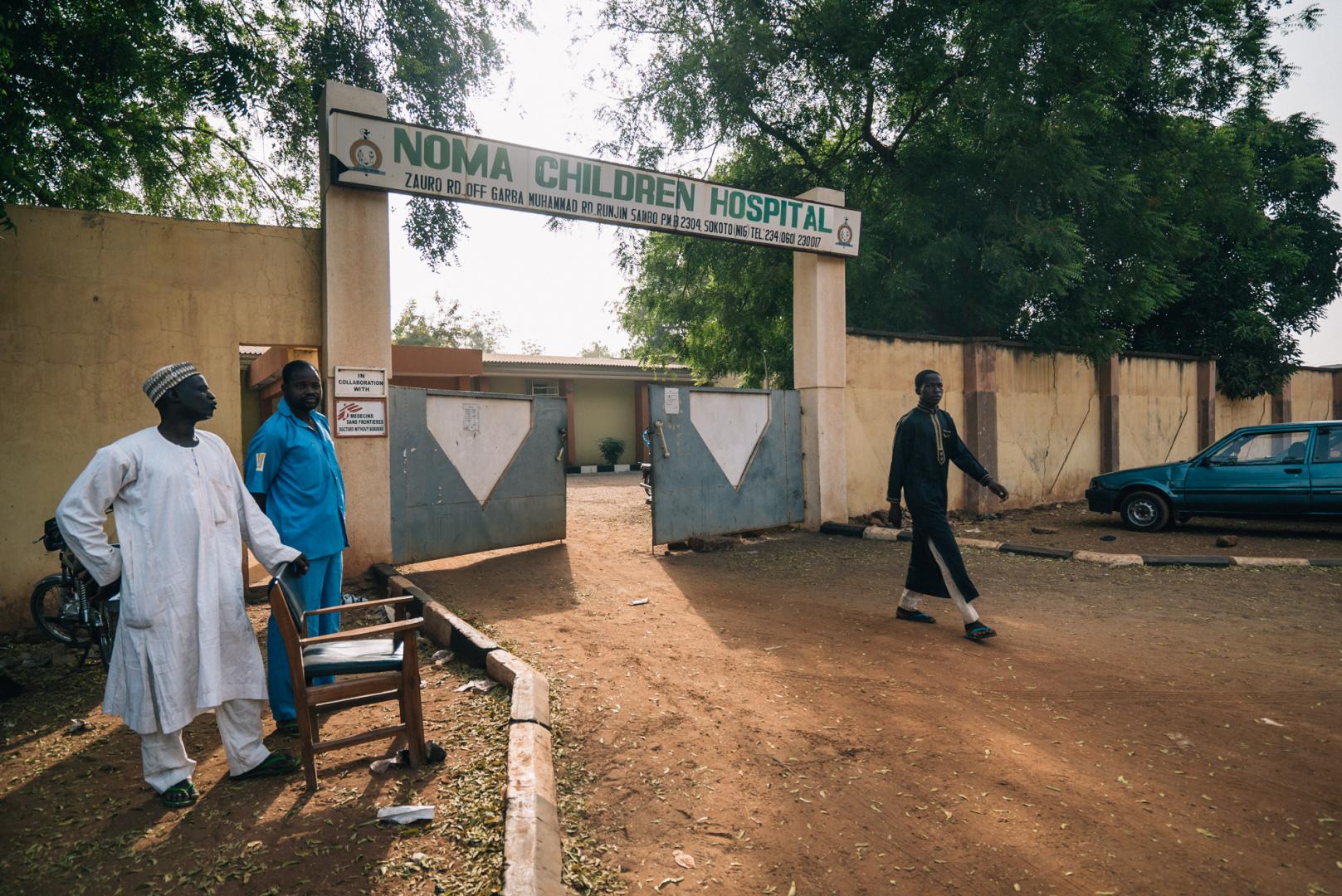
Nigeria seeks to eliminate severe and often lethal mouth disease
World Hepatitis Day: The Last Mile Towards Hepatitis Elimination
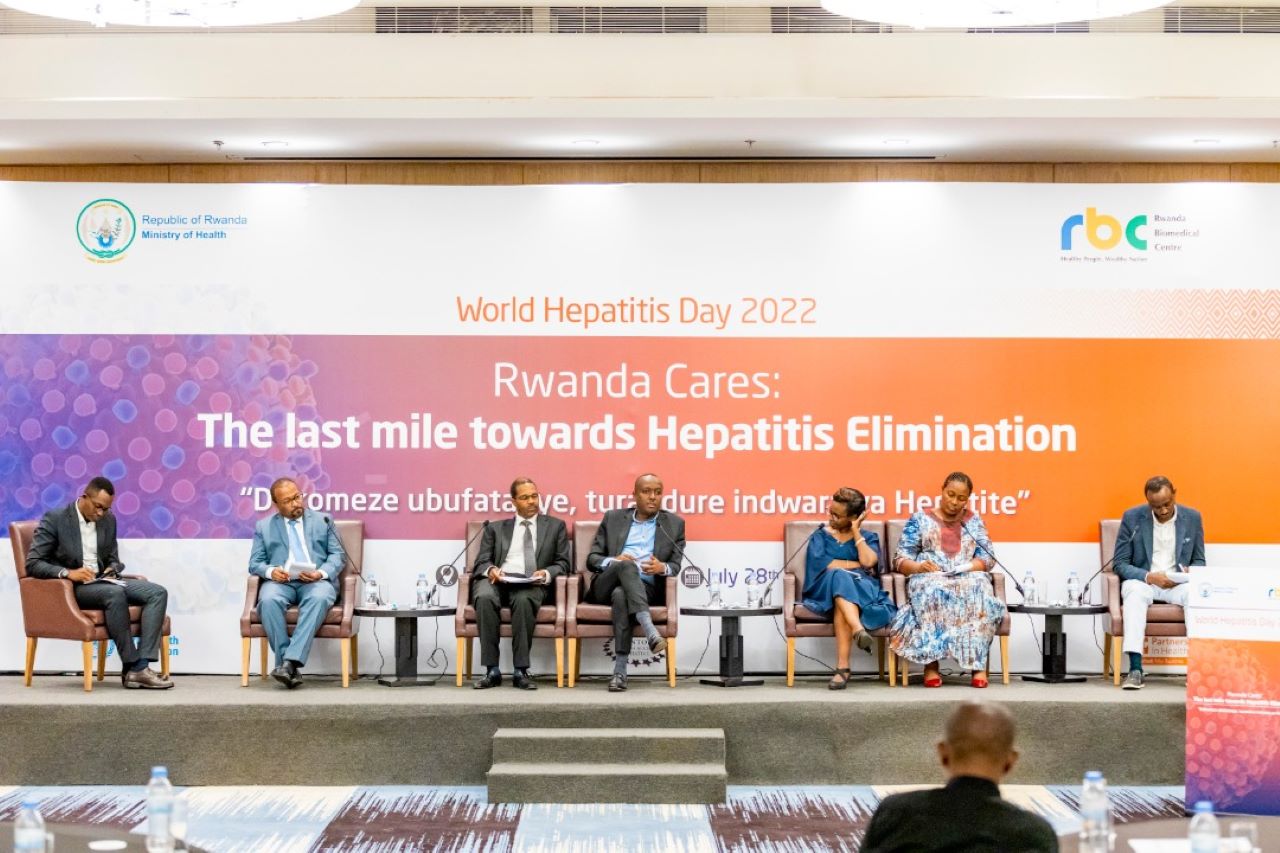
World Hepatitis Day is observed each year on 28 July to raise awareness of viral hepatitis, which causes inflammation of the liver that leads to severe disease and liver cancer. In Rwanda, the World Health Organization (WHO) joined the government and other development partners in commemorating the day.
91 million Africans infected with Hepatitis B or C

WHO donates 2,400 tests for Mpox to Uganda

The World Health Organization has provided the Ugandan Ministry of Health with a set of 2,400 tests to strengthen the country's response to mpox through rapid laboratory identification of cases.
These kits are among the first mpox laboratory tools received in the country and will be used by the Uganda Virus Research Institute (UVRI) to begin testing for the disease.
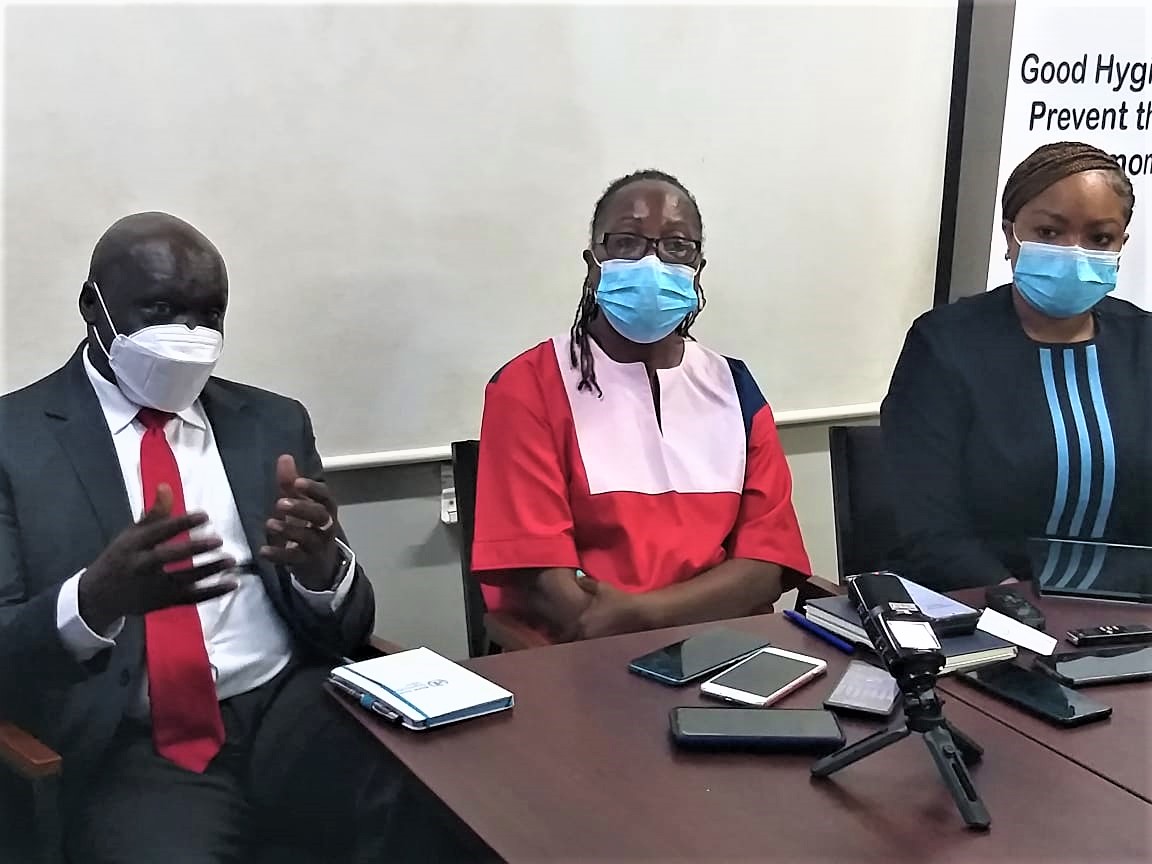
WHO, CDC and the Ministry of Health trained 70 Emergency Responders to improve health emergency management in Uganda

The Ministry of Health, the World Health Organization (WHO), and the U.S. Centers for Disease Control and Prevention (CDC) trained over 70 emergency responders, including managers, national trainers, and rapid response teams, on rapid deployment and operational response to public health emergencies at the Nile Village Hotel in Jinja.
Historic funding to expand roll-out of first-ever malaria vaccine in Africa

COVID-19 vaccination in Africa increases by almost three-quarters in June 2022
