Edo State intensifies coordinated response to contain spread of monkeypox disease

Benin, 9 August, 2022 - After four days of complaining of fever, headache, fatigue and cough, 40 years old Mr V Ehosa (not real name), a land seller residing in Benin, Edo State, tested positive for monkeypox.
Mr Ehosa got admitted to the University of Benin Teaching Hospital (UBTH), Edo State, four days after he presented at the hospital with symptoms such as unusual body rashes, fever, and headache.
Nigeria vaccinates over 45 million people against yellow fever during the COVID-19 pandemic.

L’OMS appuie la formation de 136 nouveaux Pharmaciens et Préparateurs Gestionnaires en Pharmacie (PGP), sur la chaîne d’approvisionnement des produits de santé en Côte d’Ivoire.

Sierra Leone becomes 38th country with tobacco control laws in WHO African Region

Healthy life expectancy in Africa rises by almost ten years
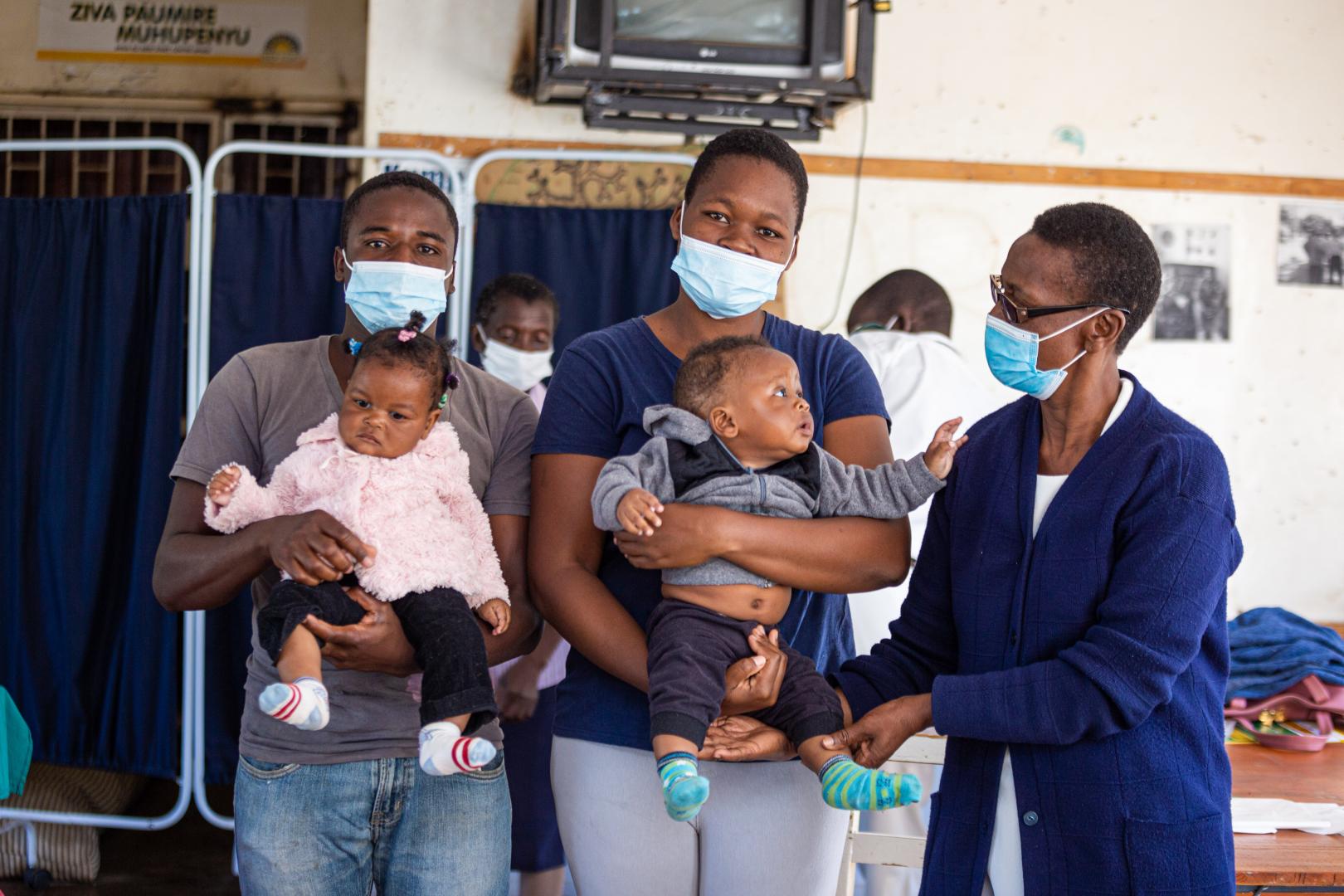
Borno state launches awareness campaign to commemorate 2022 World Breastfeeding Week

Maiduguri, 3 August, 2022 - In a bid to create awareness, promote and sustain exclusive breastfeeding, especially for infant’s health and survival, Borno state government through the wife of the Executive Governor of Borno state, Dr Falmata Zulum, launched a campaign.
The 2022 theme for World Breastfeeding Week, ‘Step up for Breastfeeding: Educate and Support', seeks to involve governments, communities, and individuals. The theme aims to raise awareness about sustainable breastfeeding environment.
Adamawa State strengthens awareness campaign on Monkeypox

Yola, 3 August, 2022 - As the threat of monkeypox looms globally, public health authorities in Adamawa state have intensified awareness campaigns to control the ongoing outbreak in Nigeria.
The State Ministry of Health, in collaboration with the World Health Organization (WHO), has initiated a sensitization campaign through WHO-trained community health educators (champions) to increase the awareness of the disease amongst residents of the state.
WHO and MoHS conclude quarterly review of 2022-2023 workplan, and discuss priorities for new Country Cooperation Strategy

WHO supports Nigeria in operationalizing the National Health Insurance Authority Act 2022.

Abuja, 1 August, 2022 - The World Health Organization Country Representative (WR), Walter Kazadi Mulombo, has underscored the organization's commitment to supporting Nigeria in fast-tracking the operationalization of the recently enacted Health Insurance Act.
Malawi marks World Breastfeed Week with commitment to step up breastfeeding

1 August 2022, Lilongwe- In solidarity for the World Breastfeeding Week, Malawi through the Ministry of Health, held a special event to launch a campaign to raise awareness about the importance of breastfeeding and its need in the lives of babies and mothers. The launch of the campaign, which will run from 1 to 7 August 2022 took place in a rural community of Chimutu in Lilongwe.