Kigoma uses community evidence to strengthen cholera prevention and Bundibugyo Virus Disease (BVD) readiness

Kigoma – The Government, through Kigoma Region, has used social and behavioural assessments to identify critical gaps in cholera prevention and Bundibugyo virus disease (BVD) readiness, generating evidence to strengthen community engagement, prevention and preparedness measures. The assessments, supported by the Government of Japan and the World Health Organization (WHO), examined what communities know, believe and do, and the practical barriers that affect their ability to act.
Ghana advances clinical trial capabilities

Ghana is taking steps to strengthen its capacity to conduct and oversee high-quality clinical trials, following an assessment of 15 public and private research and health institutions supported by the World Health Organization (WHO) and the National Vaccine Institute (NVI), with funding support from the European Union-funded Vax & Pharm Initiative.
WHO strengthens public health capacity at University of Ghana
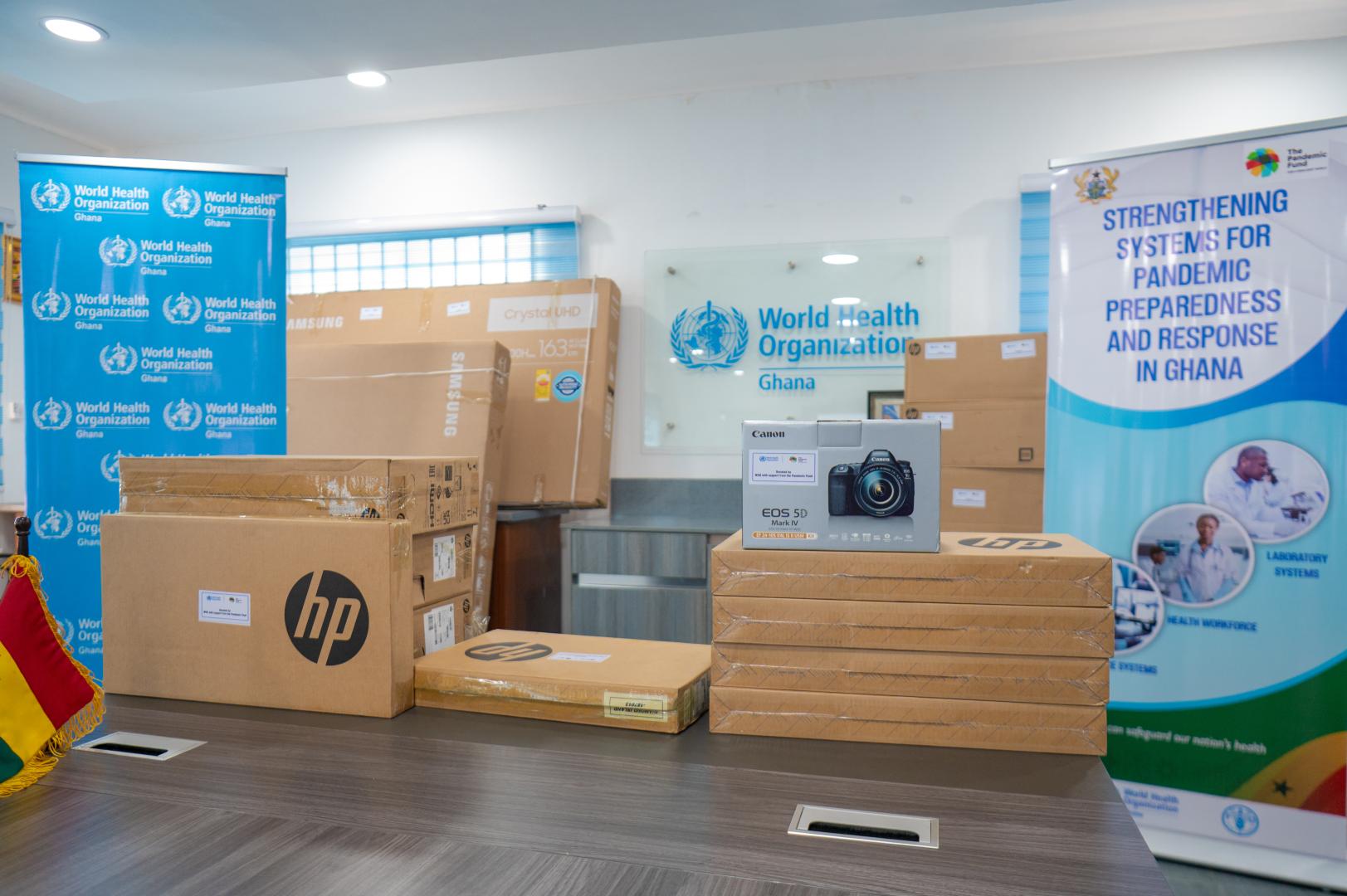
The World Health Organization (WHO), through the Pandemic Fund Project, has handed over ICT and media equipment valued at GHS 258,000 to the School of Public Health of the University of Ghana to strengthen teaching, research, knowledge-sharing and documentation.
WHO, African editors to create road safety media guidelines for the continent: Landmark media forum aims to drive demand for proven road safety policies
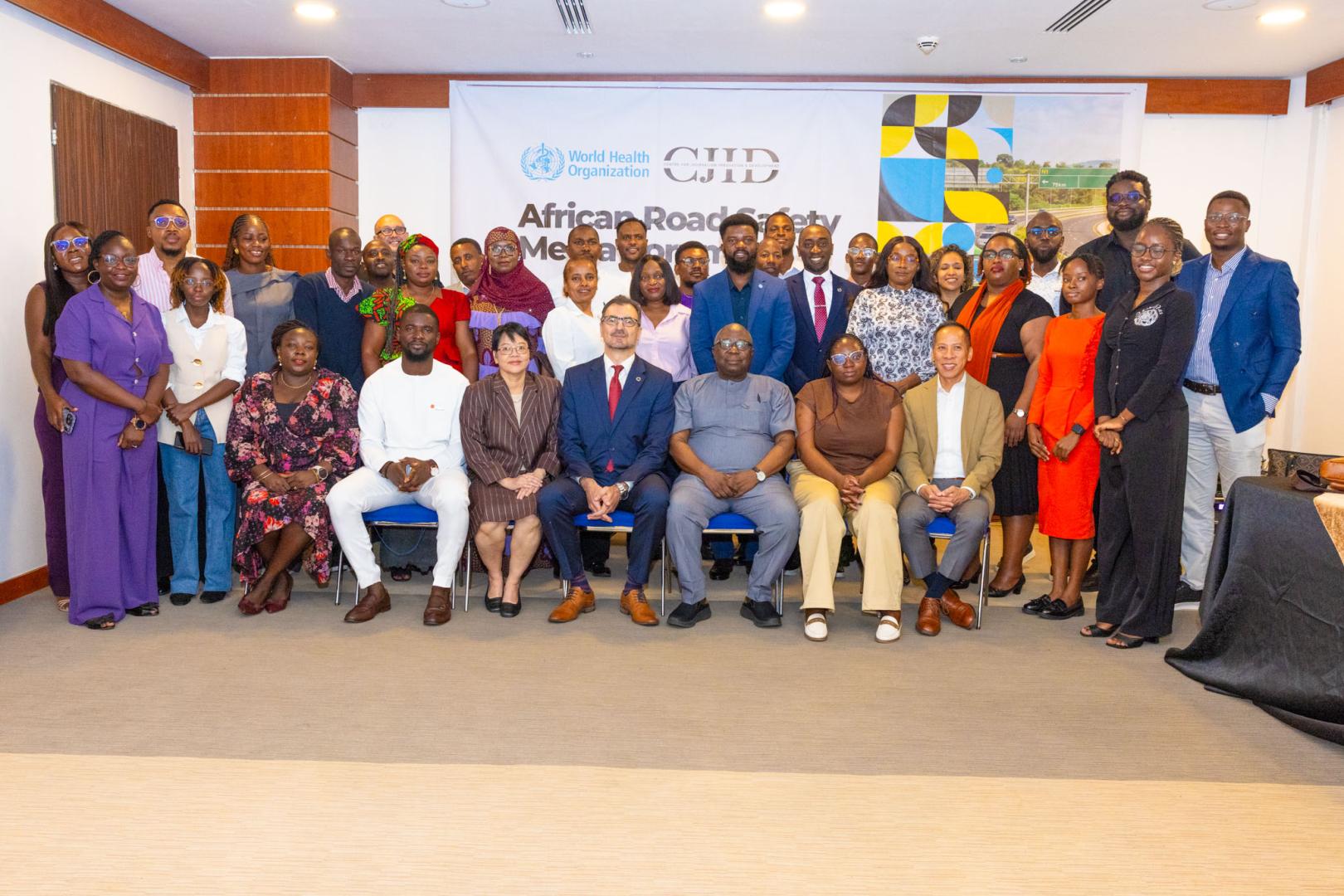
Abuja, Nigeria — September 22, 2026 — The World Health Organization (WHO) and the Centre for Journalism Innovation and Development (CJID) will today open a first-of-its-kind African media forum on road safety, aimed at kick-starting the development of the continent’s first road safety media guidelines.
WHO regional survey finds uneven progress on patient safety
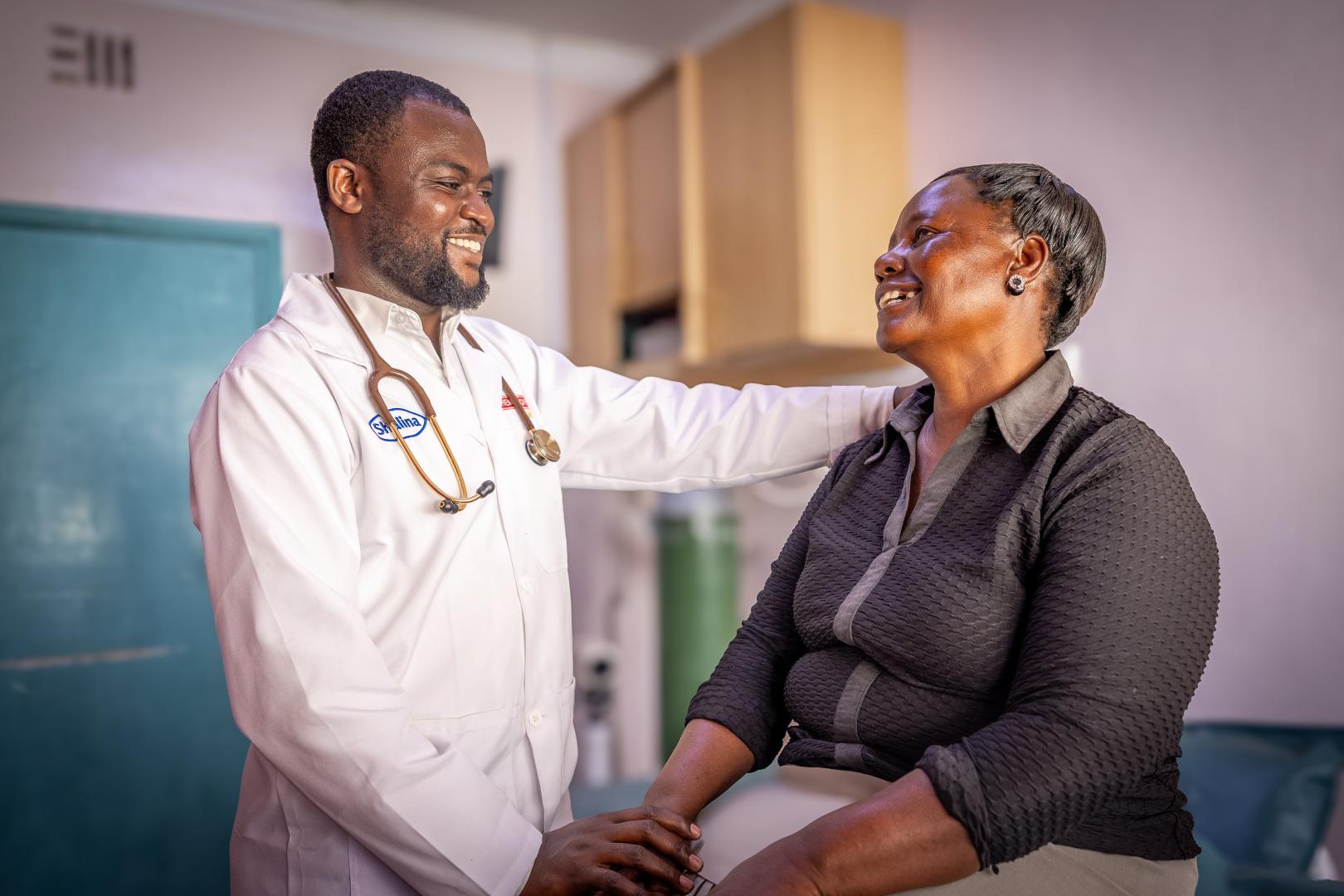
Brazzaville—A new World Health Organization (WHO) regional survey assessing progress on patient safety across the African Region finds uneven results, as countries work to meet the needs of a growing number of people living with noncommunicable diseases (NCDs) and provide them with safe, continuous care.
Nigeria strengthens HIV prevention workforce through expanded PrEP training
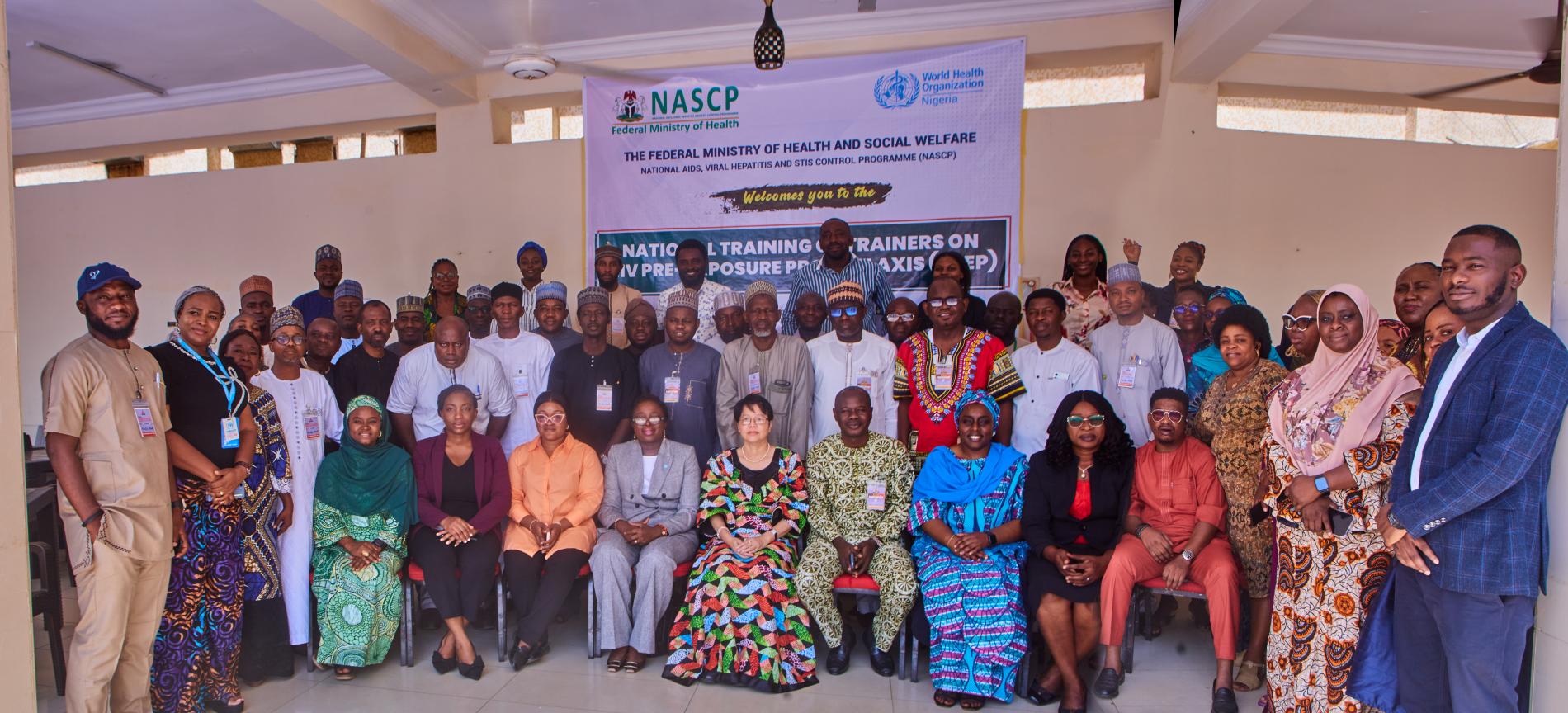
Abuja – For Dr Aminatu Makarfi Umar, a gynaecologist in Kaduna State, HIV prevention should be part of routine care for women who may benefit from it.
“Every pregnant woman at increased risk of HIV deserves to know her prevention options,” she said. “I will make sure this becomes part of routine care in my clinic.”
Her commitment reflects a wider effort by Nigeria to strengthen the capacity of health workers to provide quality, respectful and people-centred HIV prevention services.
WHO and EFDA strengthen collaboration on medicines and medical devices regulation

Addis Ababa, Ethiopia — The WHO Representative to Ethiopia, the African Union (AU) and the United Nations Economic Commission for Africa (UNECA), Professor Francis Chisaka Kasolo, held a bilateral meeting with the Director General of the Ethiopian Food and Drug Authority (EFDA), Ms. Heran Gerba, to discuss strengthening Ethiopia’s regulatory systems for medicines and medical devices.
Ethiopia achieves historic WHO verification of national Emergency Medical Team, becoming first civilian EMT in Africa to attain international classification

Addis Ababa, Ethiopia, 15 September 2026 – Ethiopia has achieved a major milestone in strengthening national health emergency preparedness and response following the successful World Health Organization (WHO) verification of its National Emergency Medical Team (EMT), positioning the country as the first civilian Emergency Medical Team in the WHO African Region to achieve international WHO classification, alongside Senegal’s classified military EMT.
Improved IPC and WASH facilities make healthcare safer at Moyale hospital
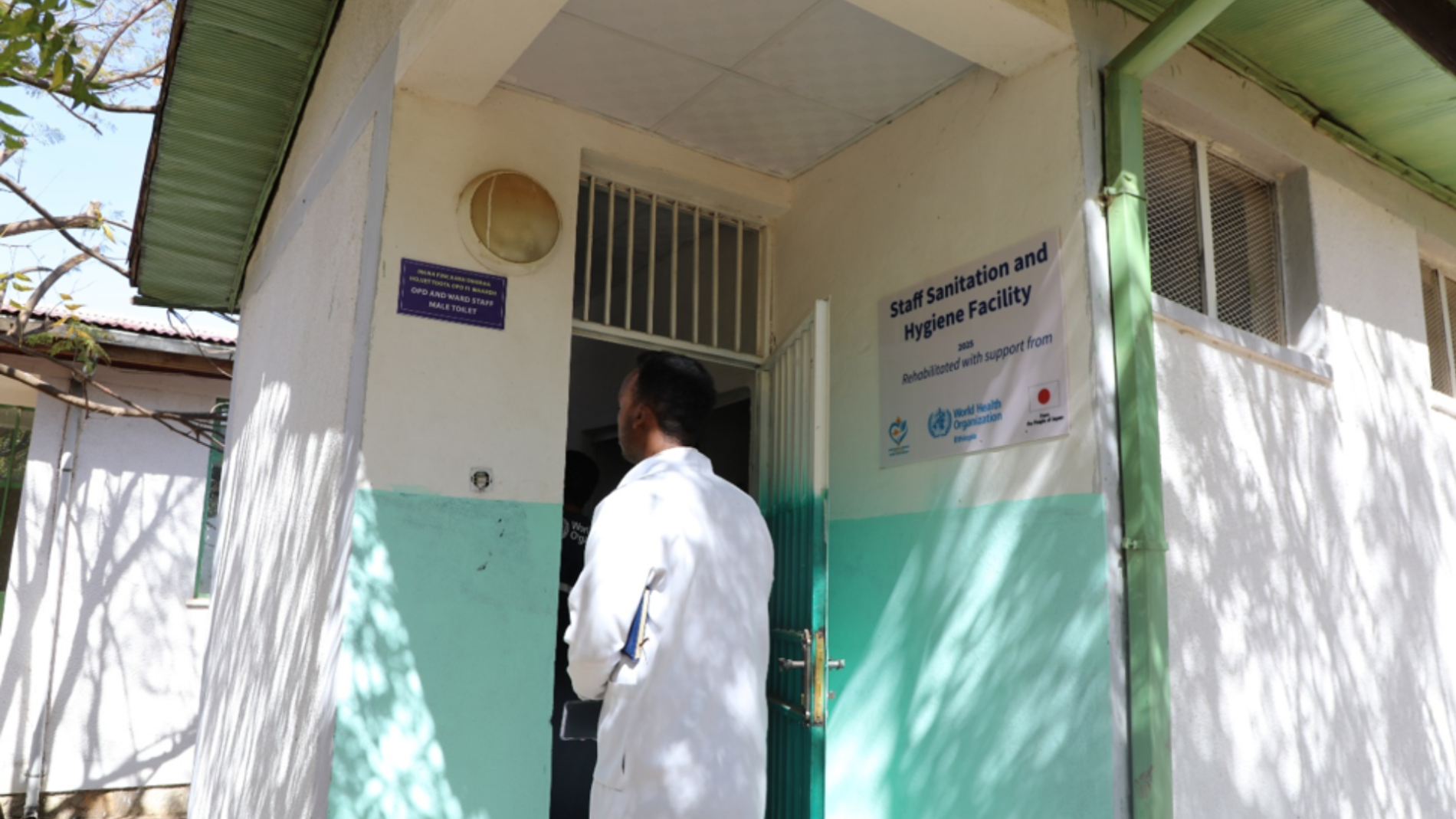
Moyale - Located along the Ethiopia–Kenya border, Moyale Hospital provides essential health services to a catchment population of more than three million people. Its strategic location and role as a Point of Entry health facility make it important not only for routine healthcare delivery, but also for the prevention, detection and management of public-health threats that could spread across borders.
Zanzibar strengthens community-based surveillance for earlier detection and response
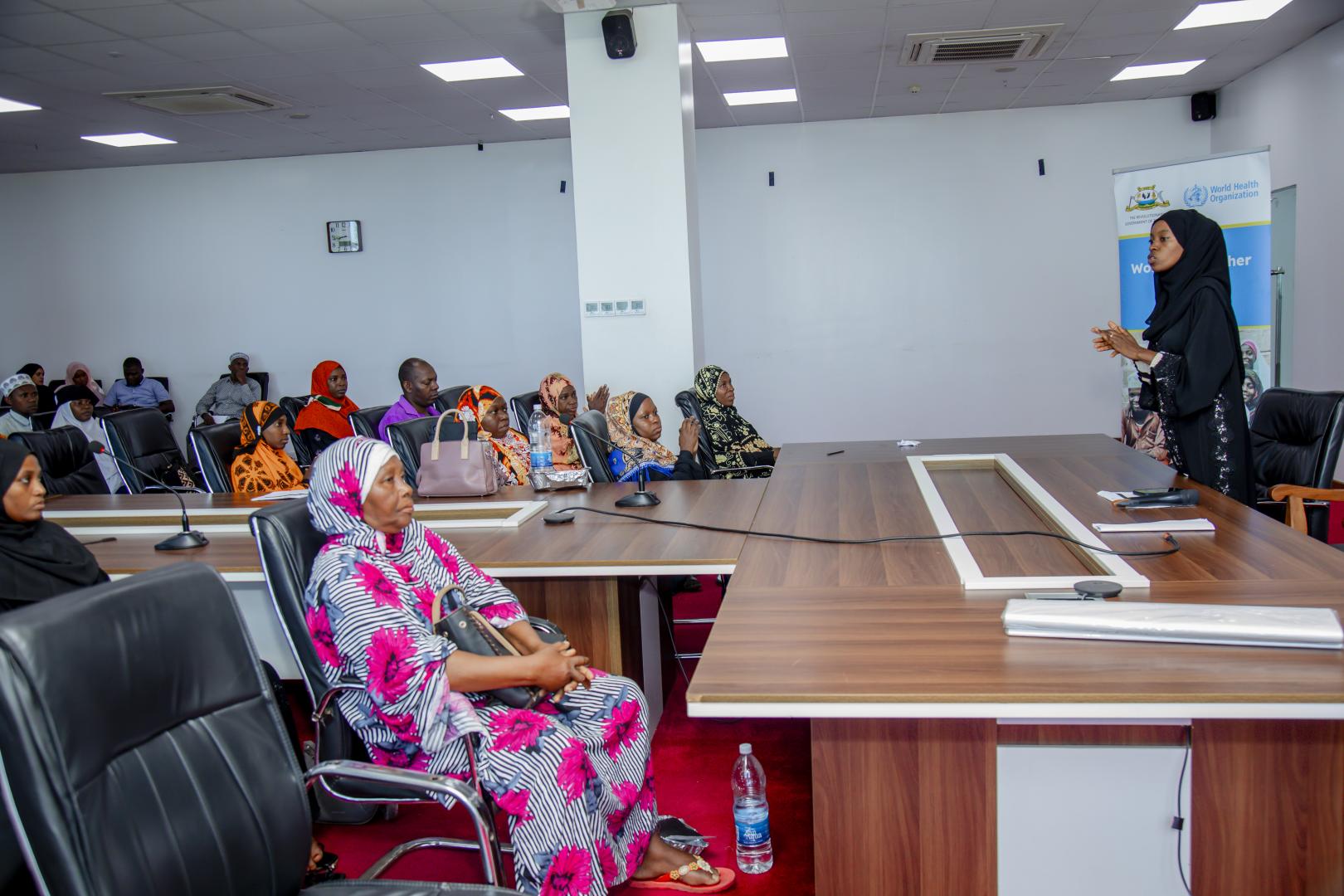
Kaskazini A, Zanzibar – The Ministry of Health Zanzibar is strengthening community-based surveillance to ensure that health concerns are identified, verified and reported early, enabling faster public health action.