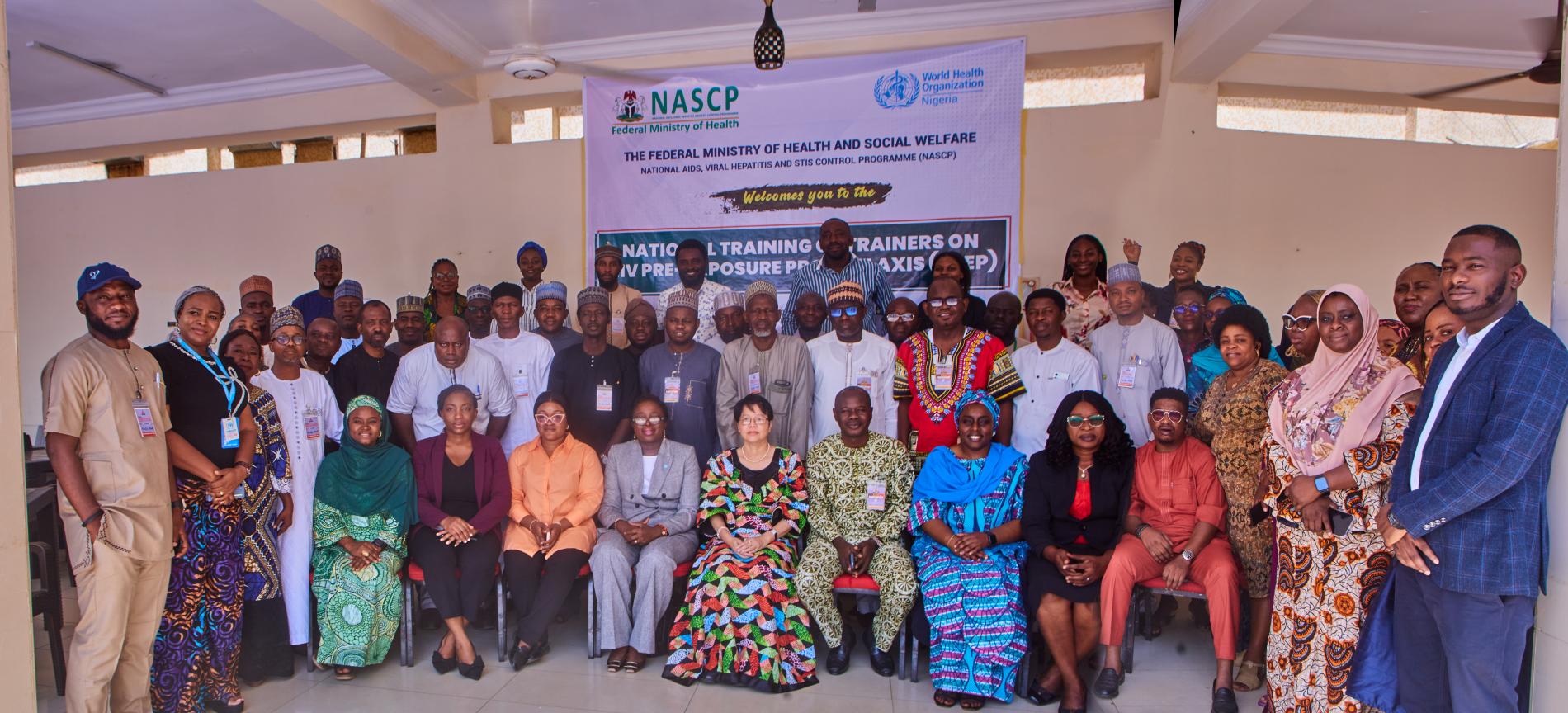
Nigeria strengthens HIV prevention workforce through expanded PrEP training
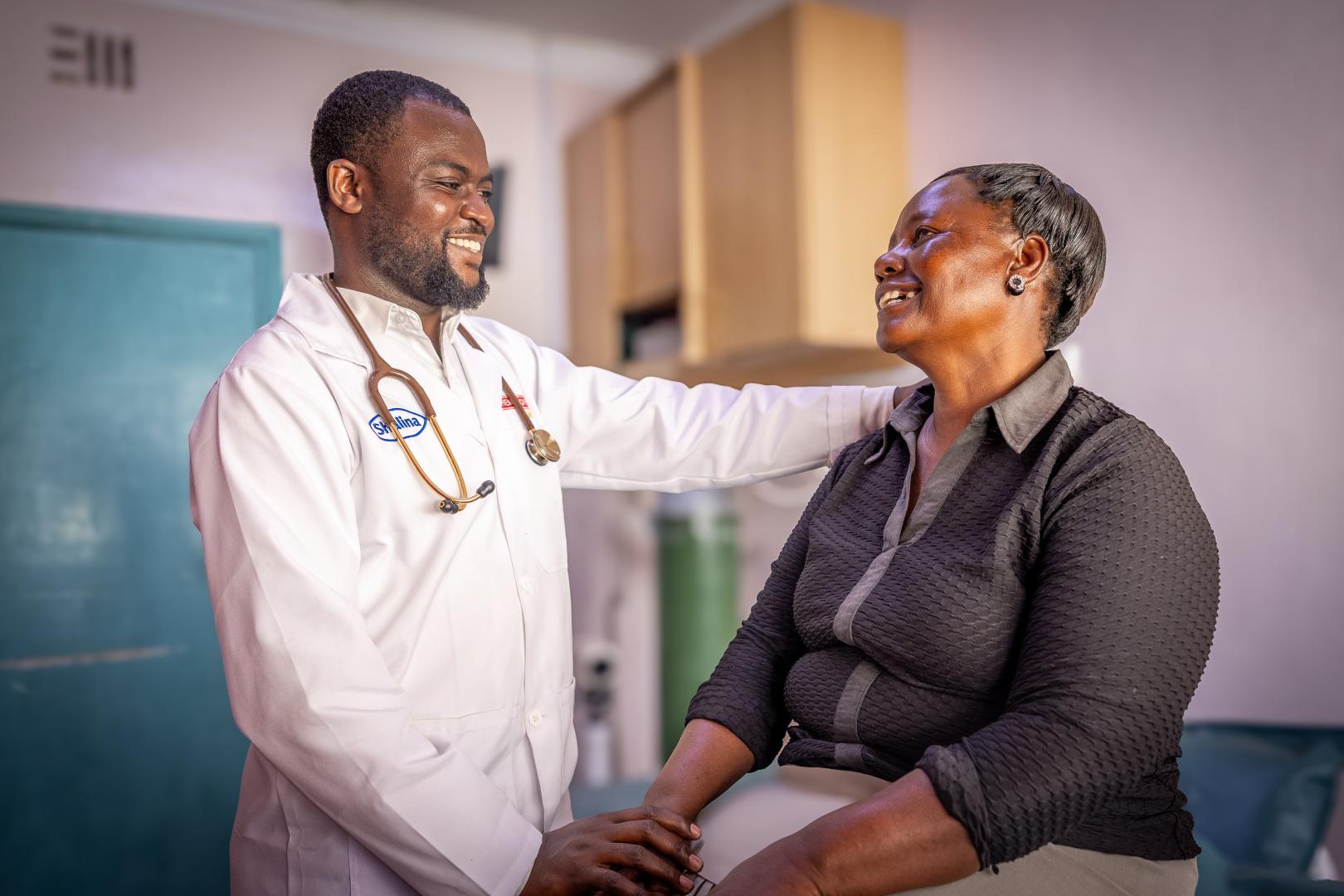
Abuja – For Dr Aminatu Makarfi Umar, a gynaecologist in Kaduna State, HIV prevention should be part of routine care for women who may benefit from it.
“Every pregnant woman at increased risk of HIV deserves to know her prevention options,” she said. “I will make sure this becomes part of routine care in my clinic.”
Her commitment reflects a wider effort by Nigeria to strengthen the capacity of health workers to provide quality, respectful and people-centred HIV prevention services.
WHO regional survey finds uneven progress on patient safety
Brazzaville—A new World Health Organization (WHO) regional survey assessing progress on patient safety across the African Region finds uneven results, as countries work to meet the needs of a growing number of people living with noncommunicable diseases (NCDs) and provide them with safe, continuous care.
WHO and EFDA strengthen collaboration on medicines and medical devices regulation

Addis Ababa, Ethiopia — The WHO Representative to Ethiopia, the African Union (AU) and the United Nations Economic Commission for Africa (UNECA), Professor Francis Chisaka Kasolo, held a bilateral meeting with the Director General of the Ethiopian Food and Drug Authority (EFDA), Ms. Heran Gerba, to discuss strengthening Ethiopia’s regulatory systems for medicines and medical devices.
Ethiopia achieves historic WHO verification of national Emergency Medical Team, becoming first civilian EMT in Africa to attain international classification

Addis Ababa, Ethiopia, 15 September 2026 – Ethiopia has achieved a major milestone in strengthening national health emergency preparedness and response following the successful World Health Organization (WHO) verification of its National Emergency Medical Team (EMT), positioning the country as the first civilian Emergency Medical Team in the WHO African Region to achieve international WHO classification, alongside Senegal’s classified military EMT.
Improved IPC and WASH facilities make healthcare safer at Moyale hospital
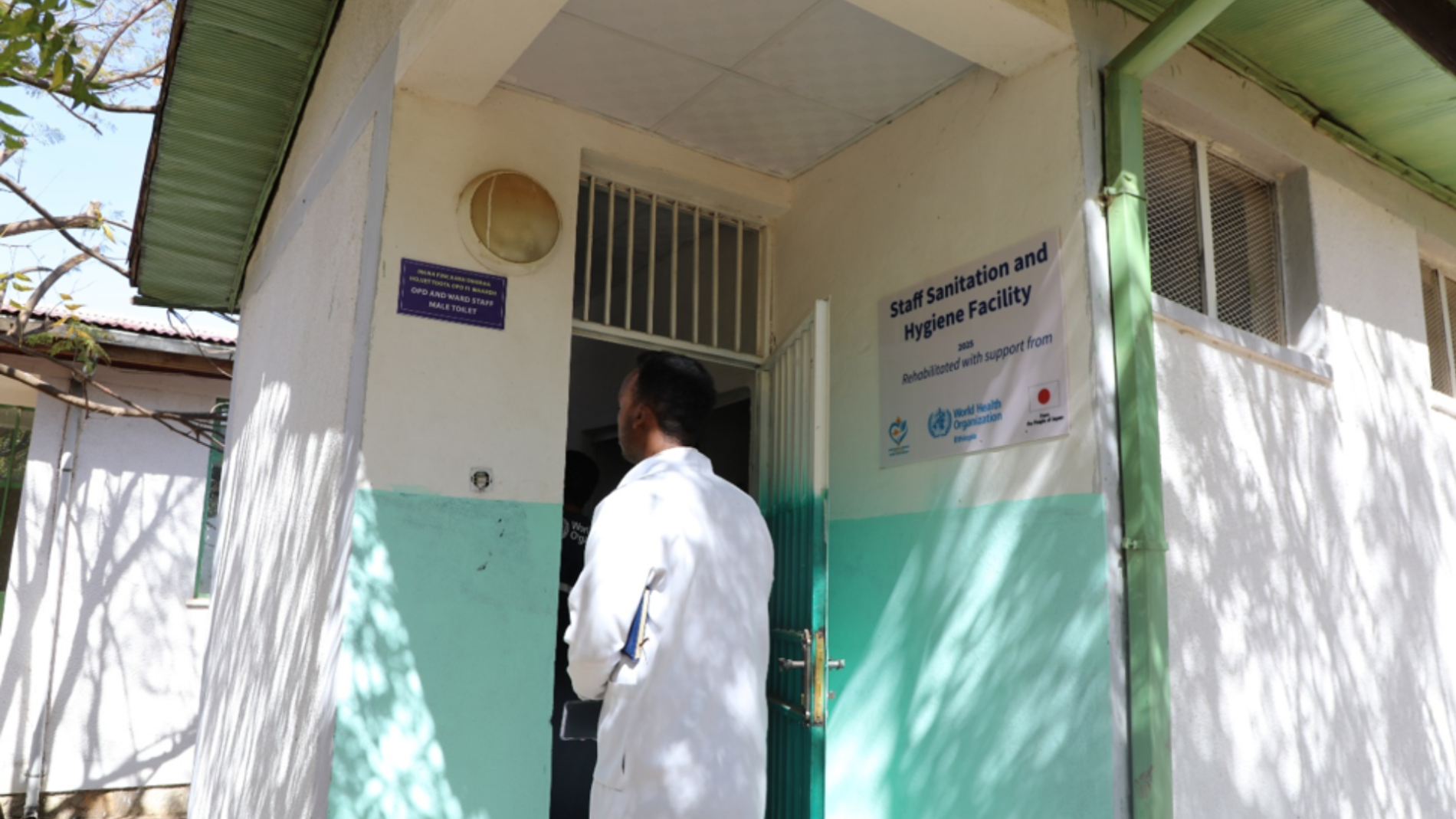
Moyale - Located along the Ethiopia–Kenya border, Moyale Hospital provides essential health services to a catchment population of more than three million people. Its strategic location and role as a Point of Entry health facility make it important not only for routine healthcare delivery, but also for the prevention, detection and management of public-health threats that could spread across borders.
Zanzibar strengthens community-based surveillance for earlier detection and response
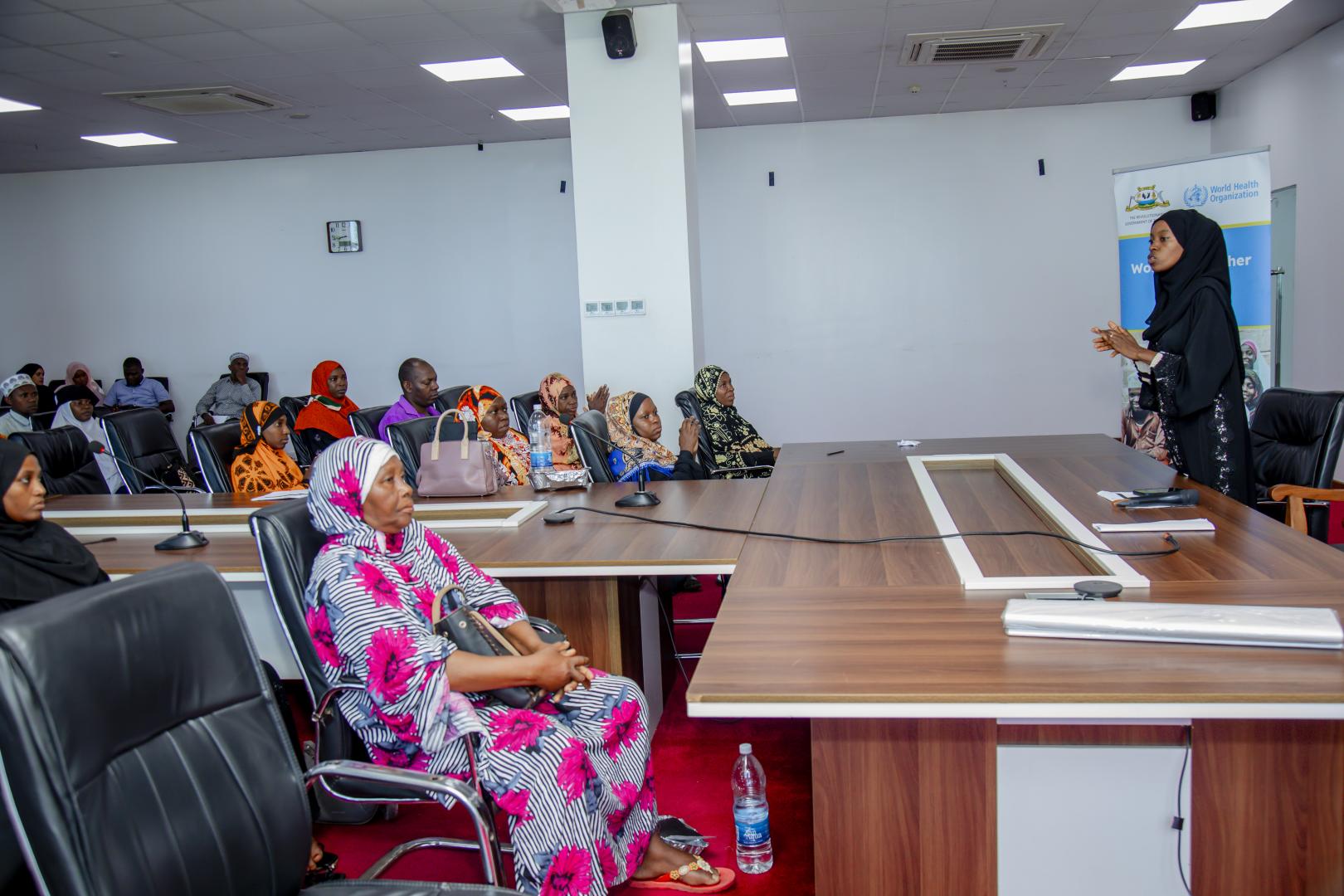
Kaskazini A, Zanzibar – The Ministry of Health Zanzibar is strengthening community-based surveillance to ensure that health concerns are identified, verified and reported early, enabling faster public health action.
WHO pilots new training to strengthen sexual and reproductive health policies and programmes

Nairobi - Every year, an estimated 121 million pregnancies worldwide are unintended, and nearly half of all abortions performed globally are unsafe, a preventable cause of maternal death and disability. Across Africa, persistent gender inequality and gaps in access to sexual and reproductive health services continue to put this burden disproportionately on women and girls.
Uganda launches new initiative to strengthen emergency care and save lives

Kampala, Uganda – Every day across Uganda, health workers face life-or-death emergencies: a child struggling to breathe from severe pneumonia, a mother experiencing postpartum haemorrhage, a victim of a road traffic crash, or a patient arriving with severe asthma or diabetic complications. In many of these situations, survival depends on what happens in the first few minutes of care.
WHO donates ICT and medical equipment to strengthen Lesotho’s health system

Maseru — World Health Organization has handed over ICT and medical equipment valued at approximately US$150 000 to the Government of Lesotho, strengthening the country’s capacity to prevent, detect, and respond to public health threats while improving the delivery of essential health services.
Emergency Medical Teams experts from three regions strengthen multidisciplinary approaches to outbreak response
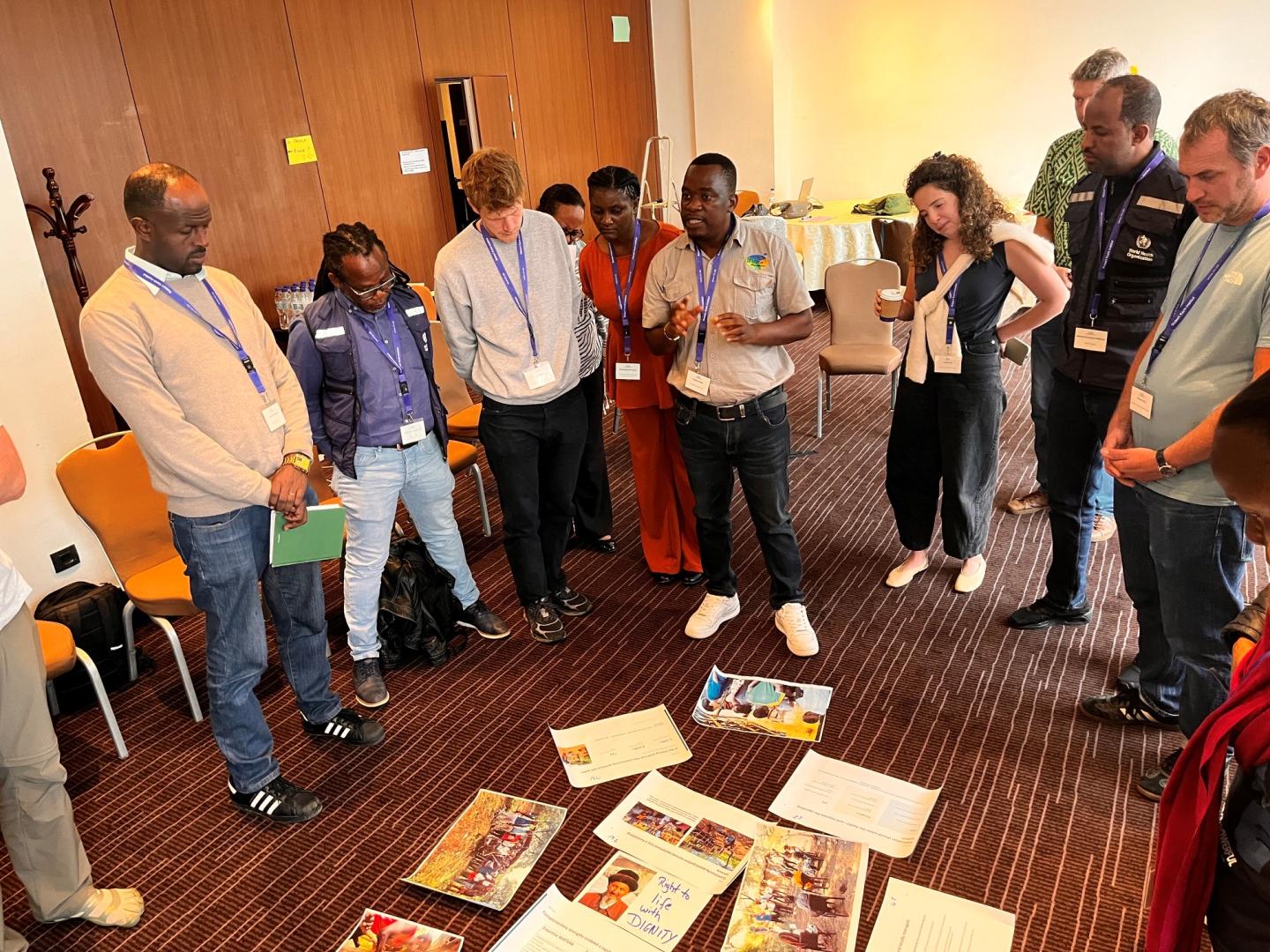
Around 30 participants and experts from Africa, the Eastern Mediterranean Region, and Europe gathered in Addis Ababa, Ethiopia, for a four-day workshop designed to strengthen multidisciplinary collaboration for outbreak response. Provided by the Robert Koch Institute (RKI), with technical and operational support from the World Health Organization (WHO), the workshop was organized within the framework of the Emergency Medical Teams (EMT) initiative.