World Breastfeeding Week 2026: Ethiopia and WHO call for scaling up proven breastfeeding interventions
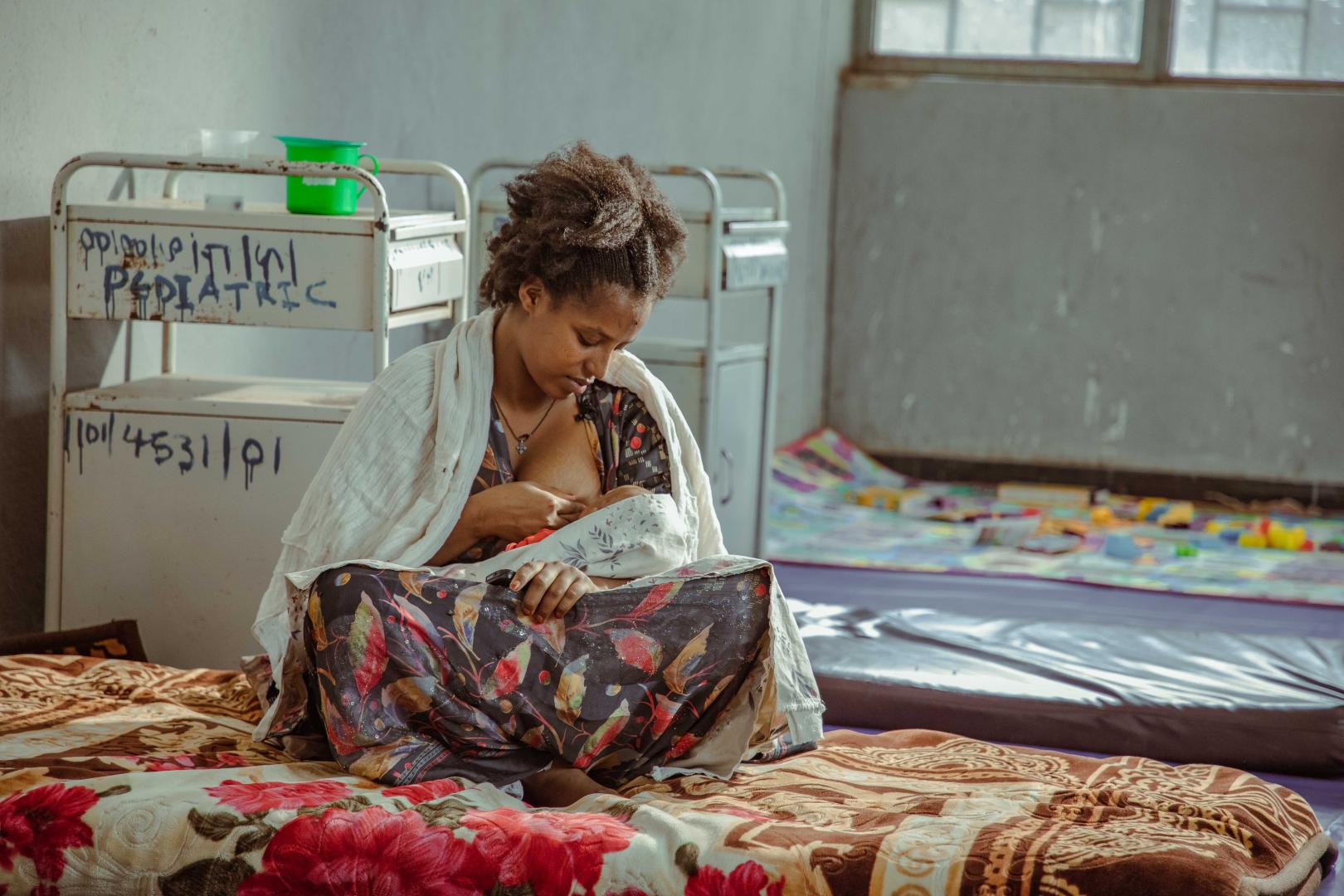
Addis Ababa, Ethiopia – The Ethiopian Ministry of Health, in collaboration with the World Health Organization (WHO) Ethiopia, the Addis Ababa City Administration Health Bureau, United Nations agencies, development partners, health professionals, and community representatives, commemorated World Breastfeeding Week 2026 under the global theme, "Breastfeeding for a Sustainable Start in Life: Strengthen What Works."
Traditional leaders strengthen community trust in polio vaccination
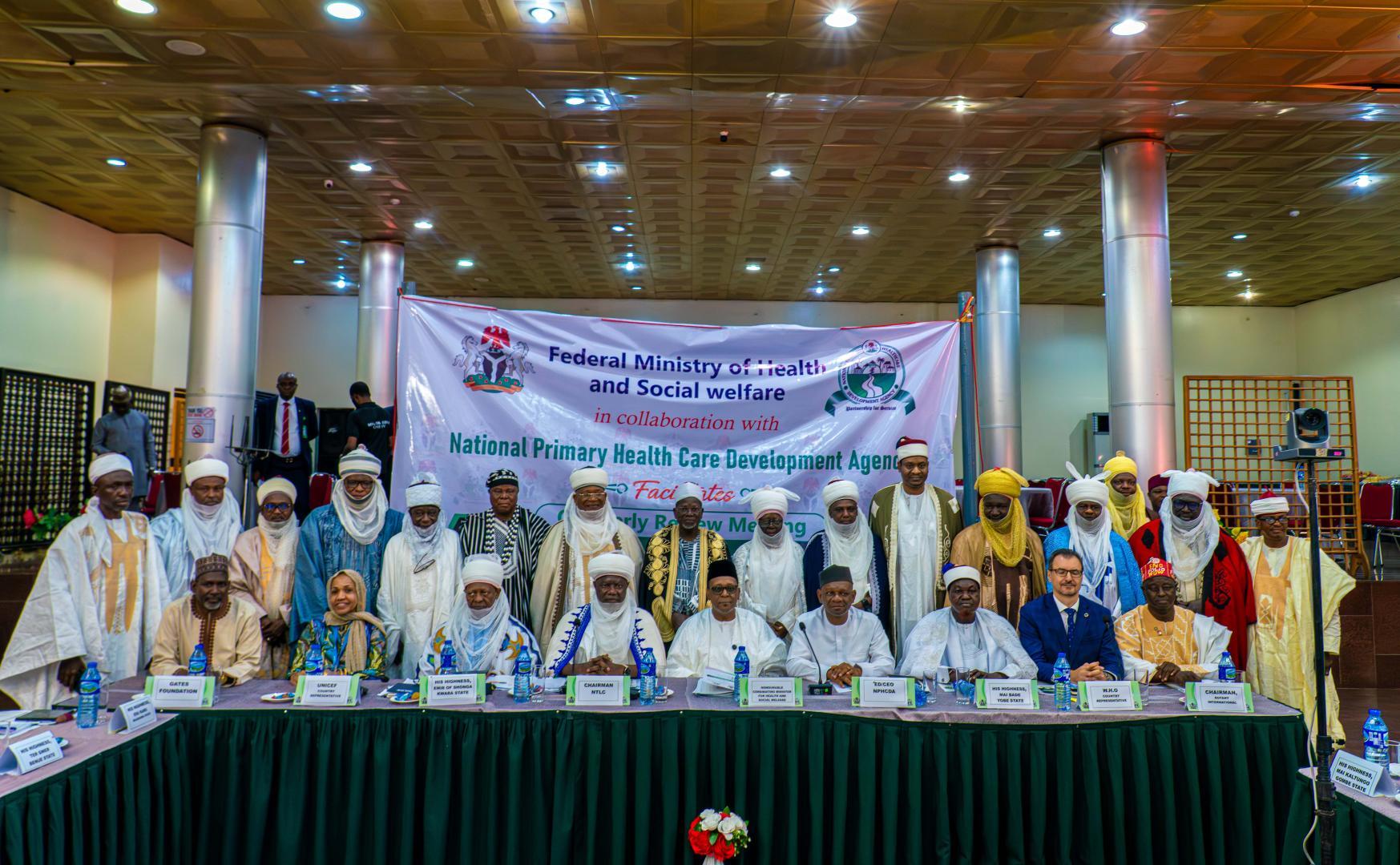
Abuja, When a vaccination team arrived in her community in northern Nigeria, Amina Bindawa hesitated. She had heard different stories about vaccines and was unsure what to believe. It was the intervention of a trusted community leader and a health worker who spoke calmly with her that changed her mind.
“I only agreed after they explained why the vaccine was important for my child,” she said. “Now I encourage other mothers to listen and ask questions.”
Government, WHO Sign MOU, Paving Way for Office Building Handover
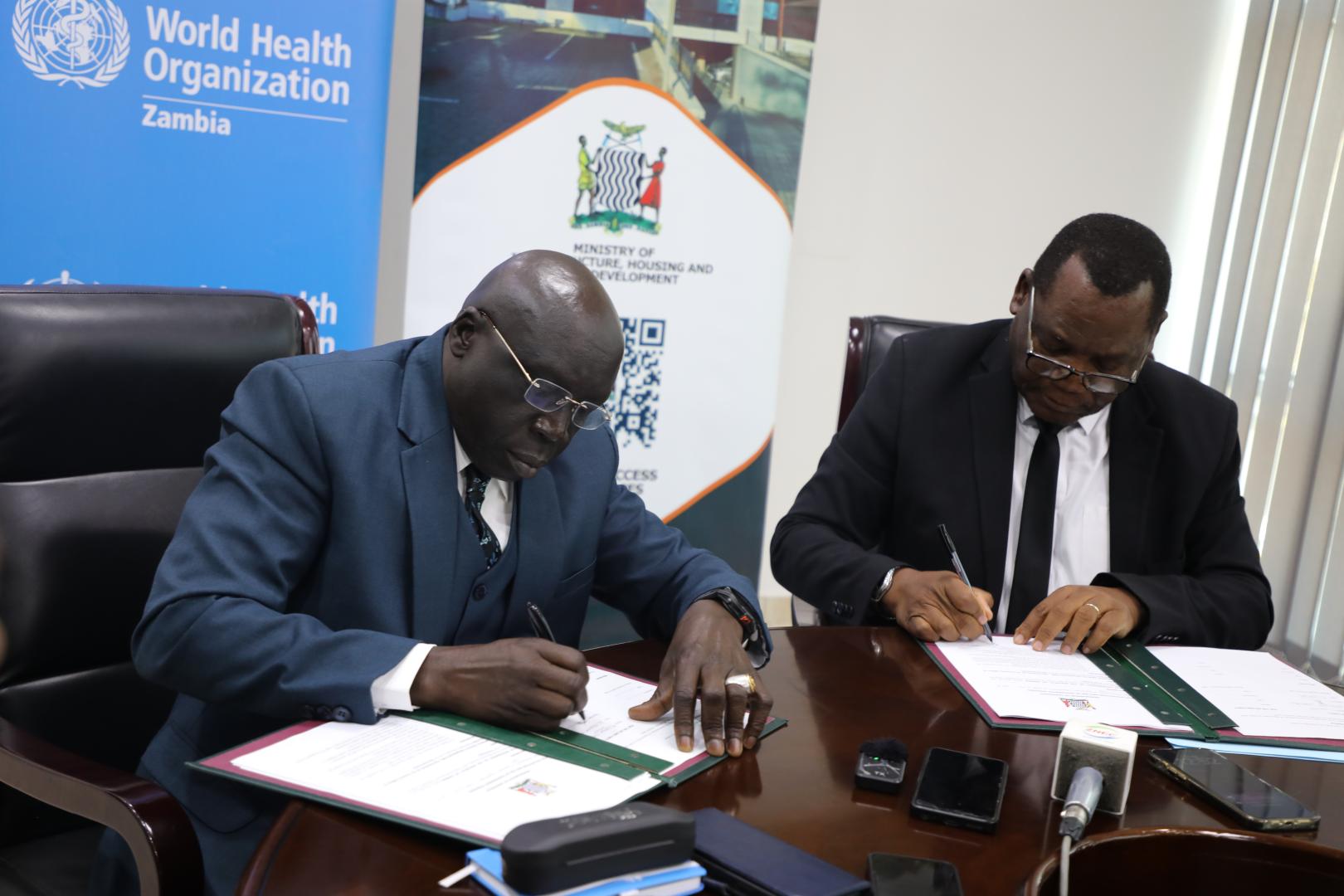
Lusaka, 7 August 2026 — The Government of the Republic of Zambia today signed a Memorandum of Understanding (MOU) with the World Health Organization (WHO) Country Office, formalising the handover of an office building for WHO's use and fulfilling a long-standing commitment enshrined in the basic agreement signed between the two parties in 1964. The agreement commits the Government to provide suitable office accommodation for WHO's operations in the country.
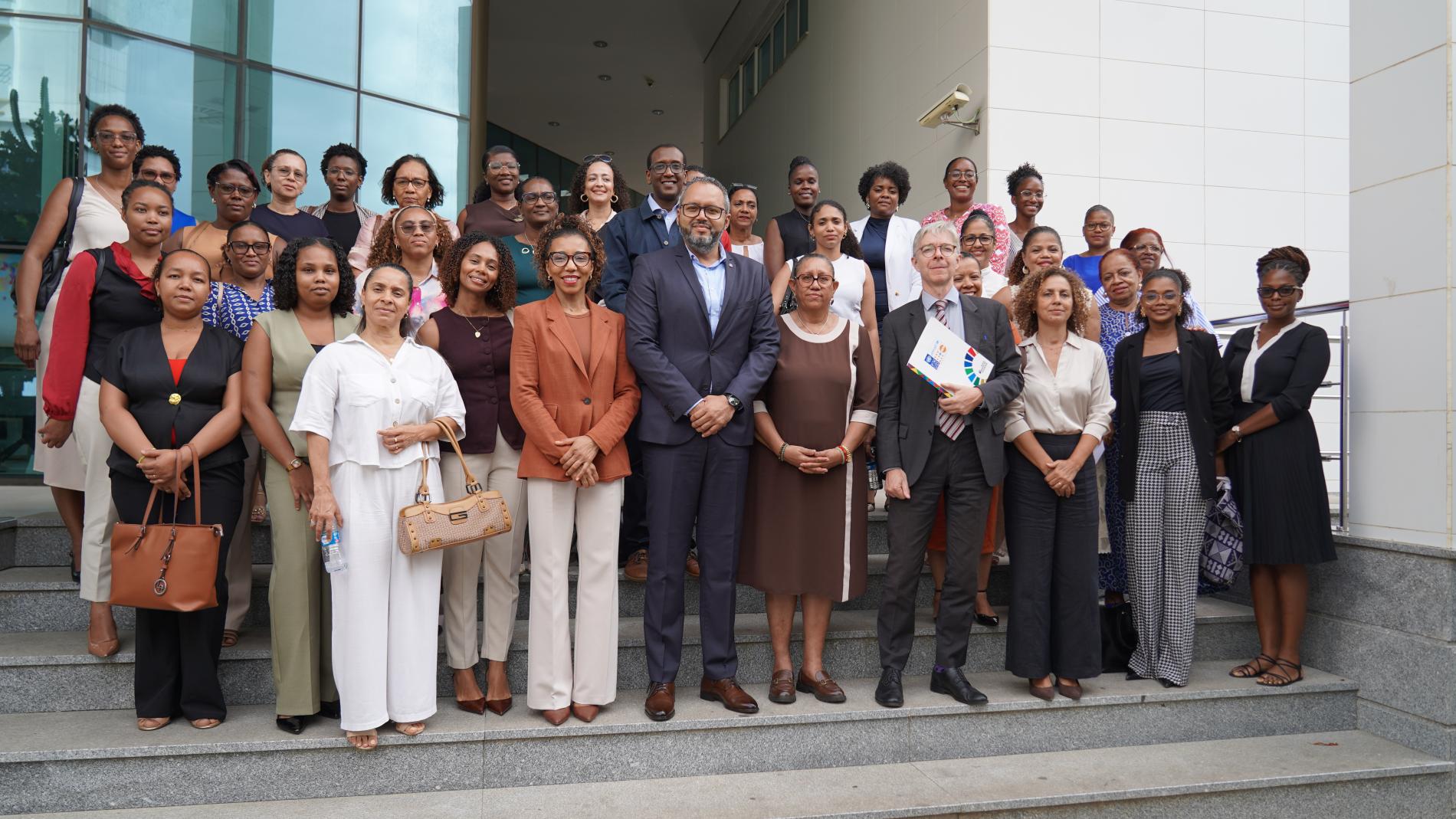
Cabo Verde advances in the development of the National Vaccination Policy for the Response to Respiratory Pandemics.
a { text-decoration: none; color: #464feb; } tr th, tr td { border: 1px solid #e6e6e6; } tr th { background-color: #f5f5f5; }
WHO Representative in Guinea-Bissau Presents Letters of Credence to the Minister of Foreign Affairs
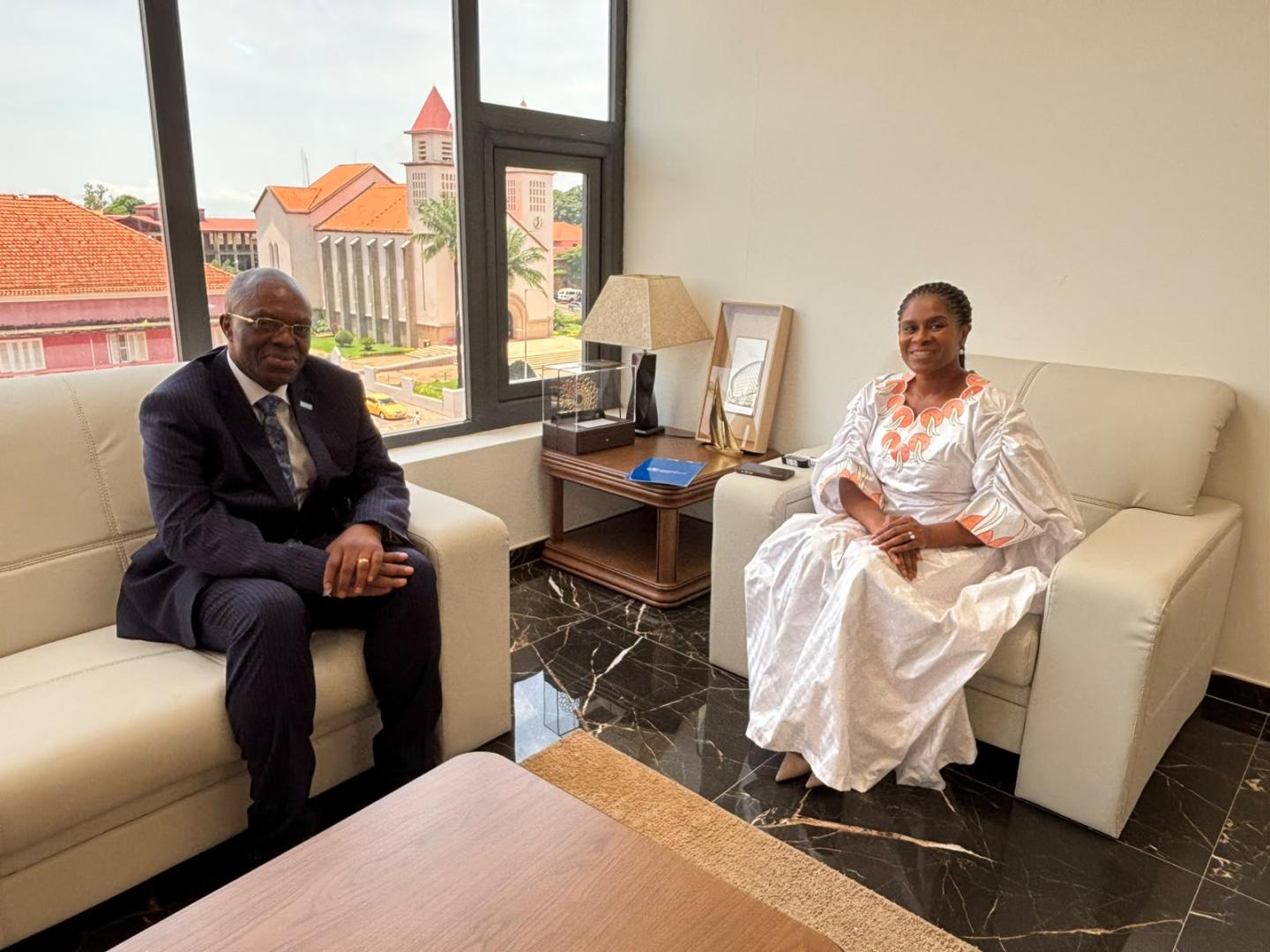
Bissau—Dr. Walter Kazadi Mulombo presented, this Friday, 7 August 2026, his Letters of Credence to Her Excellency Fatoumata Jau, Minister of Foreign Affairs, International Cooperation and Communities of the Republic of Guinea-Bissau. With this protocolary act, Dr. Walter officially takes up the post of Chief of Mission and Representative of the World Health Organization (WHO) in the country.
A completed transition
Advancing Health in Eritrea: Insights from Dr Mary Stephen
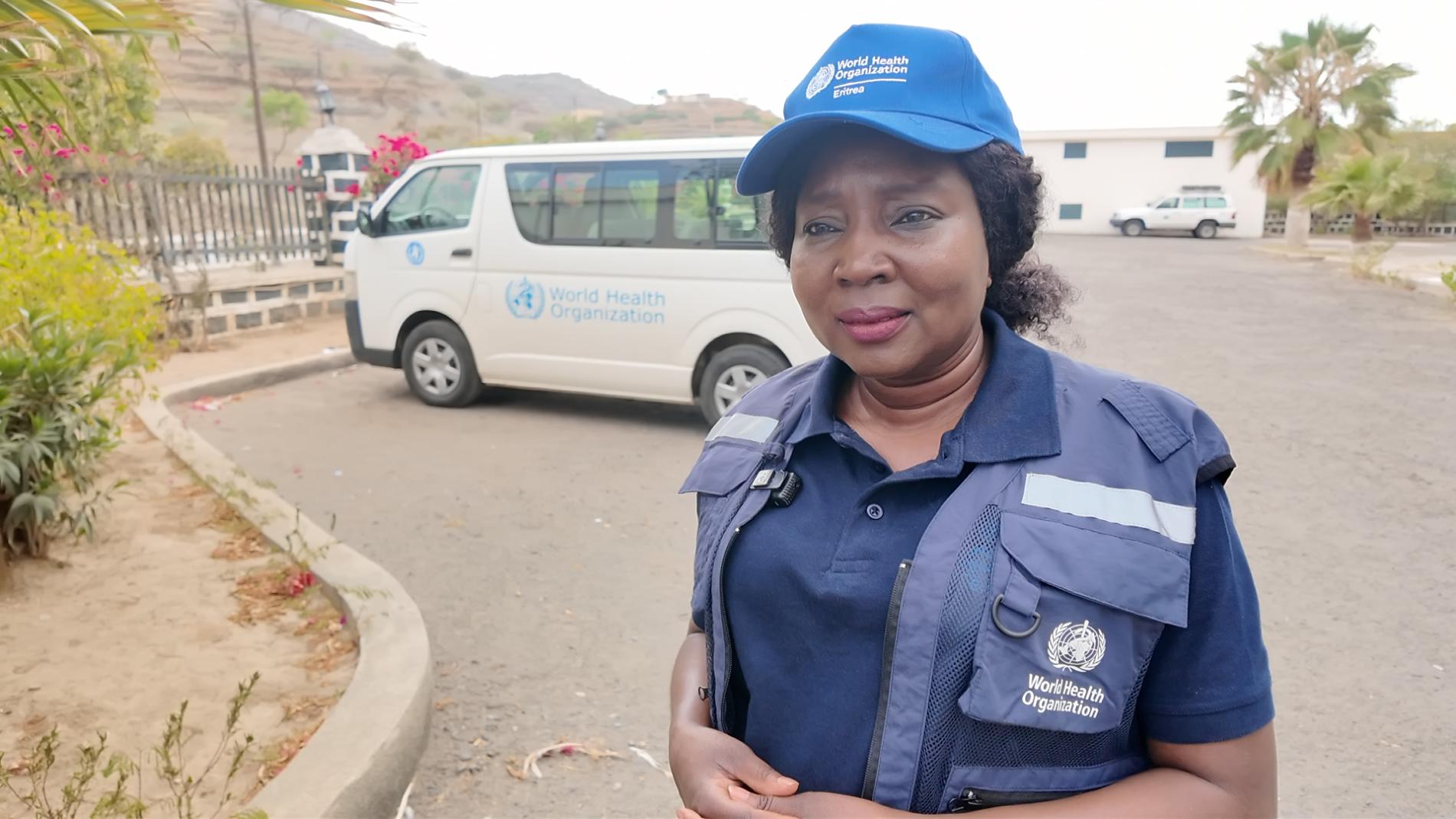
Asmara, Eritrea – Eritrea has made significant progress in improving the health of its population over recent decades, driven by strong national leadership, investments in primary health care and a commitment to self-reliance. In this interview, Dr Mary Stephen, WHO Representative in Eritrea, shares her perspectives on the country's health achievements, national capacity and WHO's partnership with Eritrea.
Q: Eritrea has made significant progress in health over the past decades. What do you see as some of the country's key achievements?
WHO takes part in the official launch of the TEI-PHI Project in Guinea-Bissau
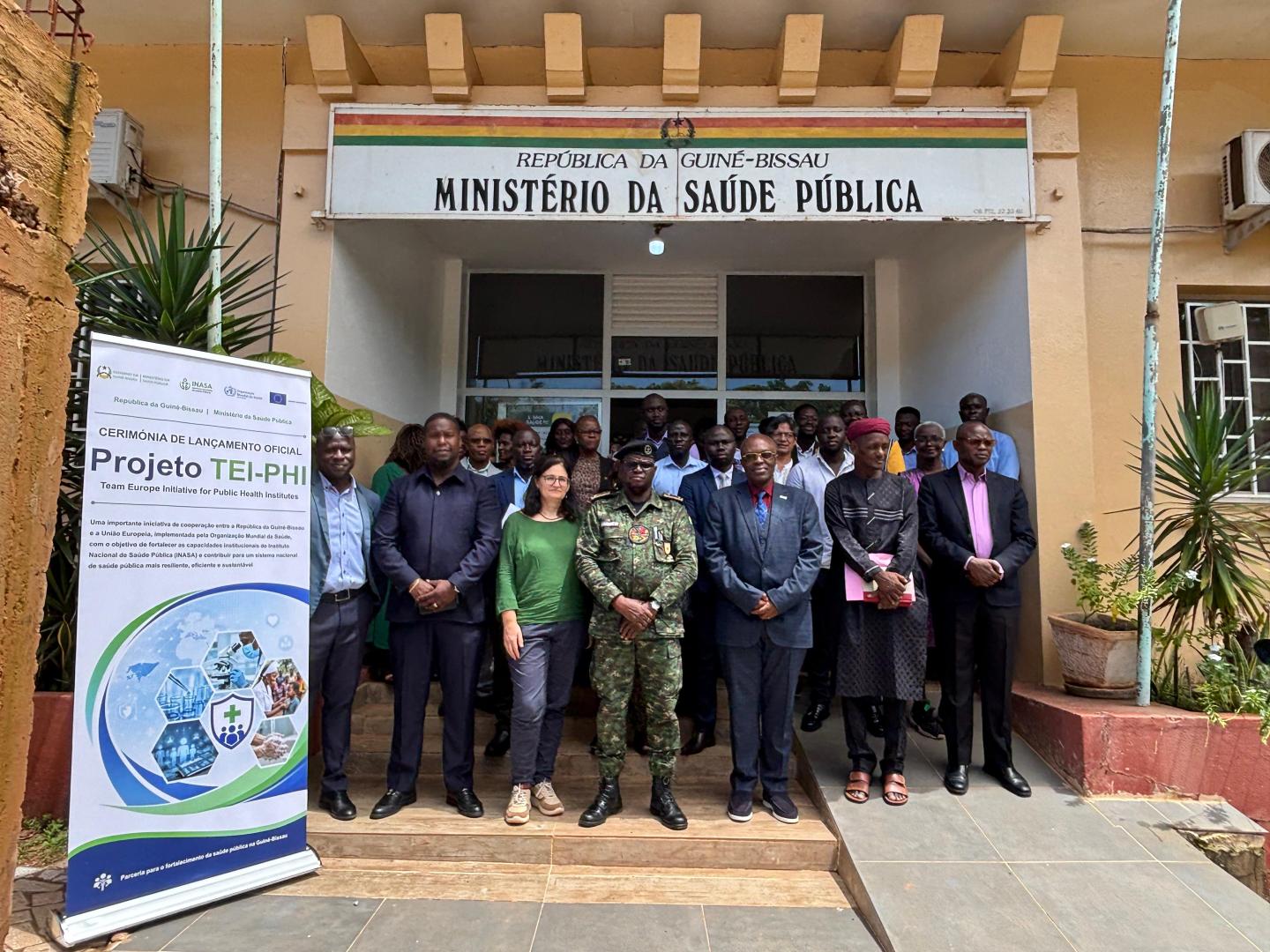
Bissau—The World Health Organization (WHO) took part, on August 5th, in the official launch of the TEI-PHI Project in Guinea-Bissau, an initiative funded by the European Union aimed at strengthening national public health. The event was attended by the Minister of Public Health, Commodore Quinhim Nantote, the Representative of the European Union in Guinea-Bissau, the Director-General of the National Institute of Public Health (INASA), representatives of United Nations agencies, and technical and financial partners.
Tanzania tests national readiness to tackle extreme heat risks ahead of AFCON 2027
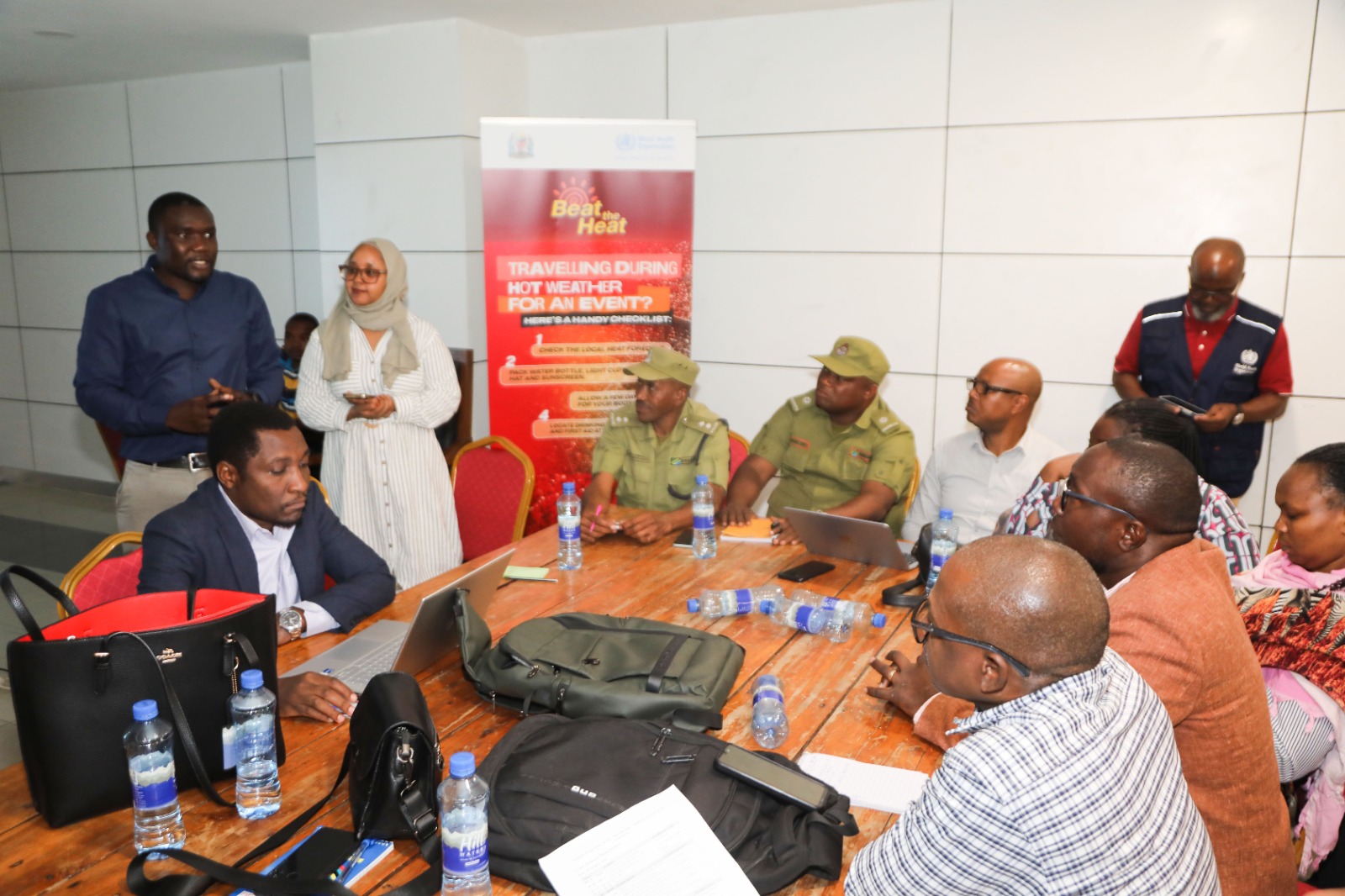
Dar es Salaam – Tanzania Mainland's Ministry of Health in collaboration with the World Health Organization (WHO) and with support from the FIFA Legacy Fund, has conducted the first-ever tabletop simulation exercise to strengthen the country's preparedness for extreme heat and other environmental health risks ahead of the Africa Cup of Nations (AFCON) 2027.
Angola steps up its strategy to eradicate polio
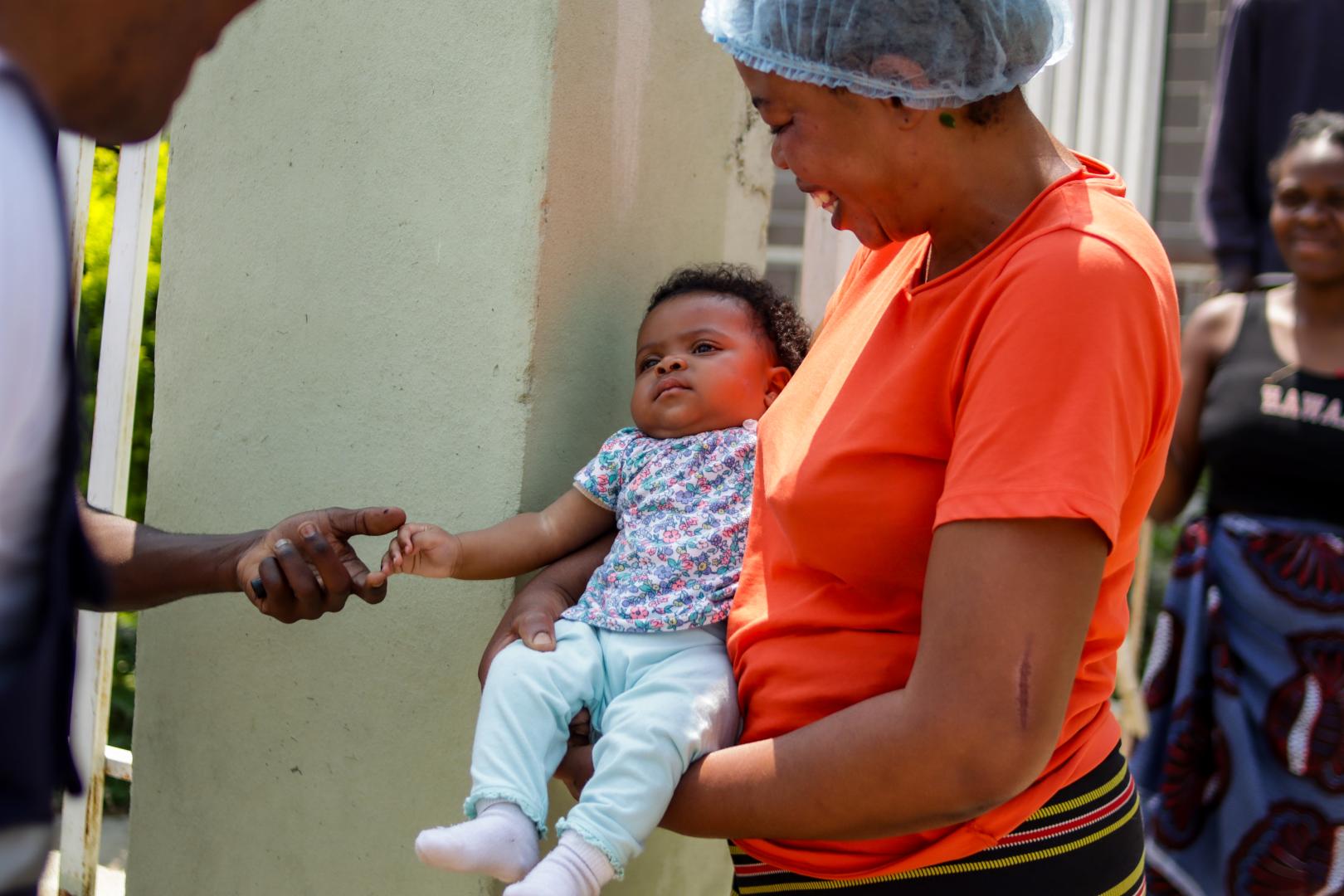
Following two national polio vaccination campaigns and two campaigns carried out in coordination with the Republic of Namibia and the Democratic Republic of the Congo in border areas, which enabled more than nine million children under the age of five to be vaccinated, Angola is translating the lessons learned into concrete actions to strengthen immunization, reach more children, and accelerate efforts towards the eradication of polio.
Uganda, WHO and Africa CDC deepen collaboration to strengthen regional health security
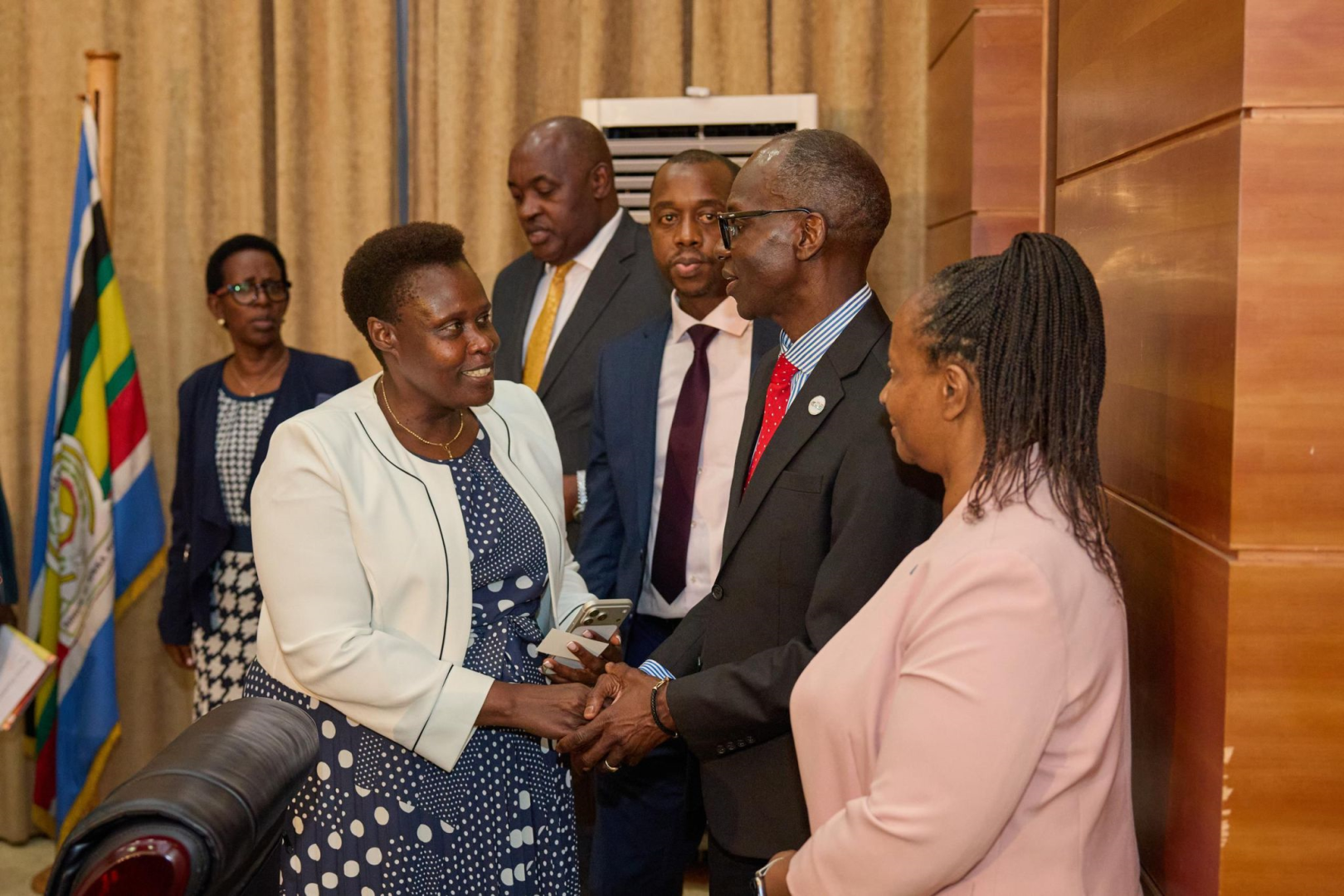
Kampala, Uganda - The WHO Regional Director for Africa, Dr Mohamed Yakub Janabi, and the Director-General of Africa CDC, Dr Jean Kaseya, visited Uganda as part of a high-level joint mission to advance regional health security and promote resilient health systems across Africa. The mission included engagements with the Vice President, H.E. Maj. (Rtd) Jessica Alupo, Minister of Health Dr Chris Baryomunsi and other senior government officials.