Stopping Polio at the Border: Malawi and Mozambique Join Forces
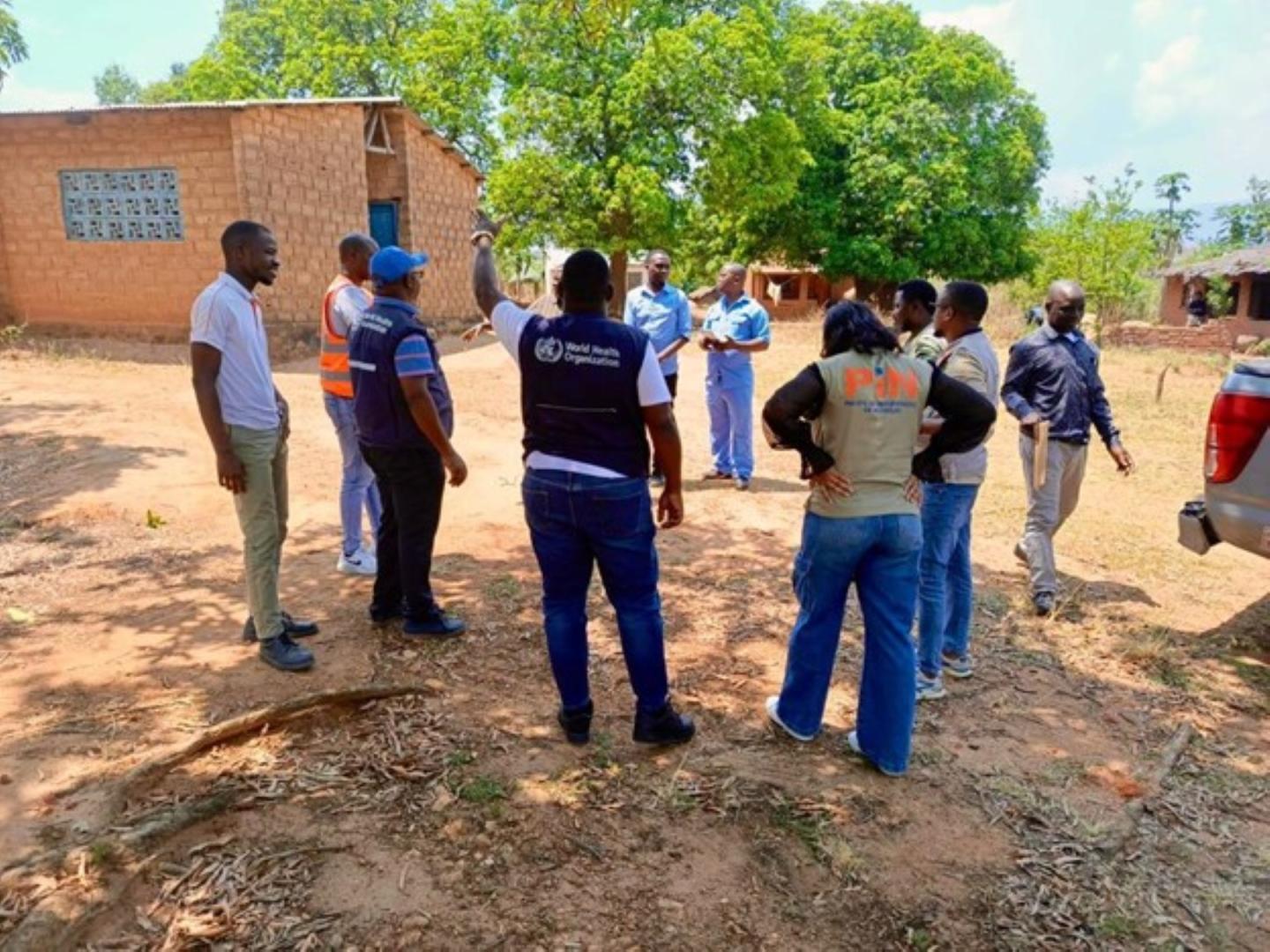
In October 2025, a suspected polio case triggered an urgent alert in Malawi’s Mwanza District. The patient was a 9-month-old girl who had been brought to Thambani Health Centre with symptoms of paralysis. What made this case unusual was that the child was not from Malawi, she lived just across the border in Moatize District, Mozambique. This discovery set in motion a remarkable example of cross-border cooperation to protect communities from polio.
Breaking Barriers: How Gender Equity is Transforming Immunization in Malawi
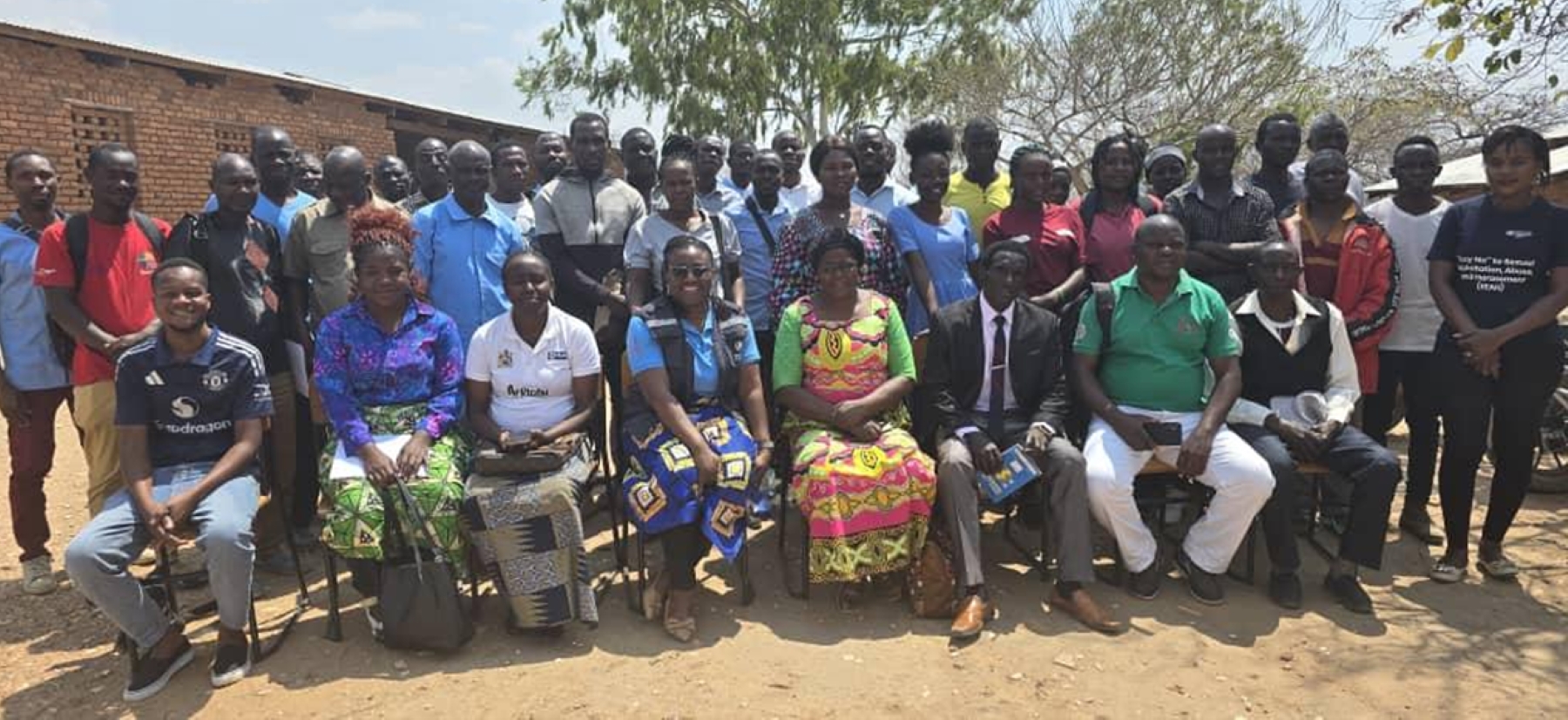
Just three years ago, Malawi faced a daunting challenge. A wave of emergencies including COVID-19, cholera, cyclones, floods, and even a wild polio virus outbreak that strained the health system. Immunization rates dropped, and thousands of children missed critical vaccines. Behind these numbers were real stories, of fathers that are unaware of the importance of vaccines, and of cultural norms that hindered women from seeking health care services.
Strengthening Malawi’s Measles & Rubella Surveillance—Kamuzu Central Hospital Laboratory Achieves Full WHO Accreditation (2025–2026)
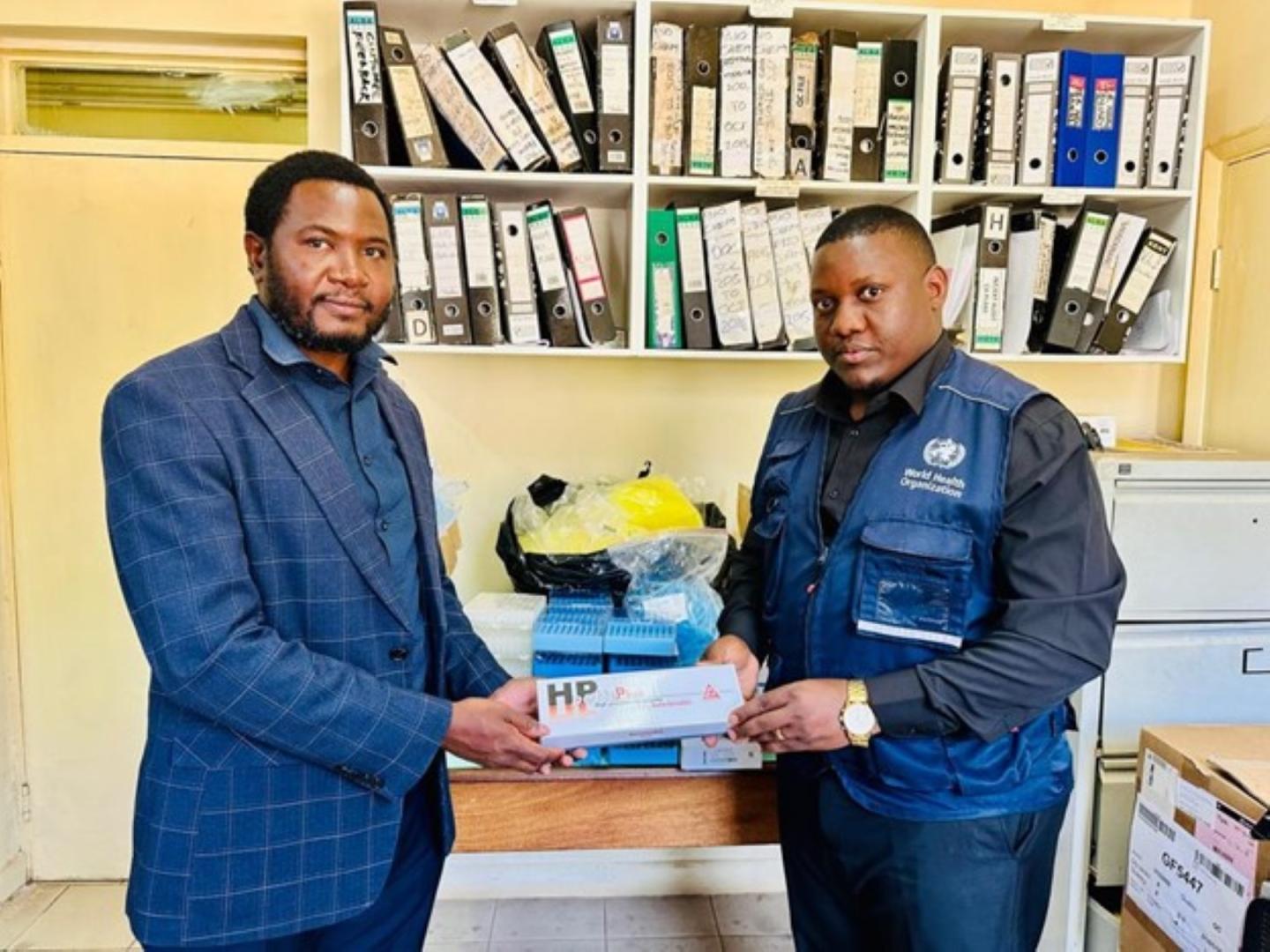
For years, Malawi’s Kamuzu Central Hospital (KCH) laboratory has served quietly but decisively as the national hub for confirming measles and rubella cases. Its work underpins the country’s immunization programme validating suspected outbreaks, guiding vaccination campaigns, and helping health teams distinguish local transmission from imported cases. Until recently, this essential laboratory operated under provisional WHO accreditation, reflecting both its commitment and the journey still ahead to meet every global standard.
Uganda Deploys 348 New Community Health Extension Workers to Strengthen Integrated Services Delivery
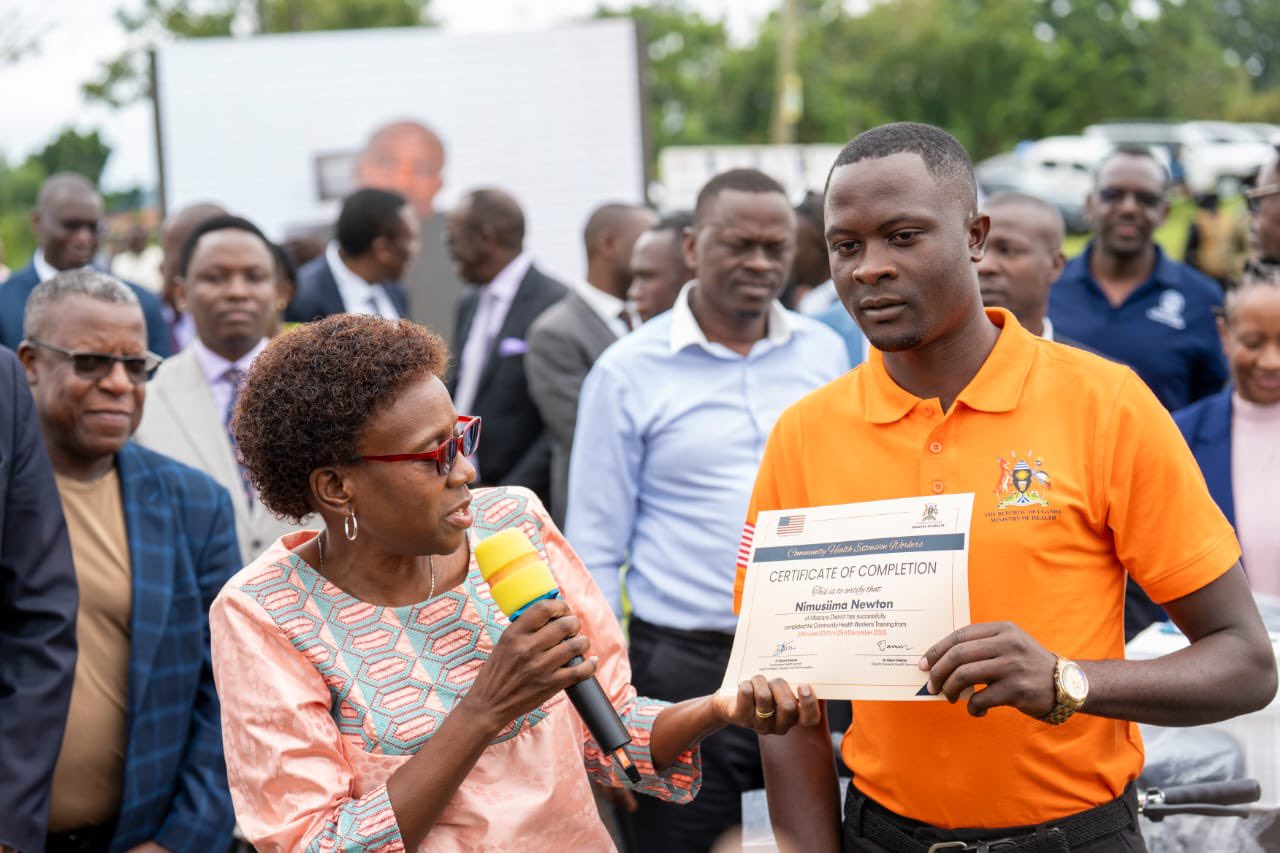
Kampala: Uganda’s ambition to transform Primary Health Care through resilient community health systems entered a decisive phase on 4 March 2026, when a cohort of 348 newly trained Community Health Extension Workers (CHEWs) was passed out in a high-profile ceremony held in Mbarara City and Rukungiri District.
Building regulatory laboratory capacity: WHO conducts regional hybrid training on portable and low‑cost detection of contaminants in medicines
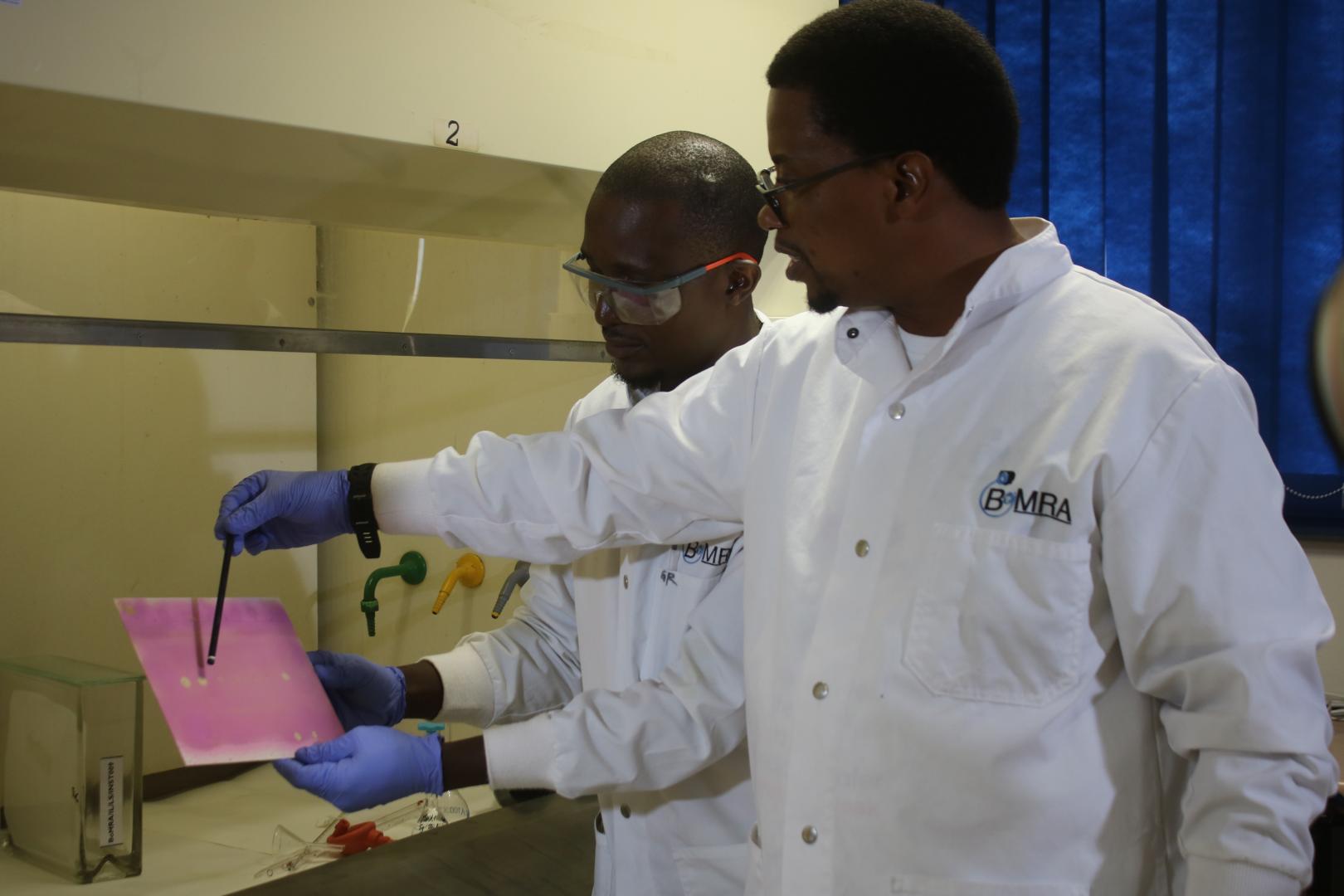
Since October 2023, WHO has issued several Global Medical Product Alerts concerning oral liquid medicines contaminated with ethylene glycol (EG) and/or diethylene glycol (DEG). These incidents have been associated with the deaths of more than 300 children worldwide.
Botswana Pandemic Fund project Technical Working Group reviews progress and priorities
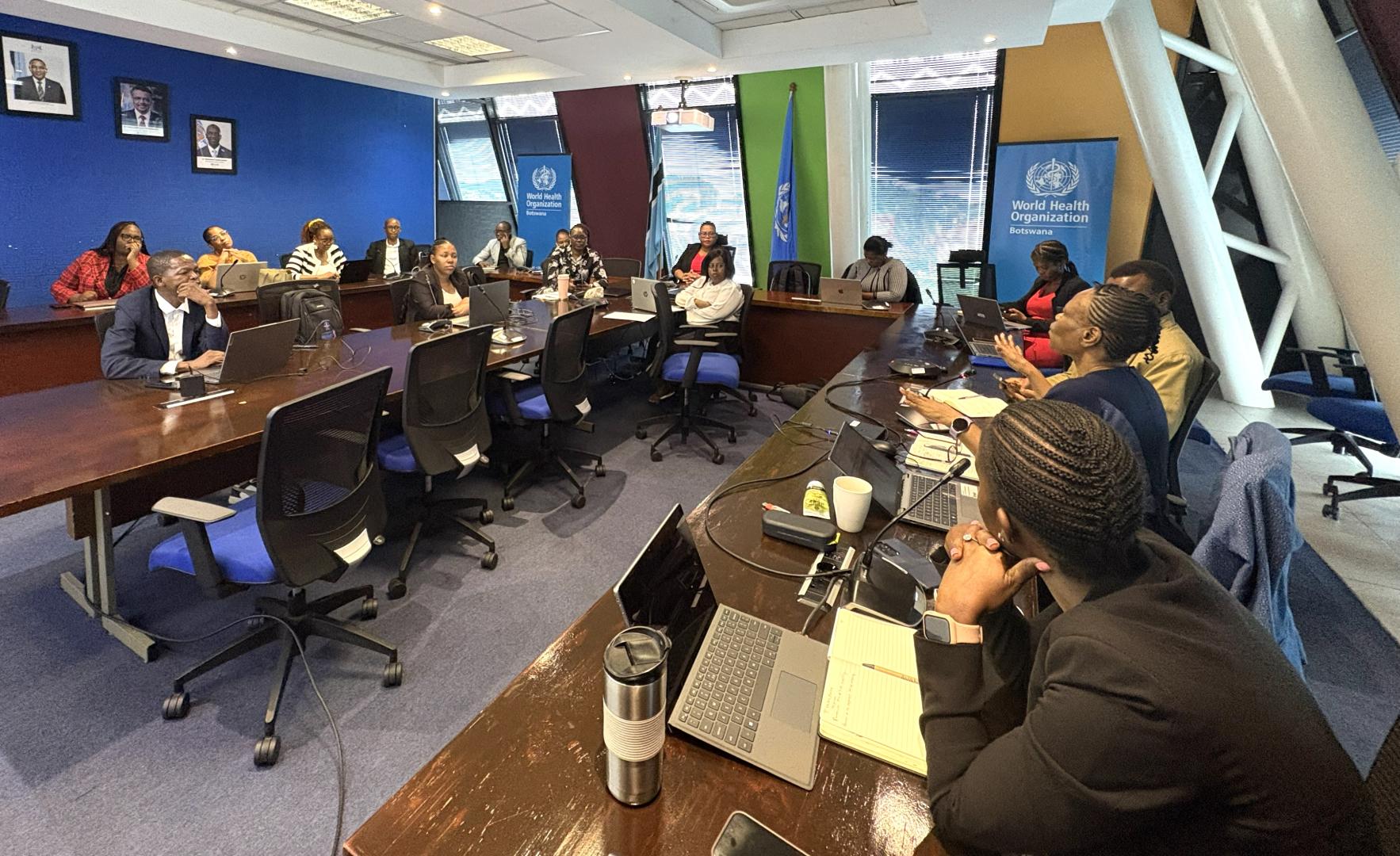
Gaborone, 17 March 2026 – The Botswana Pandemic Fund project Technical Working Group (TWG) convened to review implementation progress, financial performance, and coordination among partners supporting national pandemic preparedness and response efforts.
Harnessing Local Resources to Build Health System Resilience in Amuru District
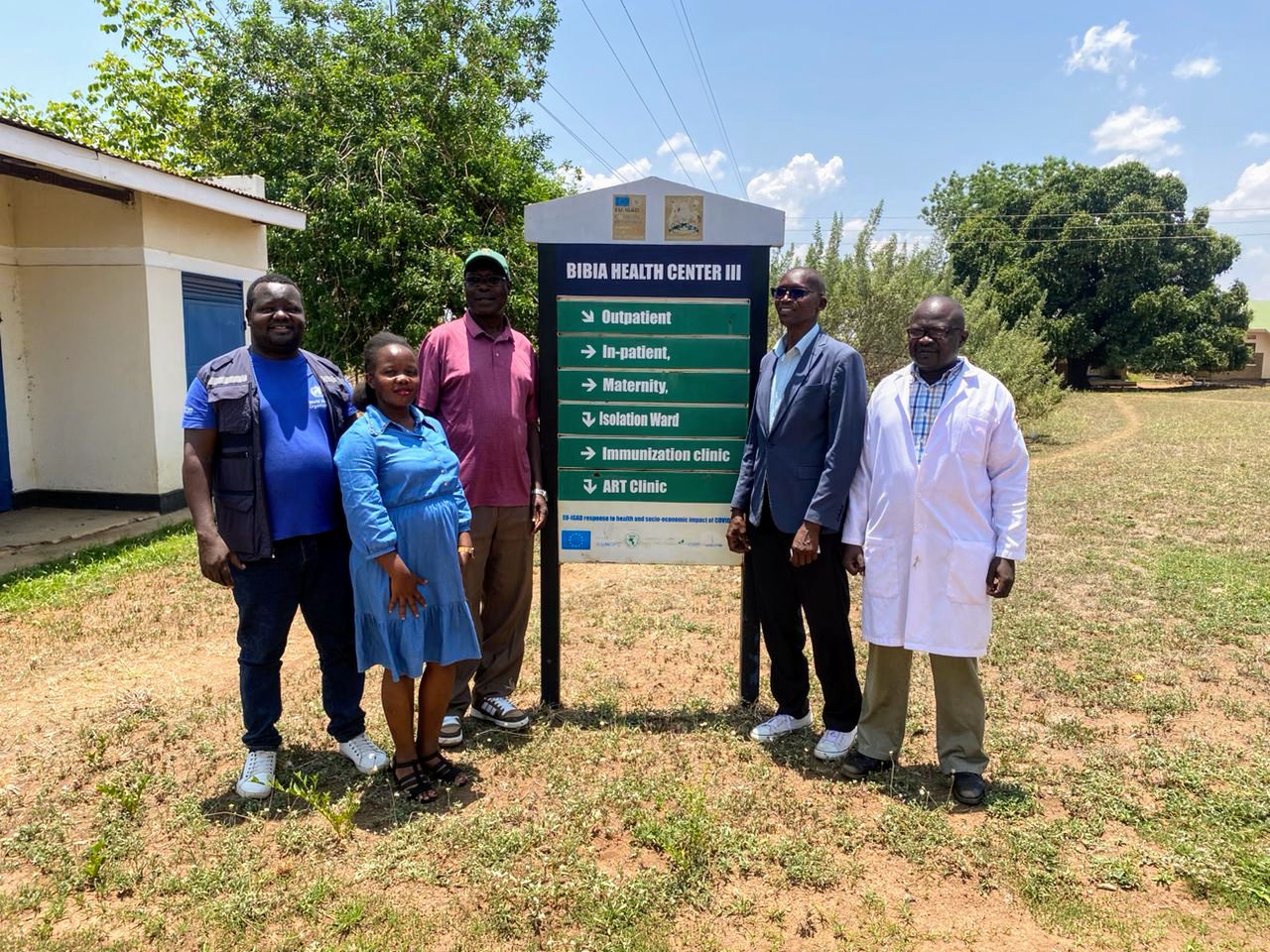
Gulu, Uganda:- When cholera erupted in Lorikowo West Village on July 2, 2025, Amuru District once again found itself confronting a familiar and exhausting pattern. Positioned along the porous Uganda–South Sudan border and surrounded by refugee-hosting districts such as Lamwo and Adjumani, Amuru has long been vulnerable to emerging and re-emerging disease outbreaks.
In 2025 alone, the district suffered three separate outbreaks, mpox, cholera and measles, each testing the limits of an already strained health system.
Sustaining vaccine gains through stronger rotavirus surveillance in Ghana
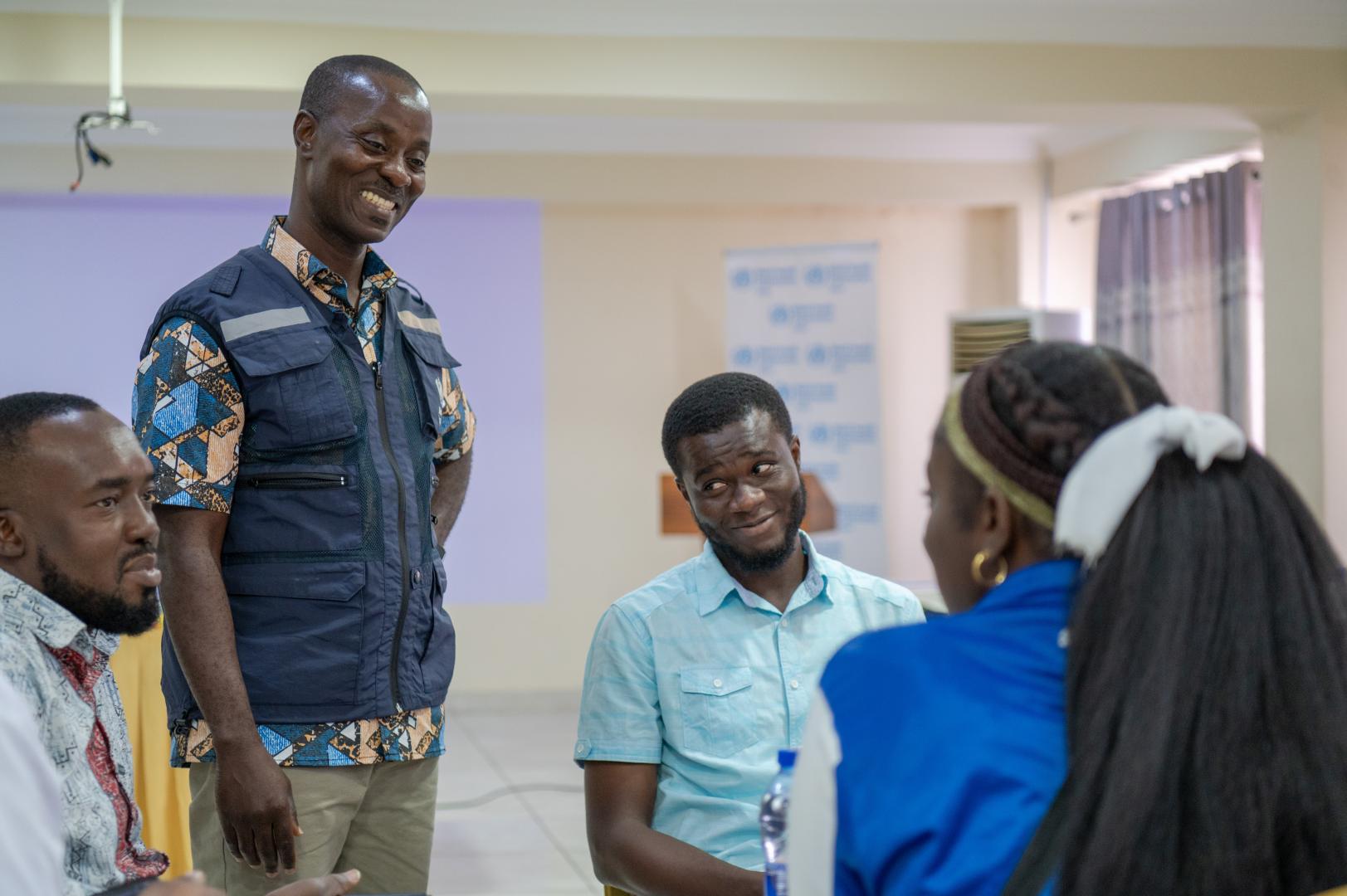
Rotavirus surveillance continues to demonstrate the positive impact of vaccination in Ghana. The World Health Organization (WHO) convened a rotavirus surveillance review meeting in Koforidua that brought together surveillance focal points from collaborating health facilities, the sentinel site at Komfo Anokye Teaching Hospital (KATH), the Regional Reference Laboratory at the Noguchi Memorial Institute for Medical Research (NMIMR), and the Ghana Health Service (GHS).
Minister of Health and WHO Representative visit Lakes and Warrap States to bolster health service delivery
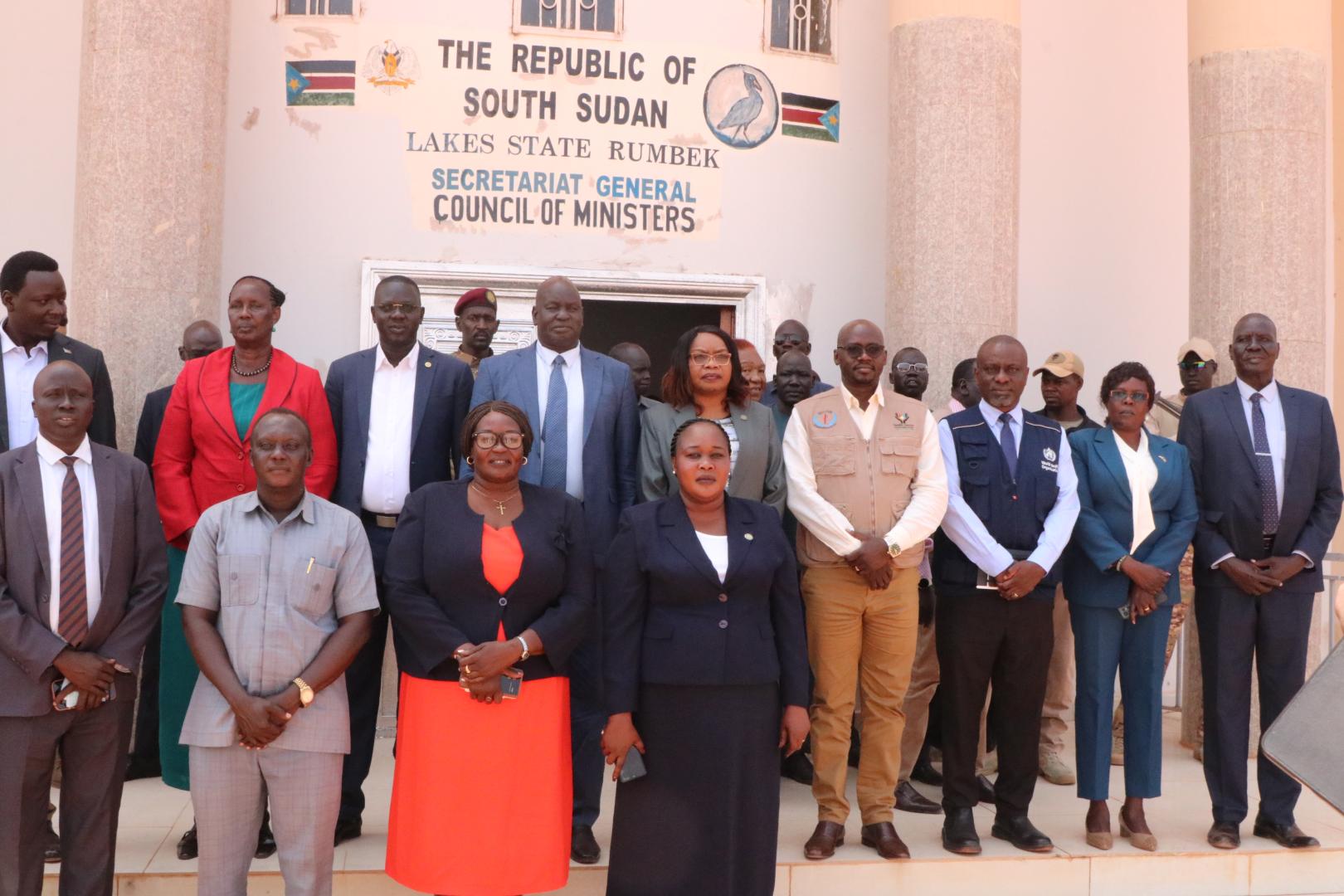
Juba - The Minister of Health, Hon. Sarah Cleto Rial, together with the Undersecretary, Directors General, Chairpersons of the Parliamentary Health Committees from the National Legislative Assembly and Council of States, and the World Health Organization (WHO) Representative in South Sudan, Dr. Humphrey Karamagi, wrapped up a two-day high-level field visit to Rumbek Centre in Lakes State and Gogrial West County in Warrap State from 11- 13 March 2026.
International Women’s Day 2026: WHO drives inclusion: screening and equity for women in custody and staff