Kenya introduces WHO child development assessment tool in national health survey for the first time
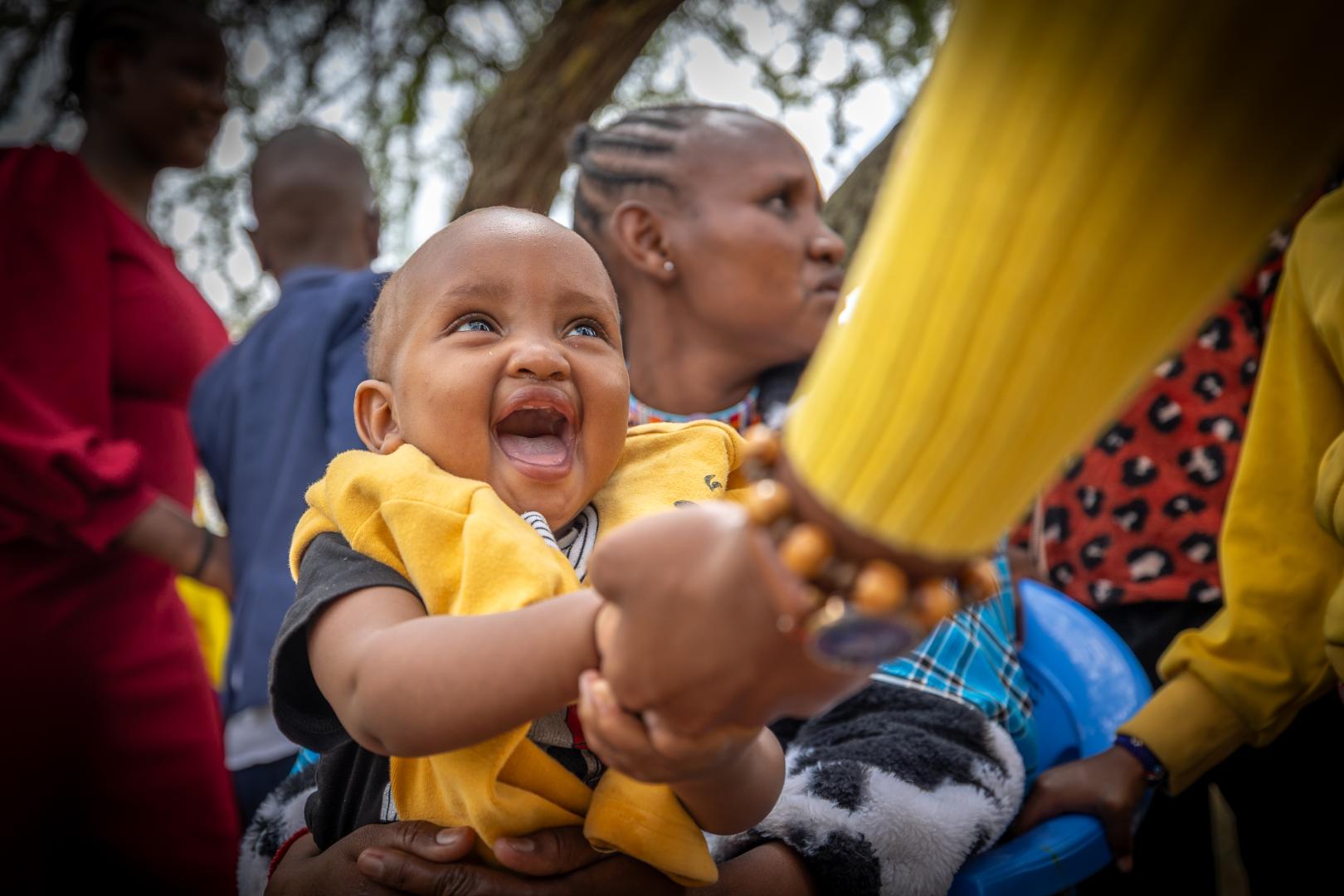
Nairobi - For the first time, Kenya has measured how children under five are growing, learning, and developing as part of a major national health survey, a move that could reshape how the country designs and delivers support for its youngest citizens.
Strengthening Tanzania’s Frontline: Standardized Surveillance Training to Build a Resilient Health Workforce
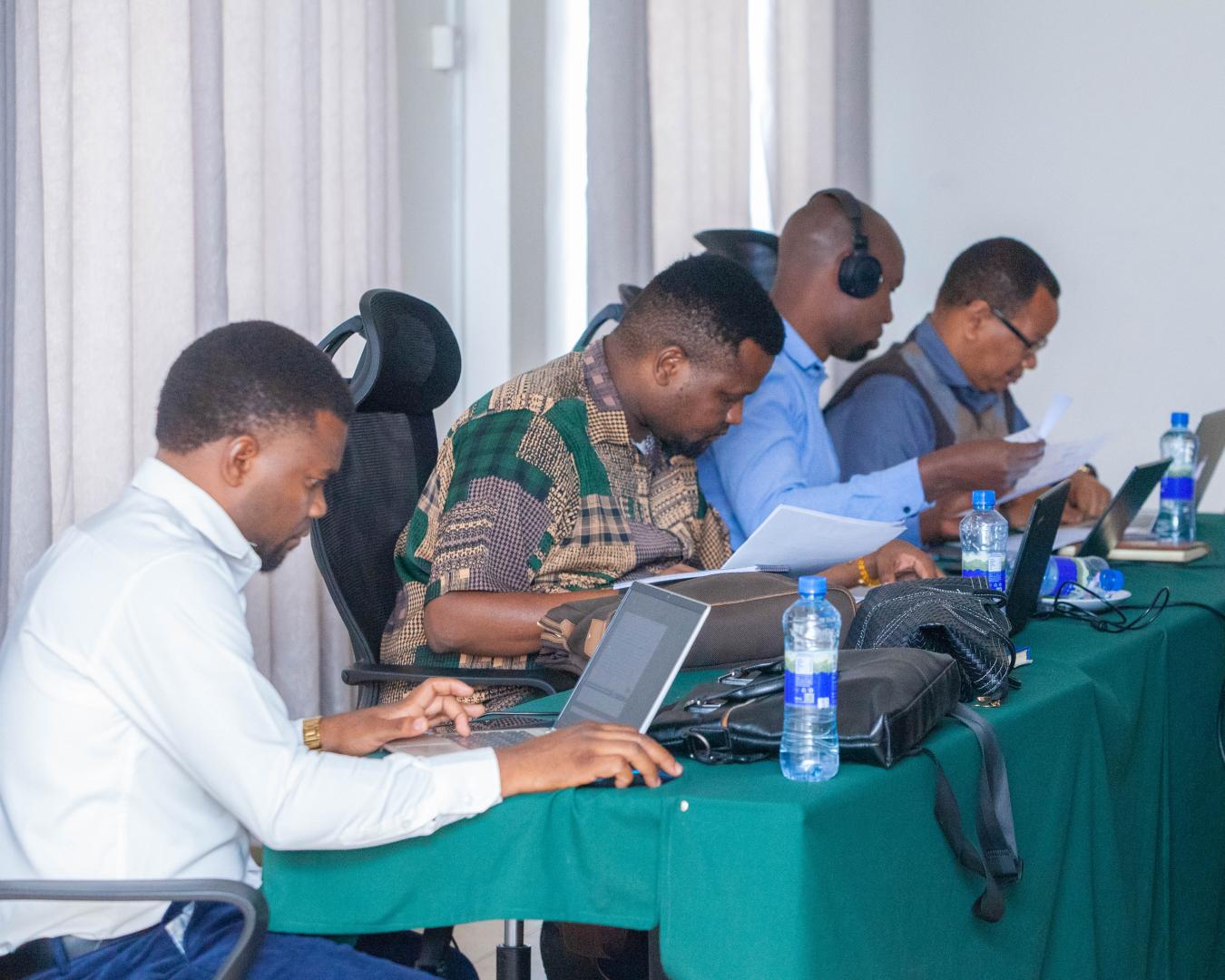
Morogoro – Tanzania is taking a decisive step to strengthen its frontline health workforce by introducing a Standardized Integrated Disease Surveillance and Response (IDSR) Content Addendum for preservice training programs. This initiative will ensure that every graduate in Health and Allied Sciences and Community Health Worker (CHW) programs enters the workforce equipped with essential skills in case detection, reporting, data analysis, outbreak investigation, emergency preparedness, and risk communication.
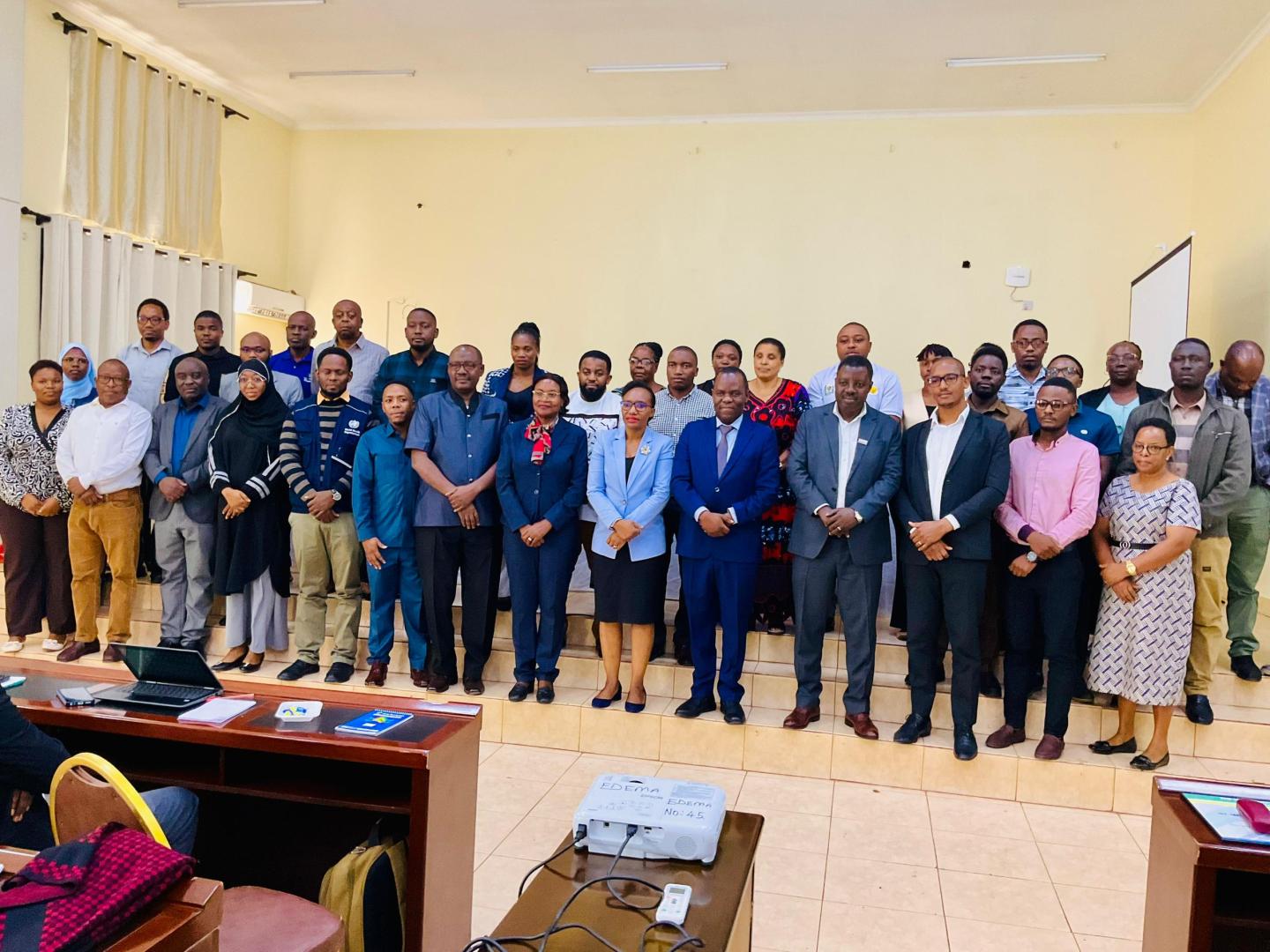
Ethiopia launches digitalization of public health emergency management system, advances toward PHEM Center of Excellence
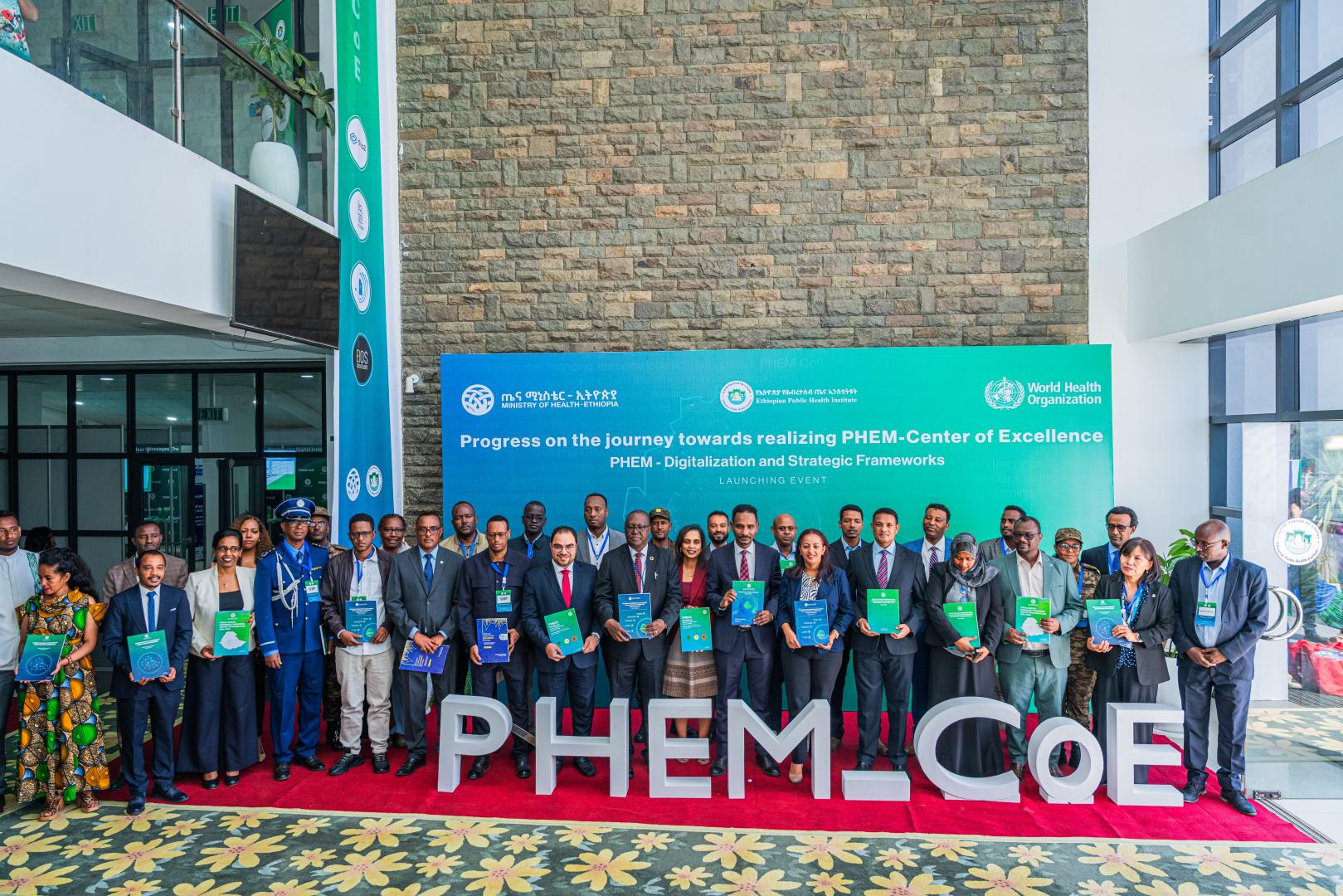
Addis Ababa, Ethiopia - In a landmark step toward strengthening national health security, Ethiopia officially launched the digitalization of its Public Health Emergency Management (PHEM) system, marking significant progress toward establishing the Public Health Emergency Management Center of Excellence (PHEM-COE).
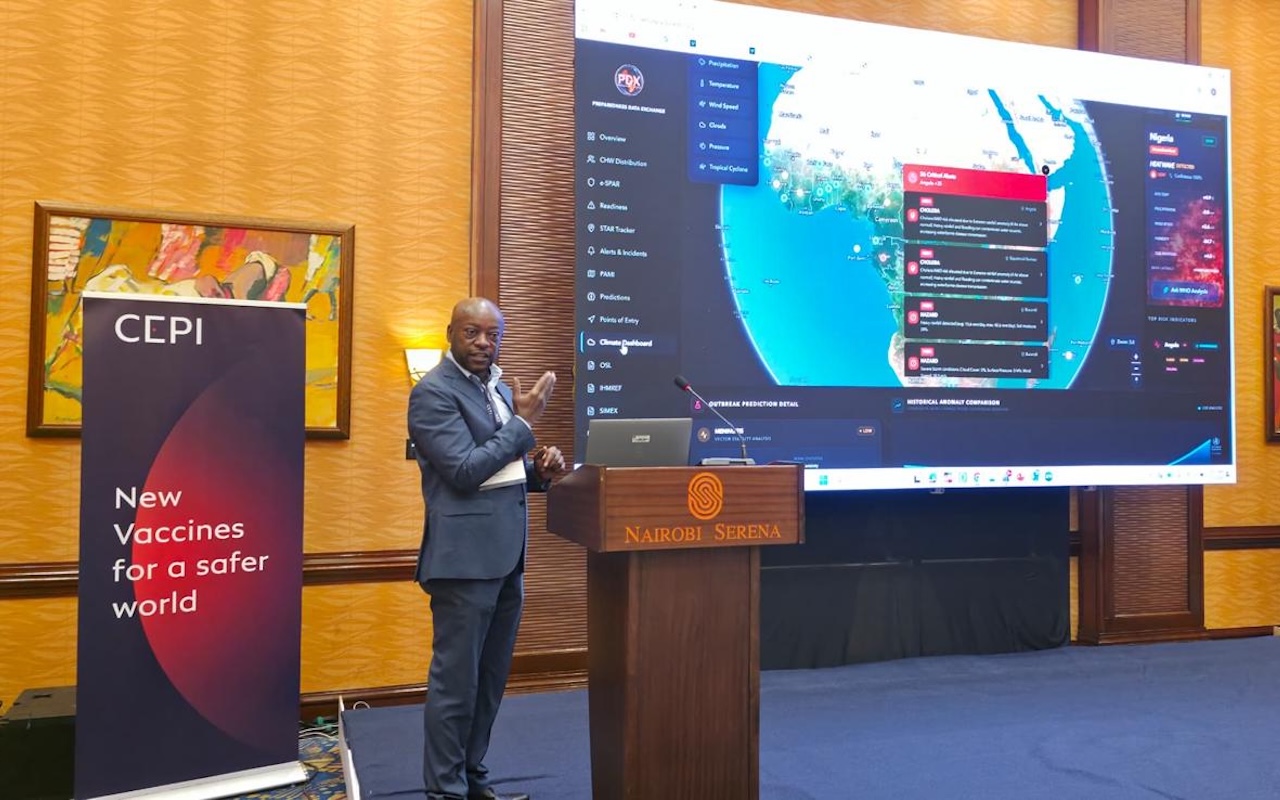
From data to decisions: strengthening health security in Africa
Professor Francis C. Kasolo officially assumes office as WHO Representative to Ethiopia, AU and UNECA
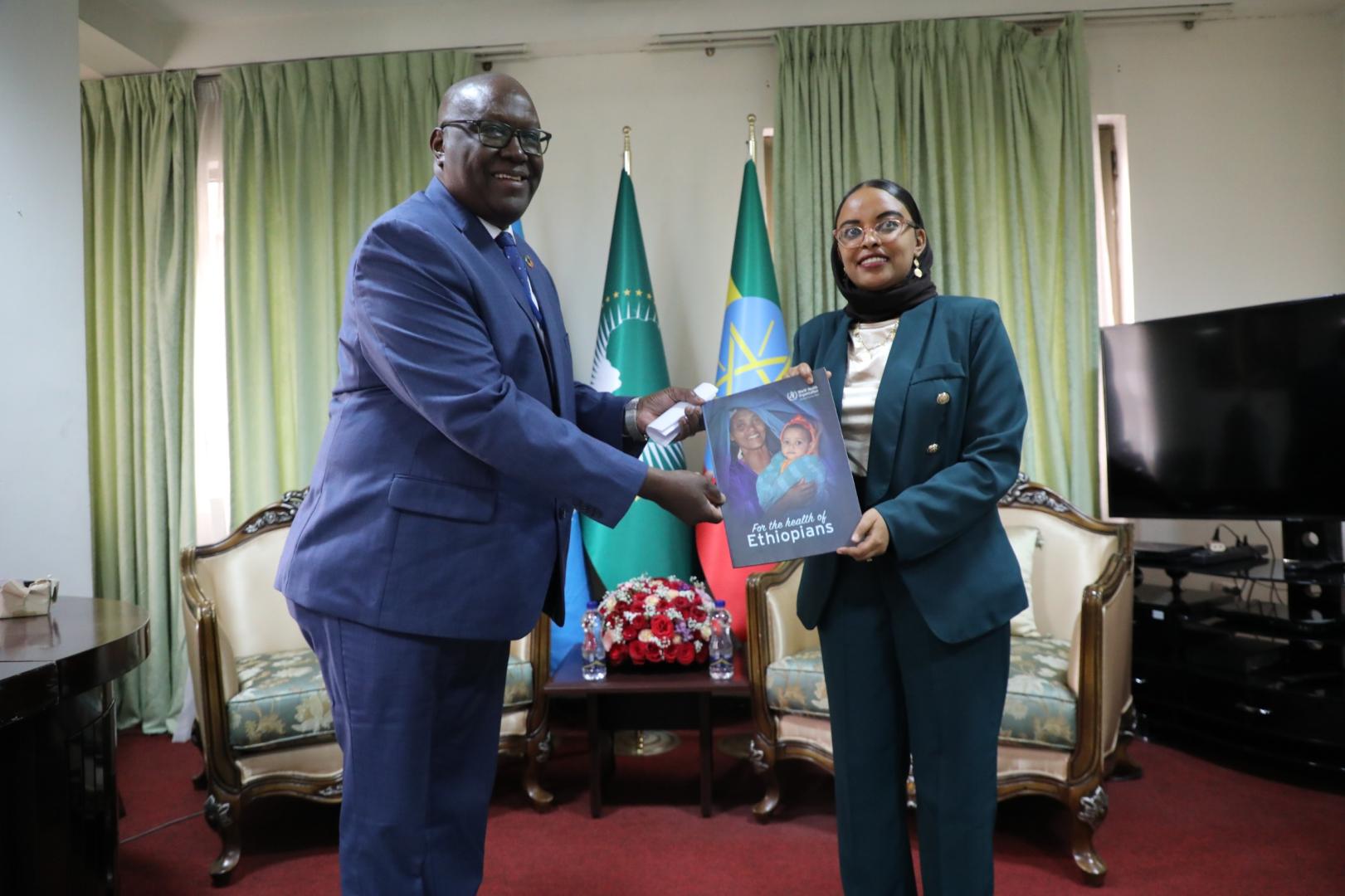
Addis Ababa, Ethiopia — Professor Francis Chisaka Kasolo has officially begun his tenure as WHO Representative to Ethiopia, the African Union, and the United Nations Economic Commission for Africa after presenting his credentials to H.E. Dr. Aziza Geleta, Director General of Protocol Affairs at the Ministry of Foreign Affairs.
Mobile outreach expands access to health services in Adamawa State
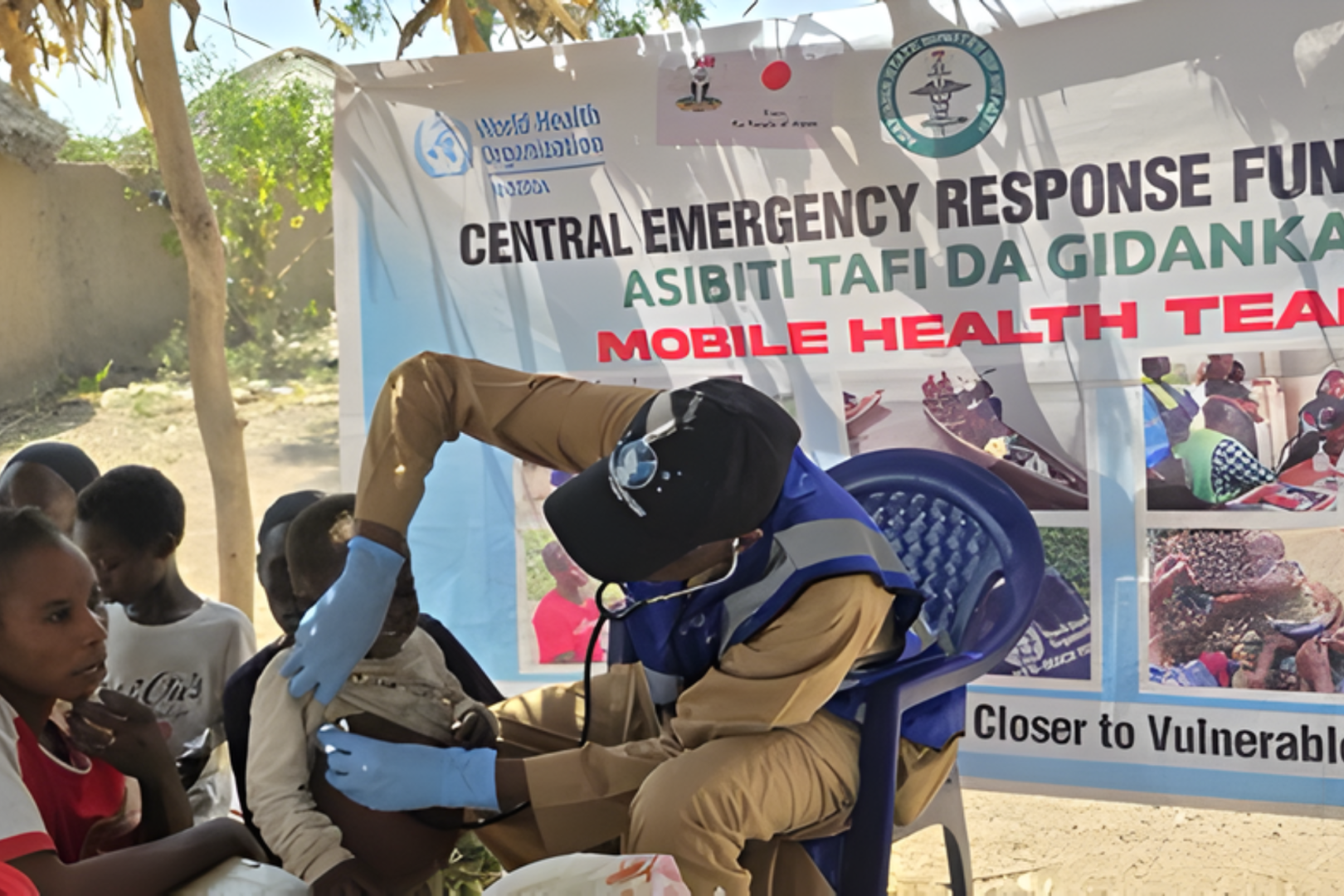
Yola – Targeted outreach is improving access to essential health services in underserved communities across Adamawa State, where distance, insecurity and seasonal flooding have long limited the reach of fixed health facilities.
WHO Regional Director for Africa visits Tanzania to advance maternal and newborn health
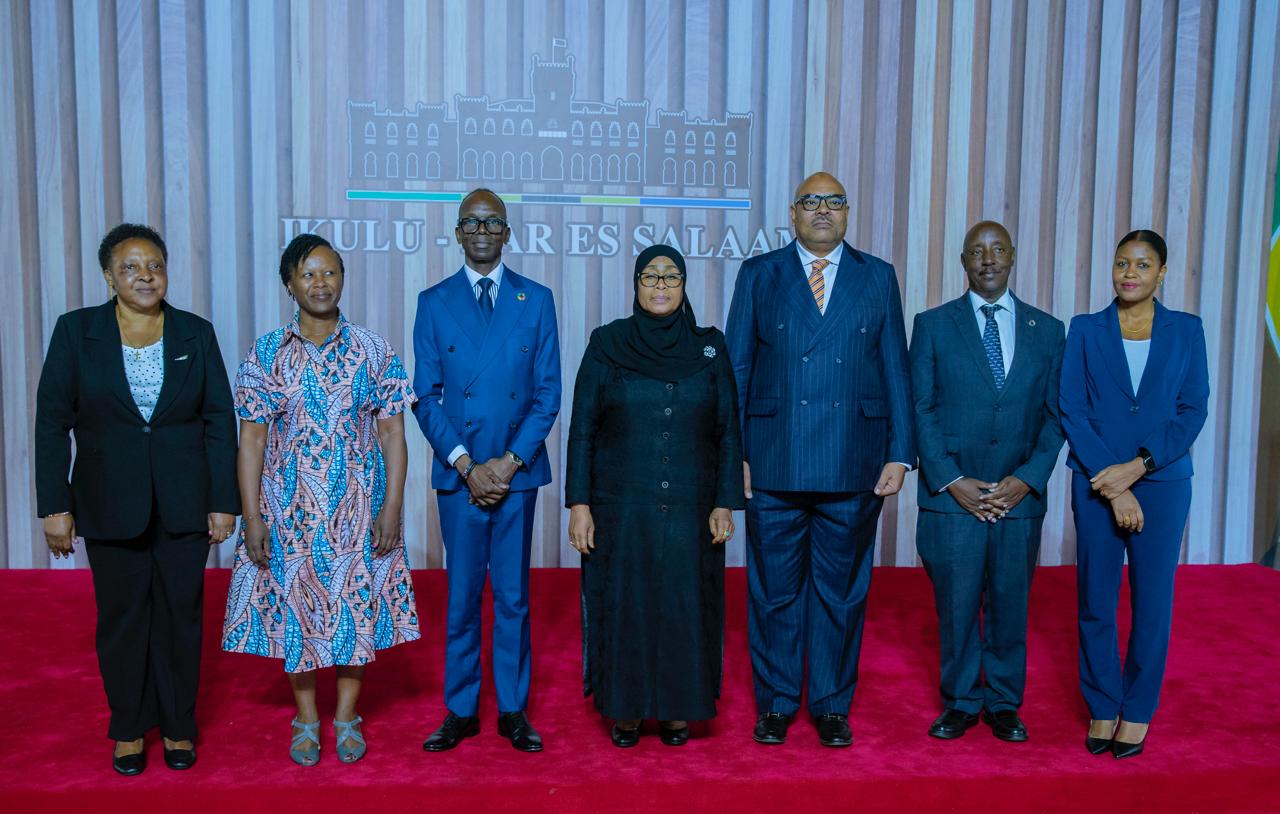
Dar es Salaam – The World Health Organization (WHO) Regional Director for Africa, Prof. Mohamed Yakub Janabi, is in the United Republic of Tanzania on an official visit representing WHO Director-General Tedros Adhanom Ghebreyesus to advance high-level dialogue and action on maternal, newborn and child health.
Angola accelerates final steps to eradicate Guinea worm by 2030
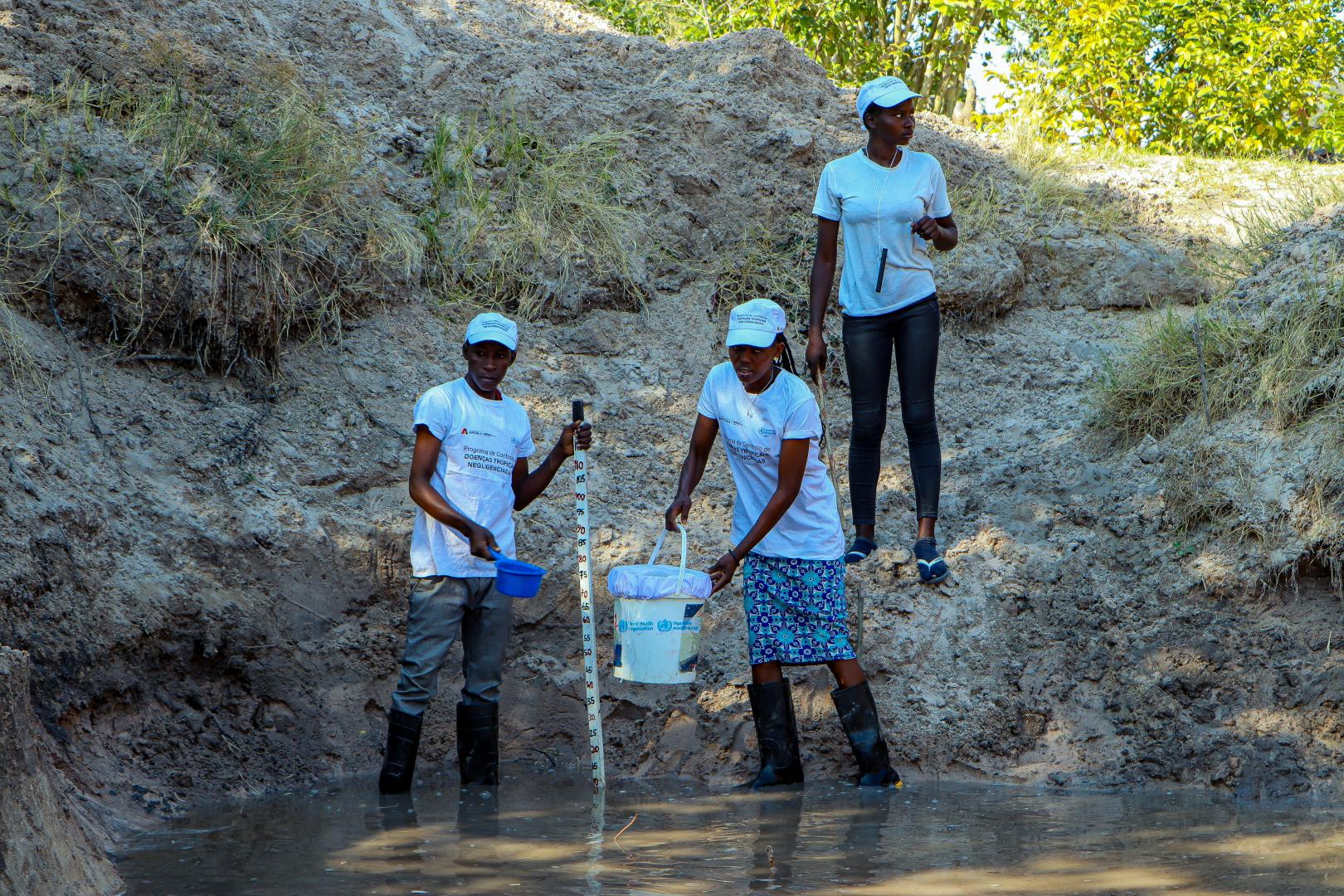
After five consecutive years without human cases and with significant progress in strengthening epidemiological surveillance, community mobilisation and response to animal infections, the country is entering a decisive phase towards the global goal of eradicating the disease by 2030. These advances represent an important milestone in controlling the disease.