WHO strengthens responsible suicide reporting to advance Ghana’s mental health agenda
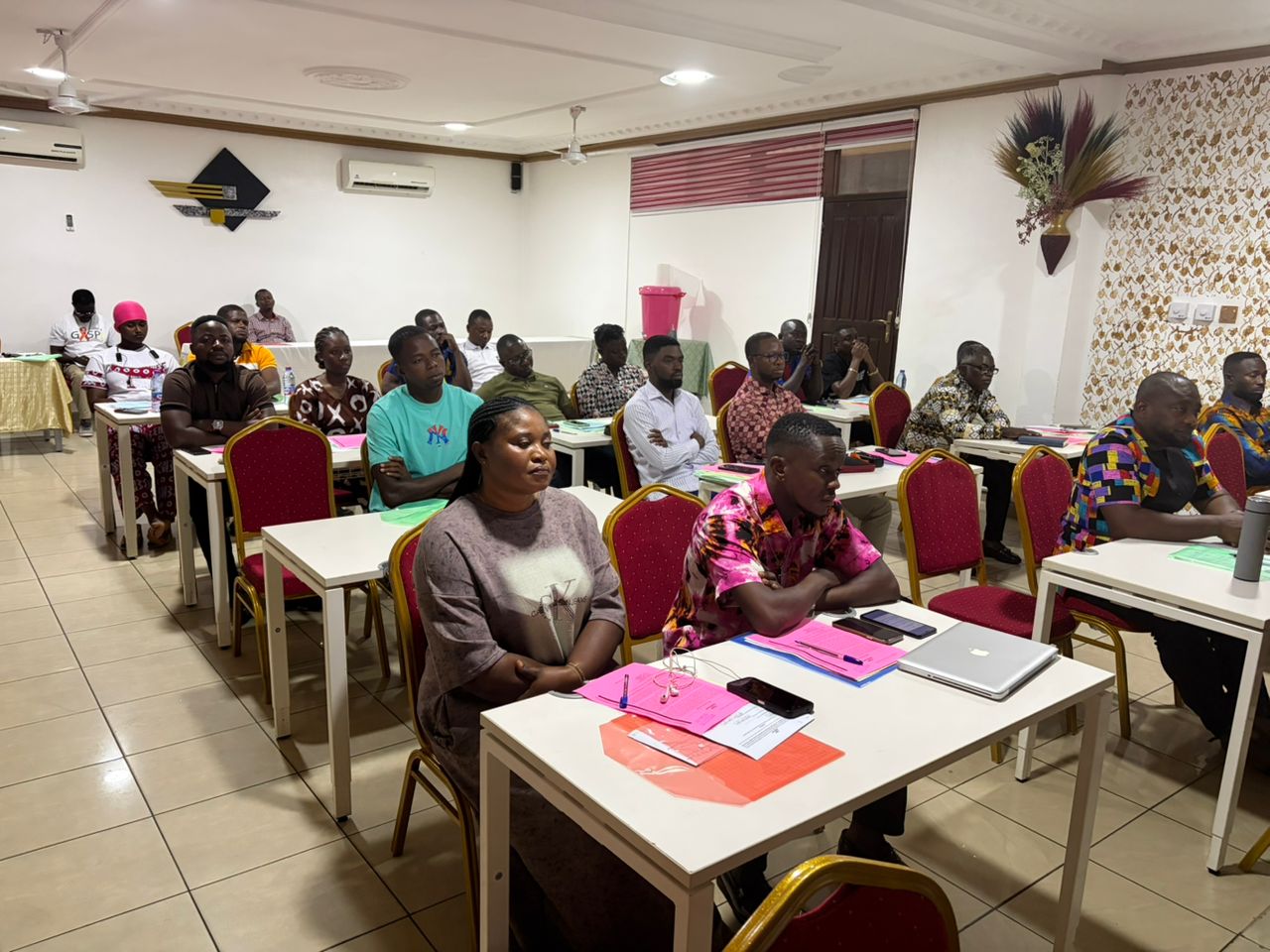
The World Health Organization (WHO), together with the Association for Suicide Prevention Ghana (GASP), organised regional workshops to strengthen the capacity of media professionals in reporting responsibly and ethically on suicide and mental health issues.
Belgium’s Support Boosts Health Sector Coordination in Uganda
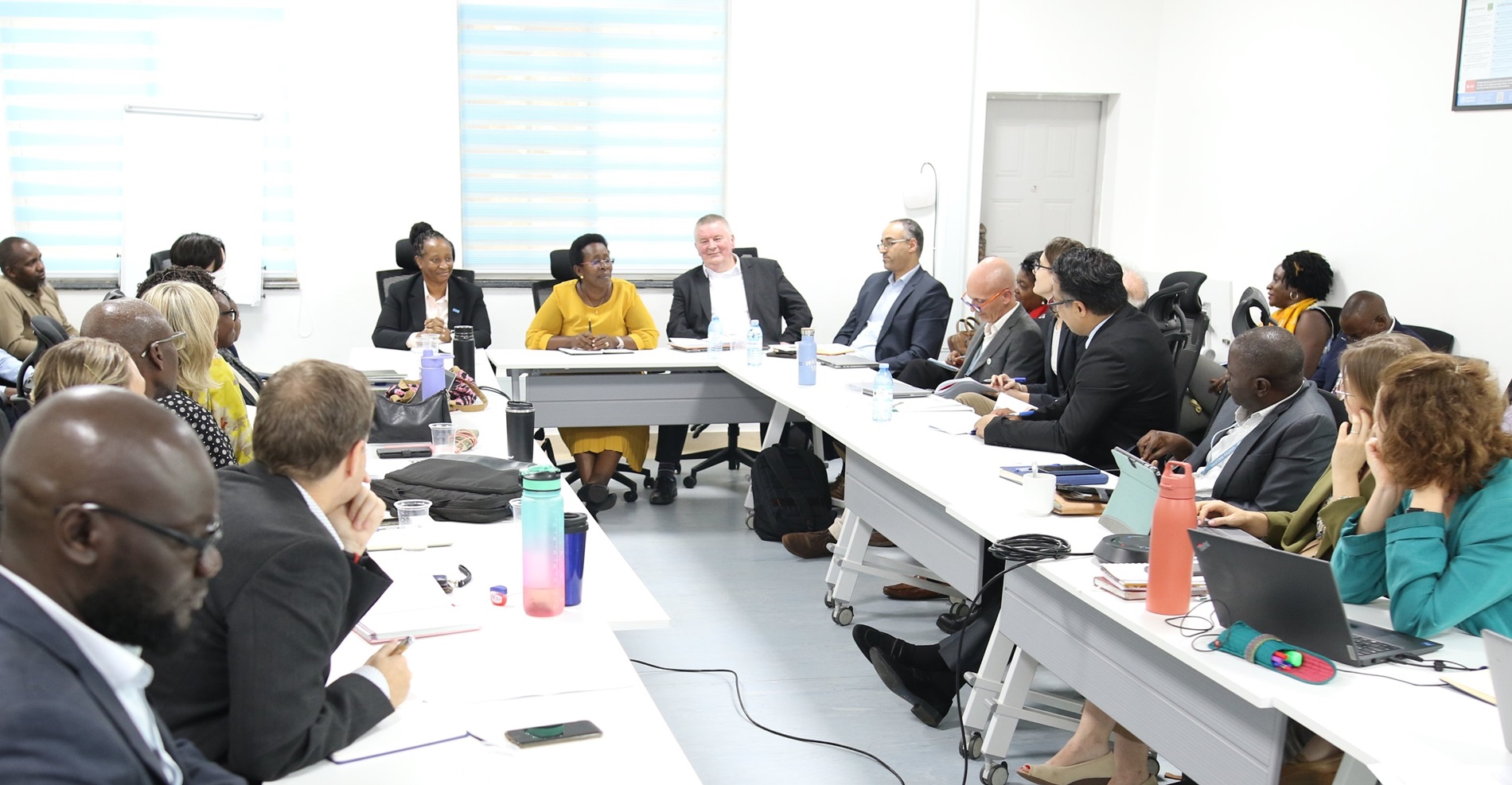
Kampala: The World Health Organisation (WHO) Uganda, with financial support from the Embassy of Belgium in Uganda, has significantly strengthened partner coordination, policy dialogue, and collective action across Uganda’s health sector throughout 2025. Belgium’s contribution enabled the WHO to convene and mobilise a wide range of health partners around national priorities, reinforcing coherence and alignment in the sector.
From outbreak to readiness: High-level visit highlights stronger health security in Kagera
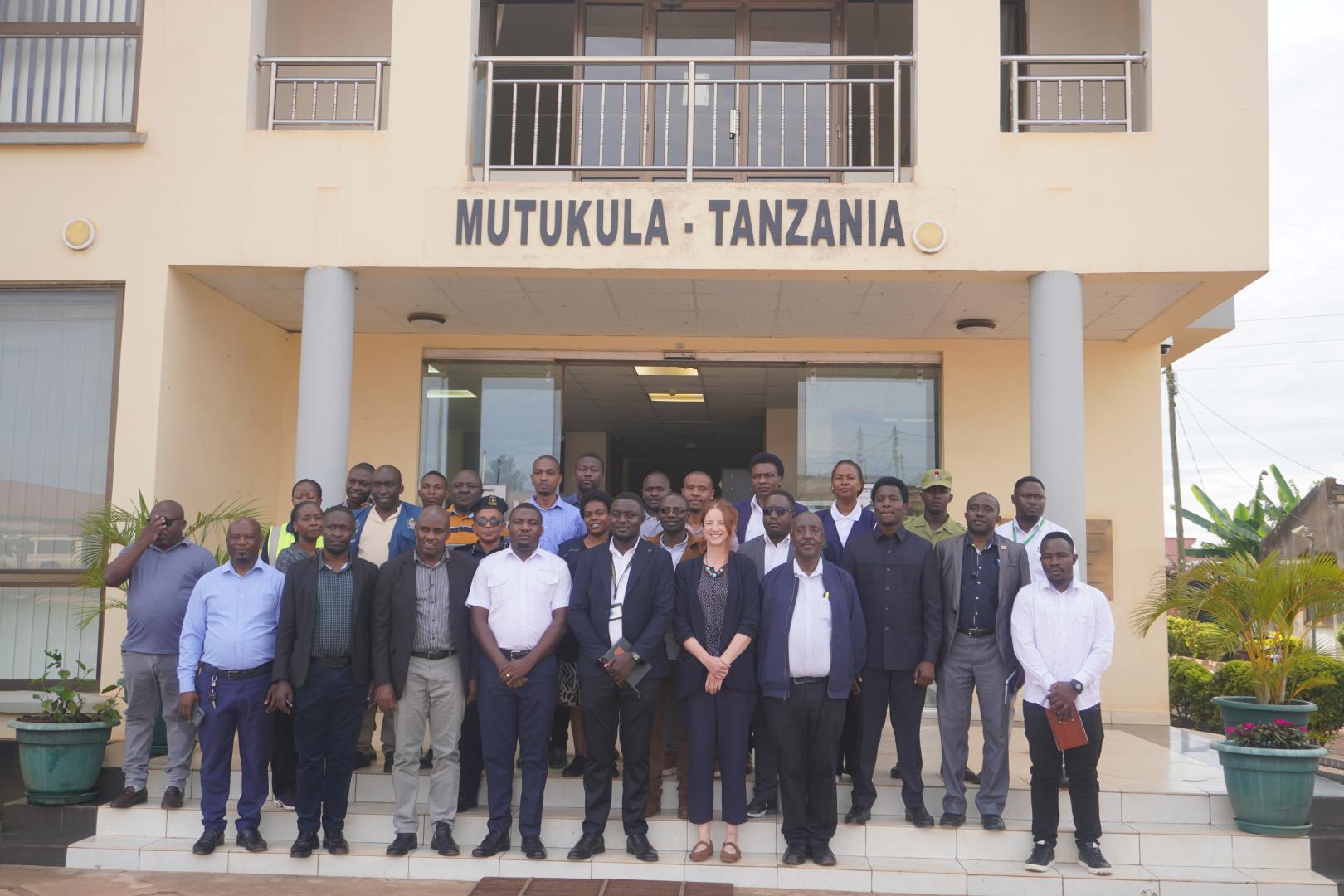
Kagera — During a recent high-level visit to Kagera Region, senior representatives from the Government of Tanzania, the United Kingdom's Foreign, Commonwealth & Development Office (FCDO), and the World Health Organization (WHO) came together to see firsthand how FCDO-funded investments made during the 2025 Marburg Virus Disease (MVD) outbreak have laid the groundwork for lasting health security.
Guinea-Bissau’s health system receives mobile units, equipment and medical supplies
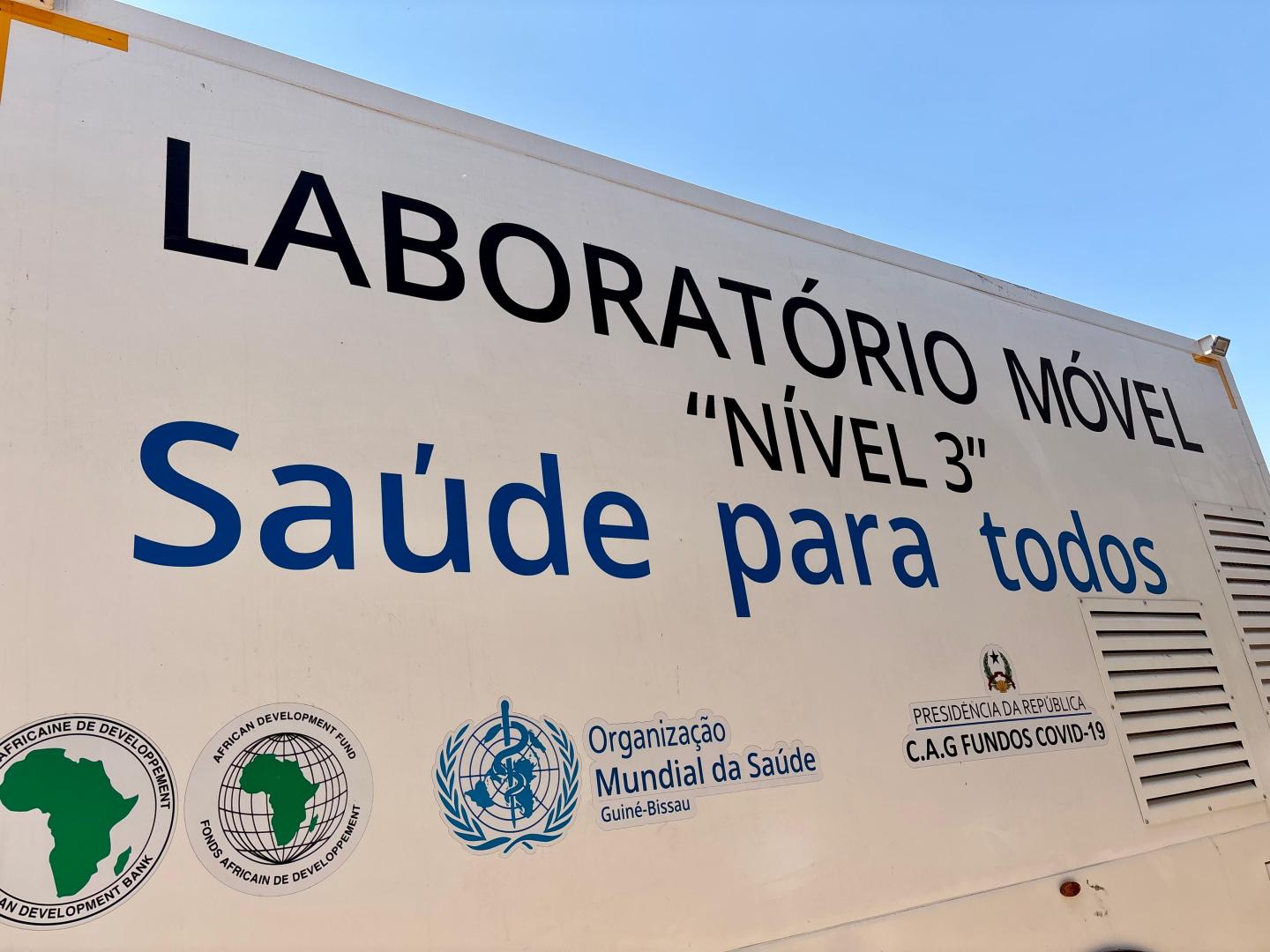
Bissau—The World Health Organization (WHO) has made a major donation of medical supplies, biomedical equipment and mobile units to the Ministry of Public Health of Guinea-Bissau, in support of efforts to strengthen the national health system and advance towards universal health coverage.
Nigeria adopts national policy to strengthen cosmetics safety
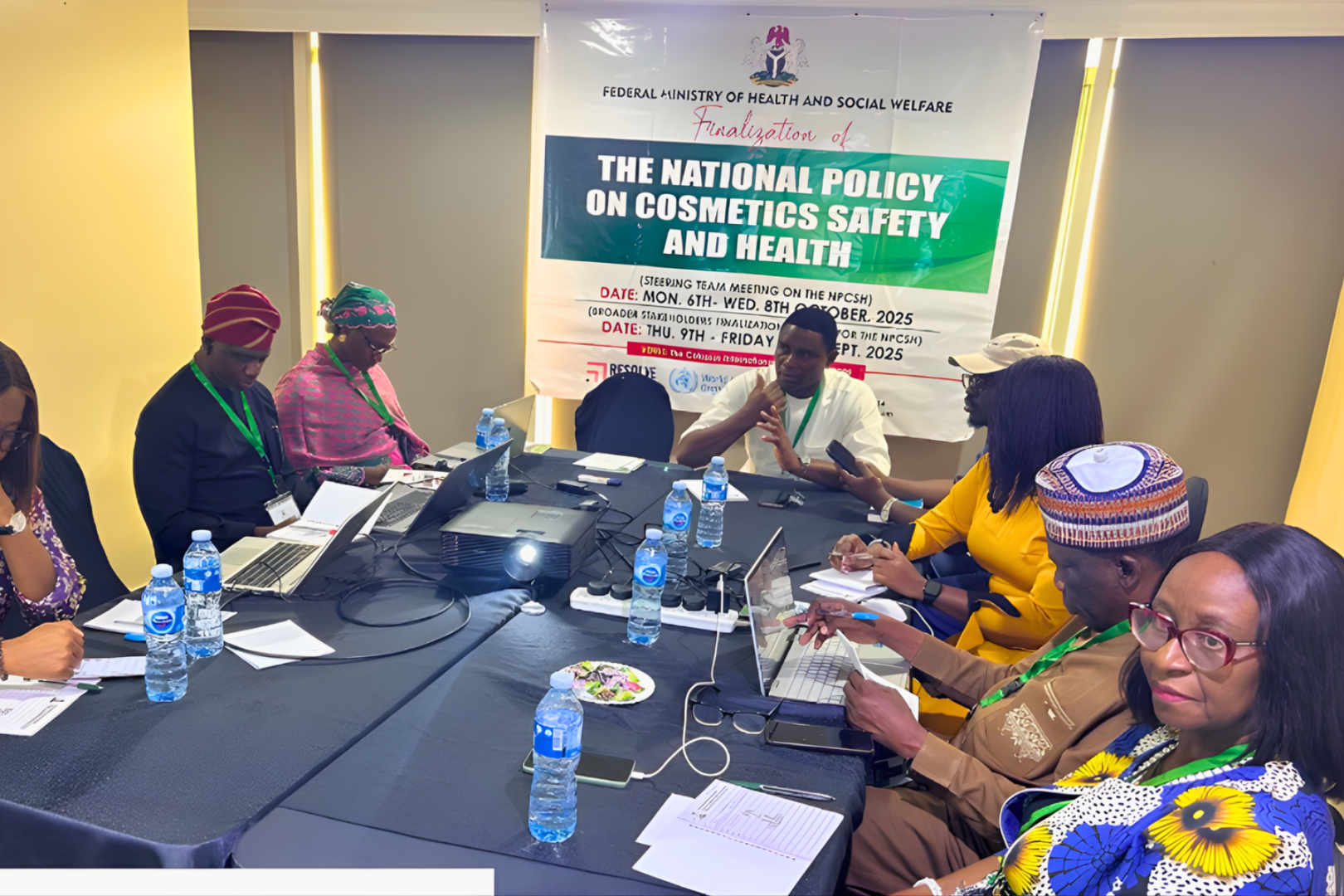
Abuja – Nigeria has approved its first national policy on cosmetics safety and health after nearly two decades of stalled attempts. The policy was launched at the Sixty sixth National Council on Health in Calabar. It establishes a clear system to regulate how cosmetic products are manufactured, imported, sold, used and disposed of.
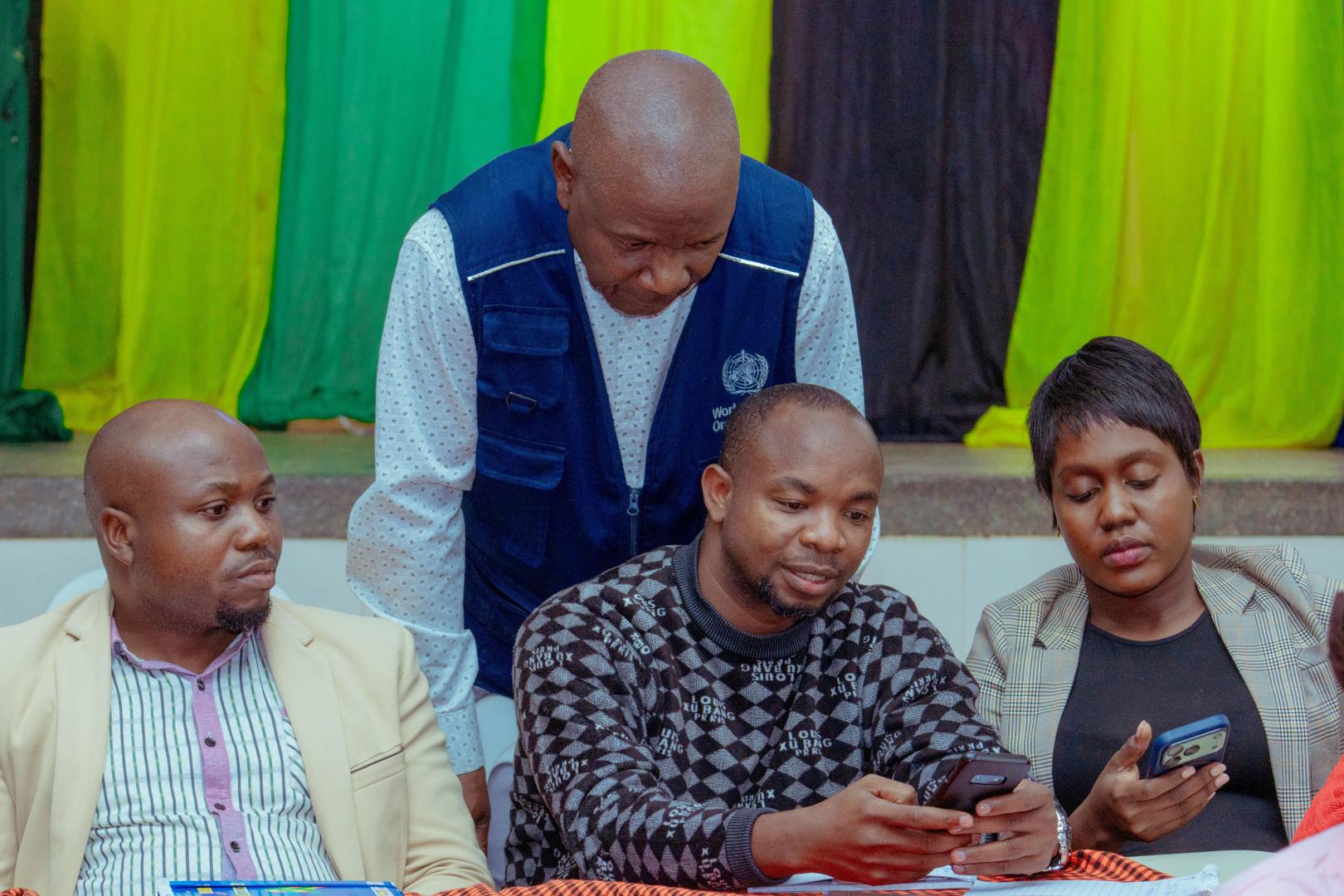
Strengthening surveillance to prevent hospital-acquired infections in Tanzania
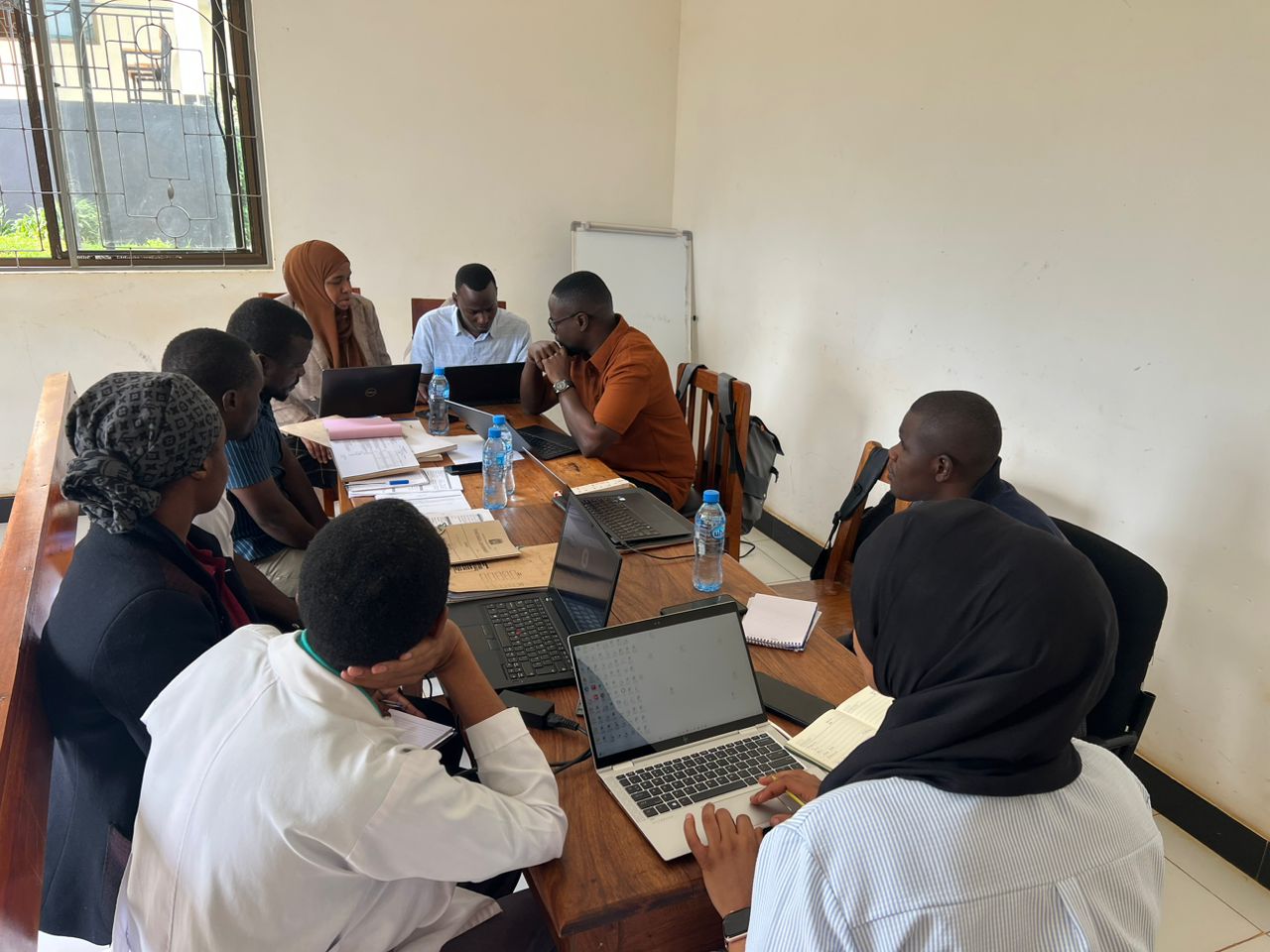
As part of International Health Regulations (IHR 2005) core capacities, the Ministry of Health Tanzania is intensifying efforts to strengthen infection prevention and control (IPC) through the nationwide implementation of Healthcare Associated Infections (HAIs) surveillance in health facilities.
Angola strengthens health security with advances in compliance with International Health Regulations
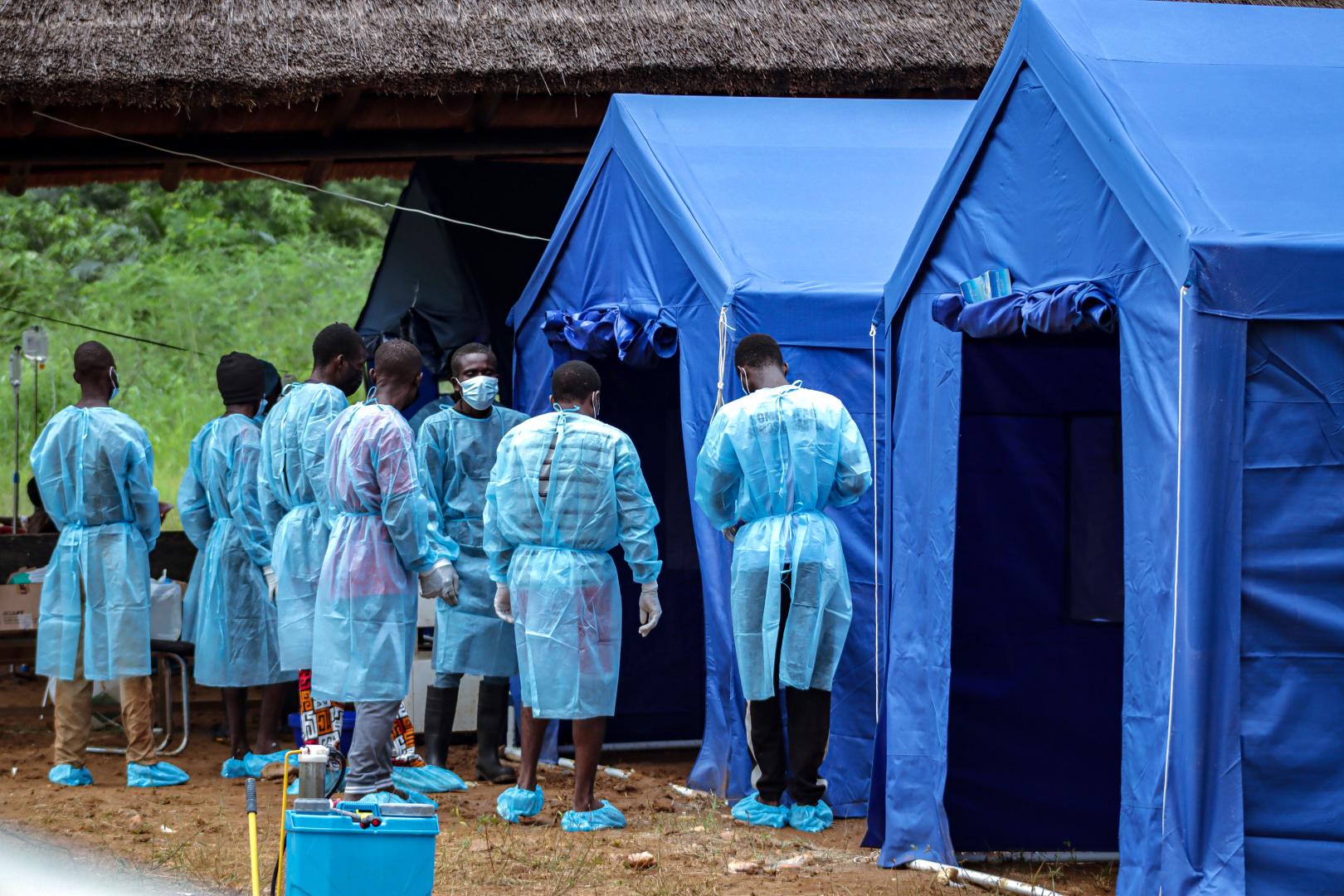
Angola has taken a decisive step towards strengthening national health security by completing the 2025 State Party Annual Report (SPAR), a central instrument of the International Health Regulations (IHR 2005). With this assessment, the country has consolidated the progress made in epidemiological surveillance, emergency preparedness and multisectoral coordination, as well as identifying challenges and priorities for strengthening the response to future threats to public health.
Kenya moves toward establishing Africa’s second military emergency medical team
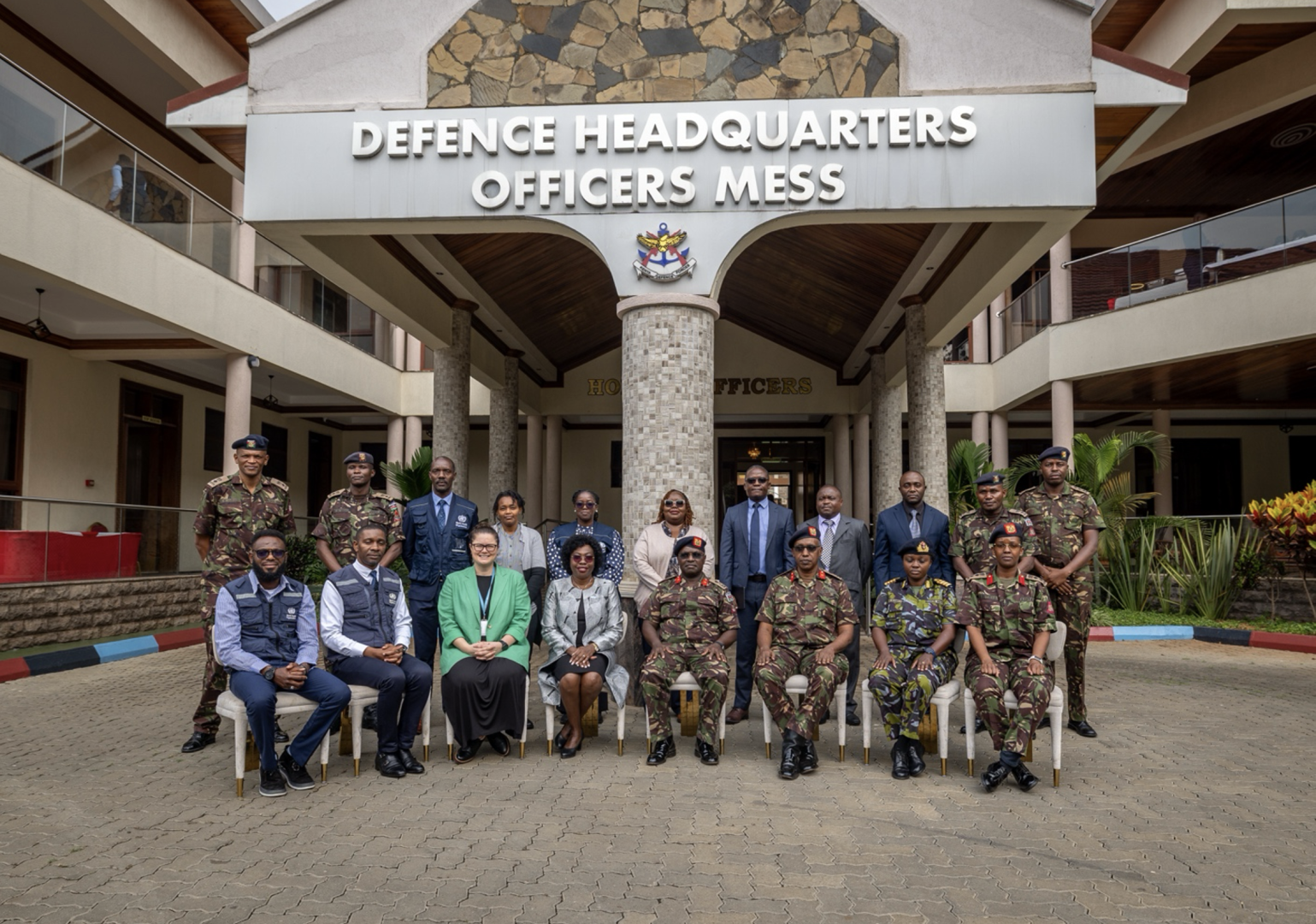
Nairobi - Kenya is taking a significant step toward strengthening its emergency response capacity, becoming the second country in Africa to develop a military emergency medical team.
The Kenya Defence Forces, the Ministry of Health, and the World Health Organization held a two-day Governance Orientation Workshop this week to advance the development of the country's first Type 2 emergency medical team, a specialised unit capable of providing advanced medical care in the aftermath of disasters and disease outbreaks.
Strengthening Tanzania’s Frontline: Standardized Surveillance Training to Build a Resilient Health Workforce
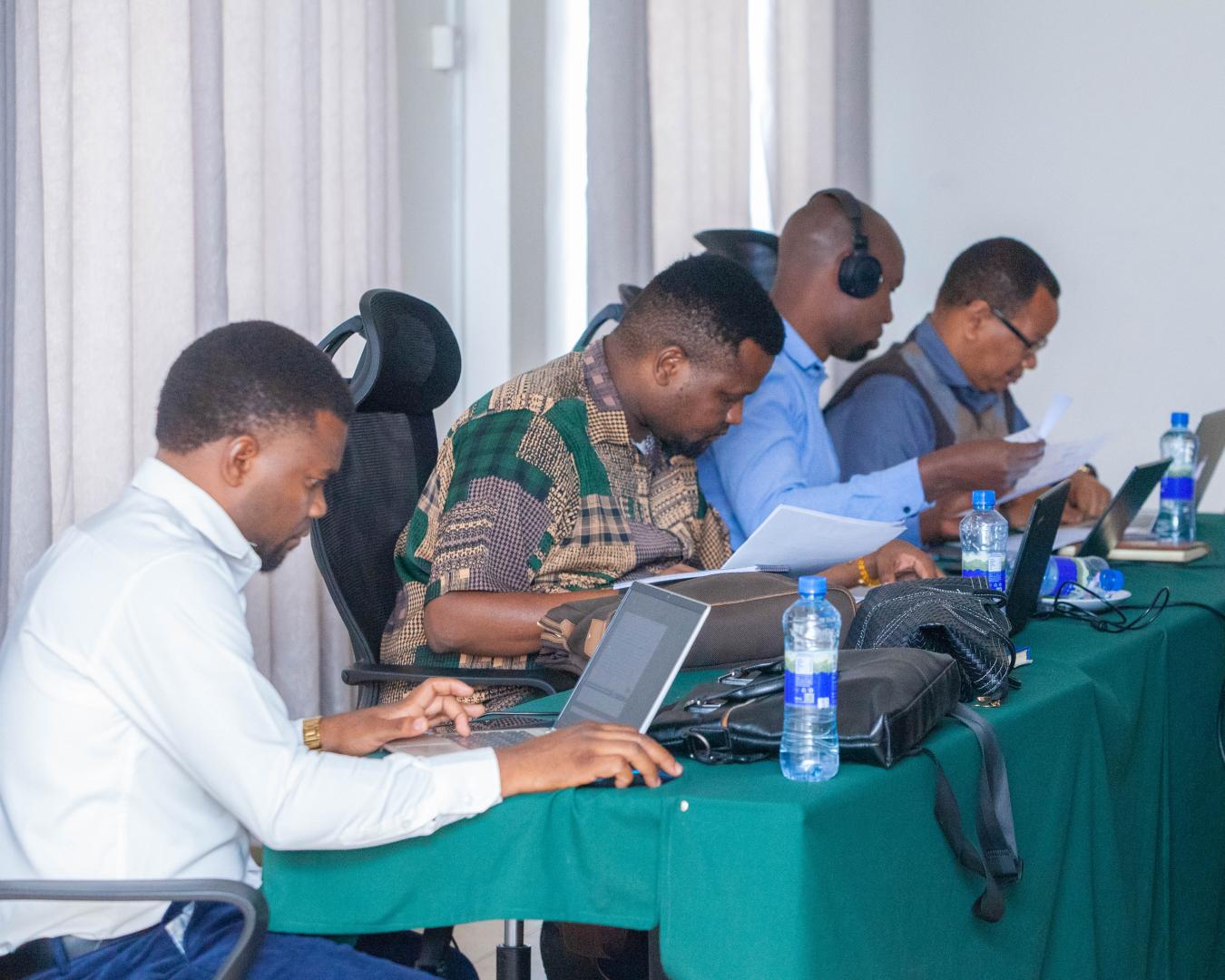
Morogoro – Tanzania is taking a decisive step to strengthen its frontline health workforce by introducing a Standardized Integrated Disease Surveillance and Response (IDSR) Content Addendum for preservice training programs. This initiative will ensure that every graduate in Health and Allied Sciences and Community Health Worker (CHW) programs enters the workforce equipped with essential skills in case detection, reporting, data analysis, outbreak investigation, emergency preparedness, and risk communication.