
The Team Type 1 Foundation and Abbott partner to donate glucose meters and nearly 12 million test strips to help people living with diabetes in Rwanda

Kigali, Rwanda - January 16, 2020 - Resulting from a good partnership with the Ministry of Health, Abbott through the Team Type 1 Foundation has donated glucose meters and close to 12 million test strips to advance disease management for people diagnosed with Type 1 diabetes in Rwanda for the next four years.
Glucose meters and test strips are important tools to help people manage their diabetes however, some living with Type 1 diabetes are unable to afford
Press Statement on Yellow Fever in Moyo and Buliisa districts in Uganda

Kampala, 27 Januarry 2020:- The Ministry of Health would like to inform the public of the confirmation of an outbreak of Yellow Fever in Moyo District in West Nile region and Buliisa District in Hoima region.
In Moyo District, there are two confirmed cases, both are males aged 18 and 21 years. The two cases were dealing in cutting and trading timber between Uganda and South Sudan. On 2 January 2020, the two cases travelled from South Sudan to Moyo.
Rwanda Public Notice on Novel Coronavirus

The Ministry of Health requests the general public and especially travelers to take special preventive measures following the Novel Coronavirus outbreak confirmed by World Health Organization(WHO) which was reported in China, Thailand, Japan, the Republic of South Korea, USA, France and Australia as of 26th January 2020. The total number of Coronavirus confirmed cases have reached about 1300 to date including 41 deaths. All reported deaths have been in Wuhan, China.
Polio –Free Certification - The Africa Regional Certification Commission starts a verification exercise in South Sudan
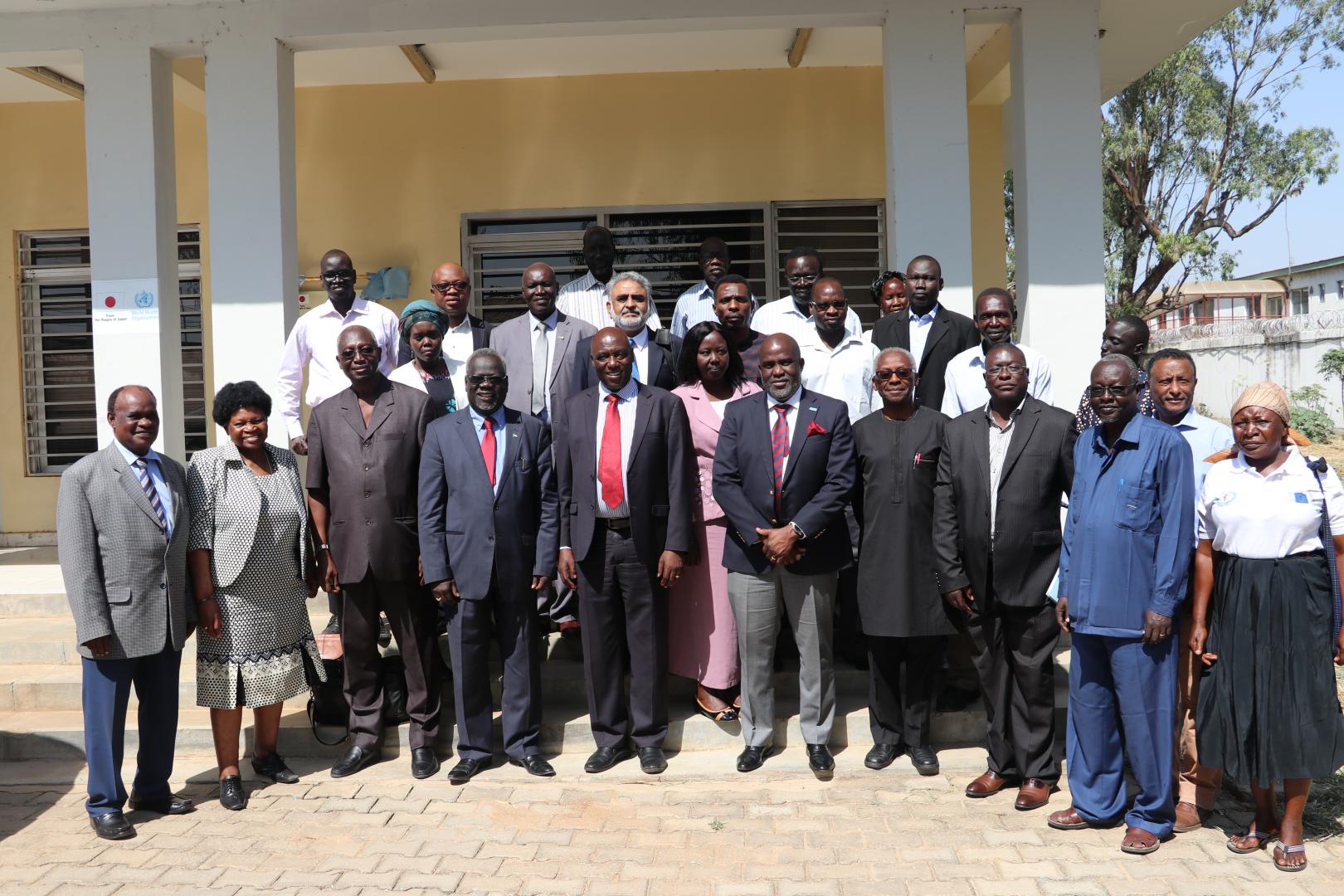
Juba, 23 January 2020 – A delegation of the Africa Regional Certification Commission (ARCC) for poliomyelitis eradication starts a two-week visit to South Sudan to verify the accuracy and extensiveness of the complete national documentation for polio-free status prepared by the Republic of South Sudan.
During the visit, the ARCC delegation will thoroughly review the complete national documentation prepared by South Sudan.
Angola honours WHO Representative at end of mission

Luanda, 22 January 2020 - In a ceremony held in the capital Luanda under the leadership of the Minister of Health, Silvia Lutucuta, members of Government and health sector partners paid tribute to Dr. Hernando Agudelo, World Health Organization’s (WHO)s outgoing representative in Angola.
For seven years as WHO country representative, Hernando Agudelo successfully led programmes to support the Government of this country to strengthen universal access to health as well as response to outbreaks notably cholera, yellow fever, polio and measles.
The German Government expresses satisfaction with Nigeria’s efforts in polio Eradication

Abuja 20 January, 2020 - Having achieved the milestone of reaching three years without a reporting of case of wild poliovirus, The German Government represented by members of its Parliament expressed satisfaction with the progress in Polio Eradication in Nigeria.
The German Government has been a long term supporter of the Polio Eradication Program in Nigeria; it has provided tremendous and longstanding financial support over the years with grants to fill critical funding gaps for vaccines and campaign operations across the Country.
The Ibadan National Poliovirus Laboratory – A symbolic icon in Nigeria’s war against polio

Abuja, 9 January, 2020 - Standing at two stories tall and strategically tucked away in a silent corner of the University College Hospital, Ibadan The National oliovirus laboratory can be described as a symbolic icon in Nigeria’s fight against polio.
Ministry of Health Lauds Partners for Support during Ebola Preparedness Response in Uganda
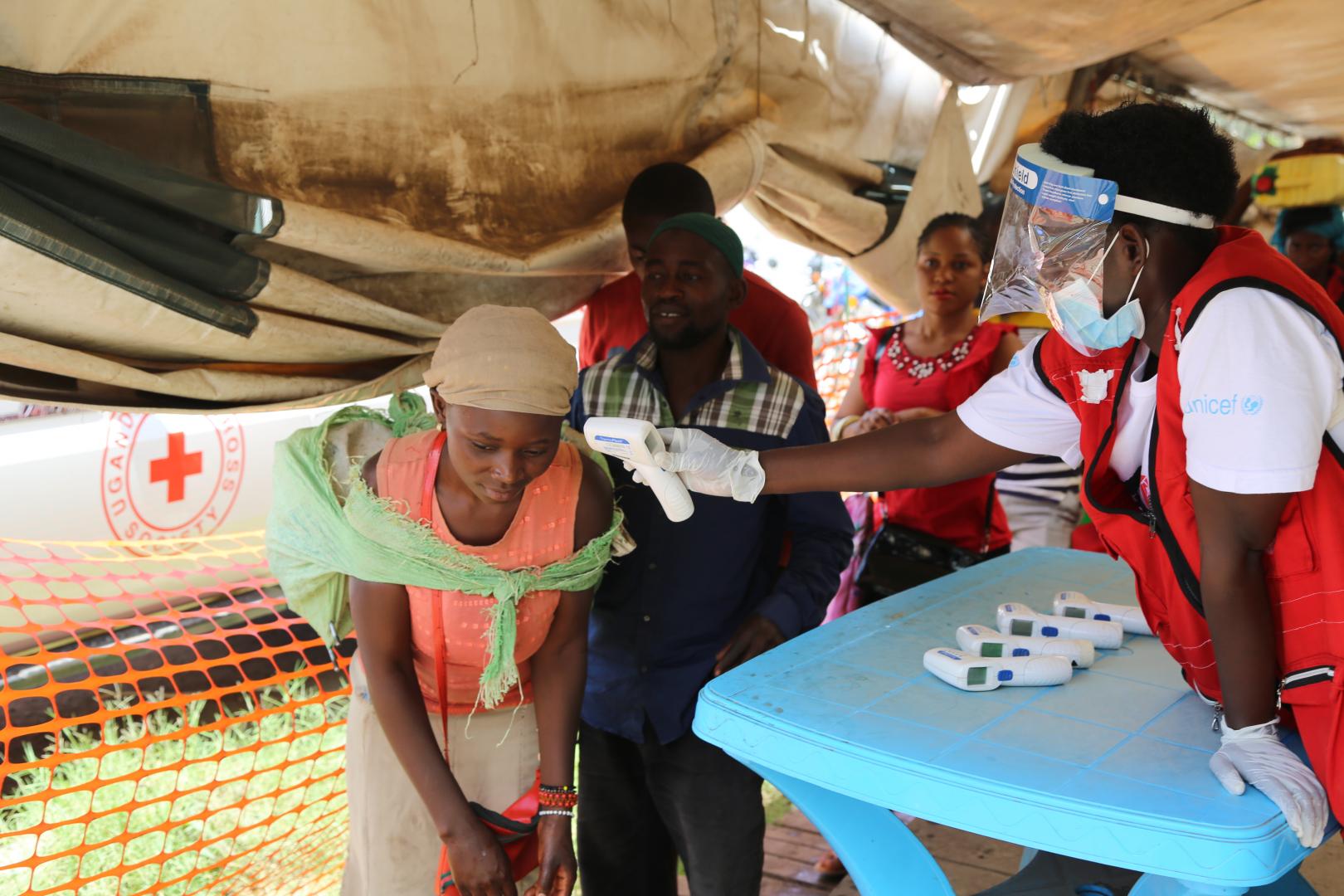
Kampala 6 January 2020: - The Minister of Health, Dr Jane Ruth Aceng lauded partnership and coordination as the key drivers for the Ebola Virus Disease (EVD) preparedness response in Uganda.
Count down Polio eradication –ARCC concludes verification of documentation in Southern Nigeria.

Abuja, 27 December 2019 - In the final lap of certifying Nigeria, a polio-free country, the African Regional Certification Commission (ARCC) for the eradication of poliomyelitis gave a vote of confidence that Southern Nigeria is on the right path to being polio free.
Building Consensus on the National Laboratory Policy
