Malawi Strengthens Measles Response Through an After-Action Review
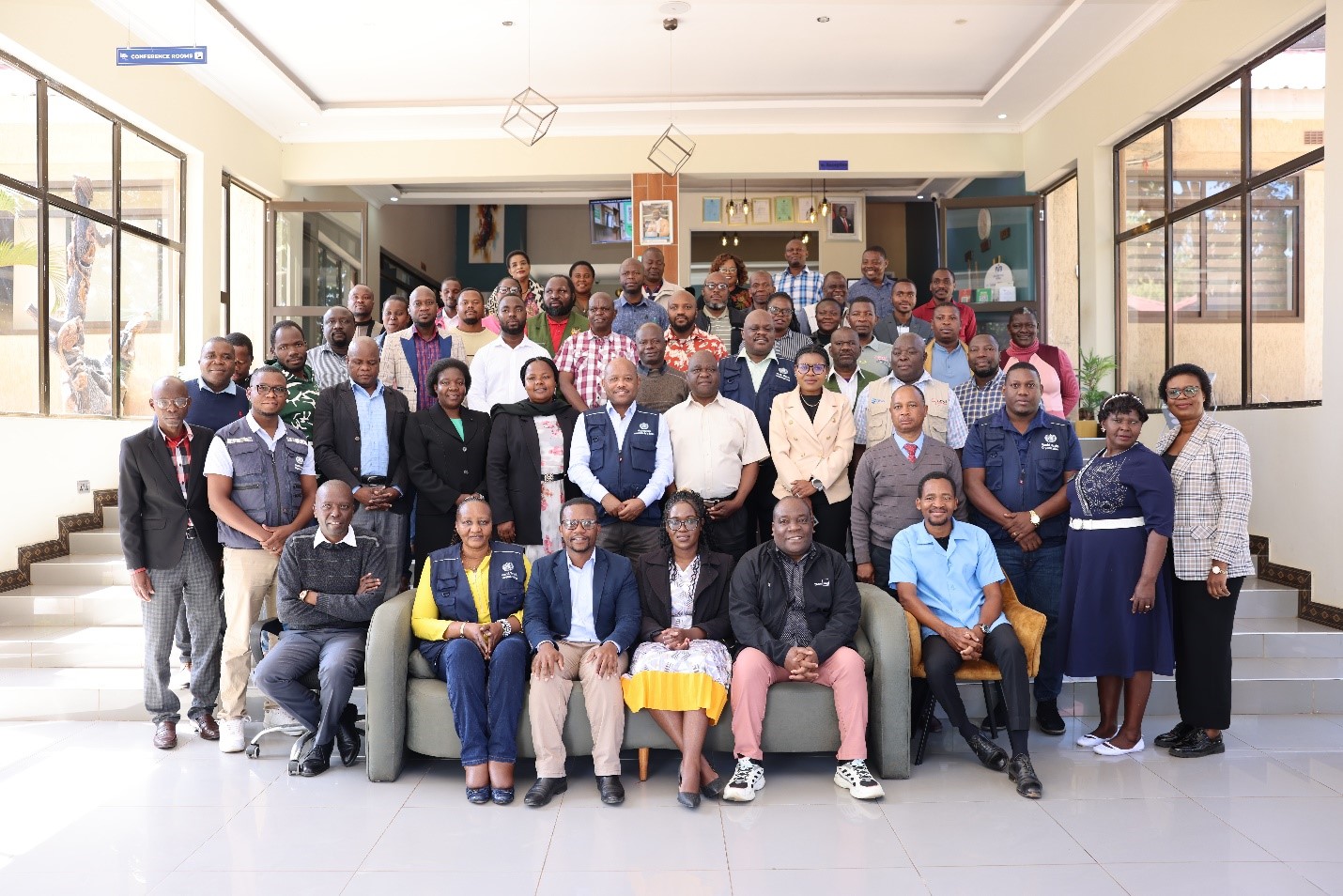
Malawi hosted a Measles-Rubella Vaccination After-Action Review (AAR) workshop in Salima, convening national and district health officials, the World Health Organization and other key stakeholders to reflect on the country's response to the recent measles outbreak and map a way forward.
WHO donation strengthens Sierra Leone’s health system with essential supplies and equipment
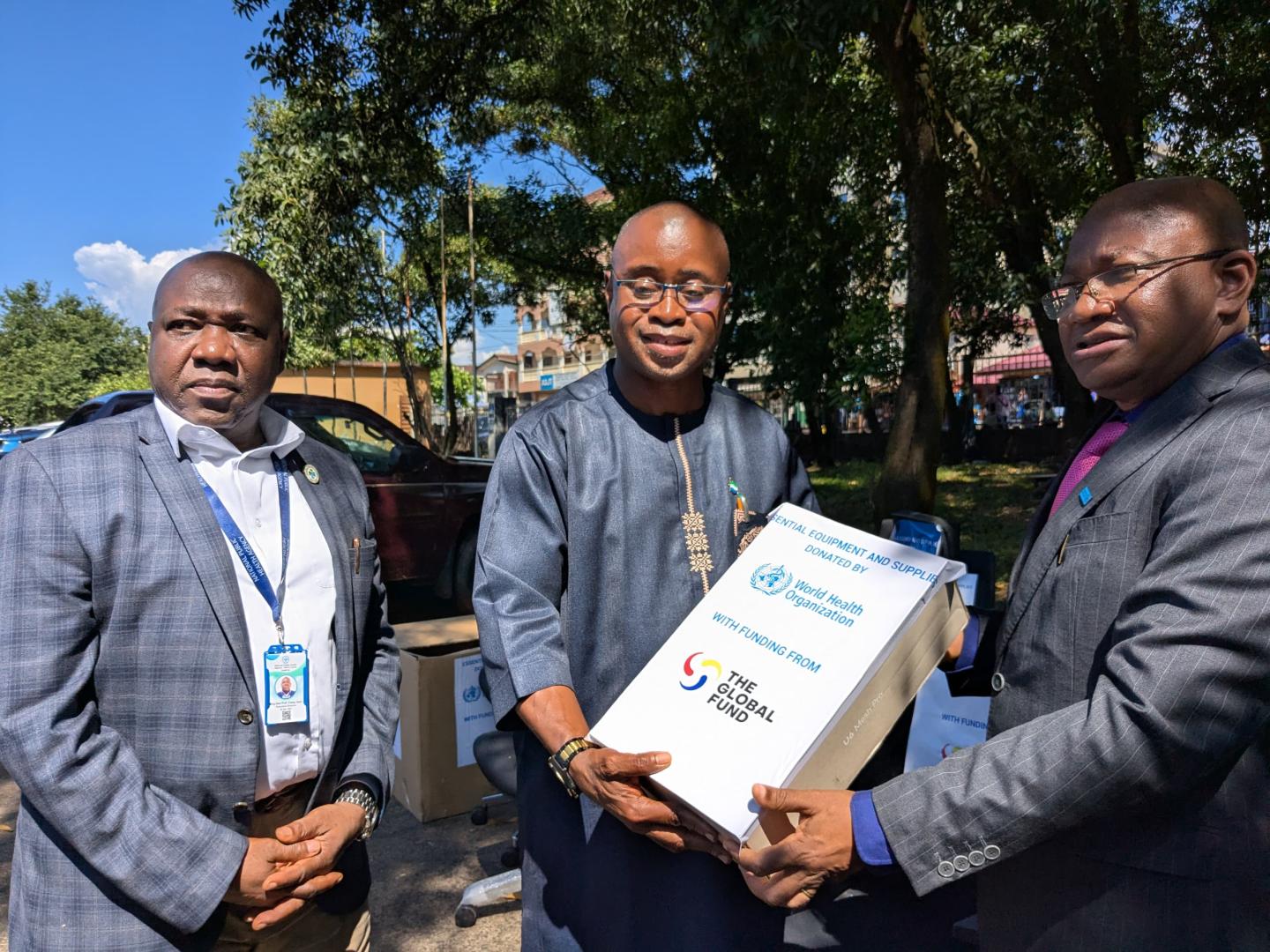
Freetown, 1 October 2025 – Health workers across Sierra Leone will now be better equipped to detect, monitor, and respond to health threats thanks to a major donation from the World Health Organization (WHO). Supplies and equipment worth USD 456,483.20 were handed over to the Ministry of Health (MoH) and the National Public Health Agency (NPHA) to strengthen disease surveillance, antimicrobial resistance tracking, and emergency preparedness.
Ethiopia achieves major milestone in medicines regulation reaching WHO Maturity Level 3
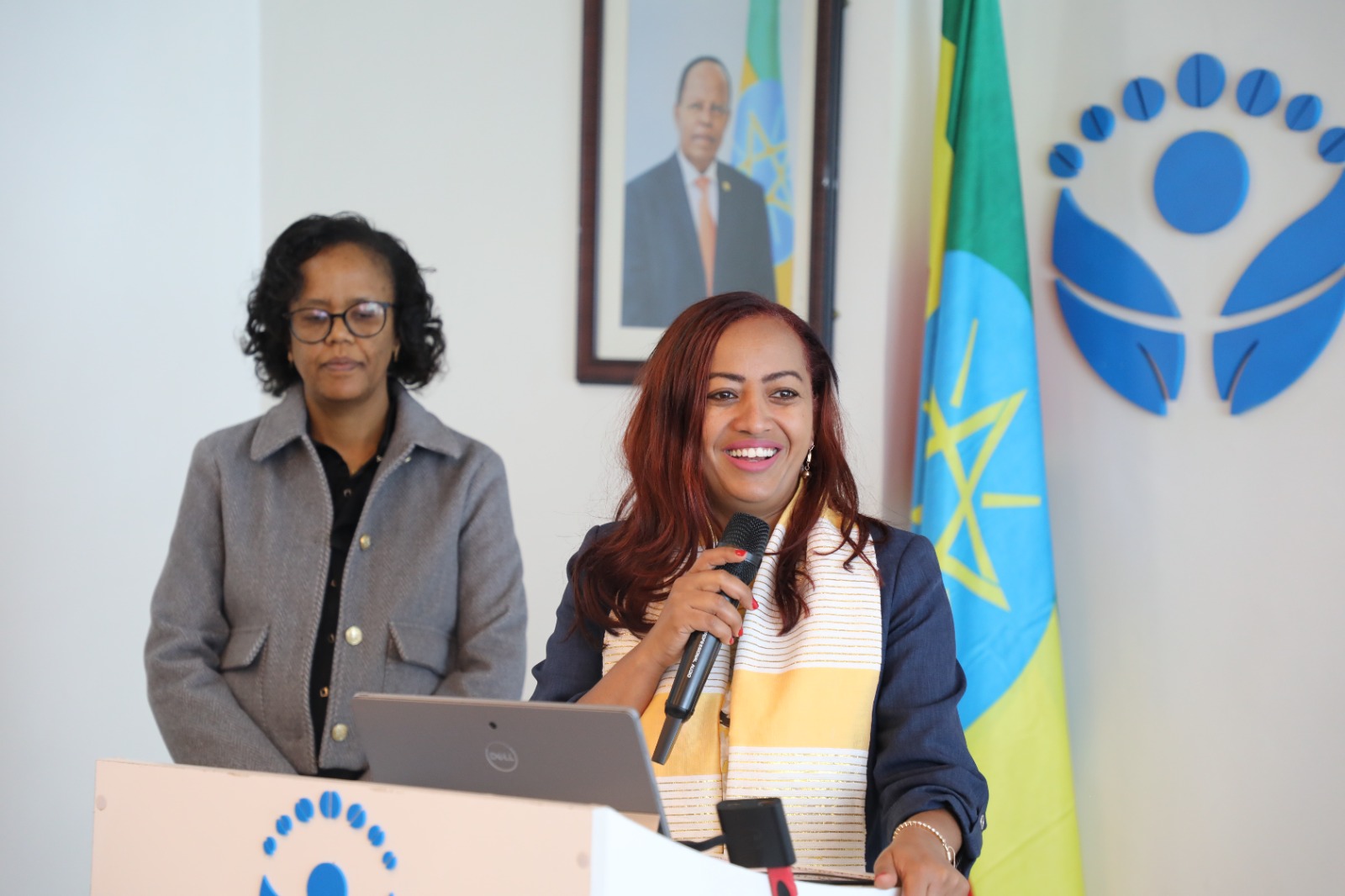
Ethiopia has been formally recognized by the World Health Organization (WHO) for achieving Maturity Level 3 (M
WHO Donates Emergency Medical Supplies to Support Health Services in Conflict-Affected Savannah Region
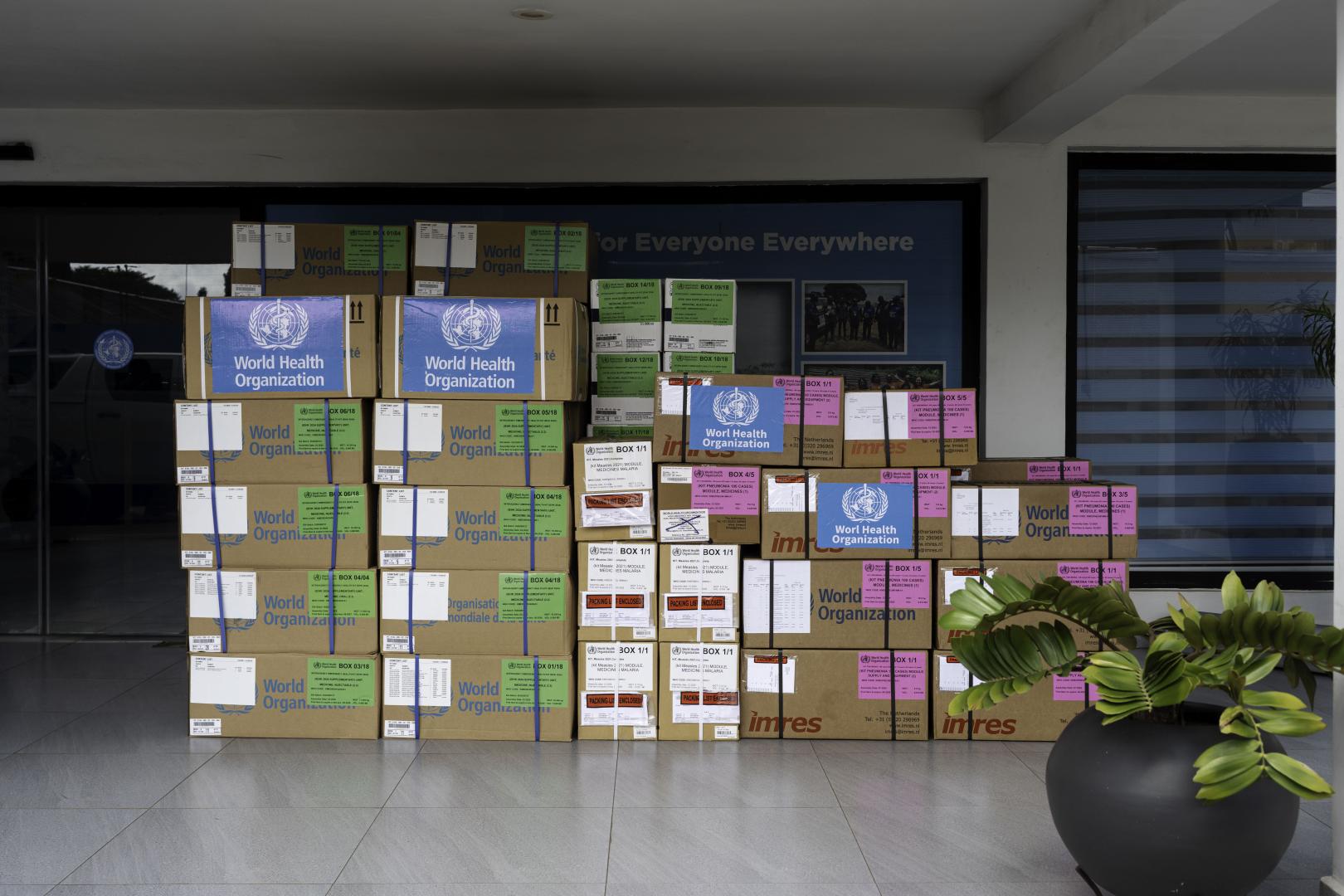
The recent inter-ethnic conflict in Ghana’s Savannah Region left families displaced, homes destroyed, and public services stretched to the limit. Among the hardest hit are the districts of Sawla-Tuna-Kalba and Bole, where the surge in injuries, trauma, and displacement has put an extraordinary strain on local health facilities. Clinics and hospitals, already operating with limited resources, are now struggling to cope with the sudden increase in demand for essential medicines, basic supplies, and emergency care.
Health Workers at the Forefront of Ghana’s HPV Vaccination Campaign
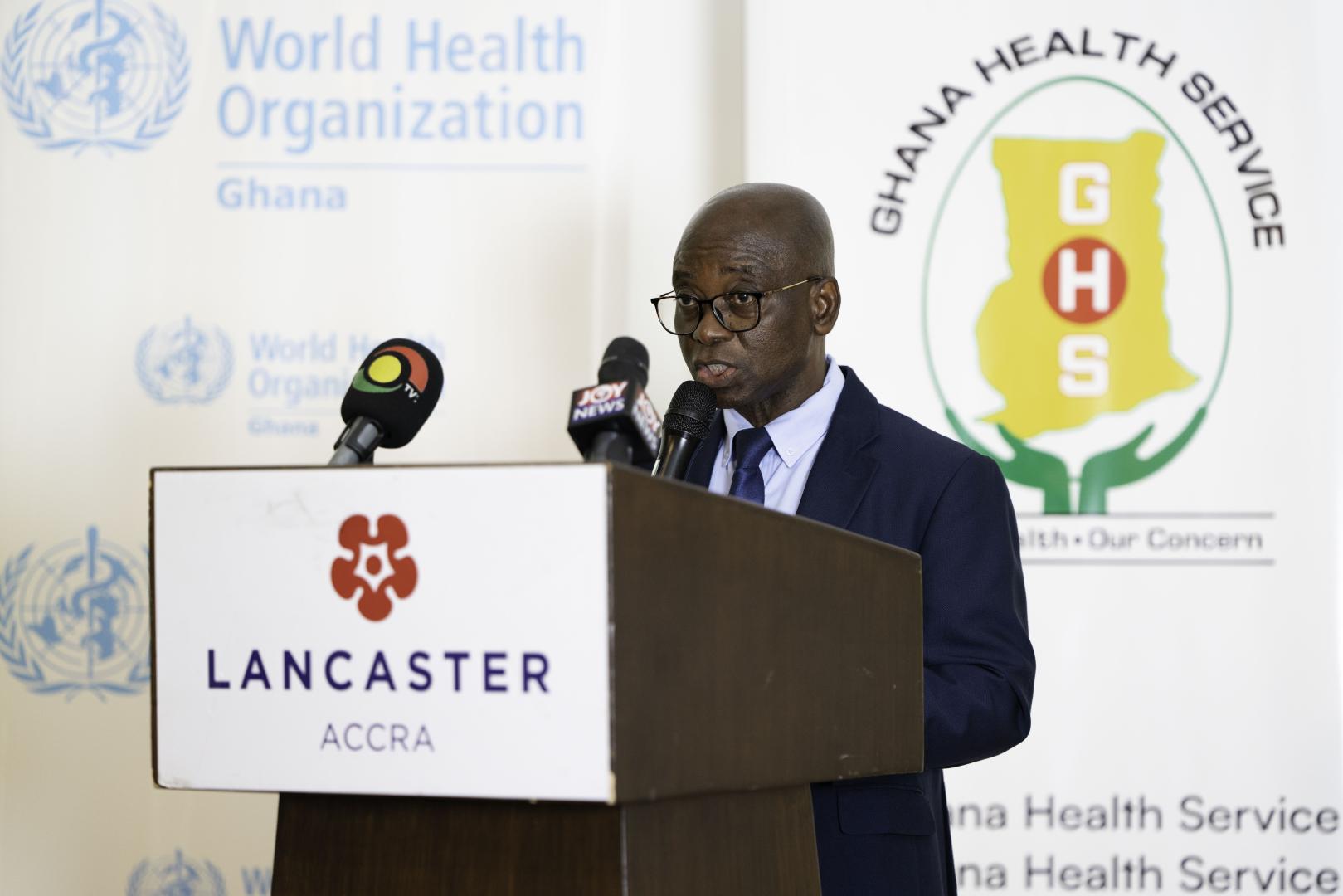
As Ghana prepares to introduce the Human Papillomavirus (HPV) vaccine into its routine immunization programme, health workers remain at the center of efforts to ensure that every eligible child is reached and protected.
WHO supports Angola in strengthening the regulation of medicines and health technologies
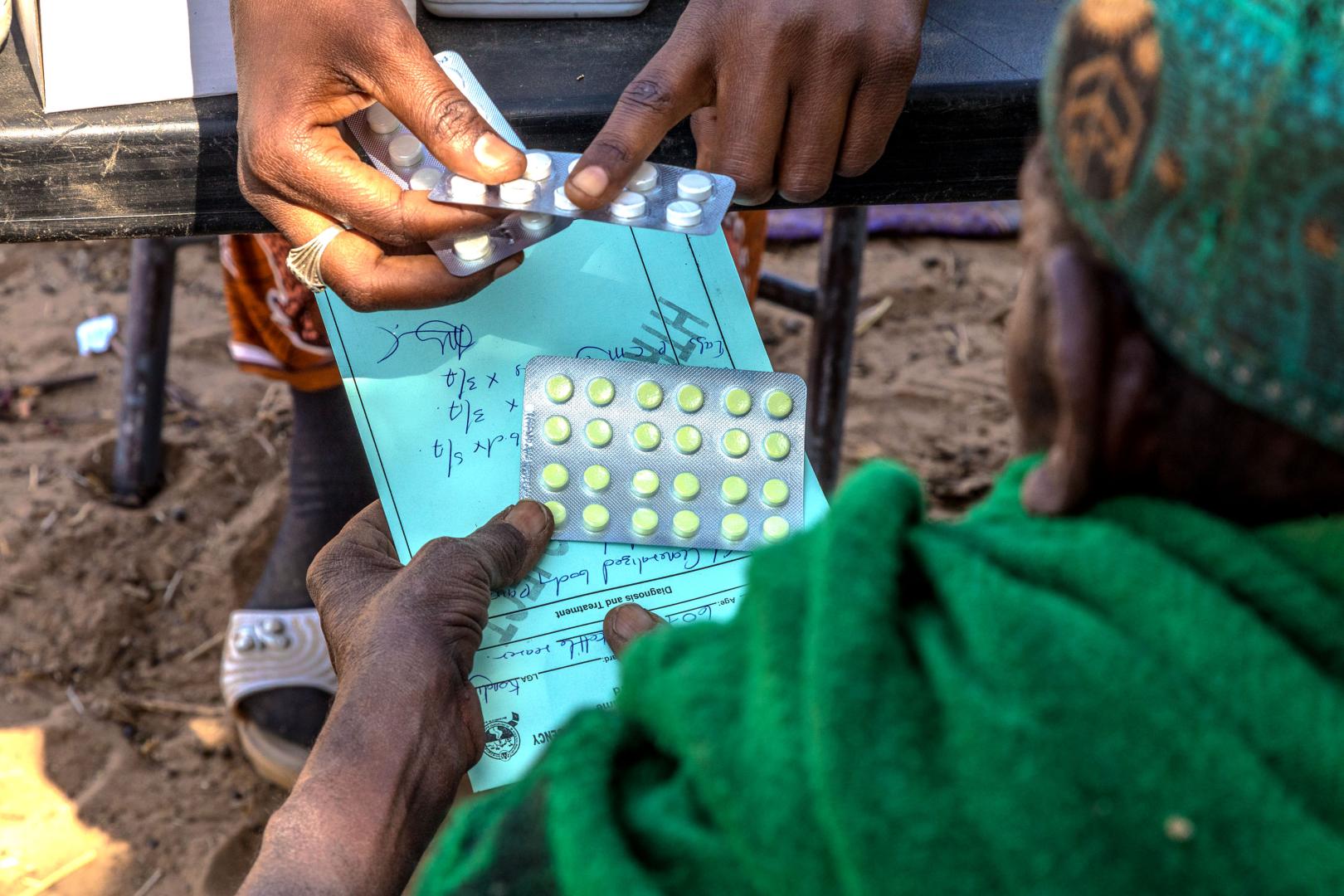
Access to safe, effective, and quality medicines and health technologies is one of the fundamental pillars for ensuring public health and achieving Universal Health Coverage. In Angola, this goal is being achieved through a structured process of institutional strengthening, led by the Regulatory Agency for Medicines and Health Technologies (ARMED) with ongoing technical support from the World Health Organization (WHO), co-financed by the European Union.
Lesotho gears up for Measles-Rubella vaccination campaign
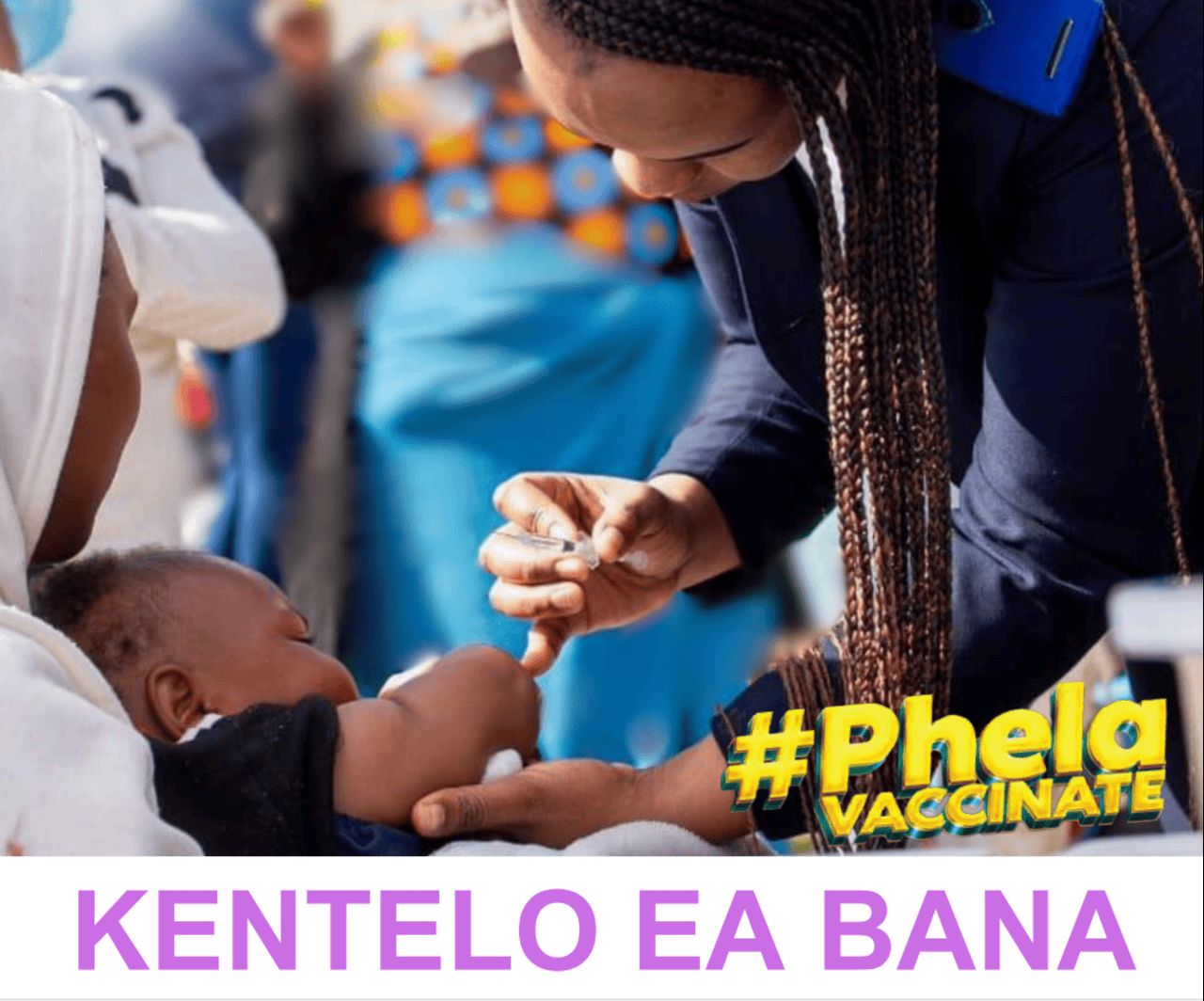
Berea—Preparations for Lesotho’s upcoming Measles-Rubella Supplementary Immunization Activities (MR SIAs) are in full swing, with a key Training of Trainers (TOT) session recently completed in Berea District. The nationwide vaccination campaign will run from 20–24 October 2025, followed by mop-up efforts from 25–27 October in areas with low coverage.
Nigeria intensifies surveillance to sustain progress toward polio eradication
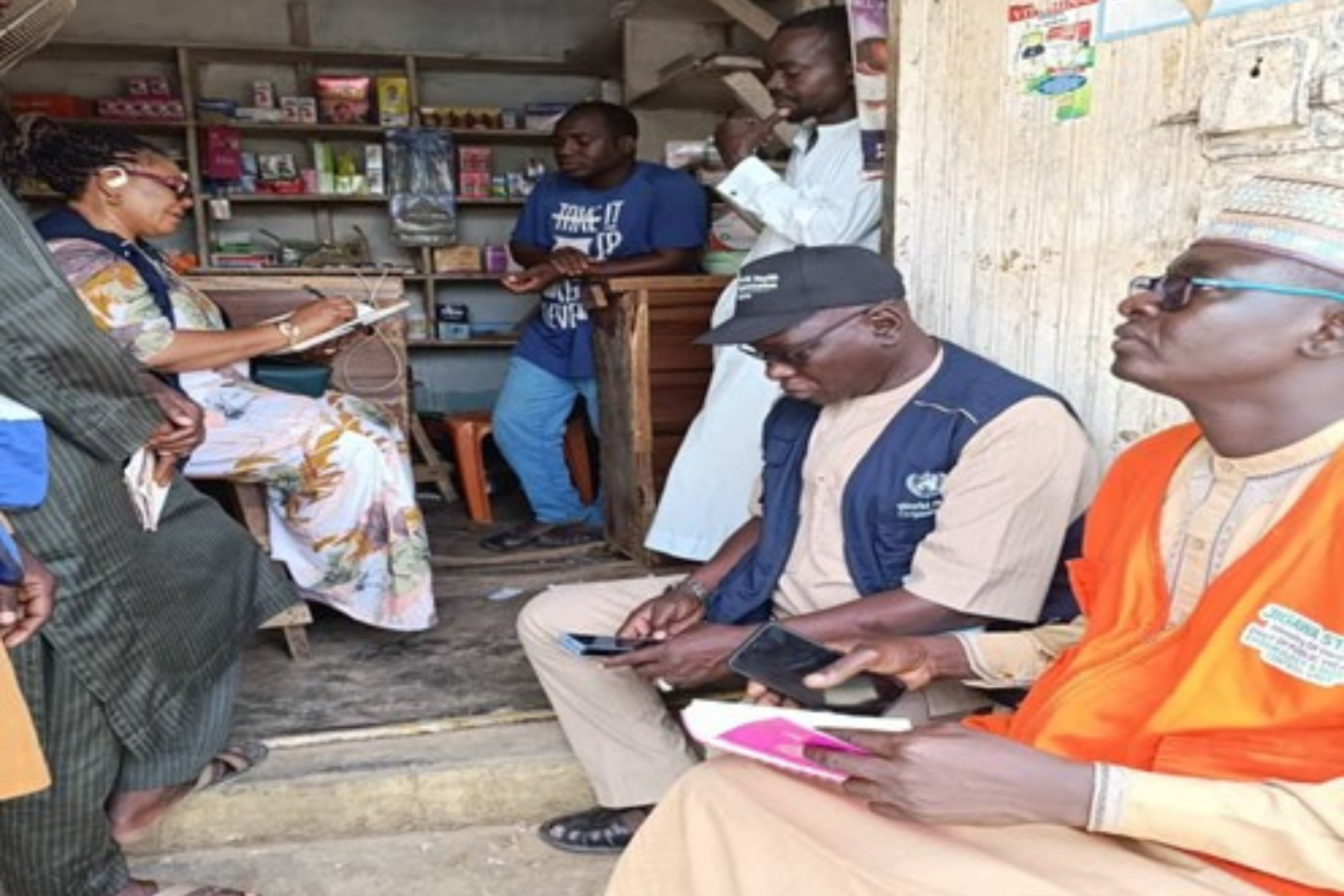
Abuja, Nigeria is intensifying its efforts to end all forms of poliovirus by the end of 2025. With technical support from the World Health Organization (WHO) and partners, the Government, through the National Emergency Operations Center (NEOC), has launched rapid surveillance assessments to enhance the capacity to detect suspected cases as rapidly as possible and guide vaccination responses.
Zamfara State leads cholera vaccination campaign with WHO support
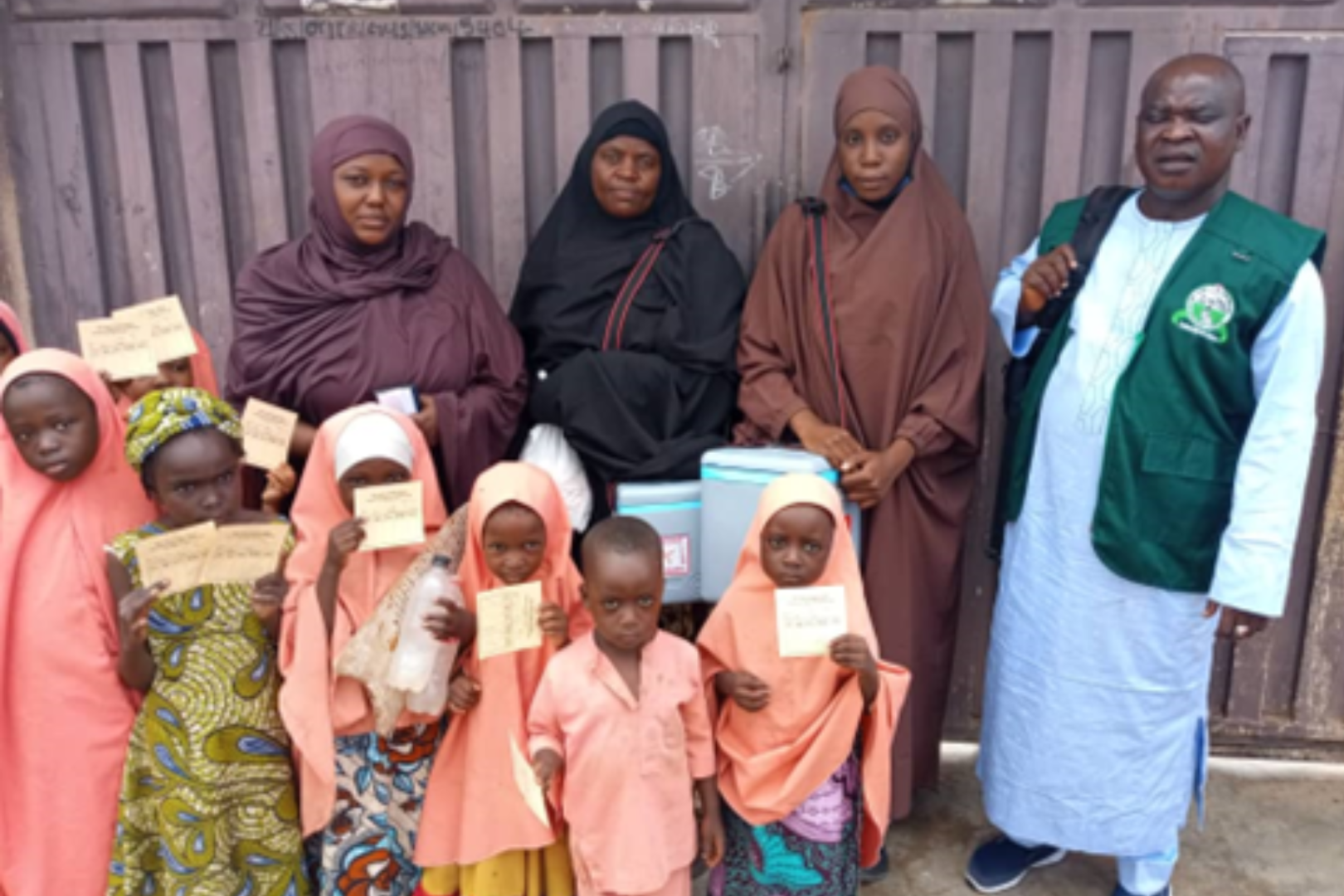
Gusau, To contain the cholera outbreak in Zamfara State, the state government- supported by the National Primary Health Care Development Agency (NPHCDA), World Health Organisation (WHO), UNICEF, and other partners—conducted a reactive oral cholera vaccination (OCV) campaign in six high-burden Local Government Areas (LGAs).
Bridging gender gaps in healthcare to improve men’s access to care
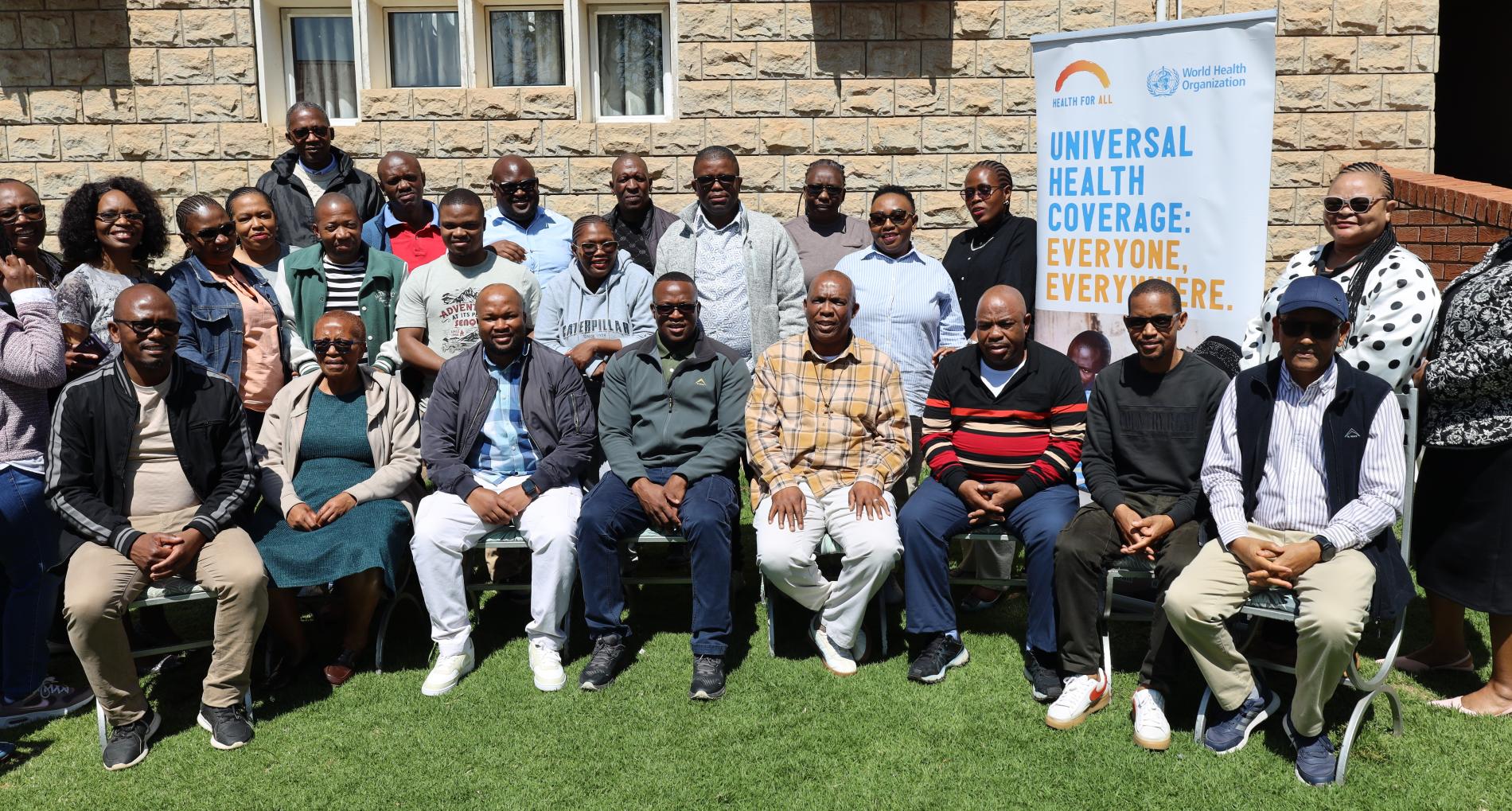
Leribe—In Lesotho, most men face silent struggles regarding their health. They are less likely to seek medical help, get tested for Human Immunodeficiency Virus (HIV), or stay on treatment, often due to stigma, harmful gender norms, and limited access to male-friendly services. These barriers have left men behind in key health outcomes, putting their lives and the well-being of their families at risk.