Ethiopia Marks World Patient Safety Day 2025 with Renewed Commitment to Safer Care for Children
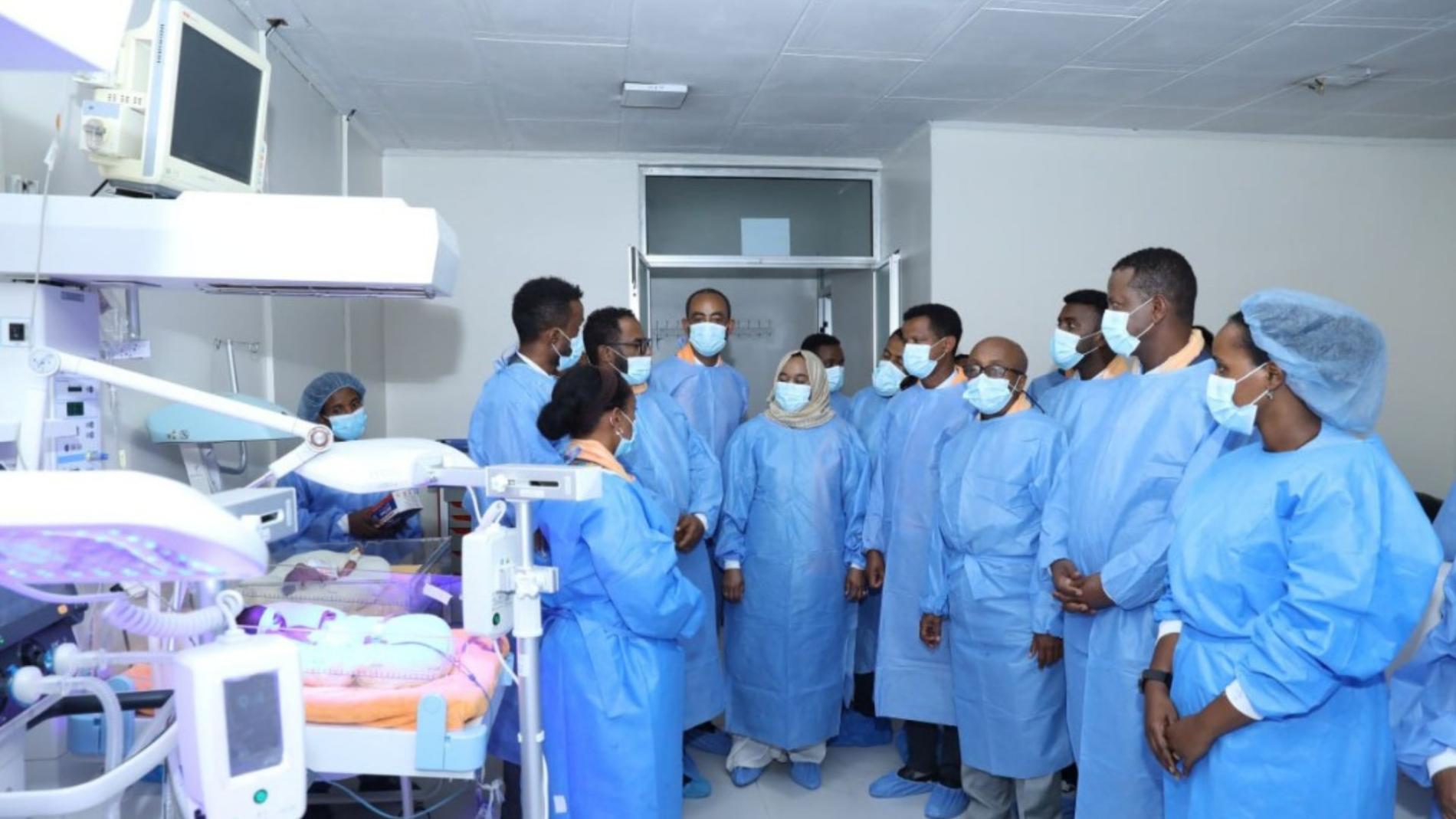
Addis Ababa, 17 September 2025 — Ethiopia joined the global community in commemorating World Patient Safety Day (WPSD) 2025 under the theme “Safe care for every newborn and every child.” The national celebration, held at ALERT Comprehensive Specialized Hospital in Addis Ababa, brought together health authorities, health professionals, patients, families, and development partners to reaffirm the country’s commitment to ensuring safe, high-quality care for children from the very start of life.
14 African countries explore innovative financing solutions for health in the African region
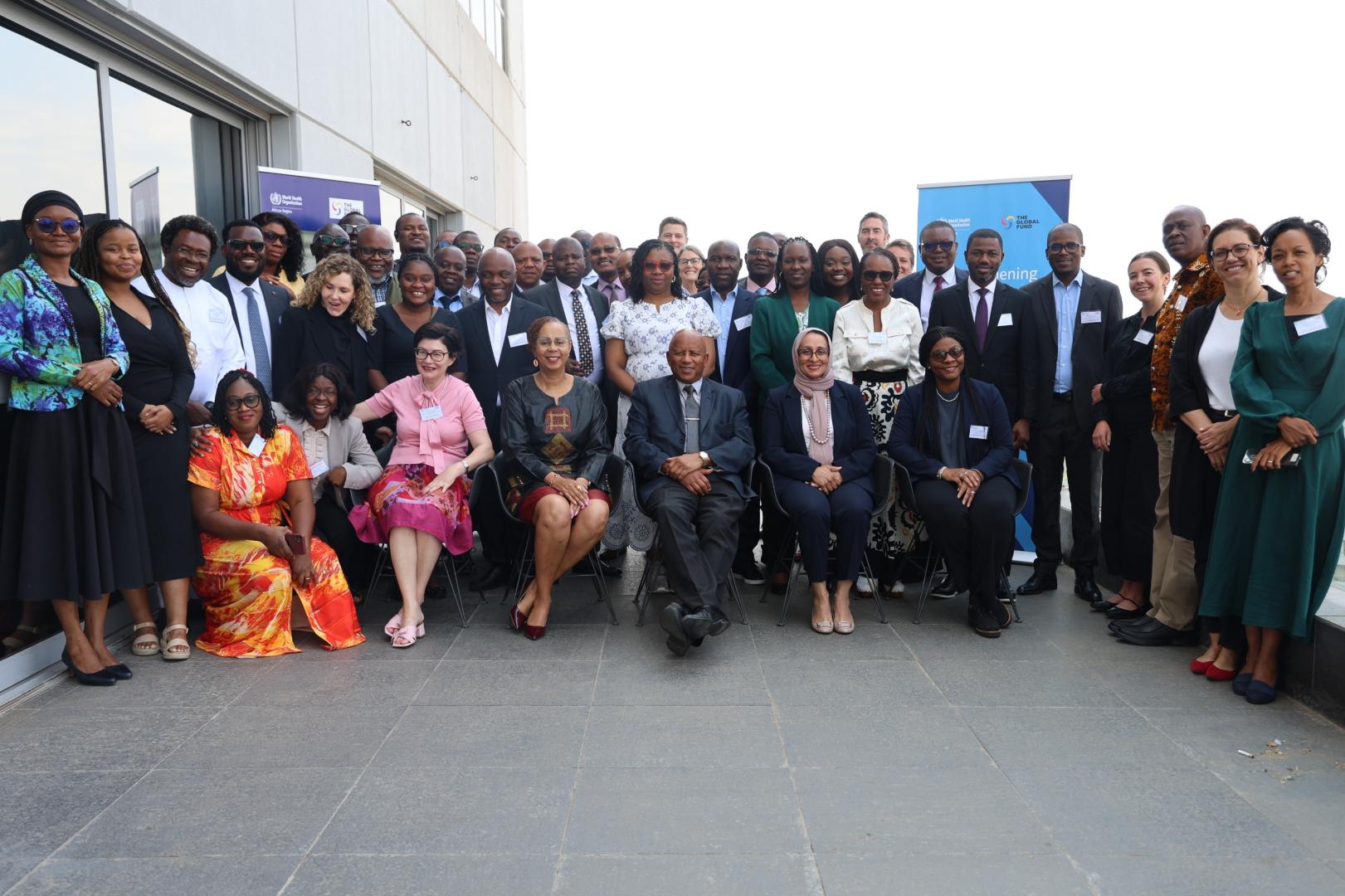
Johannesburg—Technical experts from 14 African countries, multilateral development banks, development partners, and global health initiatives are convening in Johannesburg for a three-day Regional Technical Meeting on Innovative Financing for Health in Africa, co-organized by the World Health Organization (WHO) Regional Office for Africa and the Global Fund.
WHO and FAO support Mauritius to address obesity through implementation of a 5-year roadmap

Port Louis ‒ World Health Organization (WHO) and Food and Agricultural Organization (FAO) are supporting the Government of Mauritius to tackle obesity though the implementation of a 5-year ambitious Obesity Action Acceleration Roadmap 2025–2030, launched today.
Aligned with the World Health Assembly’s extended 2030 global nutrition and noncommunicable disease (NCD) targets, the Obesity Action Acceleration Roadmap sets an ambitious goal of reducing obesity prevalence among Mauritians by 5% by 2030.
South Sudan launches landmark integrated health campaign, protecting 2.1 million children from Polio and 1.2 million people from Schistosomiasis simultaneously
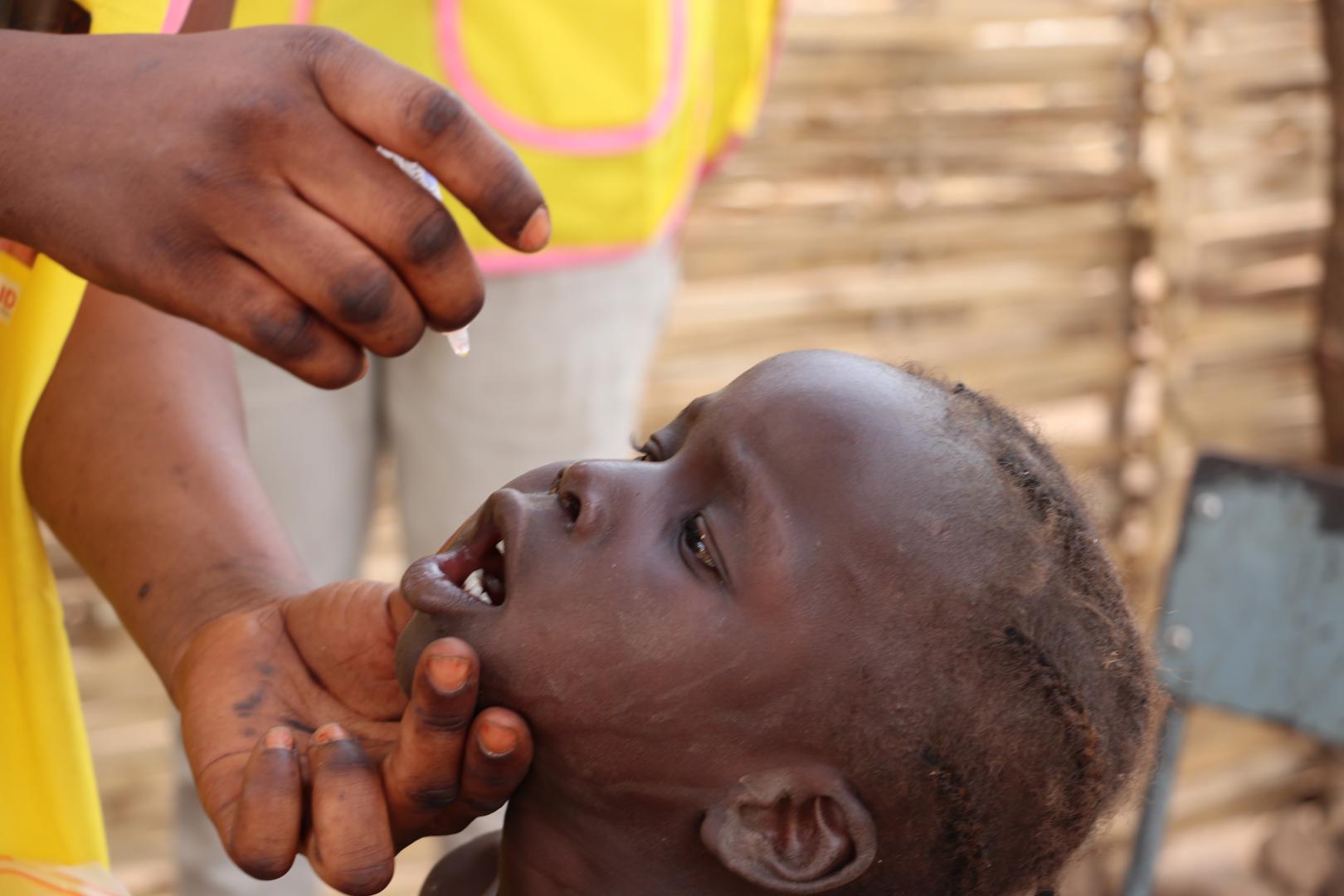
Juba- The Ministry of Health (MoH), in collaboration with the World Health Organisation (WHO) and the United Nations Children’s Fund (UNICEF), today launched an ambitious integrated health campaign to protect over 2.1 million children and 1.2 million adults from two debilitating diseases, polio and Schistosomiasis.
Namibia Commemorates World Patient Safety Day 2025
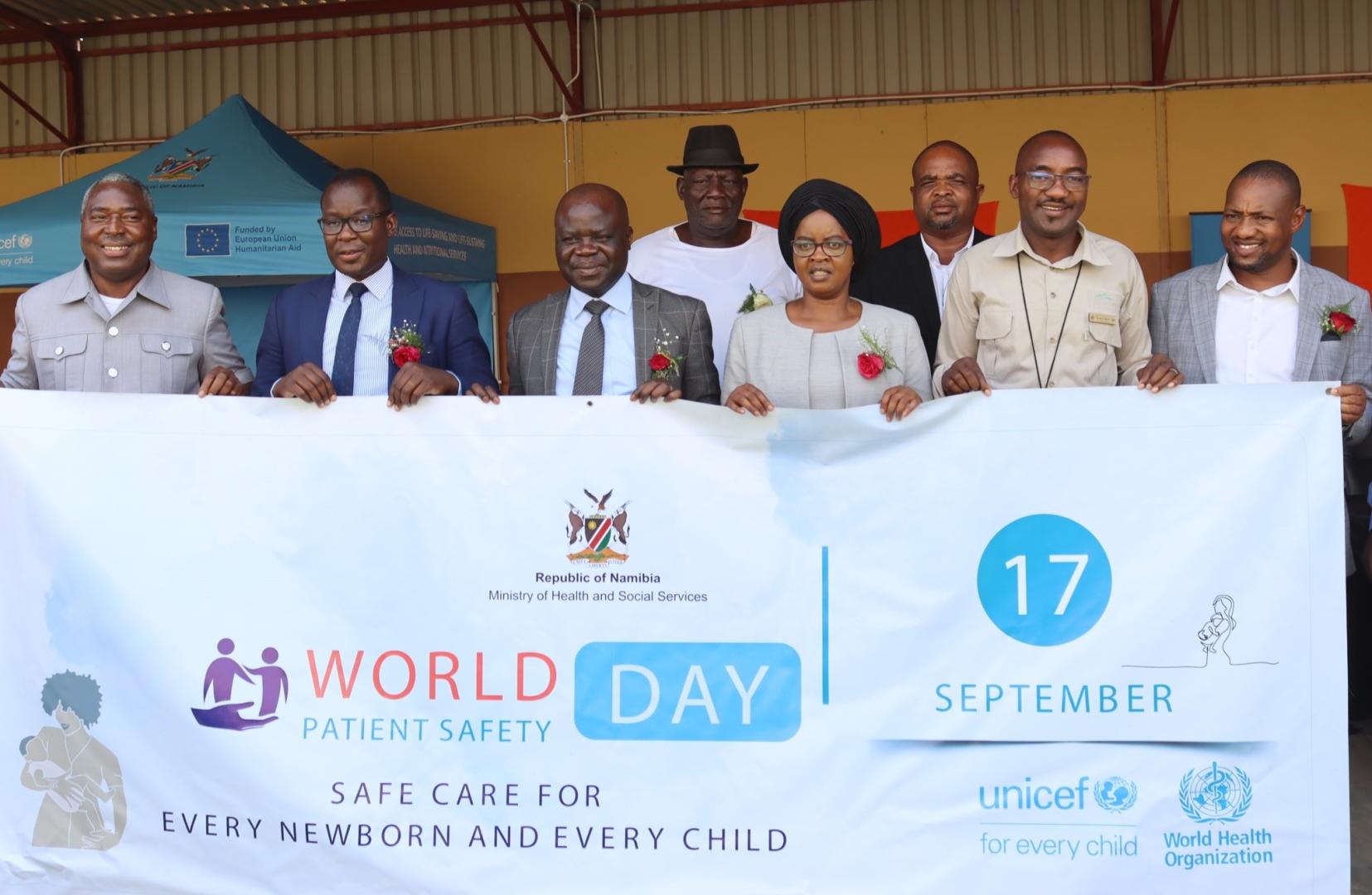
Namibia joined the global community in commemorating World Patient Safety Day 2025 under the theme “Safe care for every newborn and every child” and the slogan “Patient safety from the start!”. The national event held in Opuwo, Kunene Region, brought together government officials, development partners, health workers and communities to reflect on progress, renew commitments, and highlight collective action to protect the most vulnerable.
Digitizing Fuel Management: WHO Ethiopia Fully Adopts TeleBirr E-Payment System
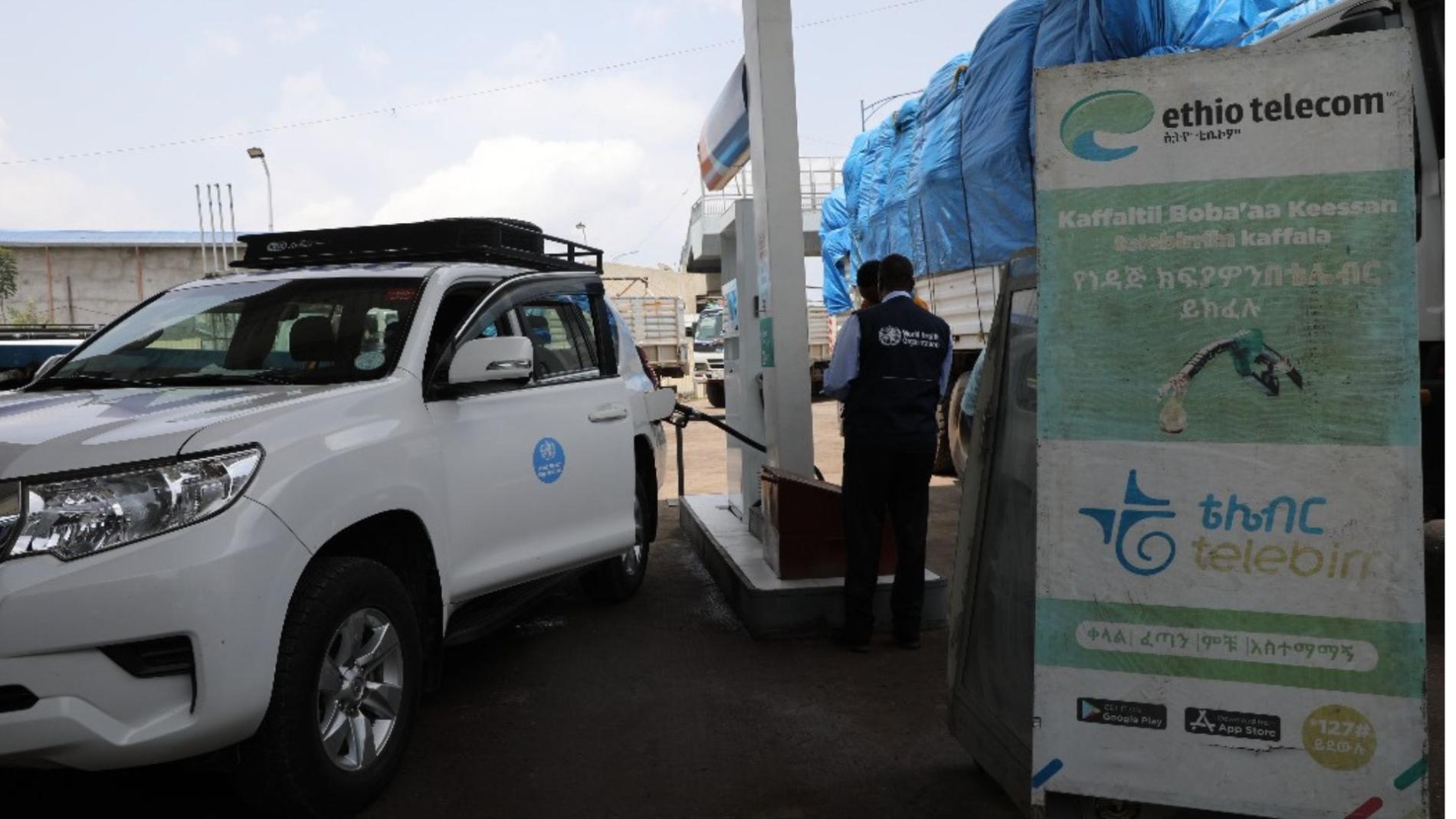
Addis Ababa, Ethiopia
In a decisive move toward operational modernization and national policy alignment, WHO Ethiopia has completely transitioned its fuel management system to the fully digital TeleBirr e-payment platform, marking a significant milestone in its commitment to transparency, efficiency, and digital transformation.
WHO boosts maternal and newborn health in Uganda's Bunyoro region with critical support
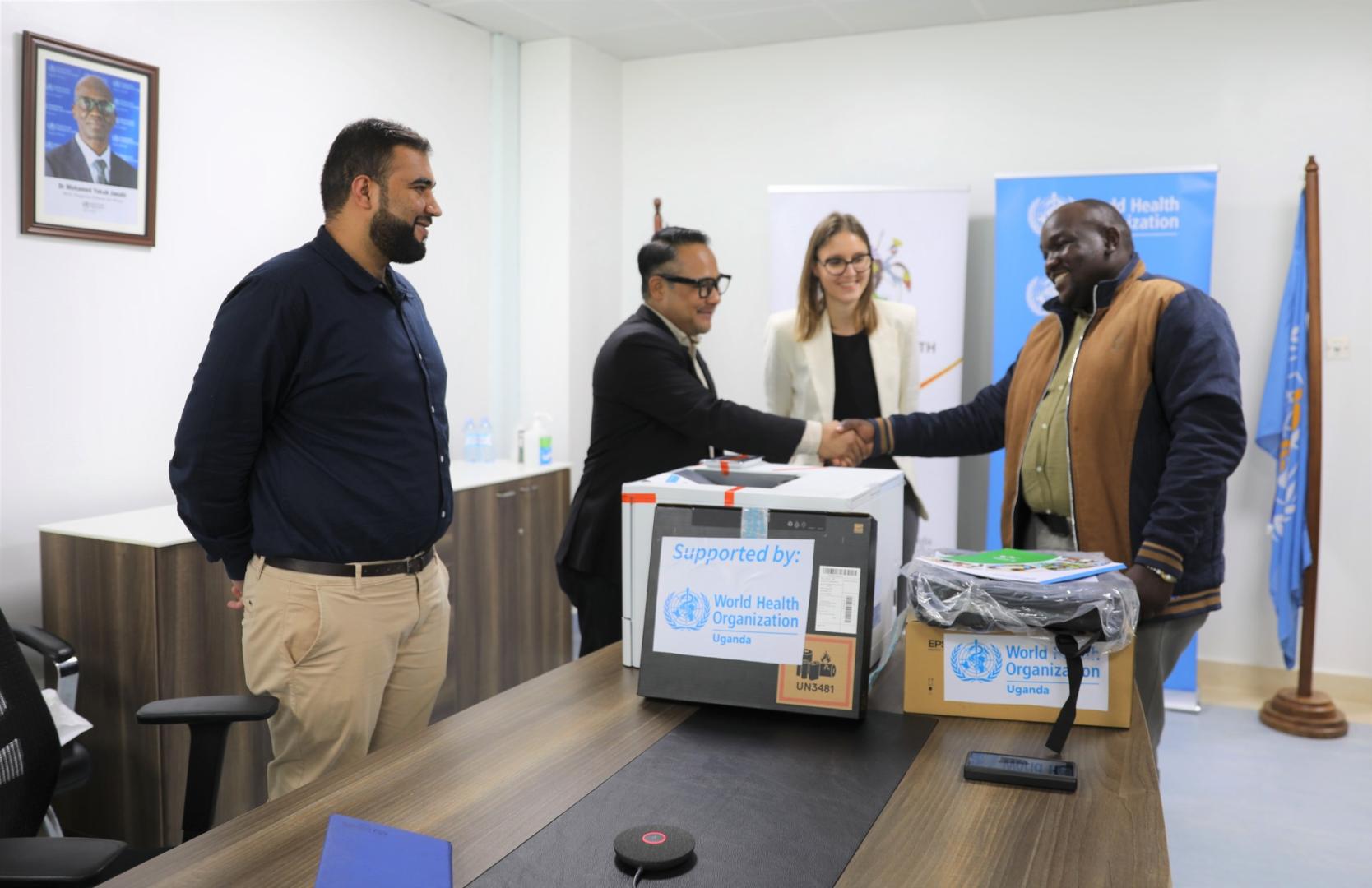
Kampala, Uganda — The World Health Organization (WHO) has reaffirmed its commitment to improving maternal and newborn health in Uganda by providing essential information technology equipment to the Bunyoro Local Maternity and Neonatal Systems (LMNS) in Hoima Regional Referral Hospital, in western Uganda.
WHO supports NPHIL to decentralize mpox testing for a more timely and effective response.
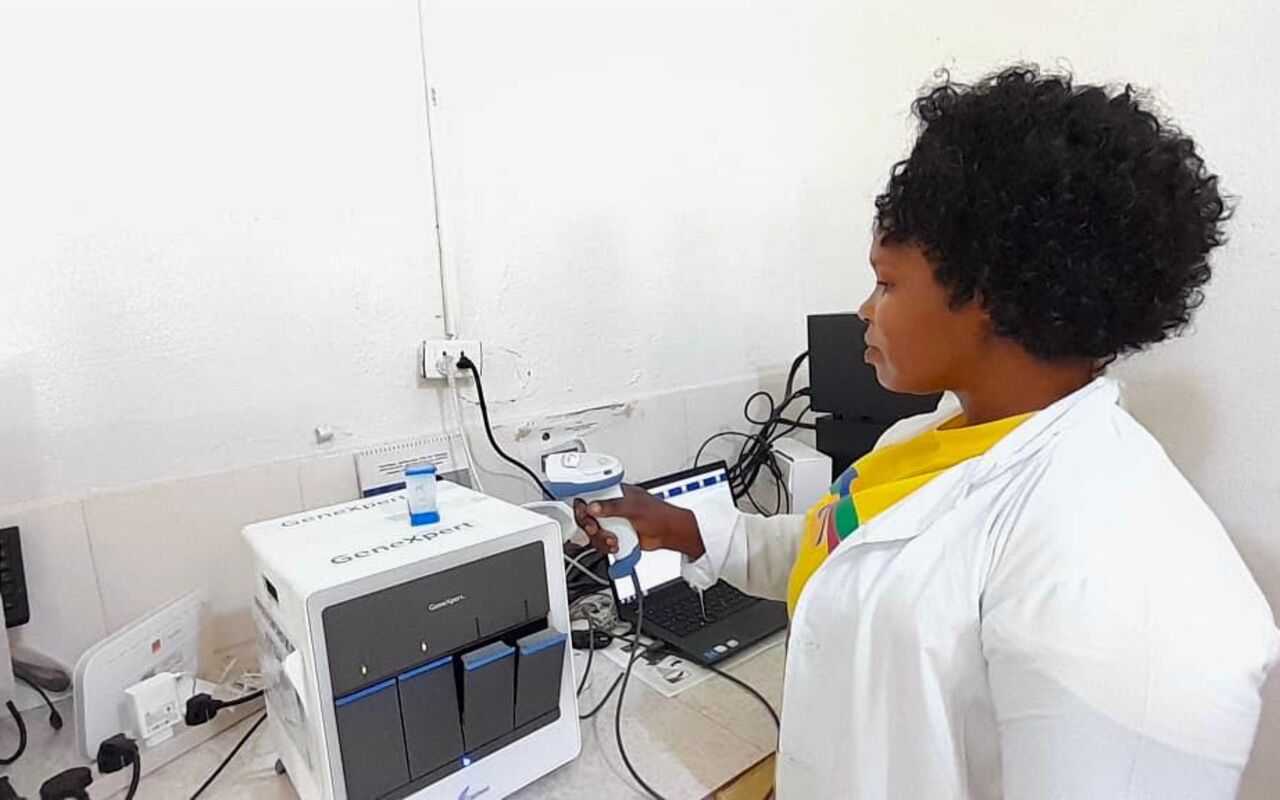
Following the declaration of mpox as a Public Health Emergency of International Concern in August 2024, Liberia, with support from World Health Organization (WHO) continues to intensify its outbreak response under the national incident management system. In 2025, Liberia has reported 2577 suspected cases of mpox, 1398 confirmed cases, and 6 deaths.
Botswana intensifies health security with crucial border capacity assessment
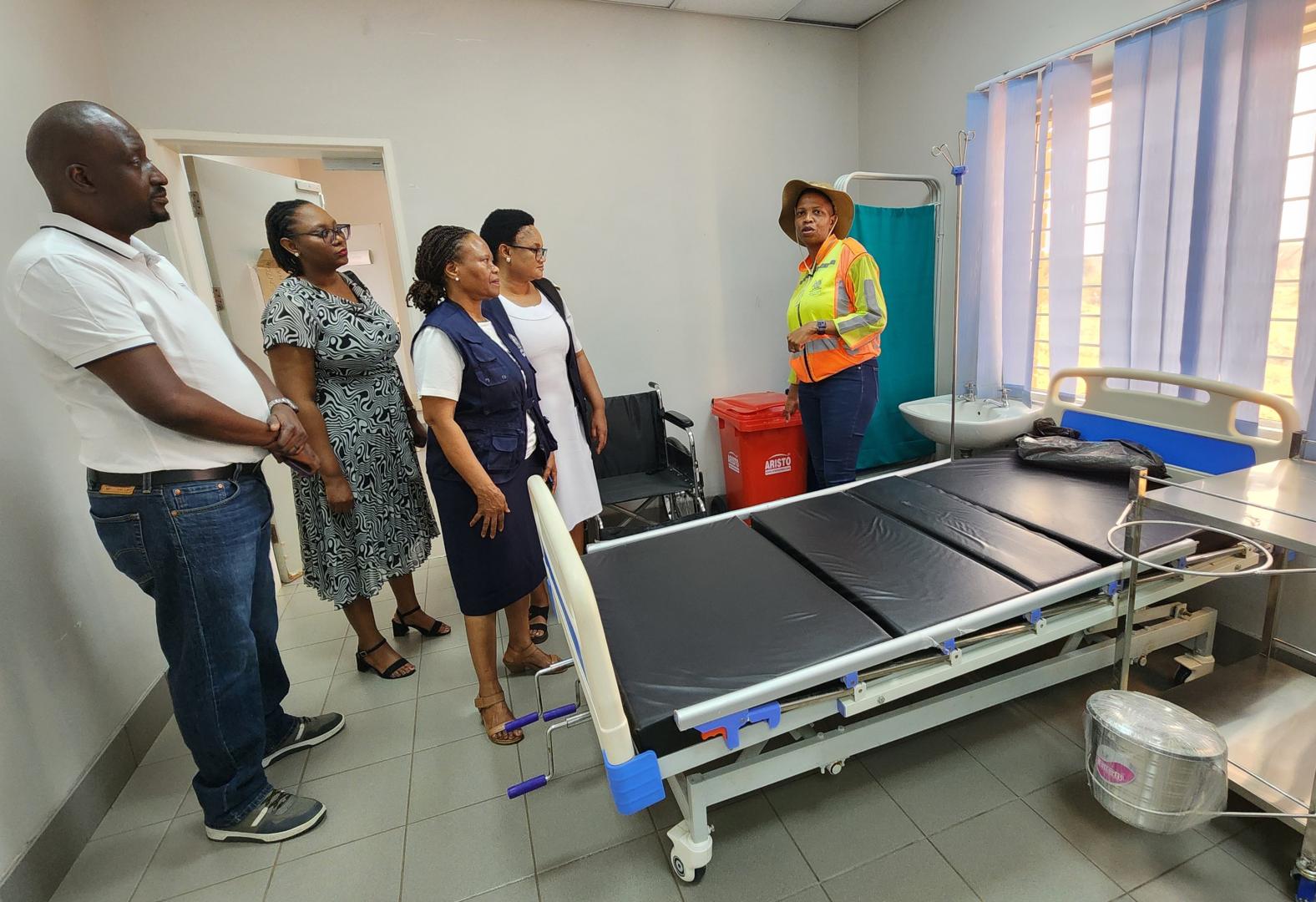
Gaborone—The Ministry of Health (MoH), supported by the World Health Organization (WHO), launched a critical two-week mission in September 2025 to evaluate Botswana's health security capabilities at its key Points of Entry (POEs).
Lesotho ramps up efforts to curb noncommunicable diseases and injuries
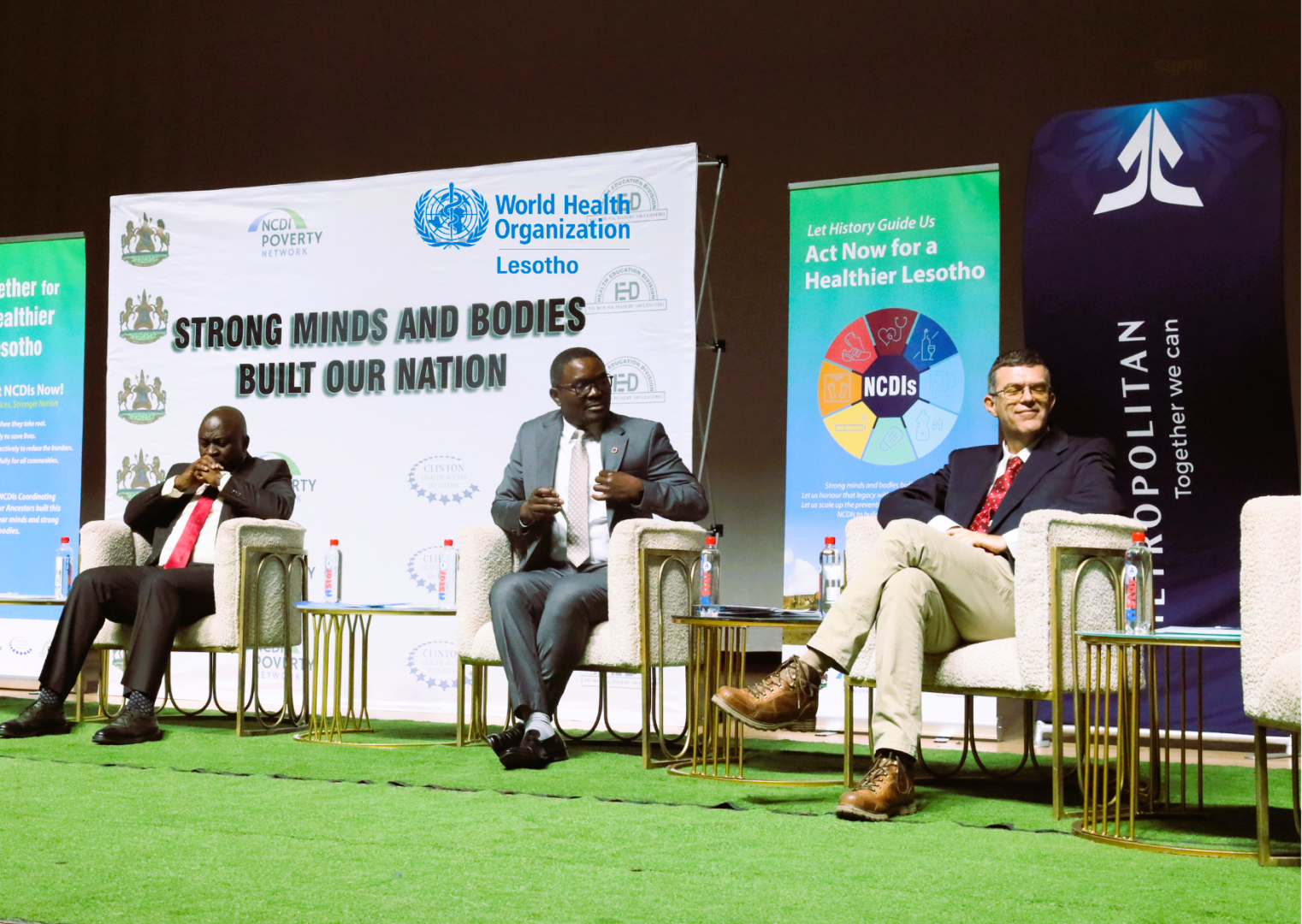
Maseru—To address the rising burden of non-communicable diseases and injuries (NCDIs), the Ministry of Health, supported by the World Health Organization (WHO), NCDI Poverty Network, and other partners, launched a National Multi-sectoral NCDIs Coordinating Mechanism. The high-level event brought together key stakeholders from across sectors, marking a significant milestone in Lesotho’s commitment to strengthening its response to NCDIs.