The Pandemic Fund: EPPR project strengthens Ethiopia’s pandemic preparedness with vital ICT and laboratory equipment support

Addis Ababa, 24 September 2025 — The World Health Organization (WHO) has officially handed over 315 computers — including 165 laptops and 150 desktops — to the Ethiopian Public Health Institute (EPHI) under the Pandemic Fund: Ethiopia Multi-Sectoral Prevention, Preparedness, and Response Project (EPPR).
World Mental Health Day 2025: Prioritizing Mental Health in Emergencies

This blog is written by Dr Leveana Gyimah, WHO Ghana Mental Health Technical Officer and Patrick Avevor, WHO Ghana Infectious Hazard Management Officer, on World Mental Health Day
Ethiopia Launches National Action Plan for Health Security and One Health Strategic Plan
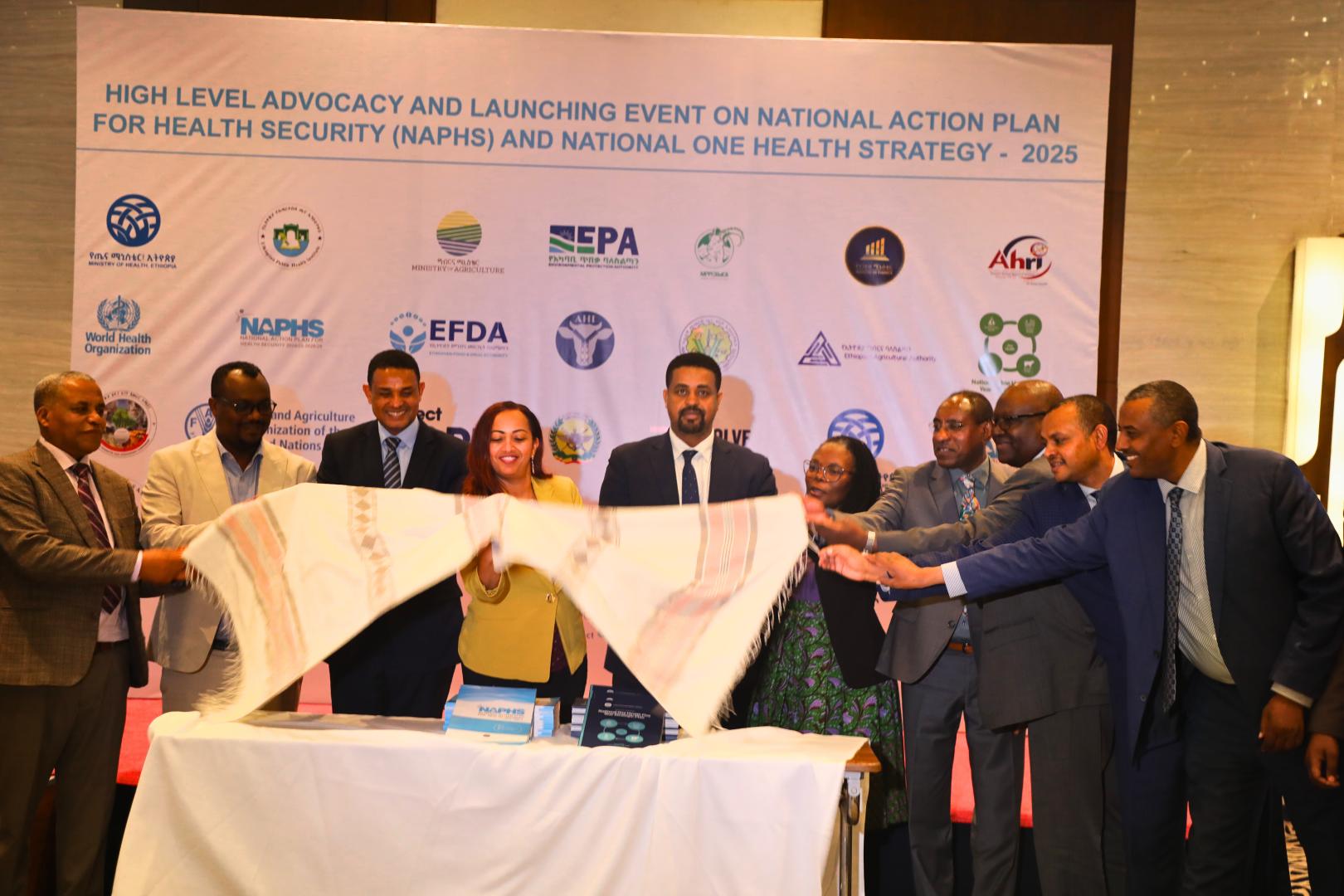
Ethiopia has officially launched the National Action Plan for Health Security (2024/25–2028/29) and the National One Health Strategic Plan (2025–2029). The high-level event, held in Addis Ababa and supported by the World Health Organization and other parteners, brought together senior government officials, representatives from multiple sectors, and development partners.
Zimbabwe improves child health through nationwide Immunization campaign
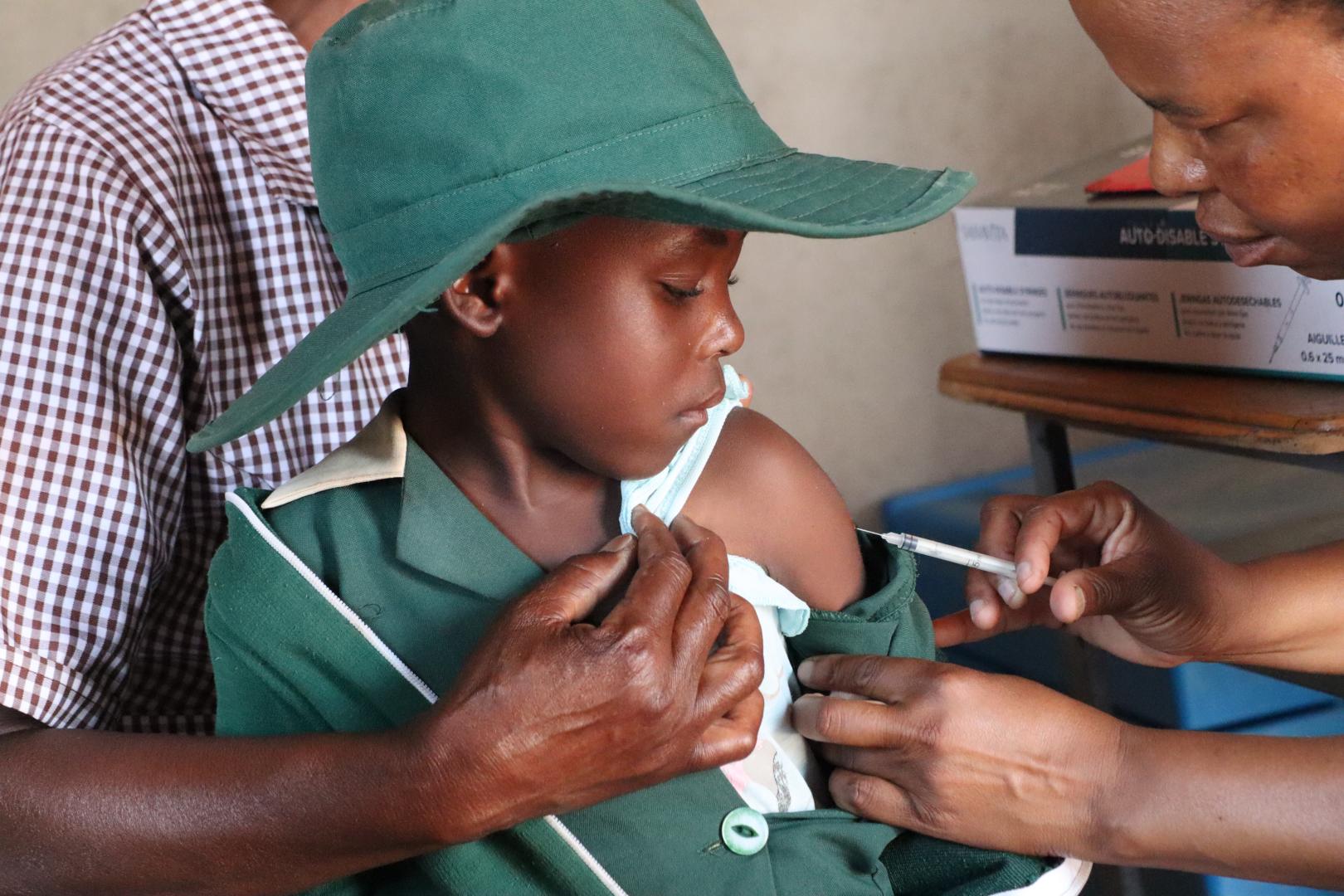
Harare—Zimbabwe marked a major milestone in child health with the launch of the National Measles-Rubella (MR) Vaccination and Vitamin A Supplementation Campaign at Stoneridge Clinic in Harare.
Mental health conditions affect 150 million in Africa amid insufficient care services
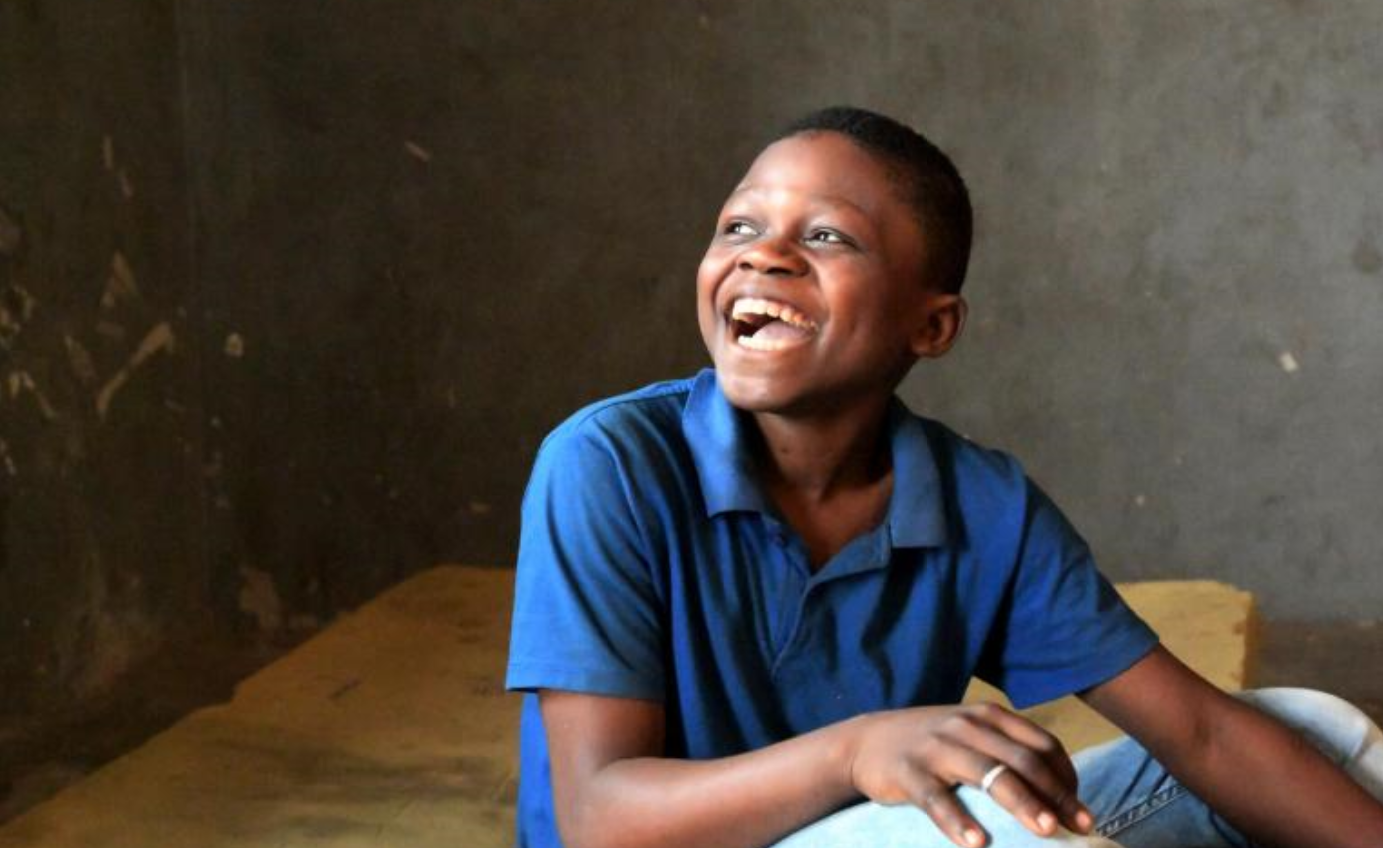
Brazzaville — Nearly 150 million people in Africa are living with mental health conditions, with limited access to decentralized and integrated care, highlighting the region’s mental health challenges, a new mental health dashboard launched today by the World Health Organization (WHO) Regional Office for Africa shows.
Zambia Launches National Simulation Exercise Framework to Strengthen Health Security
Zambia has taken a major step toward bolstering national health security with the launch of the National Simulation Exercise (SimEx) Framework on 4 September 2025 in Lusaka. This framework introduces a structured, nationwide approach to testing emergency preparedness systems before crises occur, ensuring that coordination structures, operating procedures, and frontline responders can function effectively during real public health threats.
Strengthening mental health services in emergencies across Africa

Brazzaville – In response to the growing mental health needs triggered by public health emergencies or natural disasters in the African region, World Health Organization (WHO) is working closely with countries to integrate mental health and psychosocial support into every stage of emergency response, aiming to have at least 80% of countries with functional mental health and psychosocial support systems by 2030.
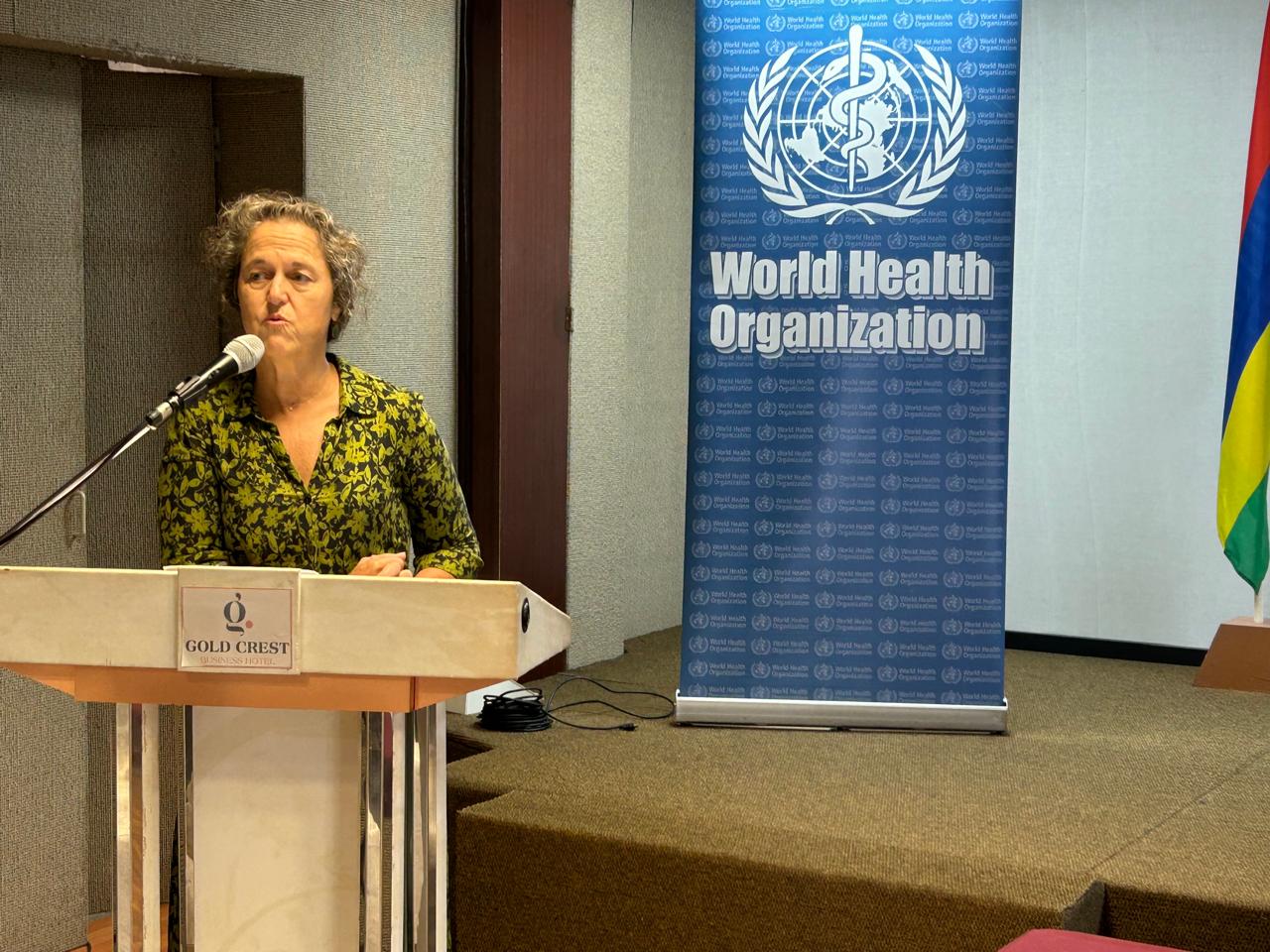
WHO supports Mauritius in advancing climate-resilient health systems: new milestone reached with validation of gap analysis and institutional framework
New Ebola treatment centre bolsters Democratic Republic of the Congo’s outbreak response
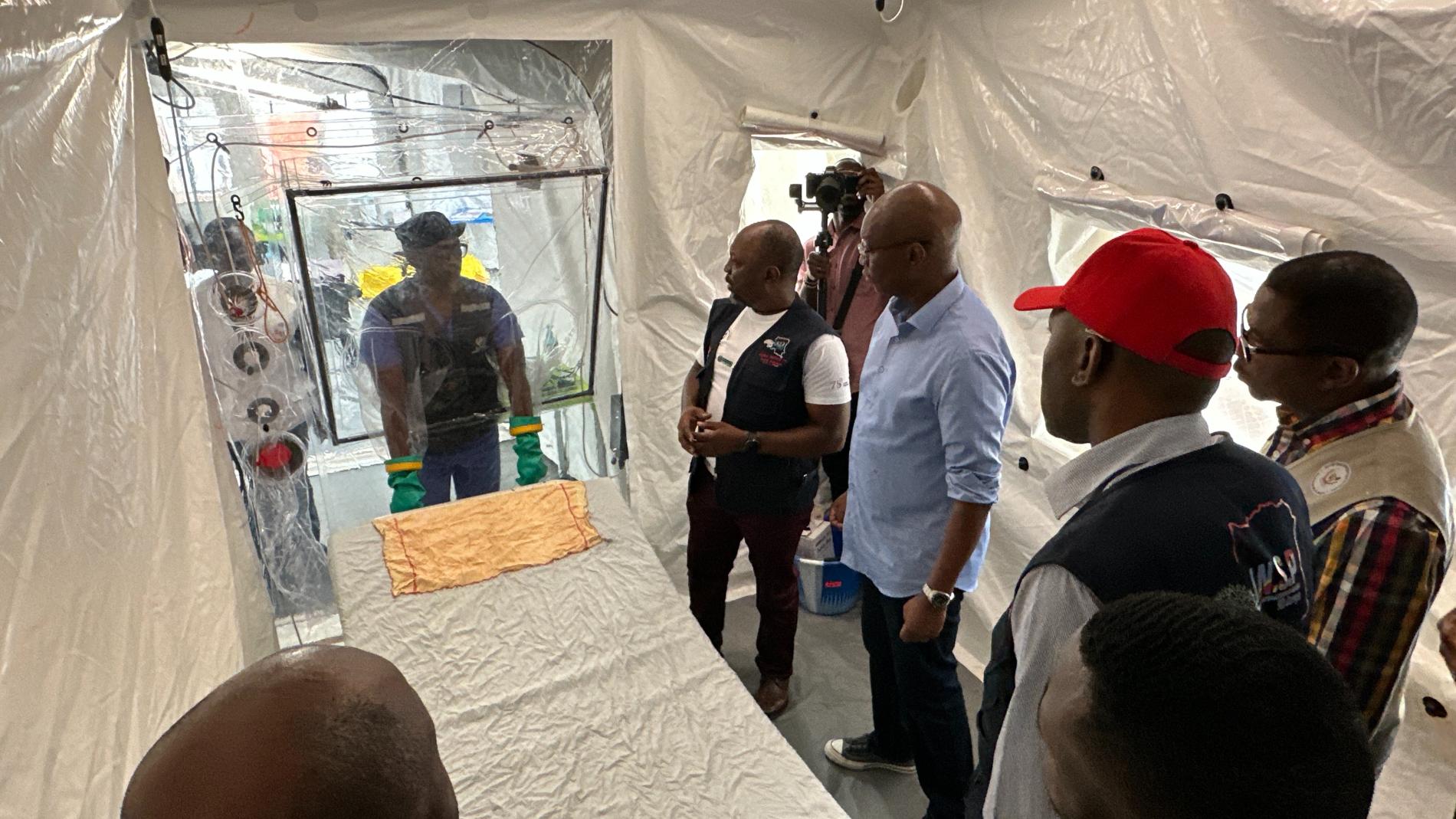
Bulape —The Democratic Republic of Congo has inaugurated a new Ebola treatment centre in Bulape health zone in Kasai Province, further consolidating efforts to ensure effective control to the ongoing outbreak.
Opinion: There is no Health without Mental Health by Dr. Moses Ongom, Officer In Charge at WHO Country Office in South Sudan
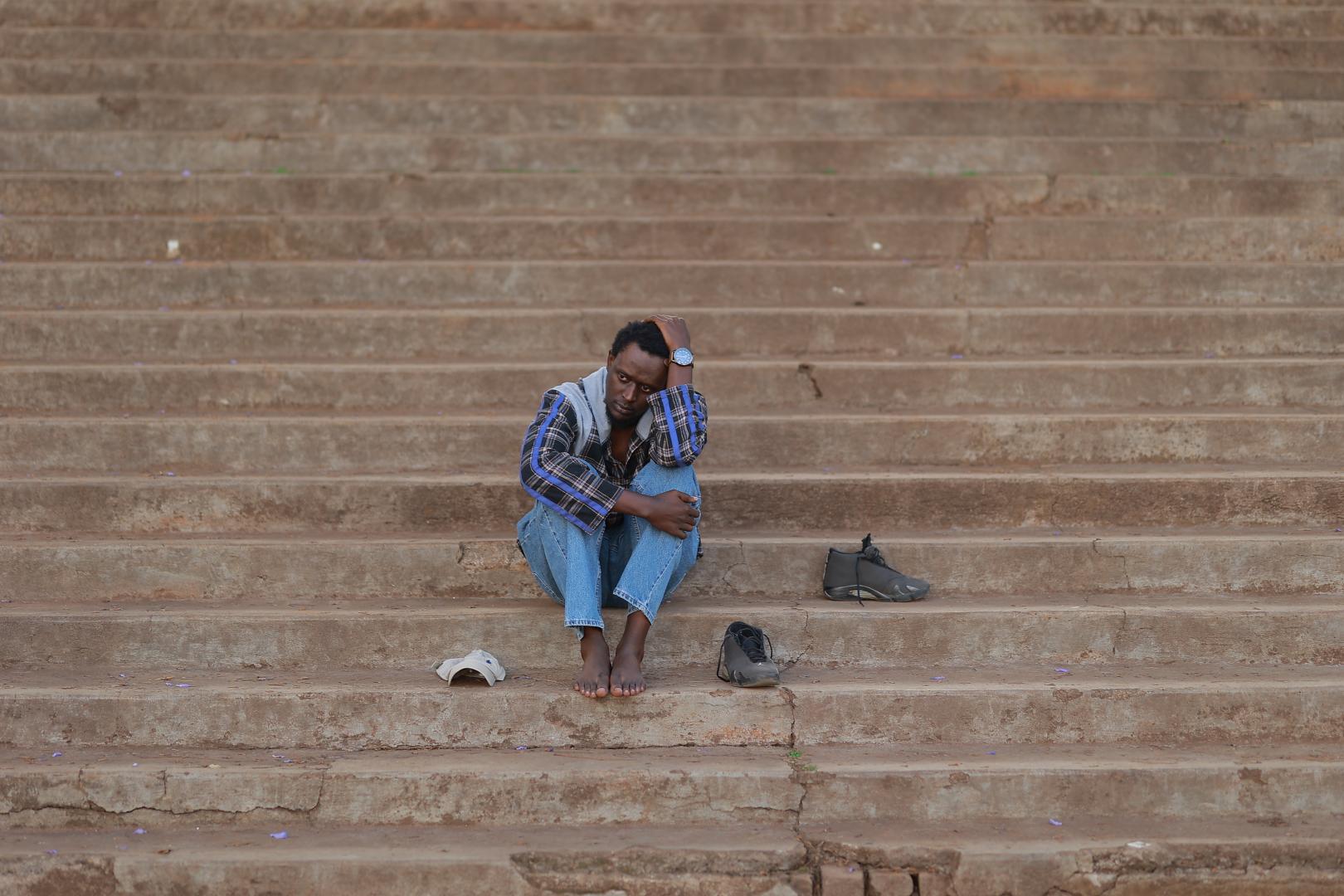
There is little time for introspection when one is constantly putting out fires of all sorts. That is why the theme: ‘Mental health in humanitarian emergencies’ for this year’s Mental Health Day speaks directly to the realities we face in South Sudan.