Highlights of the commemoration of the World Aids Day 2015 in Zambia: “Zambia’s future, Getting to Zero New HIV Infections.”

Lusaka, 4th December 2015 - Zambia joined the international community to commemorate the World AIDS Day under the theme “Zambia’s future, Getting to Zero New HIV Infections.” The WHO Country Office provided financial support towards the commemoration of this event and was part of the events in Livingstone, Southern province, which was the venue for the national commemoration. The national World AIDS Day commemoration was officially launched through a television broadcast by the Minister of Health on 30th November 2015.
Ethiopia needs major health support to stop devastation from El Niño
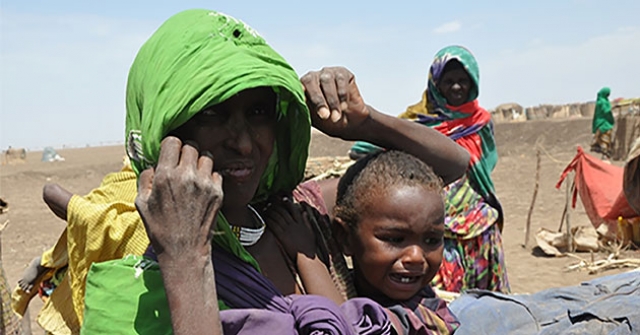 4 December 2015 - With Ethiopia in the grip of its worst drought in 30 years due to El Niño, the World Health Organization (WHO) deployed an emergency response team to support the Ethiopian Ministry of Health and partners in coordinating the health sector response across the country.
Ethiopia Hosts International Training on Malaria Control Programme Management

A six-week international training of trainers (ToT) on Planning and Managing Malaria Control Programmes for Health Workers of Anglophone African Countries got concluded successfully in Addis Ababa on 9 October 2015. The World Health Organization (WHO), in collaboration with the Ministry of Health and the Ethiopian Public Health Institute (EPHI) organized the training course that brought together 34 participants from 14 Anglophone countries in the WHO Africa Region.
Climate Change to Impact on Human Health in Ethiopia
ADDIS ABABA, 16 November 2015 | Climate change is threatening to exacerbate health problems in Ethiopia, the World Health Organization warns in a new Climate and Health Country Profile 2015, published today. Increased temperatures, intense heatwaves, more extreme rainfall, floods and landslides, are expected to intensify existing challenges of communicable diseases, food insecurity and poverty unless timely action is taken.
Ethiopia Celebrates UN@70 in a Colorful Event

The United Nations in Ethiopia celebrated the 70th Anniversary of the United Nations in a series of events on 24 October 2015 in the presence of Government and United Nations high level officials,
the diplomatic community, civil servants, representatives of the public, students, and the United Nations staff and family.
The celebrations in Ethiopia were themed along the global theme: Stronger UN. Better World. The events highlighted the UN’s contribution to human rights, peace and security, development, health, gender equality, and protecting the planet.
Ghana hosts a three-day inter-regional workshop on Global Analysis and Assessment of Sanitation and Drinking Water (GLASS) TrackFin Initiative

Sleeping sickness outbreaks prevented by climate change research
 In United Republic of Tanzania poor communities reliant on crops and livestock are seeing their livelihoods and food security wrecked by unexpected weather patterns, such as increasing temperatures, late rainfall onset and droughts.
Advancing Affordable Universal Healthcare

Harare, 1 Dec. 2015: The Zimbabwe Health Professions Authority is one of the best examples of regulatory bodies in Africa, Dr. David Okello, Representative of the World Health Organization (WHO) in Zimbabwe has said.
Dr Owen Laws Kaluwa assumes office as WHO Country Representative for Ghana

Accra, 01 December, 2015 - Dr Owen Laws Kaluwa, on Tuesday 01 December, 2015, presented his credentials to the Honourable Minister for Foreign Affairs and Regional Integration, Madam Hannah Tetteh to officially assume office as the World Health Organization Representative (WR) to Ghana.
WHO’s work in Central African Republic - October 2015
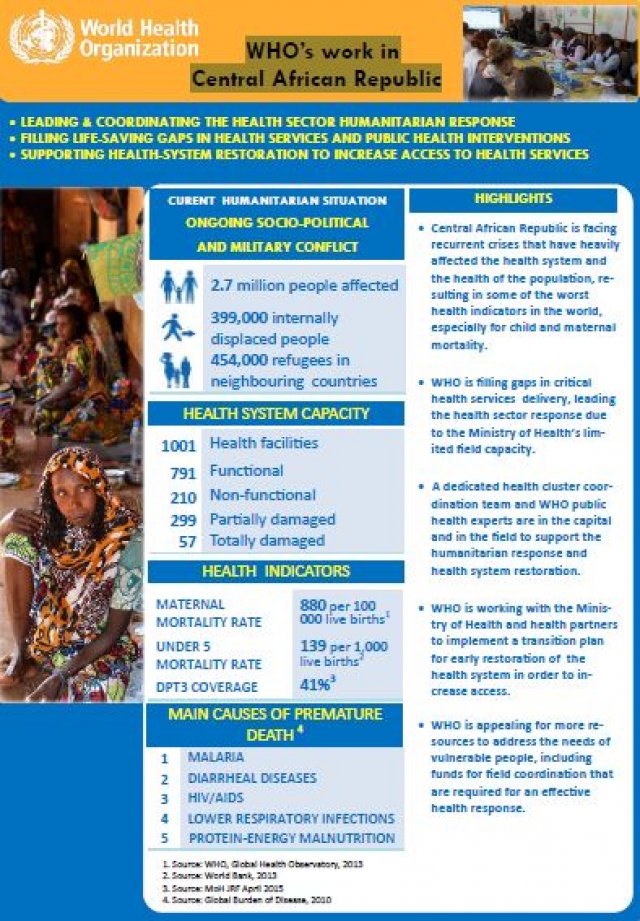
CAR has been experiencing socio-political and military crises for decades, leading to less investment in health system development, including a lack of appropriate health facilities, medical equipment, and qualified health workers (about 250 medical doctors for 4.6 million inhabitants, or five doctors for every 100,000 people). District health systems are not functional in many regions and community participation in health system management is weak.
Highlights