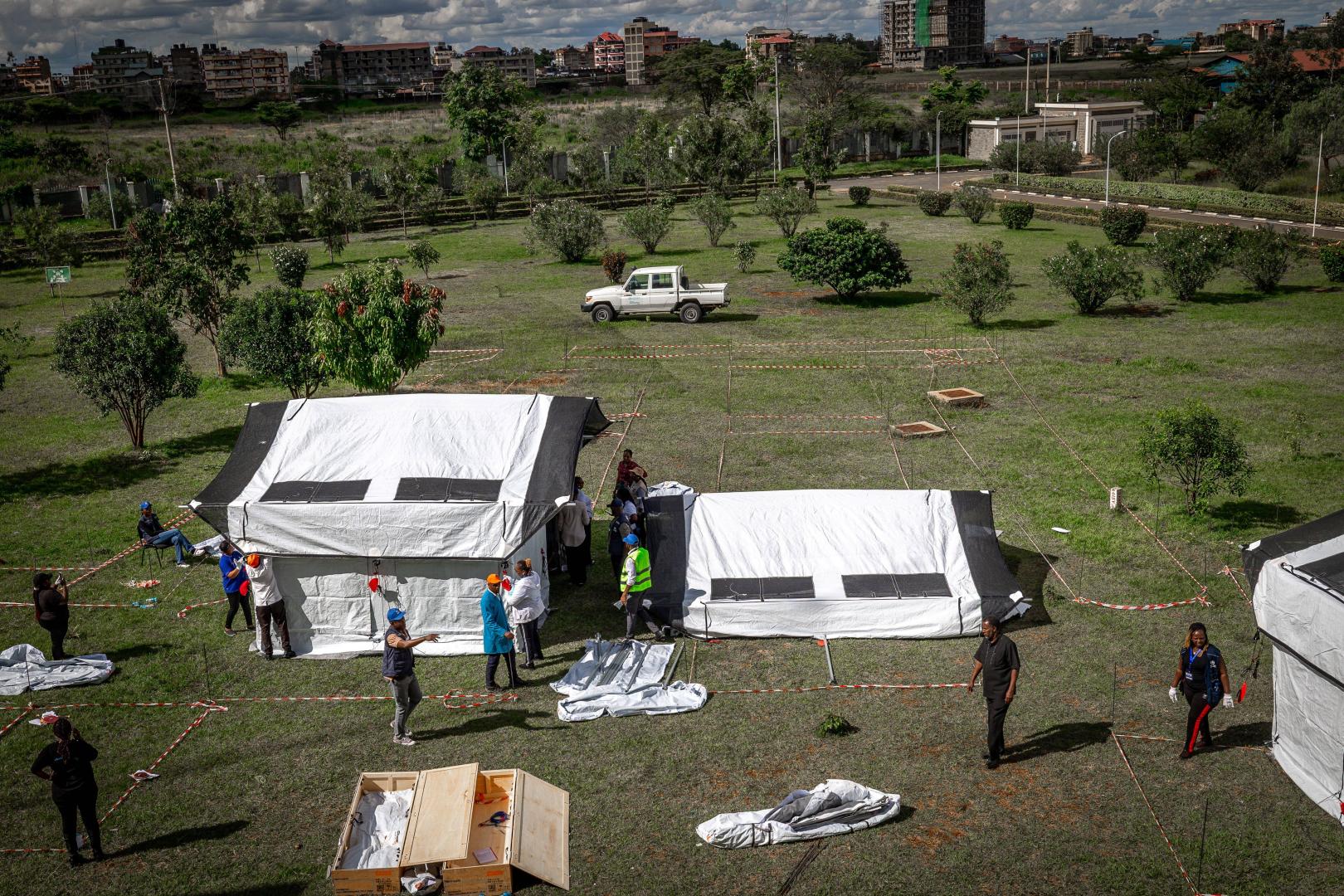
Decommissioning as a strategic pillar in emergency preparedness and response
Strengthening Immunity, One Dose at a Time: Malawi’s IPV2 Success Story

In the heart of Southern Africa, Malawi has taken a bold step in the fight against polio. After reporting its first case of Wild Poliovirus Type 1 (WPV1) after 30 years in 2022, the country responded with urgency and resolve. By May 2024, thanks to multiple vaccination campaigns, vigilant surveillance and strengthened immunization systems, Malawi was declared polio-free once again. But the journey didn’t end there.
ECHO, WHO, and UNICEF Conclude Successful Mission to Angola on Cholera and Nutrition Response
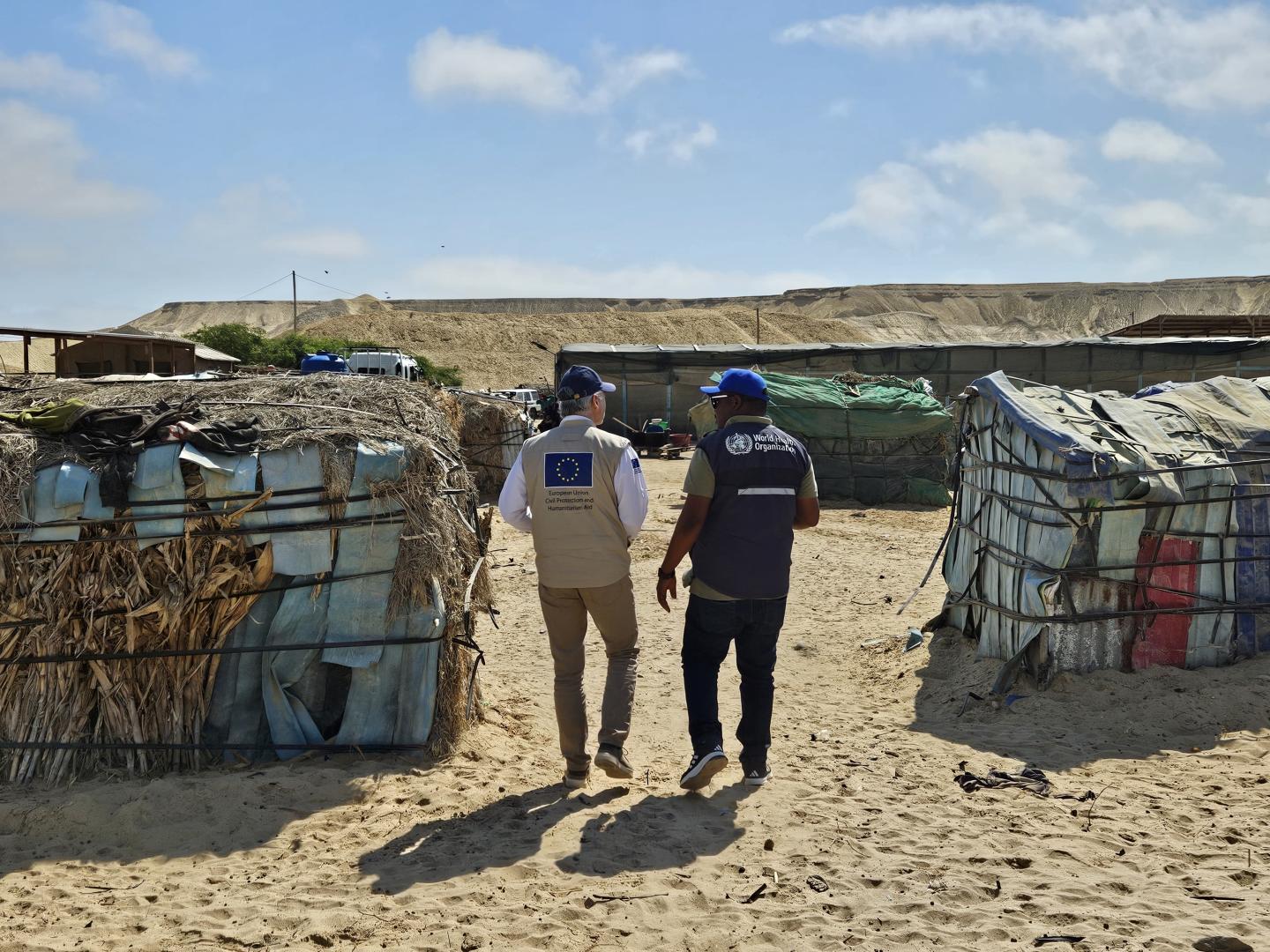
A high-level mission led by Pablo Torrealba, Head of the ECHO Regional Office for Southern Africa and the Indian Ocean, was successfully concluded in Angola following field visits and strategic meetings in Luanda, Namibe, and Huíla provinces. The mission, supported by the World Health Organization (WHO) and UNICEF, focused on evaluating progress in the cholera emergency response and nutrition interventions supported by the European Union.
Vaccination against cholera brings hope to more than 2 million Angolans
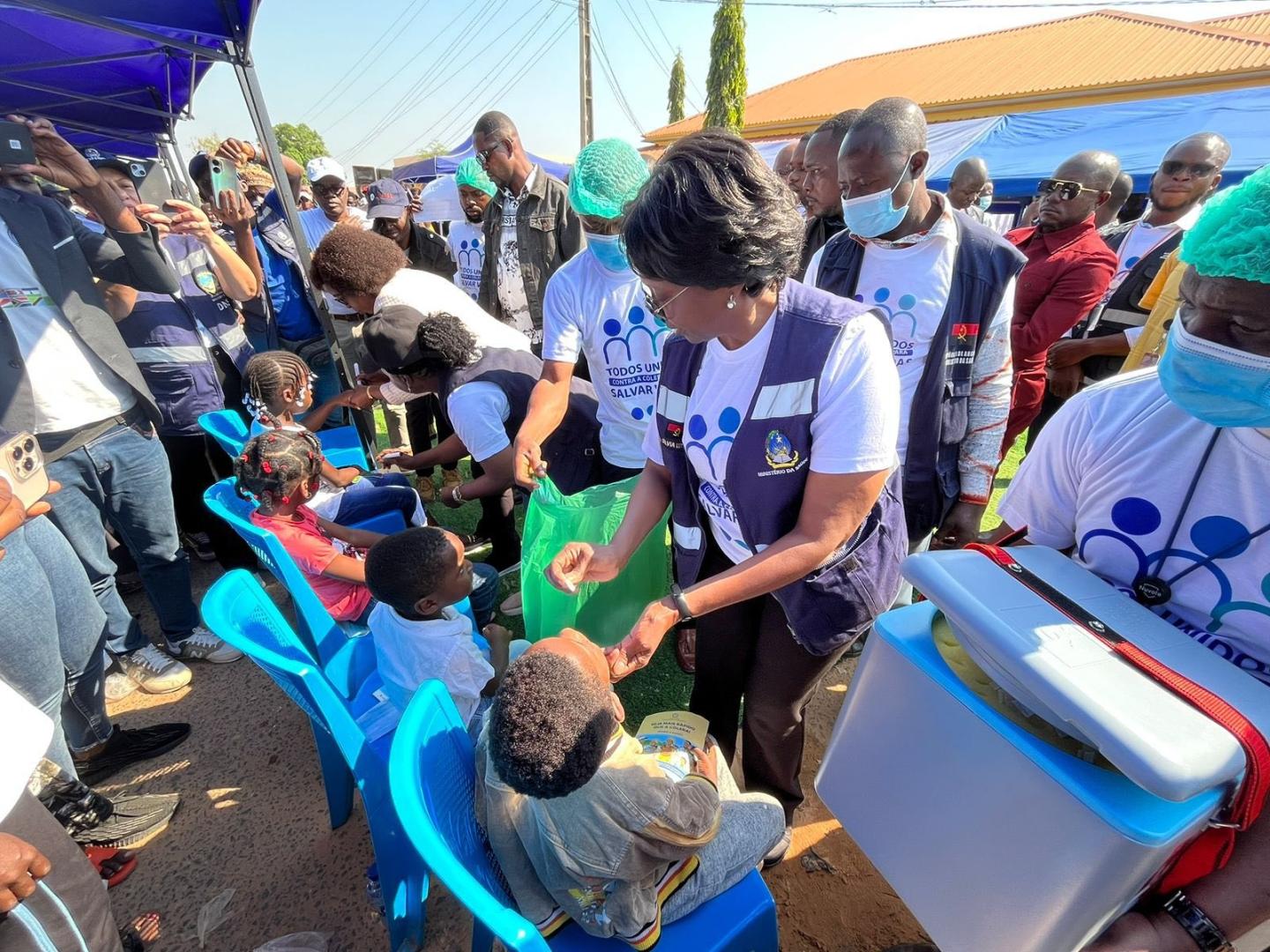
Lunda Norte, July 12, 2025 - A new round of the oral vaccination campaign against cholera was officially launched this Saturday in the municipality of Cafunfo, Lunda Norte province, an initiative of the Angolan government, through the Ministry of Health, with the support of GAVI - Global Alliance for Vaccines, the World Health Organization (WHO), UNICEF, the European Union and other partners in the health sector.
Namibia Strengthens coordination of the International Health Regulations (IHR) Implementation
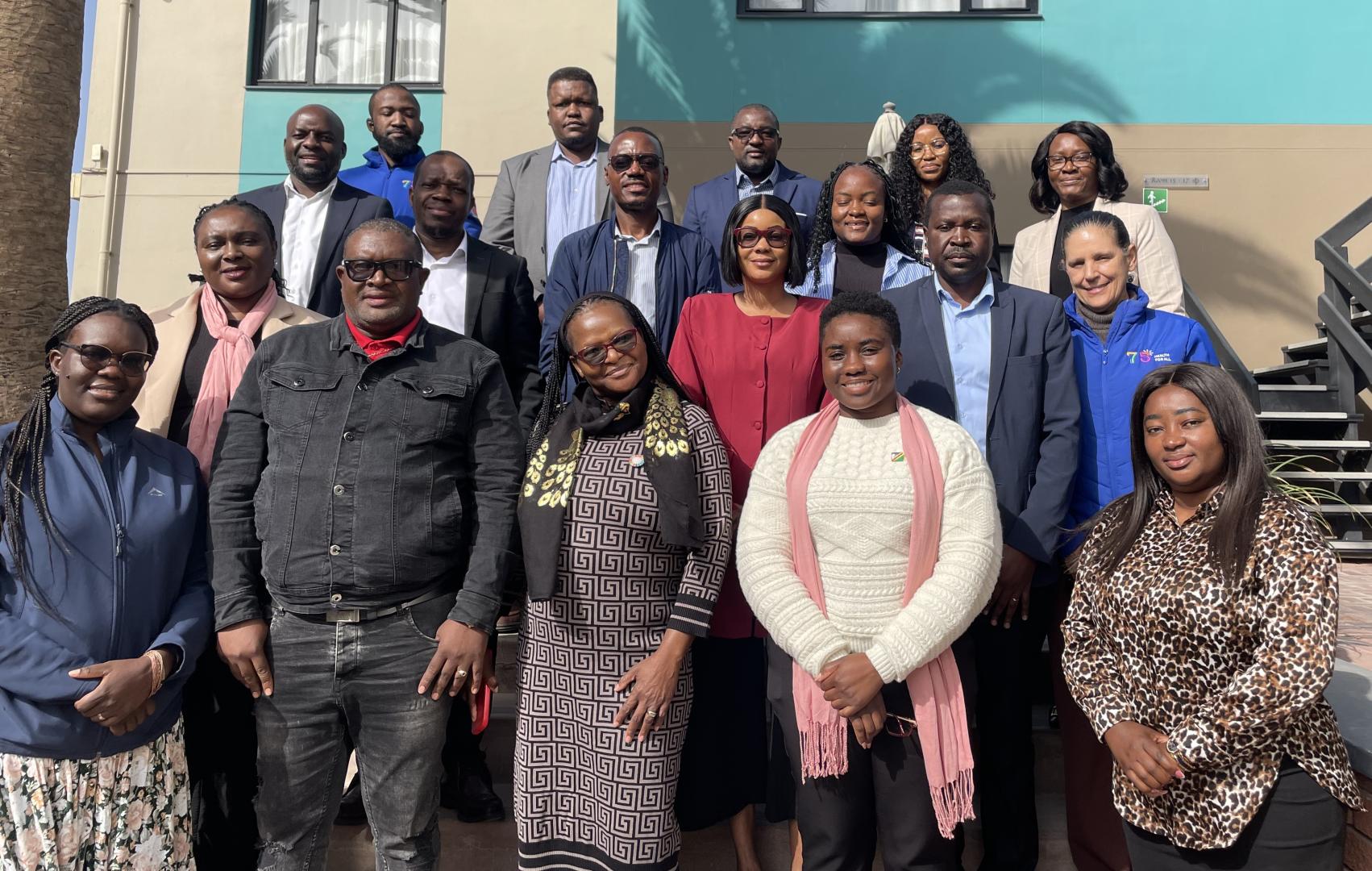
The Ministry of Health and Social Services (MoHSS) with technical support from WHO conducted a four-day orientation workshop of International Health Regulations (IHR) National Focal Point (NFPs) from 17 – 20 June 2025 in Swakopmund. The workshop aimed to strengthen NFPs understanding of the IHR (2005), their roles and responsibilities, and coordinating timely reporting and communication of potential public health events of international concern.
Zimbabwe undertakes second joint external evaluation to strengthen national health security
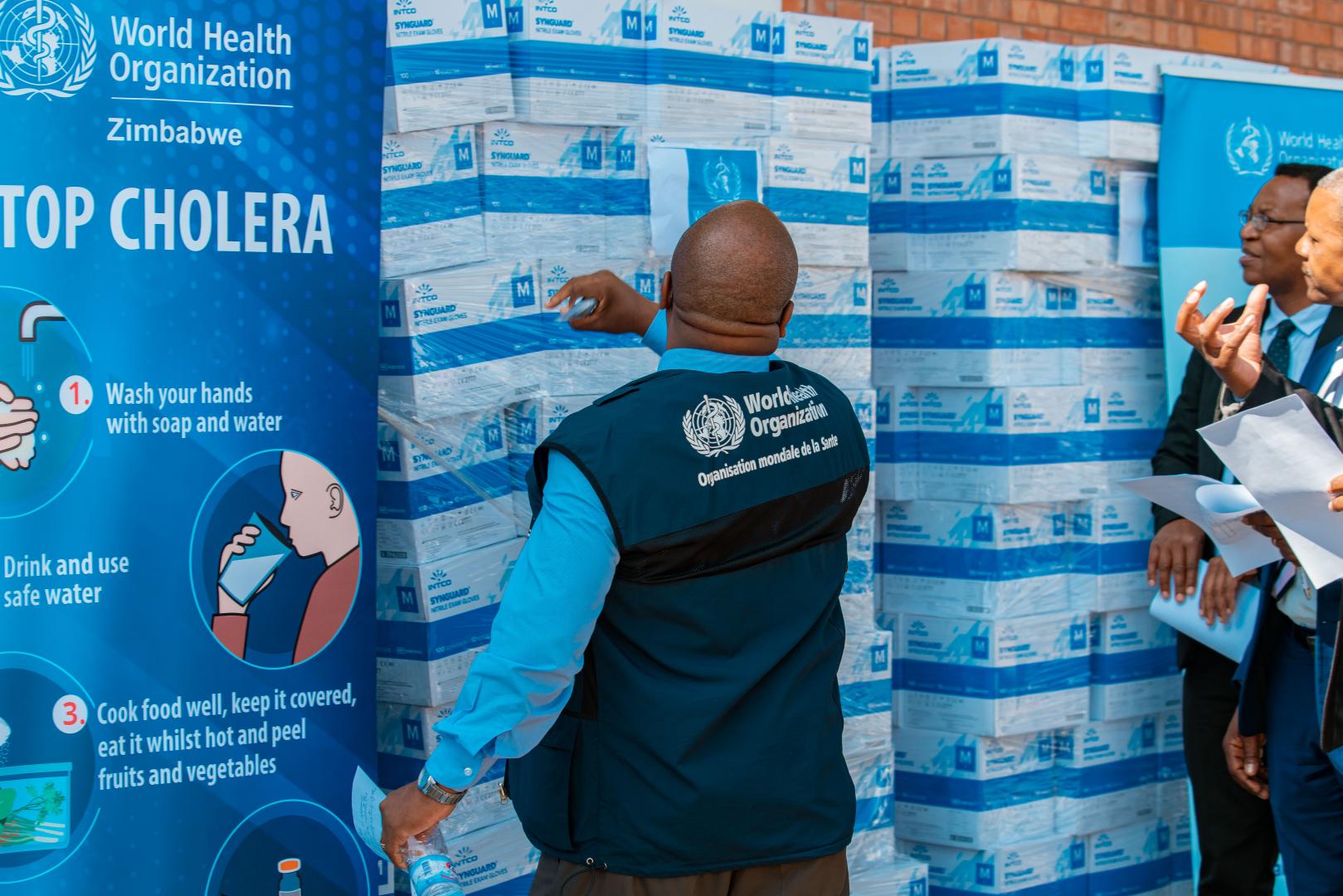
Harare—From 29 June to 4 July 2025, Zimbabwe conducted its second Joint External Evaluation (JEE) to assess the country’s capacity to prevent, detect, and respond to public health threats under the International Health Regulations (2005). The JEE, coordinated by the Ministry of Health and Child Care (MoHCC) with support from WHO and partners, marks a critical milestone in strengthening Zimbabwe’—s public health emergency preparedness and response systems.
Health leaders commit to accelerate action against severe chronic diseases in Africa
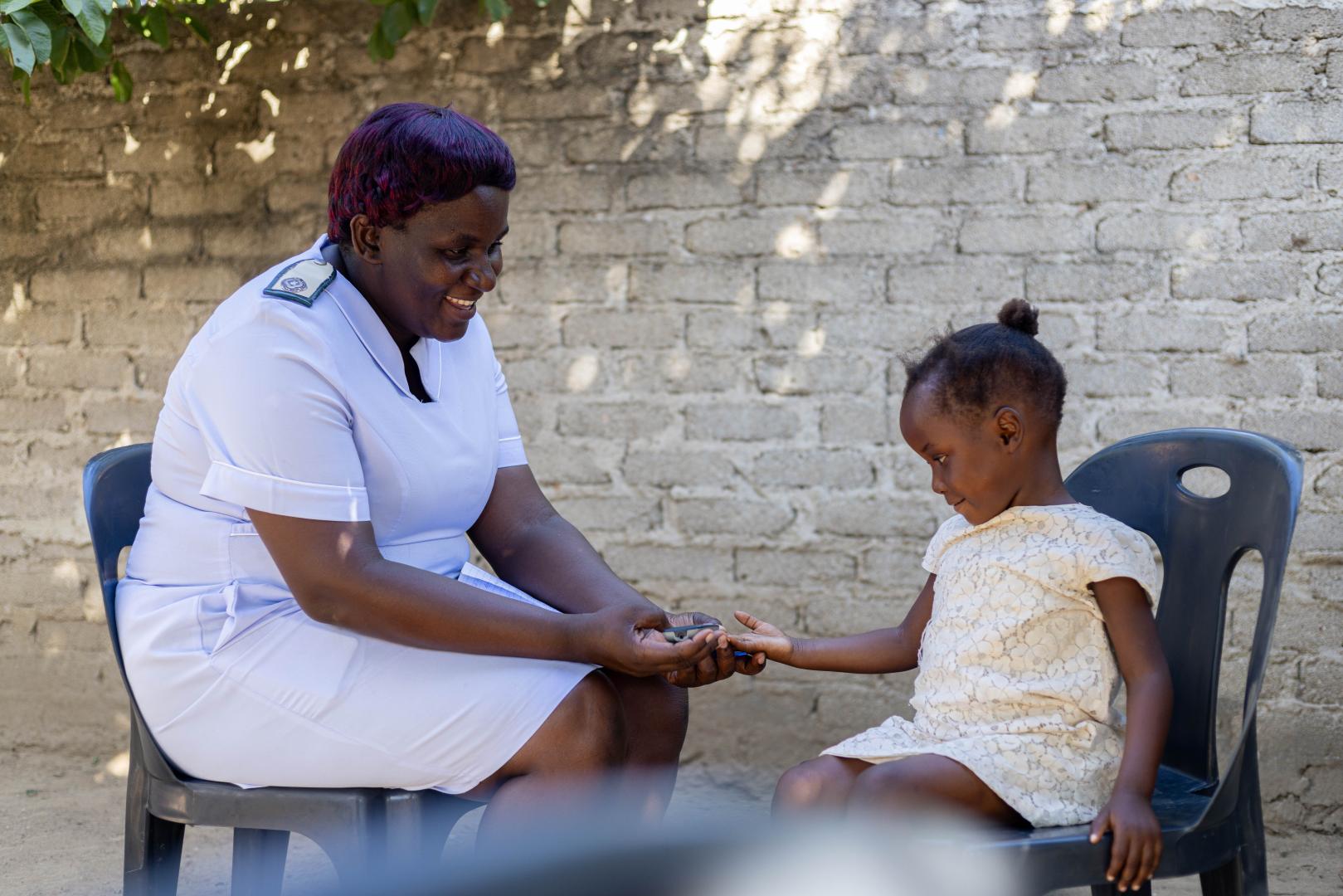
Abuja – Health leaders, policymakers and development partners across Africa have renewed commitment to accelerate the implementation of the PEN-Plus strategy to significantly expand access to care for severe noncommunicable diseases (NCDs).
WHO donates eight vehicles to strengthen surveillance and emergency response in Sierra Leone
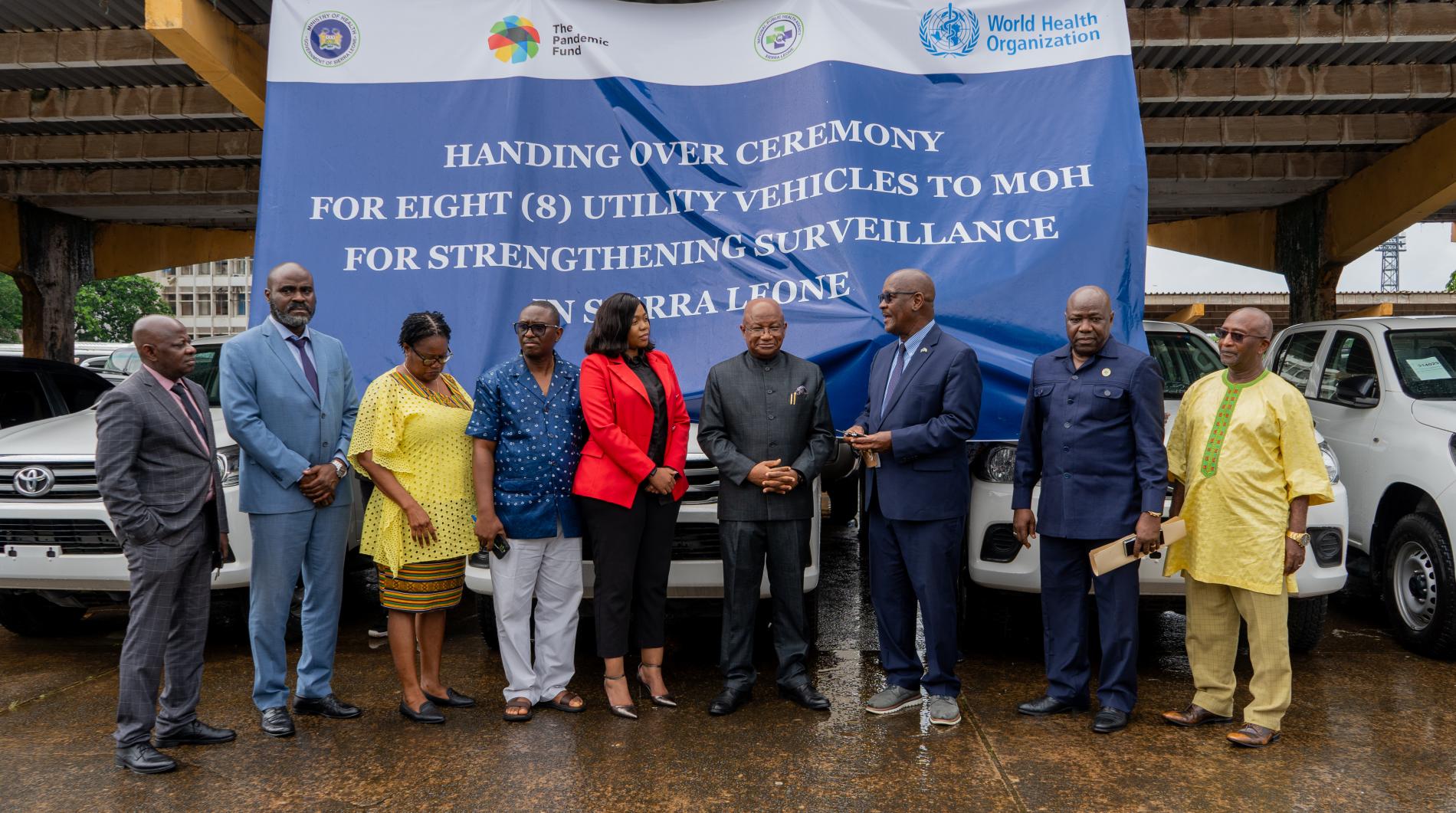
Freetown - The World Health Organization (WHO) today handed over eight vehicles to Sierra Leone’s Ministry of Health during a brief ceremony held at the Youyi Building in Freetown. The donation, made under the Pandemic Fund Agreement, aims to bolster disease surveillance and emergency response capacities at the district level, particularly in the context of the ongoing Mpox outbreak.
Private health sector engagement strengthens mpox response in Sierra Leone
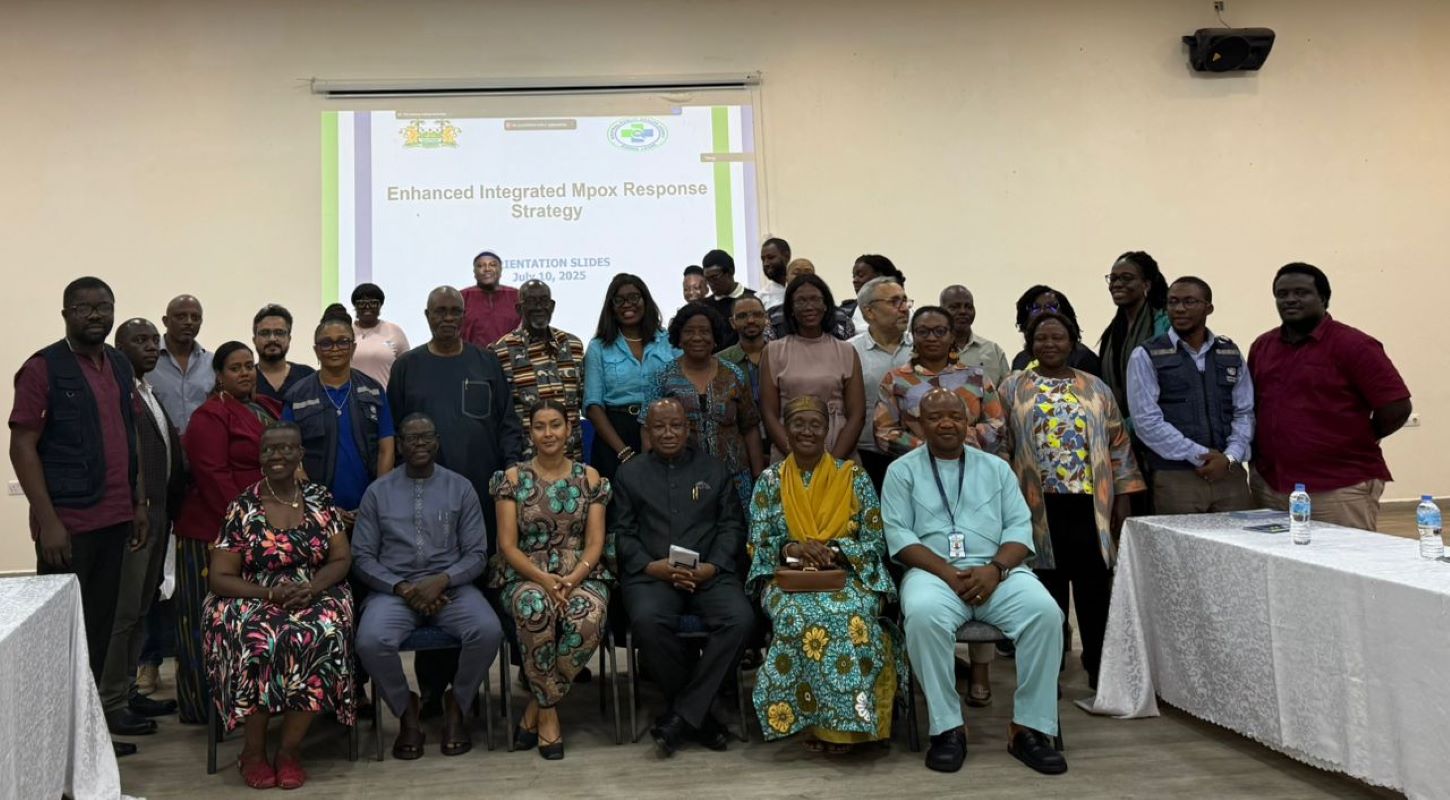
As part of efforts to strengthen collaboration and close response gaps in the ongoing Mpox outbreak, the National Public Health Agency (NPHA), with support from the World Health Organization (WHO), convened a strategic engagement with private healthcare practitioners in Freetown. The meeting, held at Brookfields Hotel, focused on enhancing the integration of private sector actors into national Mpox response strategies, including surveillance, laboratory systems, vaccination, infection prevention and control (IPC), and case management.
Ghana Sets Stage for National Mid-Level Management (MLM) and Immunization in Practice (IIP) Training
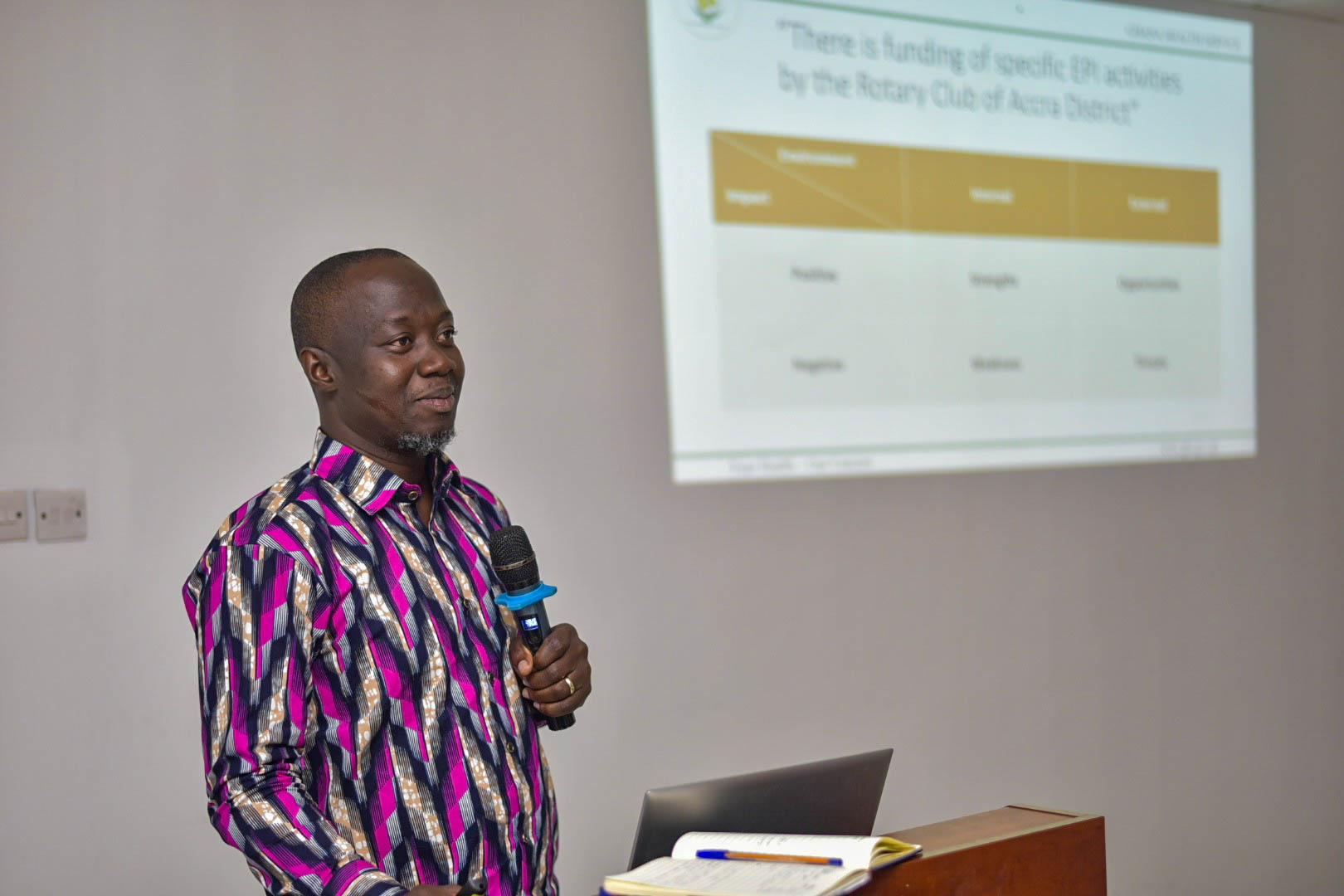
For the first time since 2007, Ghana is rolling out a nationwide training to strengthen the leadership and technical skills of mid-level and operational level immunization officers. With funding from Gavi, the Vaccine Alliance, and technical support from the World Health Organization (WHO) and partners, the Ghana Health Service (GHS) has developed and adopted updated training materials for the Mid-Level Management (MLM) and Immunization in Practice (IIP) modules, two globally recognized modules for building capacity of immunization officers.