Sierra Leone sustains digital health gains through nationwide health facility device troubleshooting for eIDSR

Freetown - In a major step to sustain gains in digital disease surveillance, Sierra Leone has completed another successful round of nationwide troubleshooting of health facility devices used in electronic Integrated Disease Surveillance and Response (eIDSR). Conducted in May and June 2025, the technical exercise covered all 16 districts and aimed to enhance the performance and sustainability of the country’s electronic reporting system.
Strengthening cervical cancer surgical capacity in Sierra Leone through south-south collaboration
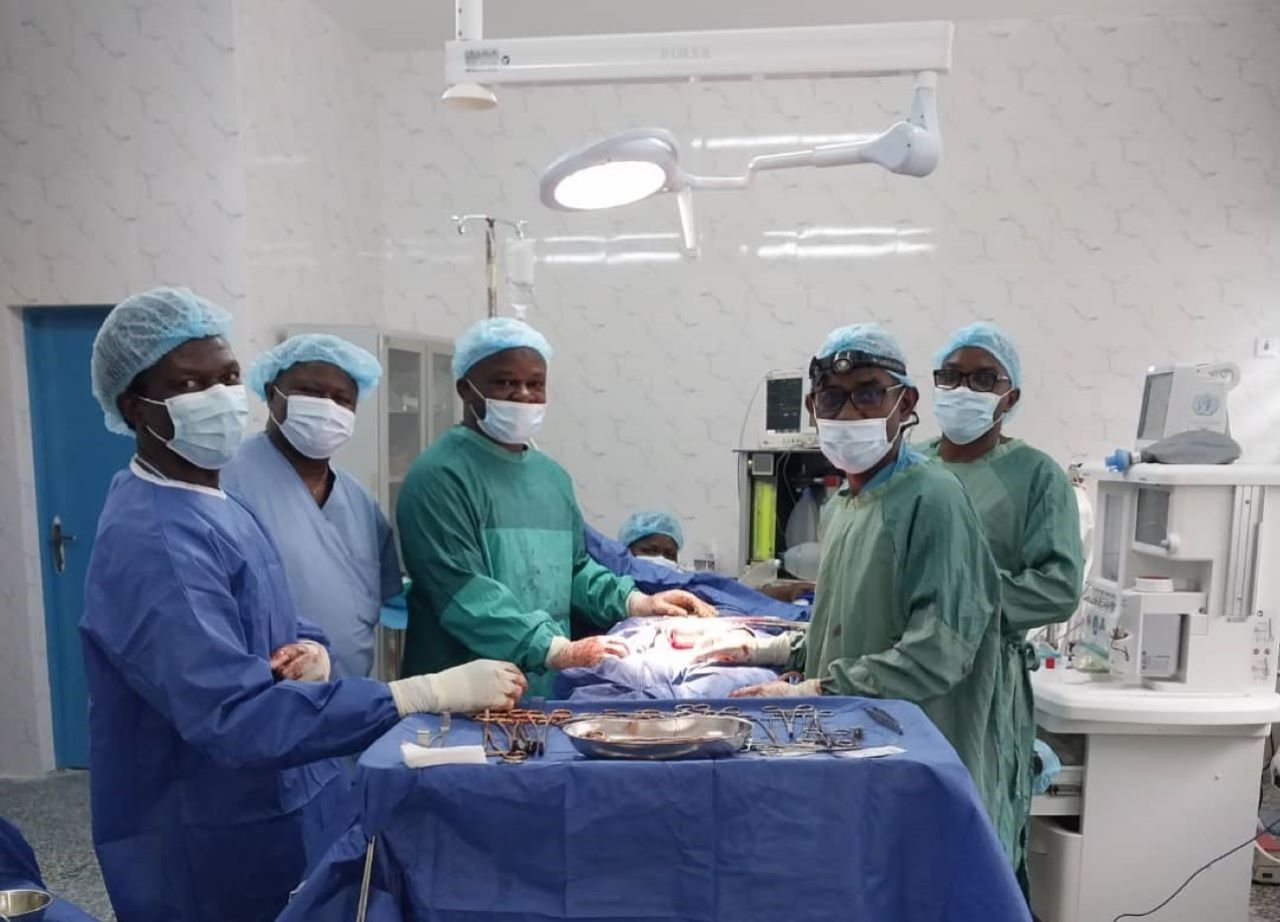
Freetown, Sierra Leone – Sierra Leone has taken another step forward in strengthening national capacity for cervical cancer care through the successful completion of a second round of complex surgical procedures for women diagnosed with early-stage invasive cervical cancer.
Expanding access to sexual and reproductive health services in Ethiopia
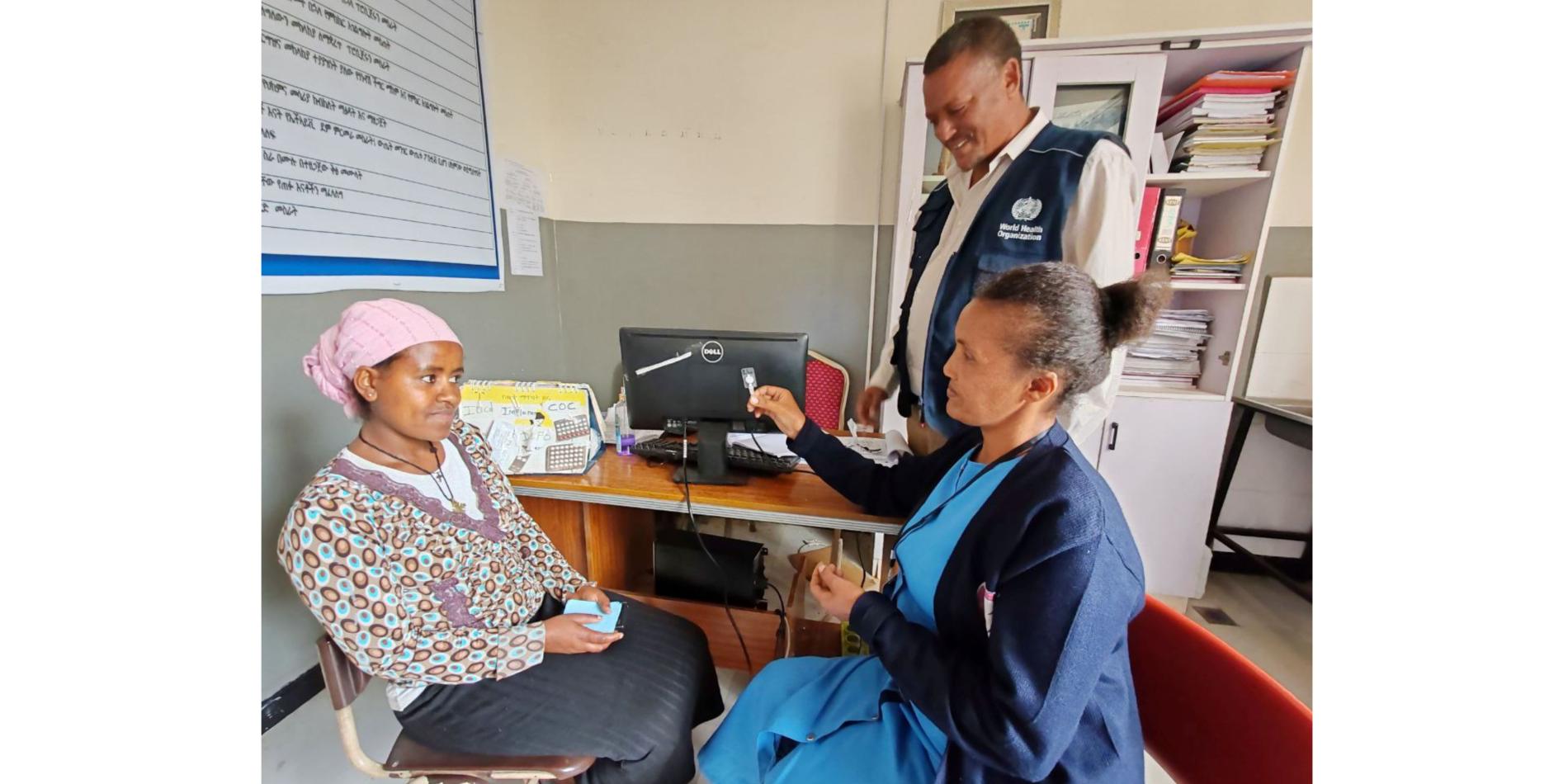
Addis Ababa – To address gaps in sexual and reproductive healthcare access, widened by the COVID-19 pa
WHO, KOICA, and Uganda’s Health Ministry convene high-level national policy dialogue on reproductive, maternal, newborn and child health in Busoga
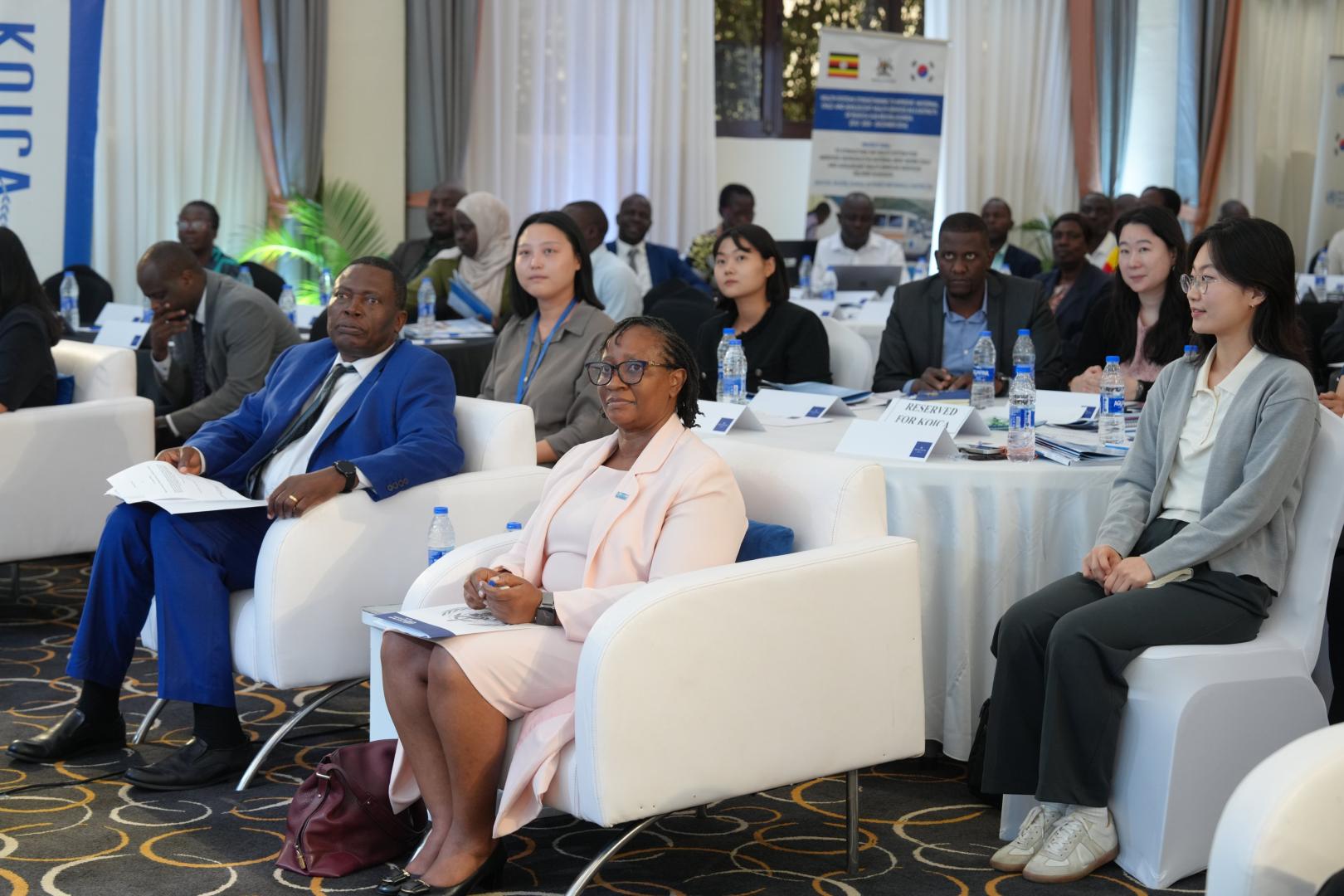
Kampala, Uganda. The Ministry of Health, World Health Organization (WHO), and Korea International Cooperation Agency (KOICA) convened a high-level national policy dialogue to mark the conclusion of the health system strengthening project for reproductive, maternal, newborn, child, and adolescent health (RMNCAH) in Busoga sub region. The dialogue provided a platform to assess progress, share lessons, and chart the way forward for RMNCAH in Uganda.
Strengthening safe blood supply to help save lives
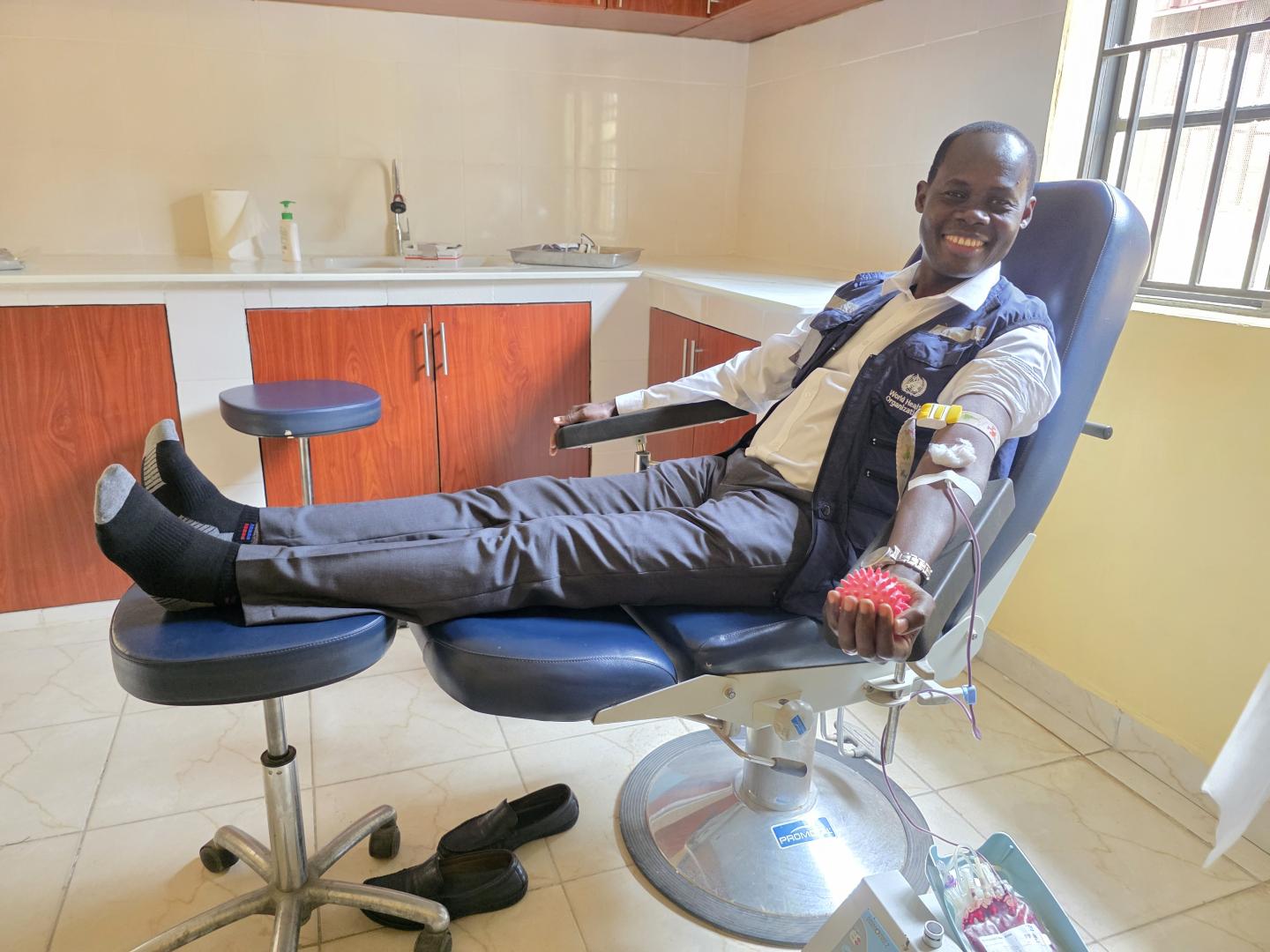
Juba - In line with this year’s theme marking the World Blood Donor Day celebrated on 14 June the South Sudan National Blood Transfusion Services (NBTS) conducted several activities. With support from World Health Organization (WHO) and the Red Cross, NBTS organized a blood donation campaign and drive to raise awareness of the life-saving role of blood and plasma donation and to encourage regular donation from first-time and long-term donors.
Sierra Leone advances pandemic preparedness with operationalisation of the Pandemic Fund
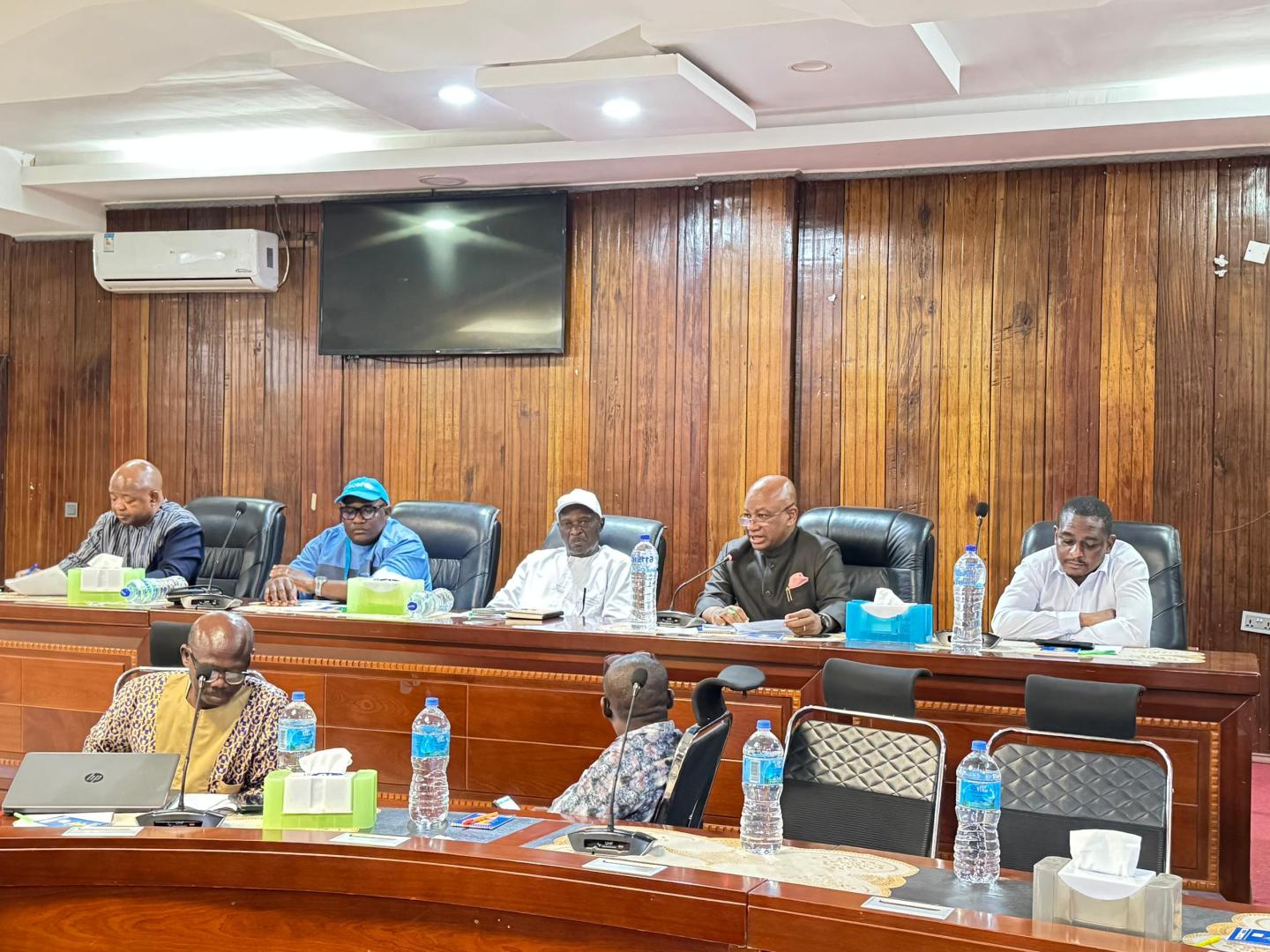
Bo district - Sierra Leone has entered a critical phase in strengthening its pandemic preparedness and response capacities, officially flagging-off the operationalisation of the Pandemic Fund. This milestone signals the country’s continued commitment to protecting communities and contributing to global health security.
Journée mondiale de lutte contre la drépanocytose : un plaidoyer fort porté par la Première Dame centrafricaine et l’OMS
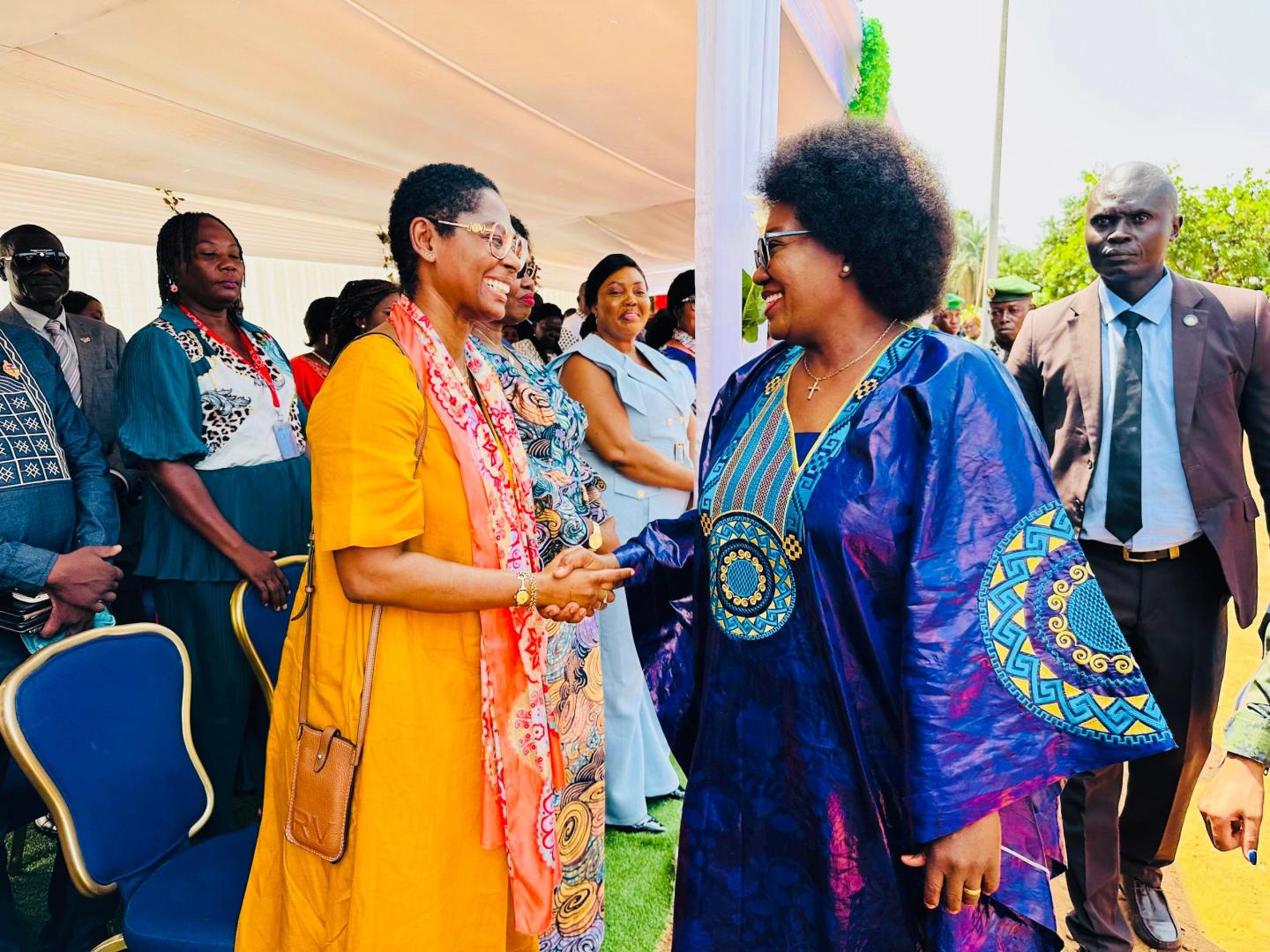
Bangui, 25 juin 2025 - La République centrafricaine a célébré en différé la Journée mondiale de lutte contre la drépanocytose, sous le haut patronage de Son Excellence Madame Brigitte Touadéra, Première Dame de la République. La cérémonie s’est tenue au Centre de recherche et de traitement de la drépanocytose à Bangui, en présence de représentants du ministère de la Santé, de l’Organisation mondiale de la Santé (OMS) et de plusieurs partenaires techniques et financiers.
Namibia Strengthens Maternal and Neonatal Health Through High-Level Engagement and Surveillance
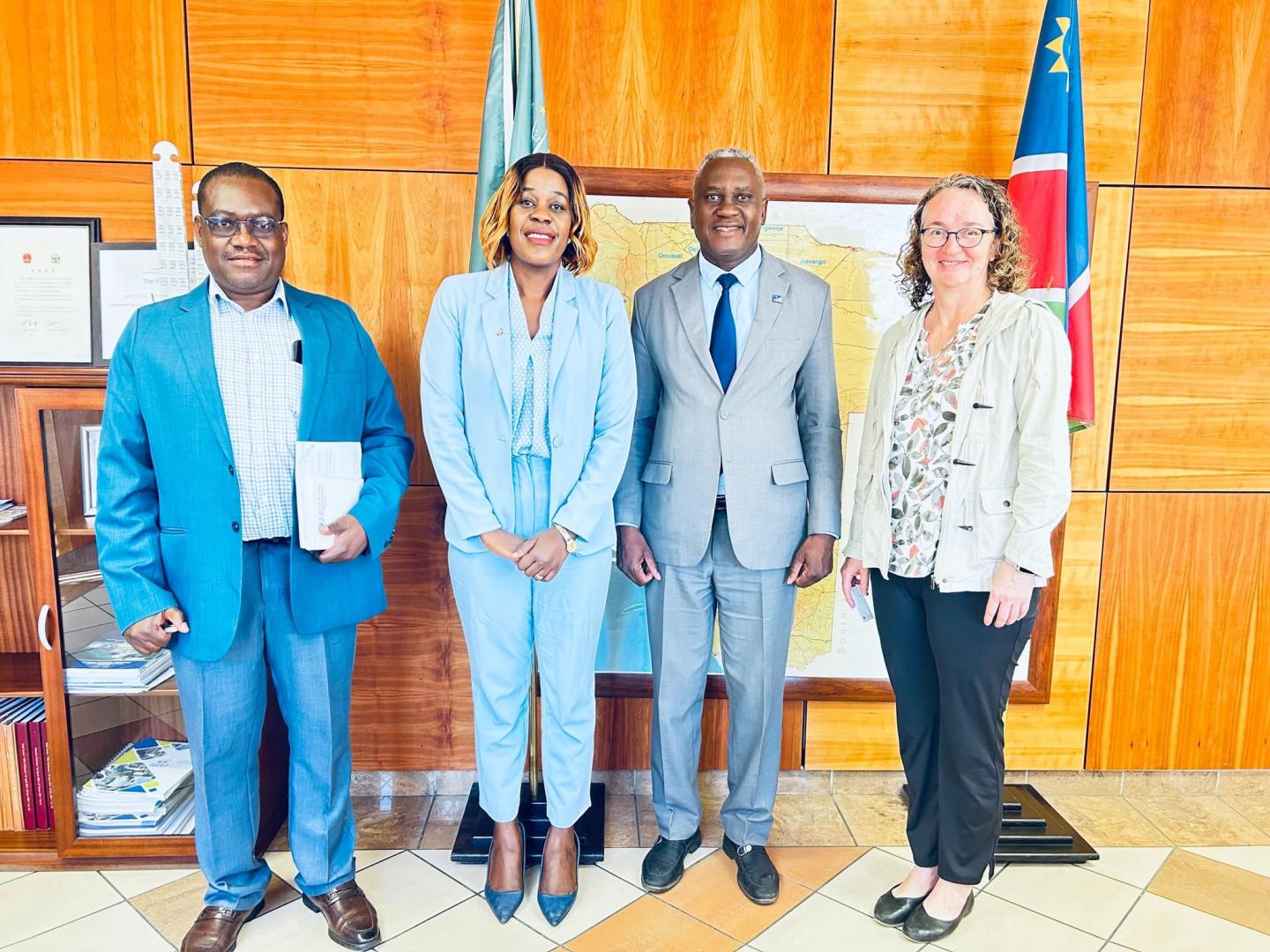
Namibia is intensifying efforts to end preventable maternal and child deaths through strong leadership, robust data systems, and continuous quality improvement. In 2023, the country released the second edition of its National Guidelines for Reviewing and Responding to Maternal Deaths, Near Misses, Stillbirths, and Neonatal Deaths. These guidelines inform the work of the National Maternal Stillbirth and Neonatal Death Review Committee (NMSNDRC), which analyses avoidable deaths and recommends corrective measures to improve outcomes.
Twenty years of service and still counting: Patrick Wokorach’s journey with WHO
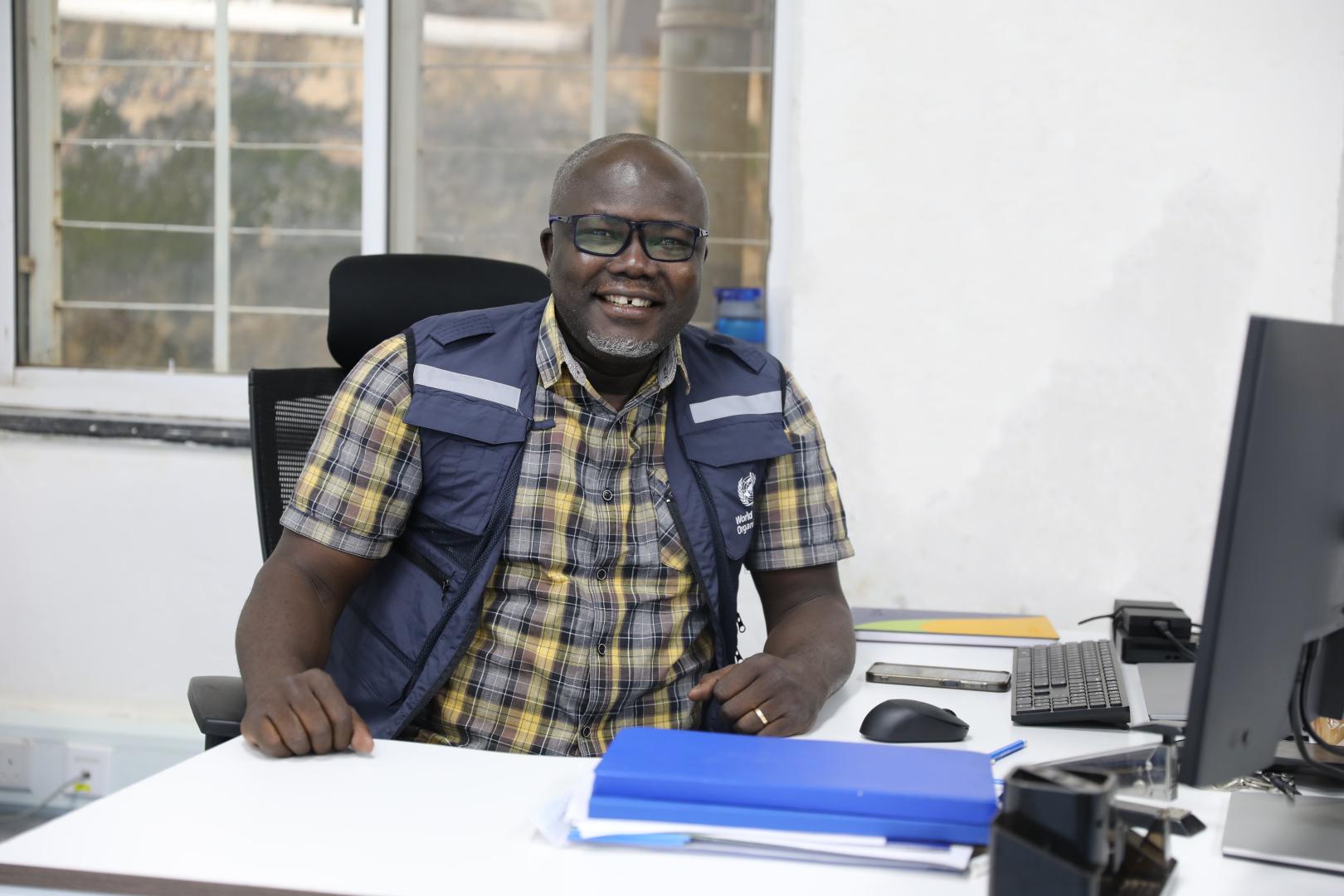
In 2005, a young man from northern Uganda walked into the offices of the World Health Organization (WHO) with a heart full of hope and a 60-day contract in hand. Today, 20 years later, Patrick Wokorach is still walking through those doors—now as a seasoned shipping assistant, a veteran of public health emergencies, and a living testament to resilience, dedication, and purpose.
Protecting those who protect us: Ensuring vaccinations for health workers on the frontlines

Freetown/Sierra Leone - It happened in seconds. The doors of the health facility flew open. A young man was rushed in, barely breathing, his family screaming behind him.