World No-Tobacco Day 2025: WHO joined Health Ministry, VISA NGO and University of Mauritius to unmask tobacco deadly products over a three-week long celebration

On the Front Line of Hope: Angola’s Fight Against Cholera
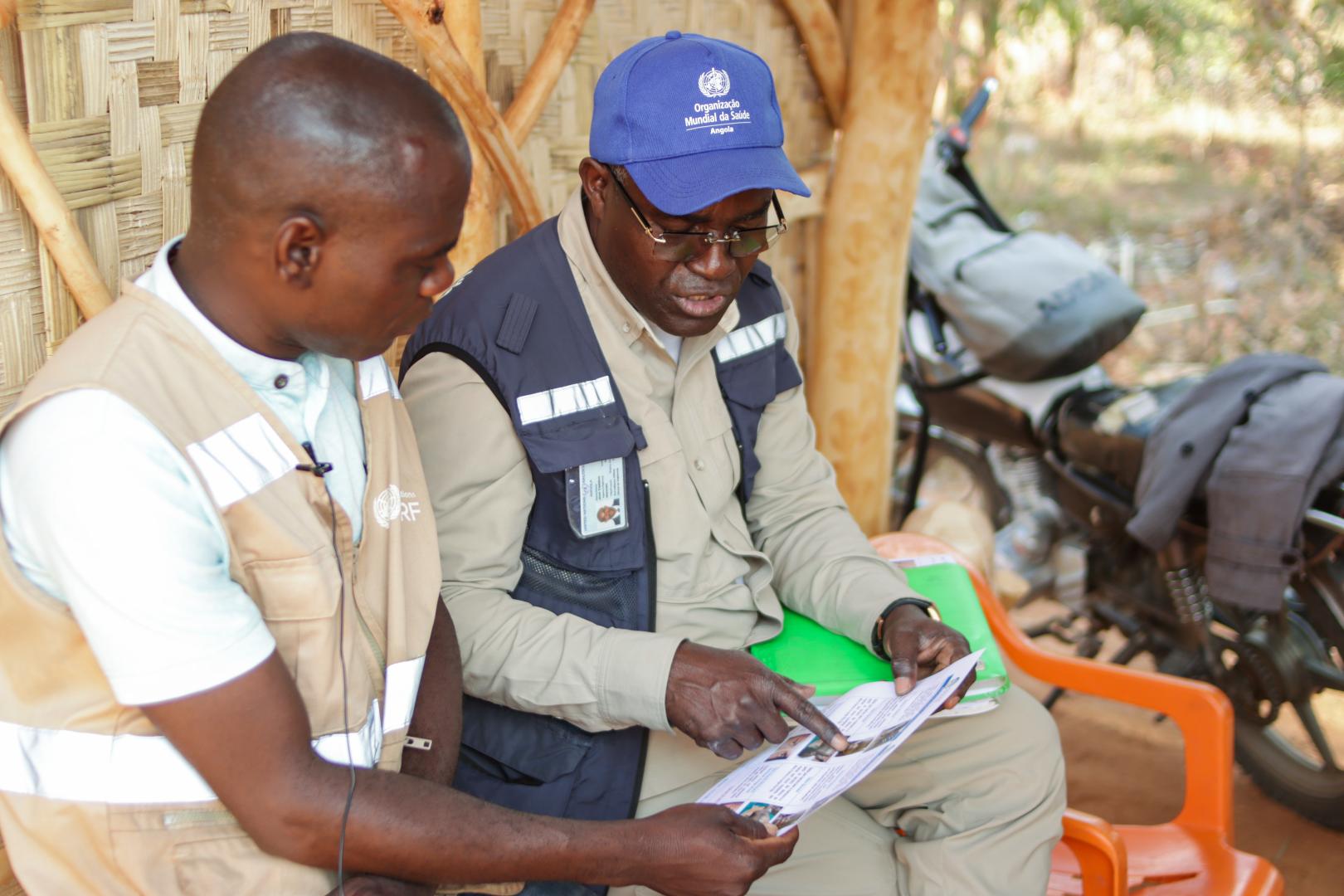
In the Angolan province of Huíla, where the Serra da Leba rises like a poem carved in stone and the mountainous plateau borders Namibe, home to one of the oldest deserts in the world, dozens of unsung heroes rise every dawn with a noble mission: to save lives from cholera.
WHO Launch Joint Operational Review to Strengthen Emergency Health Response in South Sudan
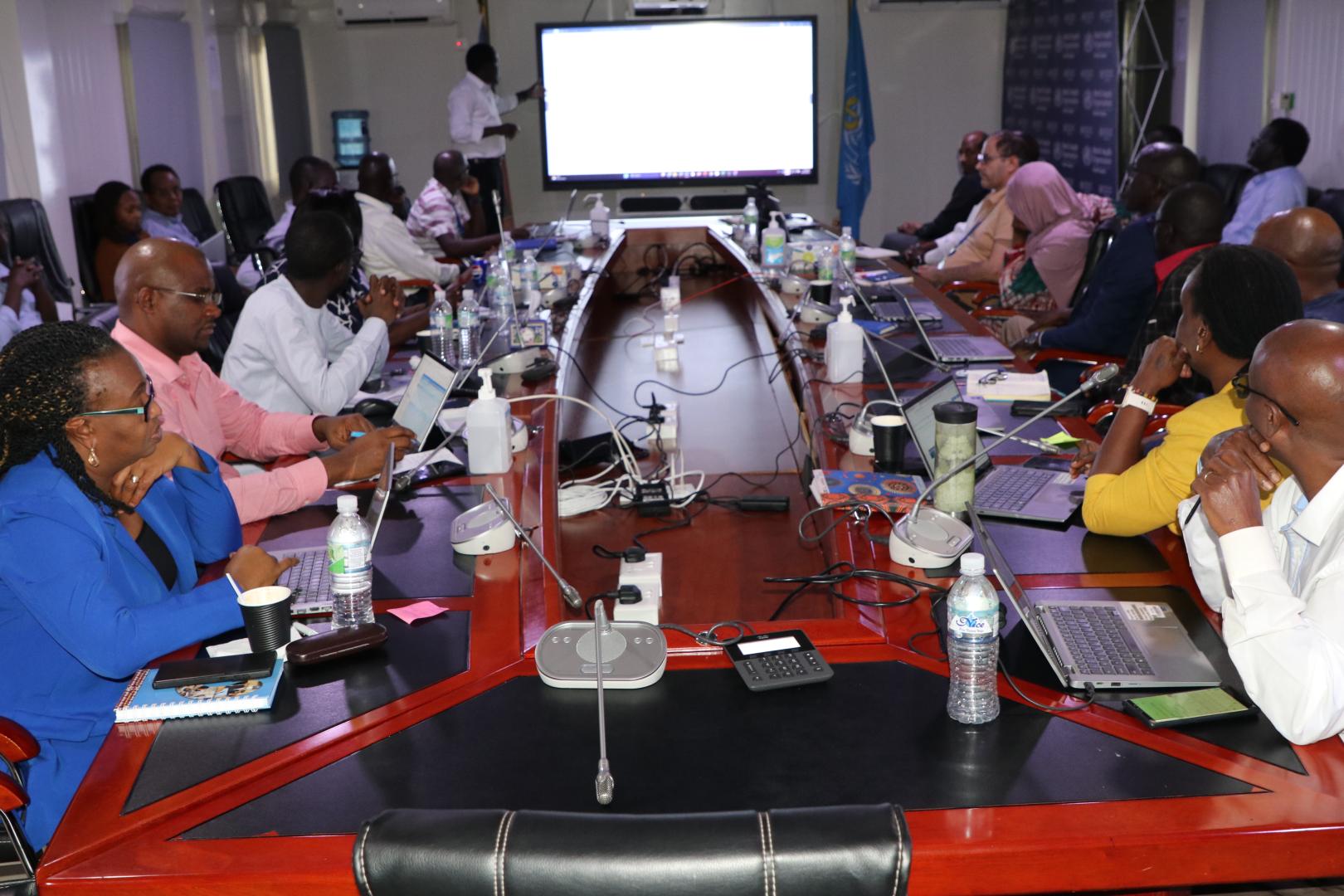
Juba- To enhance South Sudan’s capacity to respond to health emergencies, World Health Organization (WHO) convened a Joint Operational Review (JOR) to evaluate the country’s emergency response efforts amidst multiple health challenges and reduced fundings.
National training boosts cervical cancer prevention efforts in Botswana
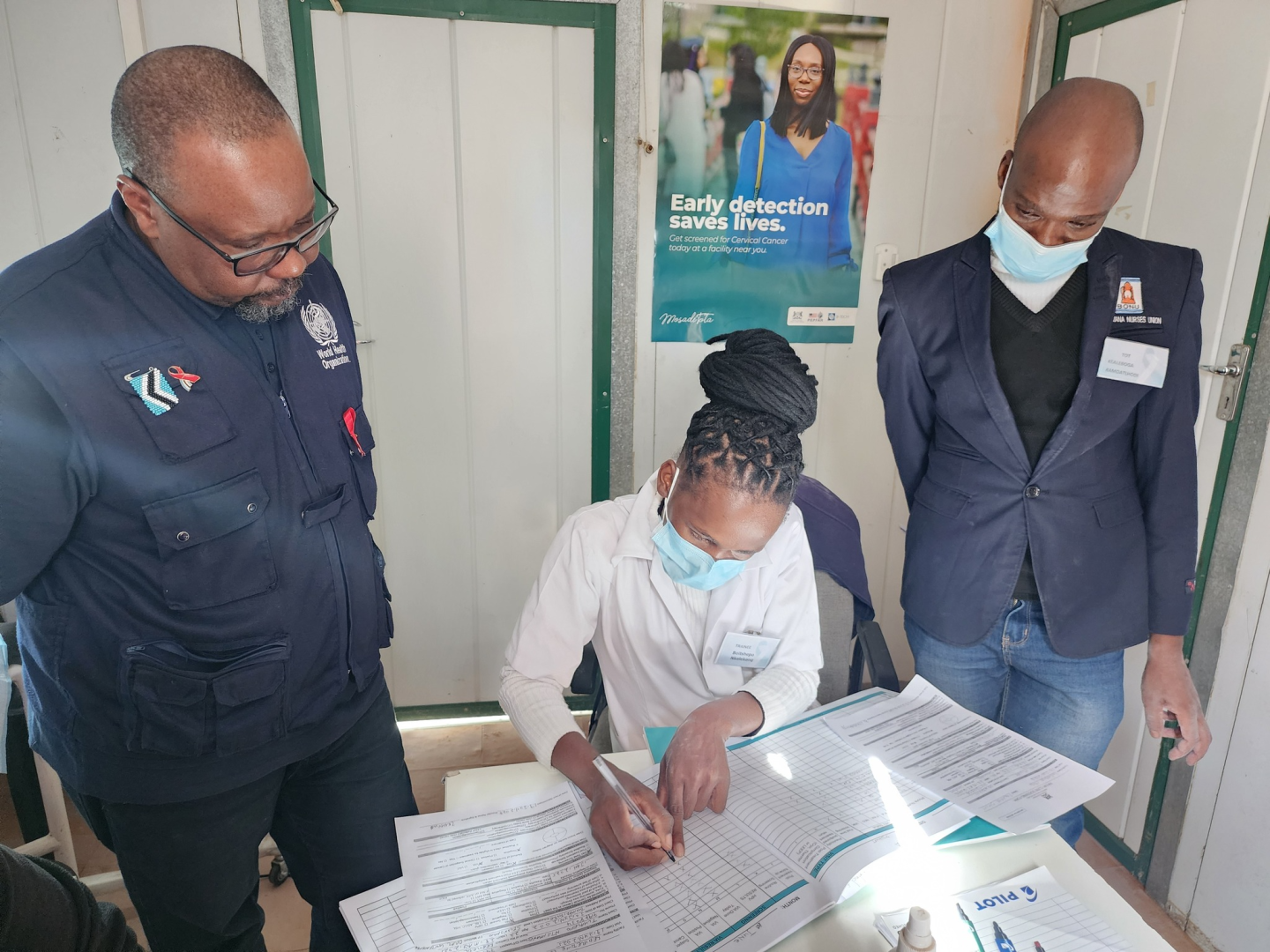
In a continued effort to reduce the burden of cervical cancer, the Ministry of Health, supported by the World Health Organization (WHO) and other key partners has launched a national training initiative aimed at strengthening the capacity of both doctors and nurses in the screening and treatment of pre-cancerous cervical lesions.
WHO Namibia successfully conducted BMS HCM UX Lab
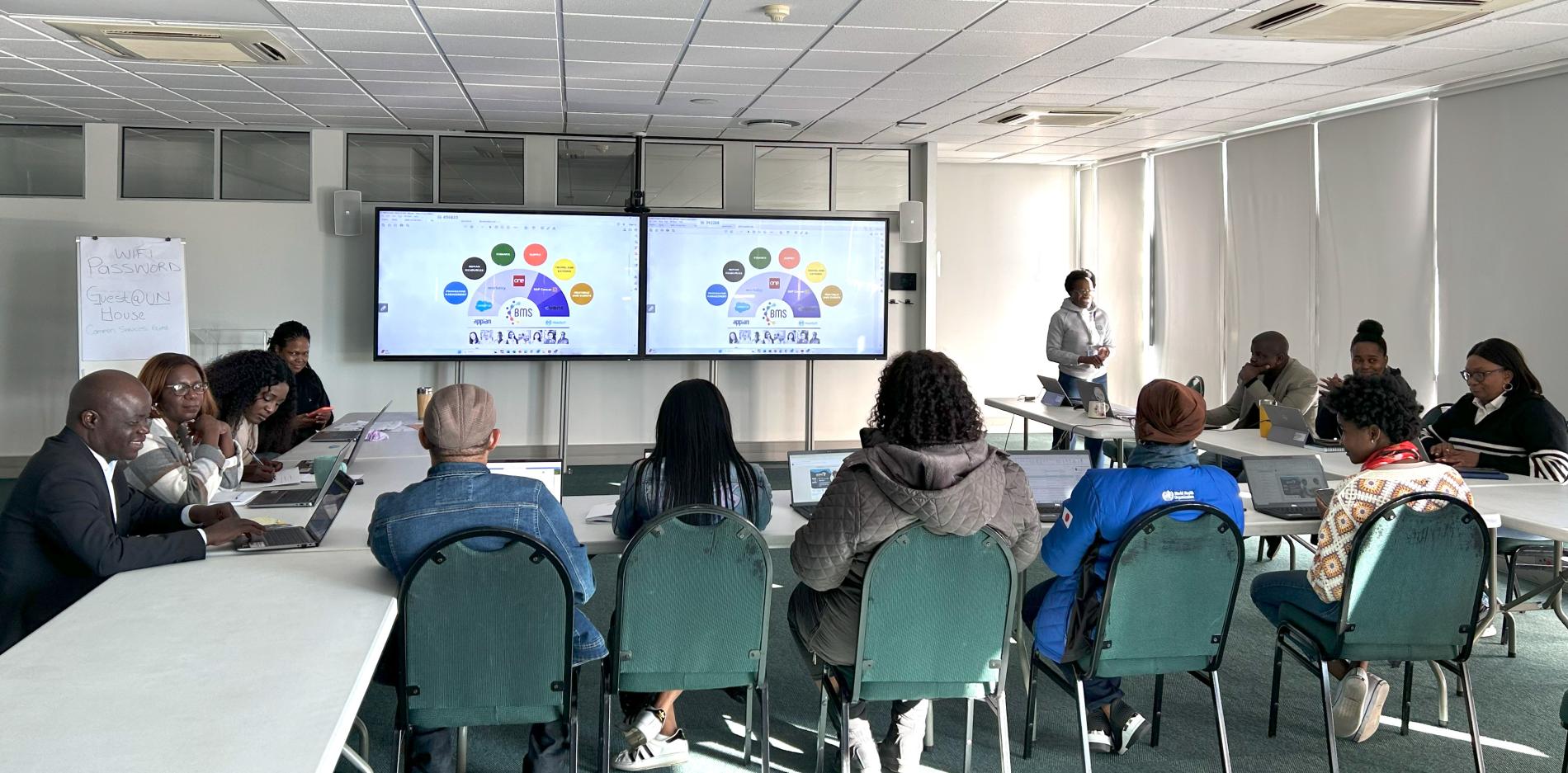
The Business Management System (BMS) is a comprehensive suite of tools designed to support the planning and implementation of organizational policies, practices, guidelines, processes, and procedures. It facilitates the development, deployment, and execution of business strategies and related management activities. To prepare for the upcoming rollout of BMS, each country office was tasked with conducting a User Experience (UX) Lab to familiarize staff with the new system.
WHO supports Government Response to Influx of Asylum Seekers with Vital Health Supplies

Kigoma : The World Health Organization (WHO) in Tanzania has delivered critical health supplies, including Personal Protective Equipment (PPEs) and Infection Prevention and Control (IPC) kits, to bolster the national response to the ongoing influx of asylum seekers from the Democratic Republic of Congo (DRC). This intervention is part of WHO’s broader support to the Government of Tanzania, led by the Ministry of Home Affairs – Refugee Services Department, the Ministry of Health, and collaborating partners.
Health Minister launches landmark polio vaccination campaign to protect 4 million children in Benin
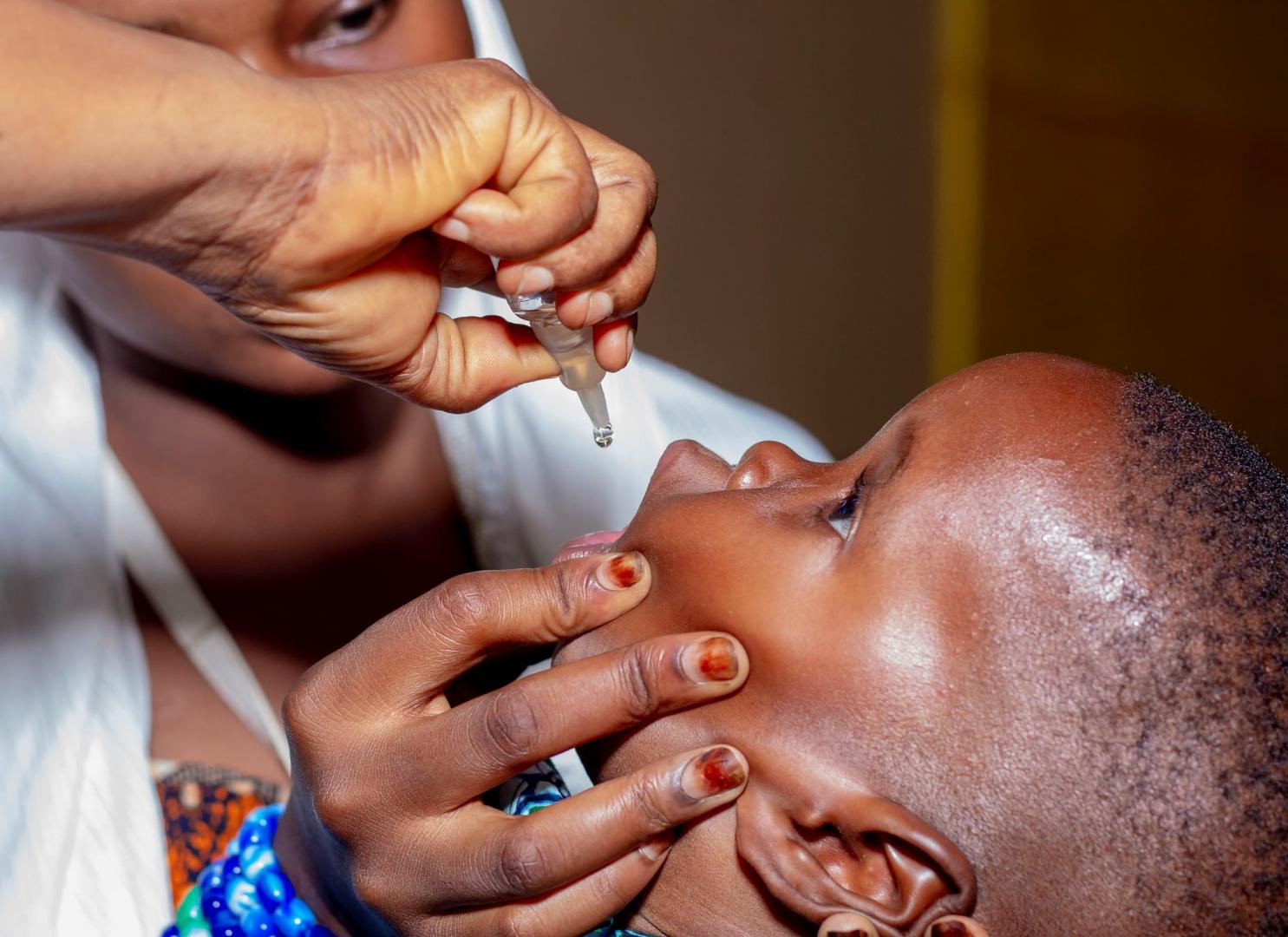
Cotonou –Today, the Minister of Health of Benin officially launched a nationwide polio vaccination campaign, marking a major effort to curb the recent spread of circulating variant poliovirus type 2 (cVDPV2) in the country. The campaign seeks to protect 4 million children under the age of five with the novel oral polio vaccine type 2 (nOPV2).
Uganda reflects on response to recent Ebola outbreak
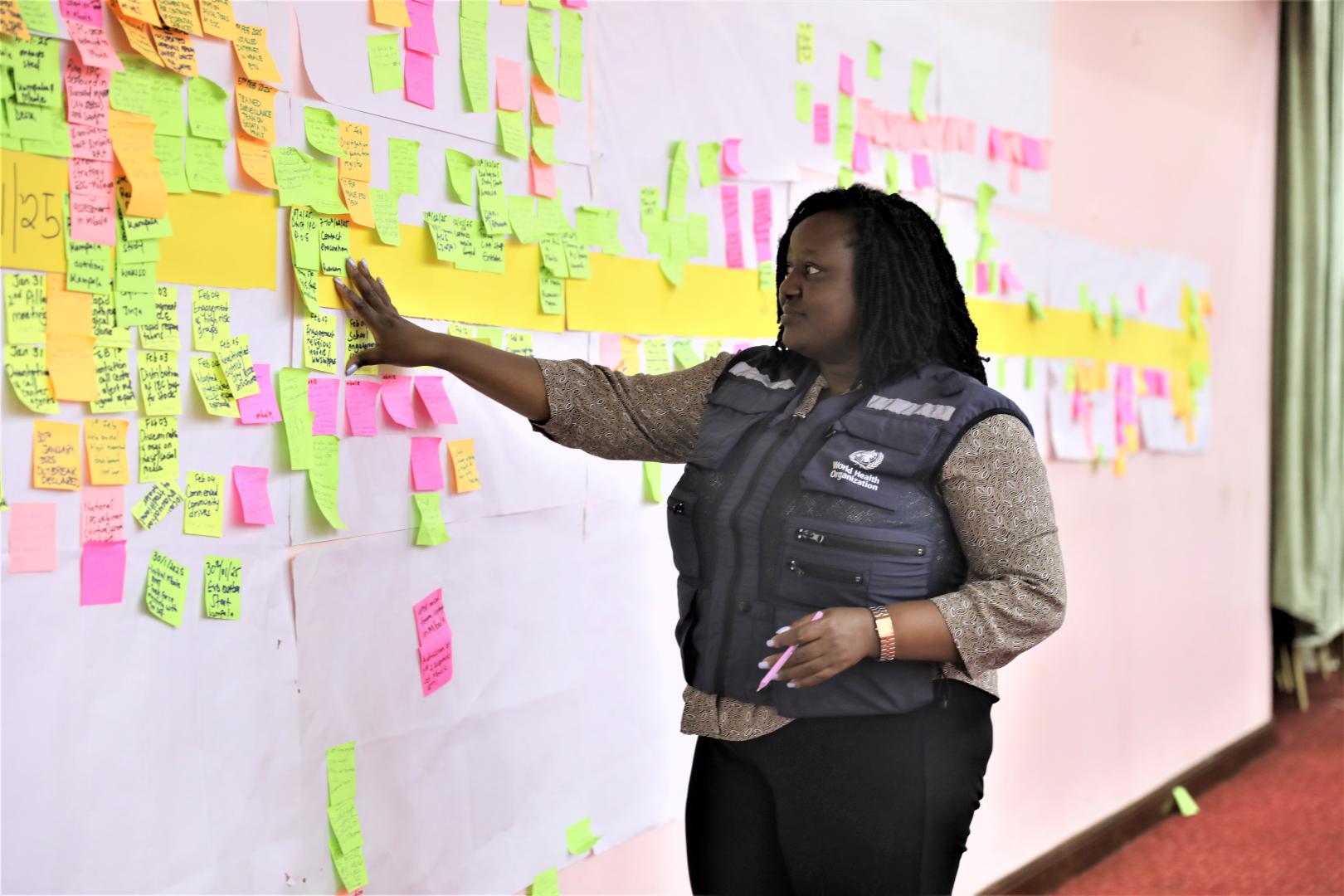
Uganda’s Ministry of Health, with support from World Health Organization (WHO) and partners, concluded a three-day After-Action Review (AAR) on 20 June 2025 to reflect on the country’s response to the recent Ebola outbreak.
WHO supports the development of Uganda’s TB and Leprosy strategic plan
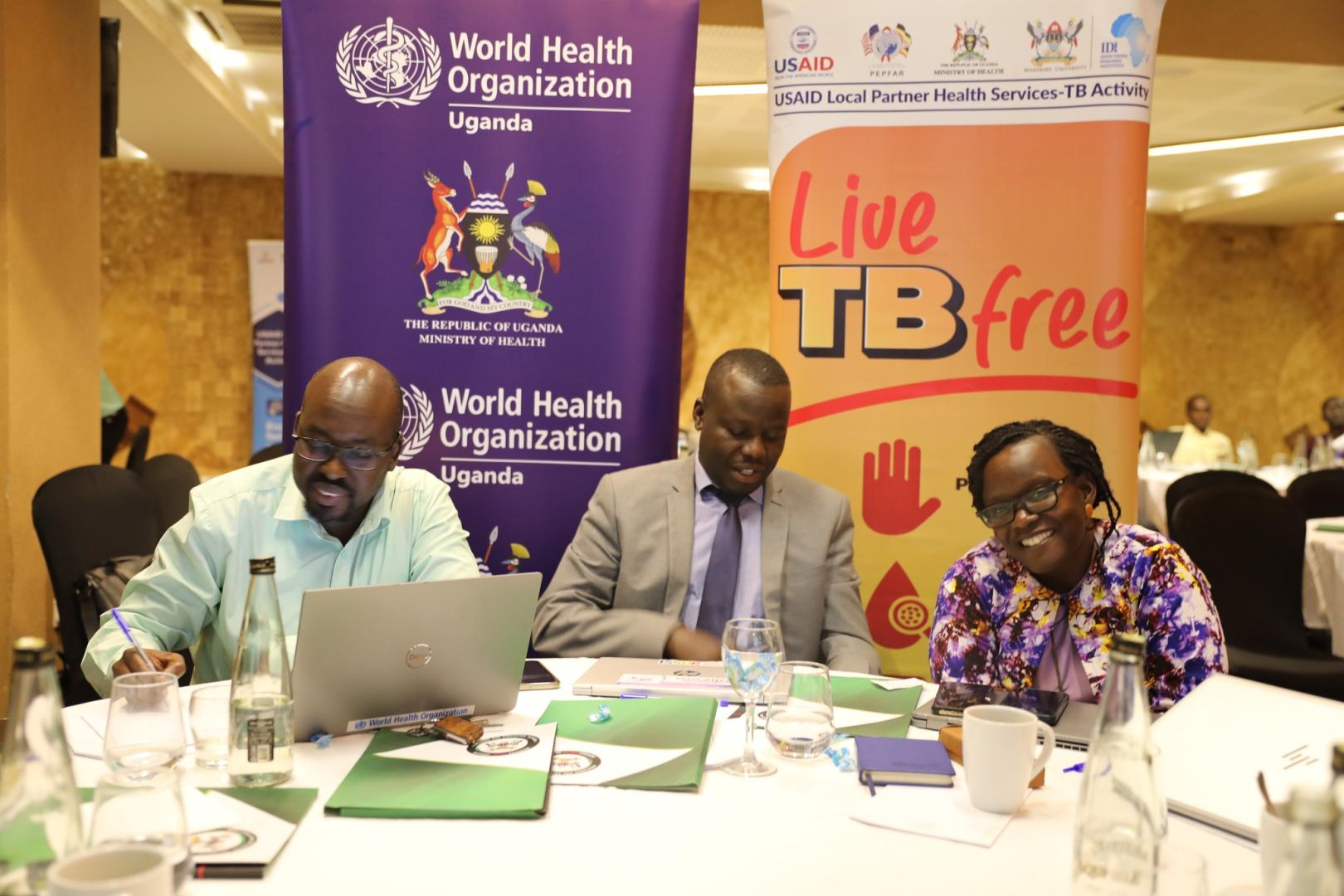
Kampala. The Ministry of Health, with support from the World Health Organization (WHO) and key partners has kickstarted the development of Uganda’s next five-year Strategic Plan for Tuberculosis (TB) and Leprosy (2025/26–2029/30). A key milestone in this process was the National Strategic Plan development workshop held this week in Kampala, which brought together stakeholders from across the health sector and beyond to shape the future of TB and leprosy control in Uganda.
WHO Supports Training of Field Officers to conduct Poliovirus Containment Activities in Ghana
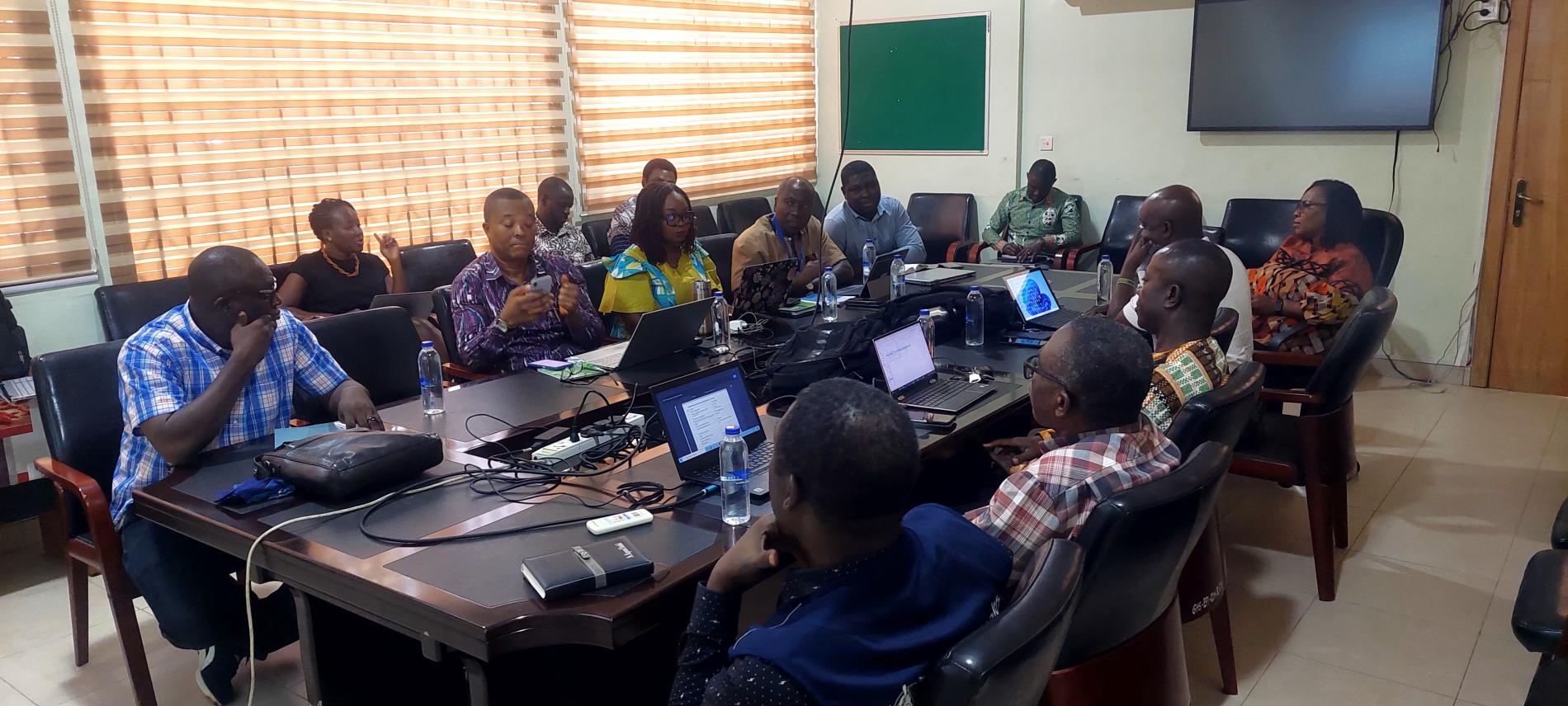
Ghana continues to make impressive strides in the fight against poliovirus, with the last confirmed case of Wild Poliovirus (WPV) recorded in 2008 and the most recent Variant Poliovirus (VDPV) detected in 2024. As the number of confirmed polio cases and detection of the virus in the environment decline steadily, the World Health Organization (WHO) and partners remain committed in minimizing the risk of reintroduction of poliovirus.