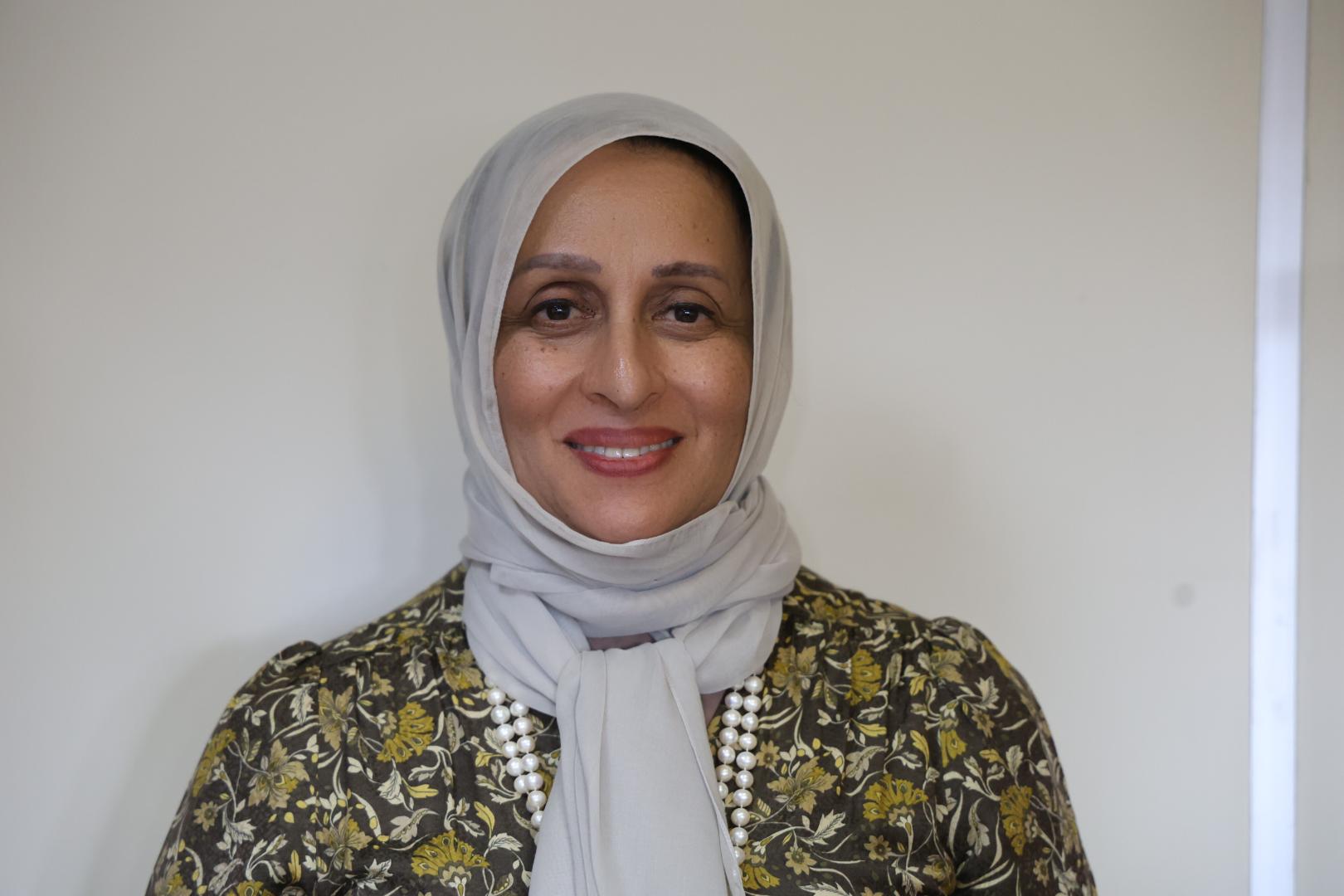
WHO Representative discussed national health priorities with His Excellency, the President of the Republic of Mauritius

Helping drug users return to a healthier lifestyle through harm reduction approach
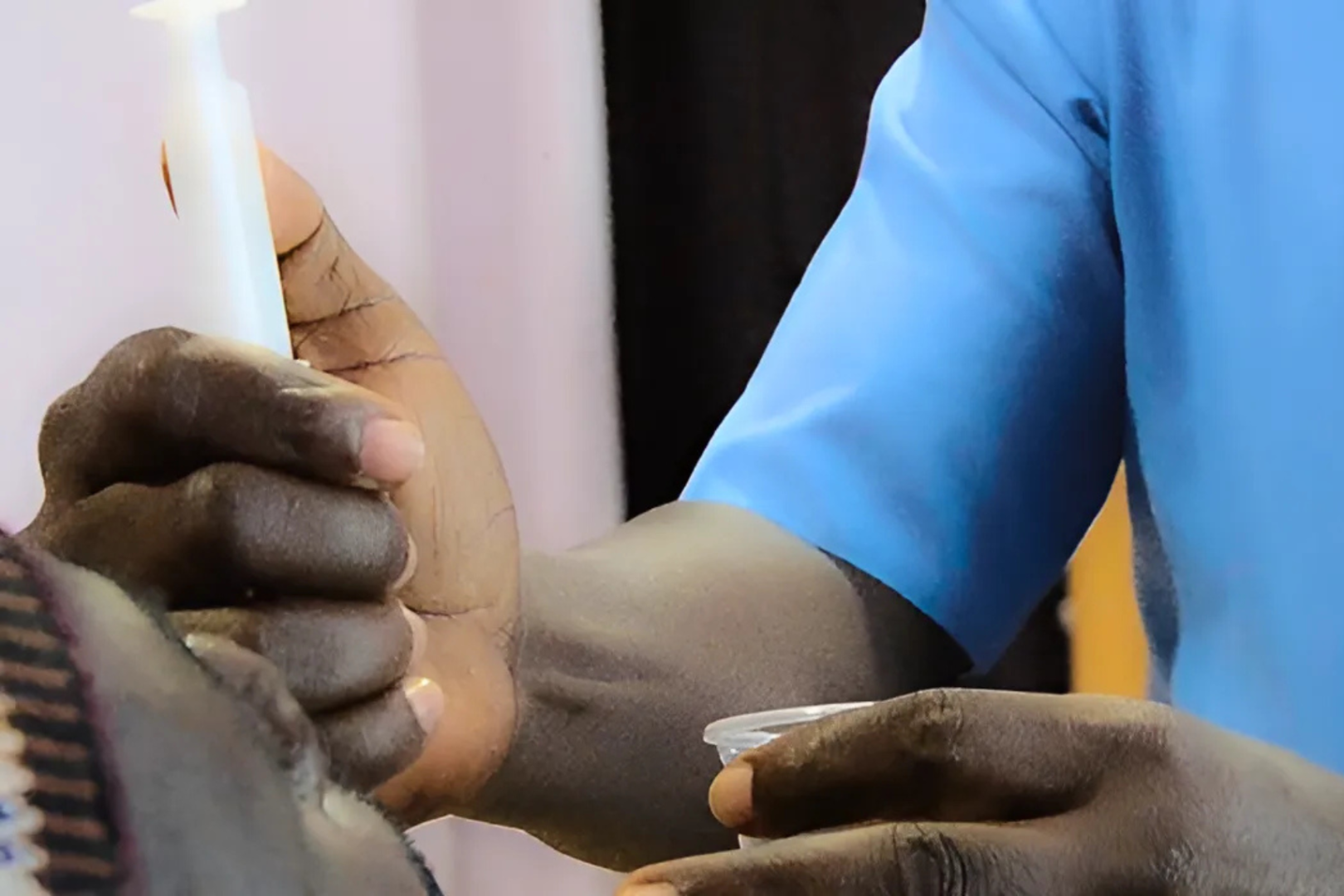
Maiduguri, 28 April. 2025 - Getting medical help to stop using illicit drugs saved my life, said 41-year-old *Aliu Musa from Maiduguri, Borno State. (*name changed for privacy).
Aliu abused drugs for 15 years. This affected his work, relationships, and health. “My life was a mess. I was informed that I talked and behaved irrationally anytime I was under the influence of drugs.
When I was on drugs, I was constantly in pain, couldn't think clearly or do my daily tasks," Aliu said.
Rwanda’s Swift Response to the Marburg Virus Disease Outbreak: Exemplary Coordinated Partnerships in Action
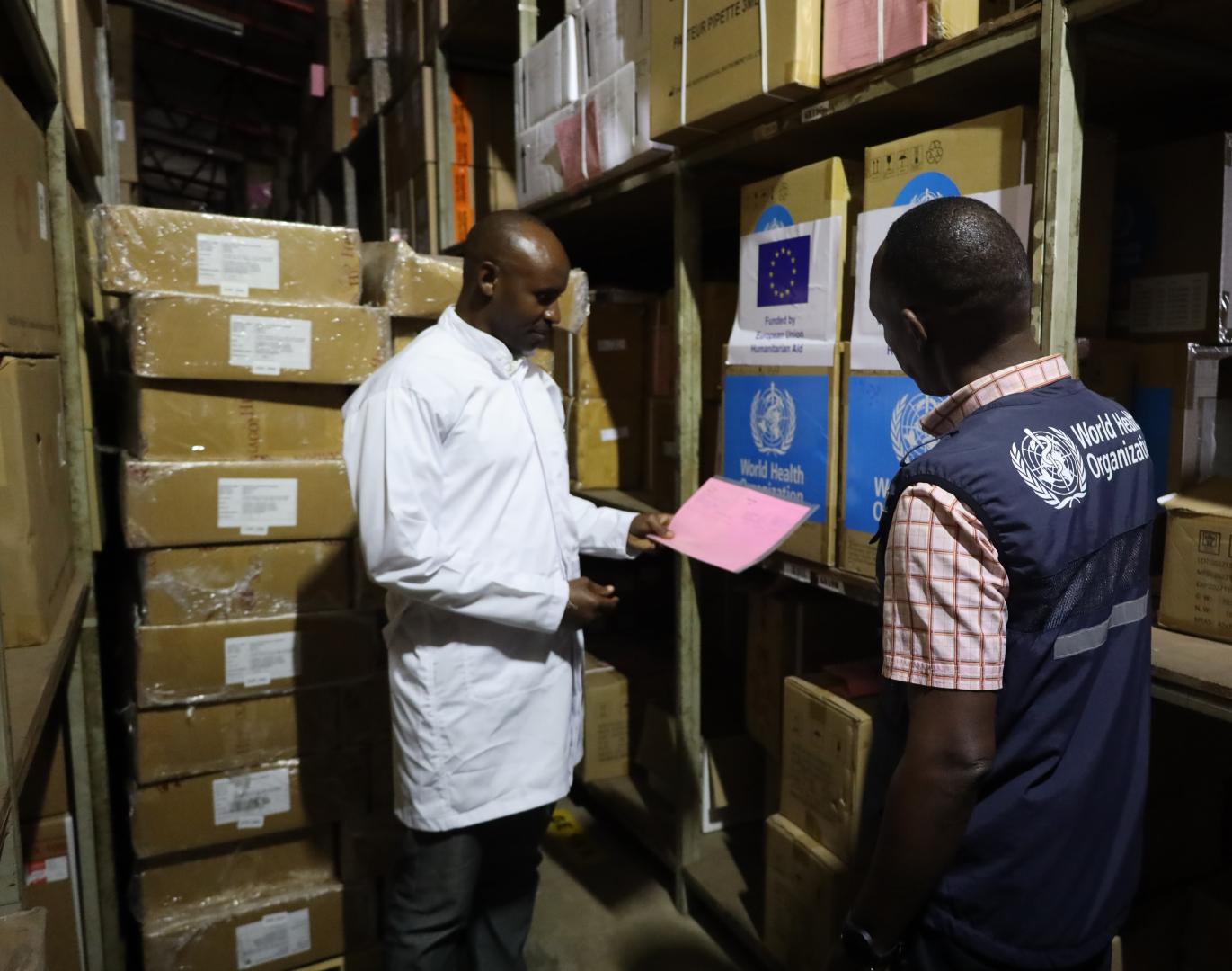
In September 2024, Rwanda experienced its first-ever filovirus outbreak of Marburg Virus Disease, a severe and often fatal illness with case fatality ranging between 24% to 88%. The outbreak was officially declared on 27 September 2024 following investigations into a cluster of unexplained illnesses and deaths in Kigali. The situation posed a formidable public health challenge, with healthcare workers among the most affected, highlighting critical gaps in infection prevention and control (IPC) measures within healthcare settings.
Ghana Charts Bold New Path for Health Workforce Transformation
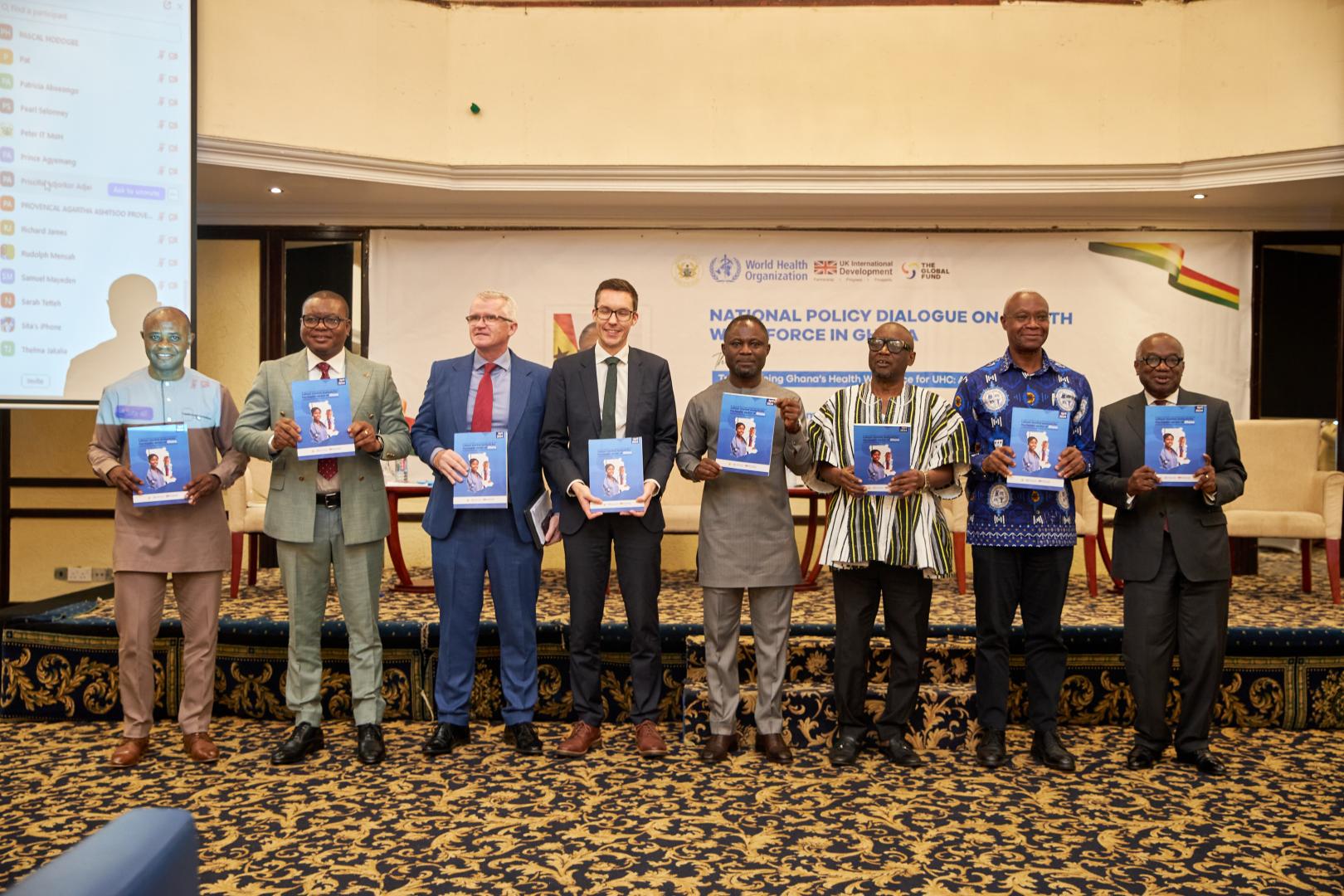
With a health workforce density that has more than doubled in the past two decades — rising from 16.56 to 41.92 per 10,000 people — Ghana continues to make important strides toward achieving Universal Health Coverage (UHC). But in spite of these strides, serious challenges persist. Many qualified professionals remain unemployed due to fiscal constraints. Others, including experienced specialists, are leaving for opportunities abroad. At the same time, underserved areas continue to experience critical shortages.
Measles and rubella vaccination campaign protects children in Lunda Norte
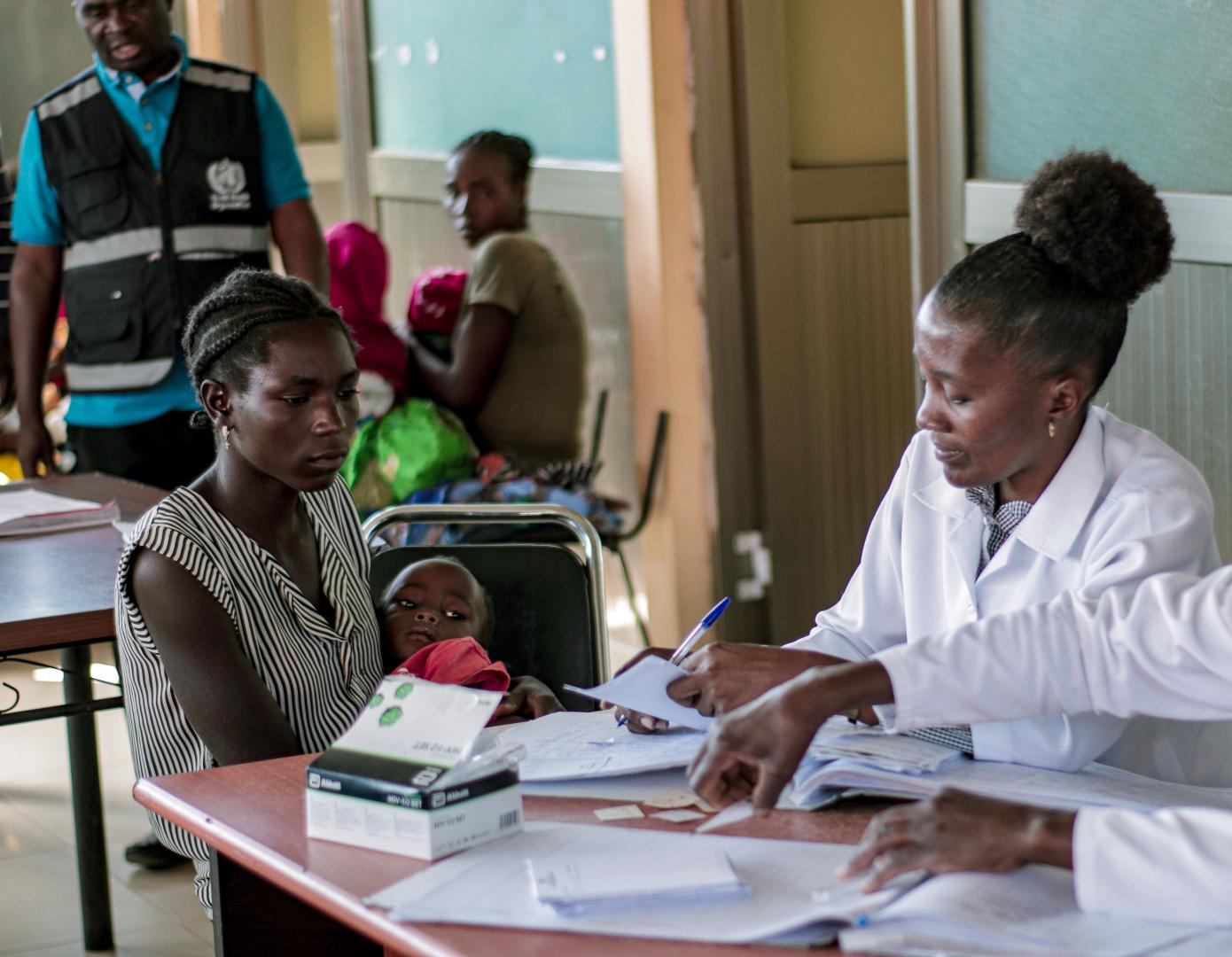
Maria da Graça, who lives in the municipality of Chitato, remembers with sadness one of the most difficult moments in her life. In 2024, her eldest daughter, then four years old, fell ill with measles. "It started with a fever, then the spots appeared. She became very weak. I was afraid I was going to lose her," says Maria, her eyes watering. Although her daughter survived, the disease left deep scars and a fear that never left her.
The end of Ebola outbreak in Uganda demonstrates WHO’s value in controlling and stopping diseases
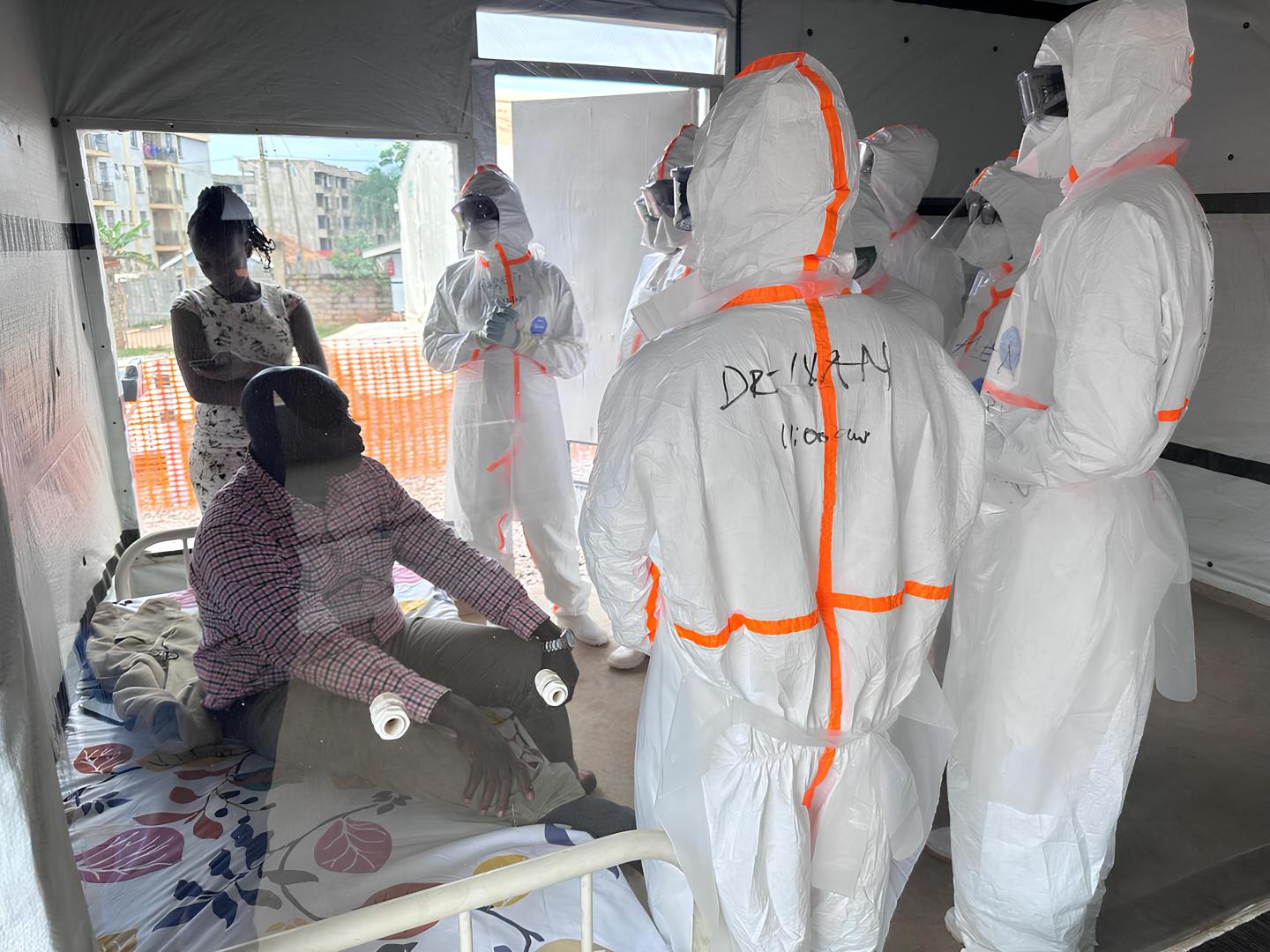
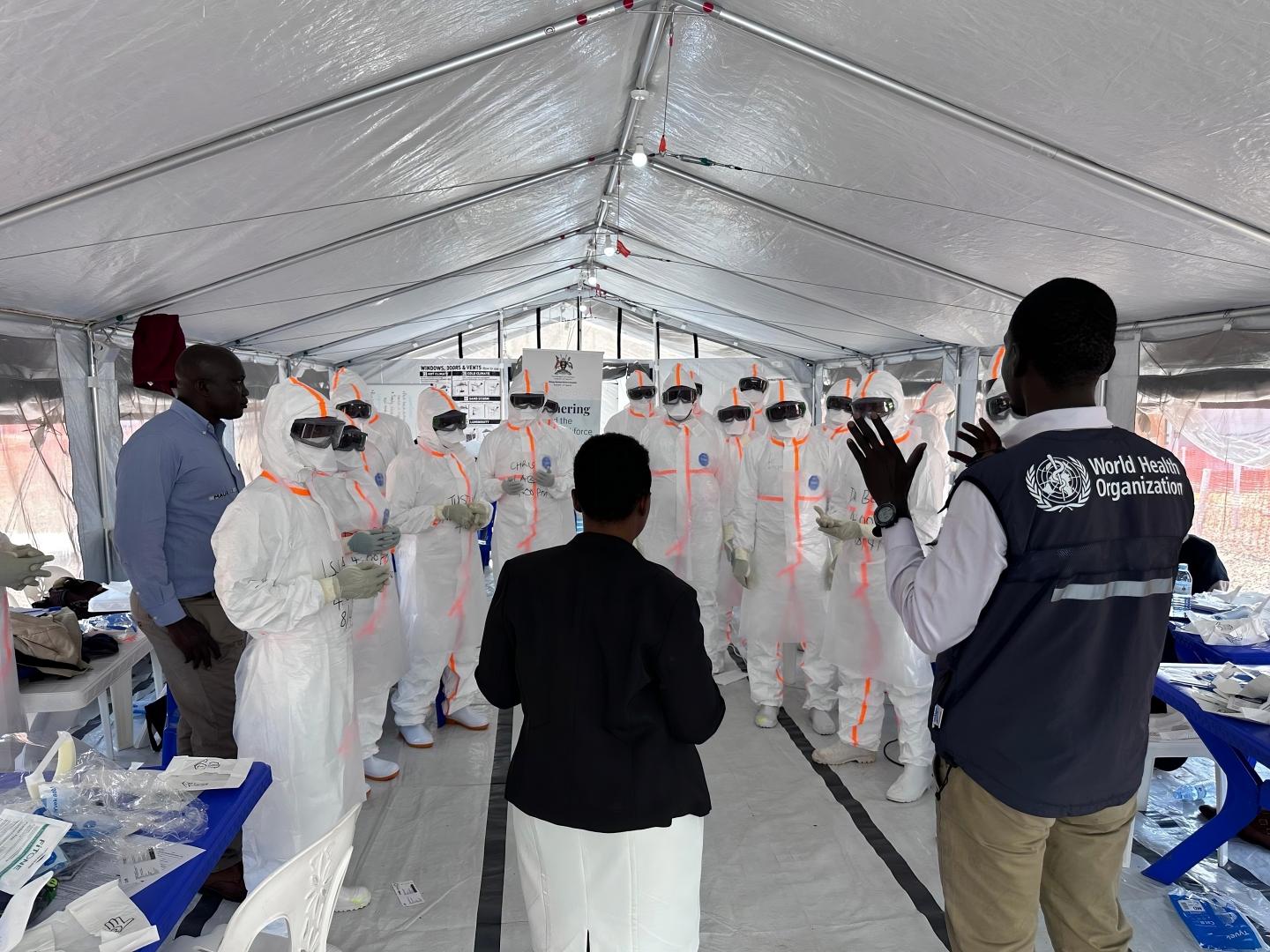
Kampala. Uganda has officially declared the end of the Ebola disease outbreak, which was confirmed on 30 January 2025 by Uganda’s Ministry of Health. The outbreak infected 14 people, two of whom were probable (not confirmed by laboratory tests) and caused four deaths (including two probable).
Uganda declares end of Ebola outbreak
Immunization outreach gains ground in Zimbabwe
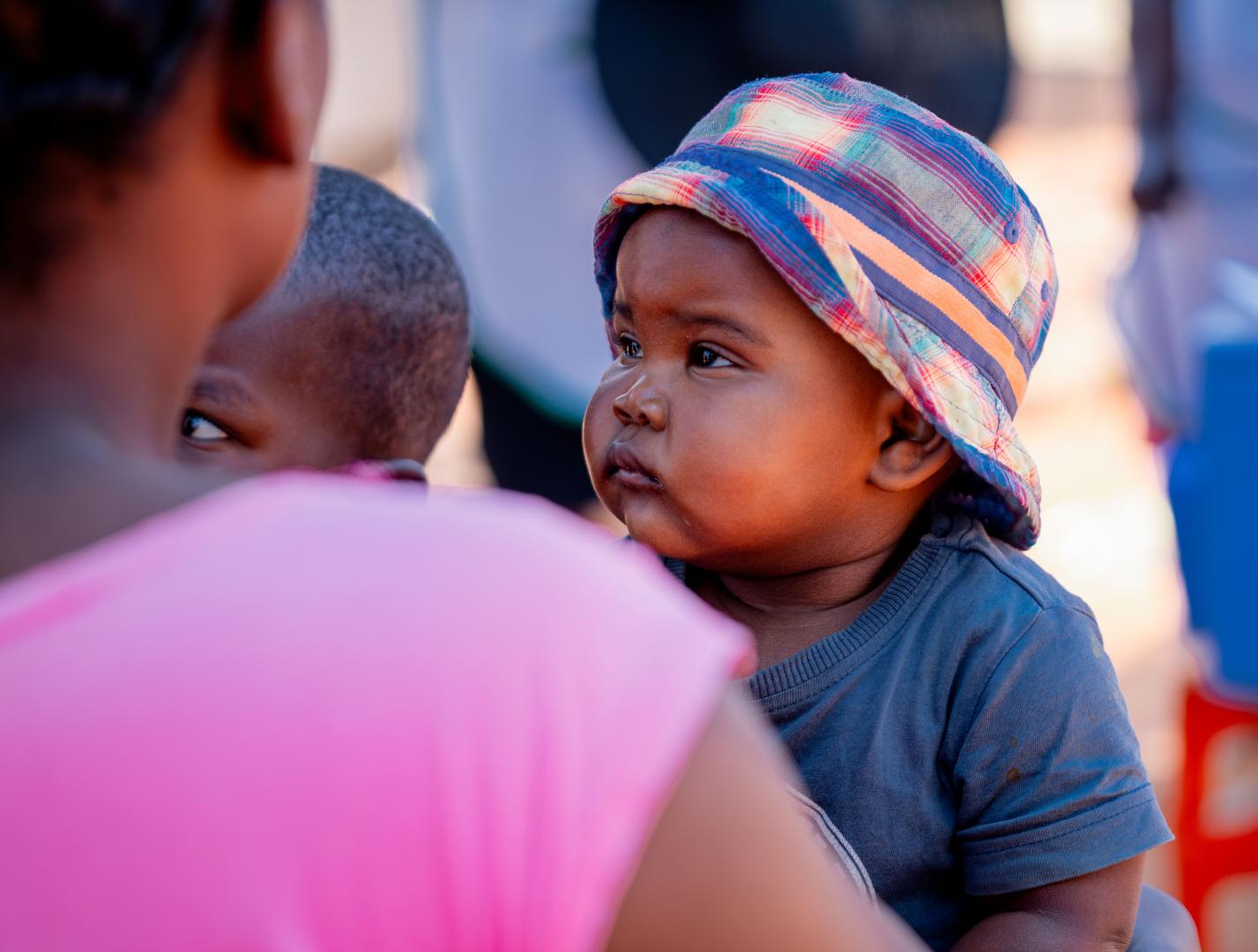
Kadoma—Nine-year-old Mavis* from rural Sanyati was looking forward to a joyful December holiday, filled with games and laughter with her siblings. But those plans came to an abrupt halt when she woke up one morning unable to walk.
Panicked and unsure of what to do, her family turned to their faith, seeking a miracle at a local church. After two weeks of fervent prayers but no improvement, church leaders advised her parents to seek medical help.
World Malaria Day: 25 April 2025