Partnership between WHO and the Ministry of Health creating an environment free from sexual exploitation, abuse and harassment (SEAH) in South Sudan
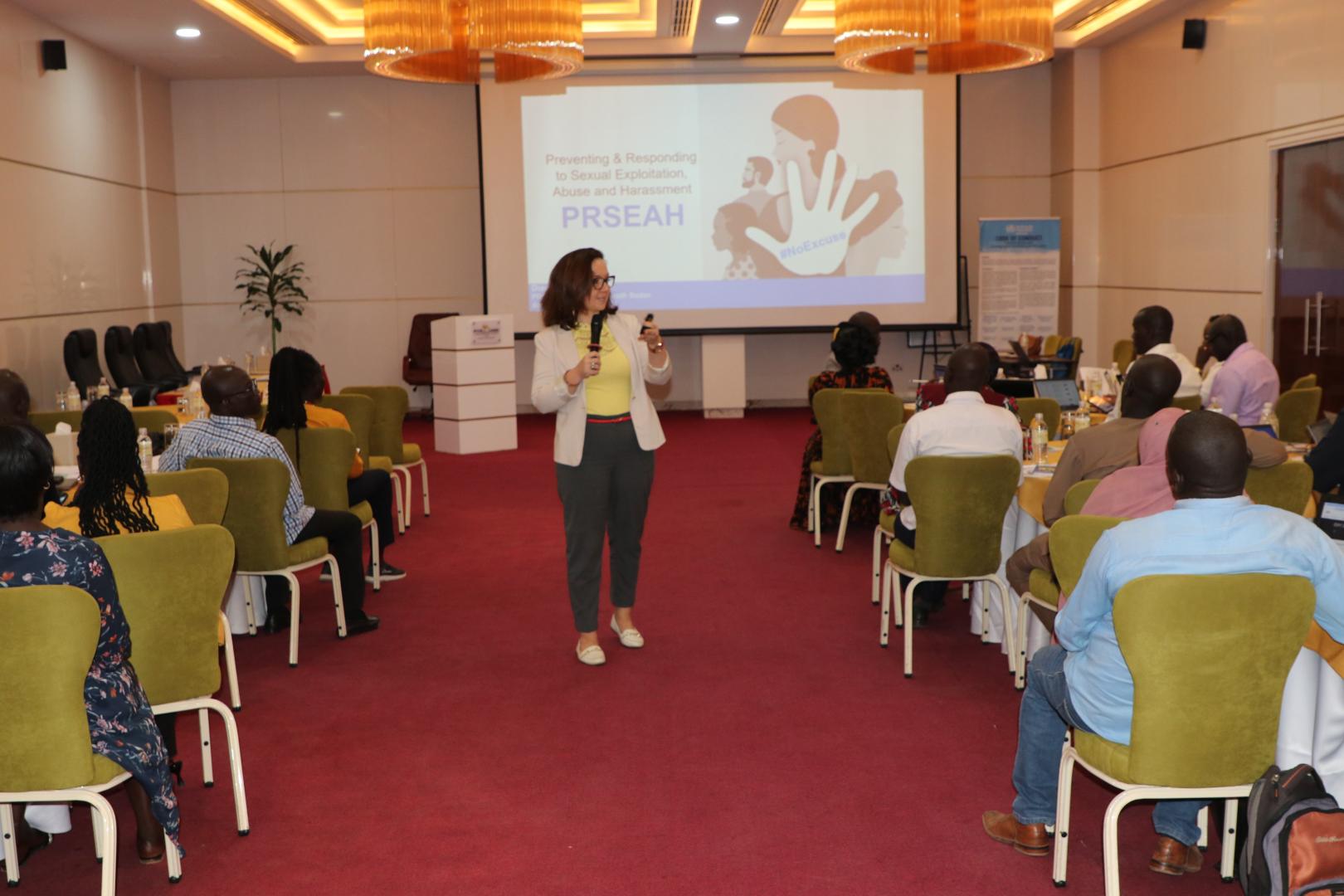
The WHO Country Office has achieved a significant milestone by successfully training 28 formally appointed Preventing and Responding to Sexual Exploitation, Abuse, and Harassment (PRSEAH) focal points from the Ministry of Health (MoH) at the national and state levels. This initiative has expanded the network of dedicated PRSEAH part-time focal points from WHO and MoH to 55.
Dr Kasonde Mwinga Presents Credentials to the Government of Uganda
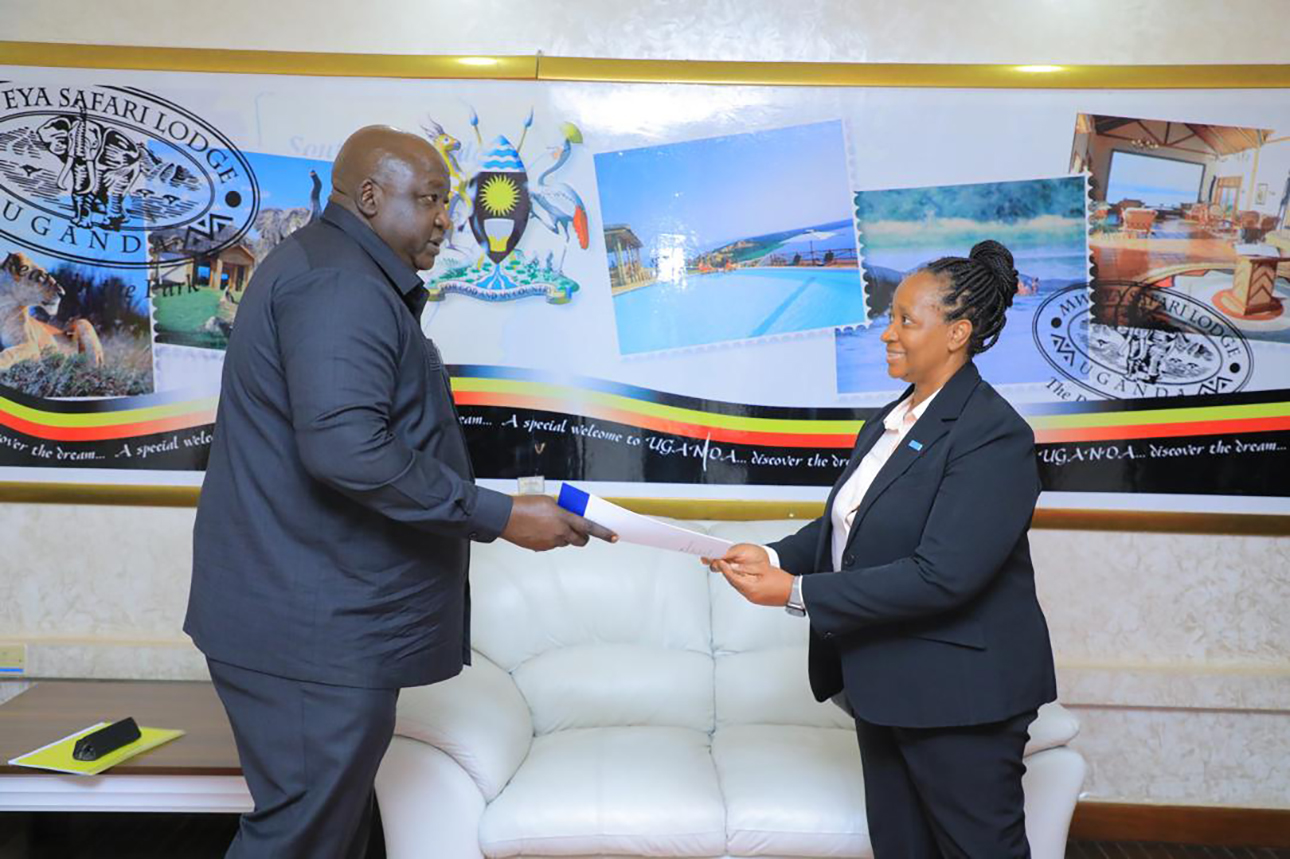
In a significant diplomatic meeting, Dr Kasonde Mwinga, the newly appointed World Health Organization (WHO) Country Representative to Uganda, today presented her credentials to the Minister of State for Foreign Affairs, Hon. Henry Oryem Okello in Kampala.
Health Development Partners’ Retreat Strengthens Coordination for Better Health Outcomes in Uganda
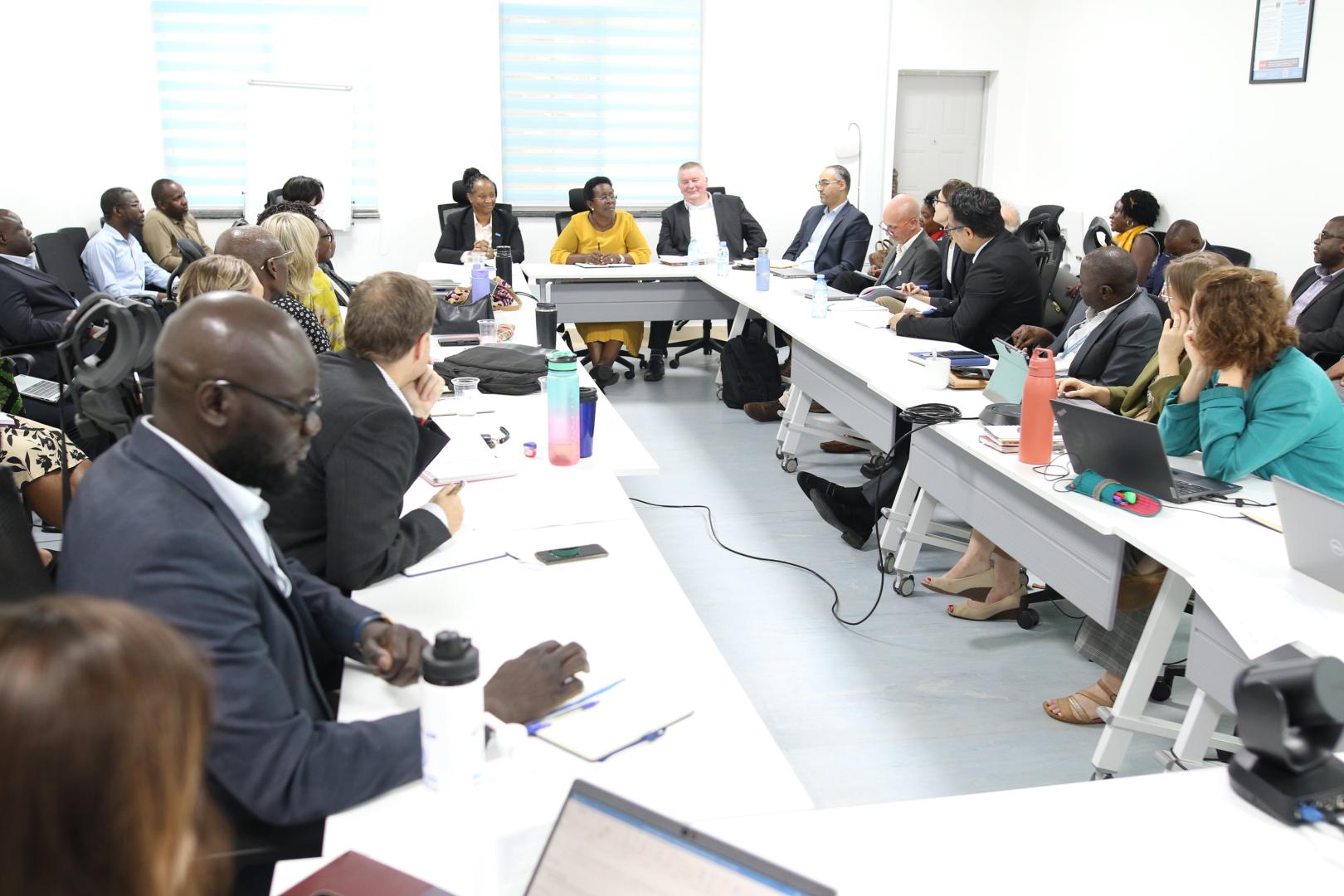
The Health Development Partners (HDP) Retreat convened at the WHO Uganda Country Office today, bringing together partners in the health sector to discuss strategies for enhancing HDP strategic alignment and coordination, health sector priorities and critical gaps on financing within the health sector.
Urgent action needed to reinforce breast cancer control measures in Africa: WHO report
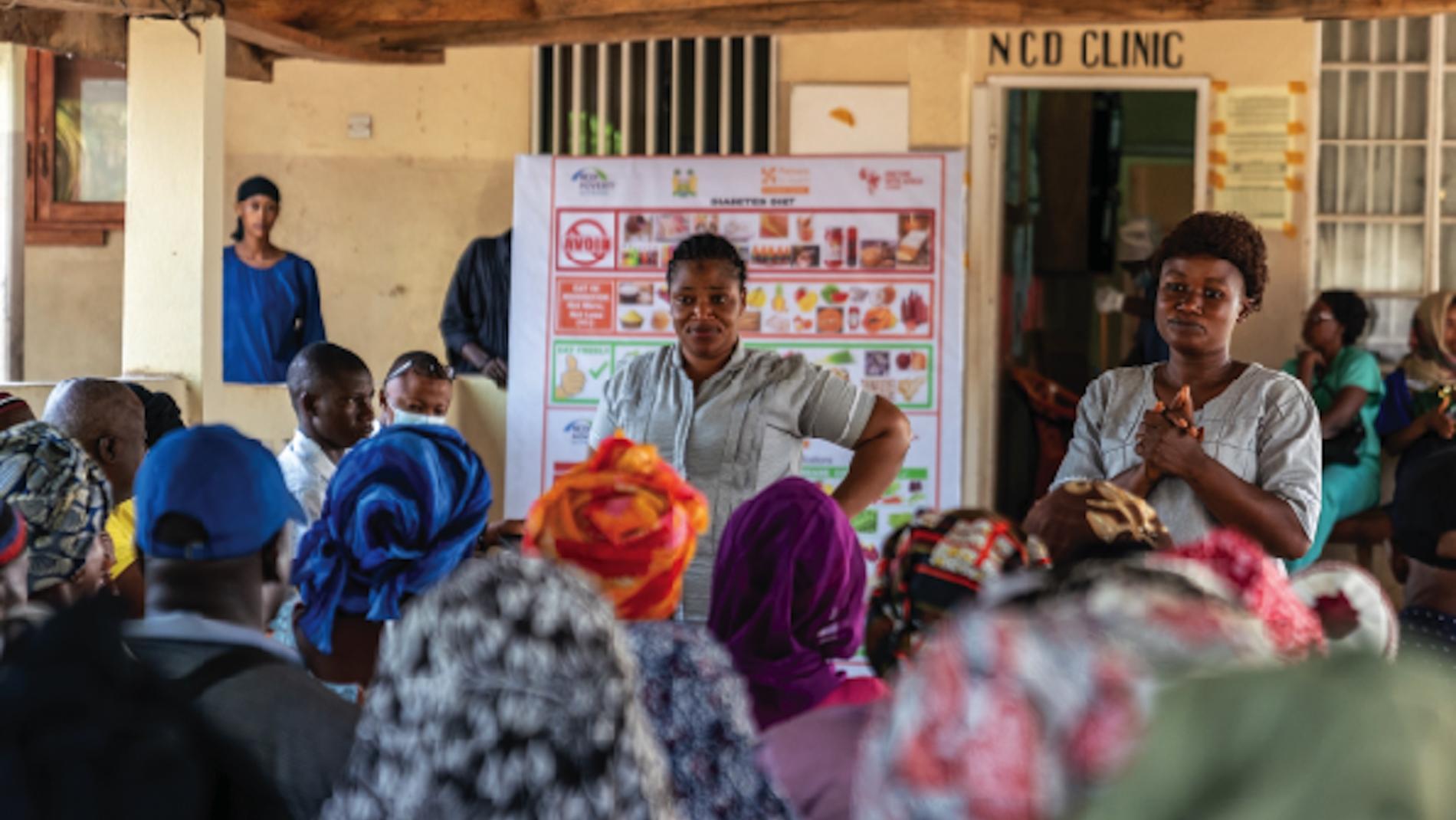
Brazzaville – An estimated 135 000 women could lose their lives to breast cancer by 2040 in sub-Saharan Africa if urgent actions are not taken to reverse the trends, a new World Health Organization (WHO) report finds.
Cholera Vaccination Campaign in Angola: Protection and Prevention for All
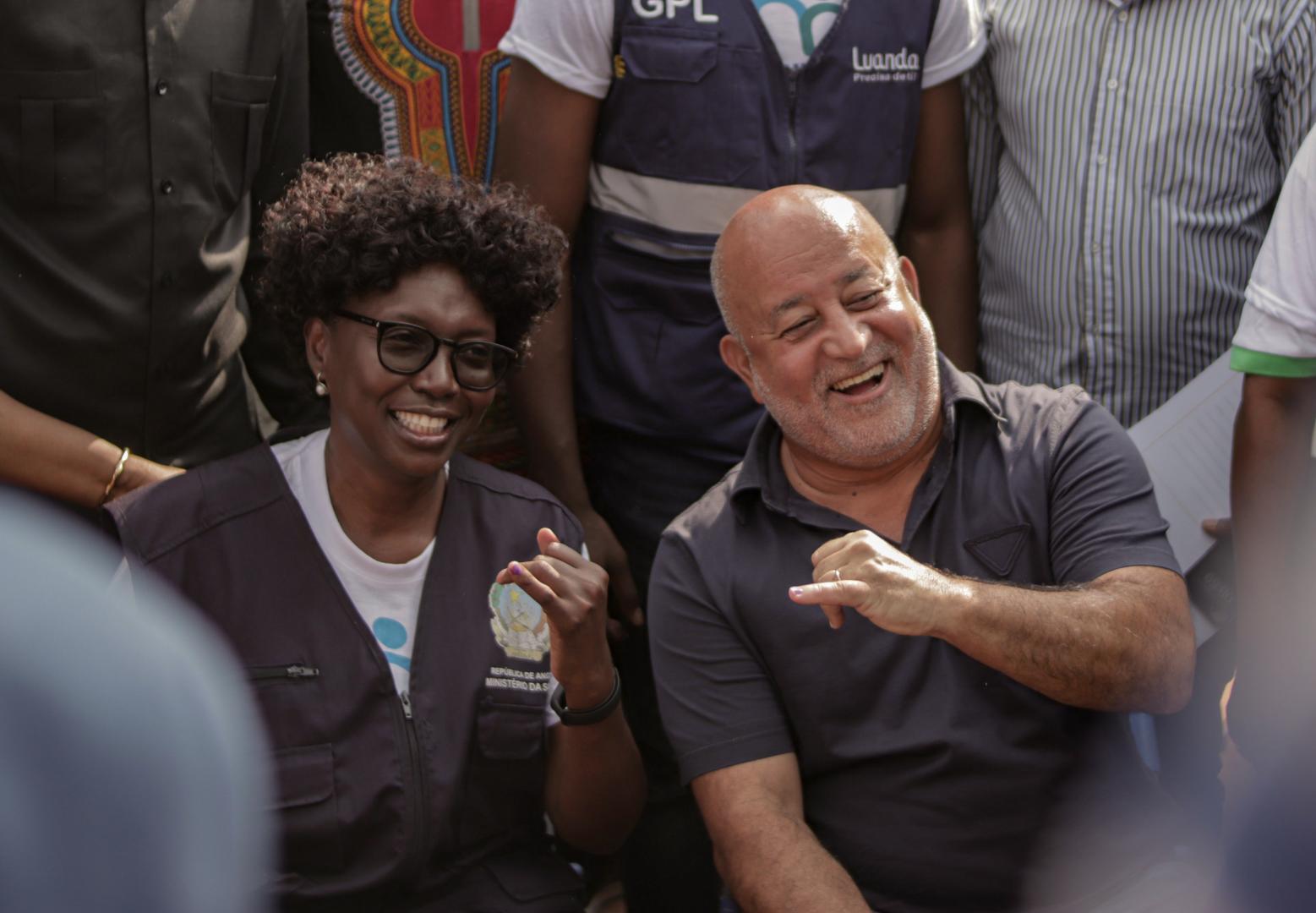
On February 3rd and 4th, around one million people, including children and adults, will be vaccinated against cholera in Luanda, Bengo and Icolo e Bengo. The initiative, led by the Ministry of Health, has the support of The World Health Organization (WHO), the United Nations Children’s Fund (UNICEF) and the World Bank.
Strengthening Leprosy Elimination Efforts in Ngami and Okavango Districts
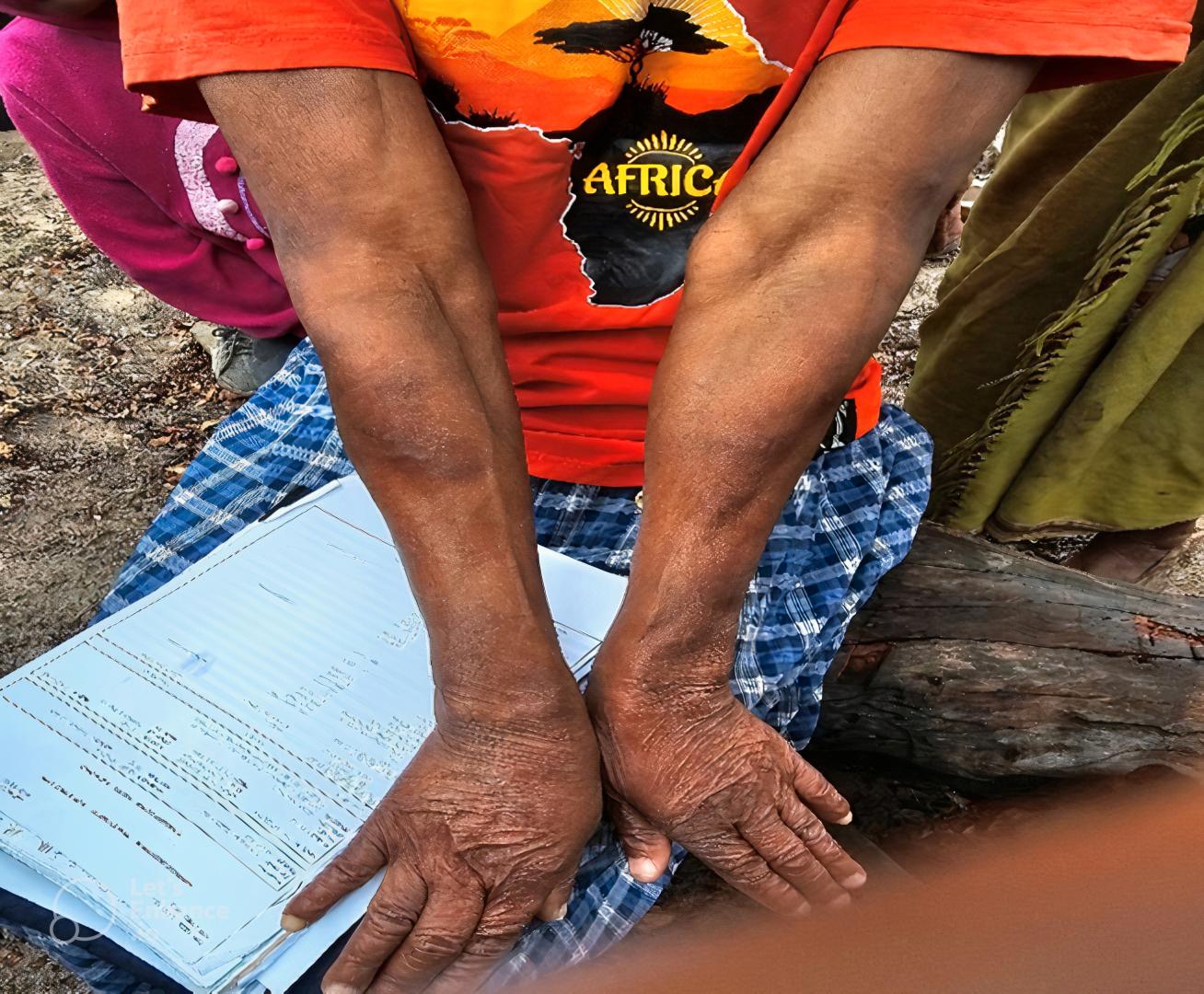
Botswana has made remarkable strides in leprosy elimination, with zero new child cases reported for consecutive years. However, continued efforts are essential to maintain this success and address sporadic cases. The World Health Organization (WHO), in collaboration with the Ministry of Health (MOH), recently intensified post-elimination efforts in Ngami and Okavango districts.
Speech at the launch of the Cholera Vaccination Campaign
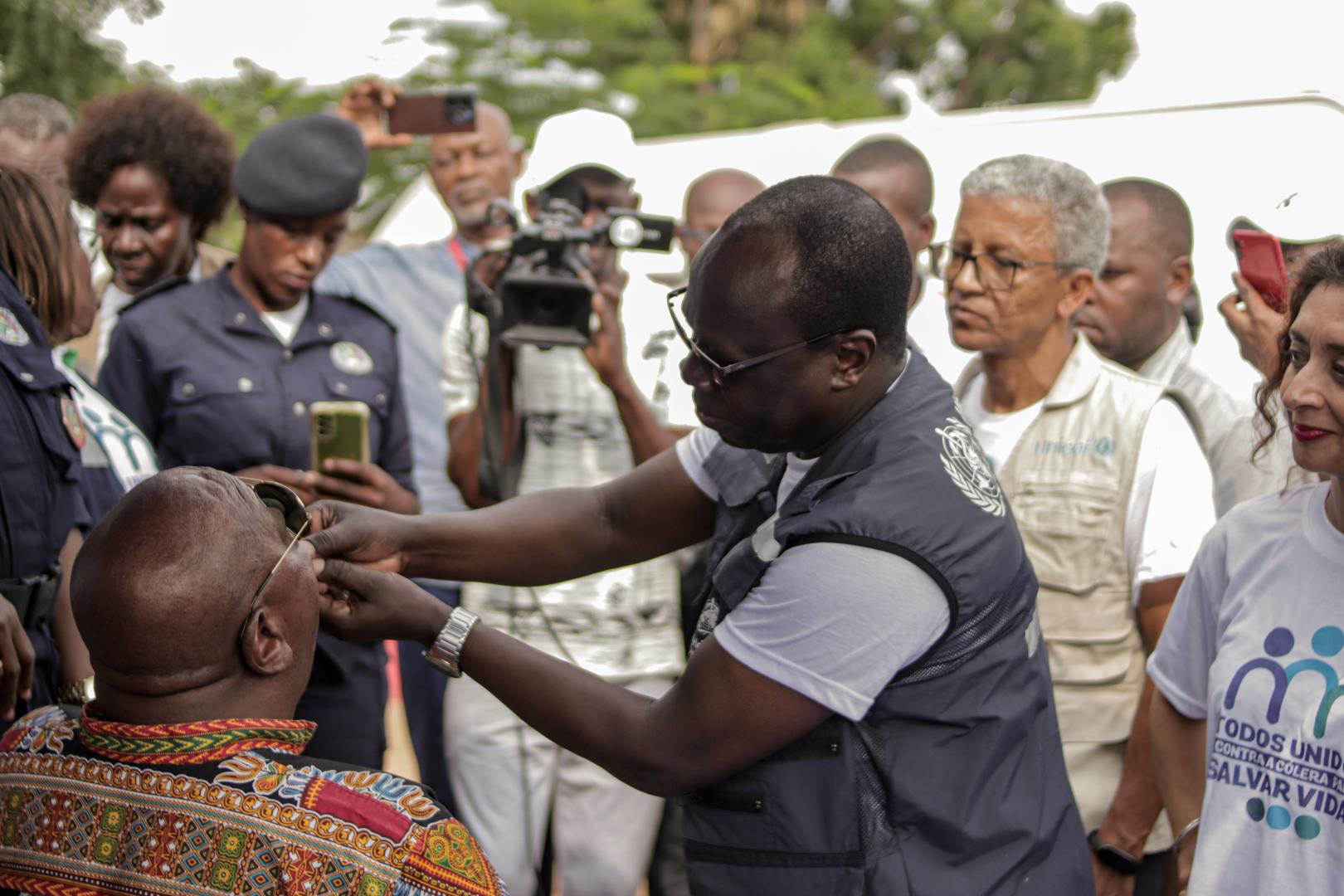
Speech by H.E. Dr Zahira Virani, Resident Coordinator of the UN System in Angola, on launching the Cholera Vaccination Campaign.
Her Excellency, Minister of Health, Dr. Silvia Lutucuta;
Excellency Luís Nunes, Governor of the Province of Luanda,
Honourable members of the Diplomatic Corps,
United Nations in Uganda stands in solidarity with the Government and people of Uganda in response to the Sudan virus disease outbreak
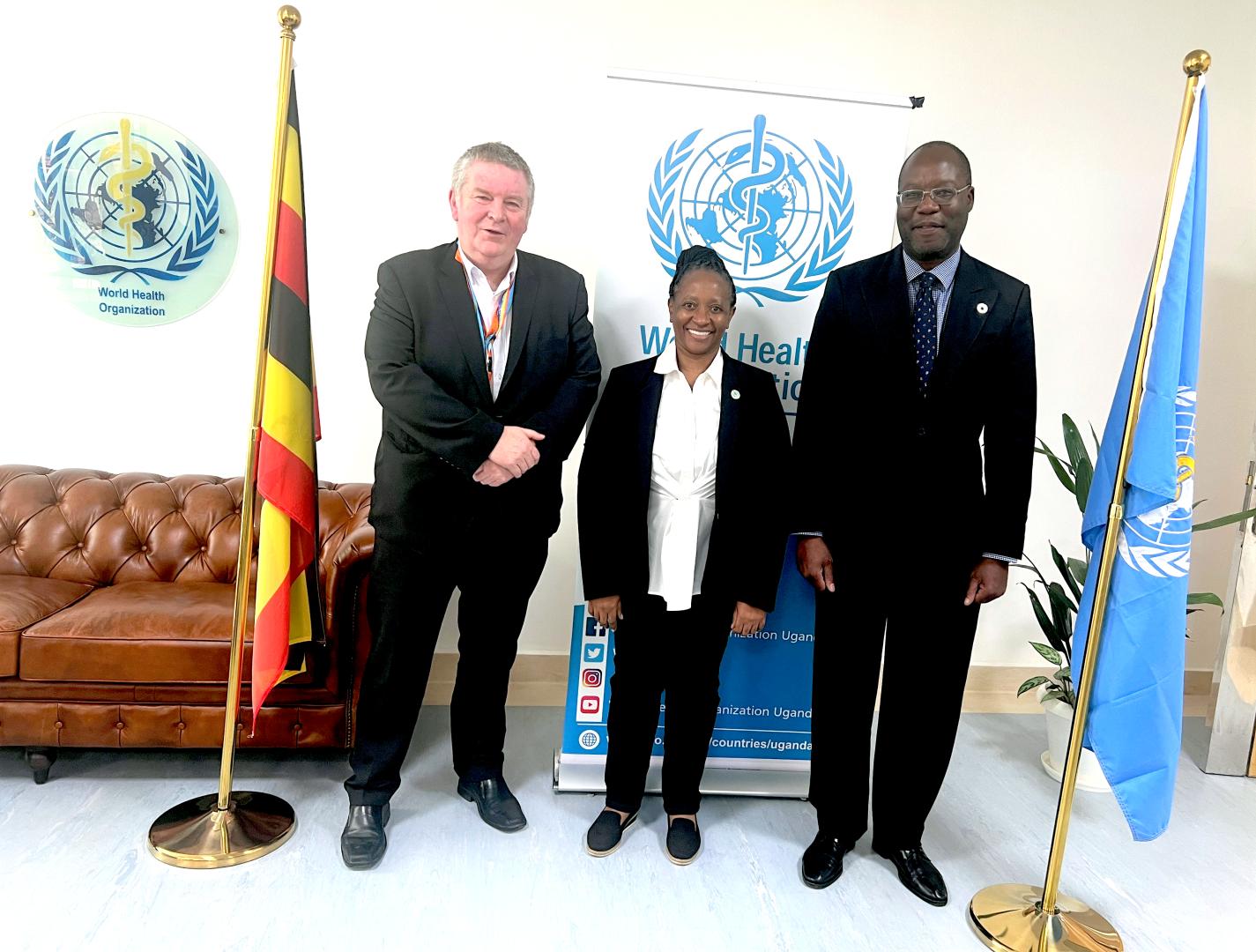
The United Nations in Uganda, under the leadership of the UN Resident Coordinator, stands in full solidarity with the Government and people of Uganda following the confirmation of an Ebola Virus Disease outbreak. We commend the Government of Uganda for its swift response and transparency in managing the crisis. The Government’s proactive information-sharing and decisive action, led by the Ministry of Health, are critical in containing the outbreak and protecting public health.
WHO accelerates efforts to support response to Sudan virus disease outbreak in Uganda

Brazzaville/Kampala – Following the confirmation of an outbreak of Sudan virus disease – which belongs to the same family as Ebola virus disease – in Uganda today, World Health Organization (WHO) is mobilizing efforts to support the national health authorities to swiftly contain and end the outbreak.
WHO delivers critical support to Bugna Woreda and surroundings amid humanitarian needs
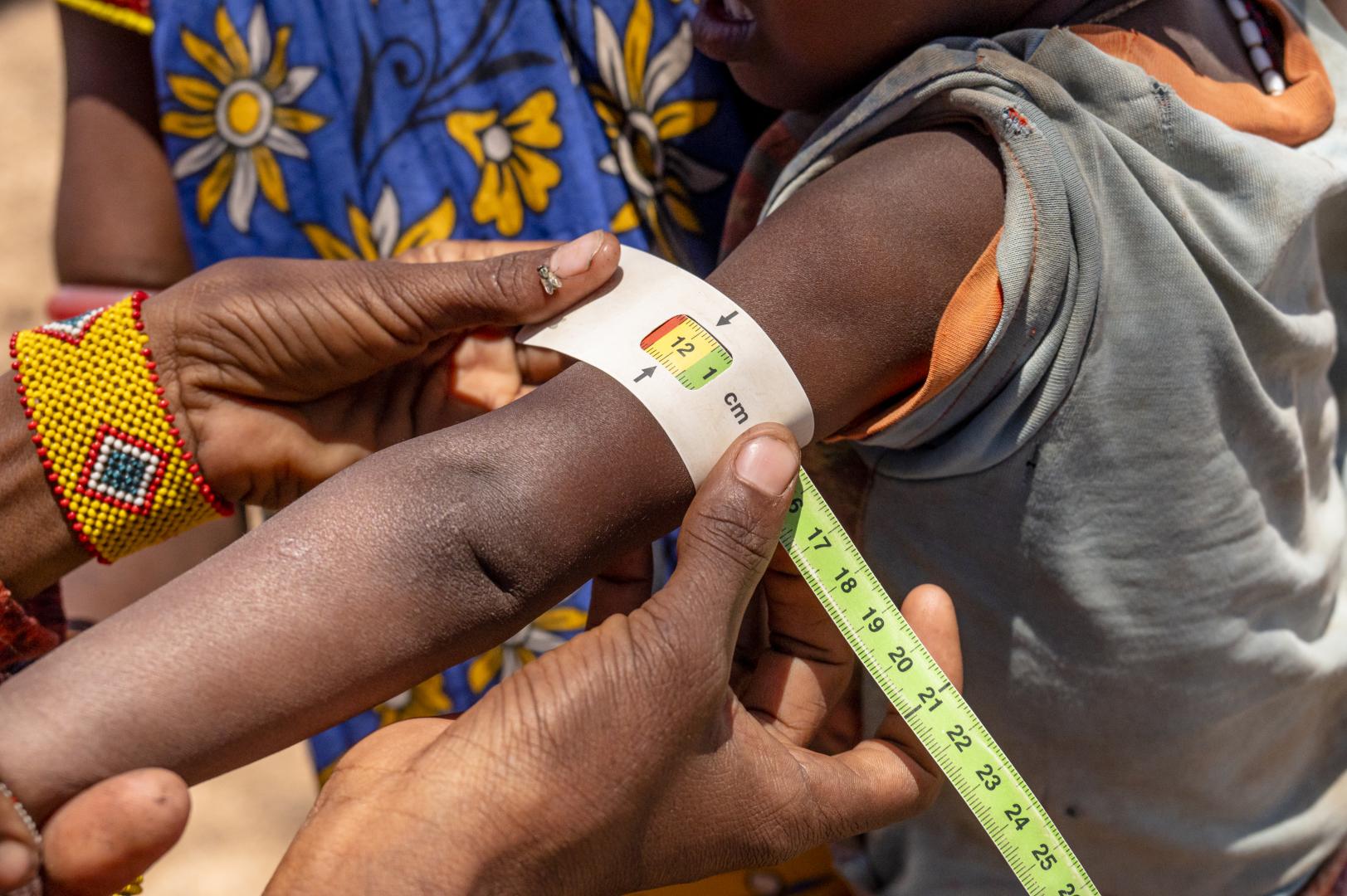
Bugna woreda, Amhara region, located in Ethiopia’s North Zone, has faced significant challenges due to prolonged conflict, drought, and food insecurity. Home to over 100,000 residents, endured over a year without access to essential commodities, medical supplies, and support, leaving its population in a dire state. The conflict's impact was devastating, with farmers unable to access fertilizer for the 2024 farming season, exacerbating food insecurity in an area already grappling with drought.