An mpox survivor’s tale of hope
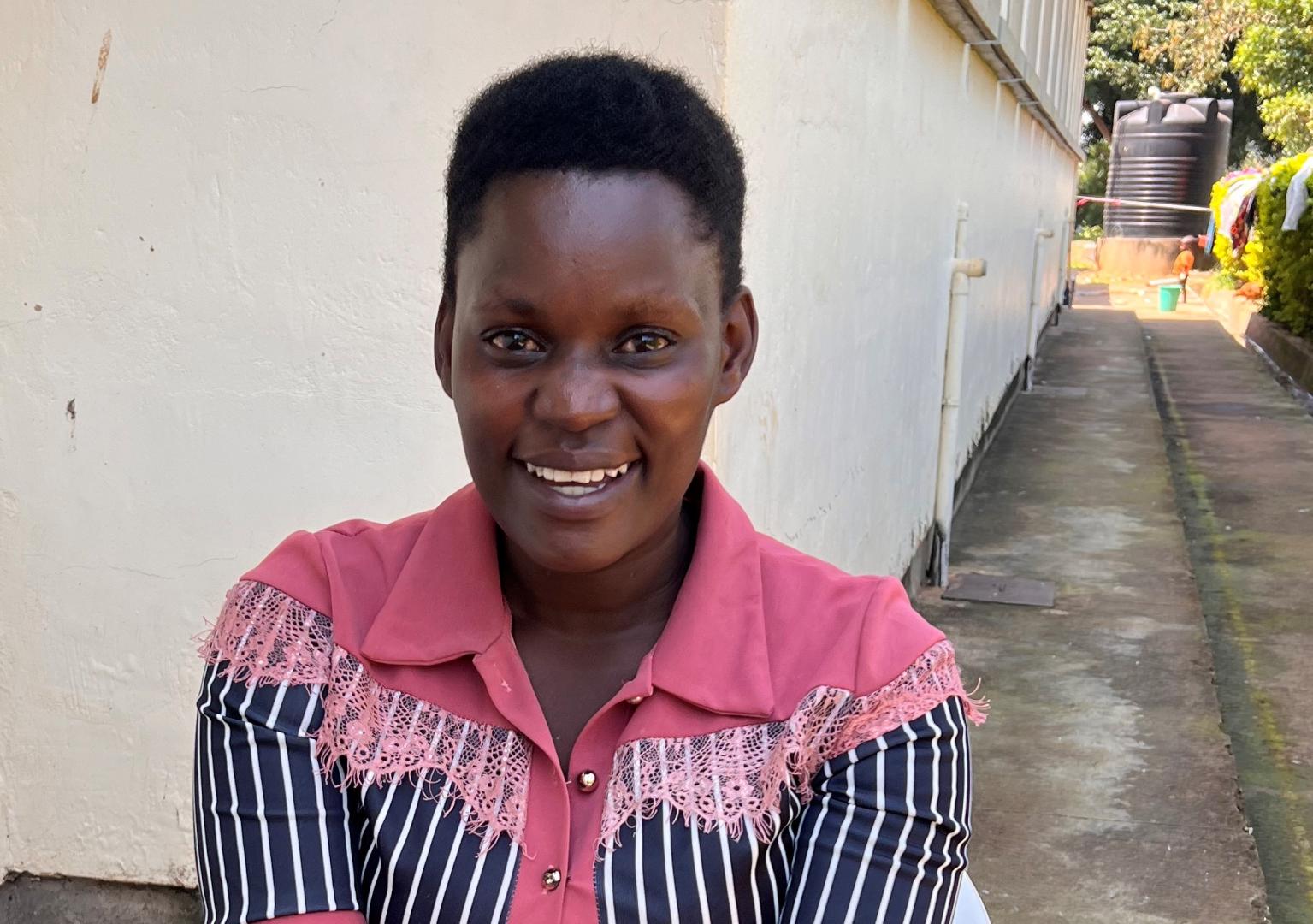
Twenty-eight-year-old Anna Akola smiles, a beautiful wide smile that lights up her whole face. She speaks very softly, and if you are not attentive, you can miss her words. It is hard to believe that this is the same person who, a fortnight ago, was writhing in pain and discomfort in the isolation unit at Pallisa General Hospital in Eastern Uganda.
Ensuring Quality Health Products for Namibia's Market
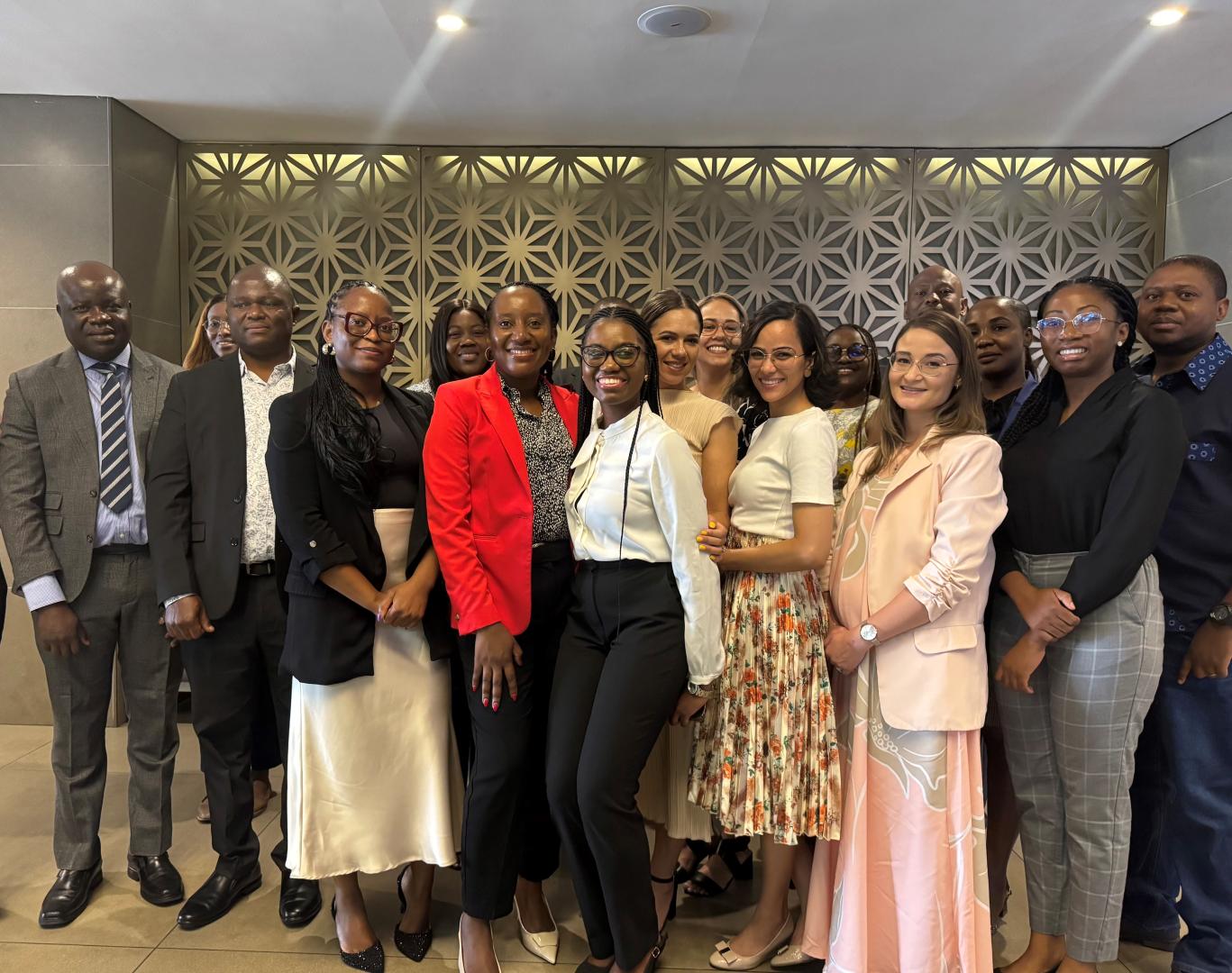
The Namibia Medicines Regulatory Council (NMRC) with support from the World Health Organization (WHO), conducted an intensive training workshop on dossier assessment in Windhoek from 2 to 13 December 2024. The program equipping participants with comprehensive skills in dossier evaluation for pharmaceutical products.
WHO Representative's remarks at celebration of end of Marburg Virus Disease outbreak in Rwanda

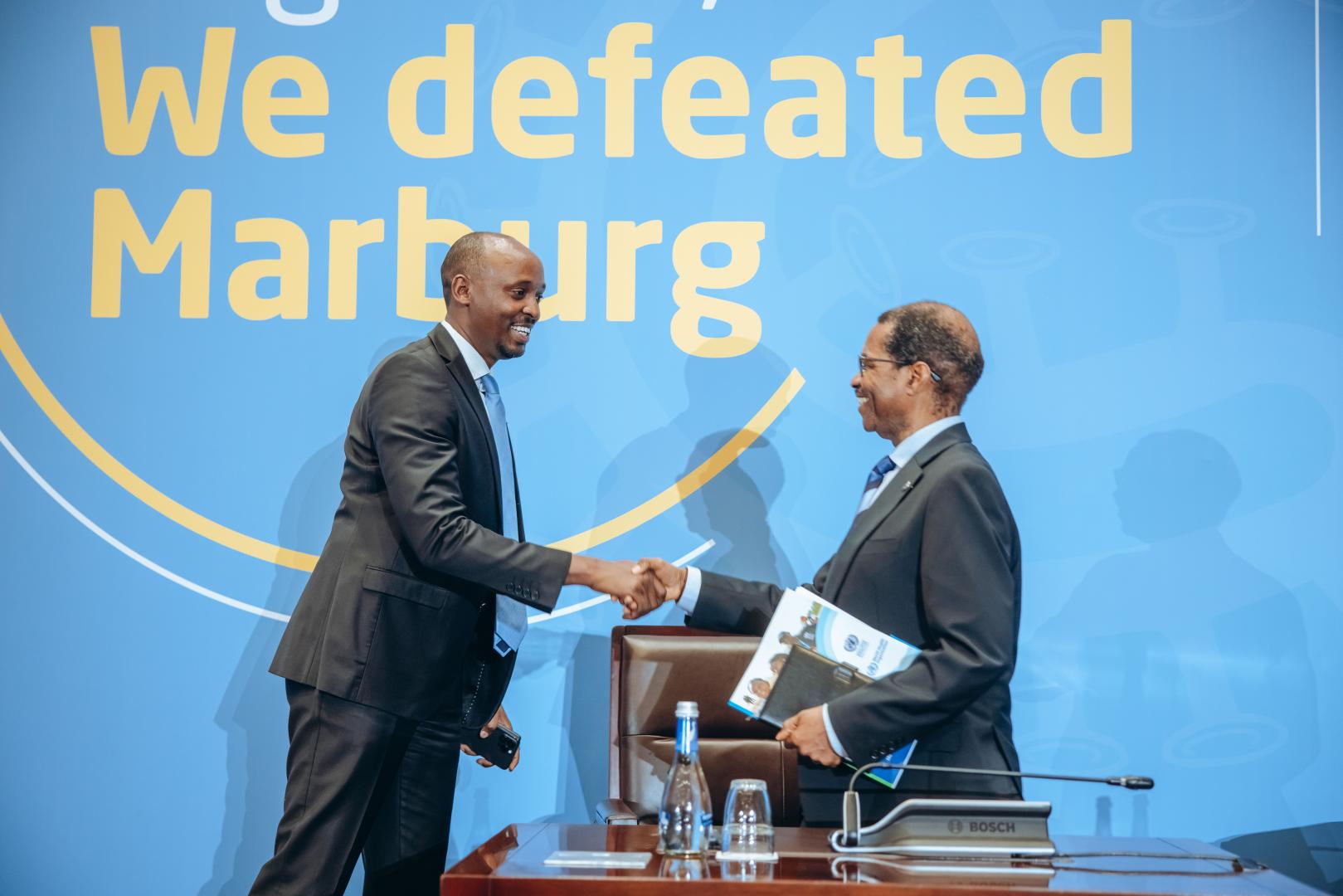
I would like to congratulate the Government of Rwanda, through the Ministry of Health, especially you Minister of Health, for the exceptional leadership in effectively containing the very first Marburg virus disease outbreak in Rwanda. Your decisive actions, unwavering commitment, and rapid response were instrumental in preventing widespread negative impact and safeguarding lives. This remarkable achievement underscores Rwanda’s strong health system, resilience and dedication to protecting public health.
Marburg outbreak in Rwanda declared over
Botswana Commemorates World AIDS Day with Renewed Commitment to Fight HIV/AIDS
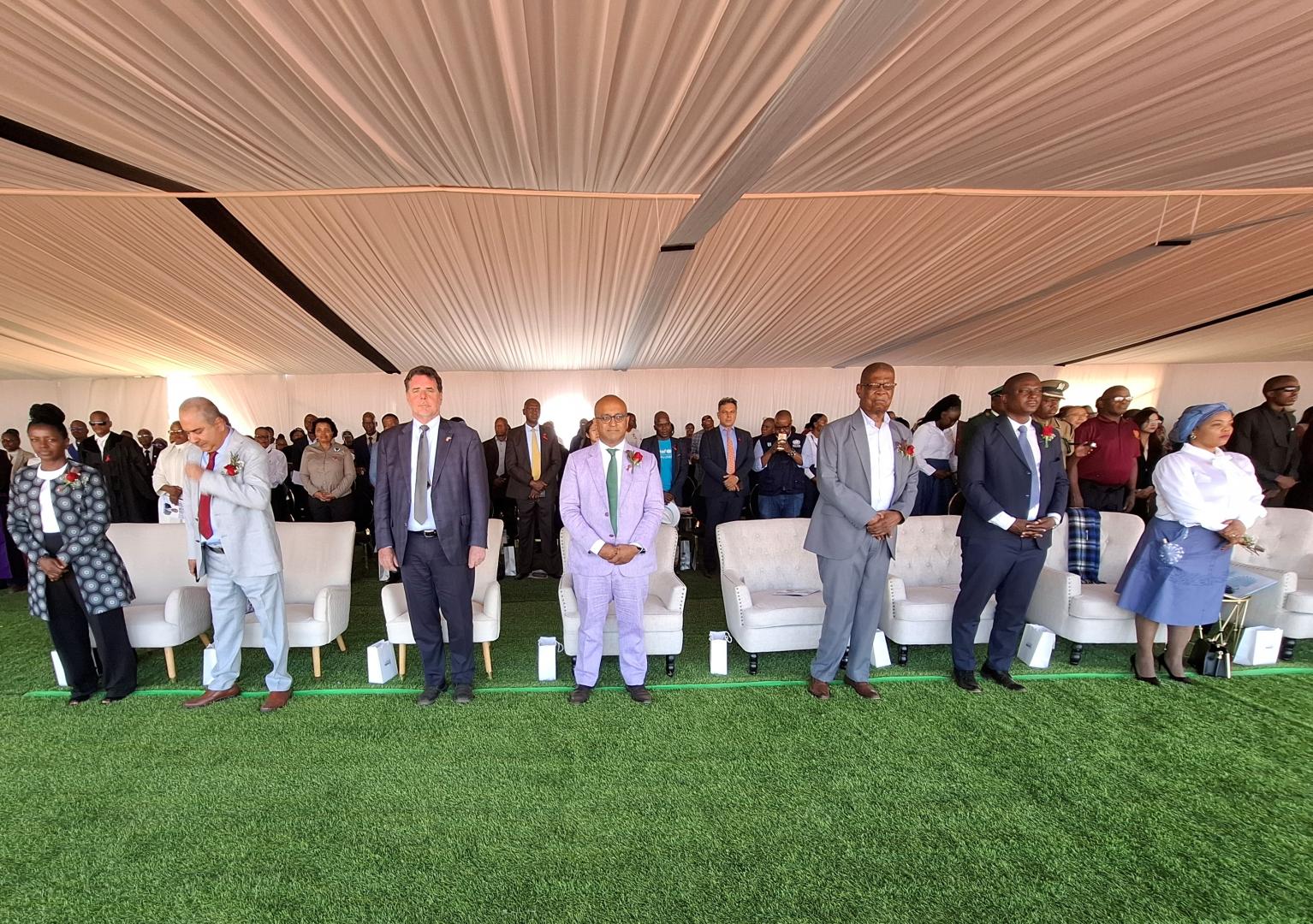
Botswana joined the global community in commemorating World AIDS Day on December 1, 2024, in Tlokweng village, with His Honour the Vice President Ndaba Gaolathe lauding the country’s achievements in surpassing the UNAIDS 95-95-95 fast-track targets. Botswana is recognized as a beacon of hope in the fight against HIV/AIDS, with 95% of individuals aged 15–65 living with HIV knowing their status, 98% of those diagnosed on Antiretroviral Therapy (ART), and 98% achieving viral suppression (95-98-98).
Namibia is developing a risk communication plan as part of its preparedness efforts for mpox
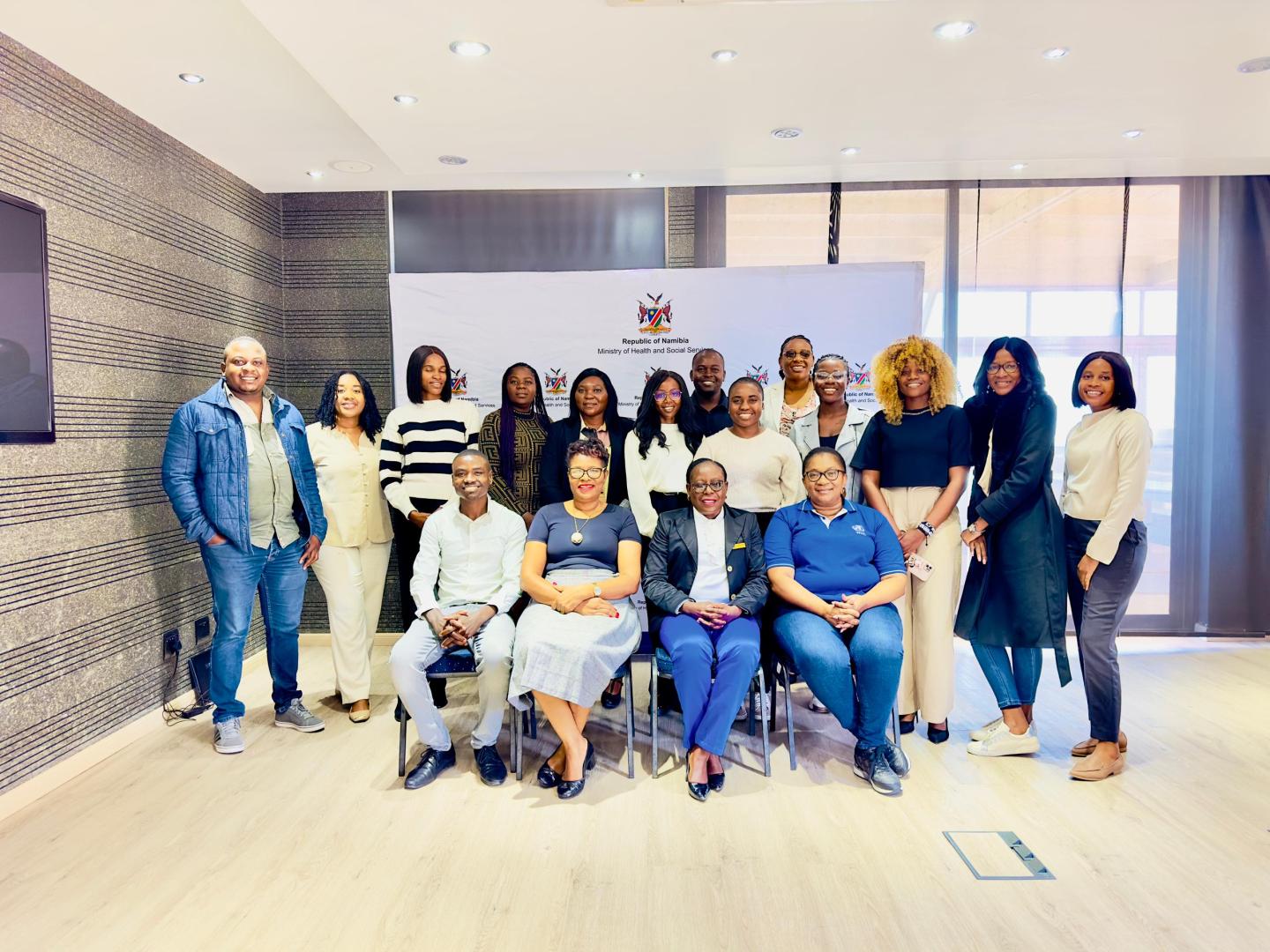
The escalating mpox outbreak in the Democratic Republic of the Congo (DRC) and other countries was declared a public health emergency of international concern (PHEIC) by the WHO Director-General, Dr Tedros Adhanom Ghebreyesus, on 14 August 2024.
Over 120 countries have confirmed more than 106 000 cases of mpox since the onset of the global outbreak in 2022. In 2024, there has been an upsurge of mpox in the DRC and neighbouring countries, with about 68,999 suspected cases and approximately 1,255 deaths reported across 21 countries in the WHO African Region as of 12 December 2024.
WHO and USAID Donate Test Kits to Strengthen Angola’s Mpox Response
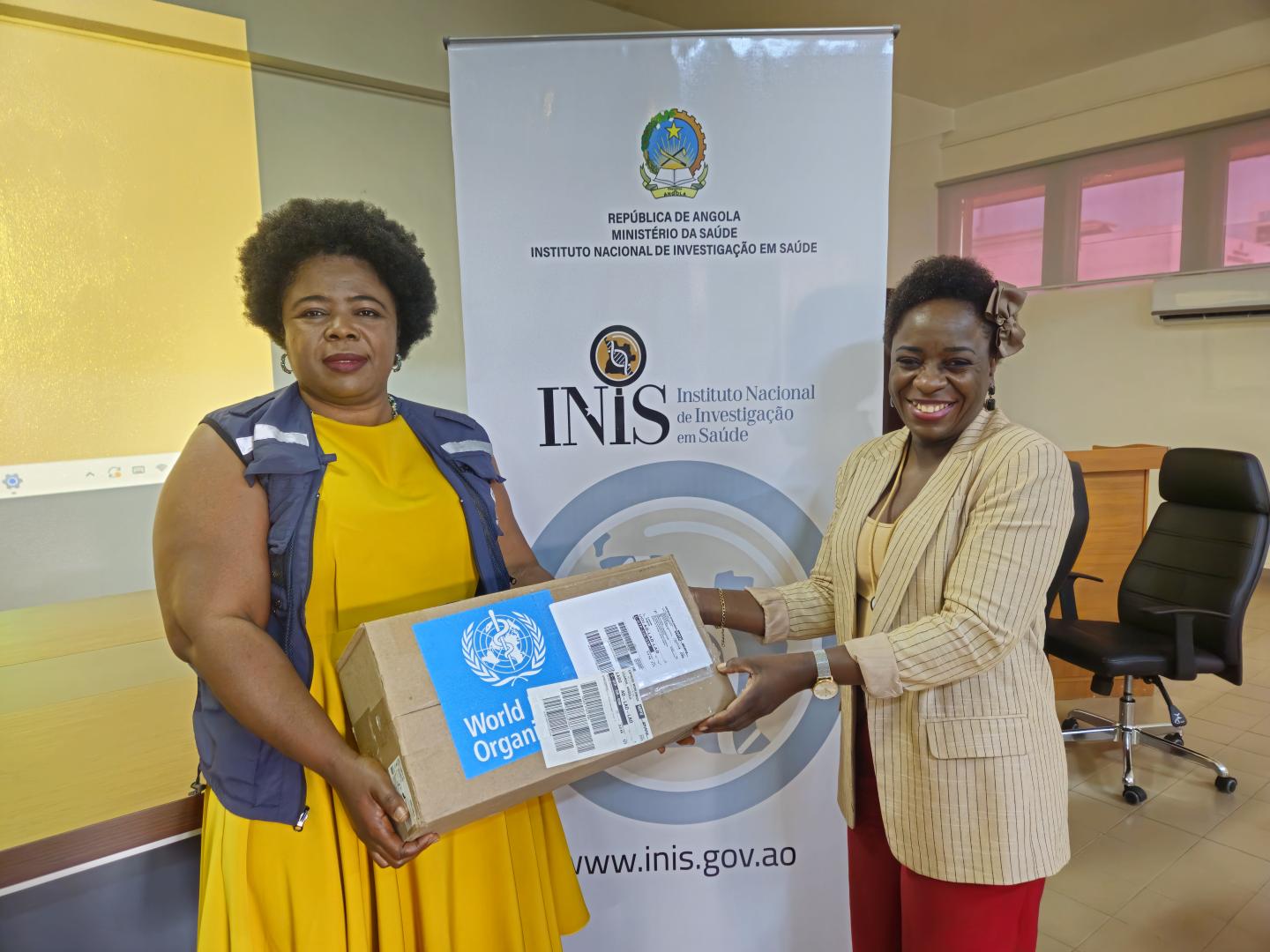
The World Health Organization (WHO) and the United States Agency for International Development (USAID) have donated a batch of molecular biology test kits for Mpox to Angola’s National Institute for Health Research (INIS). This collaboration aims to enhance Angola’s capacity to swiftly detect and respond to Mpox cases, marking an important step in supporting the country’s public health system as it confronts the recent emergence of the disease.
Reaching Angola’s zero-dose children with lifesaving vaccination
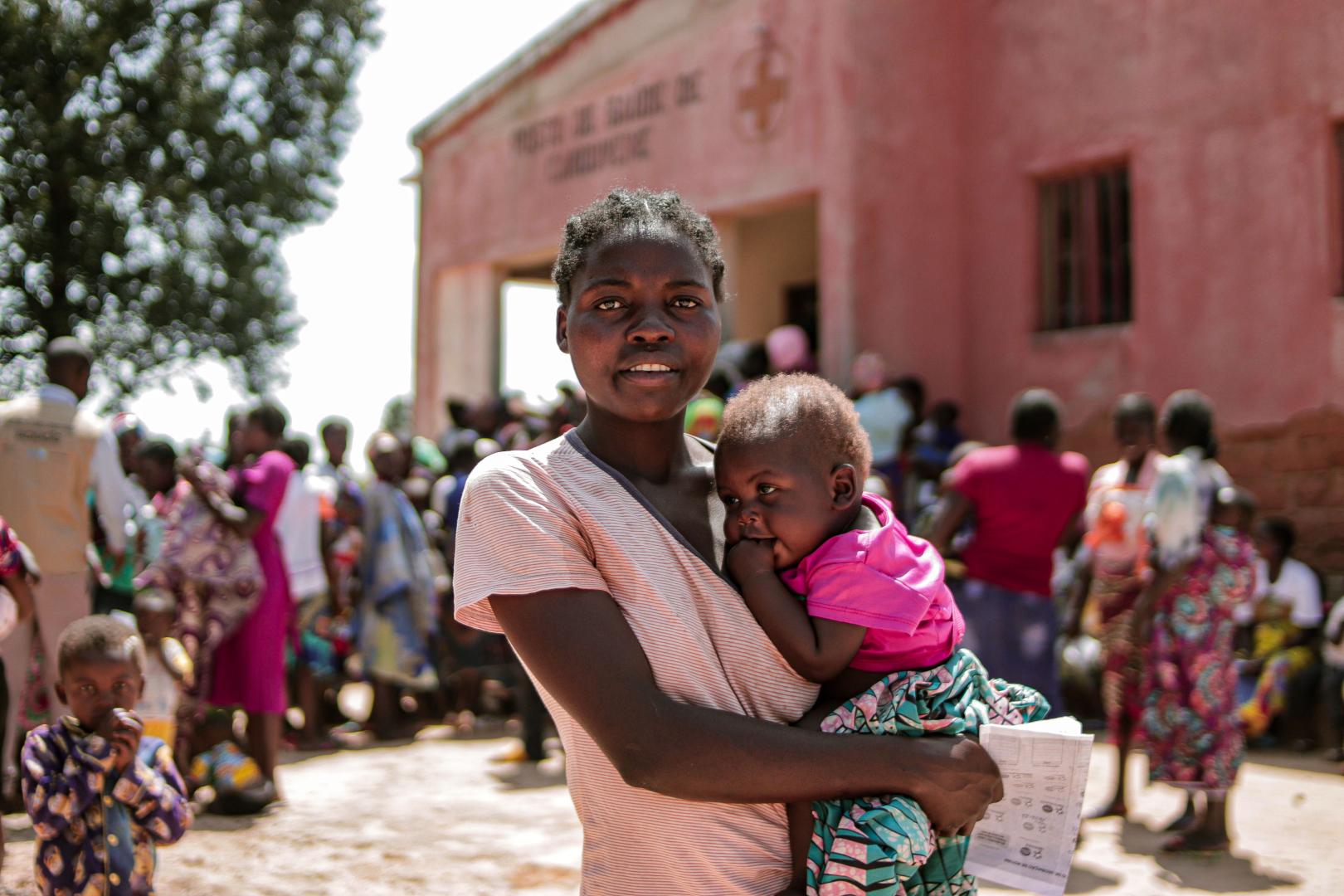
Laurinda Pandasala was excited when she gave birth to her daughter, Ana, in July 2023. While the event was joyful, she also experienced underlying anxiety. She wanted the best for her child, especially regarding health care. However, accessing routine childhood vaccinations for Ana in Canduvene, a small city in Angola’s Bié Province community, proved daunting.
Angola honours polio Champions

In a symbolic event marked by testimonies and the renewal of commitments to ensure that no child is left behind without vaccination, the Angolan government paid a heartfelt tribute to all the volunteers, partners and health professionals who, over the decades, have dedicated their lives to the fight to eradicate polio in Angola.
Moving towards the advancement of “zero tolerance” for Sexual Exploitation, Abuse, and Harassment
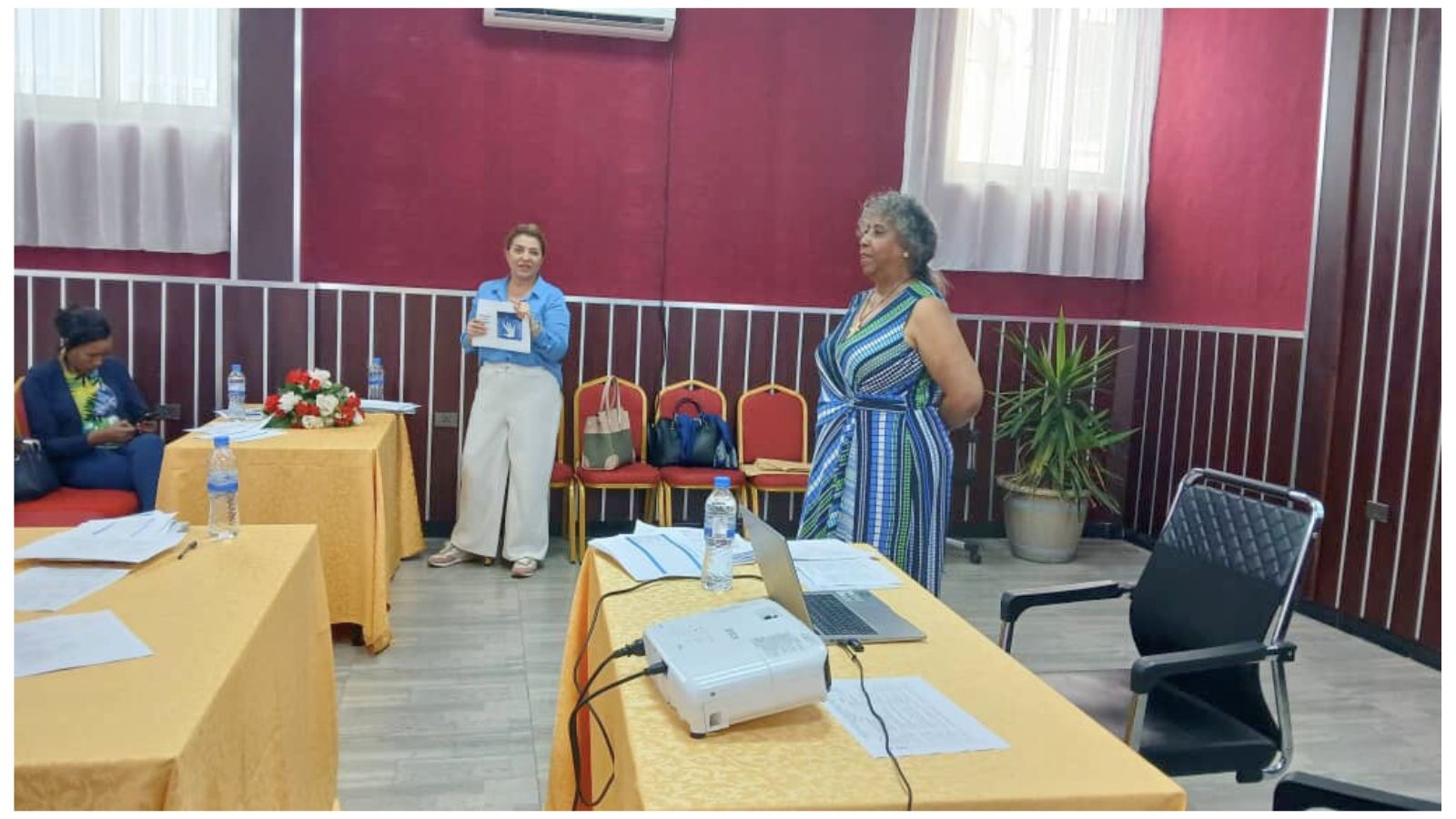
In collaboration with the Ethiopian Ministry of Health, the World Health Organization (WHO) continues to make strides in fostering safe and respectful workplaces across Ethiopia's health sector. A recent milestone in this endeavor was a one-day training workshop on Preventing and Responding to Sexual Exploitation, Abuse, and Harassment (PRSEAH), held on October 28, 2024, in Adama, Ethiopia. This workshop, supported technically and financially by WHO, underscores a shared commitment to establishing zero tolerance for SEAH in federal health institutions.