Sierra Leone Advances in the Fight Against Cervical Cancer Through South-South Collaboration
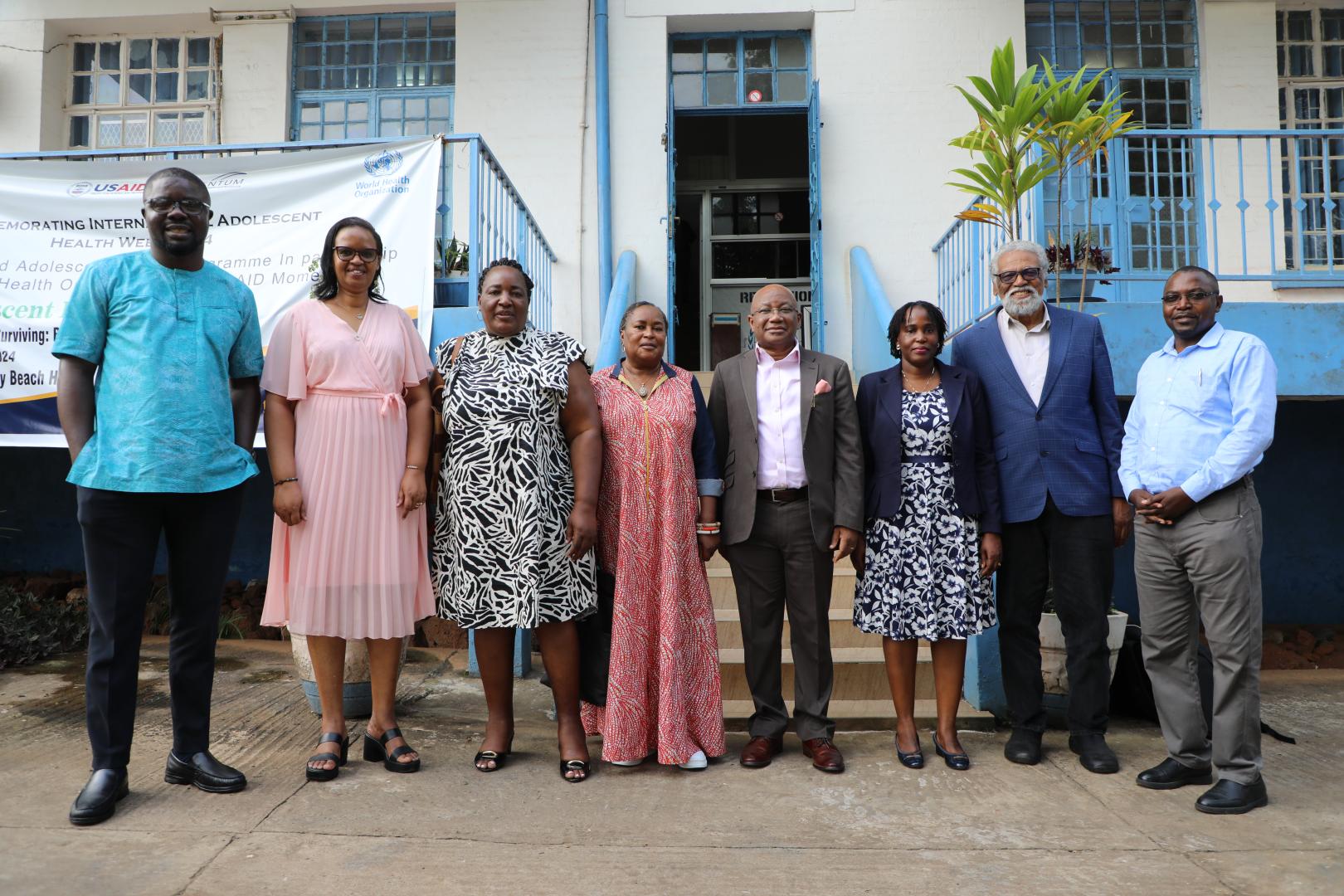
Sierra Leone has made a noteworthy leap forward in its fight against cervical cancer, thanks to a two-week South-South collaboration with Zambia, supported by the World Health Organization (WHO) in November 2024.
Nigeria Introduces the R21 Vaccine in a Pivotal Move for Malaria Control
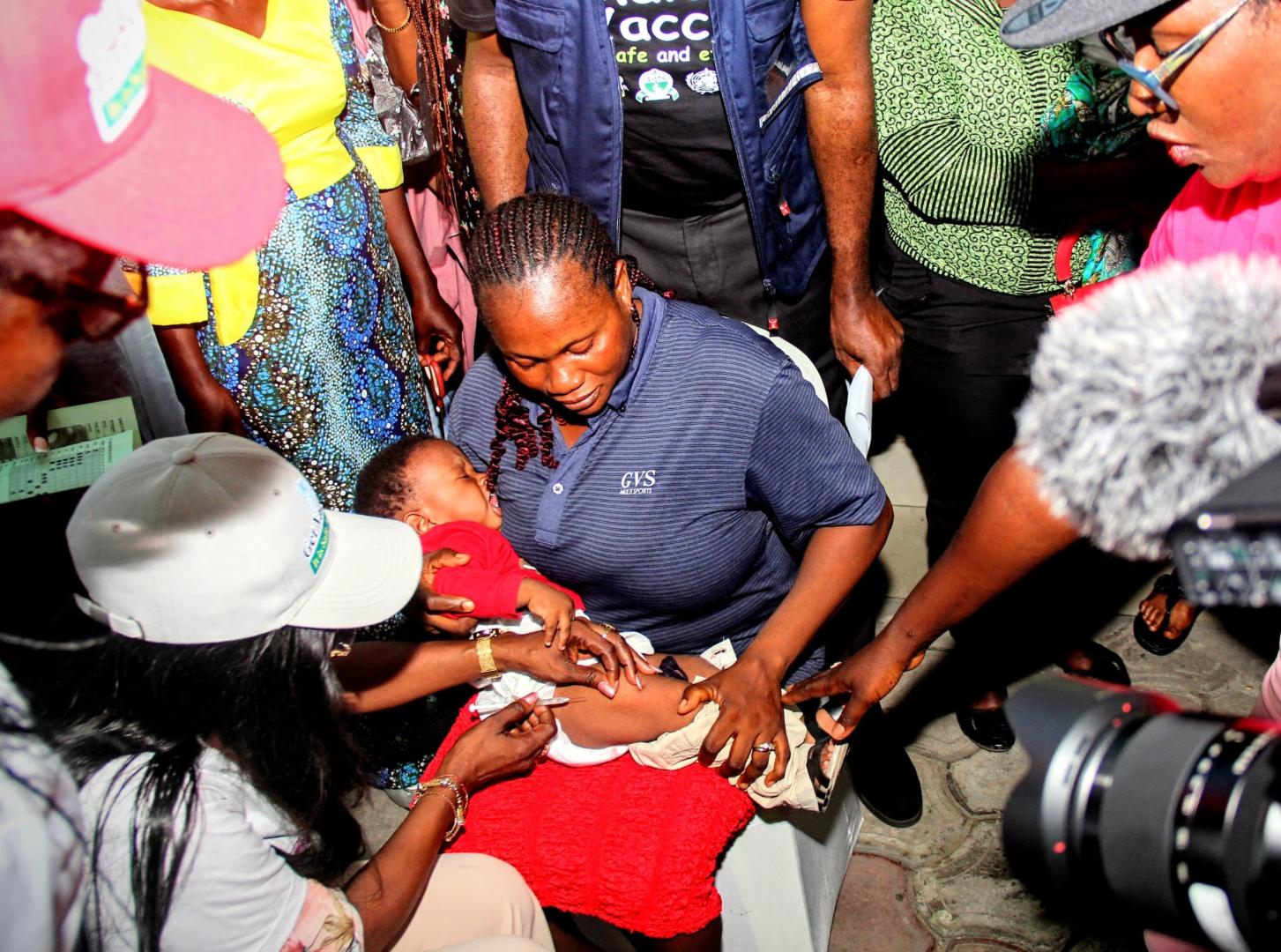
Yenagoa, 05 December, 2024 – Happiness Iniye Wilson, with her 11-month-old daughter Ayibabomote strapped to her back, walked into the Family Support Programme Clinic in Yenagoa, Bayelsa State. The clinic is one of the key sites for the introduction of the R21 malaria vaccine, a major public health intervention aimed at protecting children from one of the deadliest diseases in Nigeria.
Spotlight on Innovation: WHO Ethiopia team advances in LEAD Challenge
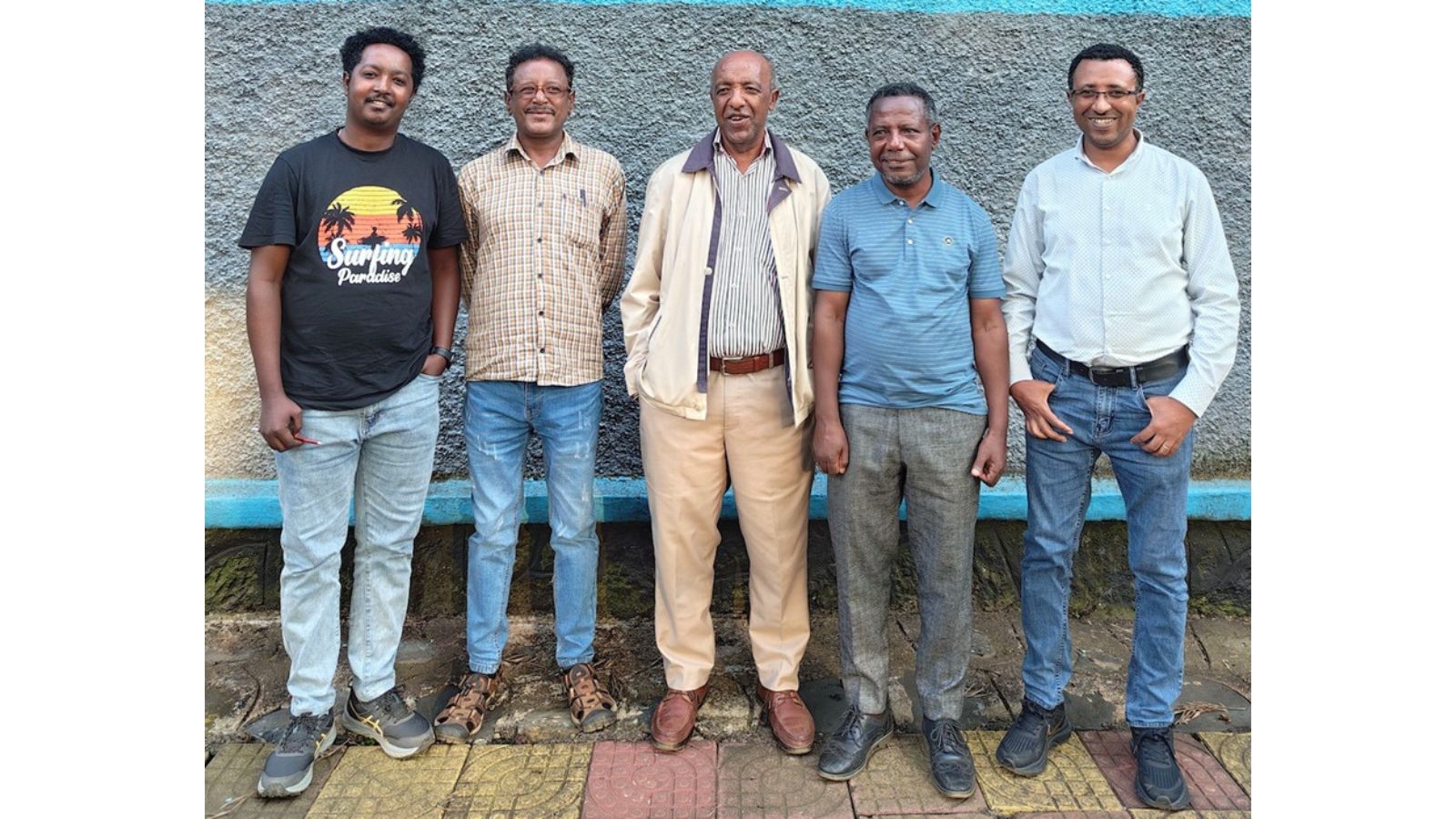
The WHO Ethiopia Country Office is making headlines as one of five teams globally selected for the Experiment Phase of the WHO LEAD Internal Innovation Challenge Programme.
Their innovative project, focusing on the local production of antibiotic discs, aims to address a critical gap in Ethiopia’s health system, while demonstrating the power of localized solutions in advancing health outcomes.
Dr Annet Kisakye Honoured for Transformative Work in Immunization
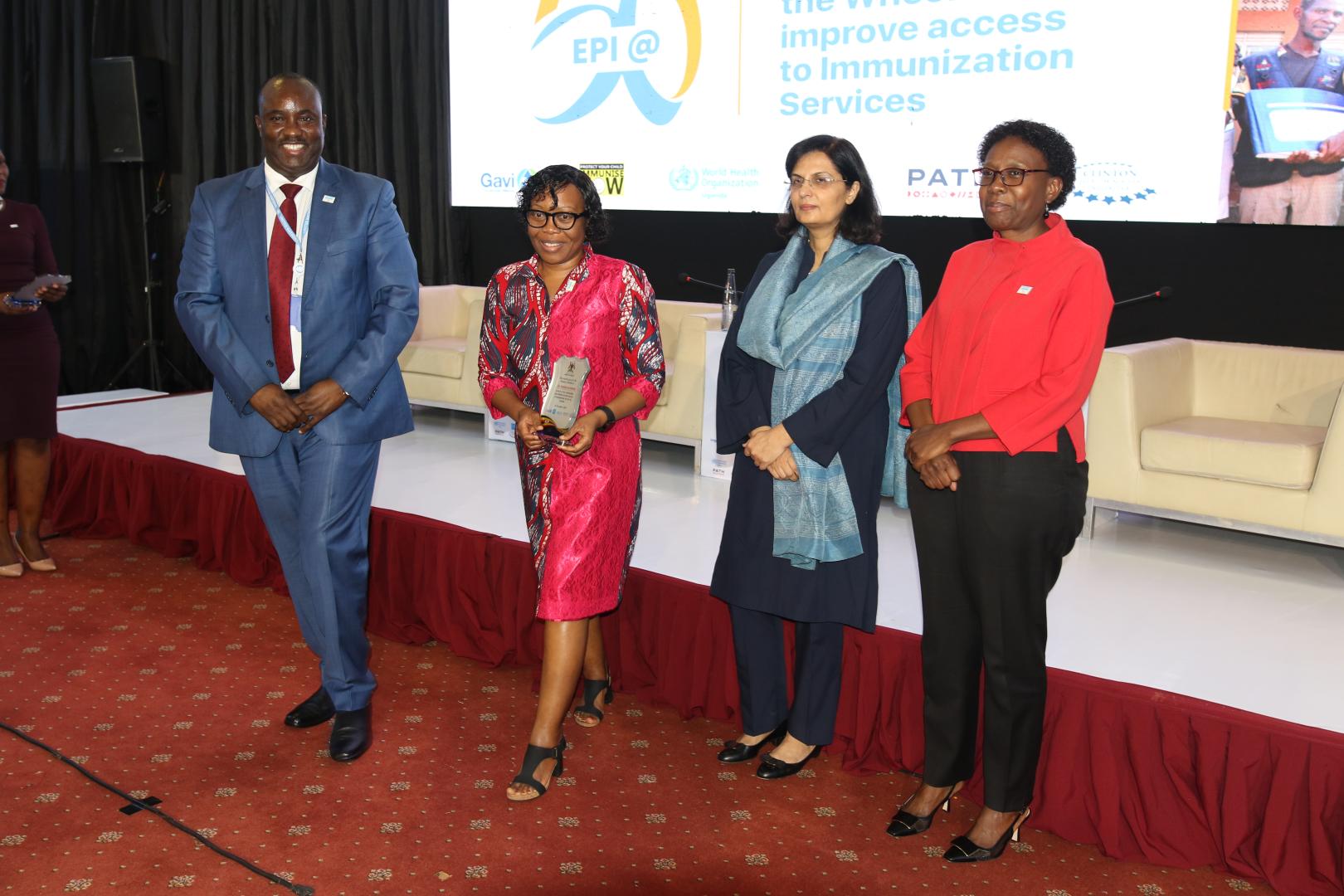
Kampala, Uganda– The Government of Uganda through Ministry of Health (MOH) has recognised Dr Annet Kisakye, the World Health Organization (WHO) National Professional Officer (Routine Immunization) for her outstanding contributions to improving immunization services in Uganda.
Ethiopia Intensifies Battle Against Antimicrobial Resistance Amid Global Crisis
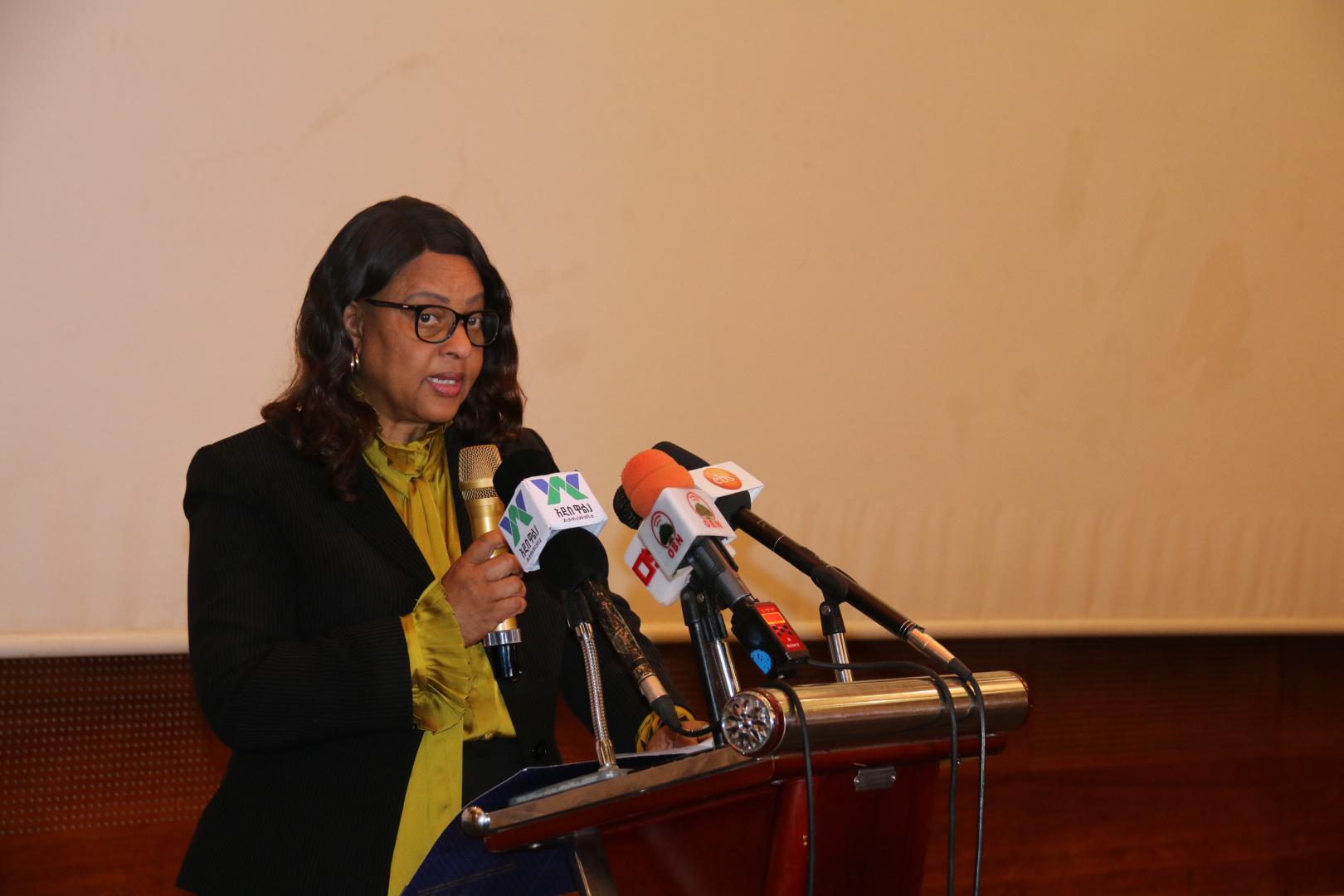
Antimicrobial Resistance (AMR), a silent yet devastating global health crisis, has emerged as one of the most pressing threats to public health, rendering once-effective drugs ineffective and putting millions of lives at risk.
The phenomenon, where bacteria, viruses, fungi, and parasites develop resistance to antimicrobial drugs, has made critical treatments increasingly ineffective, jeopardizing lives and straining global health systems.
Zimbabwe scores gains in HIV control
Harare - Susan Katsande has been living with HIV since 2002.
South Sudan secured over 282 150 doses of oral cholera vaccine to contain the cholera outbreak
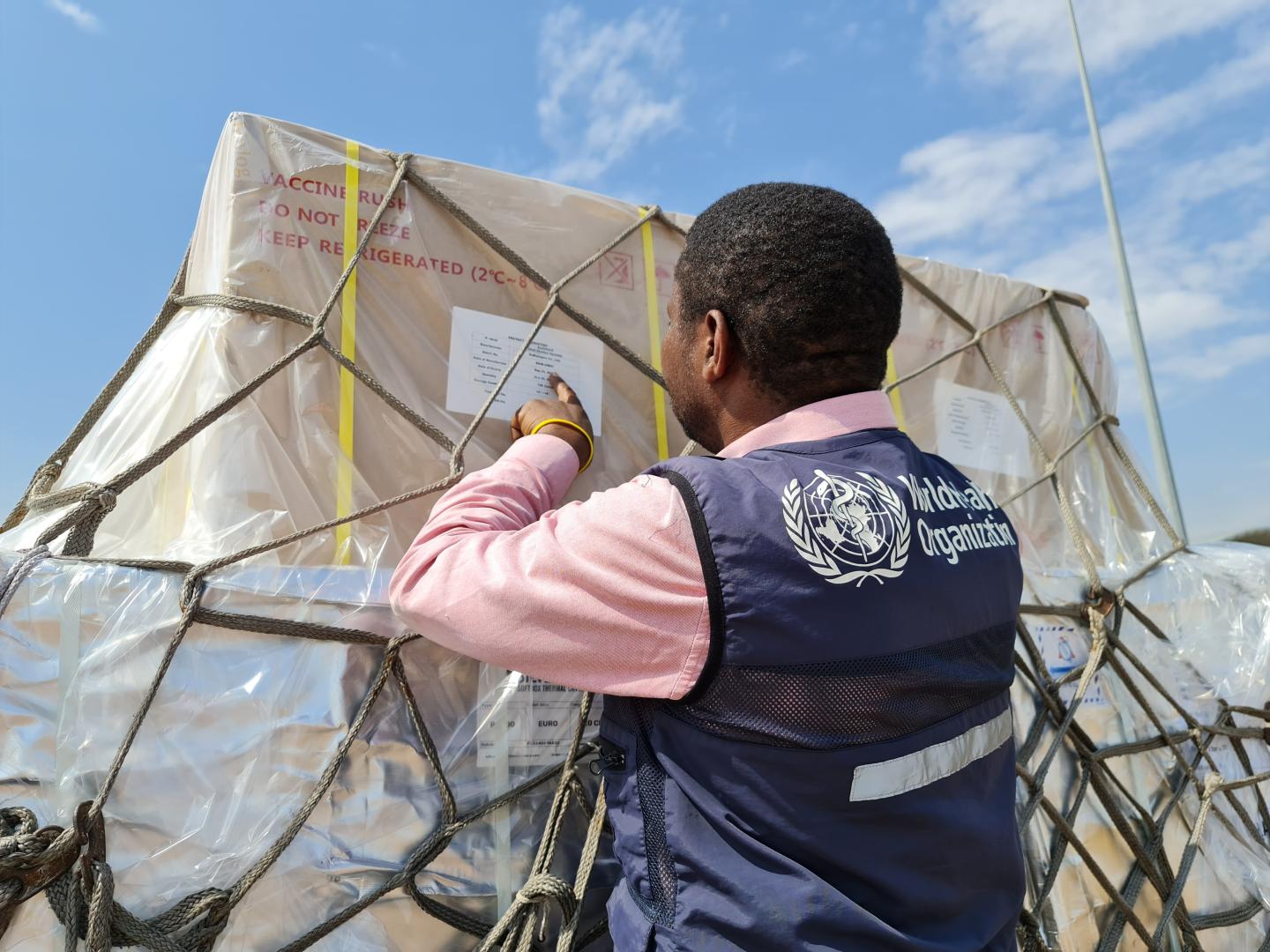
Juba, 30 November 2024—In response to cholera outbreaks in South Sudan, the Ministry of Health, with support from the World Health Organization (WHO) has secured over 282 153 doses of oral cholera vaccine to implement vaccination campaigns in areas identified as cholera transmission hotspots.
Zimbabwe conducts a State Party Self-Assessment Annual Reporting workshop
Kadoma - From November 26-29, 2024, the Ministry of Health and Child Care (MoHCC) in Zimbabwe convened a State Party Self-Assessment Annual Reporting workshop.
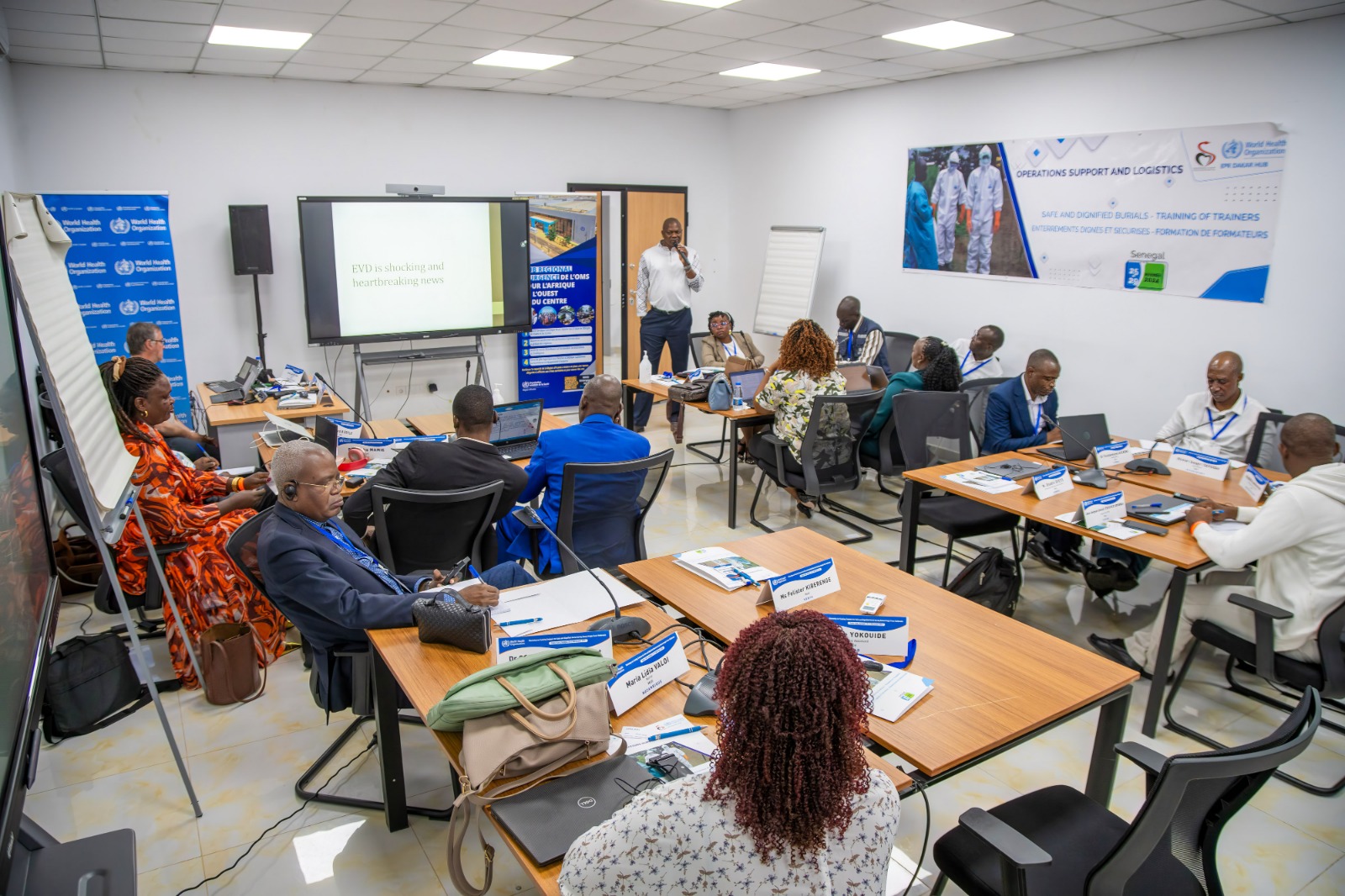
Reinforcing expertise in safe and dignified burials during outbreaks
Kenya establishes a national emergency medical team with support from WHO
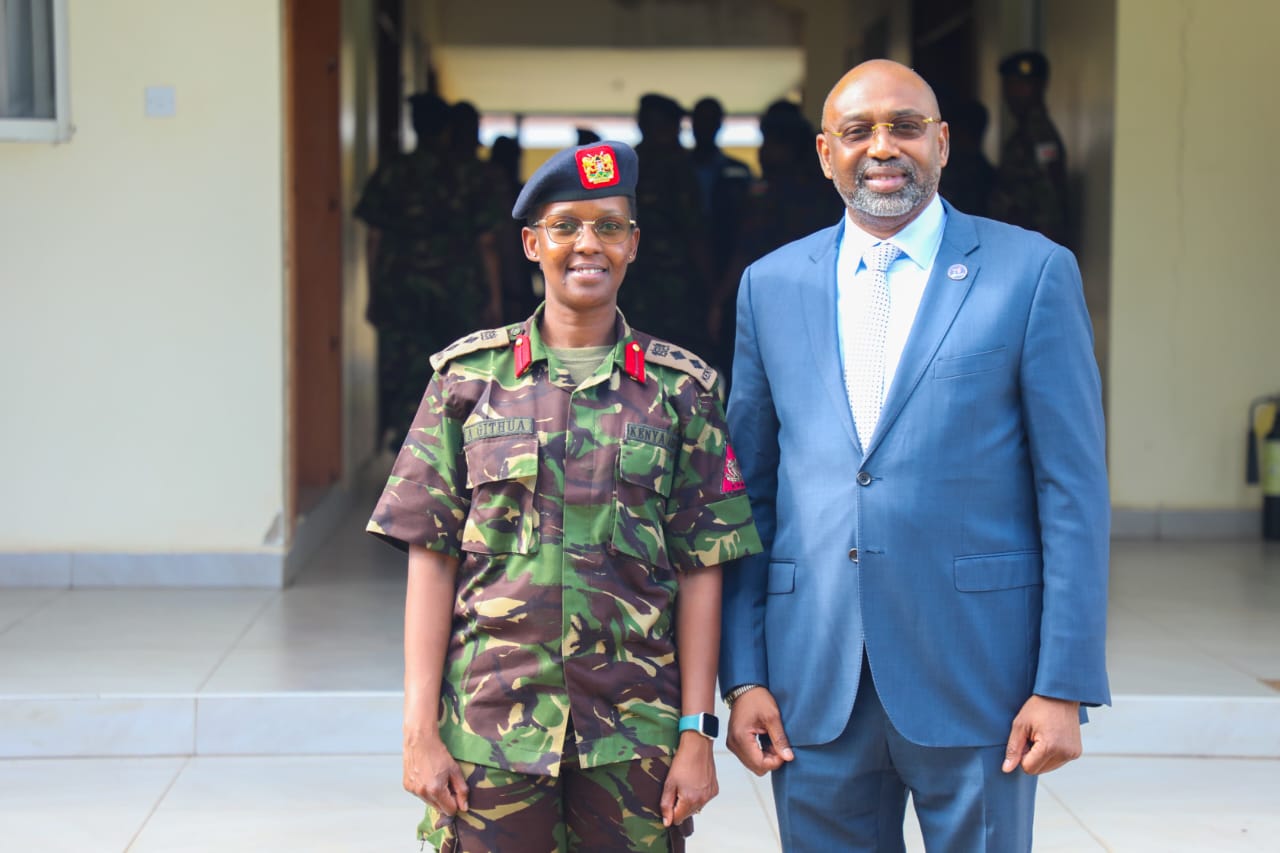
Nairobi - The World Health Organization in partnership with the Kenyan Defence Forces organized and trained 30 multidisciplinary medical and paramedical officers as part of the establishment of Kenya’s first Emergency Medical Team (EMT) following WHO standards.