WHO TB Director’s High-Level Visit Strengthens Uganda’s Fight Against Tuberculosis and Leprosy

Kampala, Uganda– The World Health Organization (WHO) Director of the Global Tuberculosis (TB) Programme, Dr Tereza Kasaeva, concluded a transformative four-day high-level mission to Uganda (25–28 November 2024). The mission underscored Uganda’s efforts in tackling TB and Leprosy.
The visit included strategic engagements with Uganda’s Minister of Health, Dr Jane Ruth Aceng Ocero, Permanent Secretary Dr Diana Atwine, and WHO Uganda staff. Dr Kasaeva also visited Wakiso District to evaluate community-level TB interventions.
WHO Donates Life-Saving Cholera logistics to Ghana
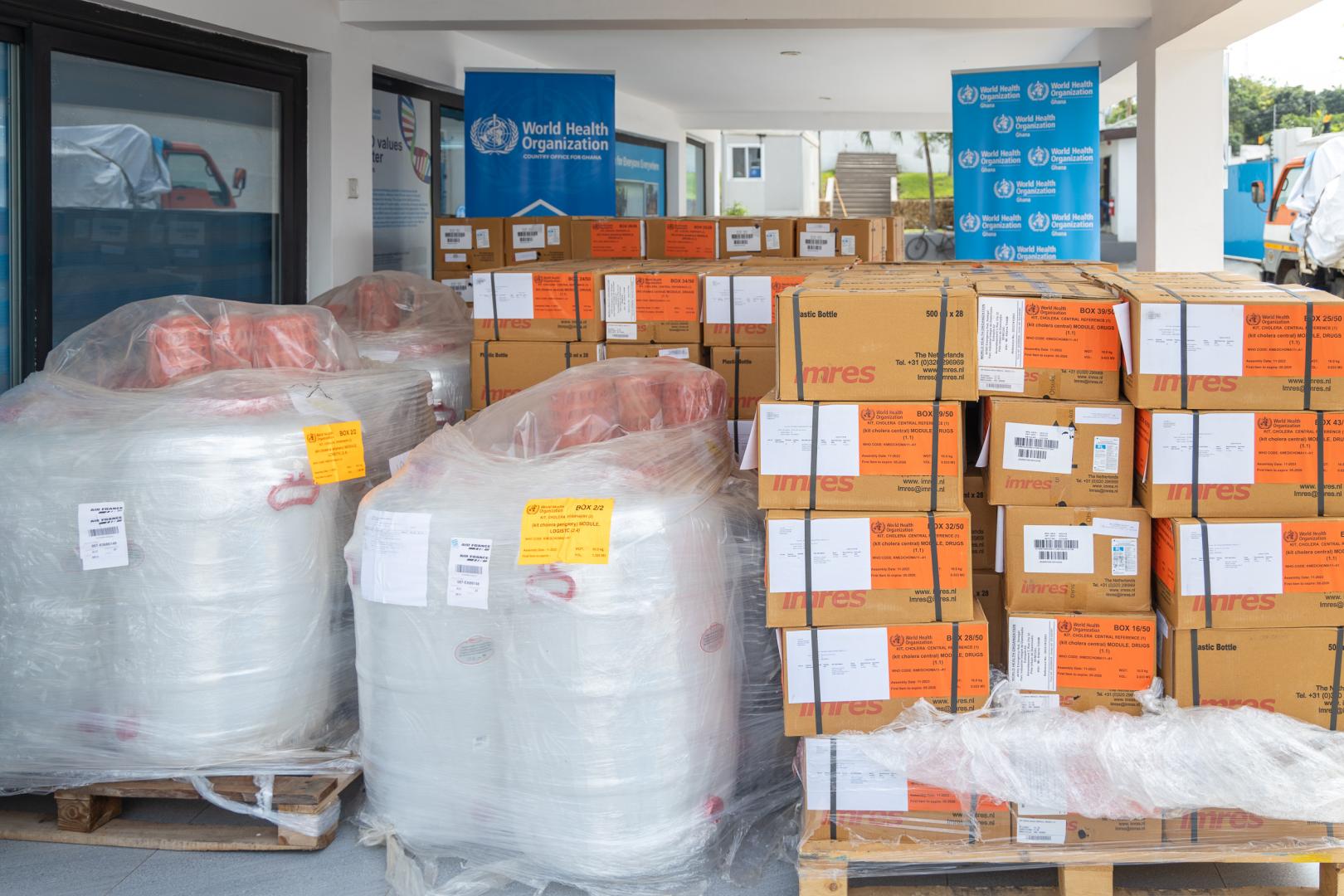
Cholera is an acute infectious disease transmitted mainly through the consumption of food or water contaminated with cholera bacteria. Cholera poses a significant public health threat, especially in areas with inadequate sanitation and unsafe drinking water. It can cause severe dehydration and death within hours if untreated, making early detection and prompt response crucial.
WHO Africa Region Hosts Landmark Self-Care Summit in Addis Ababa, Ethiopia
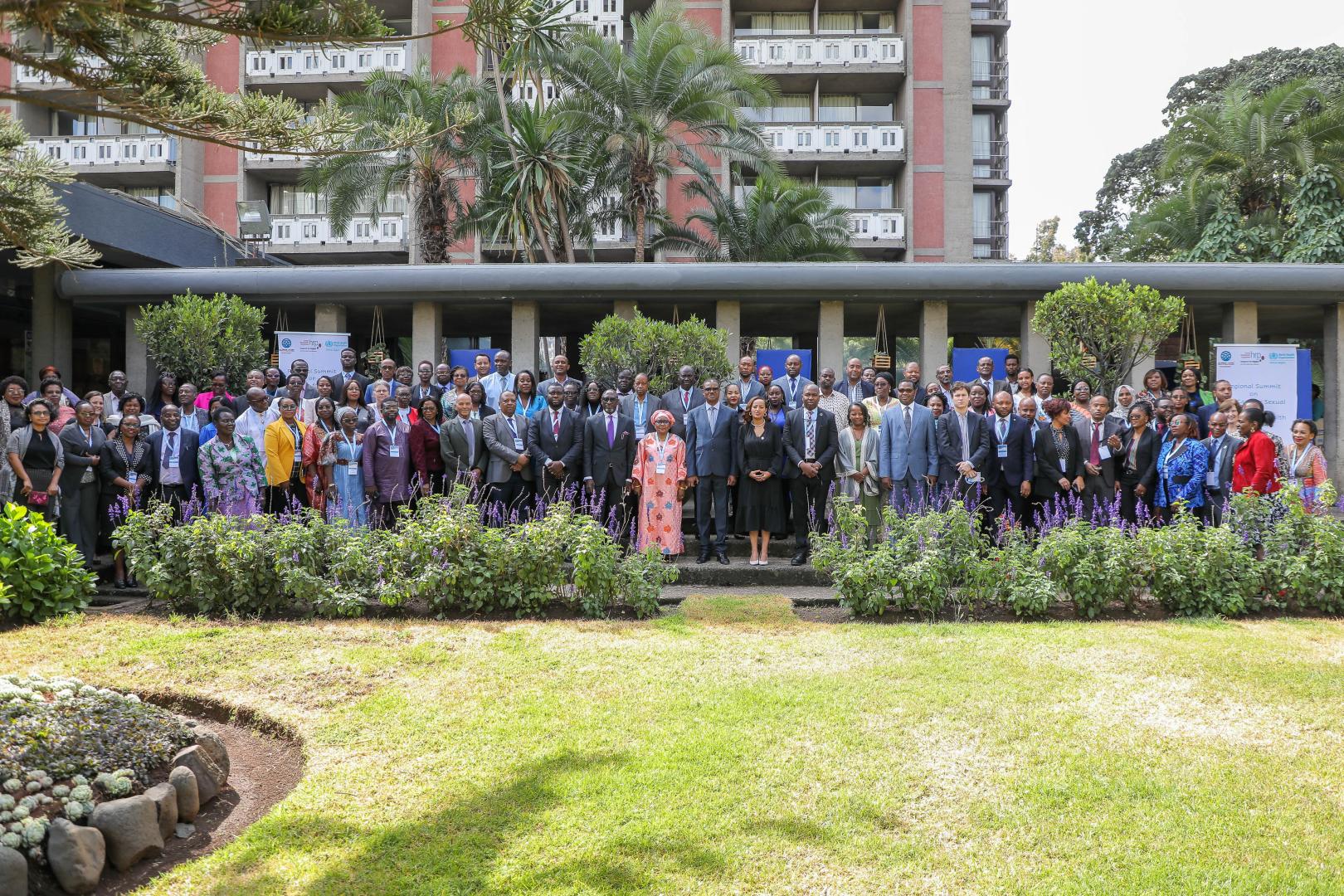
Addis Ababa, Ethiopia – World Health Organization has convened a landmark African regional summit on self-care from November 27 to 29, 2024, in Ethiopia. This summit brings together policymakers, United Nations agencies, civil society organizations, donors, and implementing partners to advance self-care interventions aimed at improving access to quality sexual and reproductive health and rights (SRHR) services across WHO African region.
New step in African region’s efforts to eliminate mother-to-child transmission of HIV, syphilis and hepatitis B
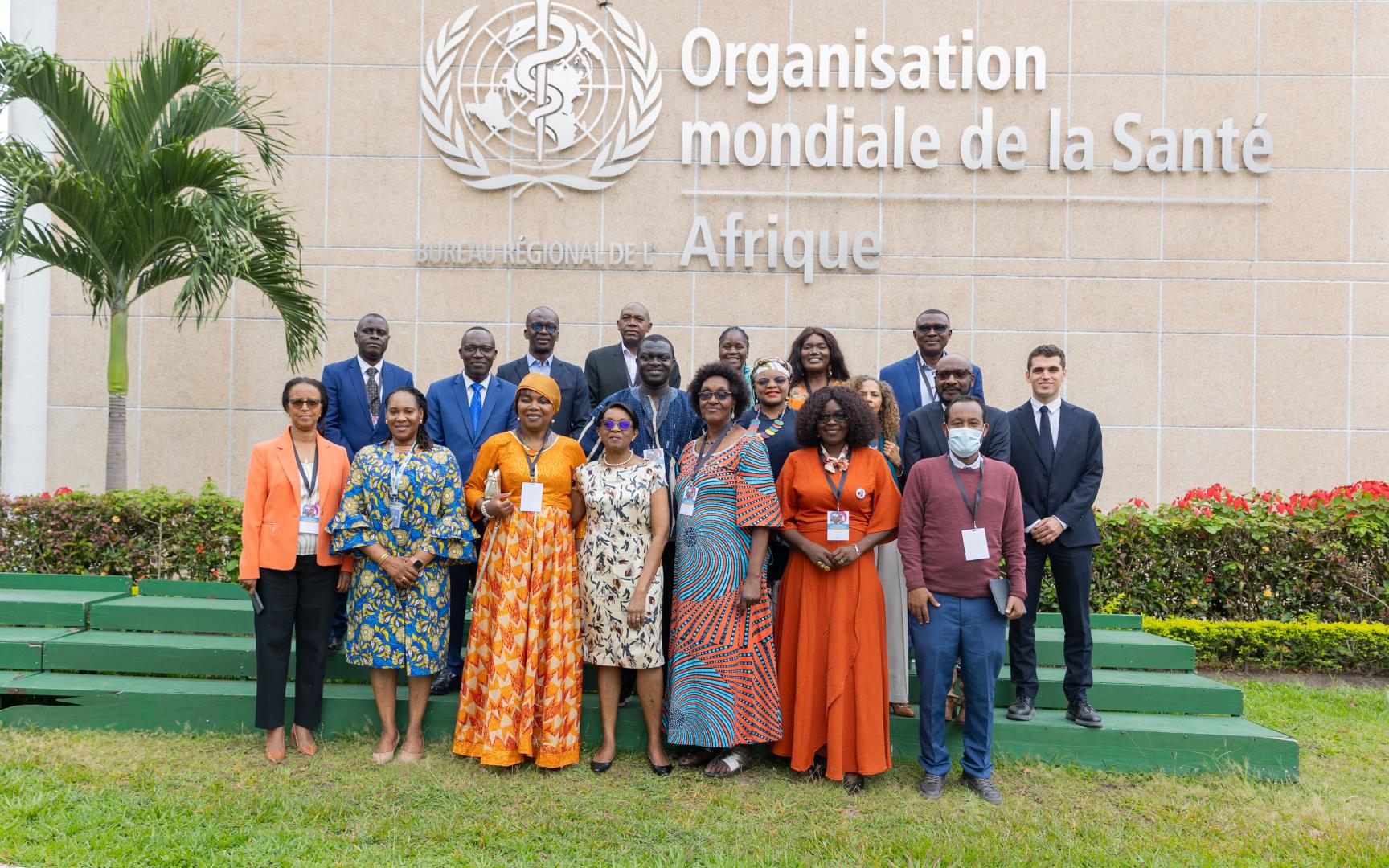
Brazzaville – The World Health Organization (WHO) Regional Office for Africa has launched a Regional Validation Committee for the elimination of mother-to-child transmission of HIV, syphilis and hepatitis B virus, marking a pivotal moment in ensuring a healthier future for every mother and child across Africa.
The Regional Validation Committee has a crucial task of verifying the content, validity and quality of the national validation reports towards the elimination of mother-to-child transmission of the three infections.
Zimbabwe commits to boost domestic health financing
Harare – Zimbabwe has taken a significant step towards strengthening its health system by committing to increase domestic financing through a health levy, a sugar tax, establishment of National Health Insurance and othe
Lesotho Celebrates EPI @ 50, World Polio Day, and Launch of IPV2
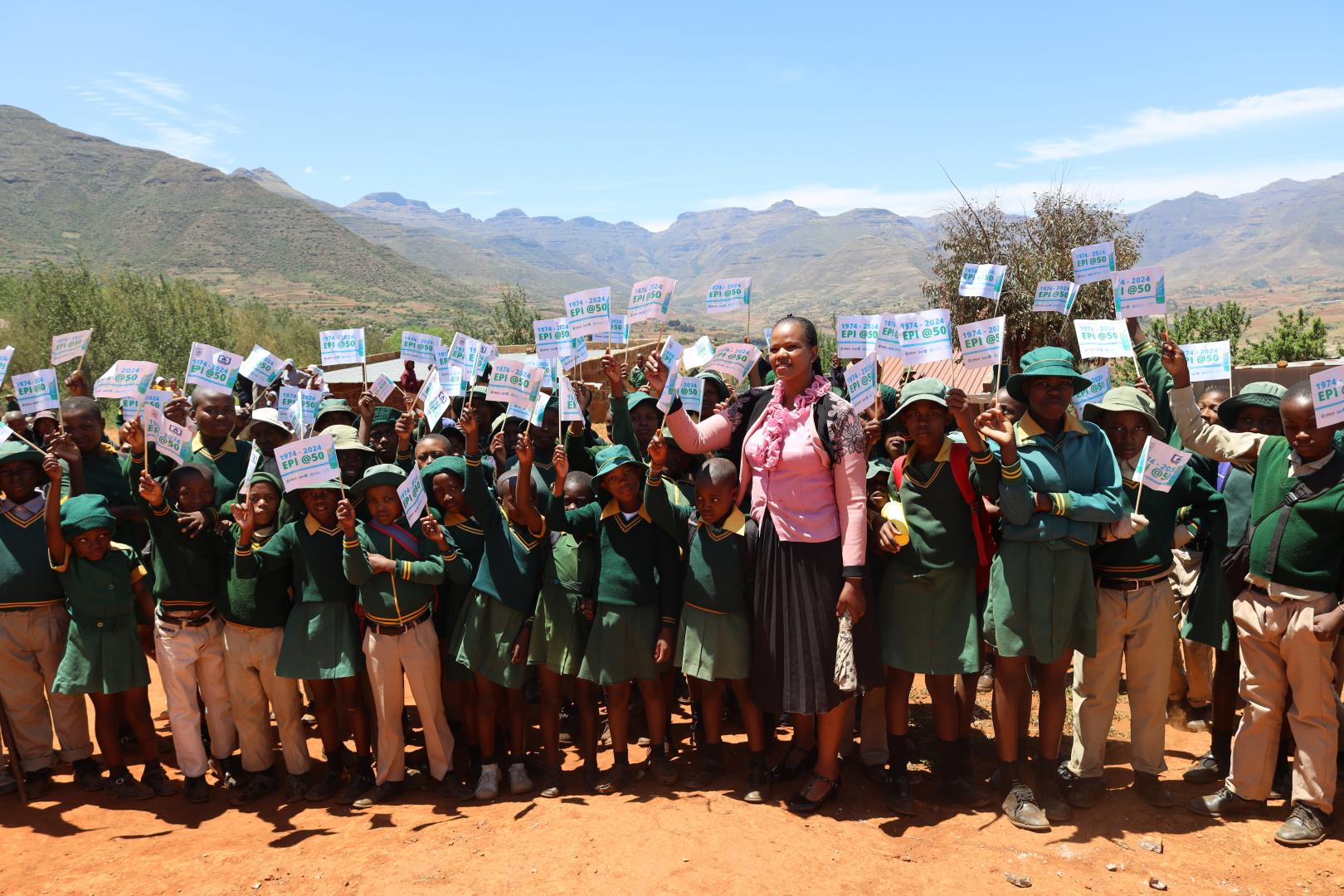
Berea District—The vibrant community of Mamatebele, located on the outskirts of Berea District, recently came alive with celebrations marking the 50th anniversary of the Expanded Programme on Immunisation (EPI). This pivotal global health initiative, launched by the World Health Organization (WHO) in 1974, has played a crucial role in ensuring equitable access to life-saving vaccines for every child, irrespective of their location or socioeconomic status.
Botswana Strengthens Malaria Surveillance Systems to Accelerate Elimination Efforts
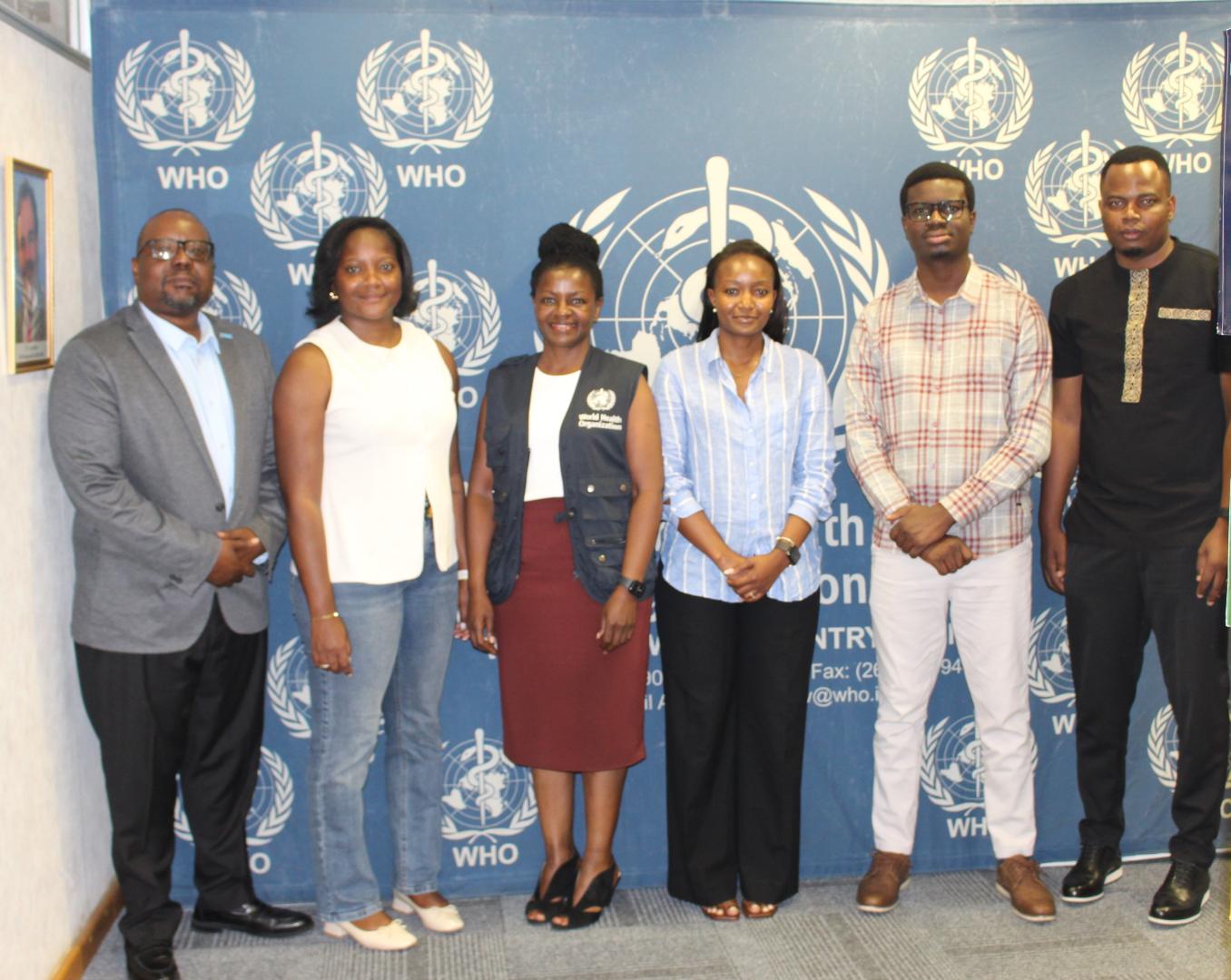
Malaria elimination has been an agenda that the country has been pursuing for at least a decade now. During that time, the country had experienced fluctuations in malaria case numbers, some years recording increases, while others achieved case rates within elimination targets. These inconsistencies have been attributed to various factors, including the impacts of climate change on breeding seasons, programmatic weaknesses in other areas and the surveillance and Gaps in robust surveillance and timely follow up of cases.
Tanzania launches review of its preparedness for future health shocks
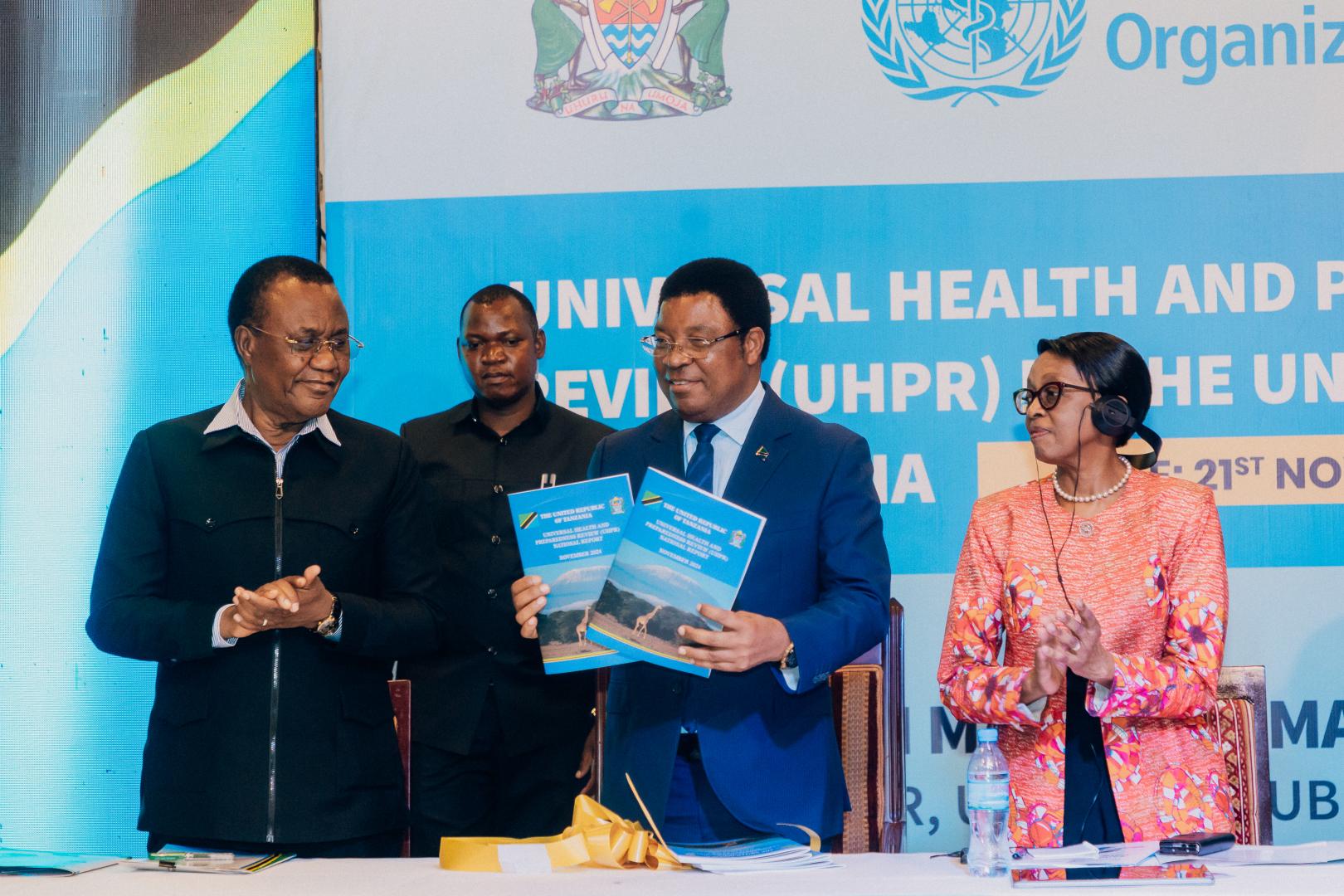
Dar es Salaam –Tanzania has successfully completed a review of its health emergency preparedness capacity, becoming the 5th (Central Africa Republic, Sierra Leone, Republic of Congo, Cameroon, Tanzania) African country, and the 8th globally, to officially evaluate its ability to respond to future health shocks.
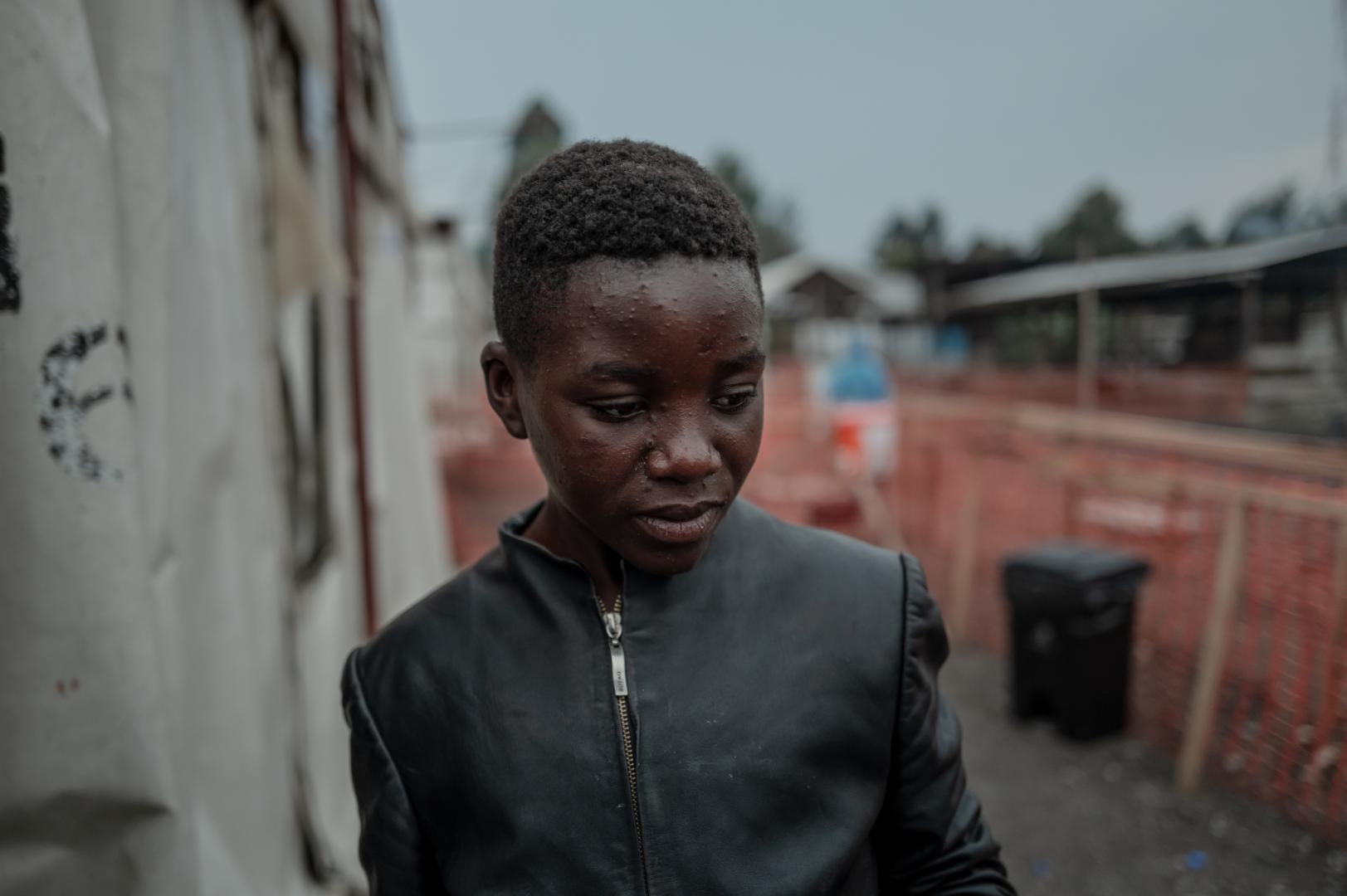
Protecting at-risk populations from mpox in the Democratic Republic of the Congo
Stepping Up Response to Curb Infectious Diseases in Nigeria
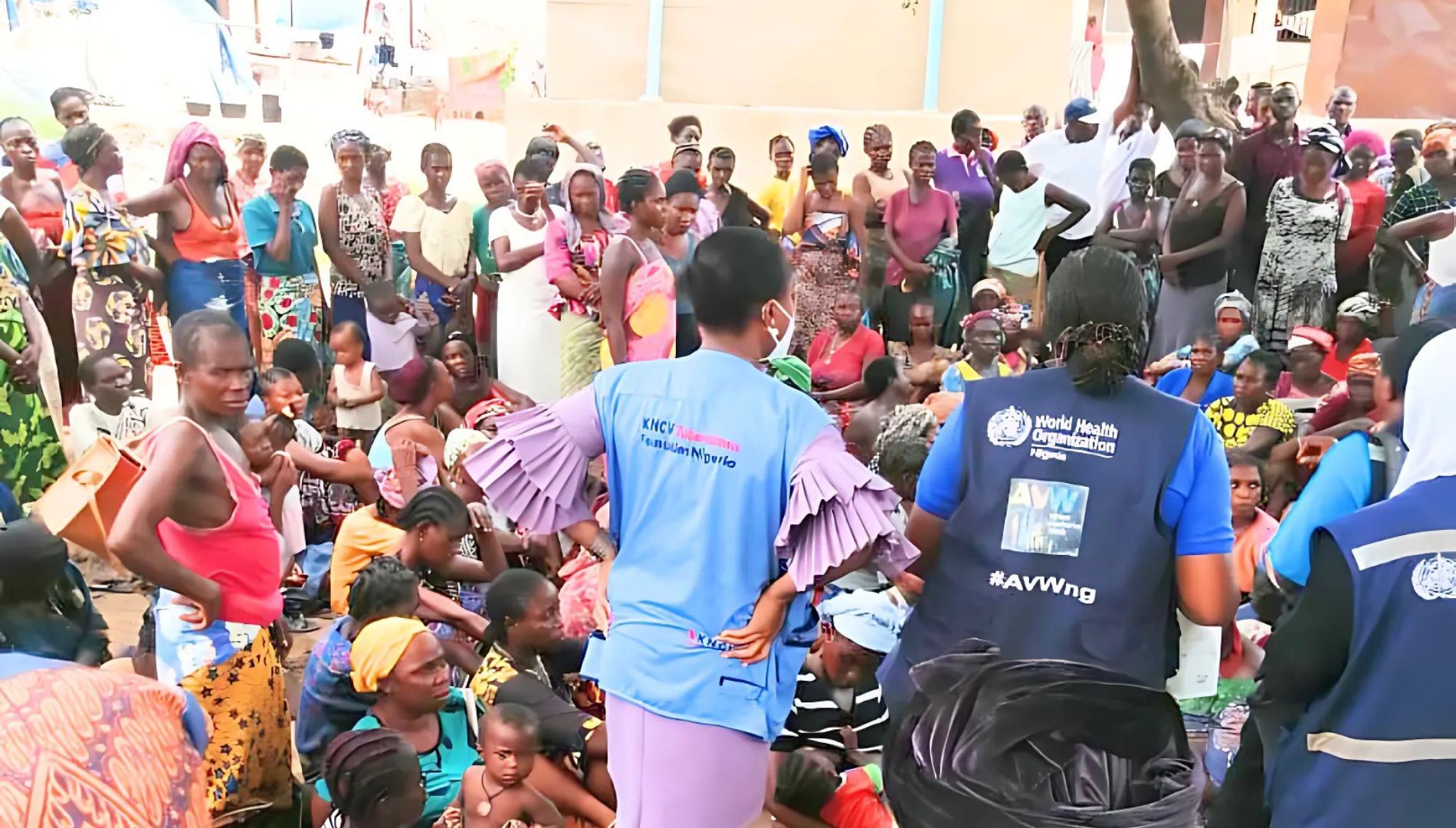
Abuja - In Nigeria, vulnerable populations, especially those in underserved communities, remain at high risk of infectious diseases, including Lassa fever—an acute viral hemorrhagic illness caused by the Lassa virus.