WHO, AfDB, Japan, UNCERF and USAID donate $1.8 million lifeline targeting cholera and long-term health goals

Harare – In a significant boost to Zimbabwe's healthcare infrastructure, the World Health Organization (WHO) today donated a wide range of medical equipment to the Ministry of Health and Child Care (MoHCC). The equipment, valued close to $1.8 million, was funded by various donors and partners, including the African Development Bank, the UN Central Emergency Response Fund (UNCERF), USAID and the Government of Japan.
Signing of a Memorandum of Understanding (MoU) between the World Health Organization in Angola and the University of Rainha Njinga A Mbande in Malanje
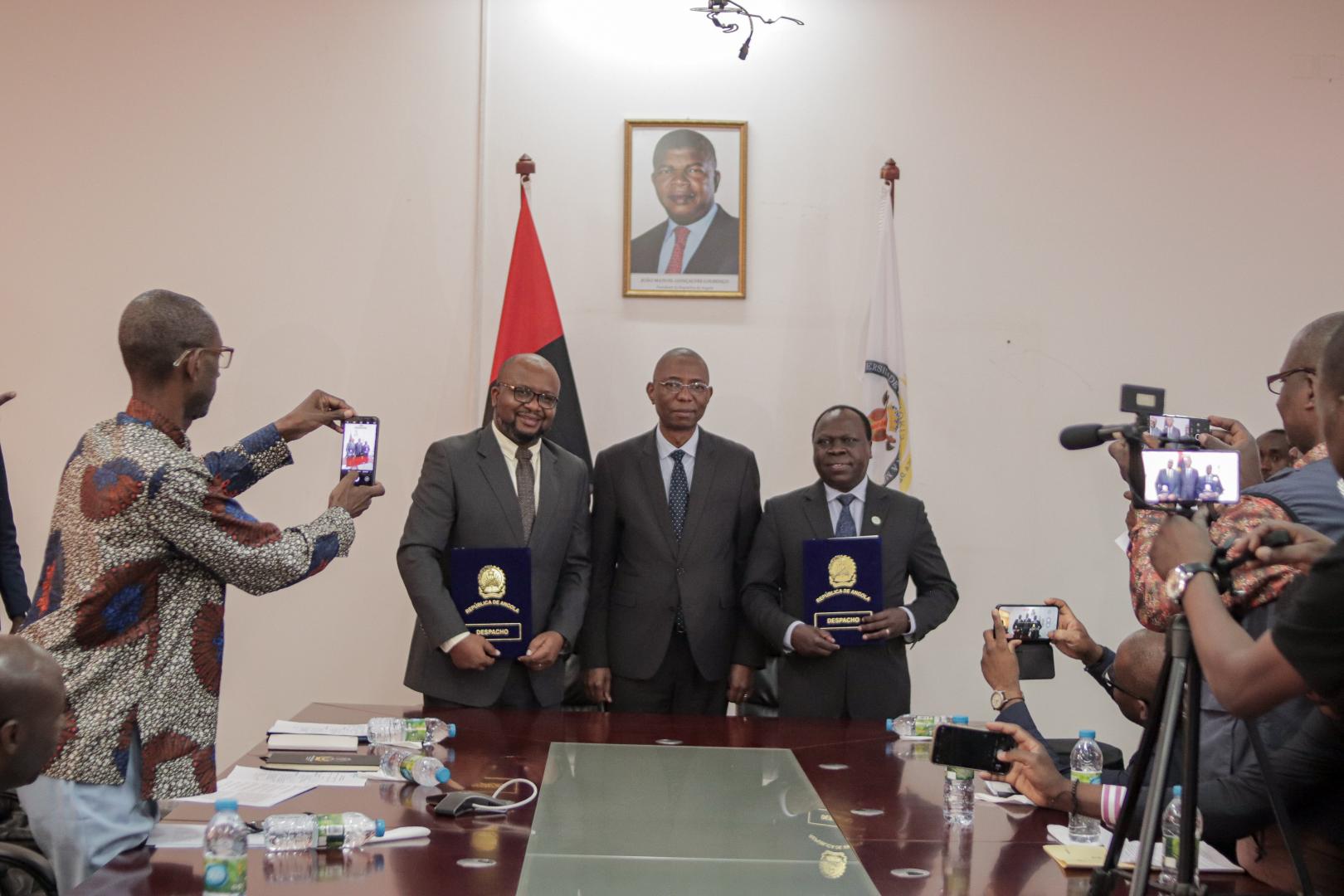
On Thursday, 11 September 2024, a Memorandum of Understanding (MoU) was signed between the World Health Organization (WHO) and the University of Rainha Njinga A Mbande, located in the province of Malanje. This agreement formalizes the existing collaboration between the two institutions, establishing a joint commitment to improve the health sector by strengthening local capacities and implementing initiatives that benefit both the academic community and the general population.
WHO Strengthens Collaboration in Malanje Province: Renewed Partnerships to Promote Health
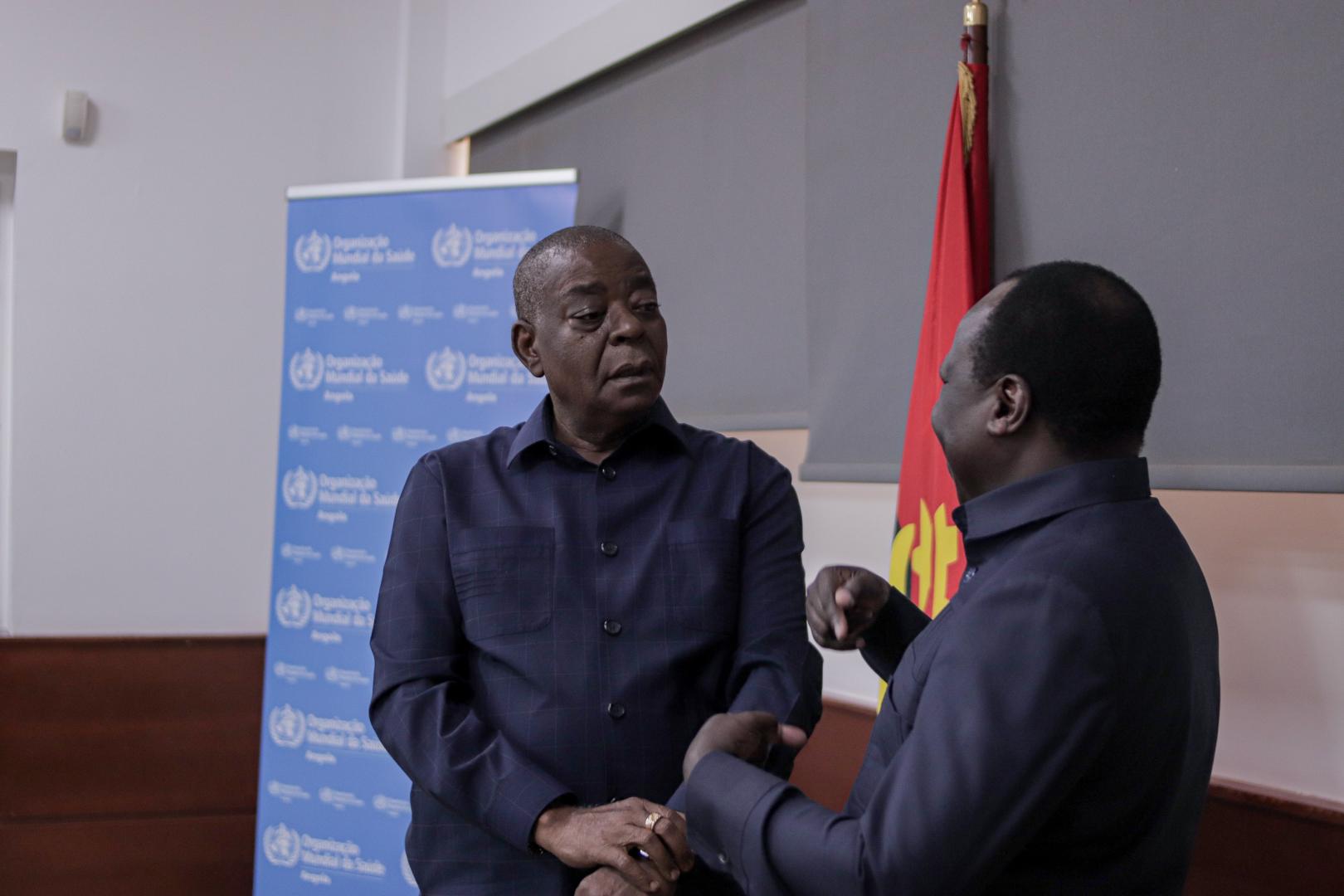
In a bid to enhance cooperation and strengthen health systems at the provincial level, the World Health Organization (WHO) team, led by the WHO Representative in Angola, Dr. Zabulon Yoti, conducted a mission to the province of Malanje from 10 to 11 September. The visit, aimed at reinforcing collaboration between WHO and local authorities, included key discussions with the Governor of Malanje, Marcos Alexandre Nhunga, and the Vice Governor for Social Affairs, Dr. Franco Mufinda, as well as the Provincial Director, Dr.
Government, Partners, and Northern Traditional Leaders Reaffirm Commitment to Nigeria’s Immunisation and Health Services Goals
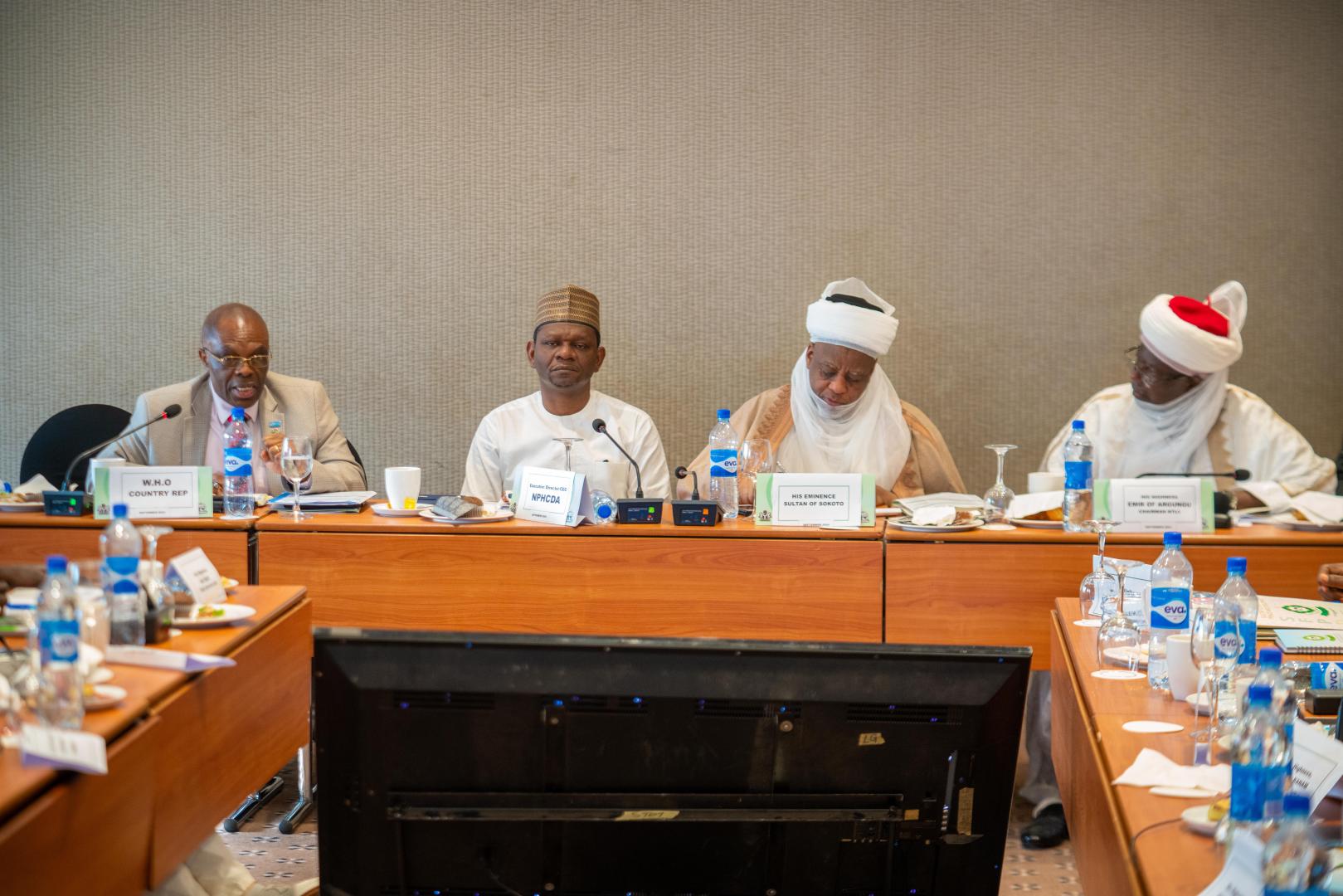
Abuja, 9 September, 2024 -- The World Health Organization Country Representative in Nigeria (WR), Dr Walter Kazadi Mulombo, has reaffirmed the organisation's unrelenting commitment to supporting the government of Nigeria to achieve its goal of stopping all forms of polio transmission and strengthening routine immunisation while building a resilient healthcare system across the country.
Empowering youth to combat tobacco in Uganda: Building champions amongst university student leaders to take charge
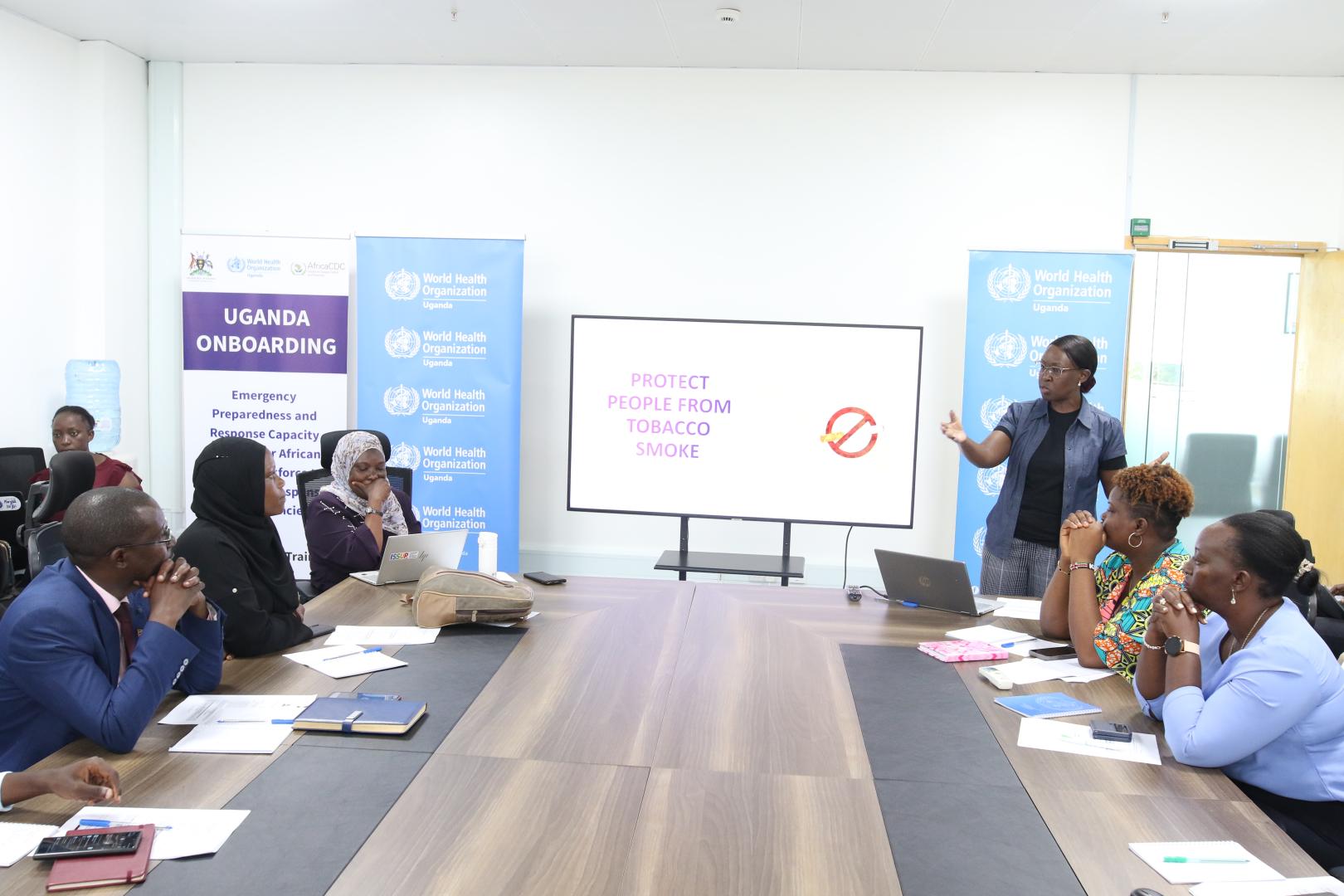
As part of a broader strategy to protect young Ugandans from the dangers of New and Emerging Nicotine and Tobacco Products (NENTPs), the Ministry of Health (MoH), supported by the World Health Organization (WHO), held a groundbreaking workshop in Kampala from September 5-6, 2024. The initiative brought together student leaders from seven Universities in Uganda to discuss the enforcement of Uganda’s Tobacco Control Act 2015, control of tobacco-related harm & its control which includes a ban on NENTPs.
WHO, UK Government, supports Nigeria in developing a strategic approach to managing health workforce migration
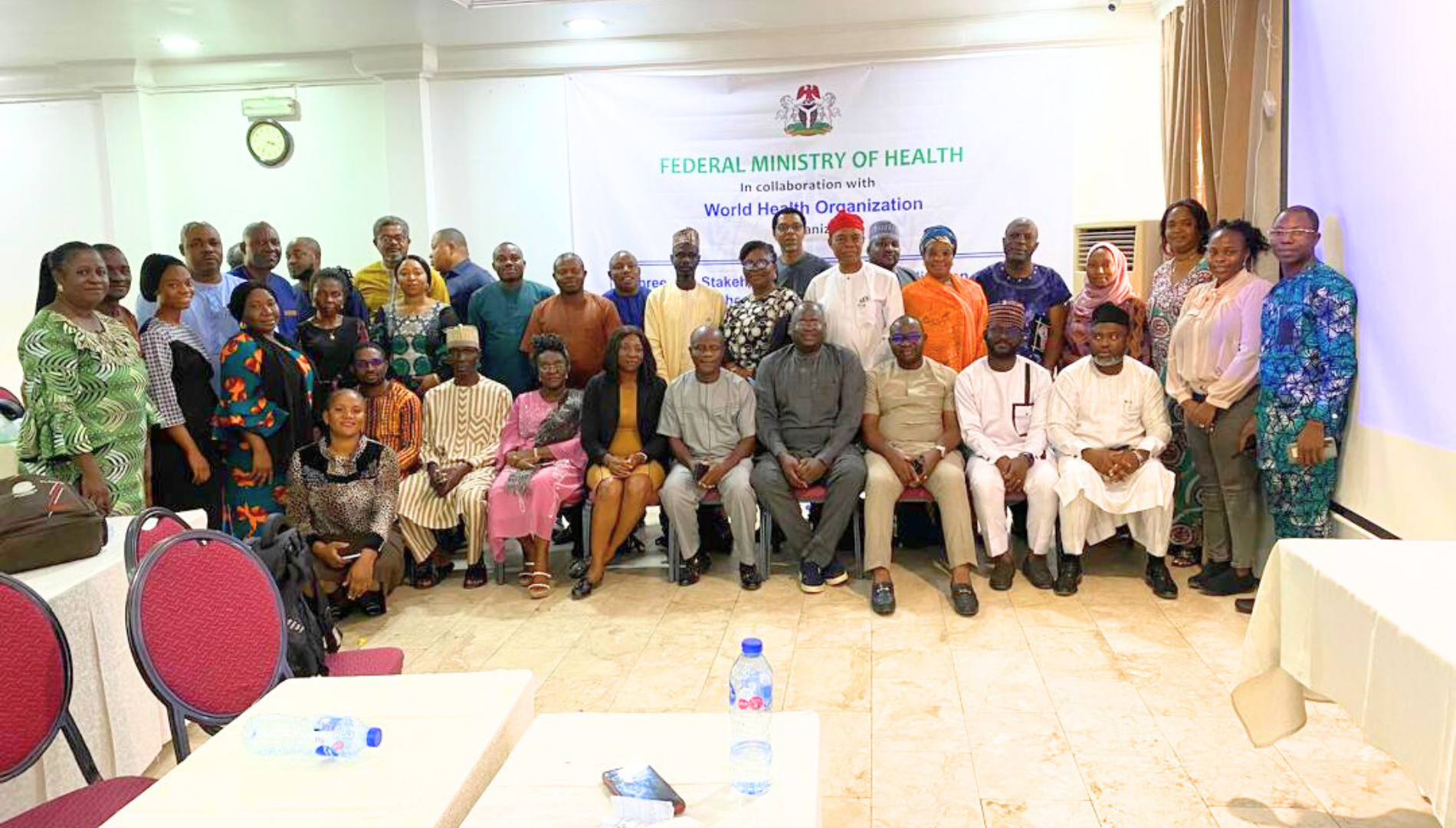
In a decisive move to address the growing concerns over the migration of health professionals, the Nigerian government recently approved a comprehensive "National Health Workforce Migration Policy".
The strategic policy, designed to curb health worker migration, carries significant weight. Its potential to mitigate the issue and bring about a substantial transformation in Nigeria's healthcare system cannot be overstated.
African CDC and WHO launch joint continental plan to scale up mpox outbreak response
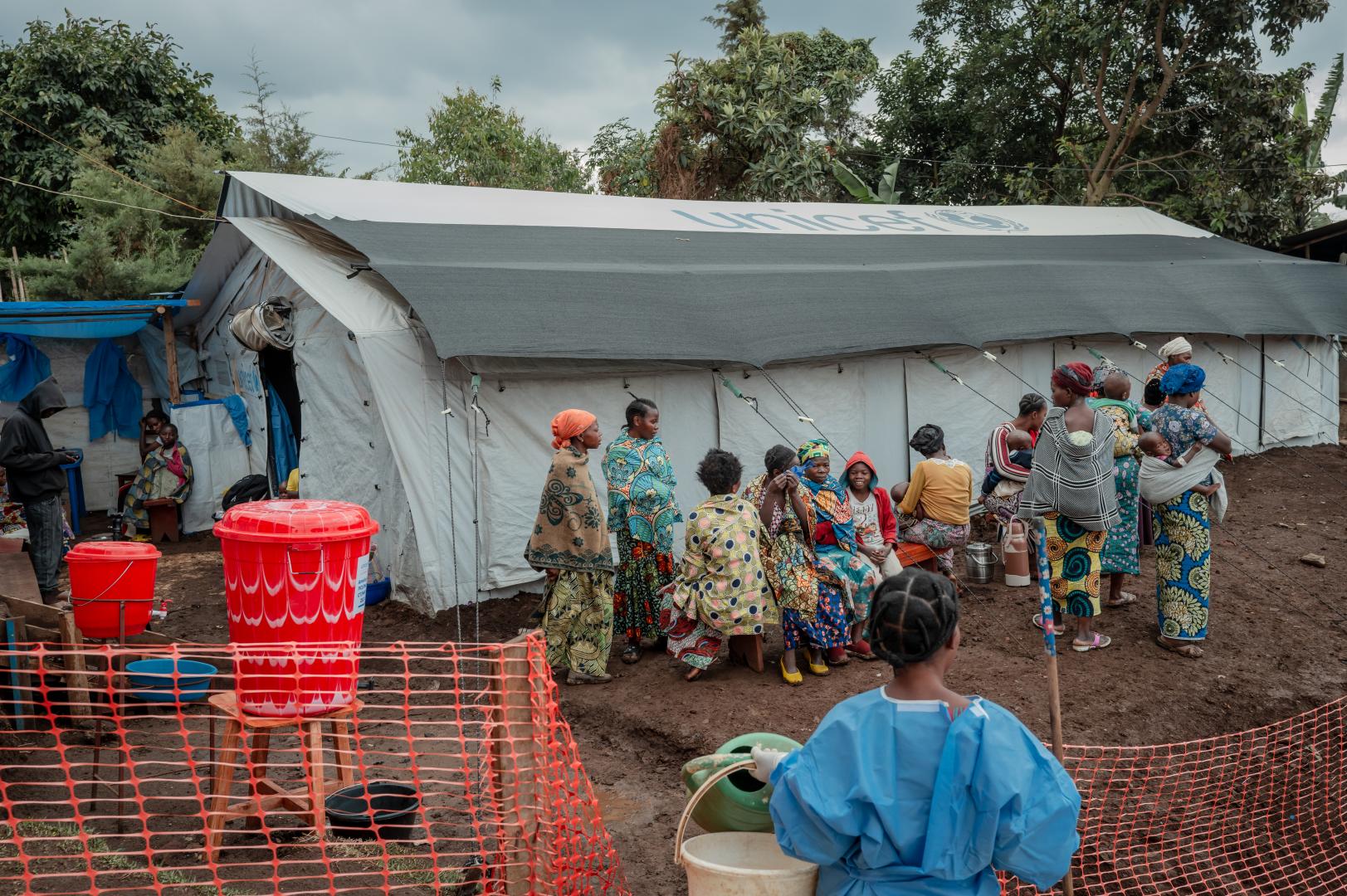
Taking stands at interrupting community transmission of all forms of poliovirus in Nigeria
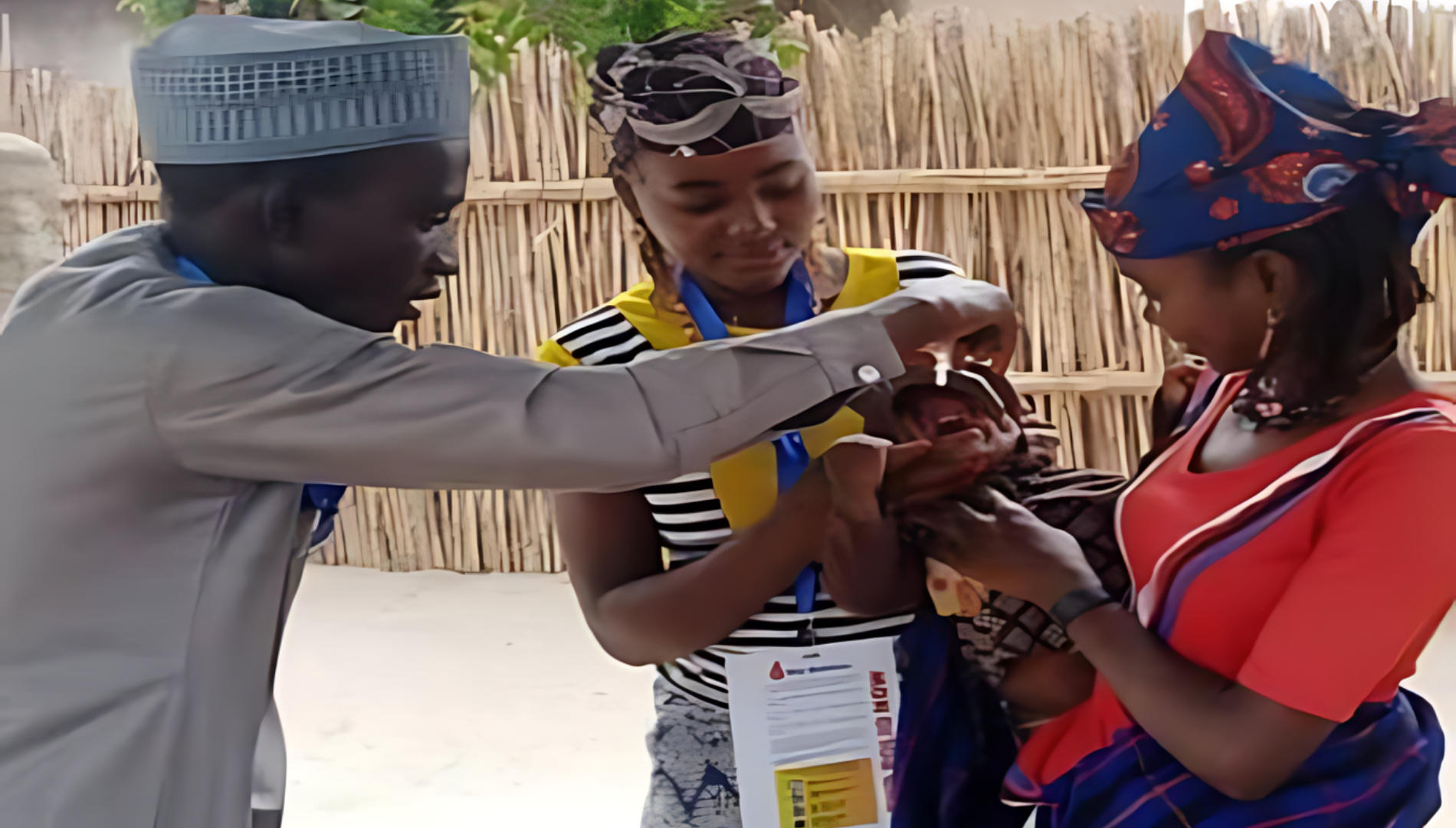
Katsina, 4 September, 2024 - “Before today, my child never received any form of vaccination,” says 27 years old Fatima Abubakar, while presenting her eight-months-old son, Adamu, to the team of vaccinators who had visited the remote Gadare settlements in Batsari Local Government Area (LGA), Katsina State, where she resides.
Giving hope to people living with mental health conditions in Adamawa State
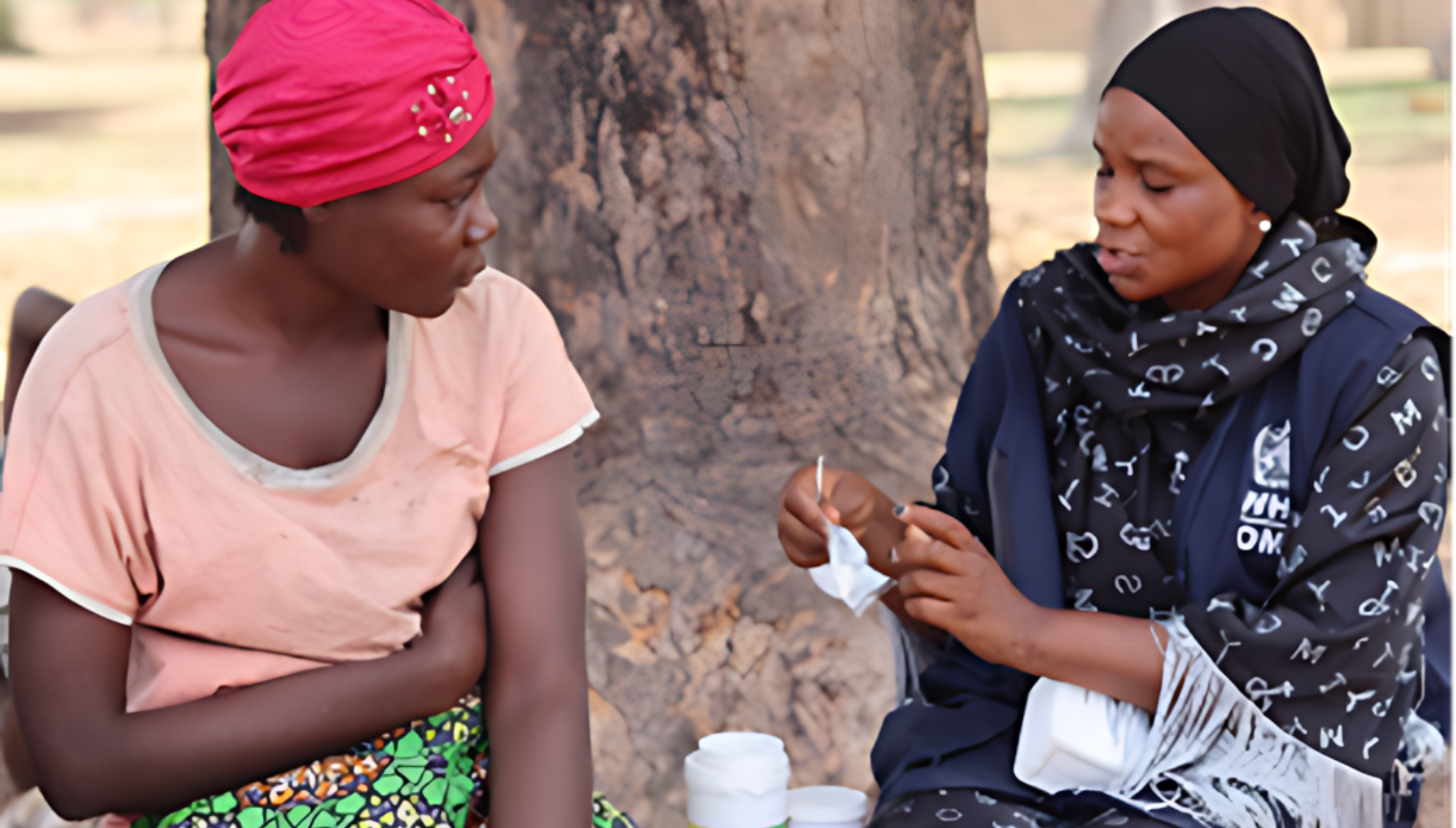
Yola, 4 September, 2024-After giving birth to her fourth child, 28-year-old Ladi Musa, residing in Mararabci Gari, Fufore Local Government Area of Adamawa state, slipped into an emotional crisis.
She was not sleeping well, became withdrawn, cried without cause, and was resentful toward the people around her.
"The feelings started some days after I gave birth to my baby. I wanted to be left alone," she recounted.