Botswana Observes Patient Safety Day 2024: Emphasizing Accurate Diagnosis for Safer Healthcare
Botswana joined the global community in commemorating Patient Safety Day 2024 with a press briefing under the theme, "Improving Diagnosis for Patient Safety," accompanied by the slogan, "Get it Right, Make it Safe." The event focused on raising awareness of diagnostic errors, which are a significant contributor to patient harm, and highlighted the collective responsibility of healthcare stakeholders in ensuring safer care.
Empowering health journalism in Namibia: A Workshop on Universal Health Coverage and Public Health Reporting
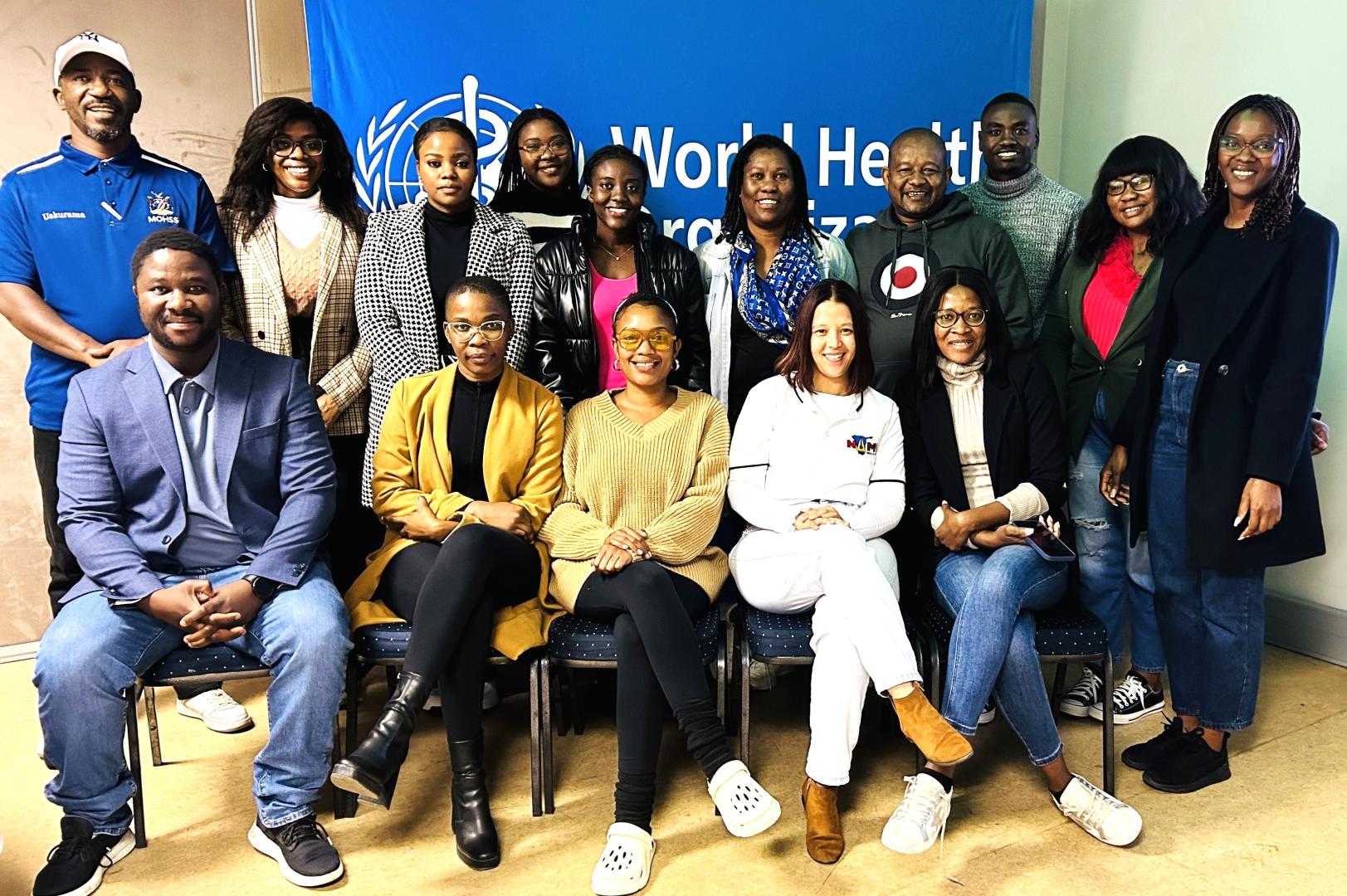
The World Health Organization (WHO) in partnership with the Government of Japan supported the Ministry of Health and Social Services (MoHSS) to conduct a three-day workshop in Swakopmund. Held from 09 – 11 September 2024, the workshop aimed to sensitize and orient the media on ethical reporting on health-related matters including promoting nutrition, emergency response reporting, addressing gender-based violence (GBV) and Universal Health Coverage (UHC). A total of 15 journalists and media practitioners participated and were eager to enhance their understanding of health reporting.
WHO and Germany donate IT equipment to support health sector digitization
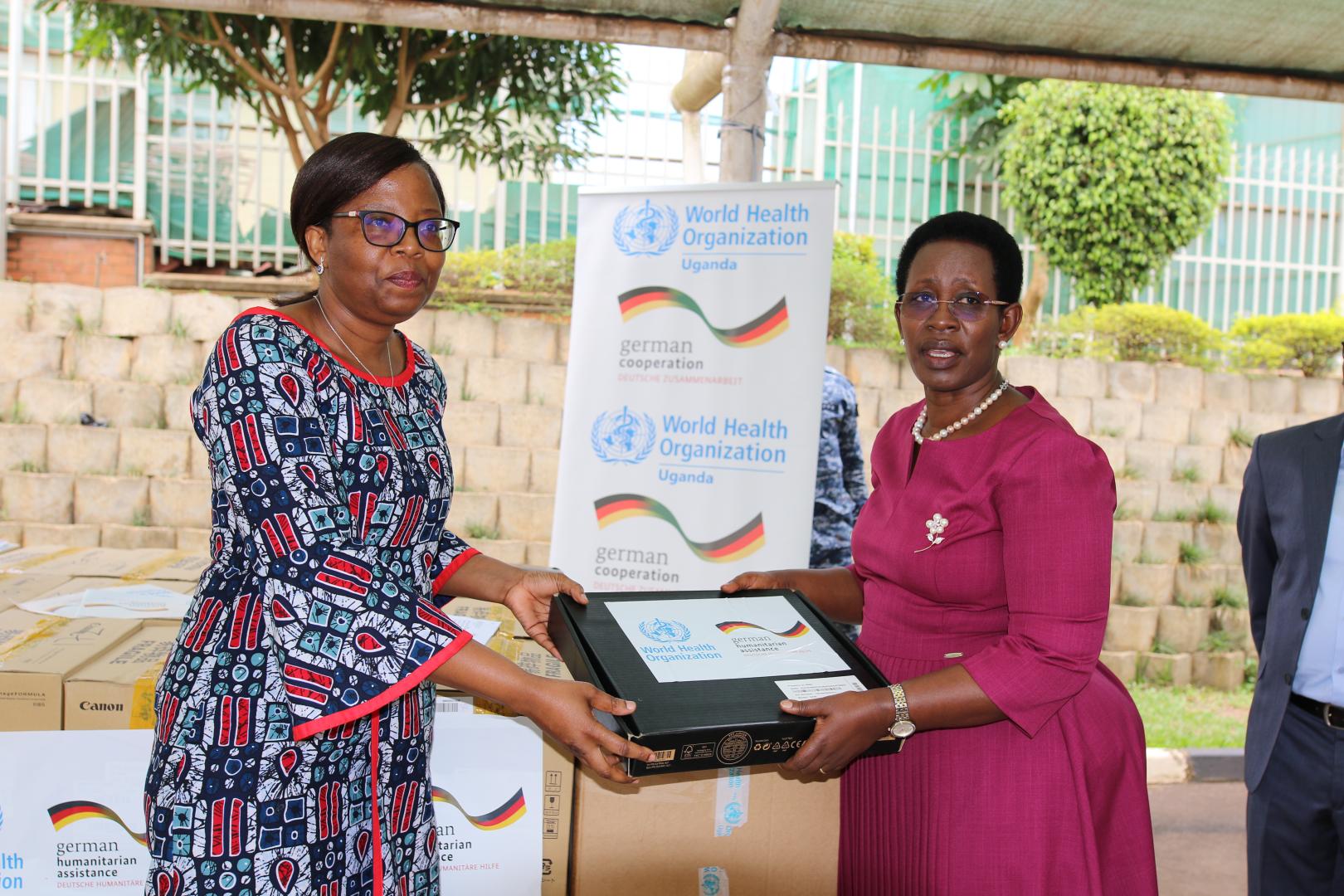
The Ugandan Ministry of Health has today received brand new Information Technology (IT) Equipment worth USD 222,594 (equivalent to UGX 865,029,221) to support the Ministry of Health (MoH) in the ongoing digitization of health service delivery and the scale-up of Electronic Medical Records (EMR) system across all public health facilities.
Towards Building Resilience: Sensitizing Health Professionals on Climate Change and Health in Botswana
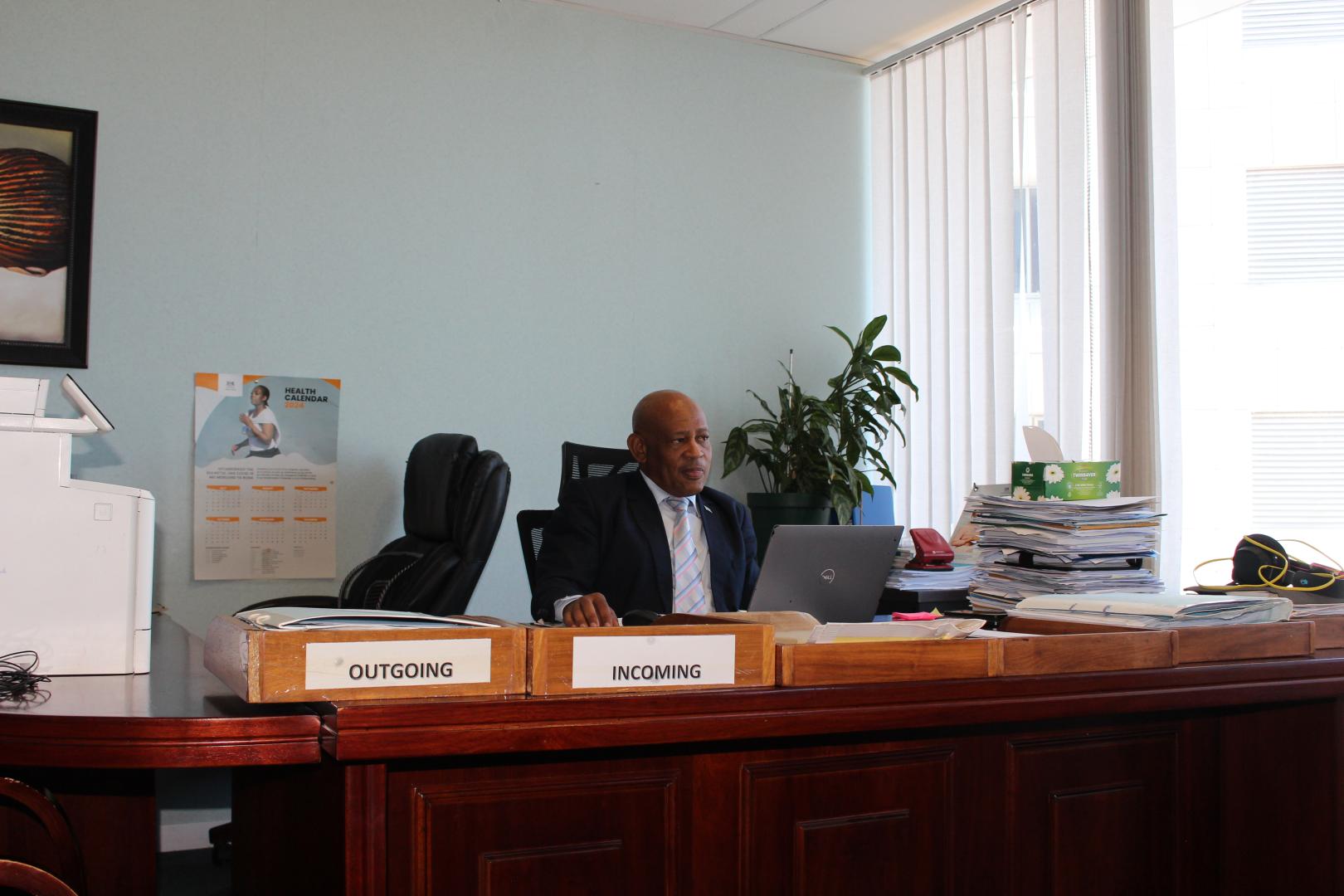
On the 17th of September 2024, WHO country office in collaboration with other stakeholders including Meteorological Services, Southern African Science Service Centre for Climate Change and Adaptive Land Management (SASSCAL) and UNDP supported Ministry of Health in hosting a successful sensitization workshop under the theme” Role of Health Professionals on the Climate Change and Health”. The event gathered health professionals, policy makers, academia, researchers, and climate experts to address the urgent nexus between climate change and health in Botswana.
South Sudan undertakes Second Joint External Evaluation to boost health security amidst challenges
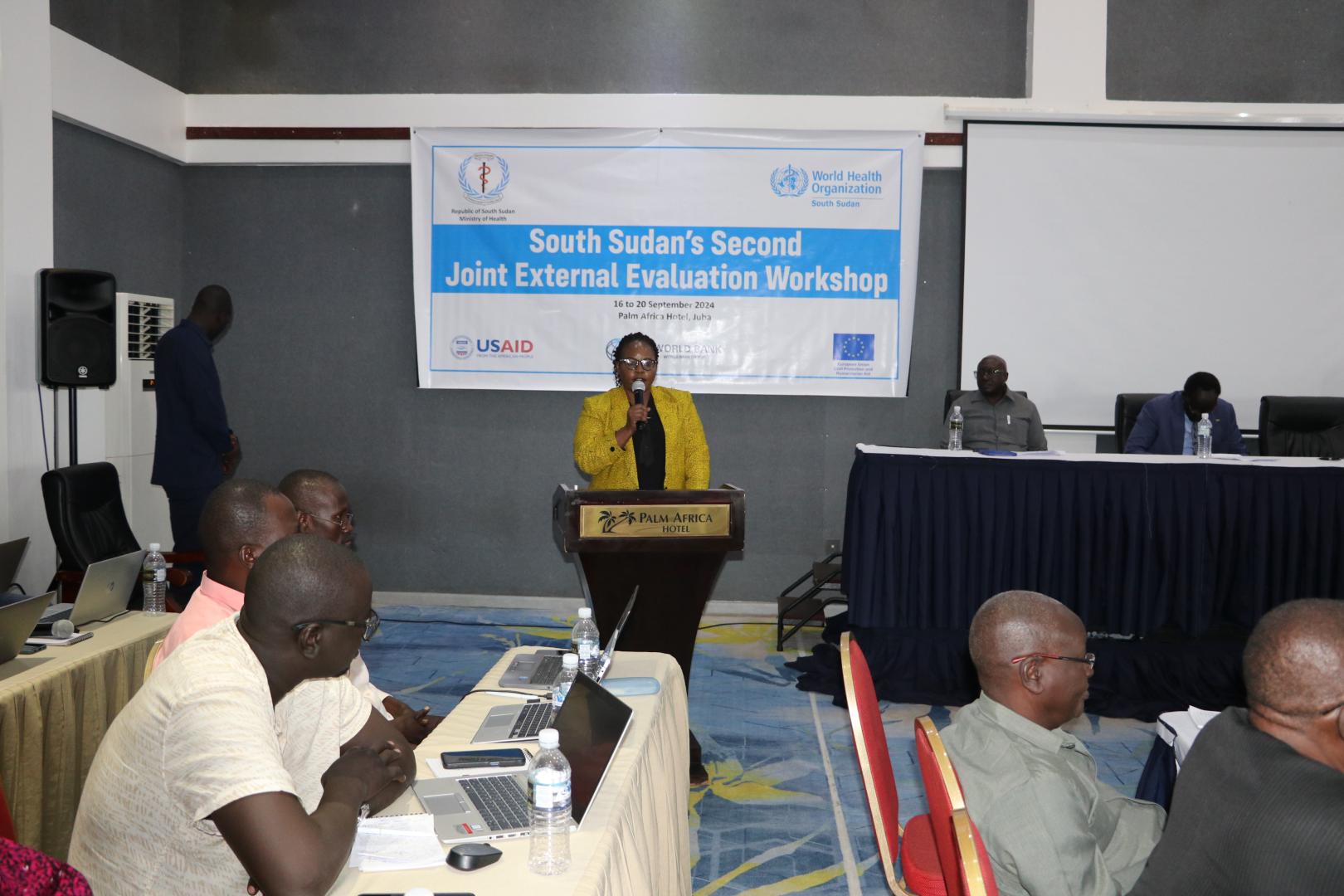
In South Sudan, where challenges like disease outbreaks, limited healthcare access, conflicts, and flooding are frequent, there's a strong push to improve health services.
With support from the World Health Organization (WHO) and other global partners, the country has embarked on its Second Joint External Evaluation (JEE) of the International Health Regulations (IHR) 2005.
Empowering health journalism in Namibia: A Workshop on Universal Health Coverage and Public Health Reporting
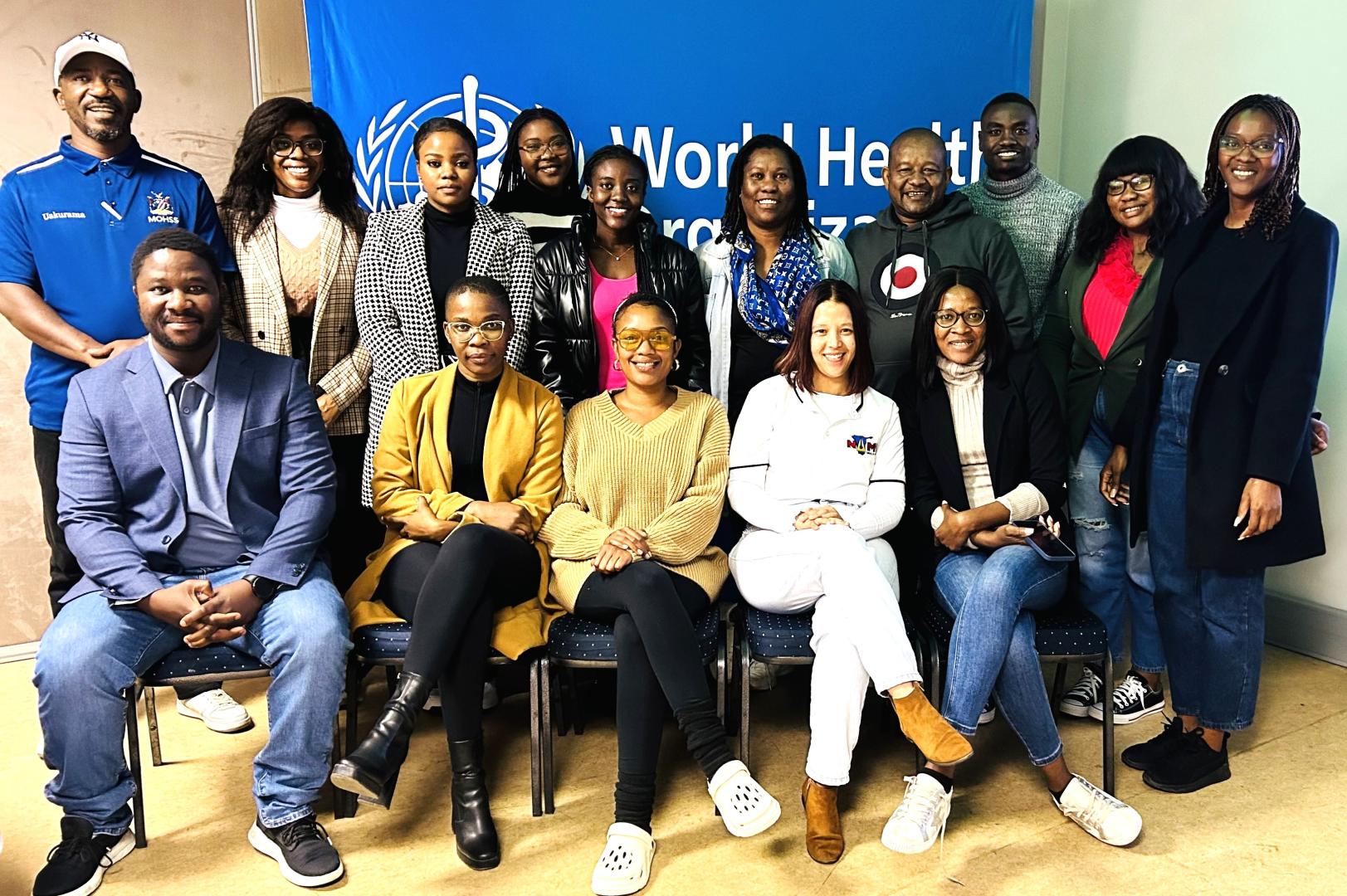
The World Health Organization (WHO) in partnership with the Government of Japan supported the Ministry of Health and Social Services (MoHSS) to conduct a three-day workshop in Swakopmund. Held from 09 – 11 September 2024, the workshop aimed to sensitize and orient the media on ethical reporting on health-related matters including promoting nutrition, emergency response reporting, addressing gender-based violence (GBV) and Universal Health Coverage (UHC). A total of 15 journalists and media practitioners participated and were eager to enhance their understanding of health reporting.
Three Central African countries commit to global eradication of Guinea-worm disease
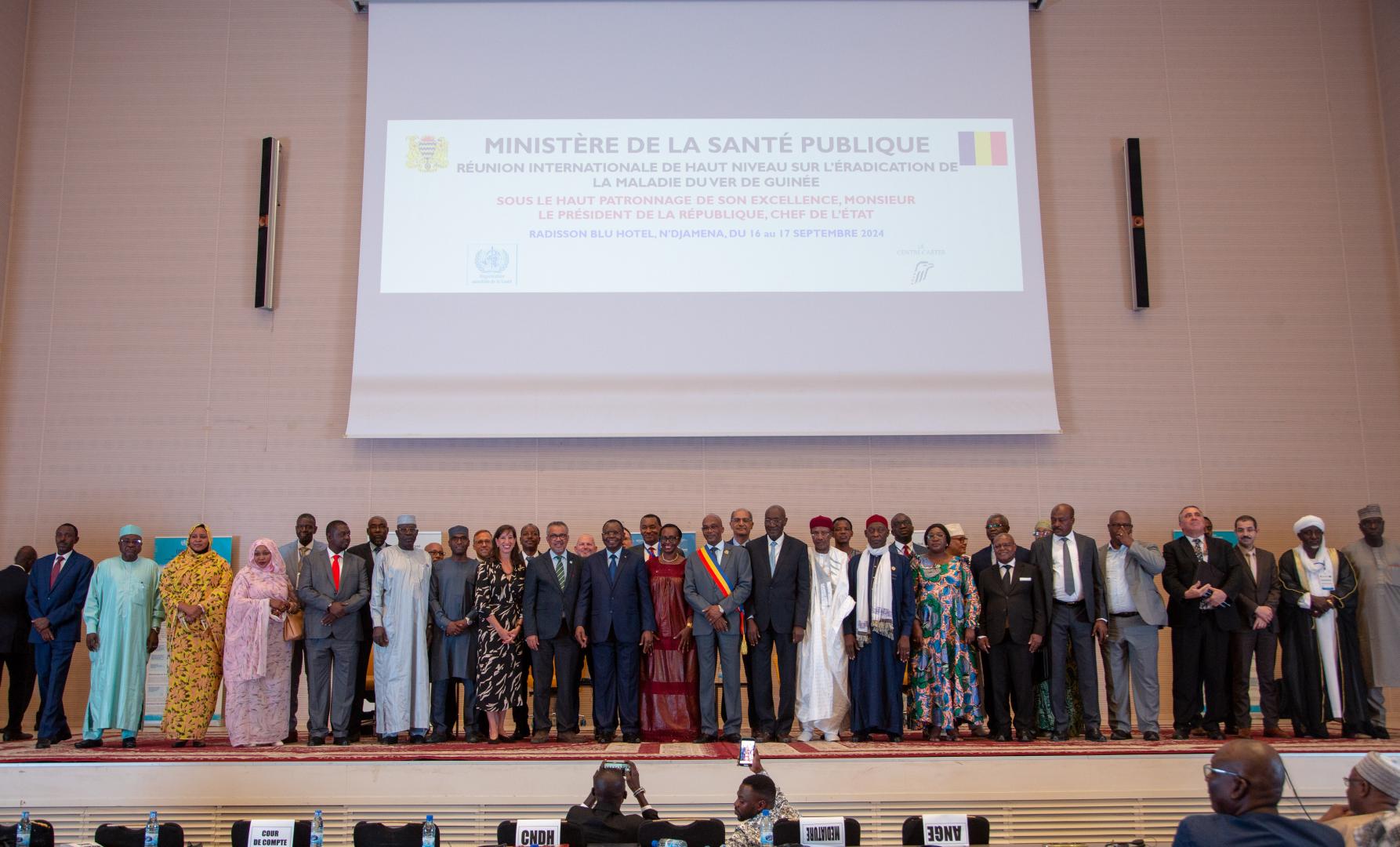
N’Djamena – Ministers of Health of Cameroon, the Central African Republic and Chad have pledged to scale up efforts to eradicate Guinea-worm disease by 2030 in line with the road map to end neglected tropical diseases by the end of the decade.
Tanzania’s Laboratory Enhancements Paves Way for Measles and Rubella Elimination.
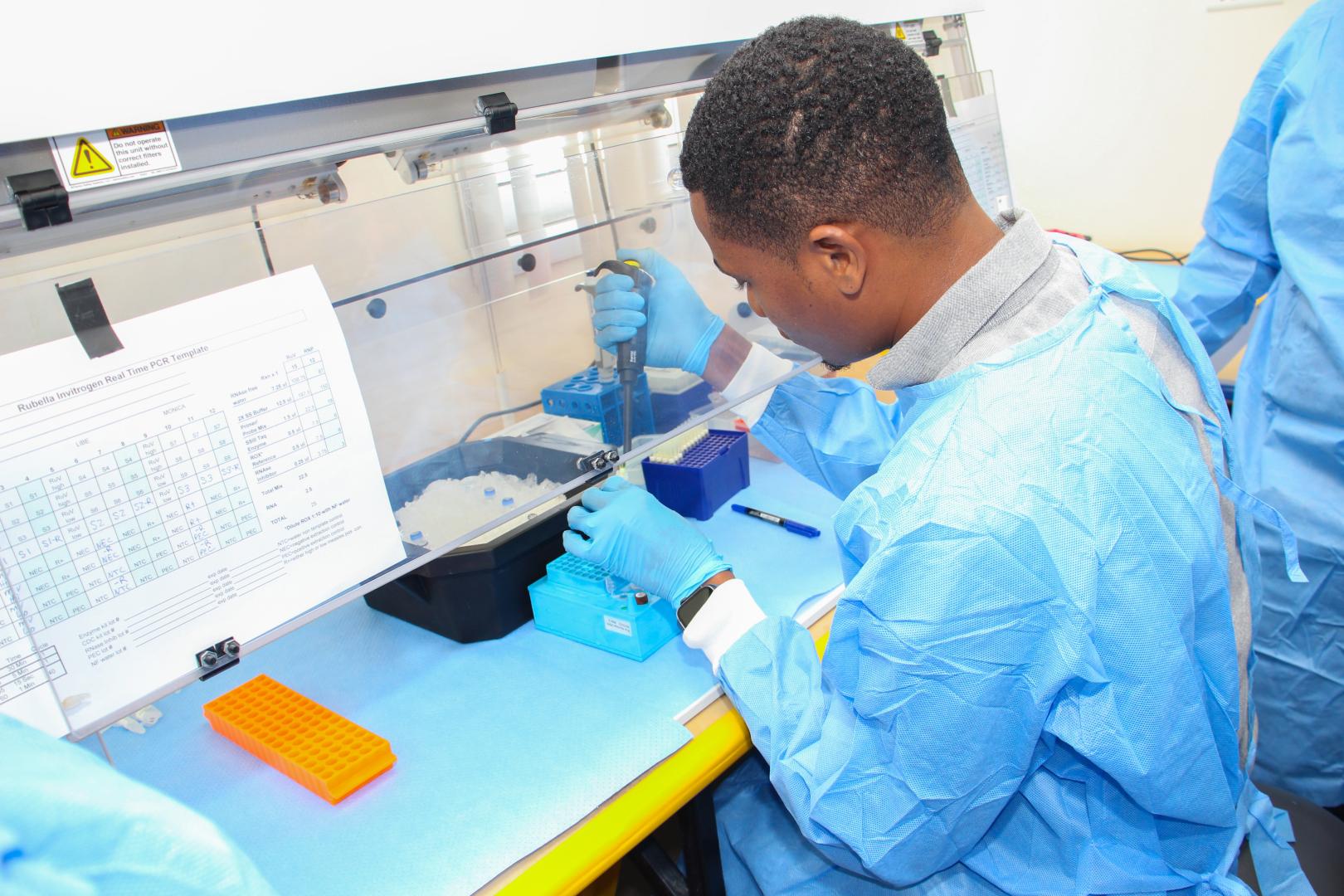
Dar es Salaam: Tanzania’s National Public Health Laboratory (NPHL) has achieved full accreditation for measles and rubella testing, marking a major milestone in global health efforts. This accreditation allows the lab to independently conduct and report tests, becoming a pivotal member of the WHO laboratory network.
This was affirmed in an onsite assessment led by World Health Organization (WHO) with support from the Centers for Disease Control and Prevention (CDC) and Uganda Virus Research Institute (UVRI).
Ward-based Outreach Efforts Target elephantiasis in high burdened districts
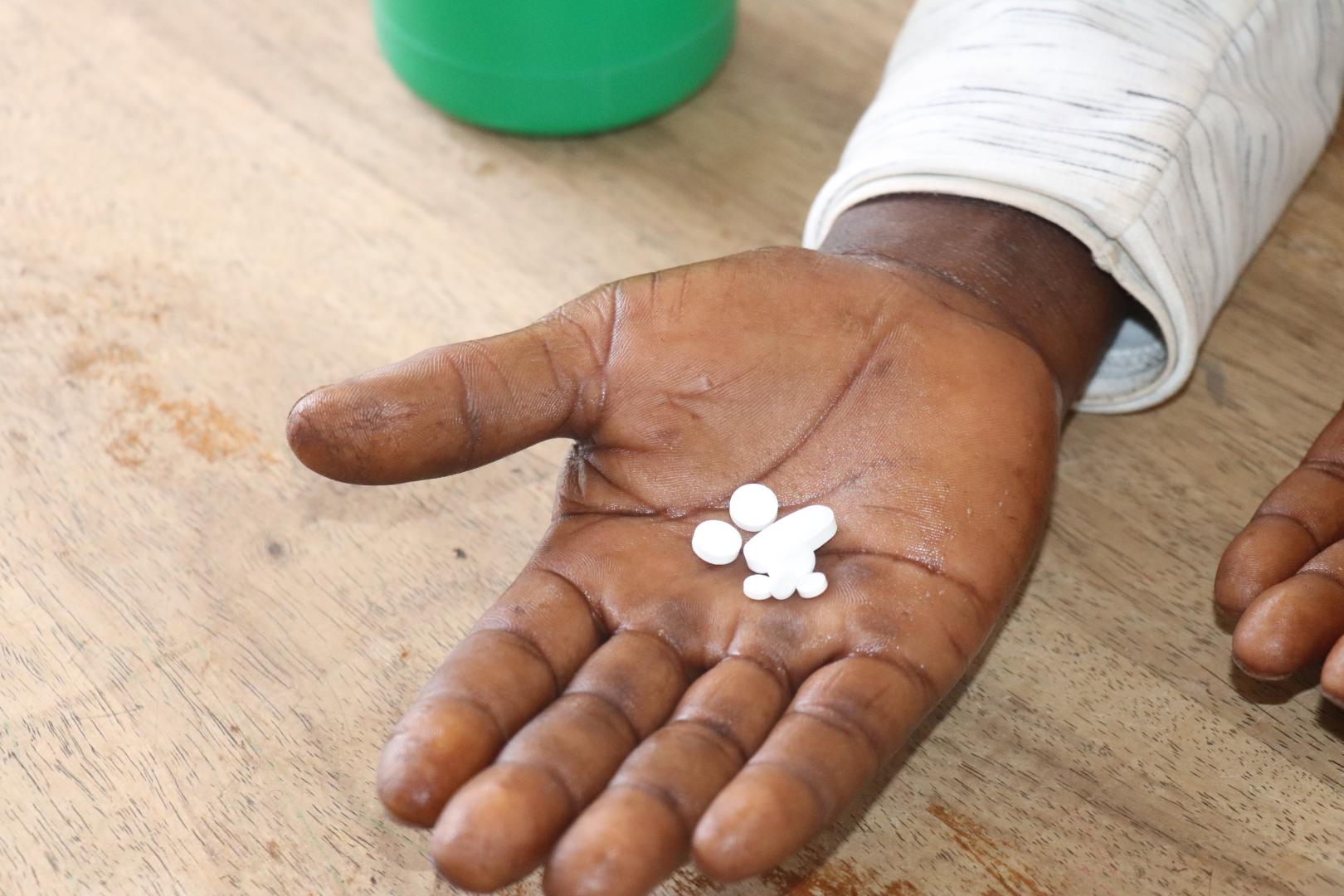
Bulawayo – Thirty-six-year-old Siyenkosini Moyo walks into Collen Bawn Clinic in Gwanda District, ready to take his medication, with no questions asked. As standard, a nurse stops him for a quick chat to ensure he has the right information before he gets his treatment.
“I saw the poster and meant to ask for some time off at work to come to the clinic,” he says.
Strategic Session Targets Health Crisis Response and Organizational Reform
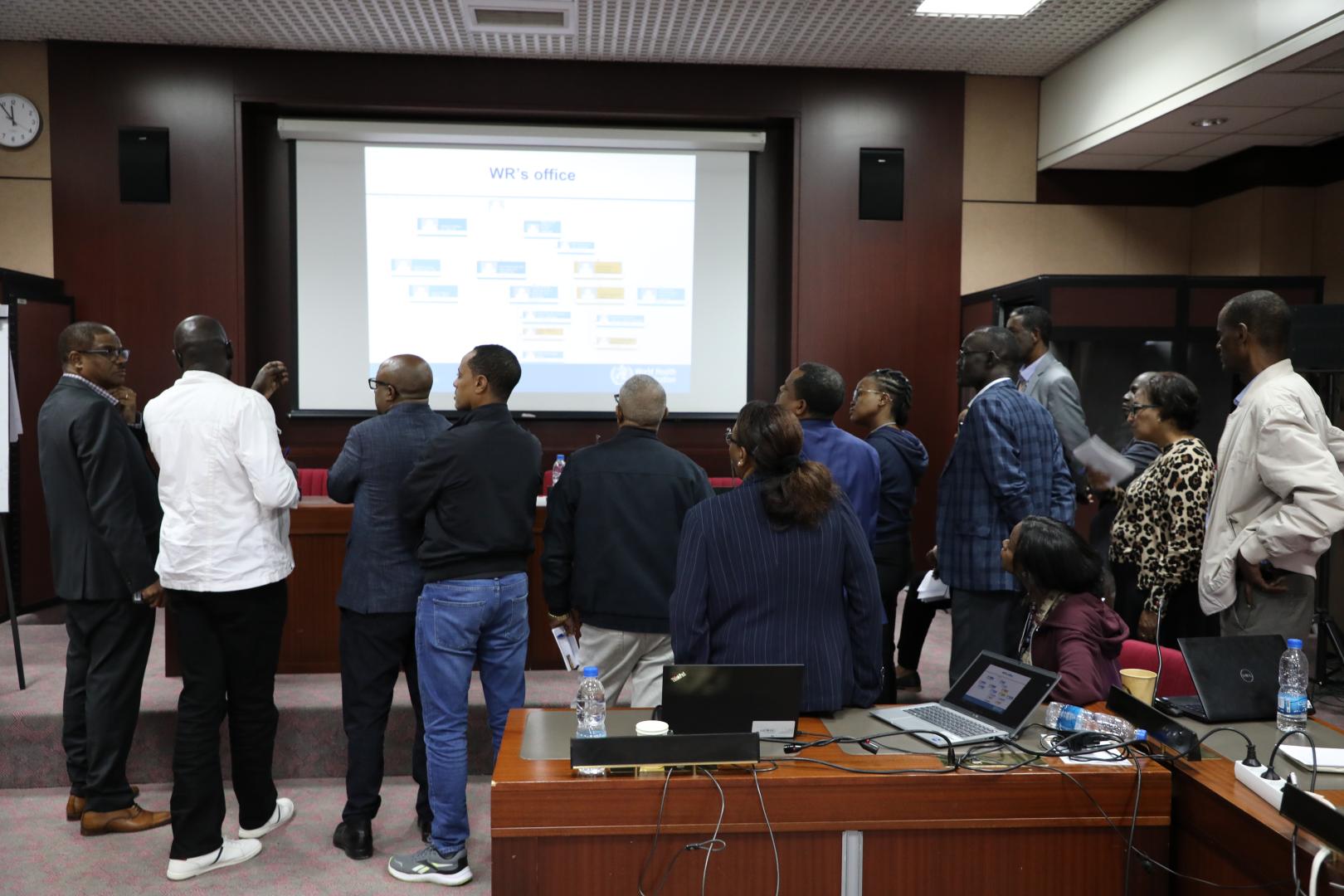
Addis Ababa, Ethiopia - The World Health Organization's (WHO) Ethiopia Country Office (WCO-Ethiopia) convened a strategic working session on August 13-14, 2024, to evaluate and refine the ongoing implementation of the 2024-25 Program Budget (PB).
This session is a crucial part of the broader Country Cooperation Strategy (CCS) 2021-2025 implementation, which is now in its fourth year, aligned closely with Ethiopia's national health priorities.