Enhancing Botswana`s emergency preparedness and response capacity beyond COVID-19: The SURGE Initiative
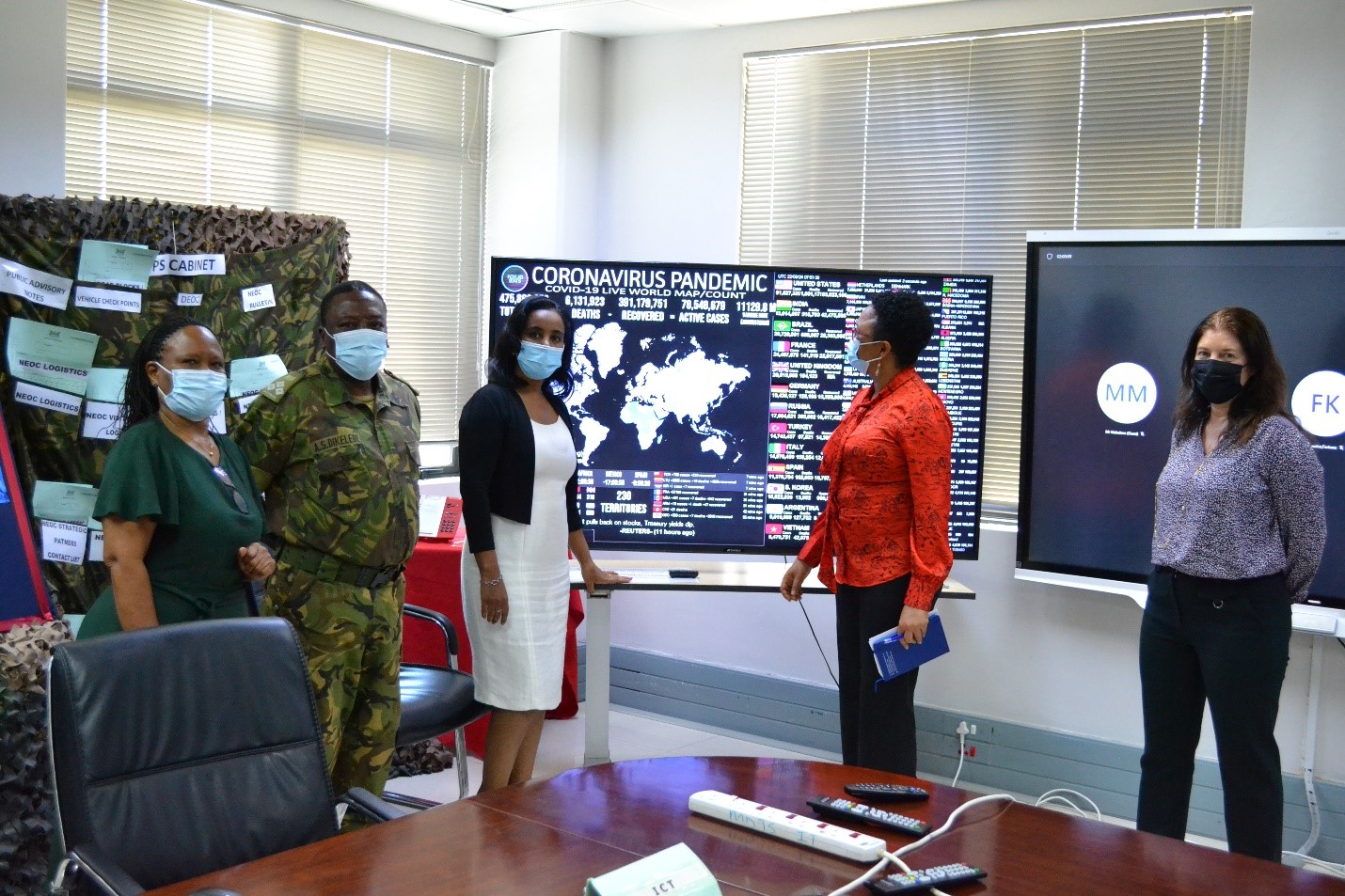
Each year, more than 100 health emergencies occur in the African Region, including infectious disease outbreaks including cholera, yellow fever, meningitis, measles, Ebola, and more recently the COVID-19 pandemic. Most of these emergencies are preventable and controllable with proven public health interventions.
Amidst COVID-19 response, WHO and partners support Nigeria towards attaining a TB free- status

Abuja, 31 March, 2022 - When Ms Tina Amos, a 42-year-old mother of five residing at Byazhin, Bwari Local Government Area (LGA), Abuja learnt she had tuberculosis (TB), she thought that was the end of her life, believing she had no hope for survival.
Three months after the diagnosis, Mrs Amos was all smiles as she walked into the doctors' consultation room at the Primary Health Care centre (PHC) in her neighborhood, where she has been receiving medication, thanks to the effort of the government, WHO and other partners.
Closing access gaps, rural populace solicit for more functional primary healthcare centres

Abuja, 31 March, 2022 - Early in the morning on 24 September 2013, Rukayat Yunsa went into labour and was rushed to the Primary Healthcare Centre (PHC), located close to her home at Kuchingoro community, Abuja Municipal Area Council (AMAC), Abuja.
Rukayat, who is currently seven-months into her third pregnancy, said she was not perturbed about the health facility where she would give birth to her baby because the PHC in her area is functional and works 24 hours.
As a doctor there are calls you just can’t ignore, Dr Emile Rwamasirabo

Kigali - When the fourth COVID-19 wave hit the country in early 2022, Rwanda went through a surge in the number of new cases with a spike in the number of deaths. To avoid reliving the experience seen during the third wave with a very high number of deaths daily in July 2021, something had to be done, but what? Rwanda’s response to the COVID-19 pandemic had already been rapid, cross-cutting, structured, and well-coordinated.
Looking back on progress as Sierra Leone marks two years since first COVID-19 case

WHO reached nearly 1 000 people with essential medical care in Sirimon village, Central Equatoria State

To increase access to the much-needed health care services and improve the health situation among the internally displaced people and host communities in the hard-to-reach villages of Sirimon and Kuda in South Sudan’s Central Equatoria State, the World Health Organization (WHO) has deployed an emergency mobile medical team to conduct integrated medical mobile services to save lives.
World Tuberculosis Day 2022 Commemorated in The Gambia

European Union funding boosts COVID-19 vaccination in Africa

Eritrea Observed World TB Day 2022
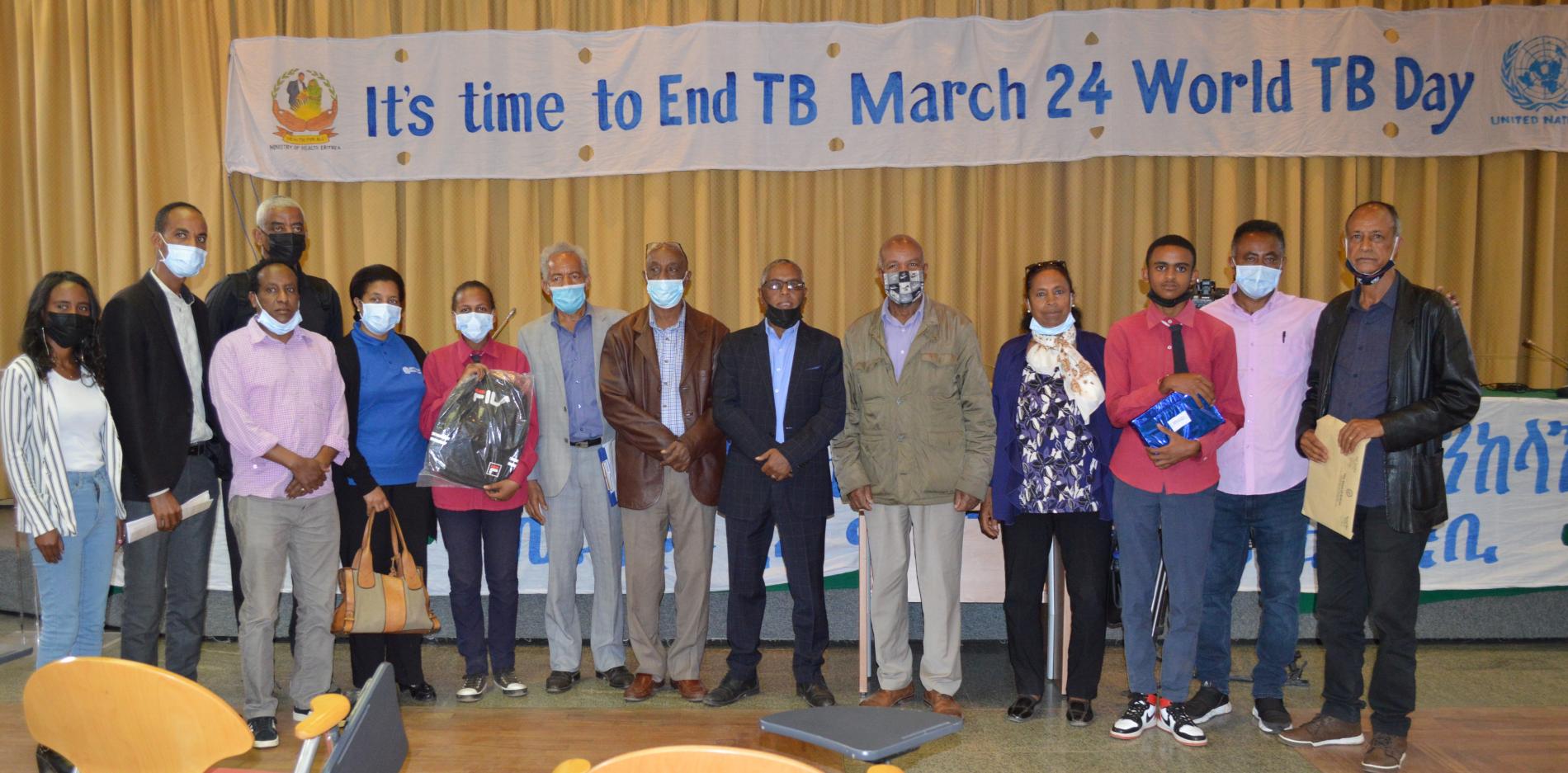
World TB Day was commemorated on 24 March 2022 in Asmara, the capital city of Eritrea. The theme of World TB Day for 2022 was “Invest to end TB. Save lives”. TB is one of the top 10 causes of death worldwide and millions of people continue to fall sick with TB each year.
Nigeria bolsters laboratory capacity for antimicrobial resistance towards Universal Health Coverage

Abuja, 28 March, 2022 - Imagine a world where medical treatment of routine ailments or operations become life-threatening and stop responding to drugs. The seemly far-fetched scenario is becoming real and a danger to medical interventions with the emergence of antimicrobial resistance (AMR).
In the case of Yomi Ade (not real name), a 21- years old who lives in Ile -Ife, Osun State, had to spend 87 days in the hospital after being diagnosed with blood sepsis because his aliment was not responding to any of the medication administered.