Genomic surveillance assessment mission in Lesotho

Maseru – A multidisciplinary team of four experts from WHO-AFRO, the South African National Bioinformatics Institute, and the National Institute for Communicable Diseases (NICD South Africa) has arrived in Lesotho on a mission to assess the country’s readiness to launch the implementation of pathogen genomic surveillance, starting with SARS-CoV 2 genomic surveillance. This follows an earlier mission in December 2021 to conduct a countrywide situational analysis.
Nigeria bolsters laboratory capacity for antimicrobial resistance towards Universal Health Coverage

Abuja, 28 March, 2022 - Imagine a world where medical treatment of routine ailments or operations become life-threatening and stop responding to drugs. The seemly far-fetched scenario is becoming real and a danger to medical interventions with the emergence of antimicrobial resistance (AMR).
In the case of Yomi Ade (not real name), a 21- years old who lives in Ile -Ife, Osun State, had to spend 87 days in the hospital after being diagnosed with blood sepsis because his aliment was not responding to any of the medication administered.
COVID-19 pandemic- health workers affirm improvements in infection prevention and control

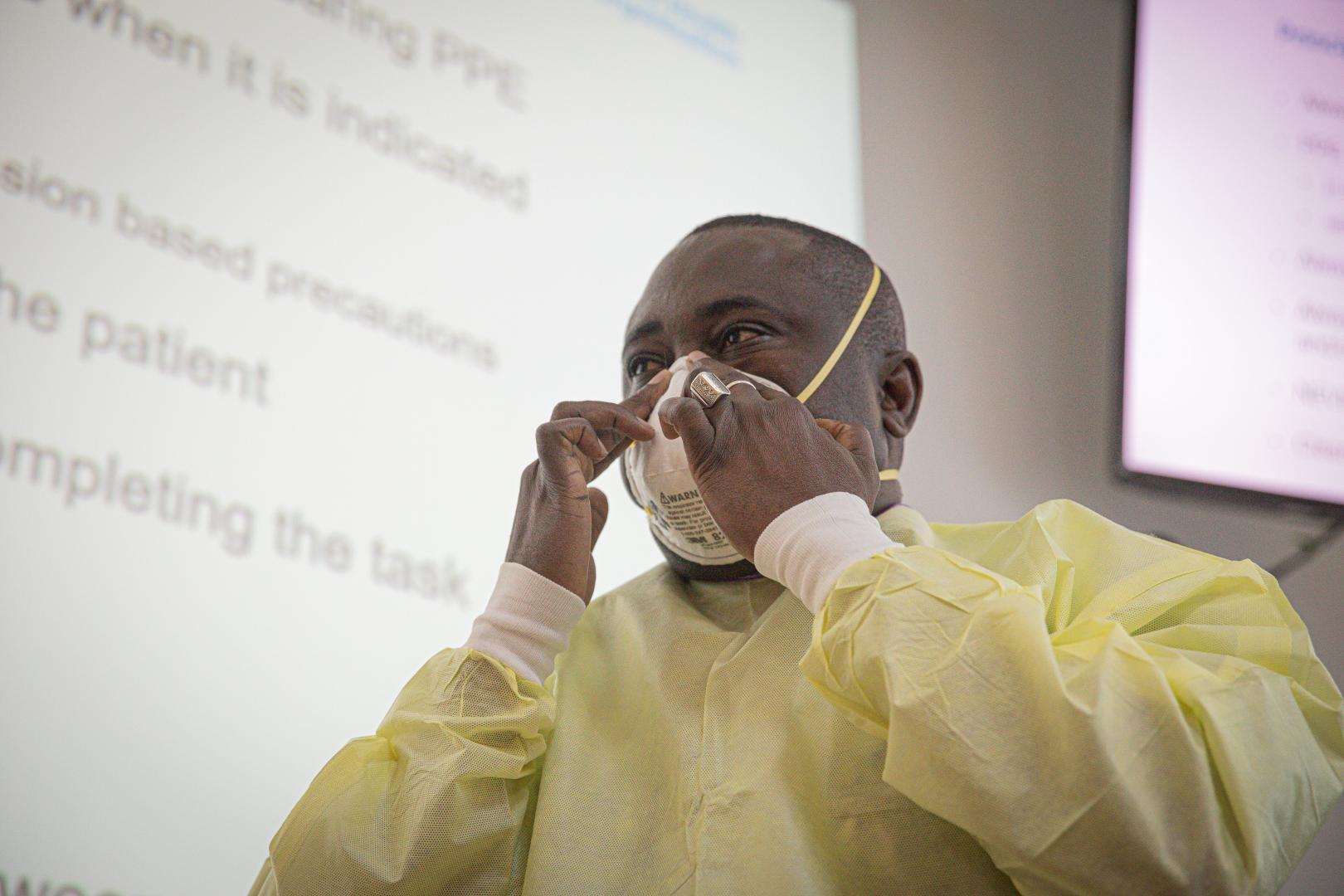
Abuja, 28 March, 2022 - “It’s hard to remember life without COVID-19 anymore, we have become so used to wearing masks and preventives that not doing so makes it look weird” says Dr Oje Uzochi, a Medical Officer at Asokoro General Hospital, Federal Capital Territory (FCT) Abuja.
South Sudan marks one year of COVID-19 vaccination, over 500 000 people received full dose

Juba, 25 March 2022 - one year ago on 25 March 2021, South Sudan received its first COVID-19 doses from the COVAX Facility and launched vaccinations on 6 April 2021 with these donations. To date, over 500 000 people have been fully vaccinated and efforts are ongoing to increase vaccine uptake to reach a wider proportion of the population.
Since the first shipments, the country received 1.1 million COVID-19 vaccine doses, all from the COVAX Facility. Of these, 584 463 doses have been administered and 3.6% of the total population has been fully vaccinated.
Nigeria renews commitments to improve adolescent health towards achieving UHC

Abuja, 25th March, 2021 - Nigeria’s Minister of Health, Dr Osagie Ehanire says to progress on Universal Health Coverage (UHC), the country recognizes the need to keep adolescents at the center of all programmes, centered around their health and development.
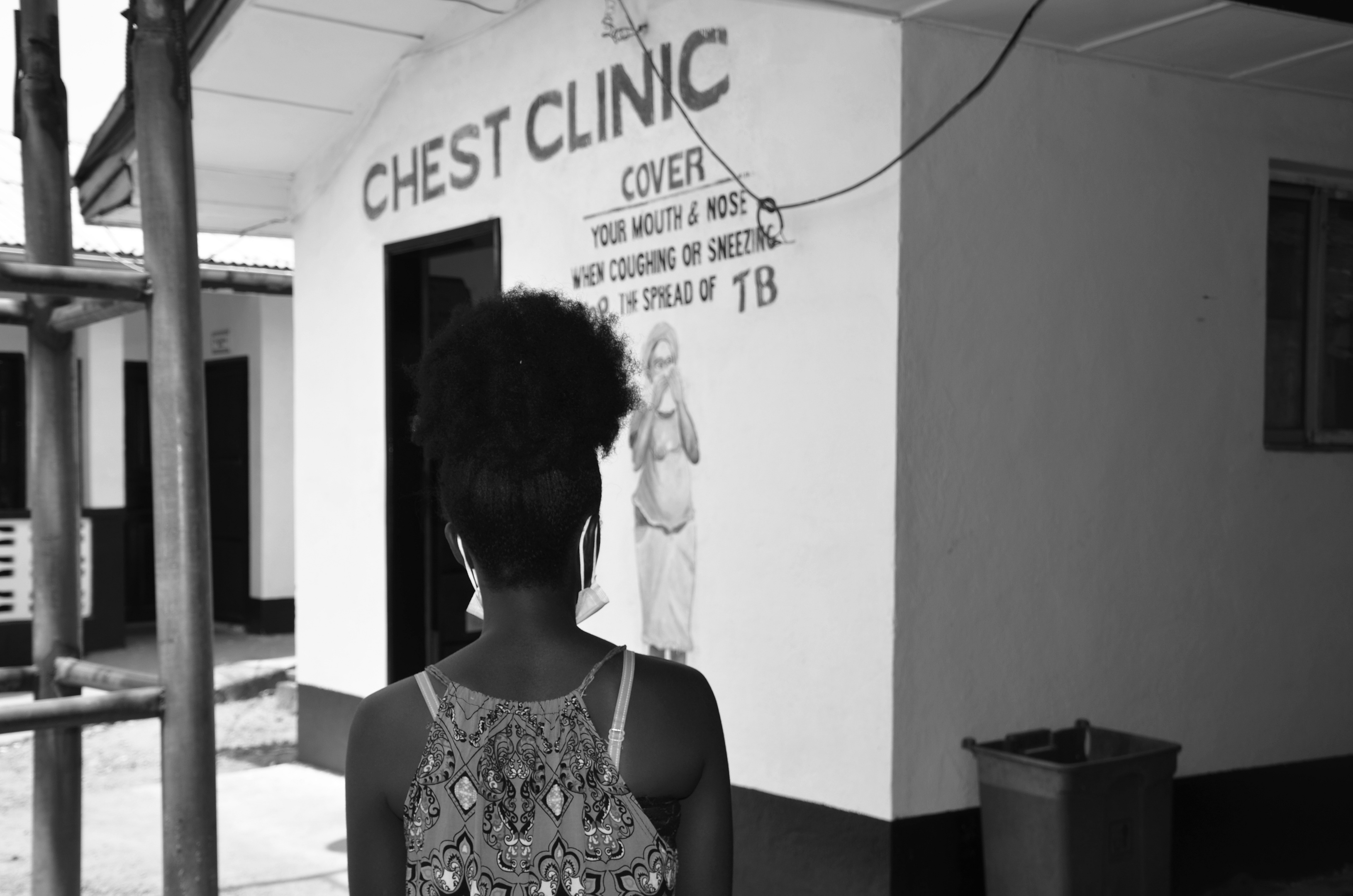
Low funding, COVID-19 curtail tuberculosis fight in Africa

African countries scale back on COVID-19 measures

Launch of tobacco-free farms in Kenya

FORMATION DES NOUVEAUX DIRECTEURS DES HOPITAUX NATIONAUX ET REGIONAUX
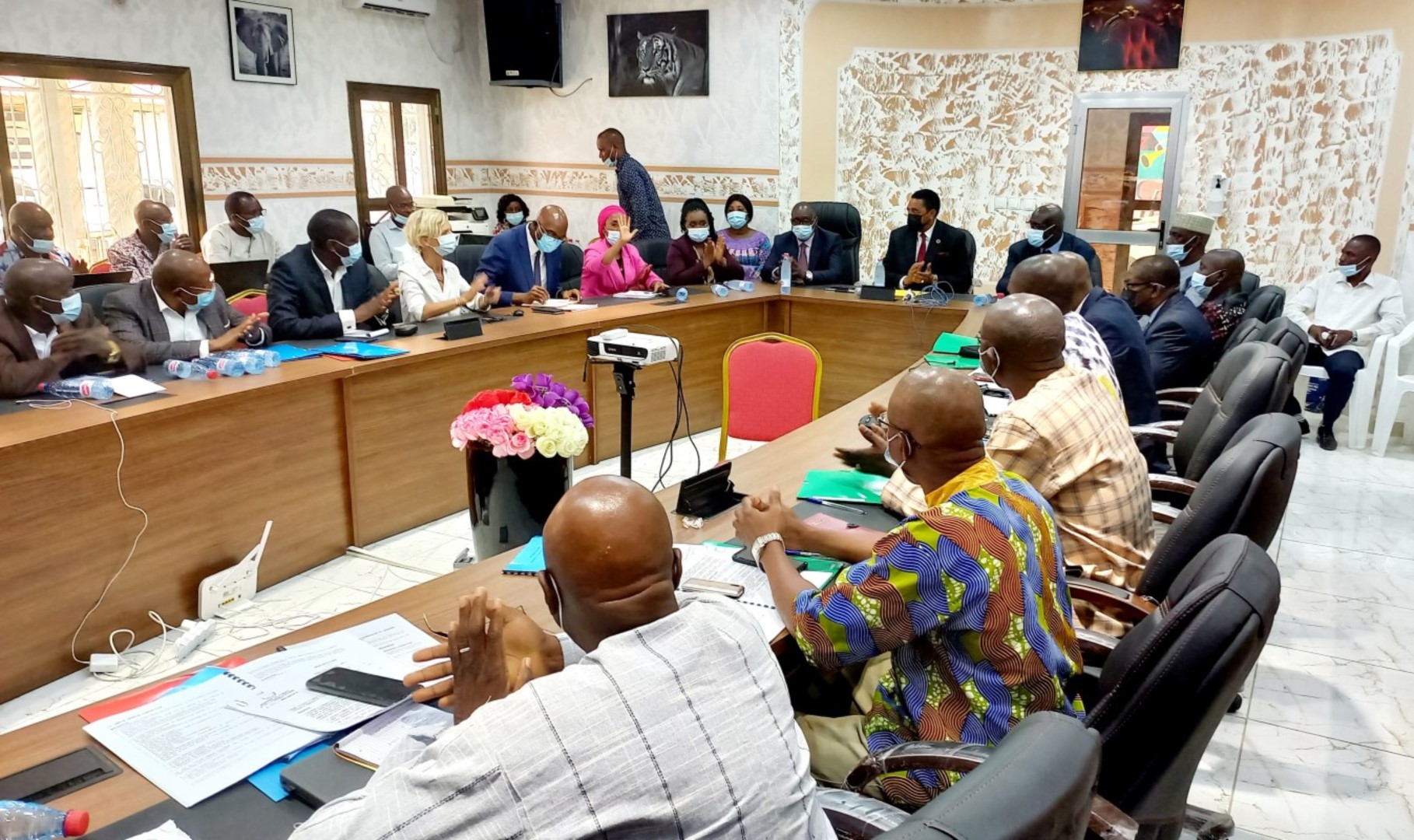
Le Ministre de la Santé et de l’hygiène publique, Dr Mamadou Pèthè Diallo, accompagné du Représentant par intérim de l’OMS en Guinée, Chef de file des partenaires techniques et financiers du secteur de la santé a lancé la formation des nouveaux Directeurs hôpitaux nationaux, régionaux et préfectoraux avec l’appui de l’OMS, de la Banque mondiale, d’Expertise France et de GAVI.