Seychelles launches in-country genomic surveillance
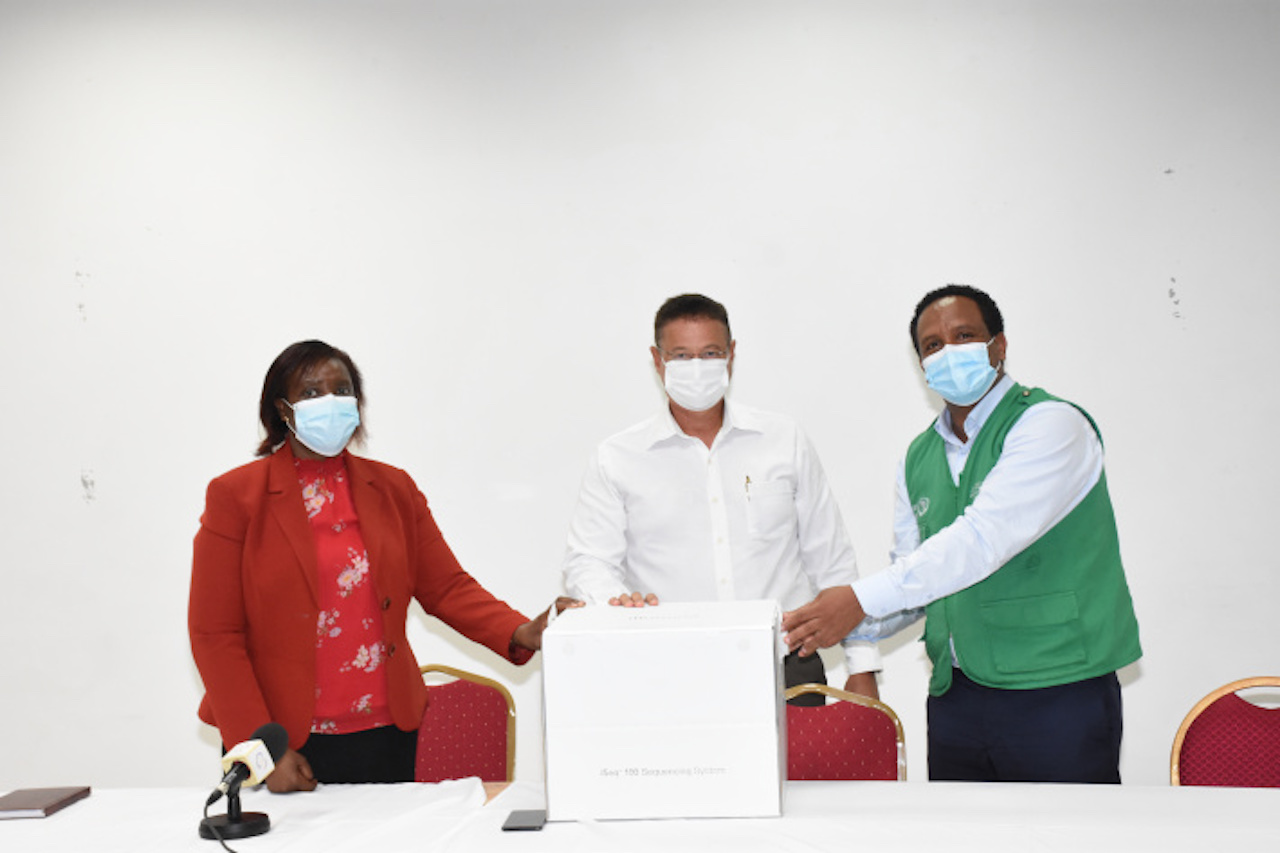
Victoria—Seychelles is stepping up genomic surveillance to investigate outbreaks and track disease variants to better understand diseases transmission and inform decisions. A joint mission of the World Health Organization (WHO) and Africa Centres for Disease Control and Prevention (Africa CDC) is in the country to support this effort by building in-country capacity for genomic surveillance.
Malawi launches the first round of vaccination campaign against wild poliovirus type 1

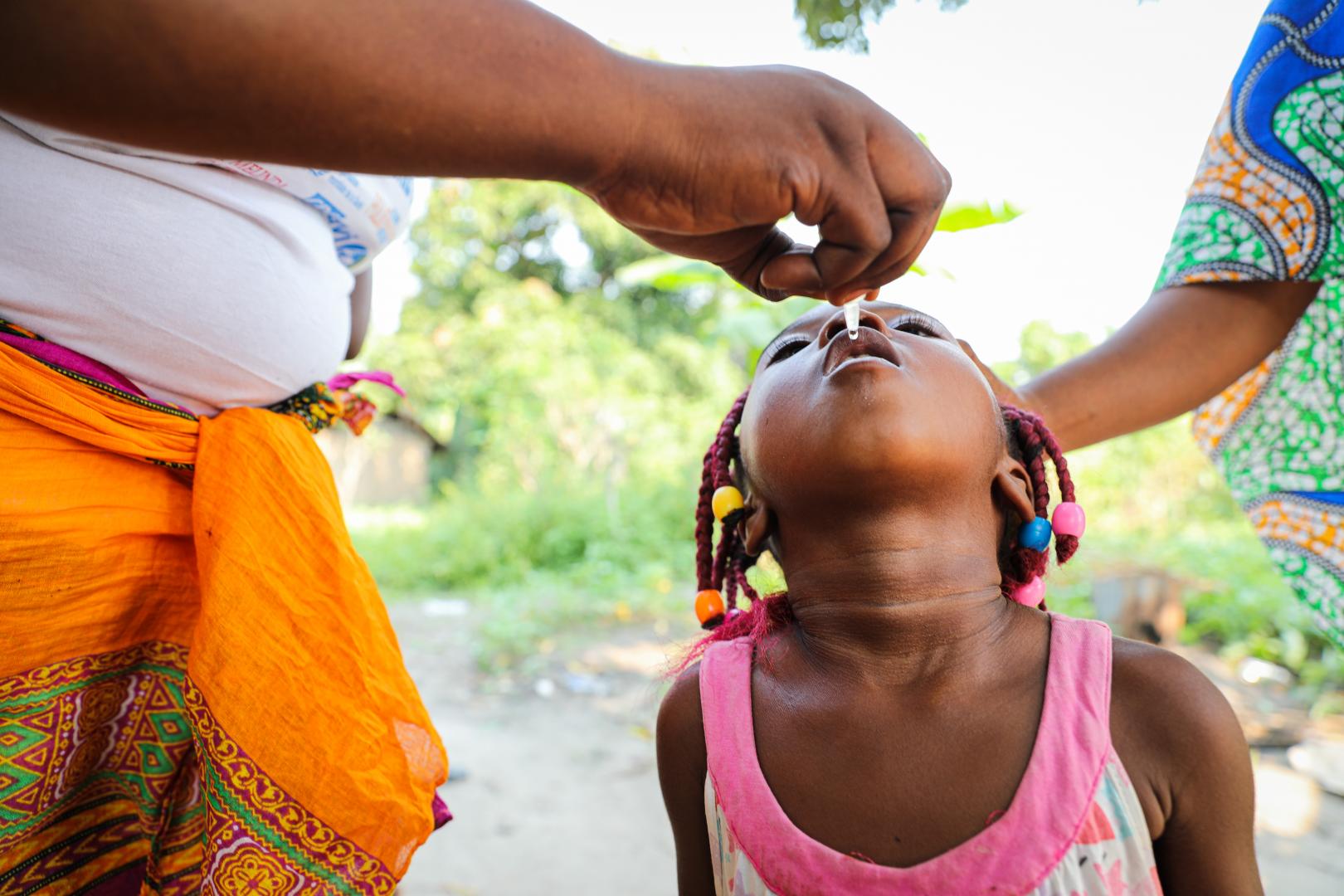
Lilongwe, 21 March 2022– Malawi has launched the first round of vaccination campaign against wild poliovirus type 1 using the bivalent Oral Polio Vaccine recommended by World Health Organization (WHO). The campaign is targeting 2.9 million children under 5 years in a four-round vaccination drive after Malawi declared an outbreak on 17 February—the first such case in the country in 30 years, and the first in Africa since the region was certified free of indigenous wild poliovirus in 2020.
Dissemination of the tobacco surveys’ findings by the VISA NGO, the University of Mauritius and the World Health Organization

Signing of the Programme Budget 2022-2023 by Health Minister and WHO Representative

More than 80 million doses to be administered to southern African children targeted in mass polio vaccination drives
KwaZulu-Natal province reviews its COVID-19 vaccination programme to improve planning and actions

Sierra Leone Evaluates Progress on International Health Regulations Requirements and Health Security Capacity

Africa’s COVID-19 vaccine uptake increases by 15%

Nigeria, WHO partners to contain Lassa Fever Outbreak in the country

Benin, 17 March, 2022 - “Contracting Lassa fever was a very bad experience”, says 41 years old Marian Oyinbor, a resident of Ekpoma, Esan West Local Government Area (LGA), Edo state, who was treated for Lassa Fever – a haemorrhagic disease which has killed 98 people in Nigeria in 2022.
For Marian and her household, it is an experience she would not like to re-live because she and 4 of her children were infected with the virus and were hospitalized at the Irrua Specialist Teaching Hospital (ISTH), in Esan LGA.
WHO delivers essential health supplies to the Ministry of Health in Liberia

Monrovia, 16 March 2022 –The World Health Organization (WHO) has delivered health supplies to the Ministry of Health aimed at enabling Liberia address the health needs of the population, including the protection of front-line health workers.
The various supplies will help to improve technical capacities in Infection Prevention and Control(IPC), case management, data management, laboratory services, and water quality monitoring and treatment.