Uganda on the right path to achieving Universal Health Coverage

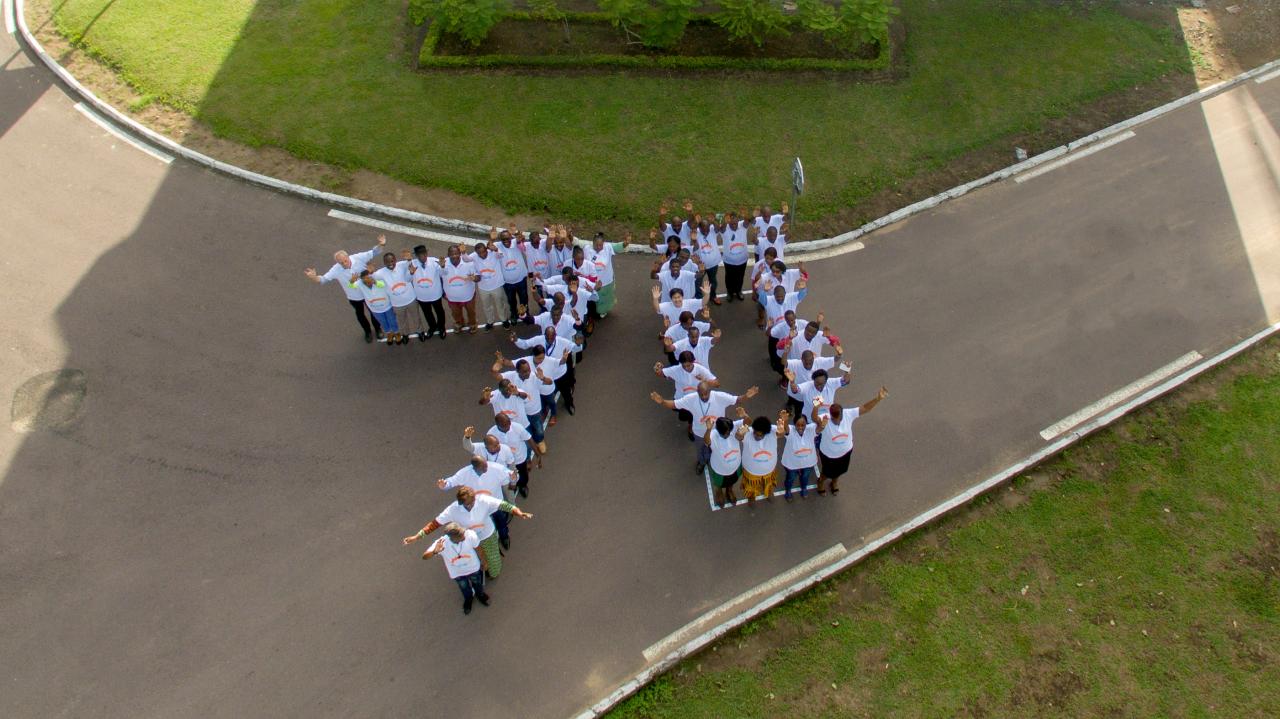
6 April 2018, Kampala:- Uganda is slowly but surely moving toward achieving Universal Health Coverage (UHC) which is the cornerstone for the attainment of Sustainable Development Goal 3 on the global development agenda. This was the consensus from participants at a high-level breakfast meeting hosted by the World Health Organization Country Office in commemoration of World Health Day 2018 which also marks the 70th birthday of the organization.
Countries urged to strive for universal access to good quality health to spur economic growth
University of Botswana's School of Nursing re-designated a WHO Collaborating Centre
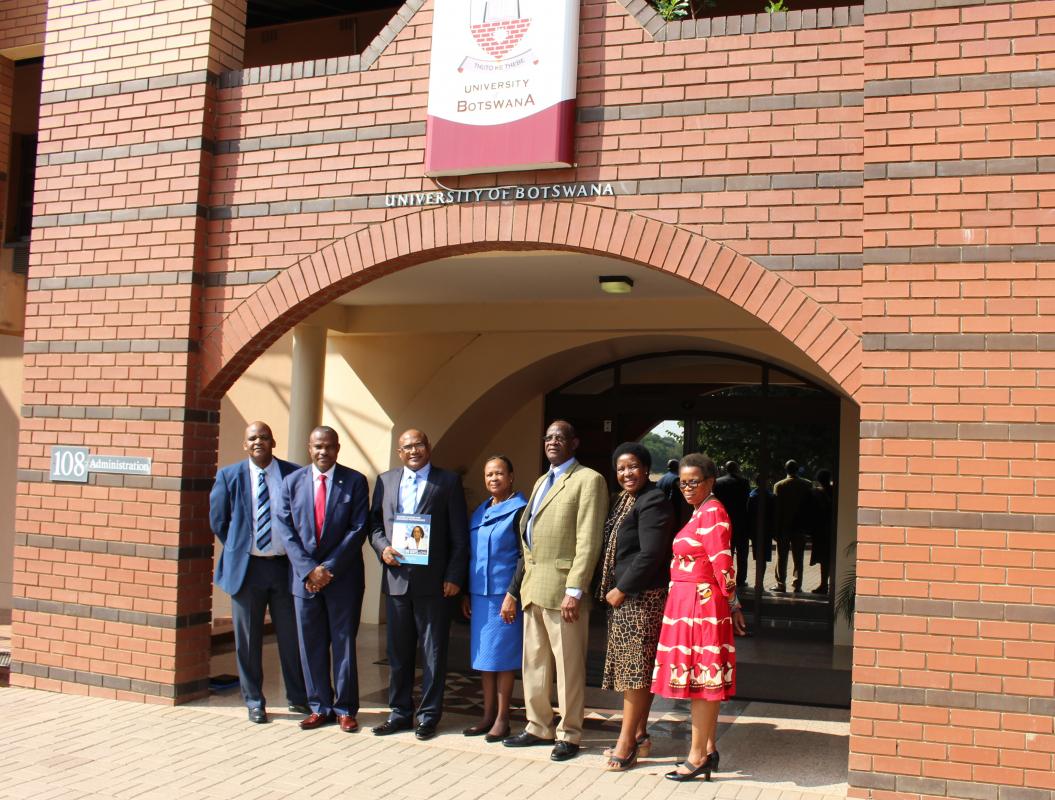
Gaborone, Botswana - 29 March 2018: The University of Botswana (UB) School of Nursing, which has been a WHO Collaborating Centre for Nursing and Midwifery Development (WHOCC) since 1990, has been re-designated with expanded terms of reference for another 4 years. The re-designation occurred after a visit by a WHO AFRO/HQ assessment team visited the centre in conjunction with the WHO country office. The team also held discussions with the Ministry of Health and Wellness in terms of the centre’s potential contribution to health and development in Botswana.
WHO strengthens emergency health kits supply chain management system in South Sudan

With the protracted crises in South Sudan, the scale and severity of humanitarian situations continues to rise, hence efficient forecasting, procurement, distribution and rational use of WHO emergency health kits is critical to ensure timely delivery of essential emergency health services.
Eritrea Launched the National Action Plan for Health Security

Eritrea launched the National Health Security Action Plan: 2017- 2021 at Asmara Palace on 27 March 2018. The Honorable Minister of Health, Ms Amina Nurhussien, launched the five year National Action Plan for health security.
The West African Regional Network for TB control (WARN-TB) makes emulators: the Central African Regional Network for TB control is born
Rwanda conducted initial self- evaluation on International Health Regulations(IHR)

The Ministry of Health with WHO support organized from 12 to 16 March 2018, a multisectoral workshop on the initial self-evaluation of IHR using the Joint External Evaluation(JEE) tool.
The workshop was opened by Dr Innocent Turate, Head of Department of IHDPC/RBC, who reminded participants that this workshop is a key step for the strategy to achieve the SDG n° 3.d focusing on international public health threats prevention and control.
Improving TB treatment and control in West and Central Africa

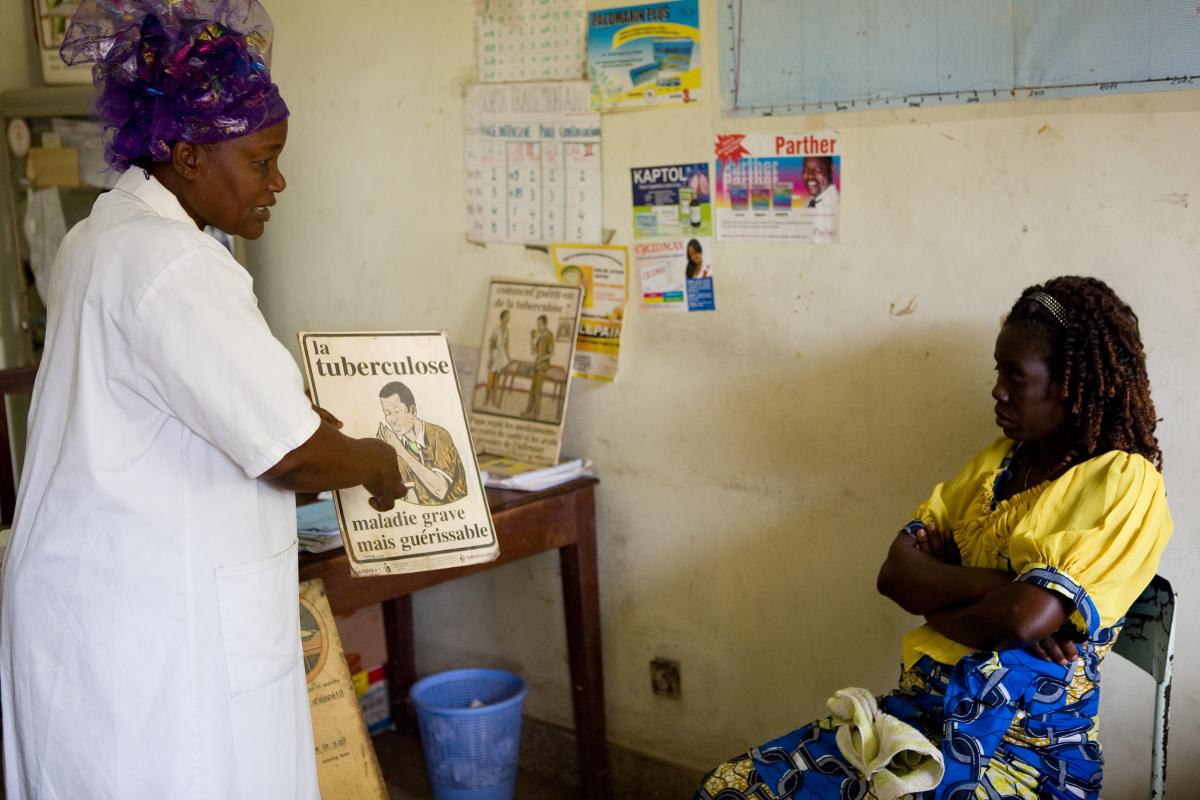
Uganda to prioritize awareness creation and treatment of MDR-TB

Maureen (not real name), an HIV+ mother of two, is a Multi-Drug Resistant Tuberculosis (MDR-TB) survivor. Her story is similar to many other TB patients who have contracted TB unknowingly. Maureen contracted Tuberculosis (TB) in 2013 while on a bus from Arua to Kampala. “A man seated behind me, in the bus coughed so hard, and the smell of his breath was so bad,” she narrates.
Experts accede to impressive progress by Nigeria’s Polio Eradication programme.

Abuja, 28 March 2018 - The 35th Expert Review Committee for Polio Eradication and Routine Immunization (ERC) has expressed optimism that the Nigerian programme is on course to achieving polio eradication with ‘impressive progress’ recorded. The ERC meets periodically to evaluate progress towards the attainment of a polio-free Nigeria. The monitoring body provides guidance to the government and partners.