Building Resilient Health Systems to Climate Change Among SIDS
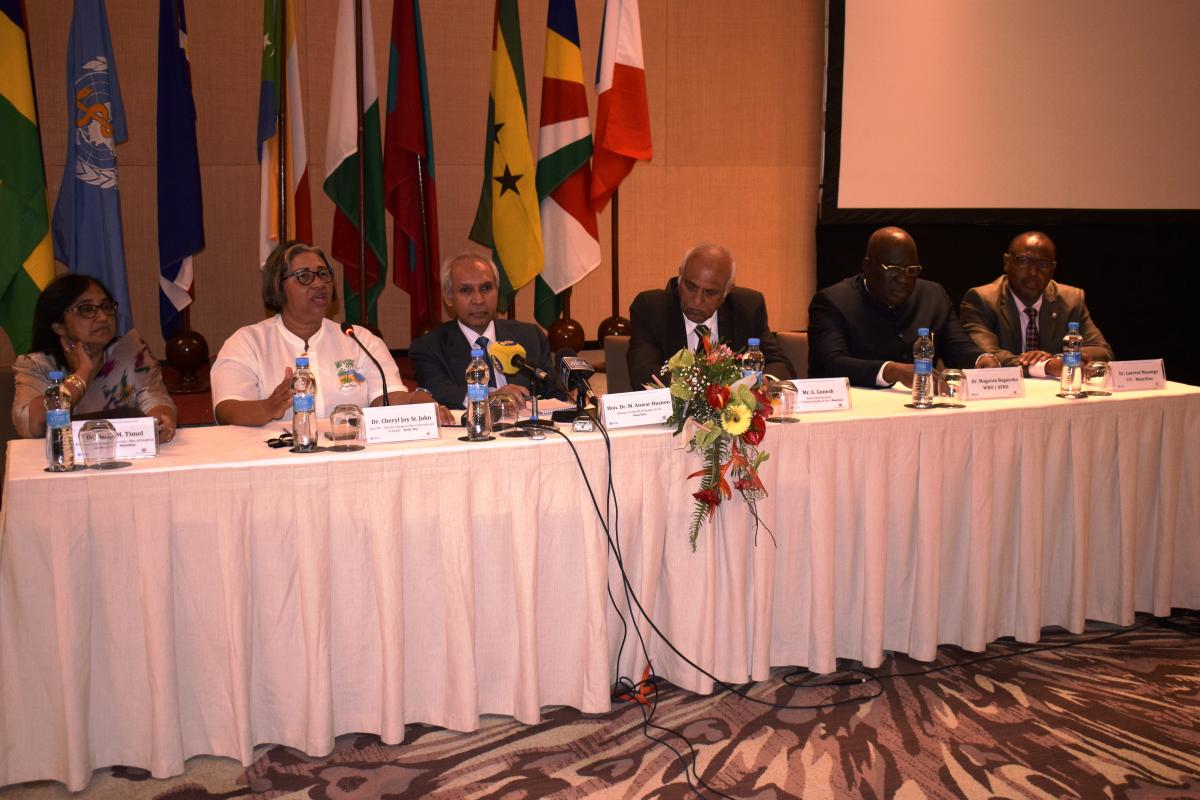
Annual peer review and planning workshop for Anglophone national malaria programmes in Africa takes place in Harare

A workshop on annual peer review of progress and planning for Anglophone countries is taking place in Harare from 22nd to 23rd March at The Monomotapa Hotel. The meeting has brought together participants from Botswana, Eritrea, Ethiopia, The Gambia, Ghana, Kenya, Liberia, Malawi, Mozambique, Namibia, Nigeria, Sierra Leone, South Africa, South Sudan, Swaziland, Uganda, URT Mainland, URT Zanzibar, Zambia, and Zimbabwe, partners in malaria control and facilitators from HQ, AFRO and IST/ESA.
WHO continues to Support Response to Cholera Outbreak in Refugee Settlement

Hoima, 22 March 2018:- On 19th March 2018, twenty (20) new patients were admitted to the Cholera Treatment Centers (CTCs), most of whom (77%) were new arrivals from the Democratic Republic of Congo. As of that date, the cumulative number of cases reported was 1,747 with 36 deaths (CFR 2.06%). No deaths were recorded in all CTCs or in the isolation units. The cases are from Kyangwali, Kabwoya and Buseruka sub-counties. There are no cases in Hoima municipality.
On the trail of Lassa fever in southern Nigeria

New treatment facility offers promising results for drug-resistant TB patients

29-year old Alpha* is among the first patients treated for multidrug-resistant tuberculosis (MDR-TB) in Sierra Leone. According to him, the journey to treatment success at the Lakka Government Hospital in Freetown was “long and rigorous,” but one that would restore his life and dignity.
WHO supports 16 African countries to protect against Listeriosis
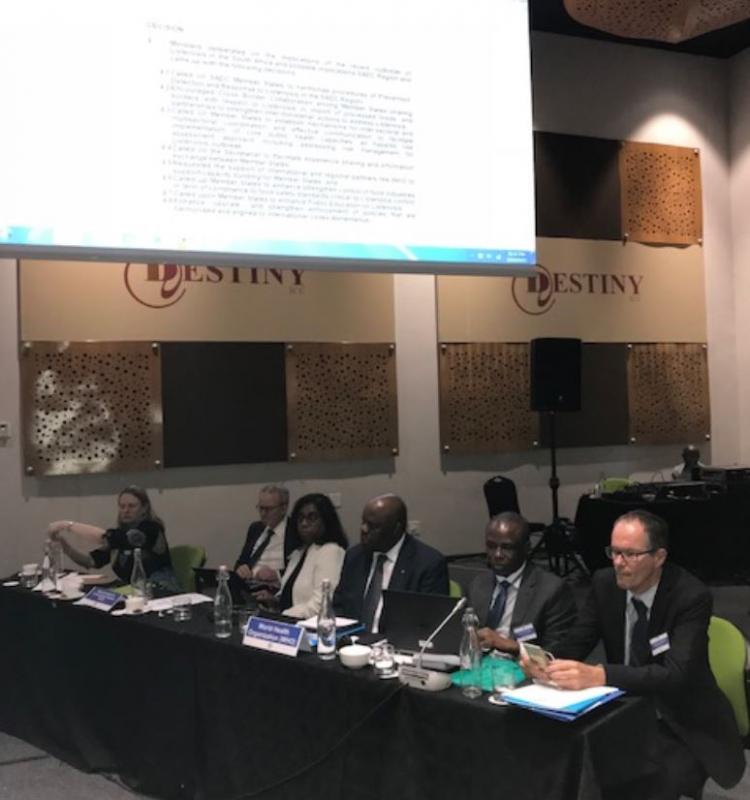
ESA EPI Managers and partners meet in Kigali to deliberate on immunization

On the frontlines of the fight against Lassa fever in Nigeria
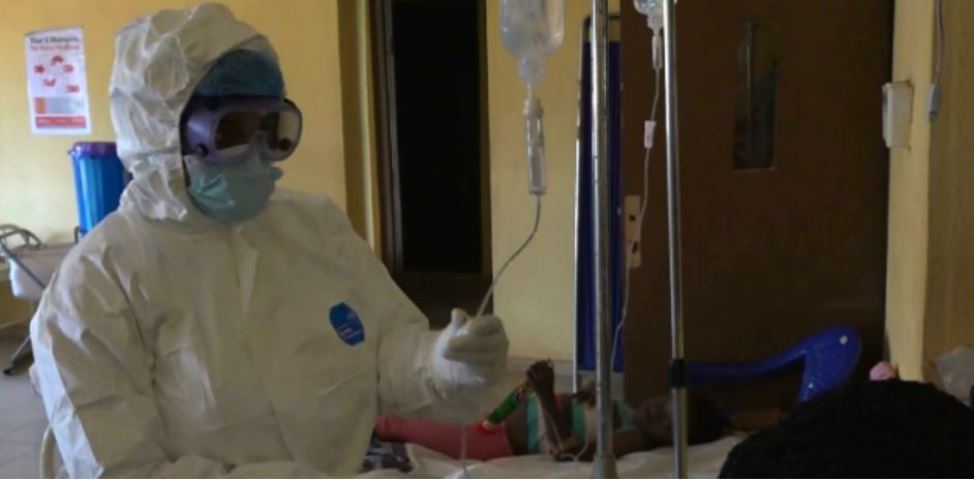
In early January, John had one of the most terrifying experiences of his life. The mechanic from a rural community in Edo state in southern Nigeria came down with Lassa fever.
“I was scared the illness would kill me,” says John, who prefers to go by a pseudonym.
Initially, he went to a hospital near his home and was discharged a few days later. But he was still feeling unwell, so he consulted another doctor who suspected Lassa fever.
WHO establishes emergency water, sanitation and hygiene (WASH) services in health facilities to mitigate public health risks in South Sudan

Juba, 15 March 2018 – Access to adequate water, sanitation, and hygiene (WASH) services in health care facilities (HCFs) is essential for the provision of quality care.
In South Sudan, WASH in HCFs is one of the neglected areas within the health systems. Thus, establishing WASH in HCFs is crucial to prevent the risks of health care acquired infection among health care facility staff, patients, caregivers and the wider community.
Tanzania convenes experts to chart a roadmap for Malaria control

Dar-es-Salaam, 12-13 March 2018: The National Malaria Control Programme (NMCP) in collaboration with WHO and the US President’s Malaria Initiative (PMI) convened a consultative meeting of experts to develop the Malaria Operational Plan (MOP) for the year 2018/19. The MOPs are developed on an annual basis to review the progress made in the implementation of the previous years’ activities, identify gaps in malaria implementation and prioritize for the subsequent years’ interventions.