First regional review shapes future action on child wasting in Africa

Addis Ababa – Health leaders and partners from eleven countries in the WHO African Region have concluded the first regional review and learning meeting of a three-year initiative aimed at preventing and treating child wasting.
First Vaccine Portfolio Optimization Process to strengthen sustainable immunization investments launched

The Ministry of Health, through the National Immunization Technical Advisory Group (NITAG), with support of World Health Organization, launched Lesotho’s first Vaccine Portfolio Optimization and Prioritization (VPOP) process to strengthen evidence-based decision-making and promote sustainable investments in immunization.
Five African countries end polio outbreaks
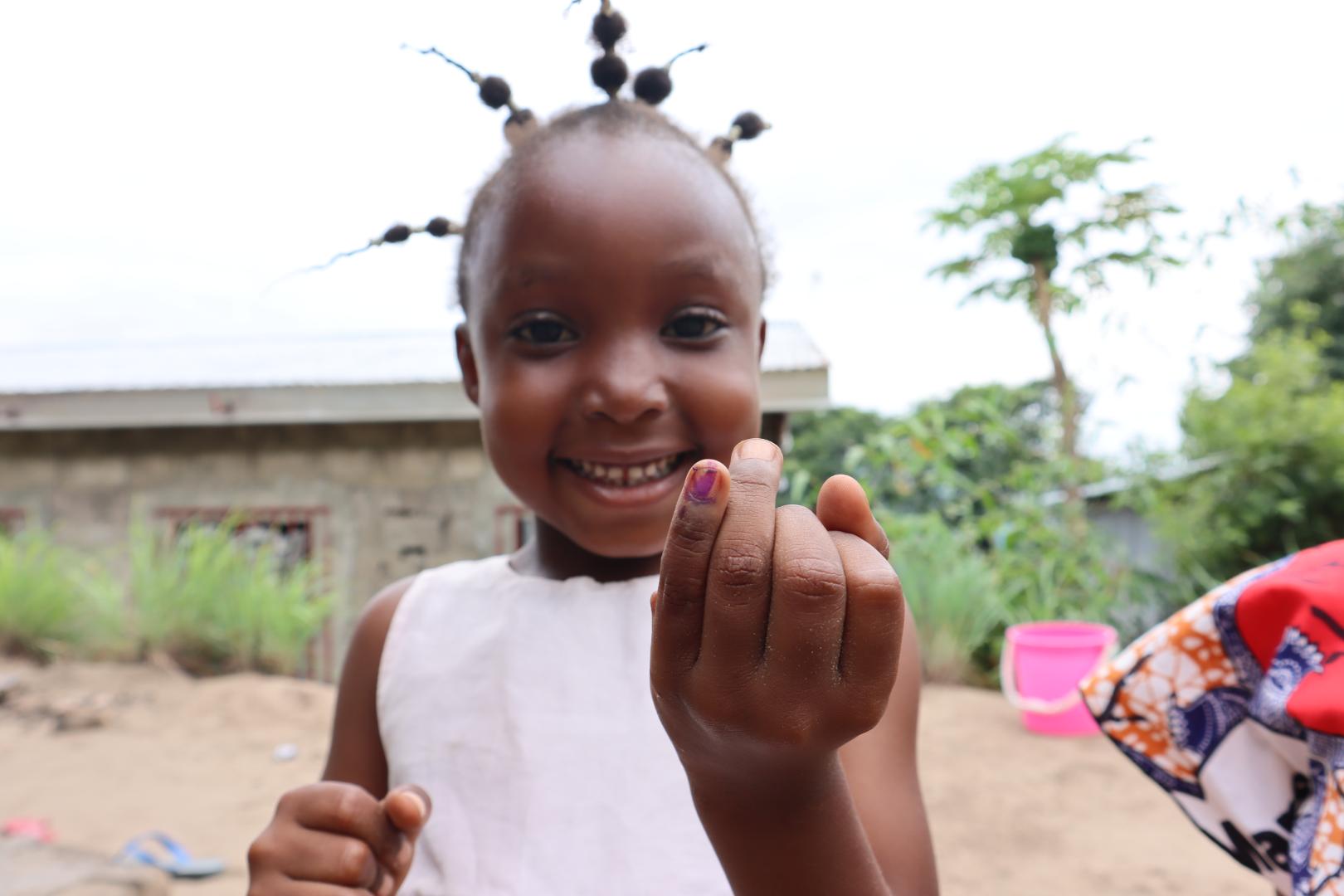
Brazzaville - Following rigorous technical assessments, five African countries have successfully stopped the spread of polio, marking an important milestone in efforts to protect children from this virus and advance towards eradication.
Dr Tedros in Ghana: A call for self-reliance, resilience and health leadership
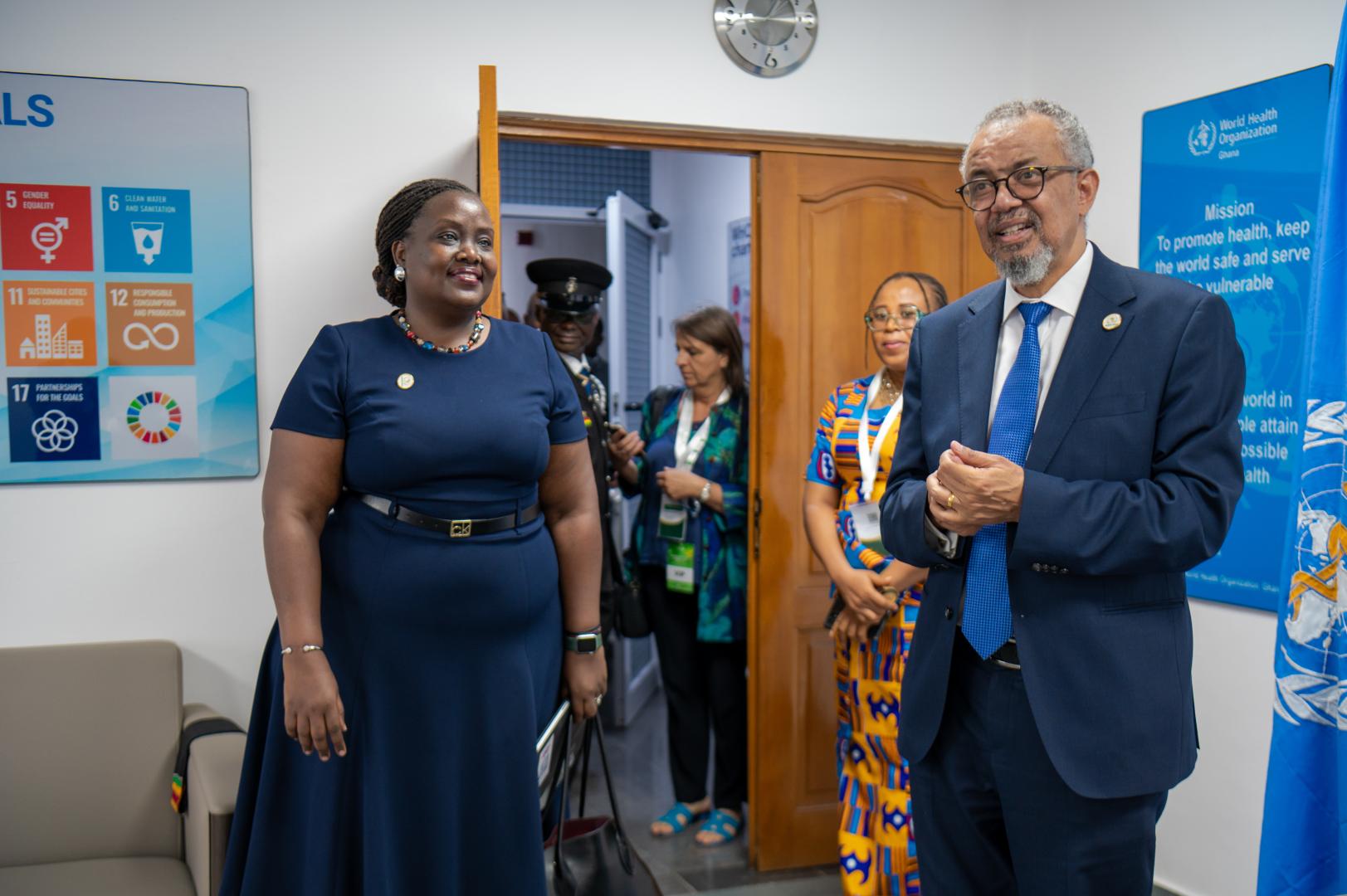
At a time when Africa faces evolving health challenges, growing demands on health systems and the urgent need for greater self-reliance, leaders from across the continent gathered in Ghana with a shared conviction: the future of Africa’s health must be shaped by African leadership, investment and innovation.
Bringing mental health promotion closer to communities
World Health Organization (WHO) in collaboration with Ghana Health Service (GHS) has supported an initiative to strengthen psychological resilience among people in correctional settings and those who support them.
The initiative included an orientation session that brought together 144 GHS staff members and 27 male inmates of the Senior Correctional Centre in Accra, equipping participants with practical knowledge and skills to manage stress, strengthen coping mechanisms, and promote mental well-being.
WHO and Ghana Health Service visit Ahafo Region to advance health priorities
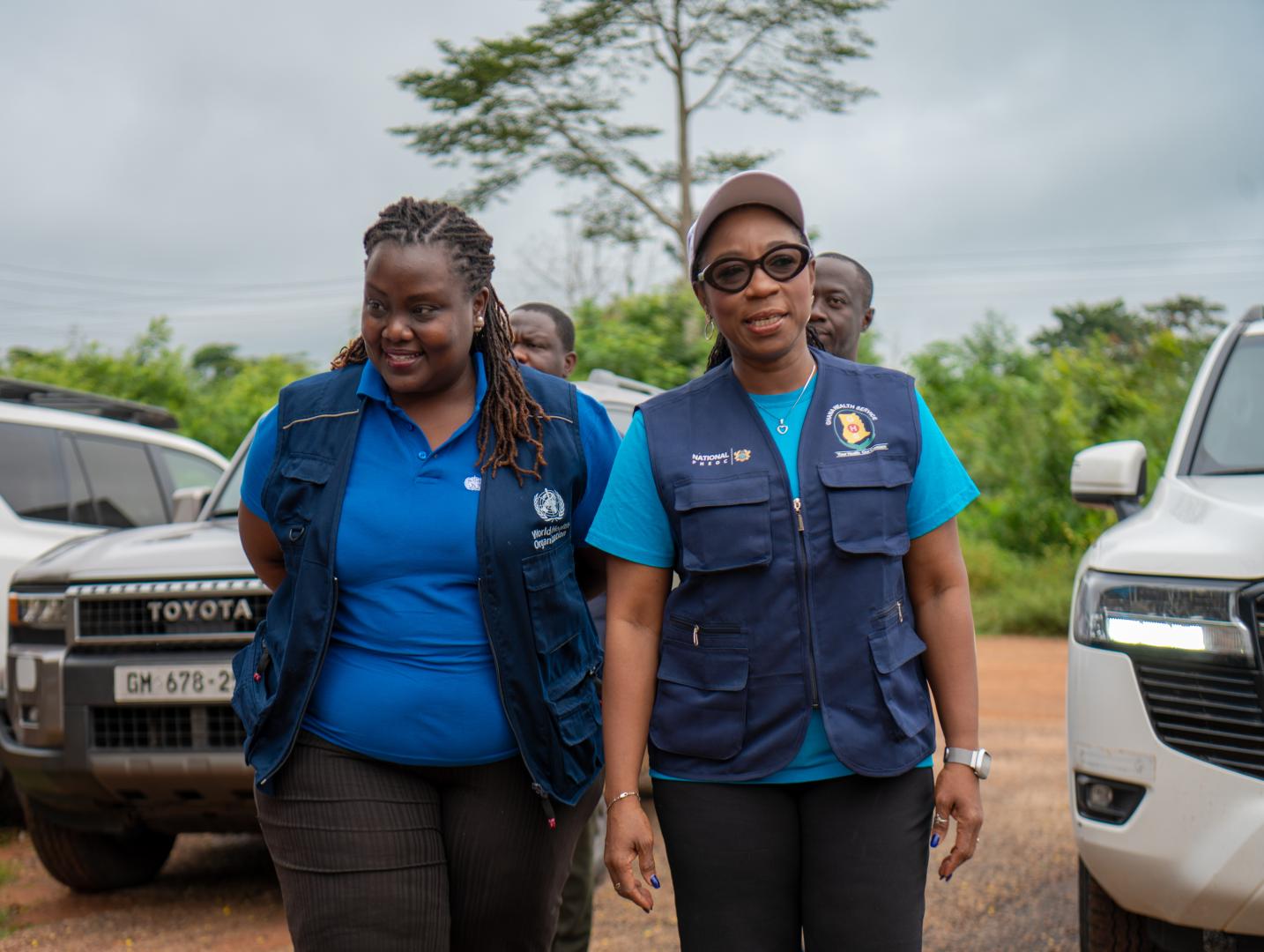
The World Health Organization (WHO) Representative to Ghana, Dr Fiona Braka, and the Deputy Director-General of the Ghana Health Service (GHS), Dr Caroline Reindorf Amissah jointly visited the Ahafo Region to engage with health leaders, frontline workers and local authorities, to gain first-hand insight into the region’s achievements, challenges and priorities as well as areas for collaboration.
Advancing regulation of medical devices through WHO-assisted self-benchmarking
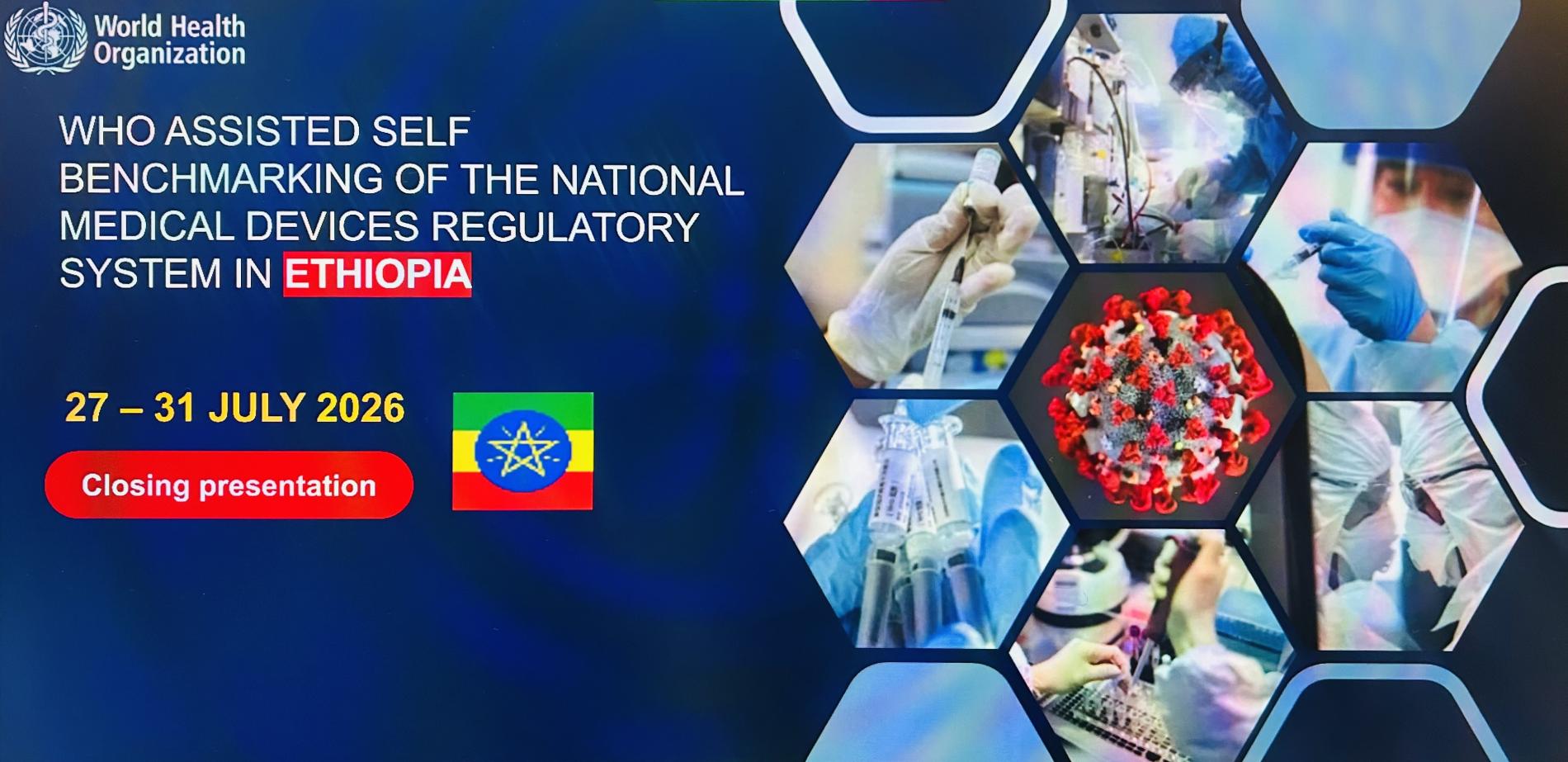
Addis Ababa, Ethiopia – The Ethiopian Food and Drug Authority (EFDA), with technical support from the three levels of the World Health Organization (WHO), conducted an assisted self-benchmarking of Ethiopia’s national regulatory system for medical devices, including in vitro diagnostics, from 27 to 31 July 2026.
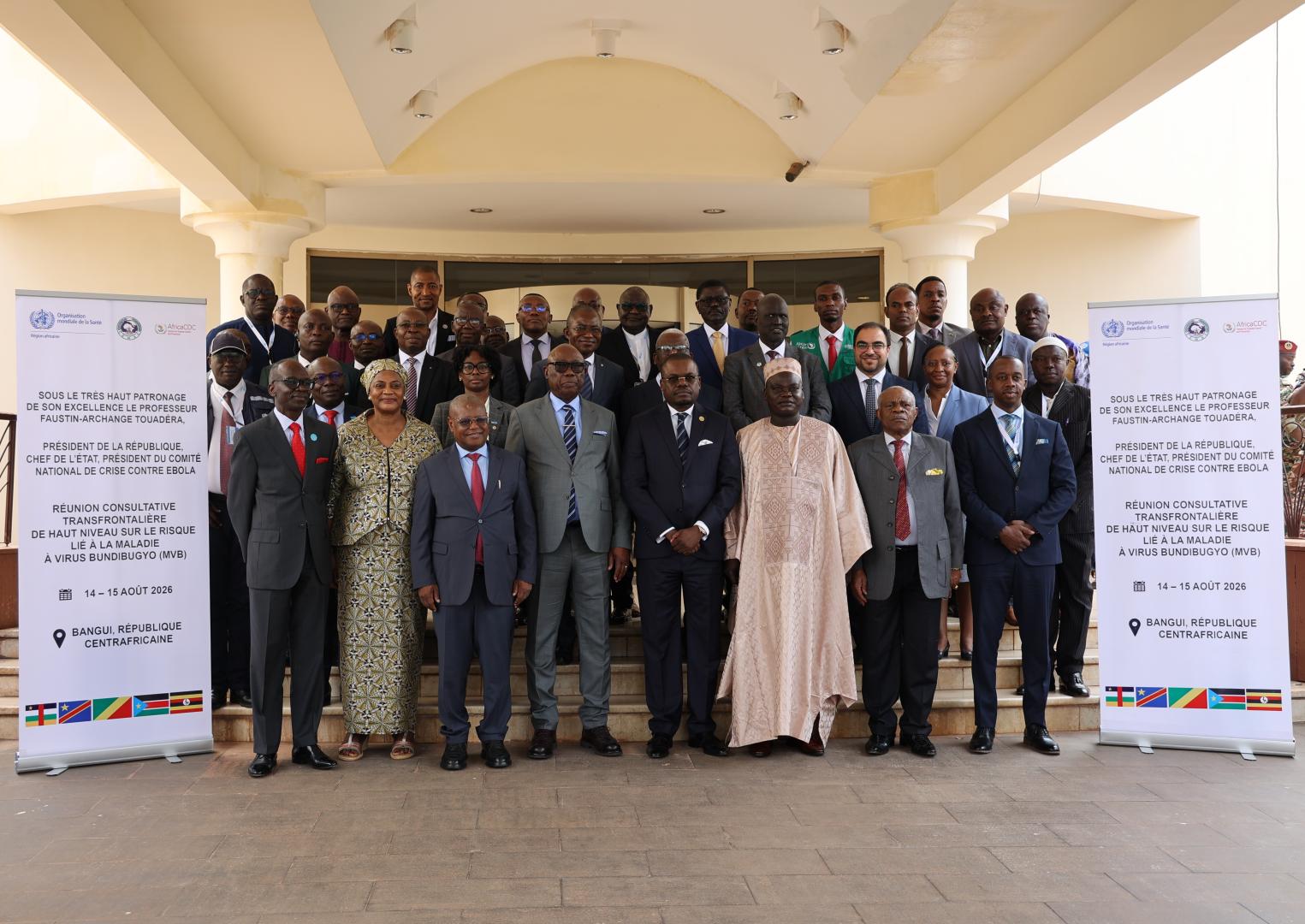
Central African Republic hosts cross-border consultation on the risk of Bundibugyo virus disease
New WHO Representative to Kenya officially takes up post
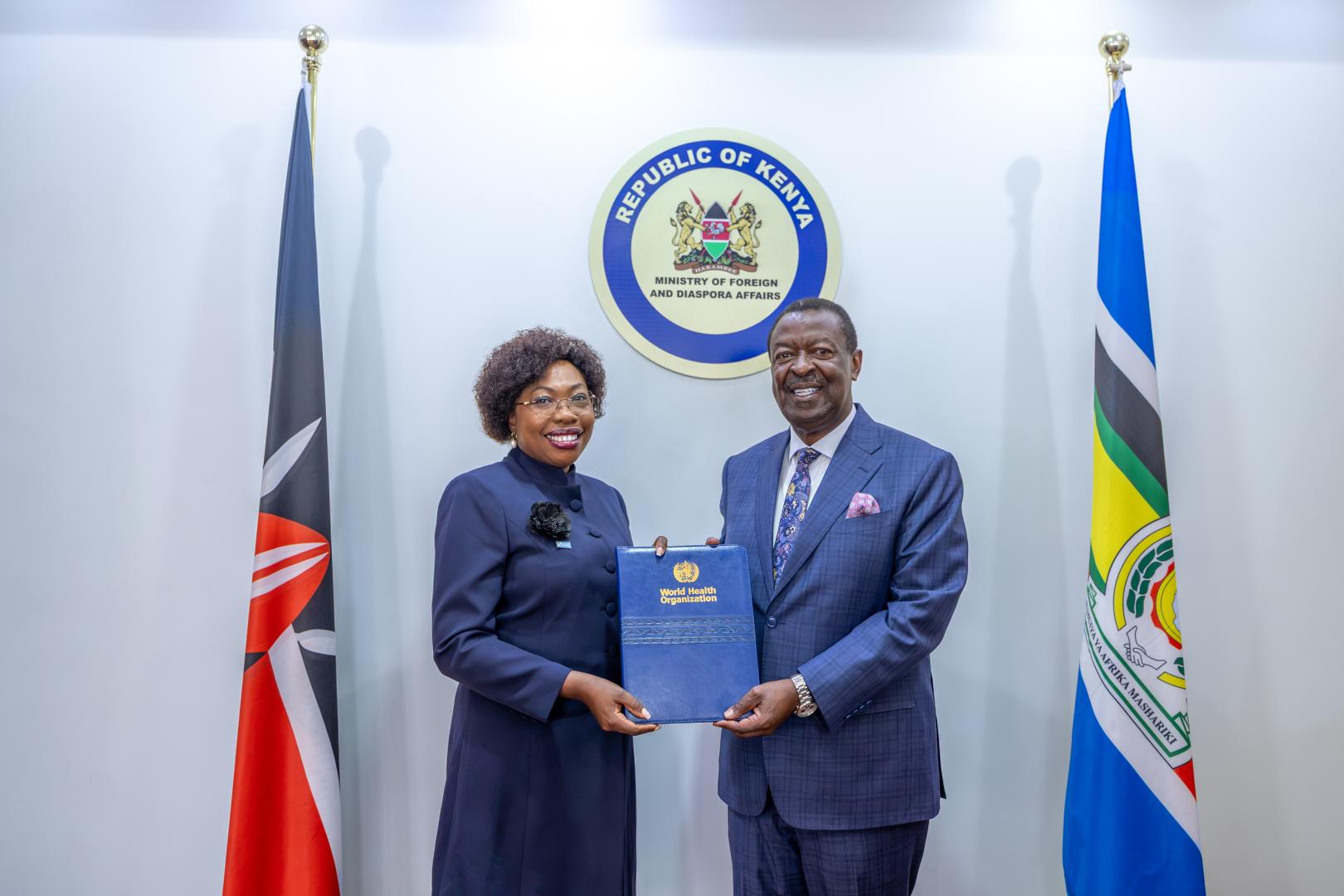
Nairobi - Dr Neema Rusibamayila Kimambo has officially presented her credentials to the Government of Kenya, formally recognizing her as the World Health Organization (WHO) Representative to Kenya. She presented her credentials to H.E. Musalia Mudavadi, Prime Cabinet Secretary and Cabinet Secretary for Foreign and Diaspora Affairs, on Thursday, 13 August.
Zambia and Kenya recognized for progress in strengthening health workforce data
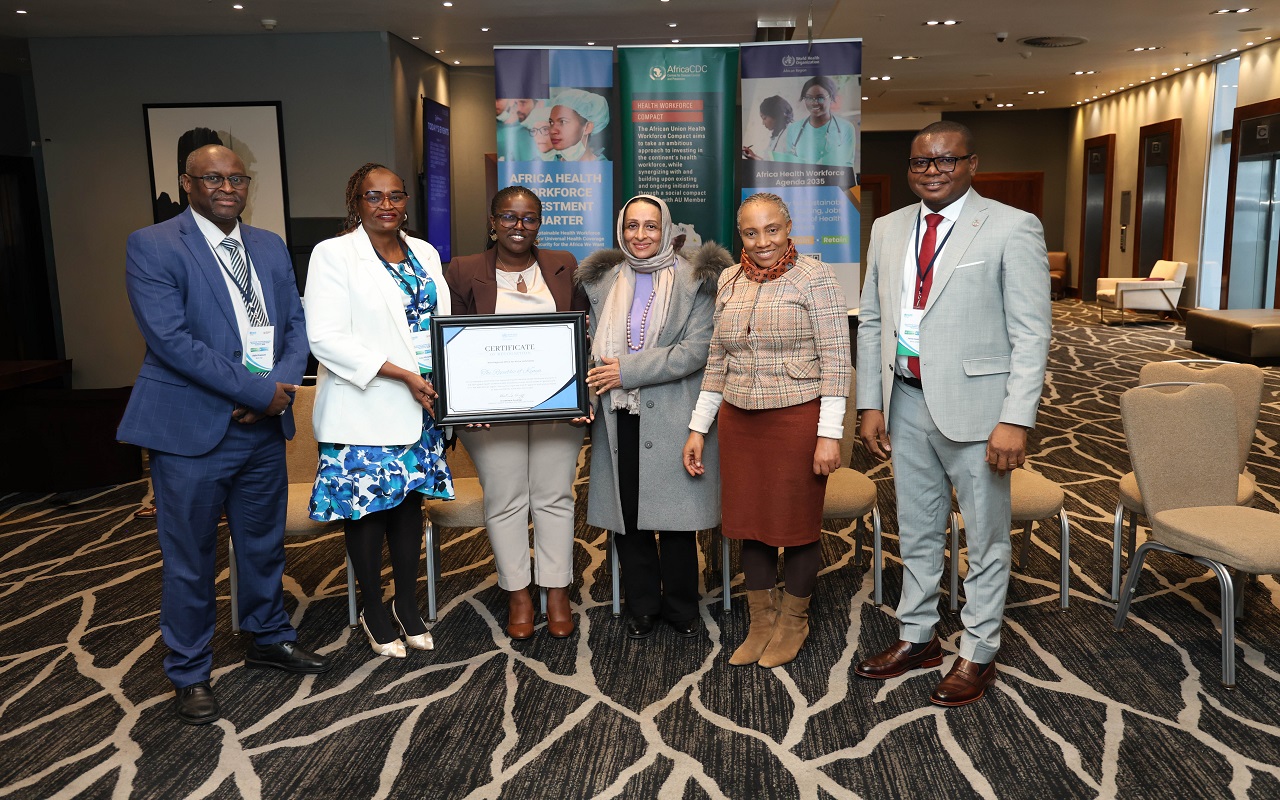
Johannesburg, South Africa – Zambia and Kenya have been recognized by the World Health Organization (WHO) Regional Office for Africa for outstanding progress in strengthening the availability and reporting of health workforce data, providing a stronger evidence base for workforce planning, investment and decision-making.
The recognition was presented during the 2026 WHO–Africa CDC Joint Annual Technical Review and Planning Meeting on the Health Workforce, in Sandton, South Africa.