Angola commits to strengthening preparedness and response to health emergencies with the support of the Pandemic Fund
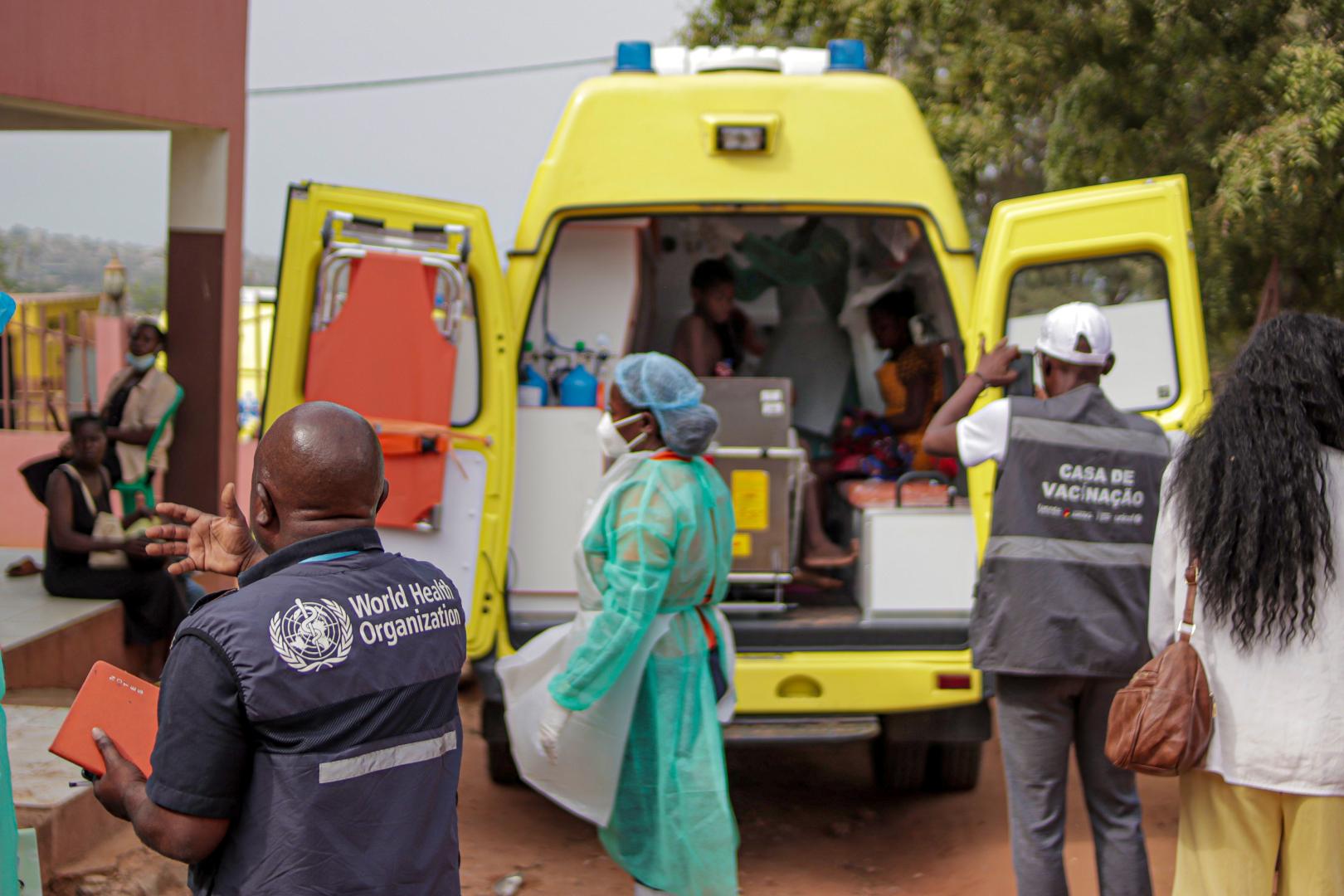
Angola is taking a decisive step towards protecting the health of its population. This week, the National Technical Group concluded the definition of the main activities of the national proposal to the Pandemic Fund, a global initiative that aims to strengthen the capacity to respond to outbreaks and health emergencies in low- and middle-income countries.
Uganda intensifies the fight against TB and leprosy
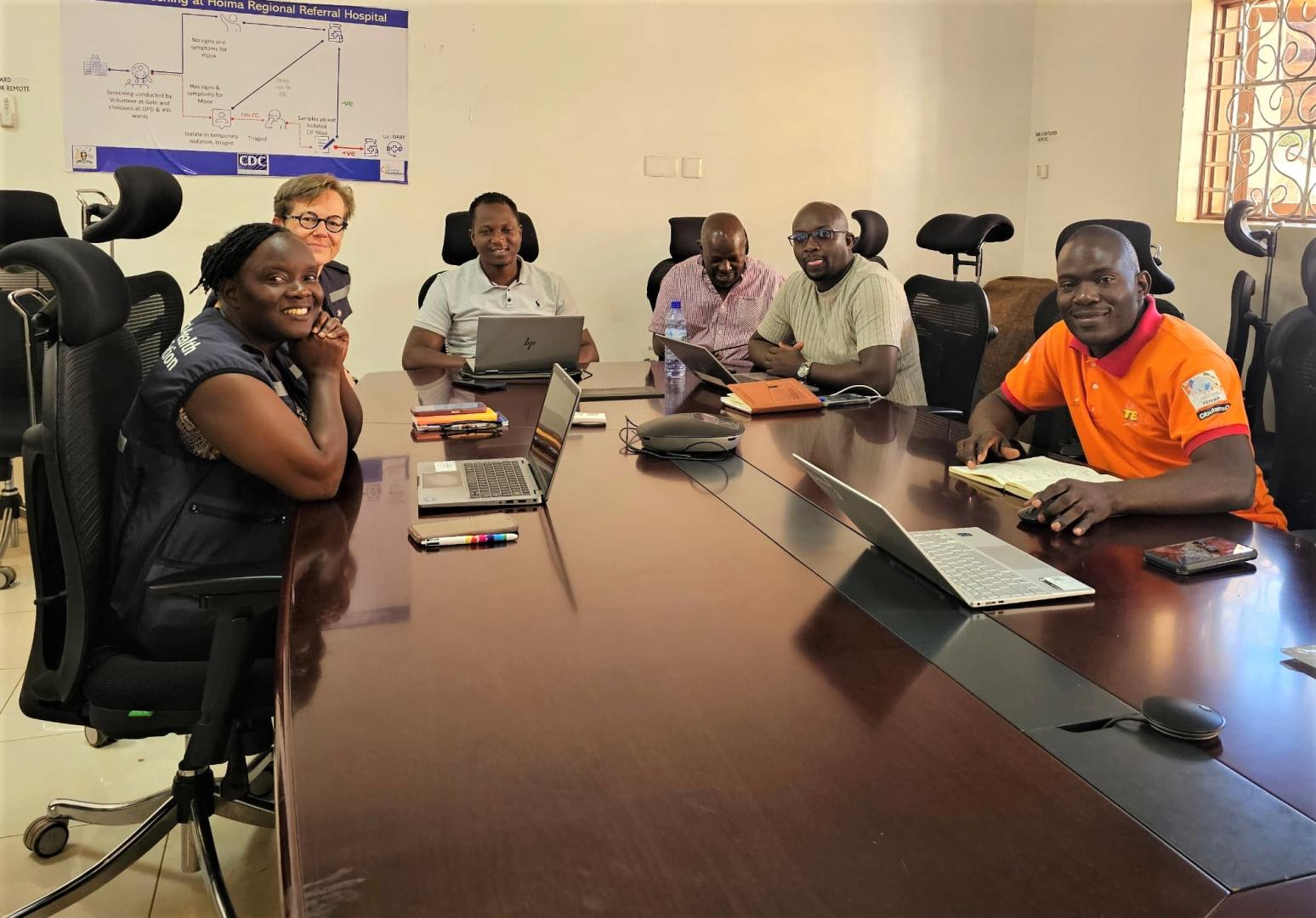
With an estimated 96,000 new cases of Tuberculosis (TB) reported annually, Uganda is among the 30 high-burden countries affected by both TB and TB-HIV co-infection.
Approximately 35% of notified TB cases are co-infected with HIV, and around 2% involve drug-resistant TB, complicating treatment and recovery.
Strengthening the Health System in Rodrigues Island: Development of a Health Master Plan for a Healthier Future
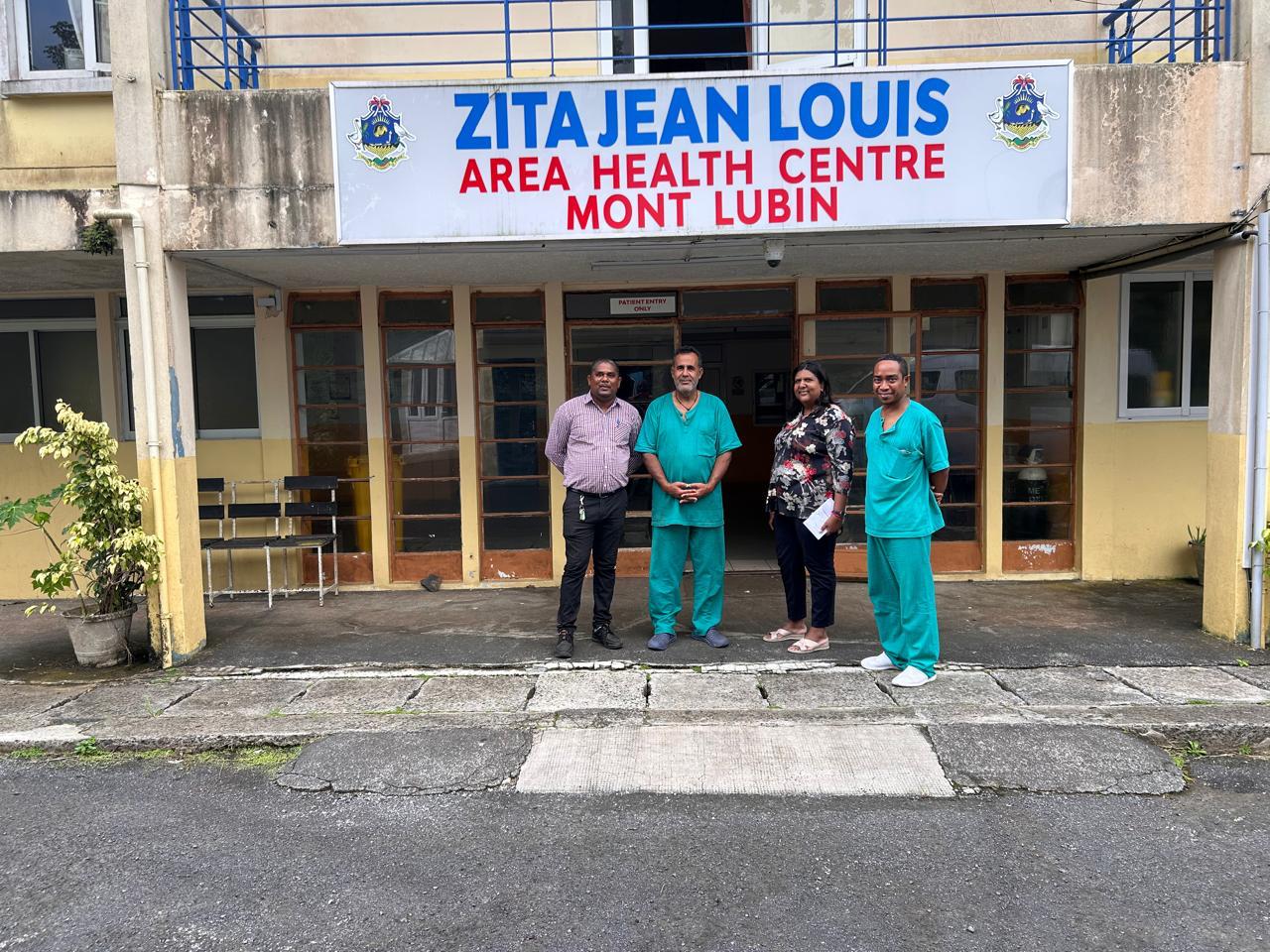
WHO Ghana Welcomes New Country Representative, Dr Fiona Braka
Accra, 05 May 2025 — The World Health Organization (WHO) Ghana has welcomed Dr Fiona Braka as its new Country Representative, following official endorsement by the Government of Ghana.
Angola takes a significant step toward strengthening public health emergency preparedness and response
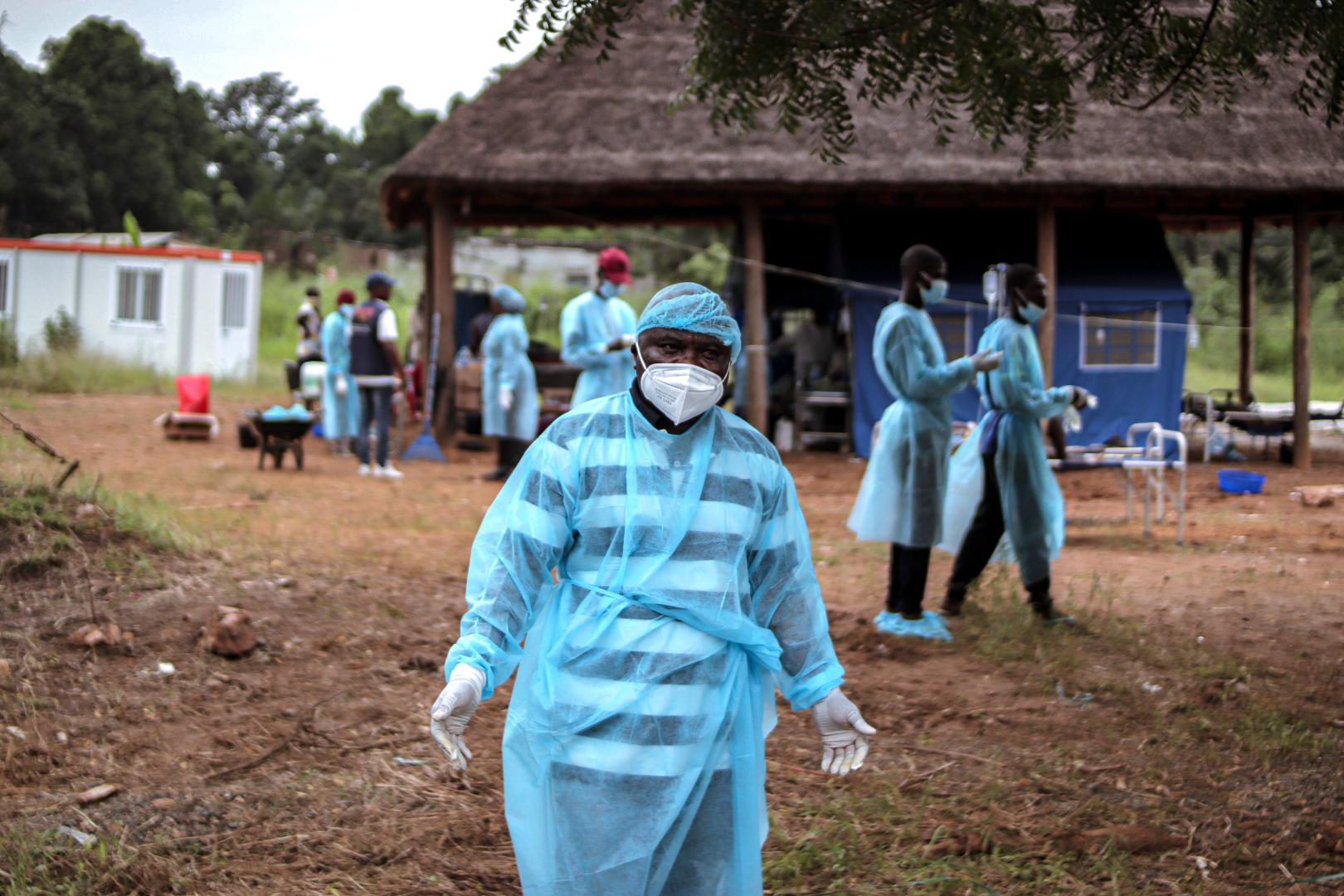
Angola, like many countries in the region, continues to face growing threats to public health, including the ongoing cholera outbreak affecting several provinces. In response, the Ministry of Health has taken concrete measures to enhance the country’s capacity to prepare for and coordinate responses to public health emergencies.
Ethiopia reviews progress in national antimicrobial resistance surveillance system
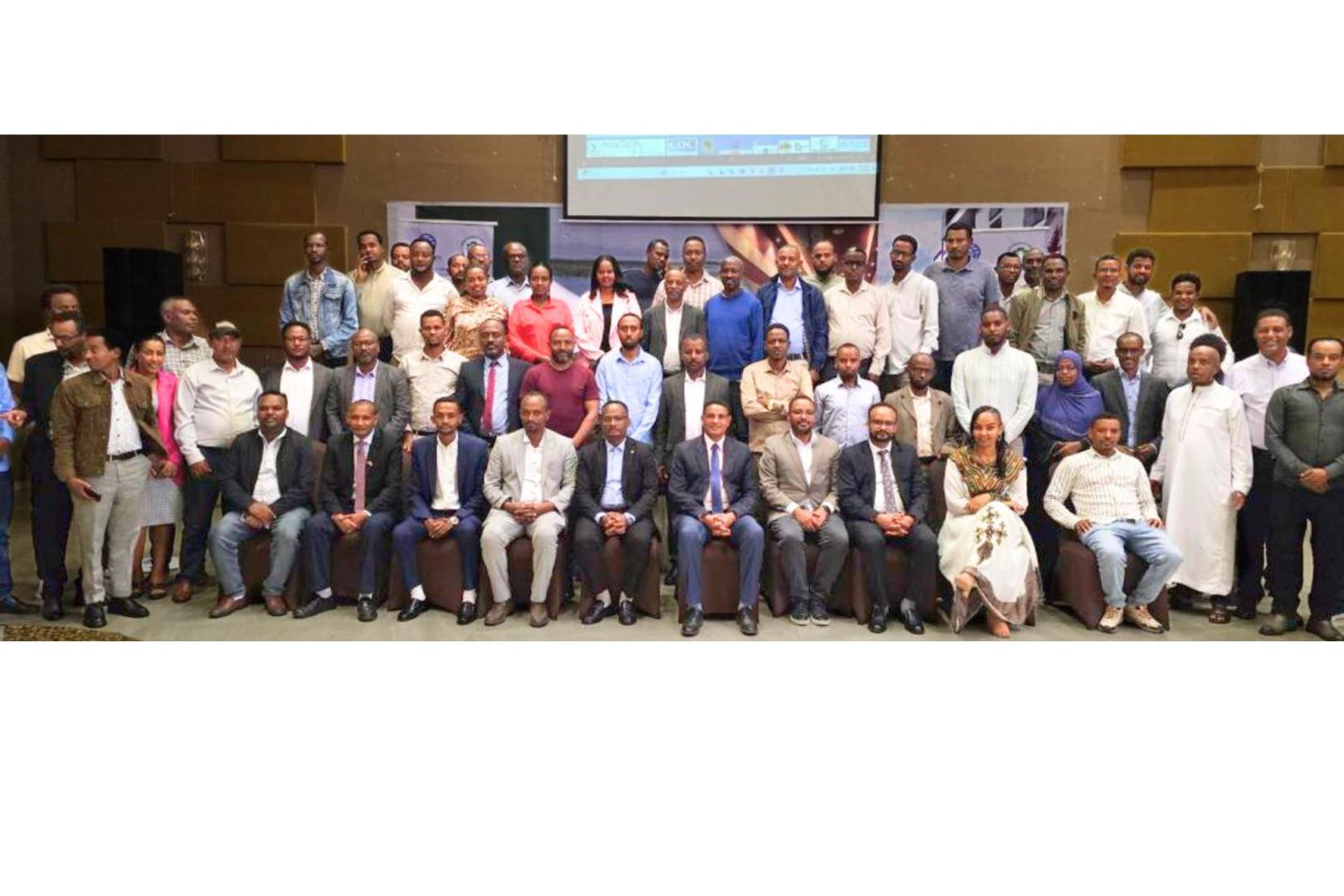
From May 2 to 3, 2025, the Ethiopian Public Health Institute (EPHI) organized a meeting with the technical and financial support of the World Health Organization (WHO) through the Pandemic Fund. Over 80 participants attended, including representatives from federal ministries, regional public health institutes, sentinel hospitals, academic institutions, and international partners. The purpose of the meeting was to review the achievements and challenges faced during the 2024 implementation of antimicrobial resistance (AMR) surveillance.
Advancing the Fight against Malaria: Rwanda's Bold Steps on World Malaria Day
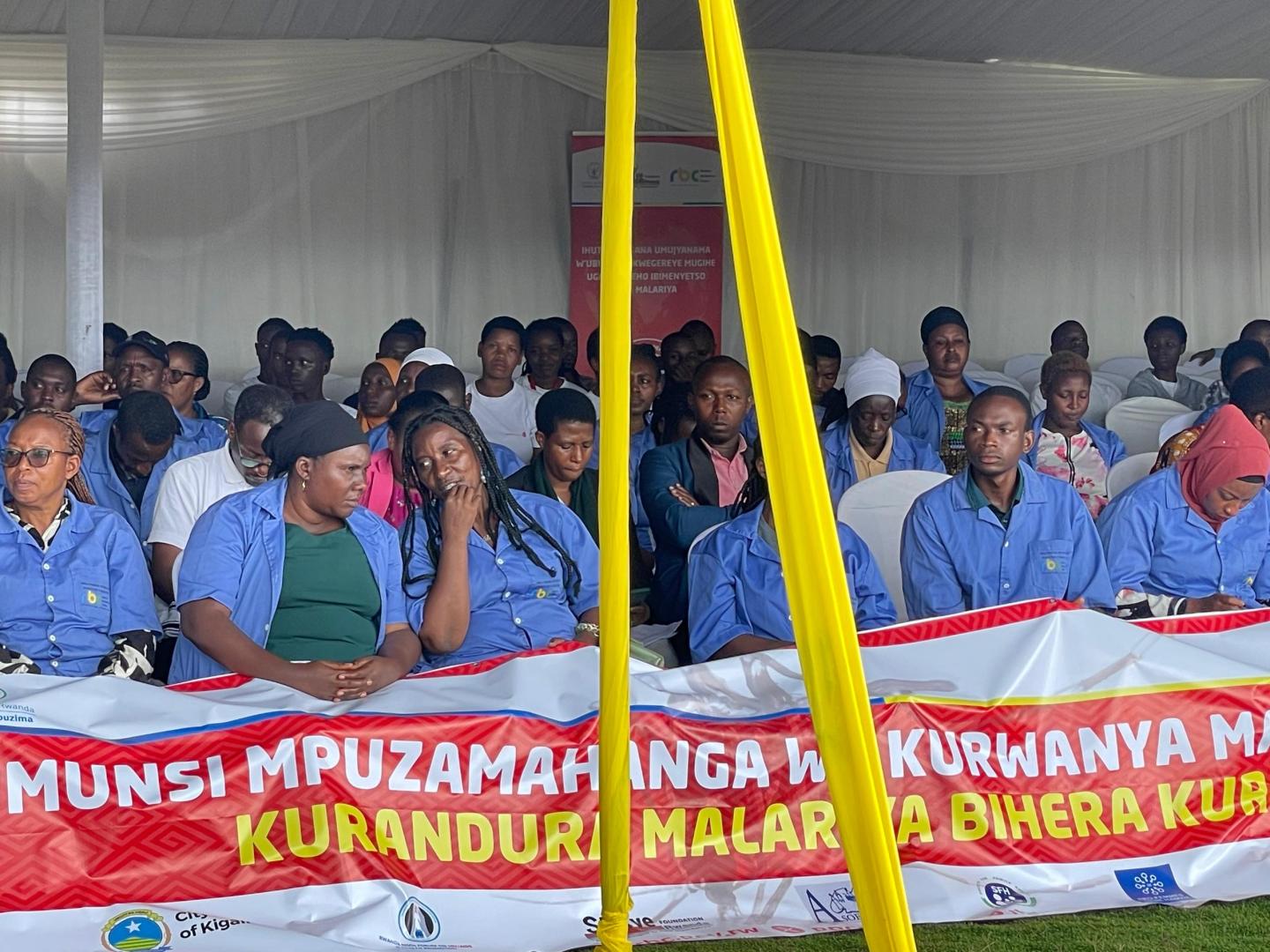
Kigali — Rwanda joined the global community in celebrating World Malaria Day in the Ndera sector of Gasabo district, in line with this year's global theme, "Malaria Ends with Us: Reinvest, Reimagine, Reignite". This significant event aimed at raising awareness about malaria prevention, control and treatment, highlighting Rwanda's ongoing efforts to combat this deadly disease.
The high social cost for an Ebola disease survivor
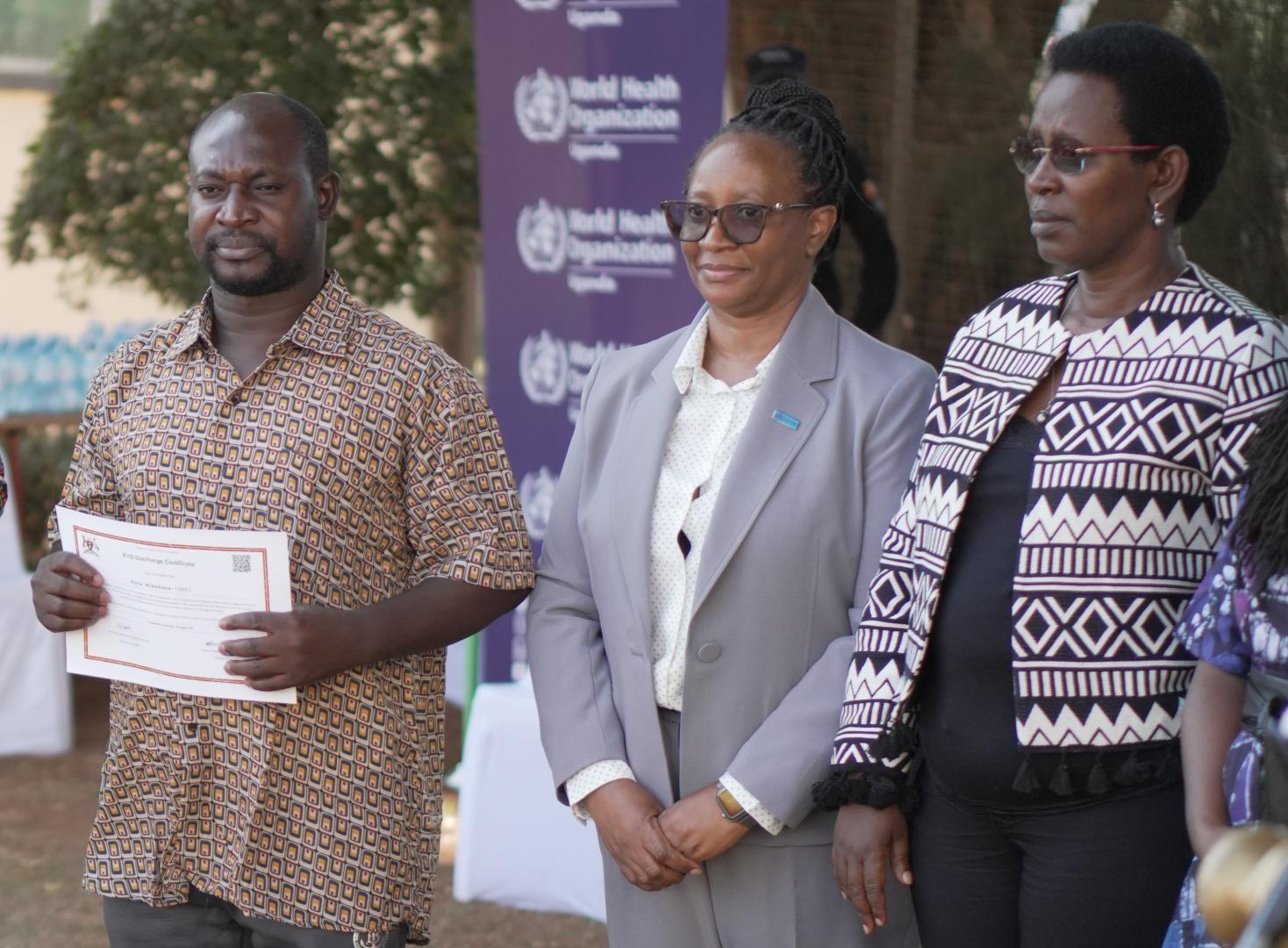
When Dr Ezra Mupakasa first developed a fever and headache on January 25, 2025, he suspected it might be something common - fatigue, perhaps, or an ordinary viral infection. As a health worker at Saidina Abubakar Islamic Hospital in Uganda, he was used to being cautious and seeing patients come and go with all sorts of symptoms.
This time, recalls Dr Mupakasa, the signs pointed to something more serious. A few days later, the confirmation came: a positive PCR test. Dr Mupakasa had attended to the index case.
Surviving Ebola: loss, isolation, and hope
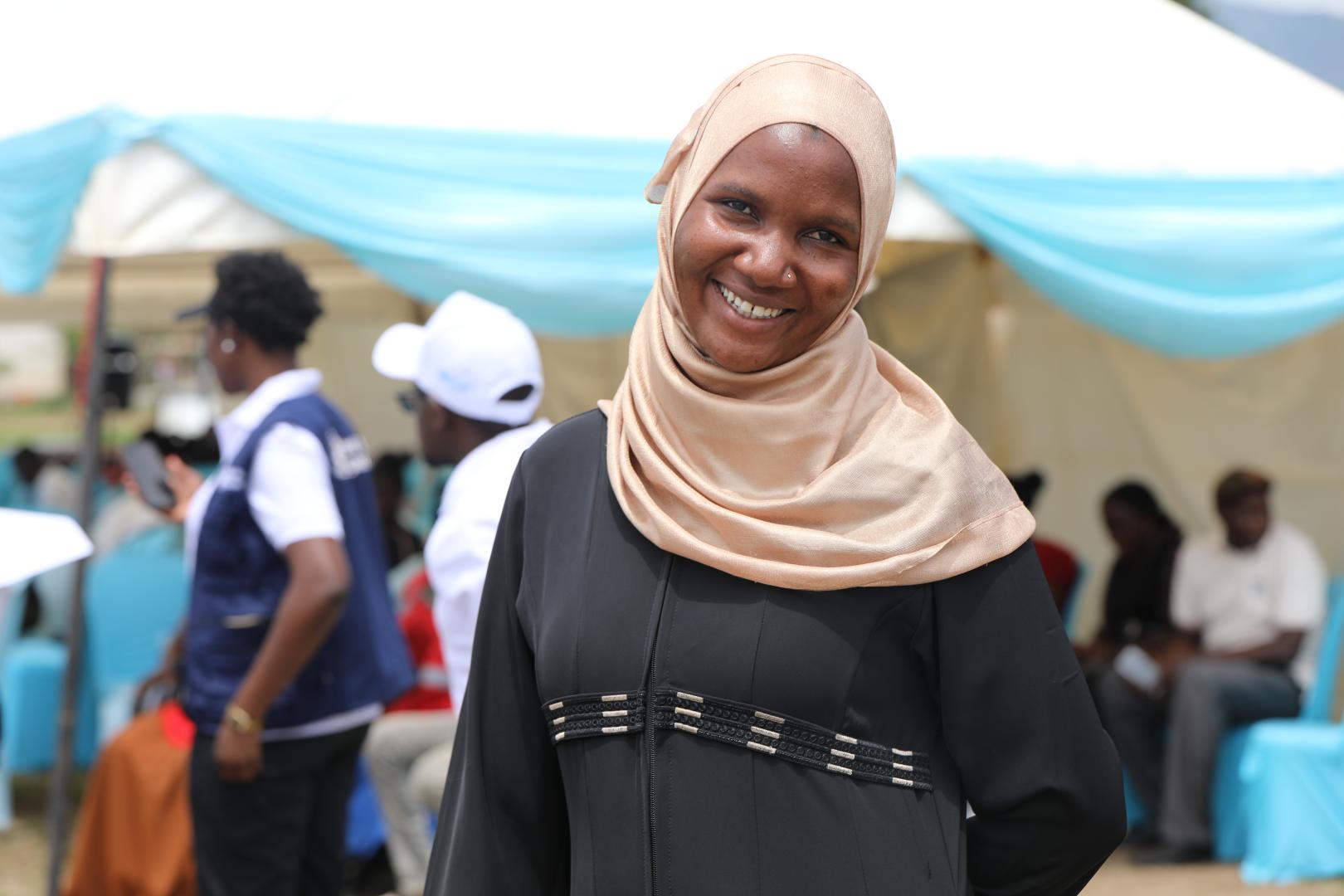
One day, a couple is at home discussing dinner plans, sharing stories about work, and dreaming about the future. In an instant, everything changes. One partner is gone, taken by a dreaded disease that sends everyone into a panic: Ebola.
Guardians of dignity: WHO's efforts to prevent and respond to sexual misconduct during the Ebola outbreak in Uganda
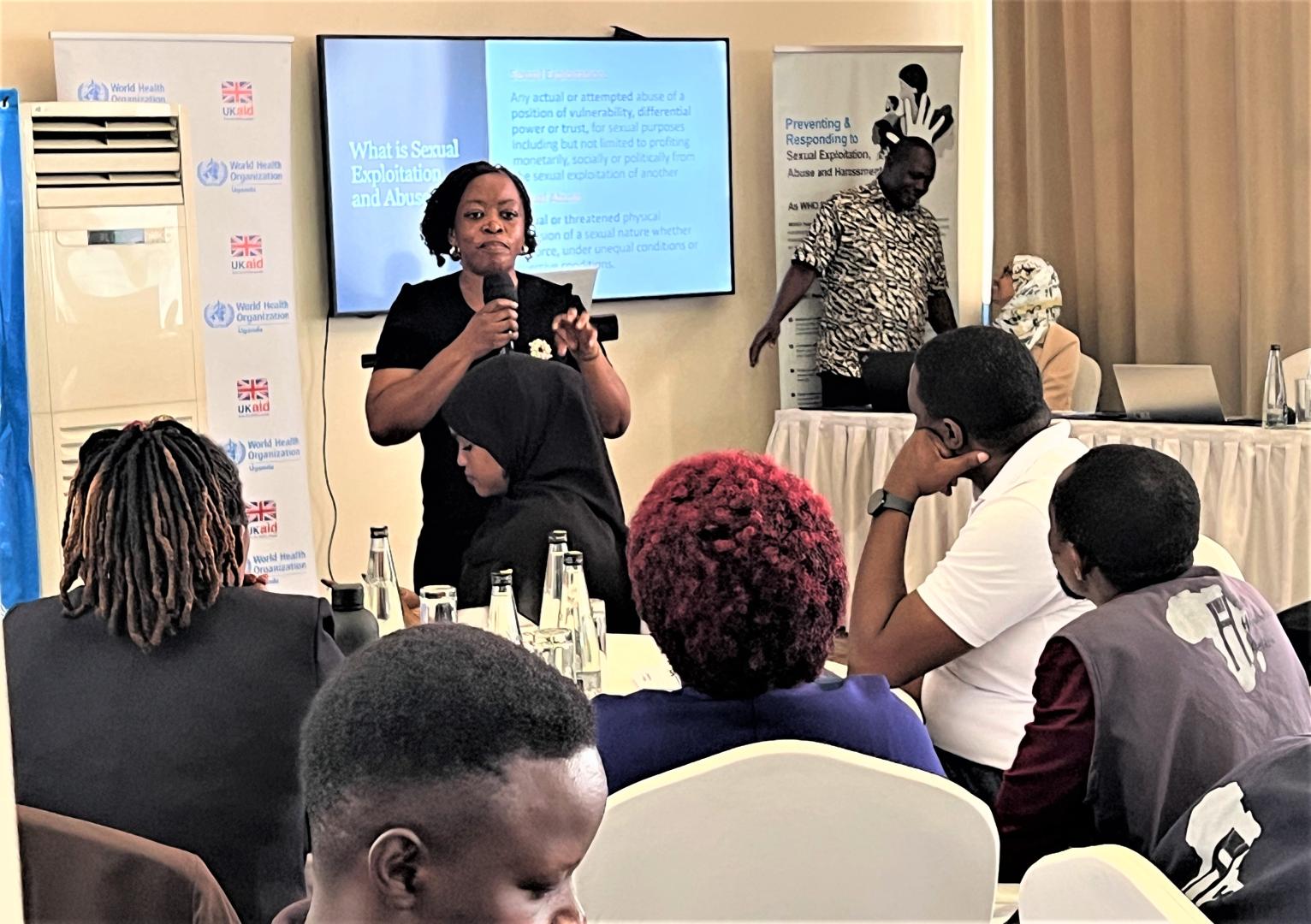
In the heart of every health emergency lies a silent battle, one that is fought not with syringes or stethoscopes, but with an unwavering commitment to uphold the dignity and safety of every individual. As the world grapples with the relentless waves of health crises, the imperative to shield the vulnerable from the shadows of sexual exploitation, abuse, and harassment (SEAH) becomes paramount.