WHO on mission to safeguard Uganda from toxic effects of mercury
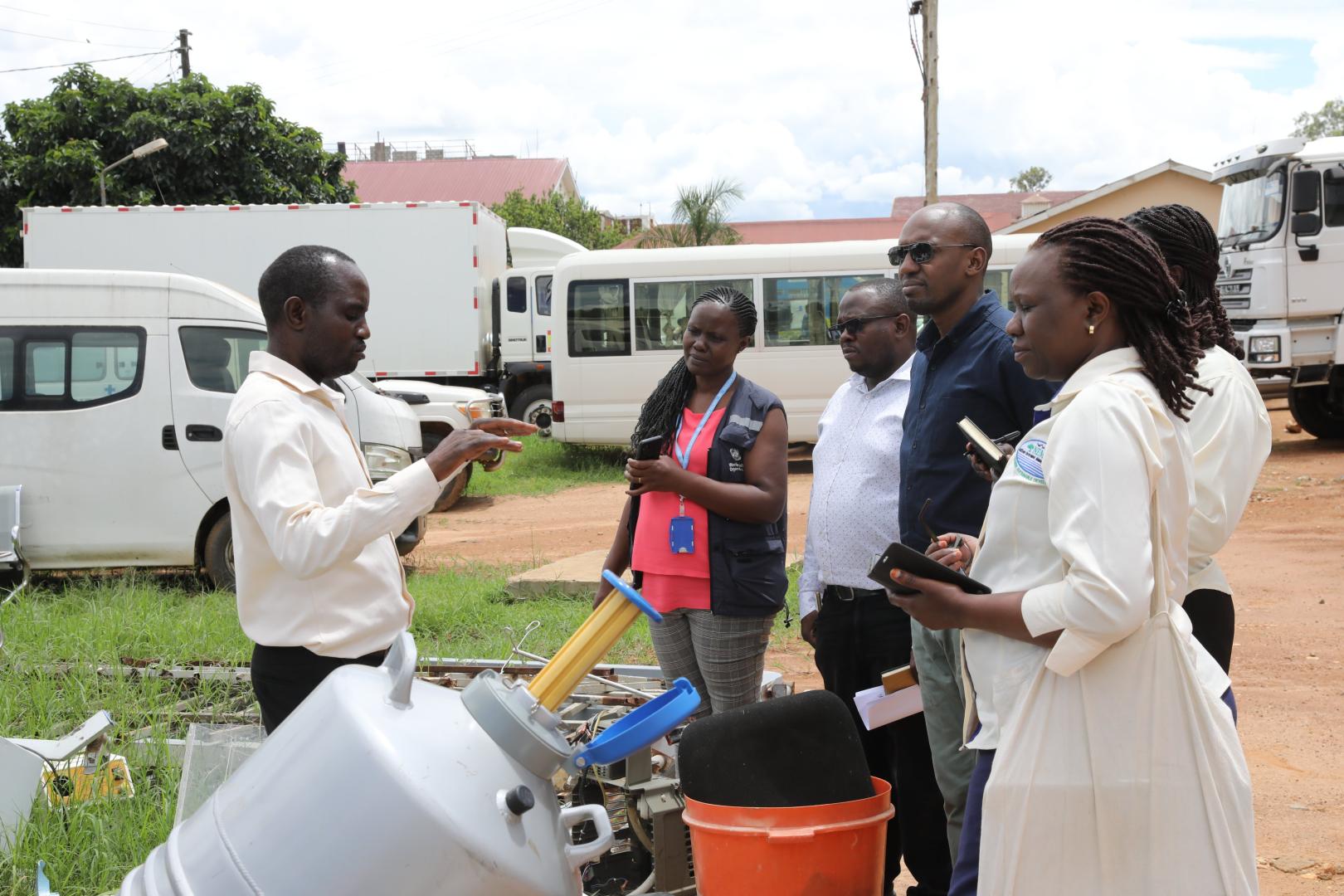
In a busy dental clinic, a dentist carefully prepares a dental amalgam, a common material used for fillings. This amalgam, a mixture of metals including mercury, has been widely used in dental practices for decades due to its durability and cost-effectiveness.
Namibia embarks on a journey to conduct the Second Joint External Evaluation
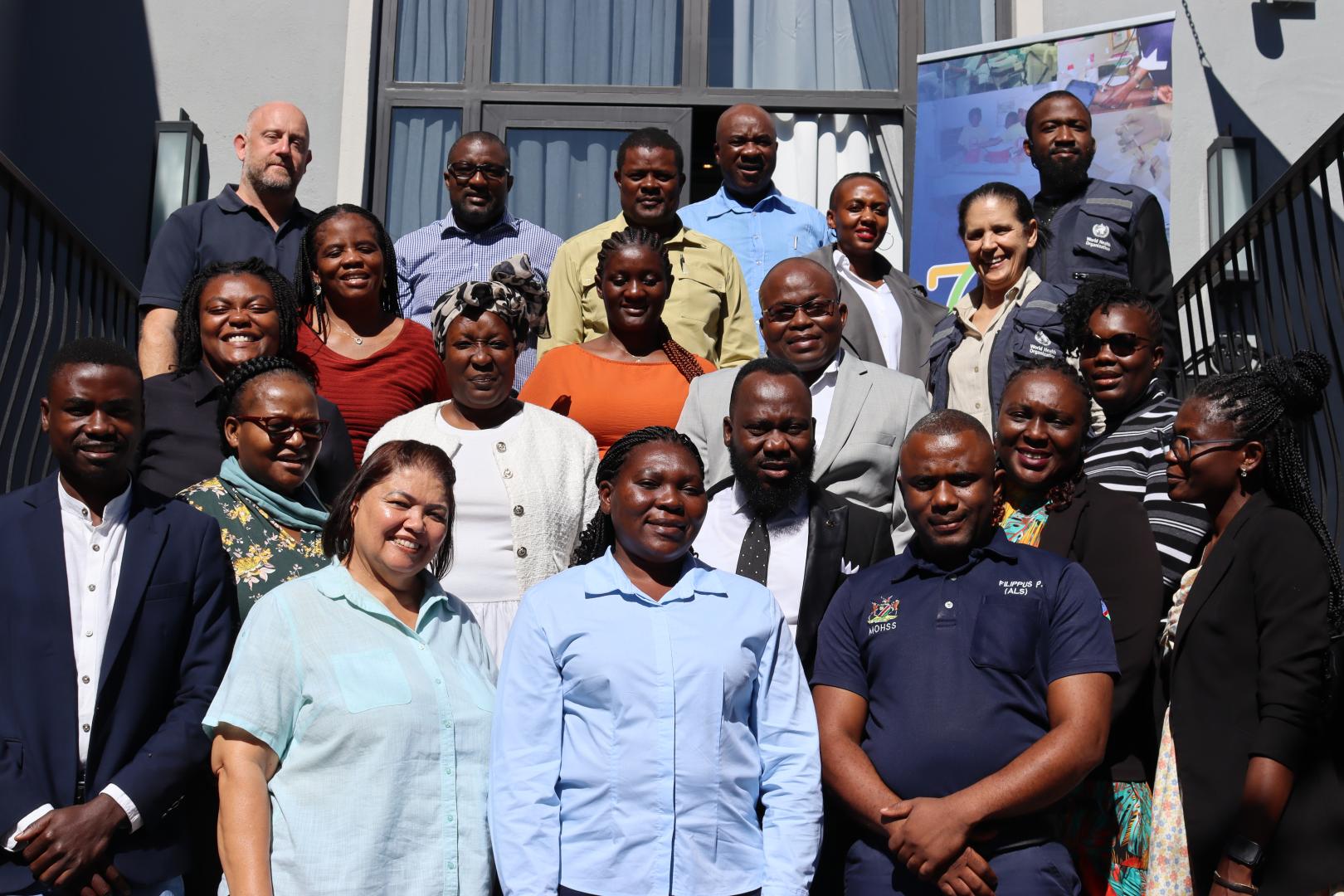
On 28 – 30 April 2025, the Ministry of Health and Social Services (MoHSS) with support from the World Health Organization (WHO) and partners, convened a three-day Joint External Evaluation (JEE) Planning and Stakeholder Orientation meeting in Windhoek. The meeting marked a significant milestone in Namibia’s ongoing efforts to continuously assess and evaluate the implementation of the International Health Regulations (IHR 2005) core capacities with the aim to assess the countries progress in developing capacities for prevention, timely detection, reporting and response.
Sierra Leone hosts high-level commemoration of African Vaccination Week 2025
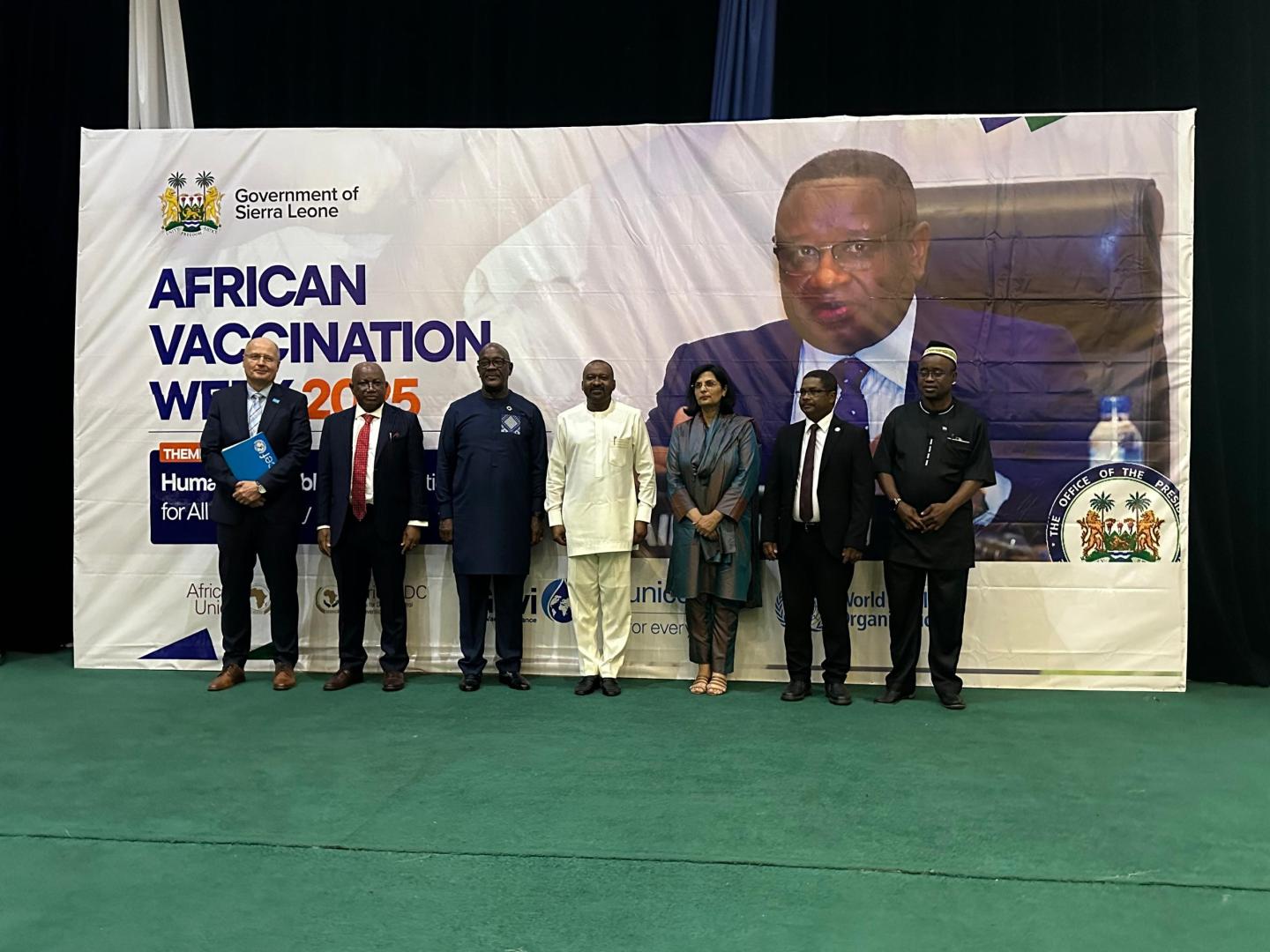
Freetown, Sierra Leone – April 2025 – Sierra Leone hosted the high-level commemoration of African Vaccination Week (AVW) 2025 in Freetown, bringing together global and regional health leaders. Distinguished guests included the Chief Executive Officer of Gavi, the Vaccine Alliance, as well as senior representatives from the African Union, Africa CDC, WHO, UNICEF, Ministry of Health, and the Sierra Leone Red Cross Society (SLRCS).
Scaling up response to anthrax outbreak in the Democratic Republic of the Congo
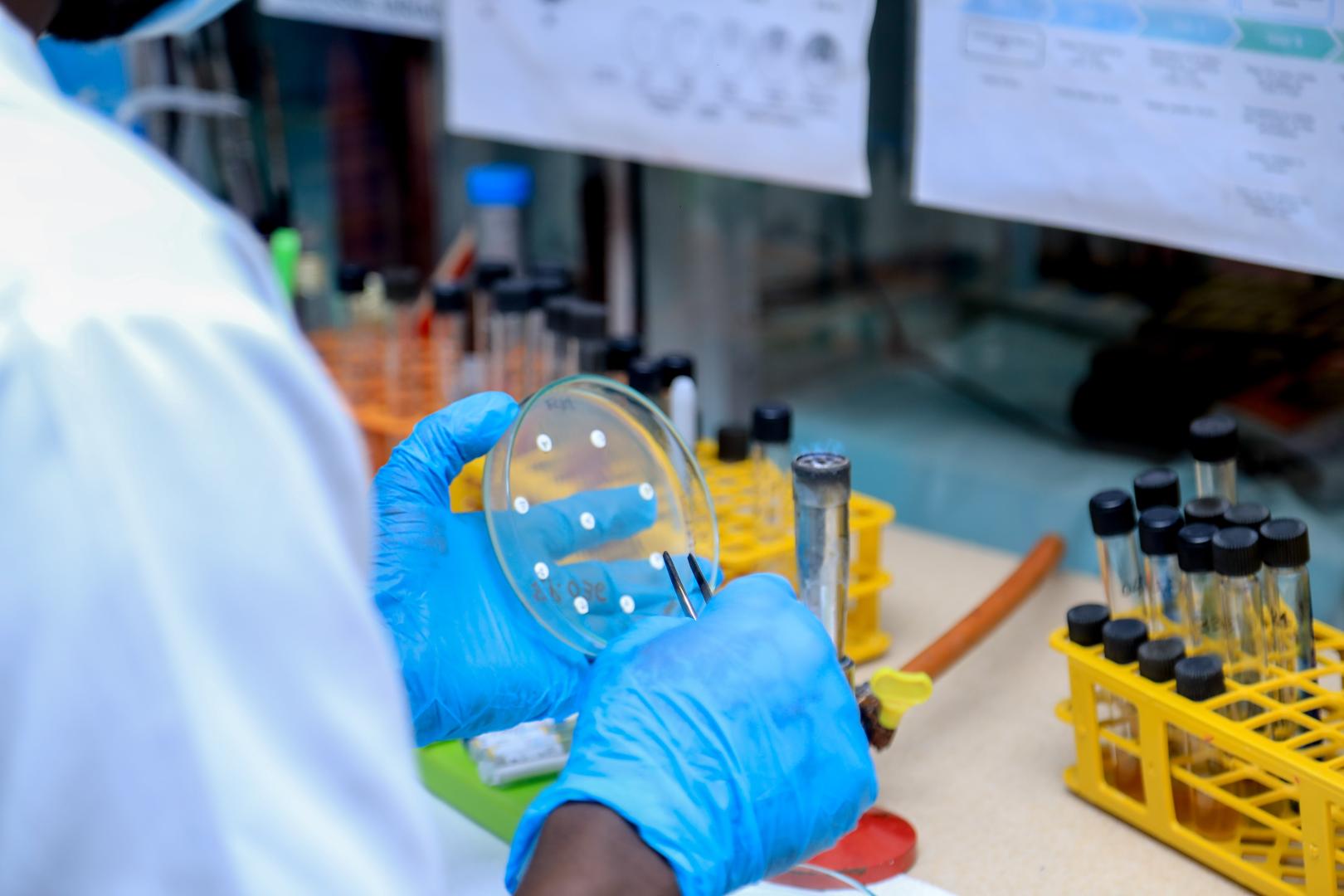
Kinshasa – Health authorities in the Democratic Republic of the Congo, with support from World Health Organization (WHO), are intensifying emergency response efforts to control an outbreak of anthrax in which 16 suspected and one confirmed human cases have been reported in North Kivu Province in the east of the country.
Ensuring a safe and healthy start for mothers and children in remote villages
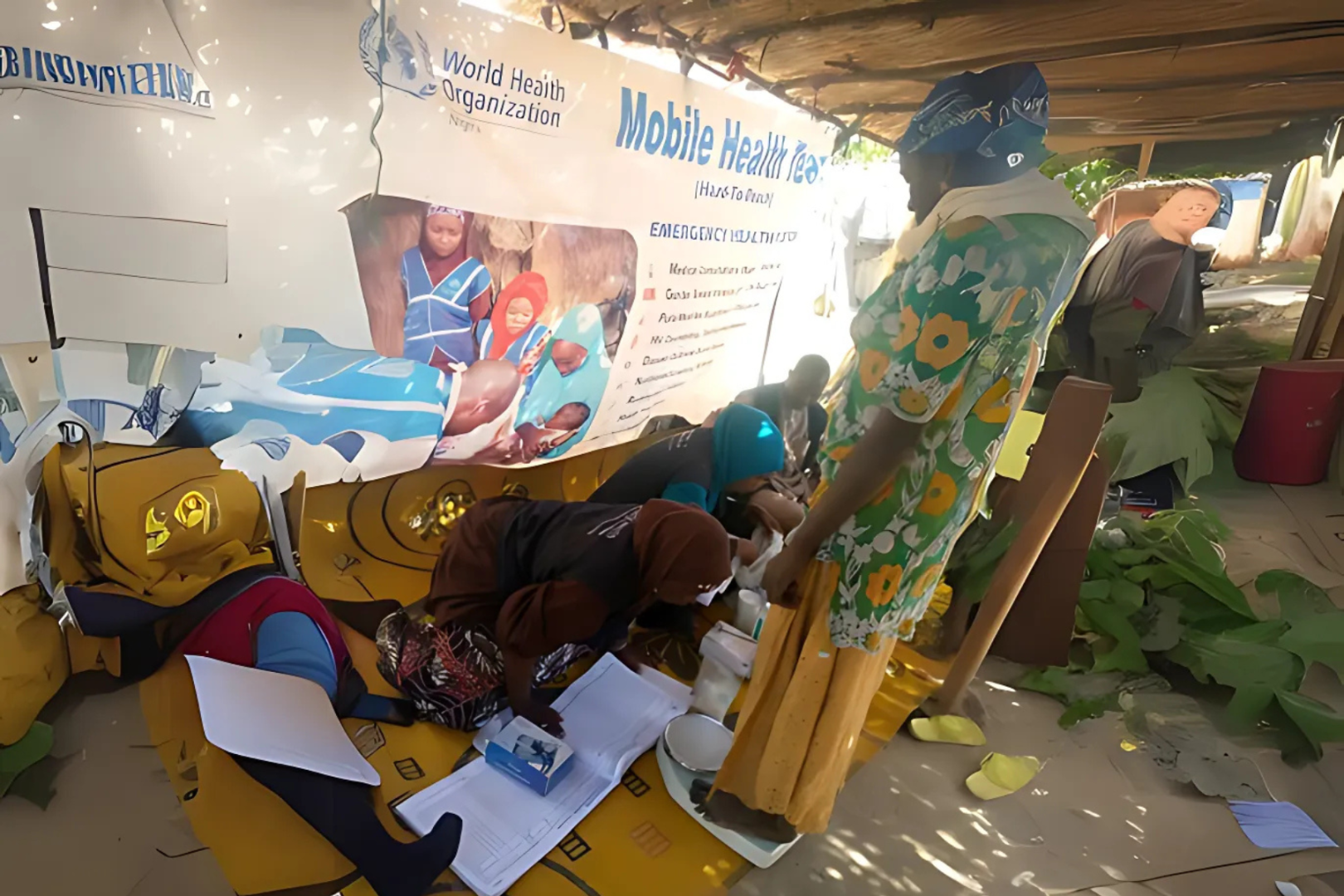
Borno, On a recent Tuesday, Fatima Alhaji Mohammed and three other health workers arrived in Garmiri Village, Magumeri Local Government Area, Borno State.
They were part of the World Health Organization's (WHO) mobile, hard-to-reach health team dedicated to delivering essential healthcare services to underserved communities.
As the team were setting up, a man interrupted them, pleading for help for his wife, who had been in labour for over a day.
Mali: Greater protection for children against malaria
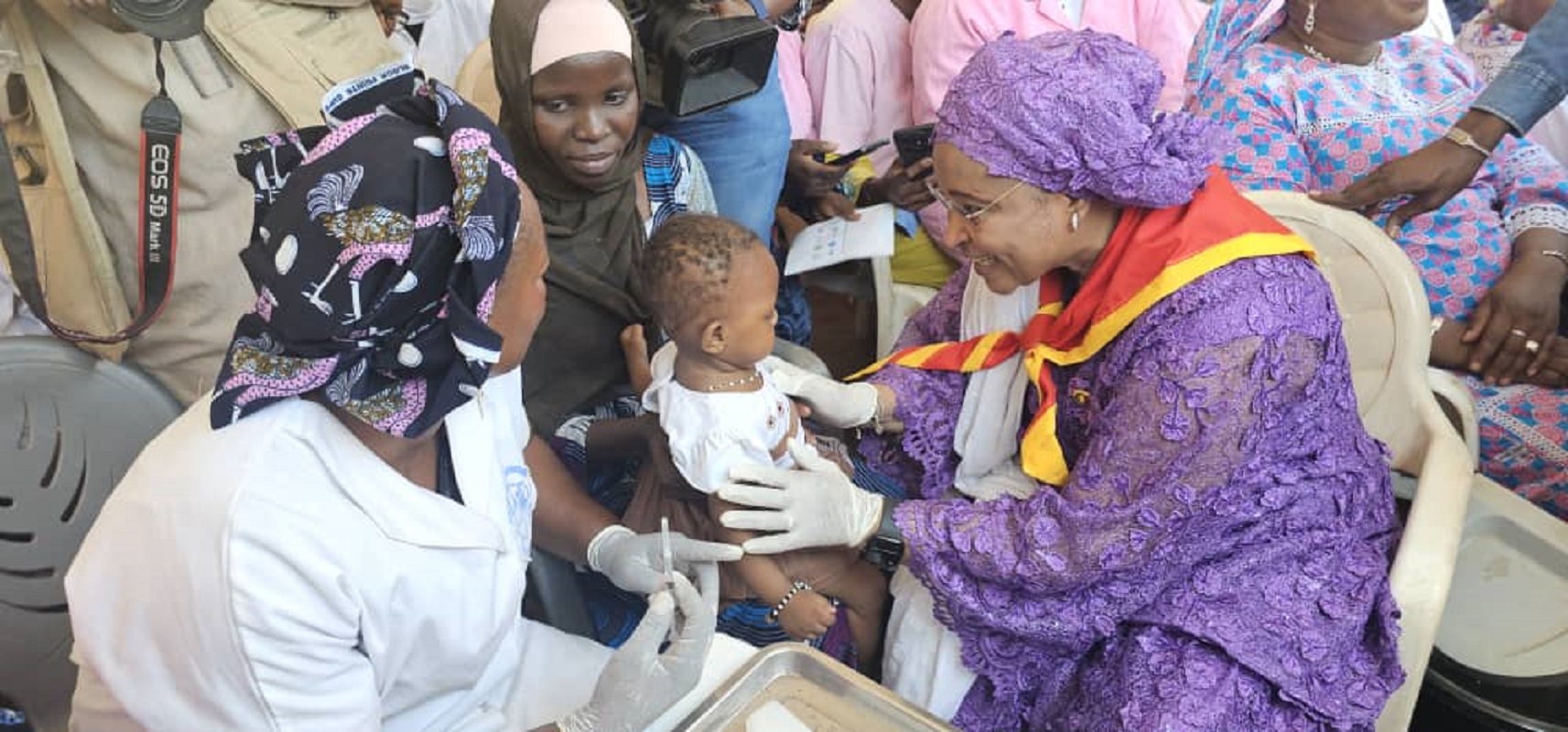
In African Vaccination Week: Angola pushes ahead with new Immunization Strategy
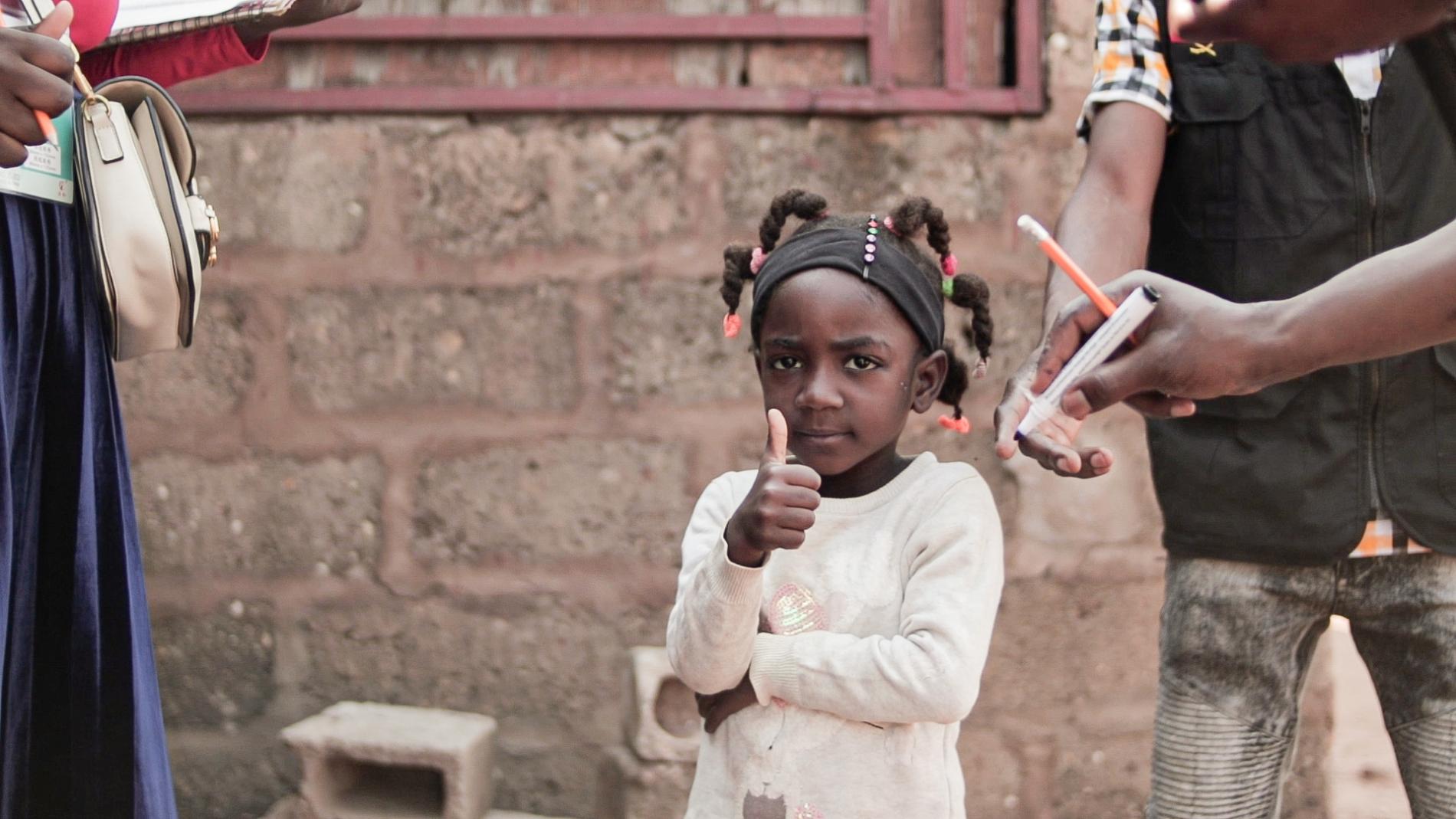
In an ongoing effort to strengthen public health, Angola is drawing up the new National Immunization Strategy (ENV), designed to consolidate the progress already made and tackle the persistent challenges in the field of immunization. This initiative, led by the Ministry of Health, has the support of the World Health Organization (WHO), the United Nations Children’s Fund (UNICEF), GAVI, the Global Alliance for Vaccines, and other strategic partners.
World Health Day: Botswana renews commitment to ending preventable maternal deaths
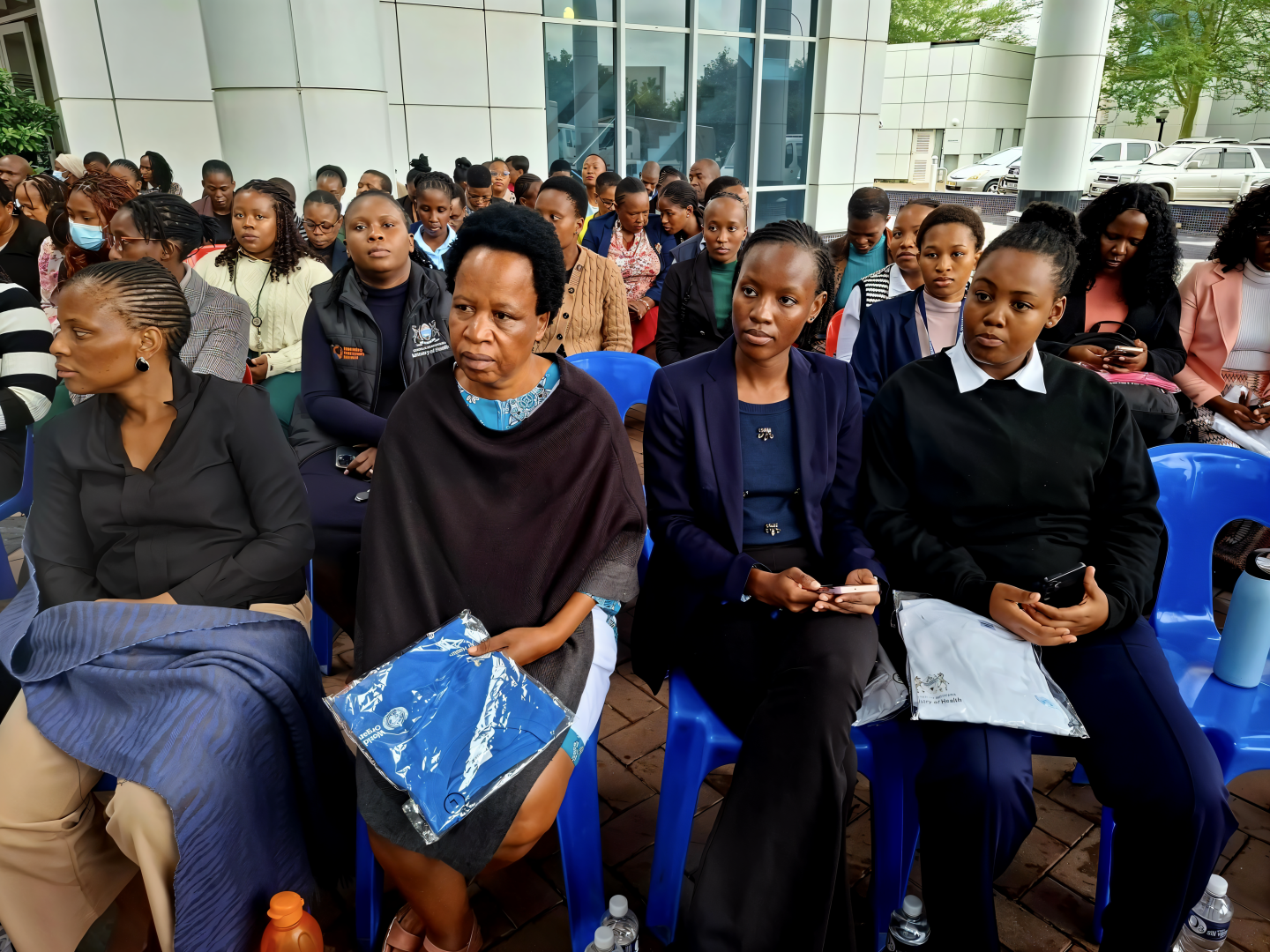
As countries around the world observed World Health Day on April 7, 2025, Botswana used the moment to reflect on its maternal health journey and renew its commitment to ending preventable maternal and newborn deaths. The national commemoration, jointly hosted by WHO Botswana and the Ministry of Health, brought together government officials, health experts, development partners, and citizens under the theme “Healthy Beginnings, Hopeful Futures.
Access to health services expands in Borno State as WHO donates new state-of-the-art centre
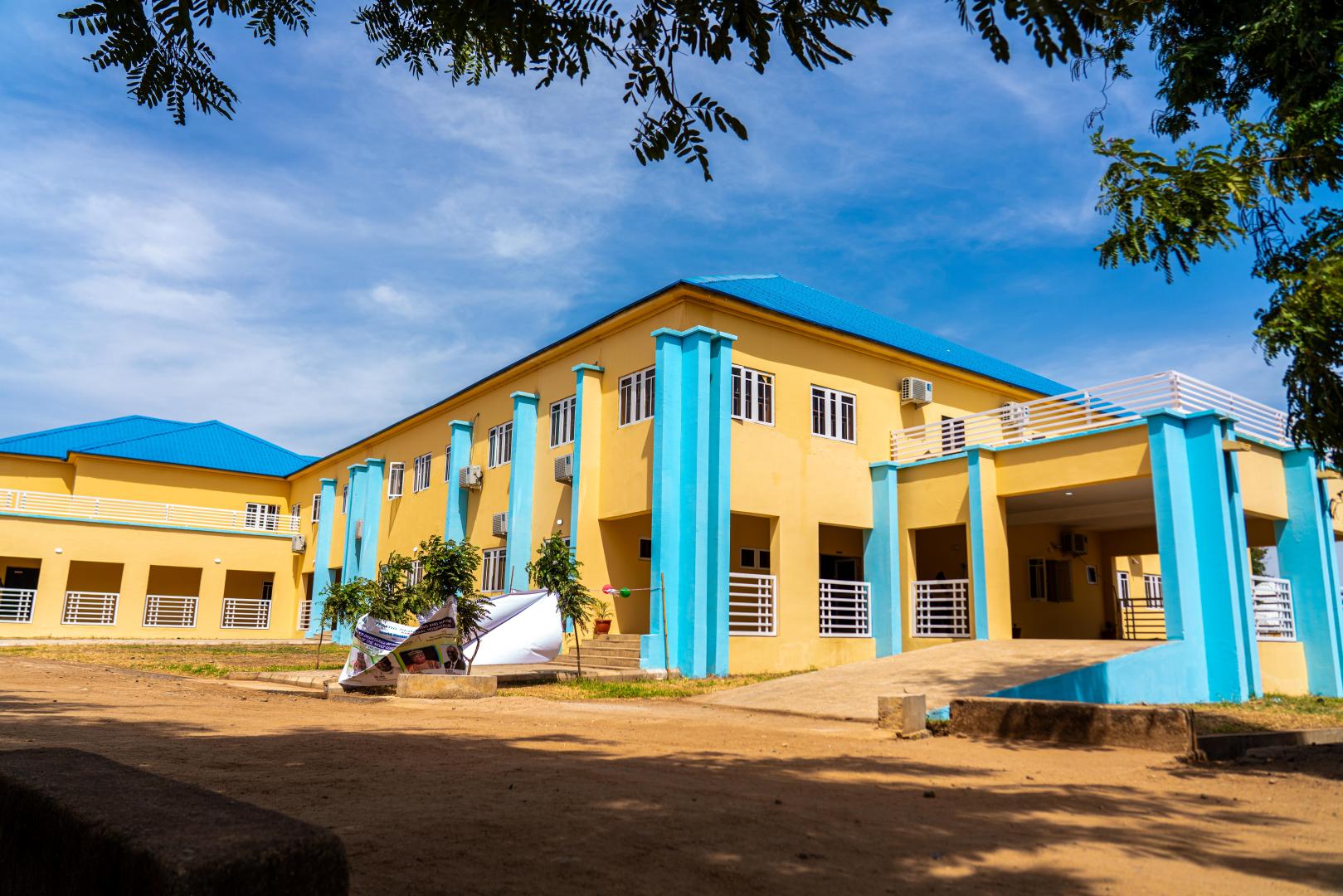
Borno, 30 April, 2025 - The Borno State Government has commended the World Health Organization (WHO) and the European Union for donating an ultra-modern health facility to support the delivery of health care services in the state.
As part of its commitment to strengthening the health system in post-conflict areas, WHO, in collaboration with the Borno State Ministry of Health and the Ministry of Reconstruction, Rehabilitation and Resettlement (RRR), completed Phase 2 of the Biu General Hospital expansion.
Africa Vaccination Week 2025: Message from Ms Shenaaz El-Halabi, WHO South Africa Representative

Pretoria – On the occasion of Africa Vaccination Week 2025, we join the continent and the global community in reaffirming our shared commitment to the power and promise of immunisation. This year’s theme, “Immunisation for All is Humanly Possible,” and the slogan “Vaccinated Communities, Healthy Communities” remind us that universal immunisation is not only a moral imperative, but a practical goal within reach.